
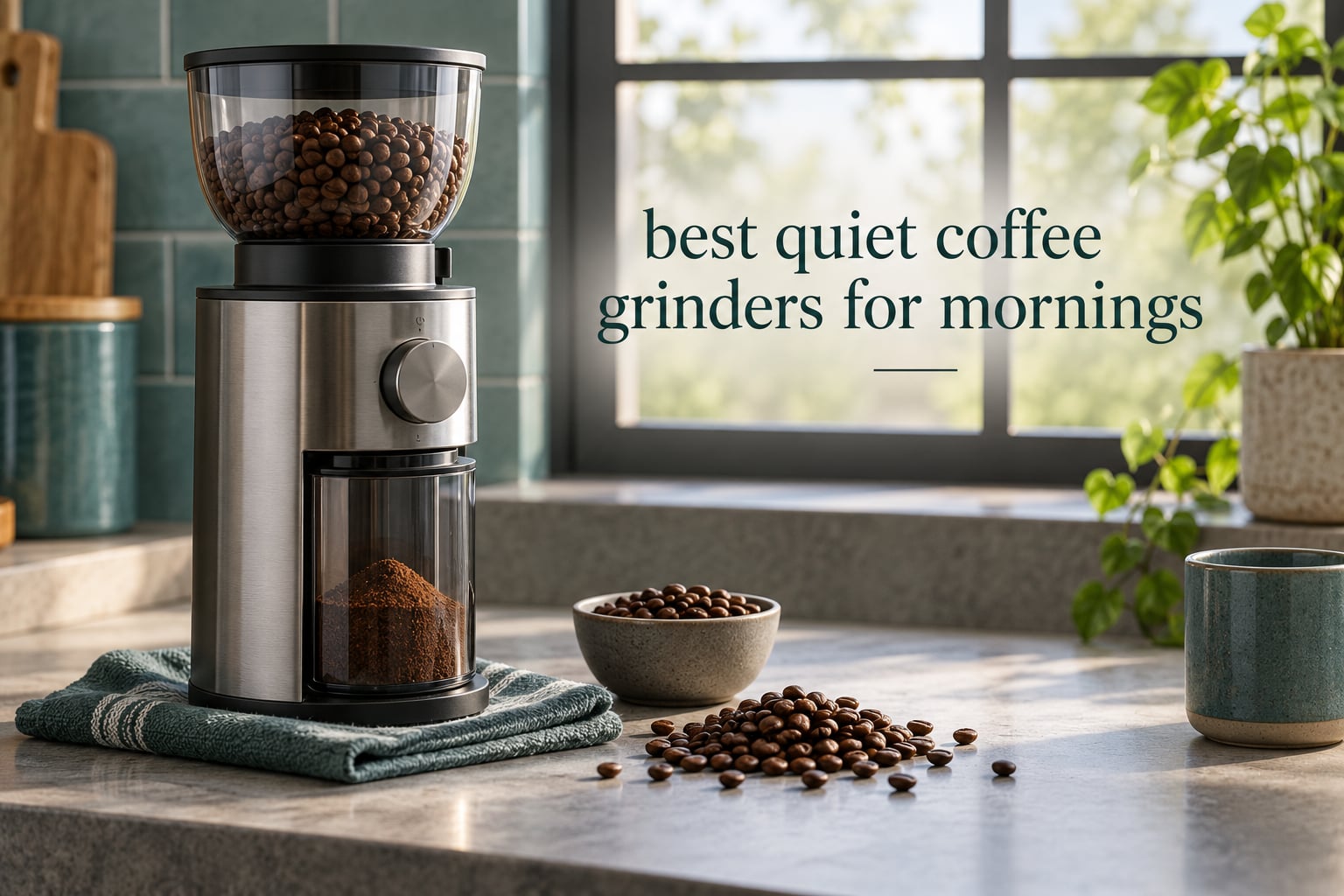
It is 5:40 in the morning. Someone else in your home is asleep, and you are standing in the kitchen holding a bag of beans. The first press of a blade grinder carries straight up the stairwell. The first burr grind of an espresso grinder is worse. If that sounds familiar, the best quiet coffee grinders are the only sensible answer.
We spent weeks reading owner reviews on ten grinders that make a genuine claim about noise, then ranked them by what buyers actually report rather than by what the box promises. The result is a list that mixes budget blade models with premium burr machines, because silence and grind quality are different problems and the right choice depends on how early you wake up and how thin your walls are.
Two things shape most of our picks. First, motor pitch matters as much as volume: a low rumble at the back of the kitchen is far more forgiving than a high whine at 7am. Second, body material changes how sound travels, and that is where the plastic-bodied models lose points. If you also want the broader picture on burr geometry, our burr coffee grinder guide covers grind quality in detail.
Every model below is written from real owner feedback and published specifications. Where we make a judgement call, we tell you why, and where a product falls short, we say so plainly.
Table of Contents
Top 3 Quiet Coffee Grinder Picks for 2026
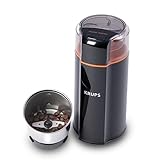
KRUPS Silent Vortex Electric
- Patented Silent Vortex design
- Removable stainless steel bowl
- 12-cup yield
- Grinds beans spices and herbs

Breville Smart Grinder Pro
- 60 grind settings
- Dosing IQ timer in 0.2 second steps
- 18 oz bean hopper
- Portafilter cradles included
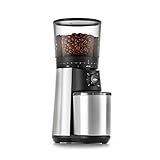
OXO Brew Conical Burr Grinder
- 40 mm conical burrs
- 15 settings plus 43 micro-adjustments
- Static-free stainless cup
- 12 oz UV-blocking hopper
The KRUPS Silent Vortex takes our top spot because owners describe a low hum instead of a rattle, and because the removable stainless bowl means you are not dealing with a cloud of dust at 5am. The Breville Smart Grinder Pro is the pick if you want real burr consistency without losing the morning. The OXO Brew wins on value, with the largest owner base in this roundup and a stainless cup that keeps static in check.
All 10 Quiet Grinders Compared in 2026
| Product | Specifications | Action |
|---|---|---|
| KRUPS Silent Vortex Electric Grinder |
|
Check Latest Price |
 KRUPS Silent Vortex Two Speed KRUPS Silent Vortex Two Speed |
|
Check Latest Price |
 SHARDOR Quiet Grinder 60dB SHARDOR Quiet Grinder 60dB |
|
Check Latest Price |
 SHARDOR Timed Blade Grinder SHARDOR Timed Blade Grinder |
|
Check Latest Price |
| OXO Brew Conical Burr Grinder |
|
Check Latest Price |
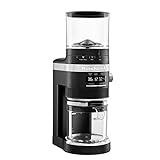 KitchenAid Burr Coffee Grinder KitchenAid Burr Coffee Grinder |
|
Check Latest Price |
| Breville Smart Grinder Pro |
|
Check Latest Price |
 Baratza Encore Conical Burr Baratza Encore Conical Burr |
|
Check Latest Price |
 Capresso Infinity Plus Capresso Infinity Plus |
|
Check Latest Price |
 Aromaster Conical Grinder Aromaster Conical Grinder |
|
Check Latest Price |
How We Judge Quietness Without a Sound Meter
Here is the honest part: we did not run instrumented decibel testing, and neither did most of the sites ranking these grinders. Numbers printed on retail listings are measured by the manufacturer, usually at a fixed distance on a fixed sample of beans, and they do not translate neatly to your kitchen at 5am.
Instead we used four signals that showed up consistently across thousands of owner reviews. How owners describe the sound (hum, whir, rattle, whine) came first. Motor design notes such as gear reduction or slow burr speed came second. Materials that absorb rather than amplify vibration came third. And reported behaviour during real use, such as walking across the counter or throwing grounds onto the surface, came fourth.
Every product below has a published owner rating and review count, which we quote exactly as listed. Where owners disagree about loudness, we tell you that the disagreement exists rather than picking the flattering half.
1. KRUPS Silent Vortex Electric Grinder – Our Editor’s Choice Pick for Early Mornings
- Exceptionally quiet with a low hum rather than a rattle
- Removable stainless bowl makes filling and cleaning simple
- Grinds a full bowl in roughly 15 to 20 seconds
- Compact body with cord wrap underneath
- Handles beans spices and dry herbs
- Blade consistency trails burr grinders on precision brews
- Lid has a hidden inner lip that traps moisture and is hard to dry
- Fine grounds can clump in the corners of the bowl
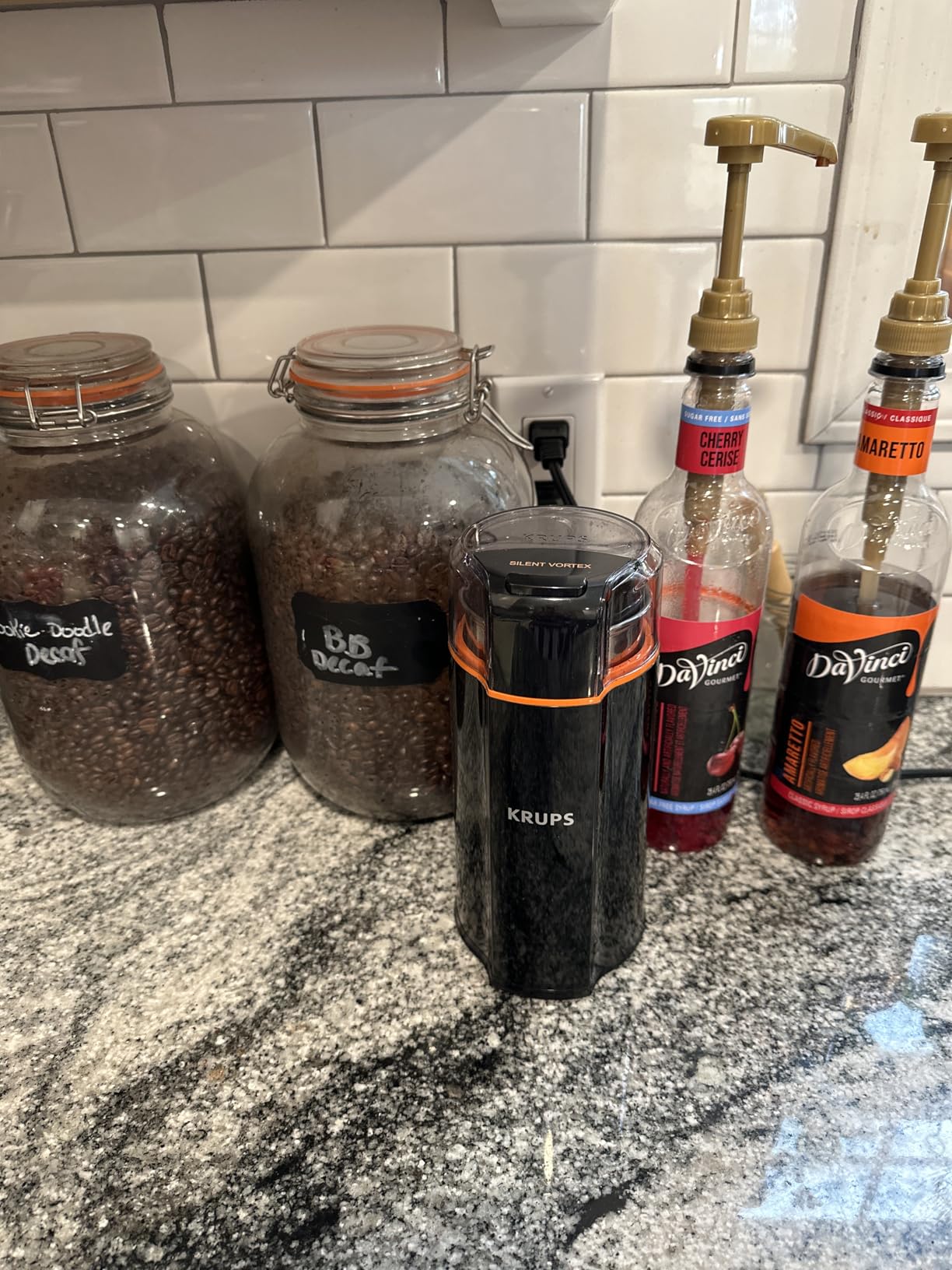
This is the grinder most owners describe as the quietest thing on their counter, and after reading through several thousand reviews that pattern holds. The sound is a low hum rather than the grinding shriek of a typical blade machine. It runs for 15 to 20 seconds on a full bowl, which means it stops quickly.
The stainless bowl is the part that wins people over day to day. You lift it out, fill it, snap it back on, and pour grounds from one side when you are done. That containment matters in a quiet kitchen because it means you are not shuffling grounds with a spoon, which produces its own noise.
What you give up is precision. A blade grinder cannot tell an espresso fine from a pour-over medium the way a burr set can, and buyers who moved up from this to a burr machine usually notice the difference within a week. For drip coffee, French press and a fast workday cup, it makes very little difference.
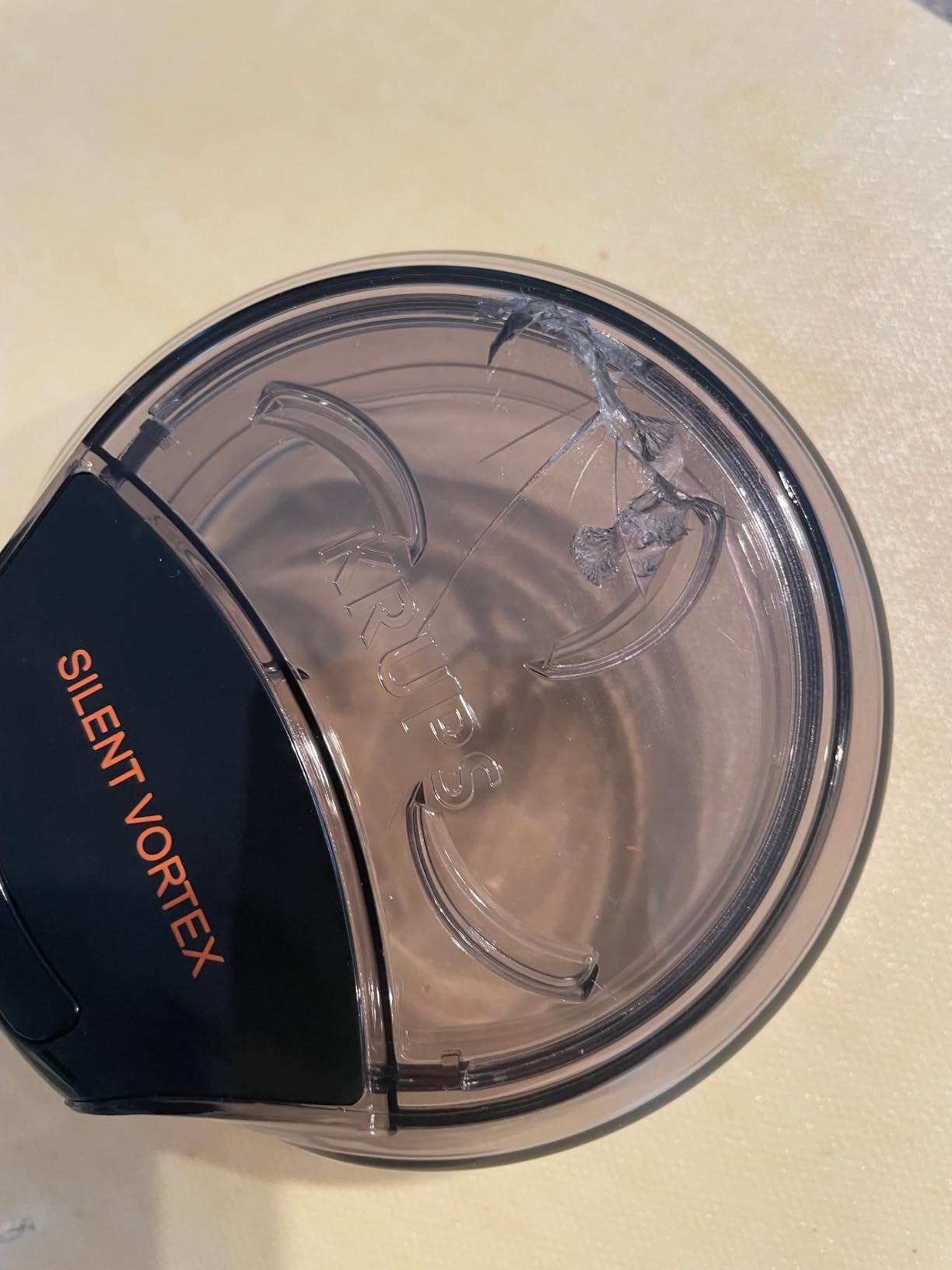
The complaint we see most is about the lid. There is a hidden inner lip under the top, and fine dust collects in that seam where a cloth will not reach. Owners who rinse it and tip it upside down to dry are happy for years. Owners who ignore it report a stale smell in the second week.
Best for sleeping partners and thin walls
If the constraint is other people’s sleep rather than your own taste in coffee, this is the safest pick in the list. There is no burr chatter, no rising pitch and no rattling hopper, and the whole cycle is over in under half a minute. It also grinds spices and dried herbs, so it does not sit idle between coffee orders.
Not ideal if you brew espresso or pour-over daily
Blade output varies batch to batch because particle size depends on how long you run it and how full the bowl is. If you are dialing in a V60 or pulling shots, that inconsistency will frustrate you. Save this one for drip and casual brewing, and treat burr consistency as a separate purchase decision.
2. KRUPS Silent Vortex Two Speed – The Double-Wall Version
- Double-wall lid traps both sound and dust
- Metal bowl resists scratching and removes for washing
- Vortex design gives an even result on small quantities
- Overheat protection shuts the unit down
- Short cord stores under the base
- Hidden inner lid layer is difficult to clean and dry
- Grounds clump in the bowl on very fine settings
- Some owners report motor failure after one to four years
This is the same Silent Vortex idea as our top pick with a different execution, and the difference is the double-wall lid. Owners frequently credit that lid for containing dust as much as sound, which is why it suits kitchens where someone else will sweep the counter later.
Two speed settings give you more control than the single-speed version, which helps if you move beyond beans into peppercorns and herbs. The metal bowl takes a beating without scratching and comes out for the dishwasher, so cleanup takes about ten seconds.
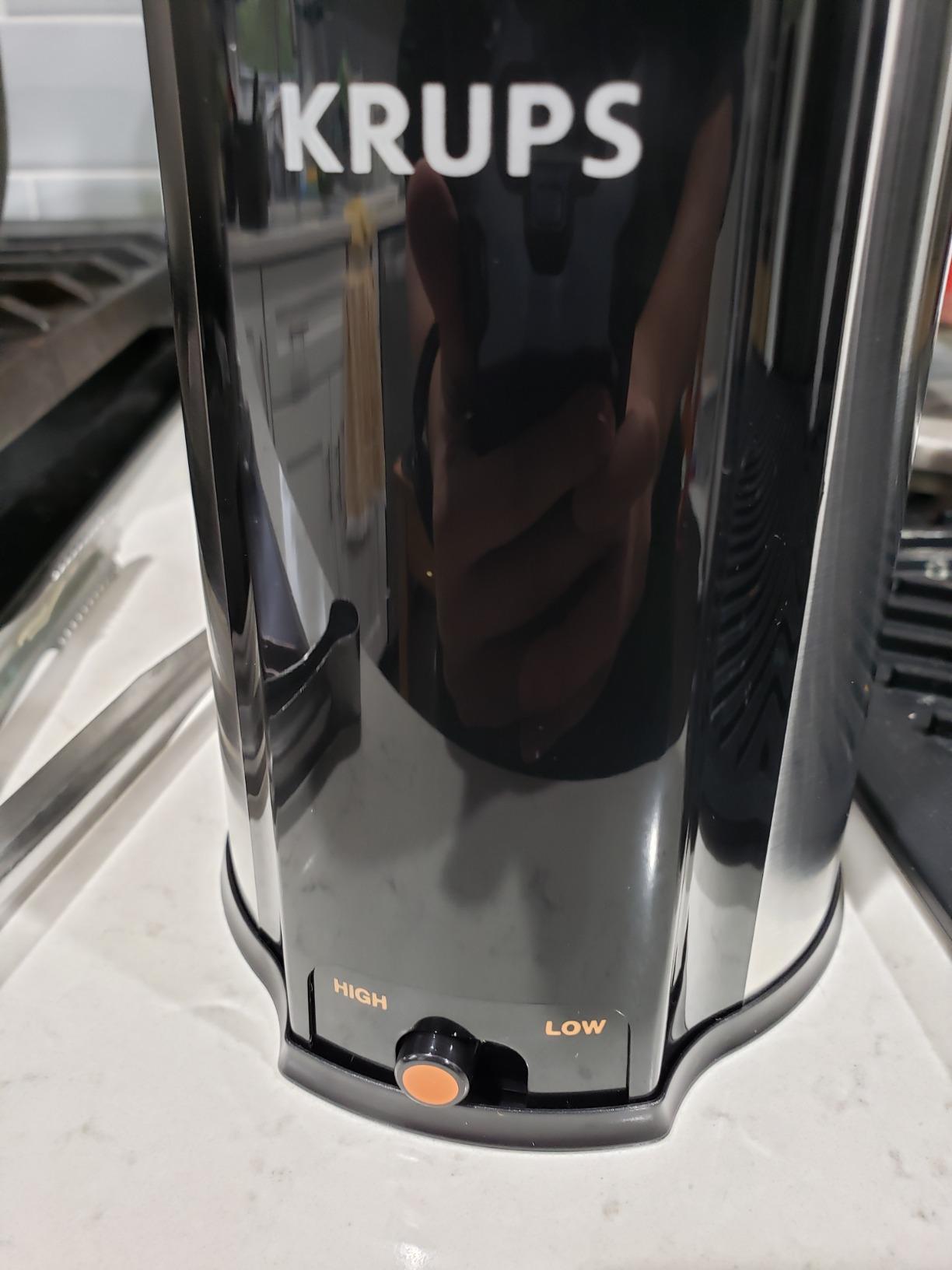
Noise reports are close to the KRUPS above, with reviewers frequently calling it the quietest blade grinder they have owned. The sound is described as low and contained, and nothing suggests it carries through a shared wall the way a burr machine does.
The recurring negatives mirror the other KRUPS. The inner lid layer is stubborn to dry, fine grounds stick in the bowl bottom at fine settings, and a small amount of powder eventually finds its way under the bowl to the base. Motor longevity comes up too, with reports of failure anywhere between one and four years.
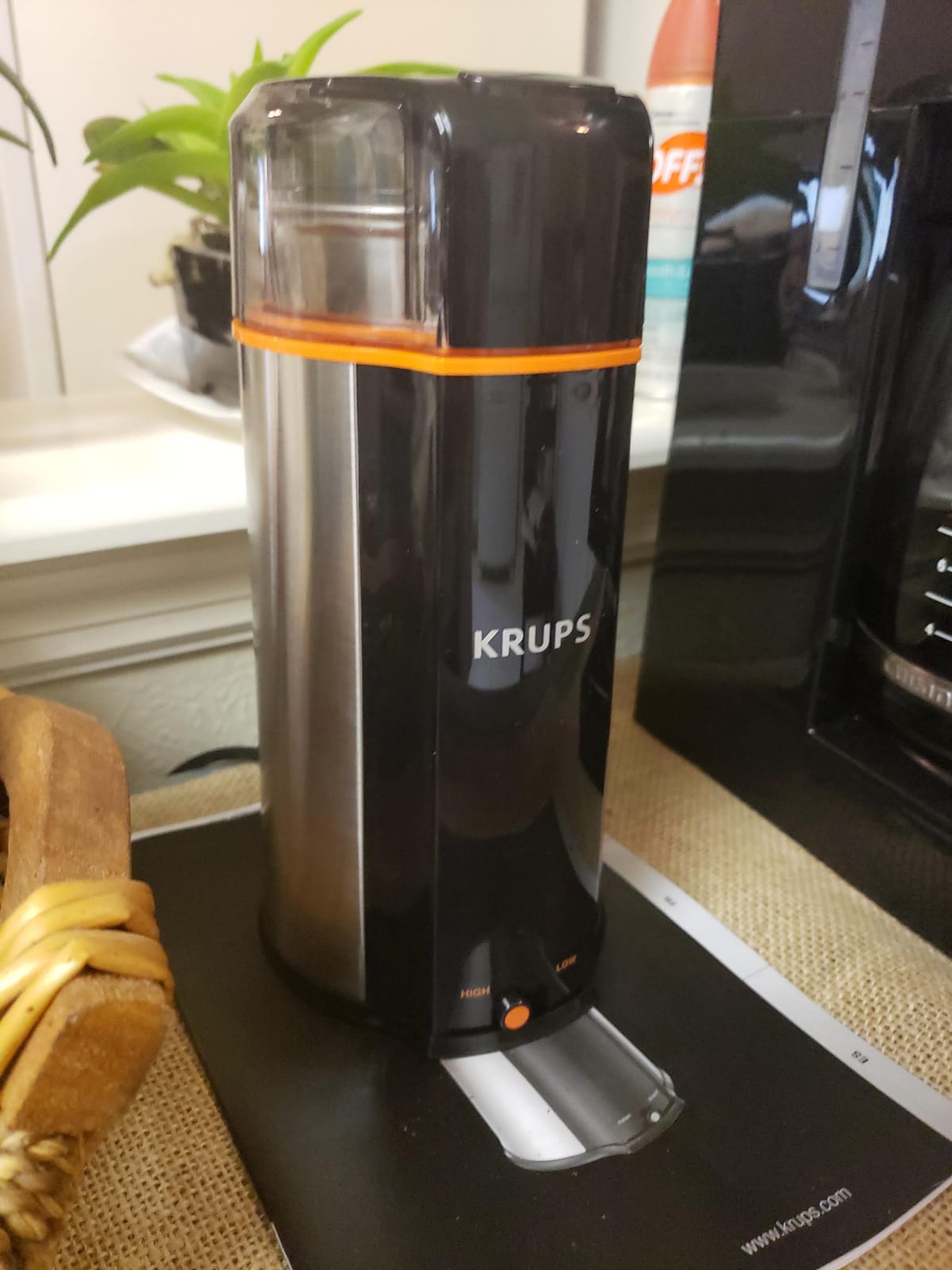
Where it beats the single-speed KRUPS
Pick this one if you grind more than coffee, if you want the dust containment from the double-wall lid, or if you prefer silver to black on the counter. The extra speed setting is useful for pepper and herbs without stopping to restart the motor.
Where the single-speed KRUPS is smarter
If beans are all you grind, the simpler model from the same range does the same job with fewer controls to learn. Choose based on colour and bowl handling, not on quietness, because both versions perform identically on noise.
3. SHARDOR Quiet Grinder 60dB – Compact and Warranty-Backed
- Compact one-touch body takes very little counter space
- Stainless cup avoids the static cling plastic bowls cause
- Fully detachable design is easy to clean
- Press-and-release pulsing gives decent control
- Two-year warranty at a low price
- Some owners find it louder than the advertised figure
- Blade output is less refined than dedicated burr grinders
- Hard woody spices such as cinnamon can jam the blades
This one is small and shaped for a tight counter, which is often the real problem in a small kitchen. The body is compact, the cup holds 70 g, and the whole thing takes about five minutes to strip down for cleaning because every part detaches.
On noise, be skeptical of the figure on the listing. Owners report the motor is genuinely soft, but a fair number feel it is louder than a 60 dB claim implies once beans hit the blades. Treat the number as a category label rather than a measurement.
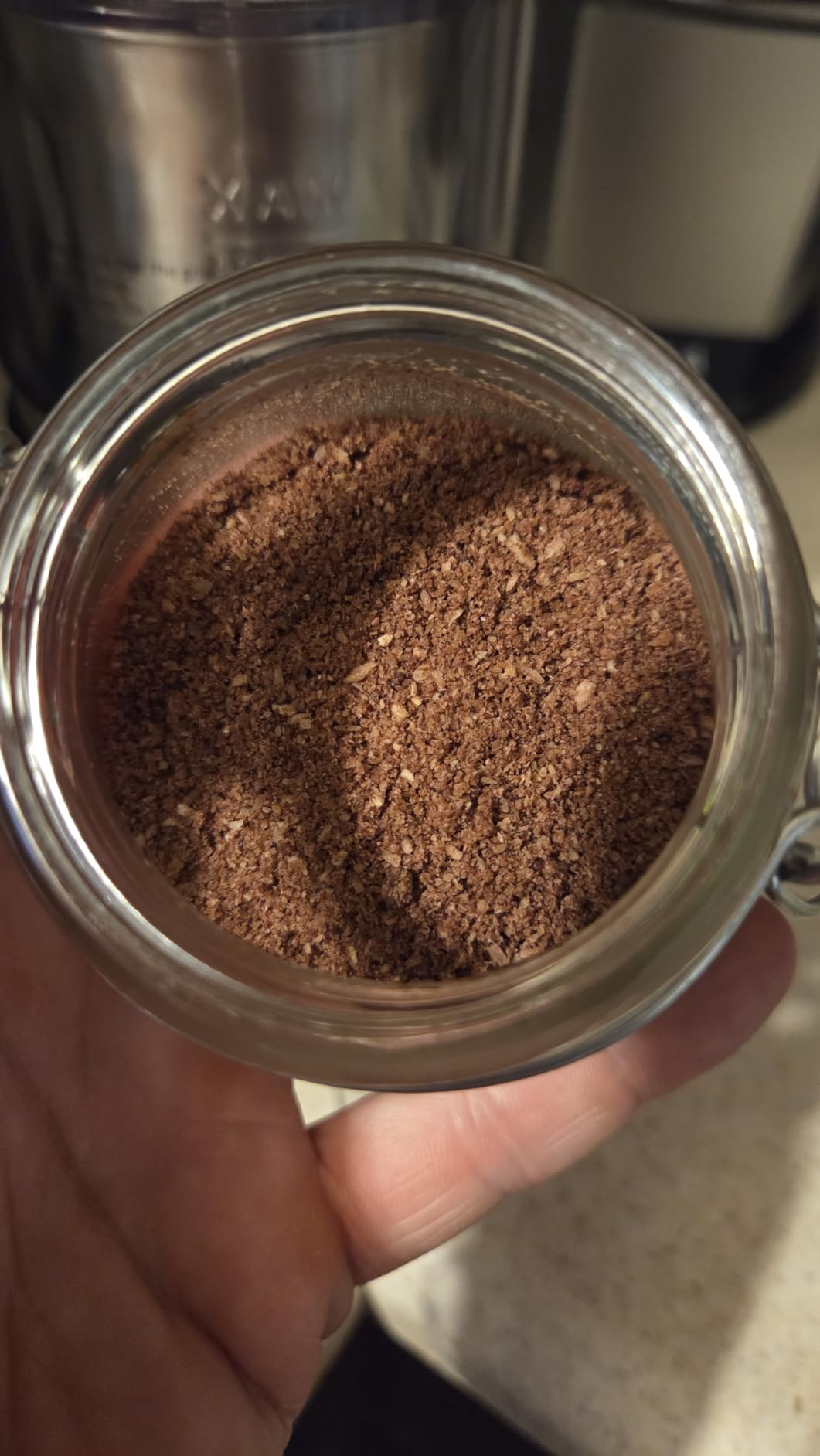
What owners like most is the stainless cup. Static cling is a genuine annoyance with plastic bowls, and a metal cup keeps grounds in the grinder instead of coating the walls of the container. The press-to-start control also means you can pulse rather than run continuously, which shortens the noise window.
The stainless material also handles seeds, grains, flax and nuts well. Cinnamon bark and other hard woody spices are the exception, since pieces that size can bind the blades before they break down. Break them up first or use a dedicated spice grinder.
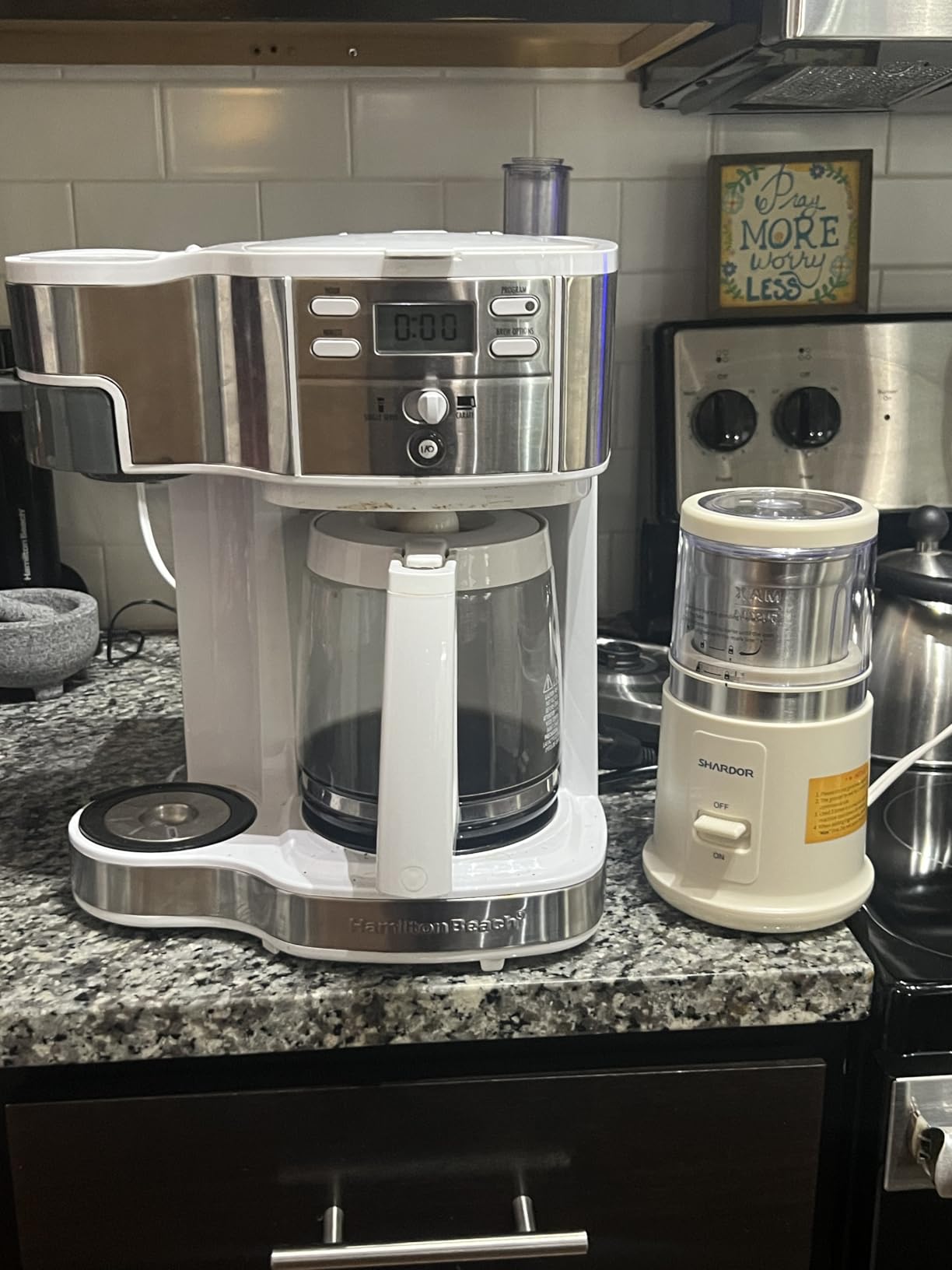
Good for a small kitchen and a small routine
One or two cups at a time, a narrow counter, and no espresso ambitions is exactly where this fits. The 70 g cup covers a pot for most households without forcing a second batch, and the transparent inner lid lets you watch the grind instead of guessing.
When to pick something else
If you measure noise at the source, this is not the model for you. Owners who compare it against a low-RPM burr grinder tend to find the burr machine smoother and less pitched. And if espresso is on the menu, no blade grinder gets you there.
4. SHARDOR Timed Blade Grinder – Hands-Off Morning Dosing
- Timer shuts the unit down on its own
- Seconds markings make coarse to fine easy to read
- Quiet enough for early household use
- Removable bowl simplifies filling and cleaning
- Compact enough to store in a cabinet
- Seconds-based settings are unintuitive at first
- Included cleaning brush is small and low quality
- Can get rattly with a full bowl of beans
- Dust collects around the base and clings to the lid
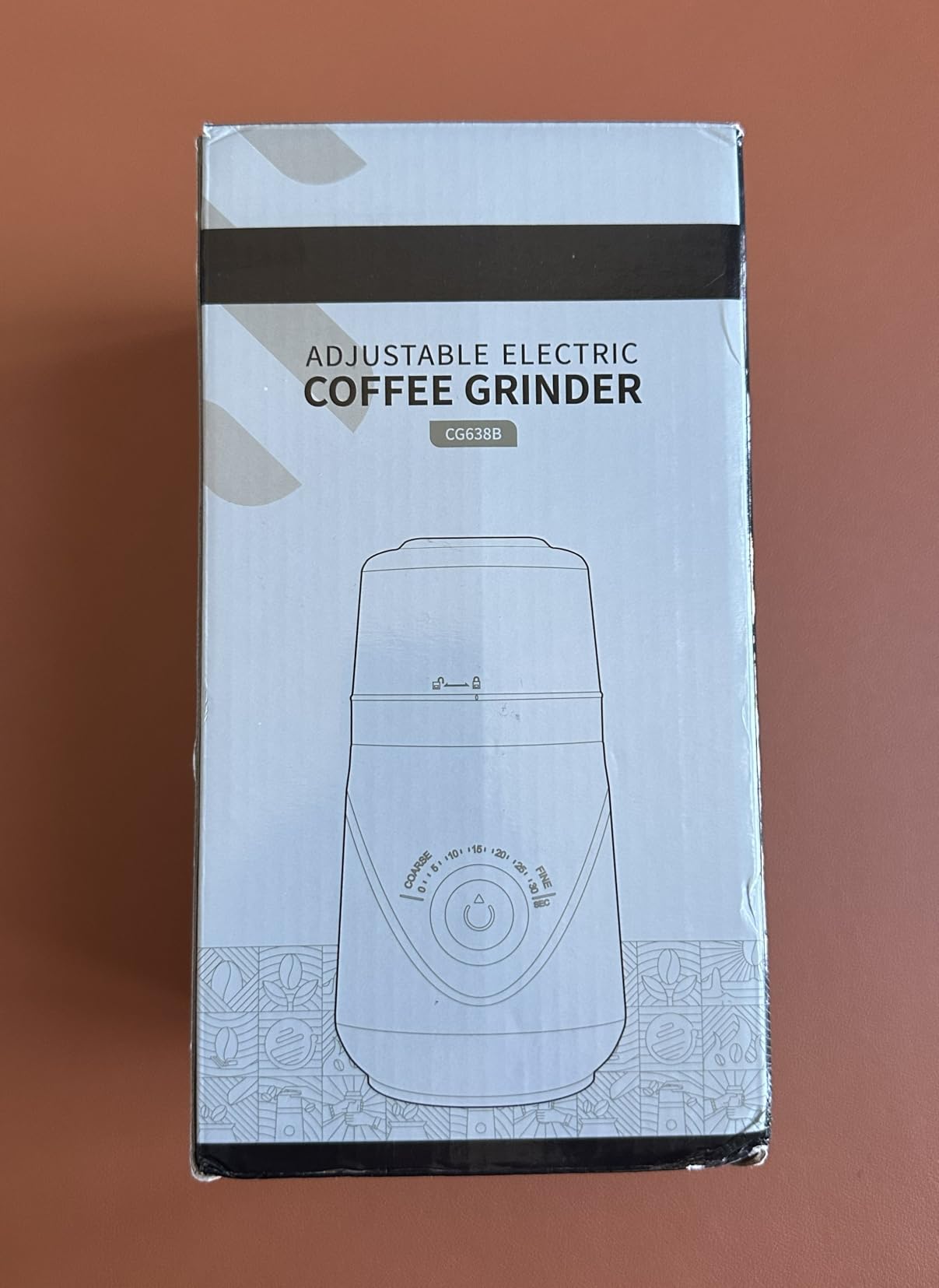
The idea here is simple: set the knob, walk away, and come back to finished grounds. That auto-stop is the feature people actually praise, because it removes the need to hover over the machine while holding a button, which is when noise tends to leak out into the rest of the flat.
Owners like the seconds markings on the dial for the same reason. You can note that eight seconds suits your filter and stop guessing each morning. The listed noise average is 63 dB, a little higher than the SHARDOR above, and reviewers describe it as acceptable rather than silent.
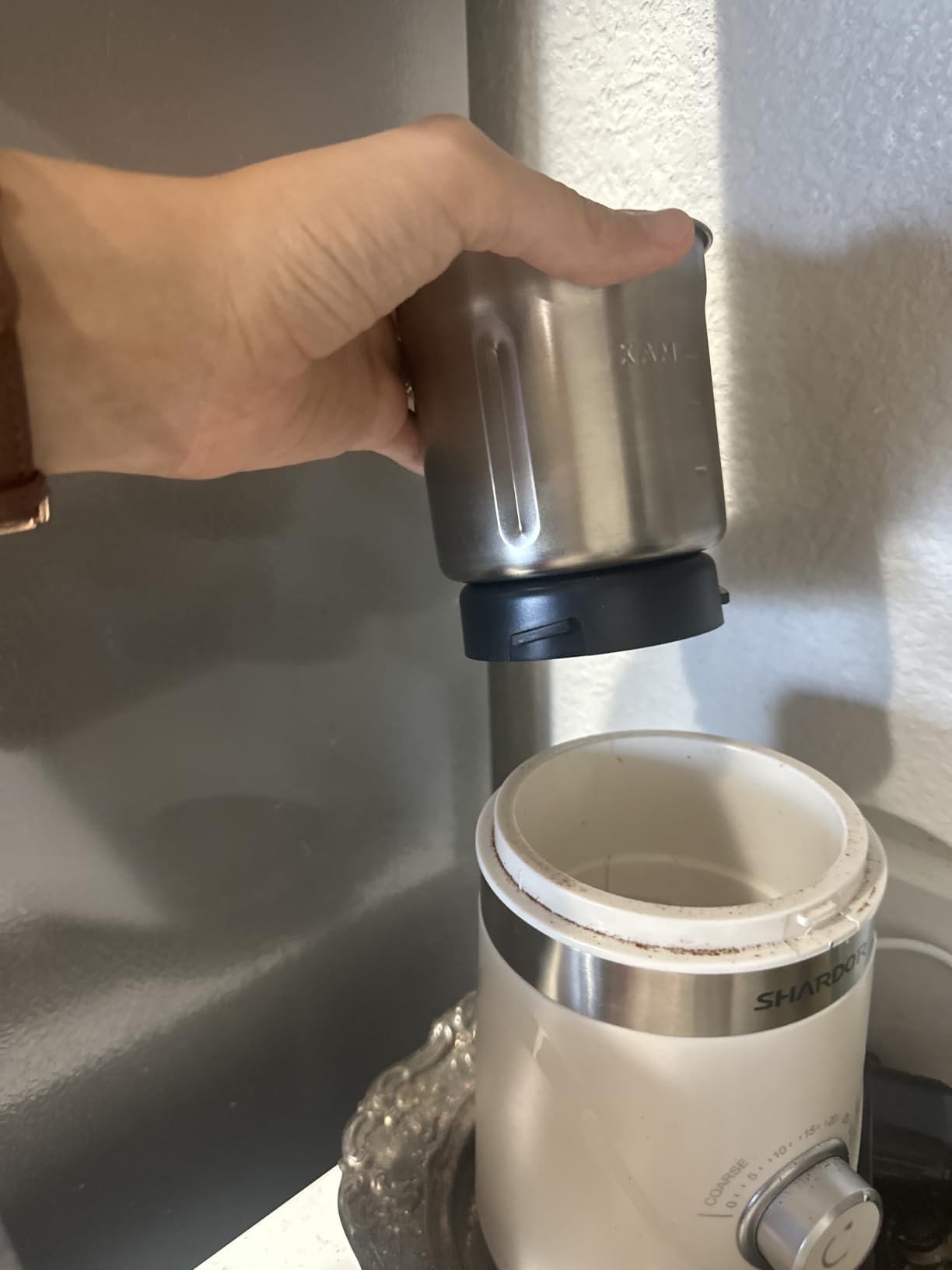
This grinder holds the lowest average rating in our roundup, and the reason is mostly interface rather than function. People expect the numbers on the dial to mean grind sizes. They mean seconds. Once that clicks, reviews are considerably warmer.
Two other complaints recur. The included brush is too small to clear residue from around the blade, and fine grounds gather in the open-style cup and stick to the lid, which means a small mess when you open it.
Why the timer changes a shared-wall morning
Longer contact between a blade and beans is a longer noise window. A timed cycle gives you a predictable stop rather than an open-ended pulse, so you can set the dose the night before and keep the whole grind under twenty seconds.
The rattle you should expect
Owners loading a full bowl report more rattling than they expected, because loose whole beans rattle before the blades catch them. Grinding smaller batches, or grinding twice for the same volume, reduces the clatter noticeably.
5. OXO Brew Conical Burr Grinder – Best Value Burr Grinder for Quiet Mornings
- Consistent grind across a wide adjustment range
- Very little static cling in the stainless grounds cup
- Built-in timer removes button holding
- Upper burr removes with a folding handle
- Quiet for a conical burr machine
- Grounds cup needs force and awkward alignment to seat
- Can jam with oily or dense beans
- Bottom burr cannot be removed for cleaning
- Hopper is not airtight so beans go stale inside
The OXO is the one to beat on value, and it wins partly because of scale. With more than 23,000 owner reviews behind it, its patterns are well documented: the grind is consistent, the static problem is nearly absent, and the timer means you never hold a button down.
That stainless grounds cup deserves credit. Static cling is what drives people to buy extra accessories and what throws powder across a counter at 6am. The OXO largely sidesteps it with a metal receptacle.
Owners describe it as relatively quiet for a conical burr grinder and specifically note that it does not wake sleepers on the floor above. That is the relevant benchmark here, because the alternative on most counters is a plastic-bodied machine with a much higher pitched motor.
The annoyances are real but manageable. The grounds cup needs a firm push and some awkward alignment to click into place. The lower burr is fixed, so you cannot wash it under a tap, and the hopper is not airtight, meaning beans stored inside go stale faster than those in an airtight container.
Who this suits
Households that want burr consistency and French press to espresso flexibility without moving into specialty grinder territory. The stainless body, the low static and the low motor pitch are all quiet-friendly features, and the review base gives you confidence the machine will still be doing this in a few years.
Who should skip it
If your mornings are espresso-driven, the internal adjustment stops at the coarse end of what you need, and you will be chasing fineness that this burr size does not comfortably deliver. If you hate fiddly assembly, the grounds cup fit is a daily irritation.
6. KitchenAid Burr Coffee Grinder KCG8433 – Widest Adjustment Range
- 70 settings cover cold brew through espresso
- Stainless conical burrs give uniform particle size
- Hopper empties by twisting and lifting
- Holds the highest five-star share among the burr grinders here
- Tall 15 inch body eats vertical counter space
- Plastic construction compared with all-metal premium grinders
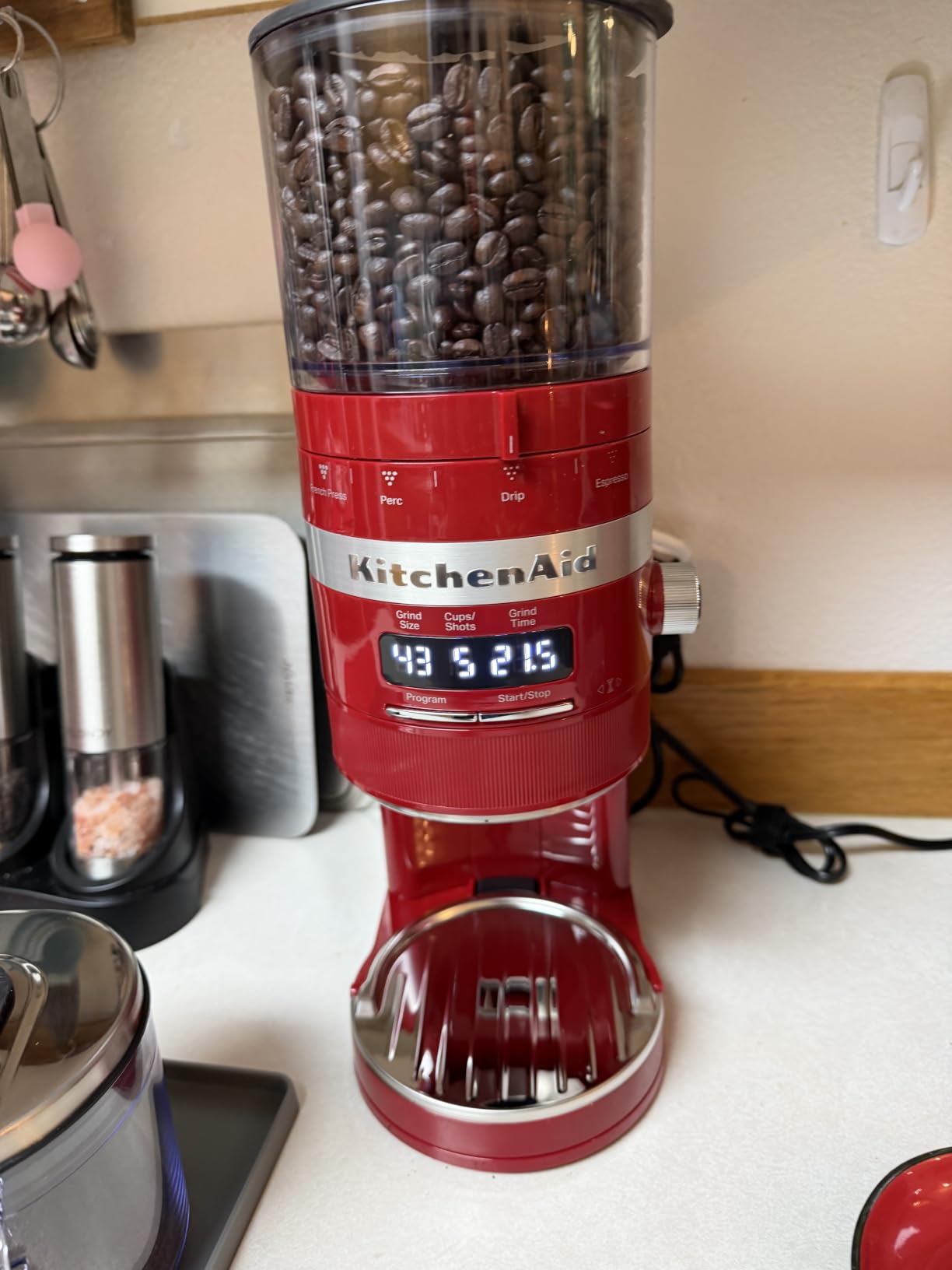
The KitchenAid’s selling point is range. Seventy settings run from cold brew and French press down to espresso, and the portafilter holder lets you dose straight into a basket, which removes one transfer step and one puff of grounds in the air.
Reviewers consistently rate it well on repeatable dosing. Once you find your setting for a given bean, the machine returns to it, and mornings become less of a negotiation.
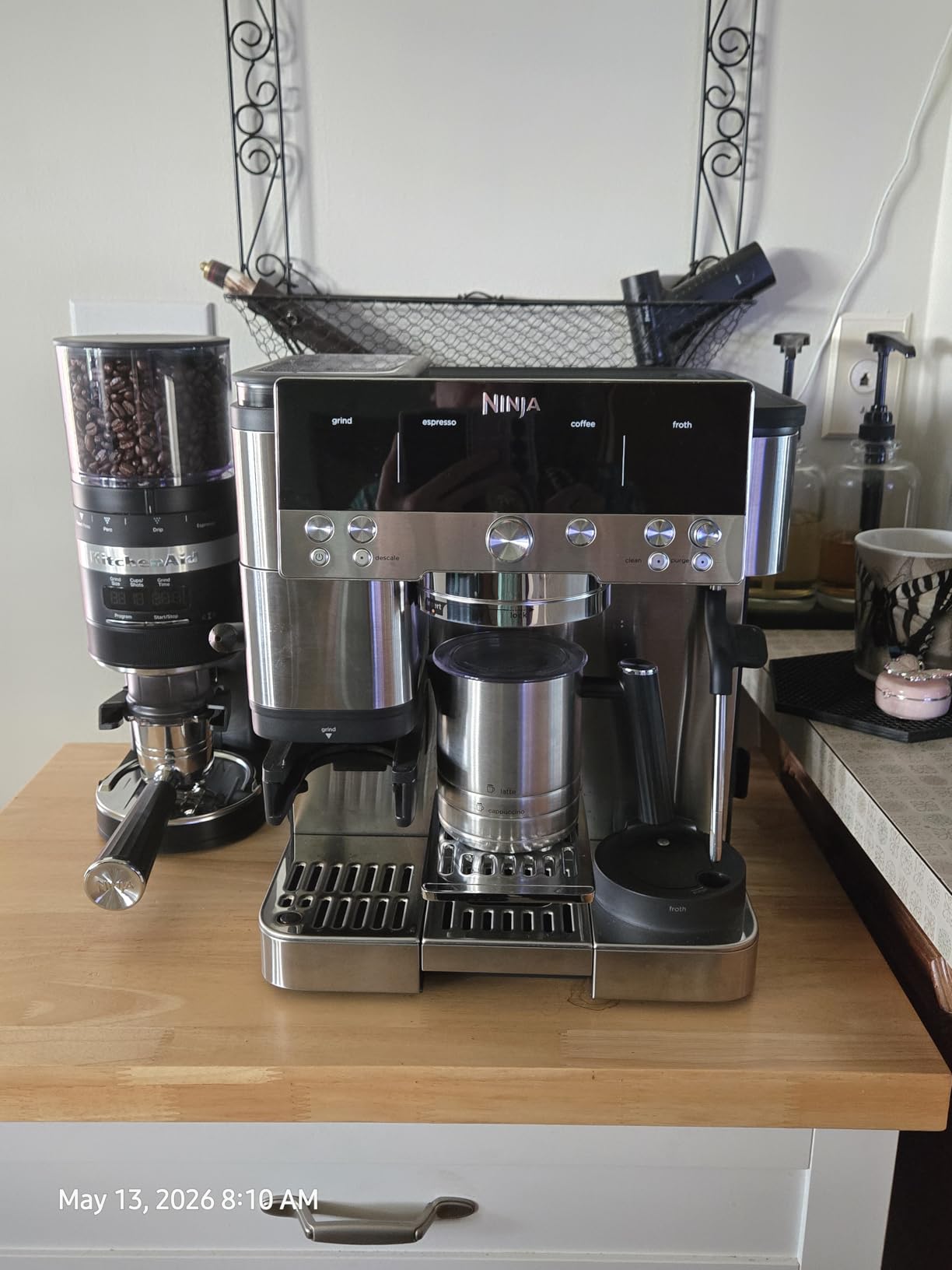
On noise, owners generally treat it as acceptable rather than quiet. It is a plastic-bodied machine with a conical burr set, which means more of the motor sound reaches the housing. If your apartment has very thin walls, that combination is worth thinking hard about before buying.
The physical size is the bigger everyday issue. At 15 inches tall it is one of the tallest machines here, and the hopper empties by twisting and lifting rather than by flipping the body, which owners appreciate and which saves grounds from ending up on the counter.
Best for switching brew methods
If your week moves between cold brew, French press, pour-over and the occasional espresso, seventy settings remove the guesswork that a 16-step grinder forces on you. The portafilter holder seals the workflow for the espresso days.
The trade-off to accept
You are giving up vertical counter space and taking a plastic body that resonates more than a metal one. In an open kitchen with a sleeping household two floors down, choose on that basis rather than on settings alone.
7. Breville Smart Grinder Pro – Premium Pick for Burr Consistency
- Grind consistency buyers rate above same-priced rivals
- Digital dosing in 0.2 second steps is repeatable
- Quiet enough for daily use without waking the house
- Large hopper with a well-sealing lid
- Both 54mm and 58mm portafilter cradles included
- Motor can hang up mid-grind and needs a pause
- Retains noticeable grounds in the chute
- Supplied plastic grounds cup builds static and flings coffee
The Smart Grinder Pro is the pick if your priority order is grind quality first and noise second. Owners rate its consistency above similarly priced machines, and the dosing timer in 0.2 second increments removes the weighing scale from your workflow entirely.
Noise reports describe it as quiet enough for daily use without waking the household. The body is metal, the motor runs at a moderate pitch, and the digital timer means you can walk out of the room while it works.
The 60 settings are backed by a hidden adjustment on the upper burr with nine extra positions, so the effective range is much wider than the dial suggests. Espresso-focused owners often find the factory setting too coarse until they find that second adjustment, which is worth doing on day one.
Chute retention is the most common negative, and reviewers who address it fix it rather than live with it. A silicone bellows helps, or grind into the supplied airtight container instead of a cup. The plastic grounds cup included with some batches builds static and flings coffee, so many owners replace it.
Best for espresso drinkers who also want quiet
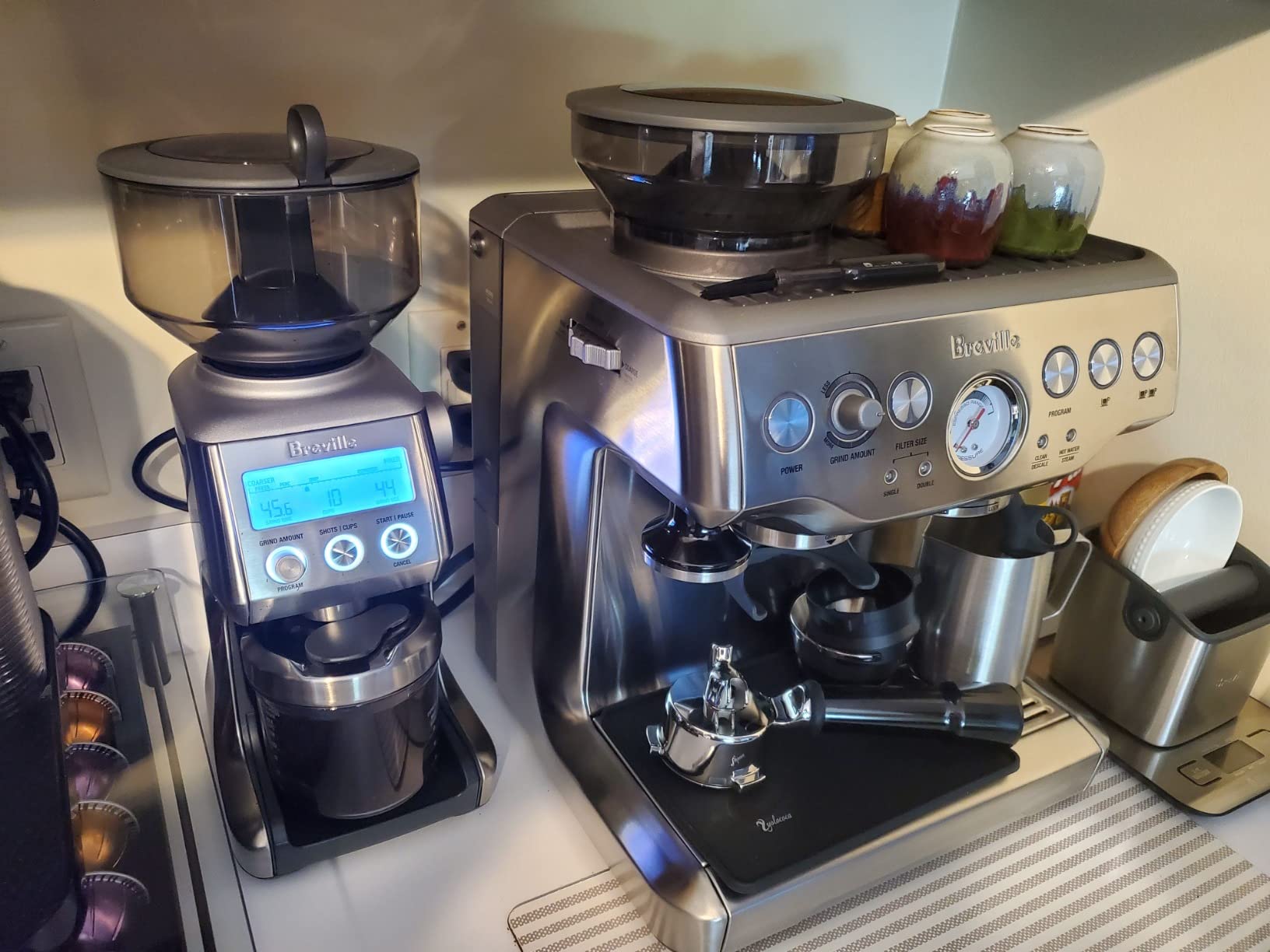
If you pull shots and the household is asleep, this machine handles both jobs better than anything else in the list. The portafilter cradles for 54mm and 58mm baskets mean direct dosing, and the timer keeps each shot a consistent length.
What to buy alongside it
A replacement grounds cup and a bellows for the chute solve the two complaints that appear most often. The 15-inch body is tall, so measure your cabinet clearance before it arrives rather than after.
8. Baratza Encore – The Repairable Grinder, Not the Quiet One
- Go-to entry burr grinder with a small footprint
- Steel conical burrs stay consistent across settings
- Simple pulse button and on/off switch
- Replacement burrs and parts extend the life of the unit
- Audible burr grind that is not among the quietest
- Grind retention between doses is a common complaint
- Hopper and burr set need regular disassembly and brushing
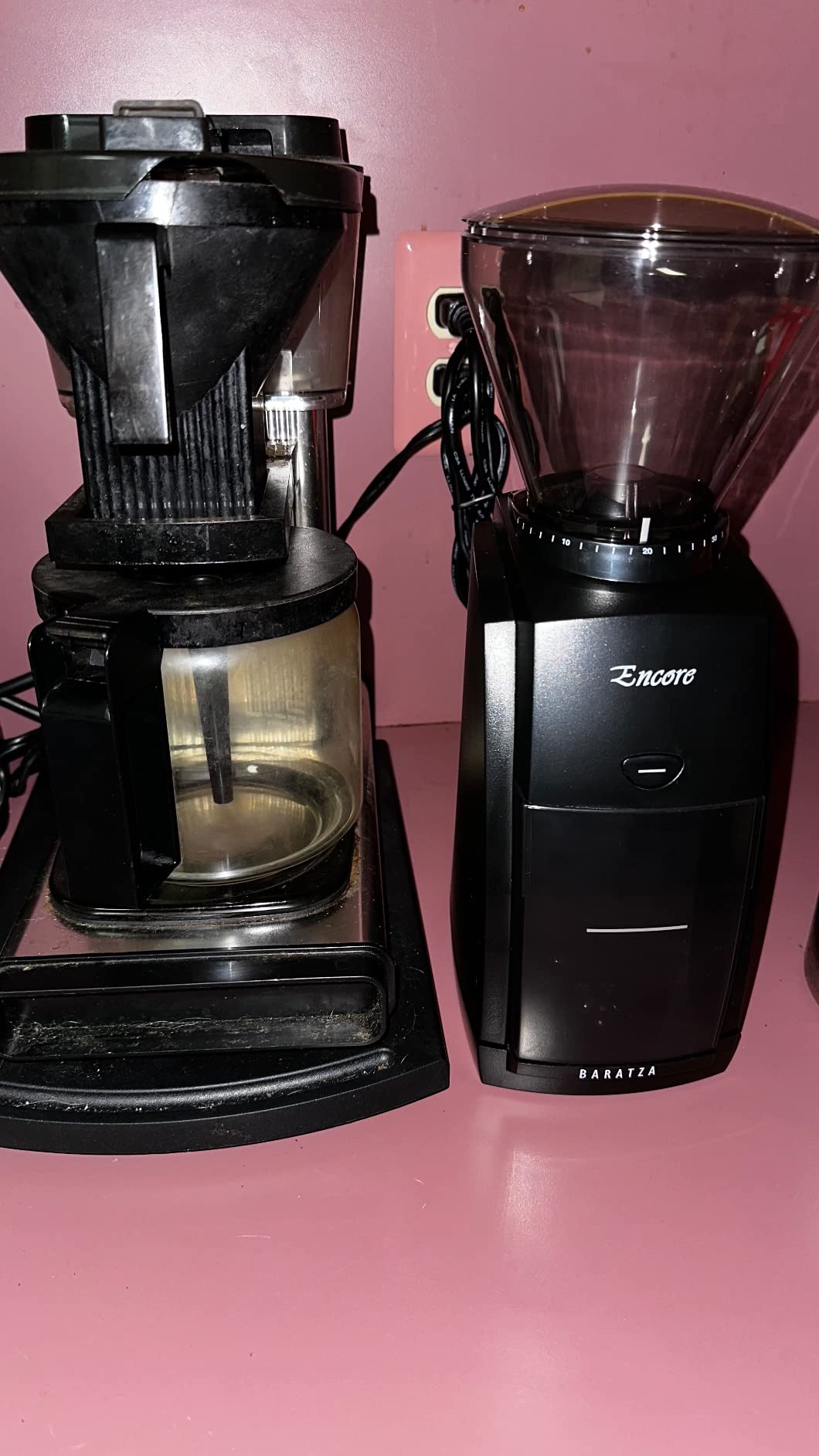
We include the Encore because people ask about it constantly, and we include it with a warning: this is not the grinder to buy if noise is the constraint. Owners report a clearly audible burr grind, and several reviewers describe it as the loudest option they have owned in this category.
The plastic body amplifies that sound rather than damping it. When you put the same burrs in a metal-bodied machine, the pitch drops noticeably, which is exactly the difference people notice when they upgrade.
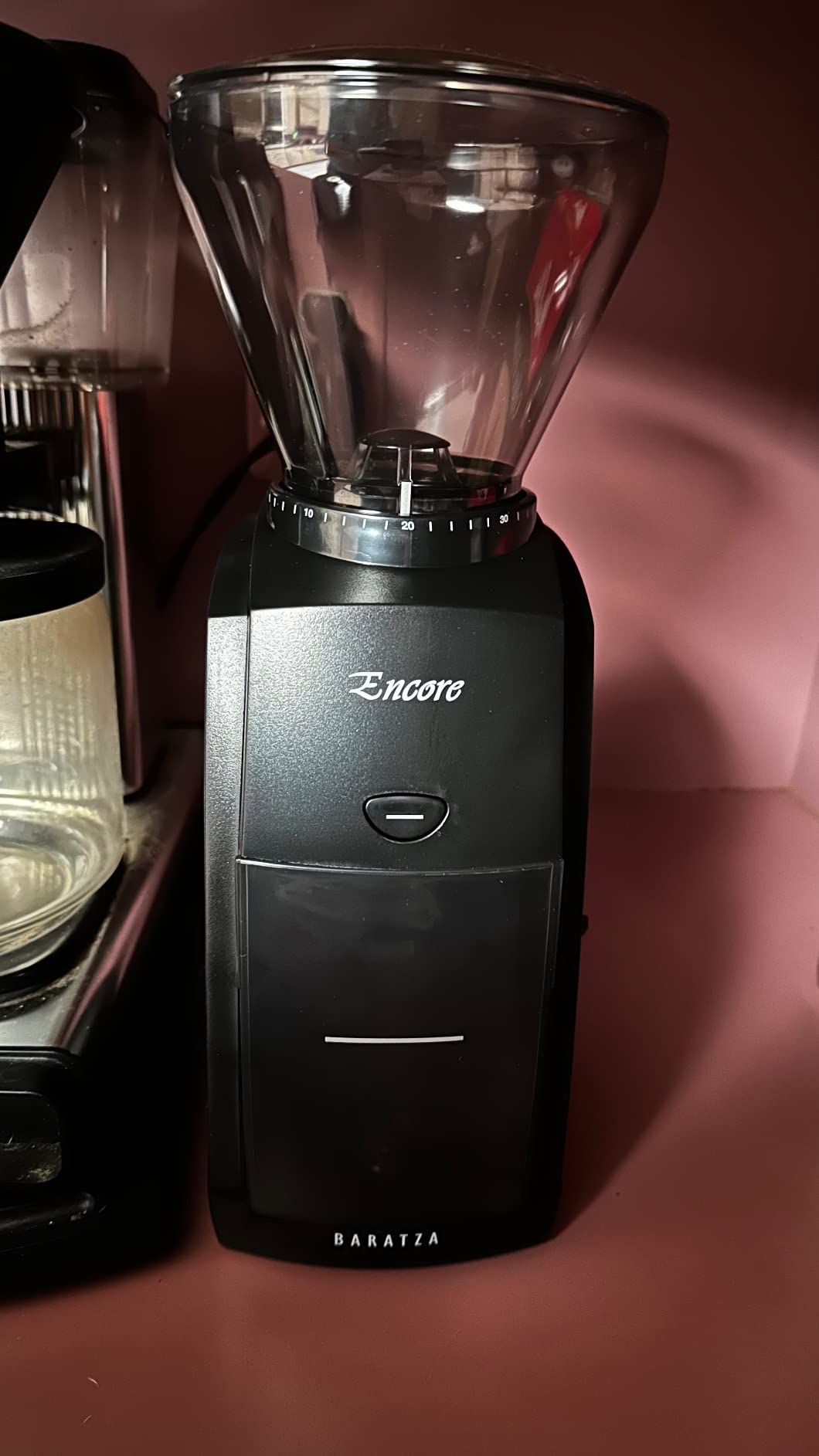
What the Encore does offer is longevity and serviceability. Replacement burrs and other parts are available from the manufacturer, so the machine can be maintained indefinitely rather than replaced, and that long ownership history is well documented across more than 16,000 reviews.
Grind retention between doses is the second complaint, and the hopper and burr set need regular disassembly to stay consistent. That is maintenance you are signing up for, not a one-time setup cost.
Who should still buy it
Anyone grinding in a closed room where sound does not reach other people, and who wants a grinder they can service for a decade. Under those conditions the Encore is a genuinely good machine at a fair price.
Why we would not put it in a quiet kitchen
The audible grind plus a plastic body means more sound reaches the room than the alternatives here. If you live above people or beside someone who sleeps lightly, spend the extra and choose the OXO or the Capresso instead.
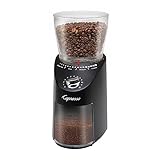
9. Capresso Infinity Plus – Gear Reduction for Lower Pitch
- Low-speed gear reduction runs quieter than the plastic machines it replaced
- Even grind with clearly marked settings
- Timer stops the grind without supervision
- Short body fits under low cabinets
- Solid housing contains grounds with little mess
- Static builds up and clings fine grounds to the container
- Mechanical timer has a history of failing
- Motor failures reported within about two years
- 16 settings is fewer than most rivals
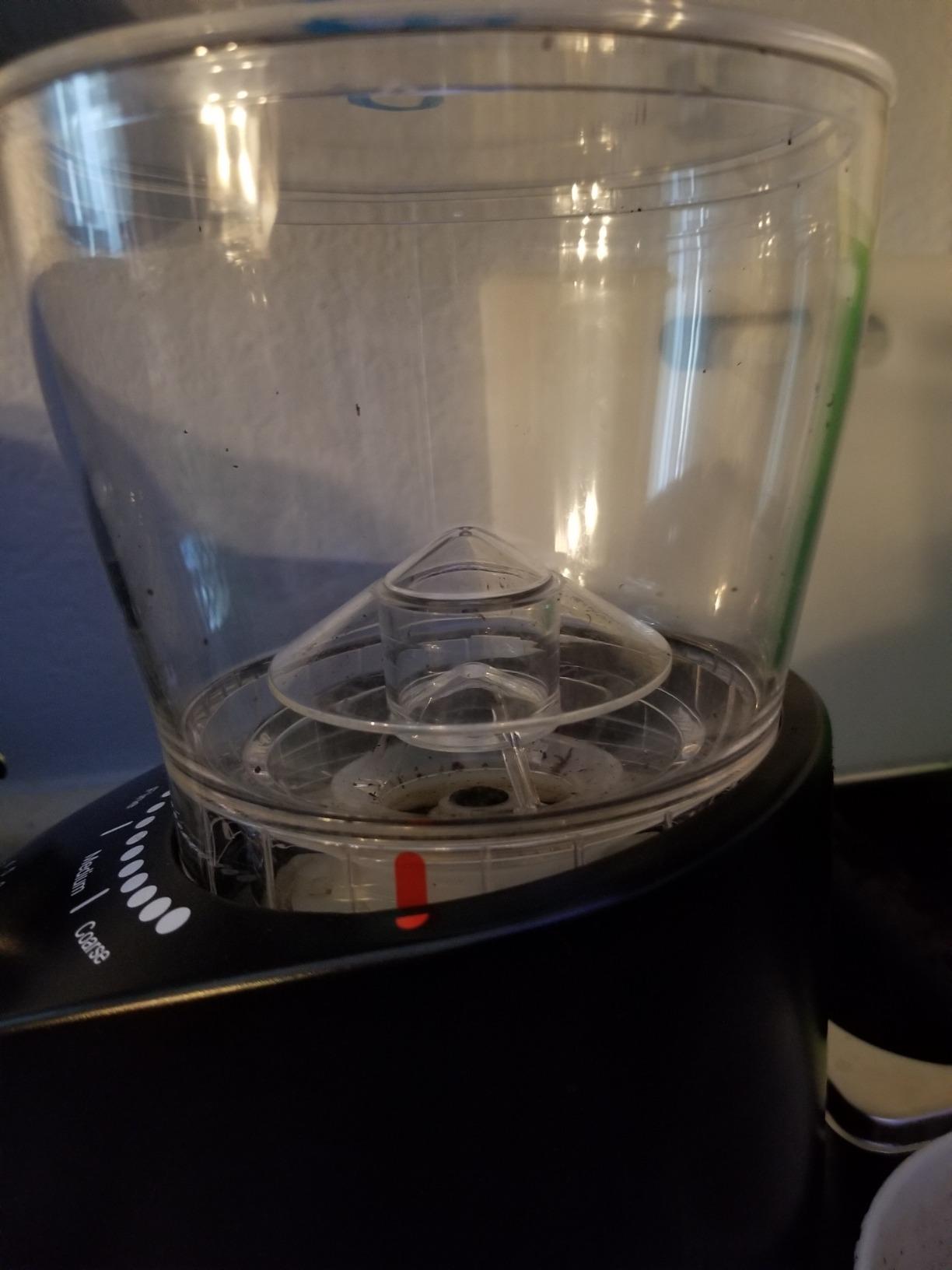
The Capresso is the quietest burr grinder in this roundup by owner description, and the reason is mechanical. Its gear reduction motor turns slowly, which lowers the pitch, and low-speed motors whine less than fast ones. Owners frequently compare it to the Baratza Encore and report it as noticeably calmer.
At 11.25 inches, it is also the shortest body here, which solves the low-cabinet problem that trips up the taller KitchenAid and Aromaster. The timer stops the grind on its own, so you are not standing beside it.
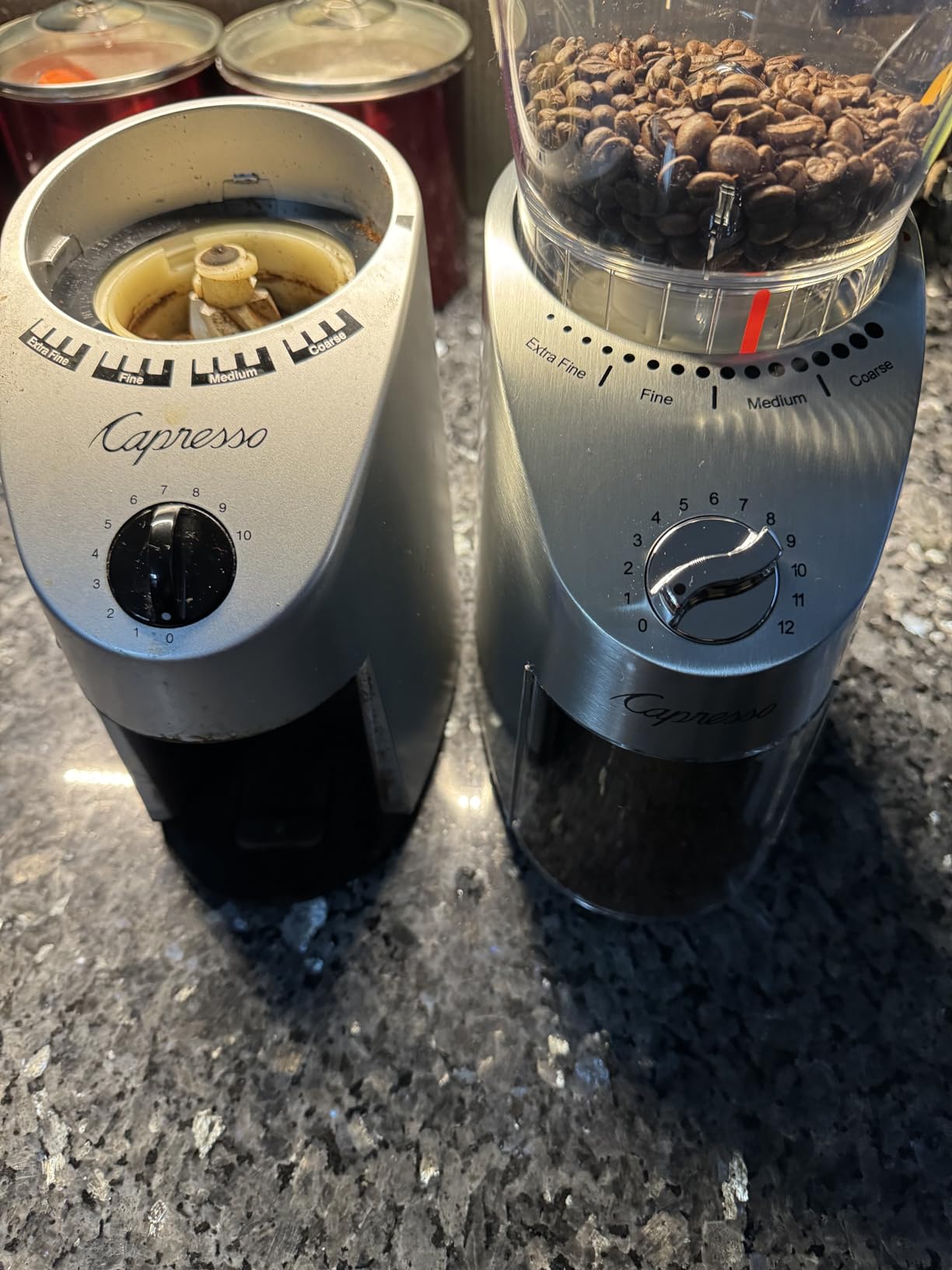
The trade-off is durability, and it is a real one. Multiple reviews document motor or mechanical timer failure inside roughly two years. If you are the sort of buyer who will keep a machine for a decade, weigh that against the quietness advantage carefully.
Static cling is also widely reported, with fine grounds sticking to the grounds container. Sixteen settings is fewer than most competitors at this level, so if you move between brew methods often, the range will feel limited.
The sound argument for this machine
If your definition of quiet is pitch rather than volume, this is the burr grinder to look at. Gear reduction trades speed for tone, and tone is what reaches the person sleeping on the other side of a thin wall.
The longevity argument against it
Reports of failure inside two years are frequent enough that you should treat the warranty period as roughly the expected life. That is a rare pattern in this price bracket, and it is the reason this sits eighth rather than higher.
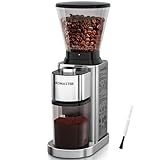
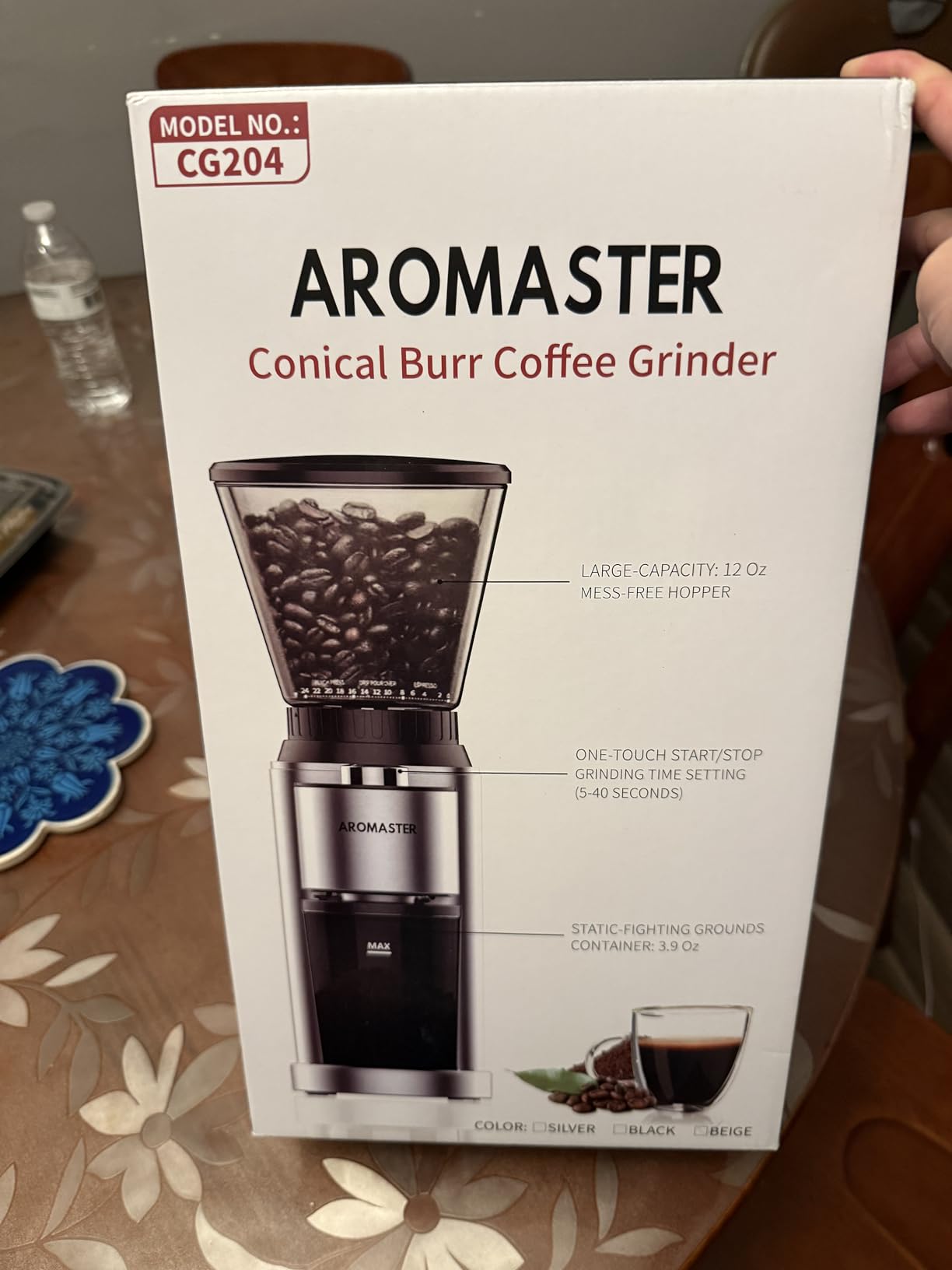
10. Aromaster Conical Grinder – Anti-Static and Surprisingly Quiet
Aromaster Conical Coffee Bean Grinder, 48 Settings, Anti-Static, Sliver
- Anti-static system keeps grounds contained on the counter
- Reported as quieter than other burr models
- Body is stable and does not walk across the counter
- Removable burr plus stored brush for cleaning
- Responsive support that ships replacement parts
- Grind size markings can mislead and too fine can plug a basket
- Hopper and grounds bin feel thin for the price
- Jam reports that make burr removal unintuitive
- Tall 16 inch body needs clearance
The Aromaster’s headline feature is the anti-static system, which uses plasma generating anodes to stop fine grounds flying out of the burr chamber. Owners say it works, and that the counter stays clean after a dose. For a quiet morning, that is worth as much as the sound itself, because chasing scattered grounds is noisy.
Owners also describe it as the quietest burr grinder they have used, quieter than other burr models they own. The stainless burrs turn slowly and evenly, which reduces both pitch and heat.
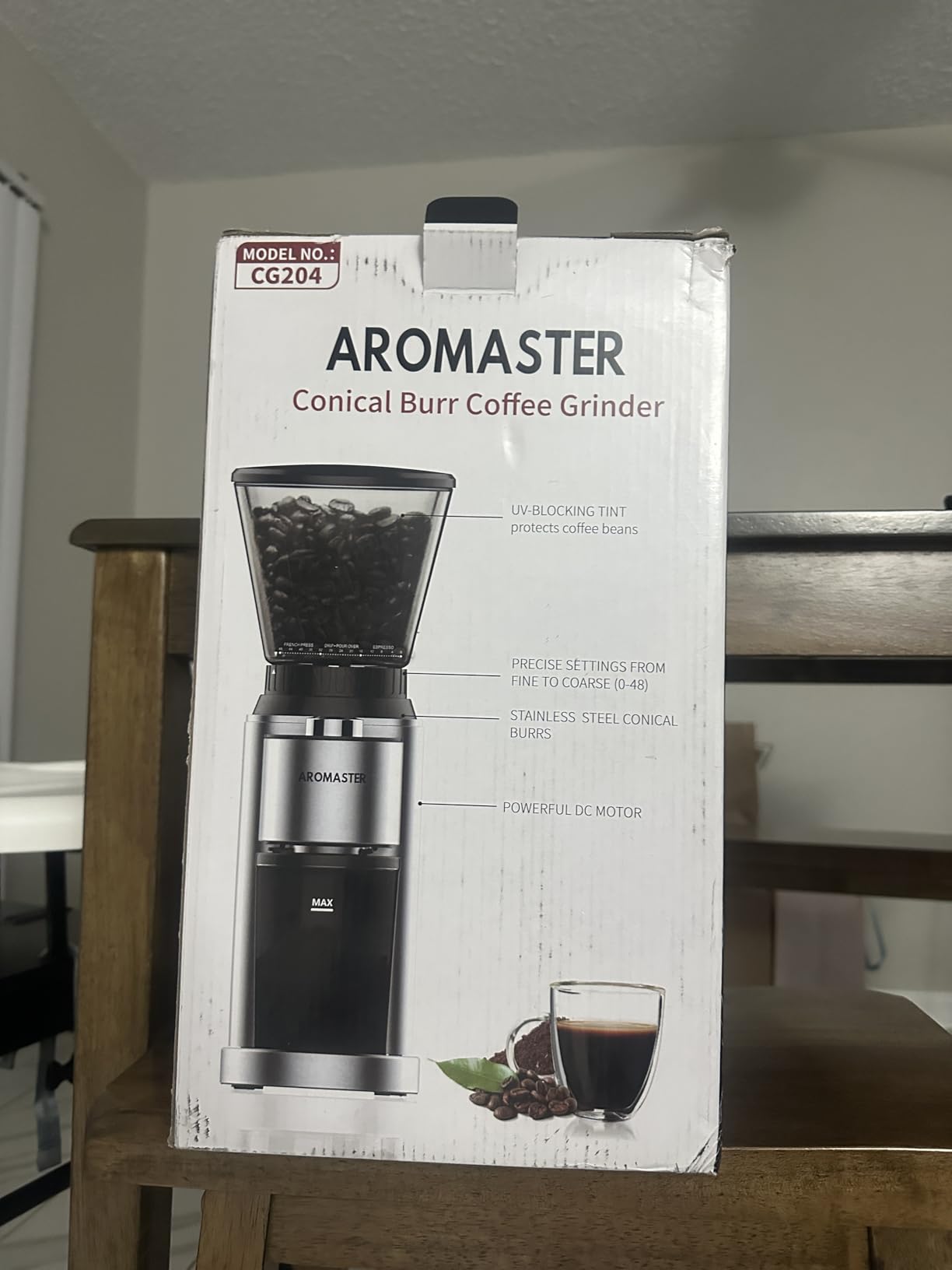
The body is stable on the counter and does not vibrate or walk, which limits how much sound reaches the cabinet below. A 40 second adjustable timer controls dose size, and the burrs come out for cleaning with the brush stored on the hopper lid.
Negatives are mostly about feel and labelling. The grind size markings can mislead, and starting too fine can plug an espresso basket. The hopper and grounds bin look thin for the price, and a minority of owners report jams that require pulling the burr set out.
Best for keeping the counter clean at speed
The anti-static design is the reason to choose this one. In a small kitchen where grounds end up everywhere, containment saves you the sweeping and the noise that comes with it. Support is also reported as responsive when units fail.
The catch
It is the tallest machine in the list at 16 inches, and the markings take practice to read. If counter height is tight or you are new to grinders, the simpler controls here will take longer to master.
What Actually Makes a Grinder Quiet
Noise in a coffee grinder comes from four places: the motor, the burrs, the beans themselves and the housing. Understanding which one dominates tells you more than any label on the box.
Motor speed and pitch. A motor spinning quickly produces a high whine that people notice far more than a volume reading suggests. Lower speed means lower pitch, and pitch is what reaches through walls. That is the entire reason gear-reduced and slow-turning designs exist, and it is why the Capresso scores well with owners who rank quietness first.
Burr speed and how long it runs. Fine espresso grinds mean more contact time and more noise than a coarse French press grind. A filter grinder running a few seconds produces far less sound than an espresso grinder running thirty. Reviews consistently note that espresso is the louder case.
Body material. This is where plastic hurts most. A plastic body rings and amplifies motor noise; a metal body absorbs it. Owners who move from a plastic-bodied machine to a metal-bodied one with the same burrs report a clear drop in pitch.
Hopper rattle. Loose whole beans rattling in a plastic hopper before the burrs catch them produce a distinct clatter that people often blame on the motor. Grinder design varies a lot here, and models with tight-fitting hoppers and rubber damping do better.
One point worth repeating: grind consistency and quietness are separate qualities. A quieter grinder is not automatically a better brewer, and the machine that gives you the most even grind will not be the softest-sounding one in this list.
How to Reduce Coffee Grinder Noise in an Apartment
Before you spend money, try these. They cost nothing and several of them work.
1. Put something under the machine. A folded towel, a rubber mat or even a mousepad decouples the grinder from the counter. Forum regulars describe this as audibly reducing what carries through to the room, and it is the change most people notice first.
2. Grind smaller batches. A full hopper rattles. Loading 20 to 30 g at a time and grinding twice produces less clatter and no more total noise.
3. Keep the grinder off the counter. Put it on a wooden board or a thick tray that is not touching cabinetry. Vibration transfers far better through a hard surface than through an isolated one.
4. Close the doors behind you. Grinding in a closed kitchen stops the sound reaching the hallway. This is obvious and it is the single most effective step for most floors.
5. Choose the quietest dose cycle you can live with. Coarser grinds finish faster. If you brew filter instead of espresso, the machine is already running less and sounding better.
Noise also travels through surprising paths. If you are chasing sound in a small apartment, understanding how sound carries through shared walls is useful background, and our quiet appliance picks approach it the same way.
Manual vs Electric for a Quiet Morning
A hand grinder removes the motor from the equation entirely, which is why quiet-seeking owners in coffee communities consistently name manual models as the most silent option. What remains is beans cracking and the sound of a crank, both of which stay in the room rather than carrying.
The cost is effort and dose consistency. Manual grinders are slow, they require technique to grind evenly, and dose size varies with how long you crank. For filter coffee most people accept that trade. For espresso, almost nobody does, because tamping and shot timing need repeatable doses.
None of the ten products here are manual, so treat that as a direction rather than a pick from this list. If noise is your only constraint and you are not pulling shots, a manual grinder beats everything we have ranked.
Quiet Coffee Grinder Buying Checklist
Look for a metal or stainless body. This is the cheapest way to lower pitch and the easiest spec to check before you buy.
Ask whether the motor is gear-reduced or low-speed. Owners describe these as quieter because of tone, not volume.
Check for single-dose loading. Filling only what you need eliminates hopper rattle, the noise source owners complain about most on hopper-fed machines.
Prefer a timer over a held button. A timed cycle means a predictable, shorter burst of noise and no standing beside the machine.
Look for anti-static design. It keeps grounds in the chamber instead of scattering across your counter, which means less cleanup noise.
What to avoid. We would not buy a plastic-bodied machine for this purpose. Two of the models in this roundup fit that description, and both draw clear complaints about amplified motor noise. We would also avoid a large plastic hopper you can see through, since it rattles.
One honest caveat about durability. Reports of motor or timer failure inside roughly two years appear against the Capresso, and motor longevity complaints come up against both KRUPS models. If you keep appliances for a decade, factor replacement into your thinking.
If your problem extends past the kitchen, our quiet equipment picks for apartments cover the same principle in other rooms.
Frequently Asked Questions
Which coffee grinder is the most silent?
Among the electric models we reviewed, the KRUPS Silent Vortex is the one owners most consistently describe as the quietest, citing a low hum instead of a rattle. A hand grinder is quieter still because there is no motor at all. Of the burr grinders, the Capresso Infinity Plus is praised for its low-speed gear reduction motor, which lowers pitch rather than volume.
How can I make my coffee grinder quieter?
Start with isolation: place a folded towel, rubber mat or mousepad under the machine so vibration does not travel into the counter. Grind smaller batches so loose beans do not rattle in the hopper. Keep the grinder on a separate board rather than against cabinetry, close the kitchen door, and choose the coarsest grind that still works for your brew method, since finer grinds take longer and sound louder.
What is the best coffee grinder for everyday use?
For everyday use we recommend the OXO Brew Conical Burr Grinder. It has 40 mm stainless conical burrs, 15 settings plus 43 micro-adjustments, a timer so you never hold a button down, and a stainless grounds cup that keeps static in check. Owners rate its grind consistency highly and it is quieter than plastic-bodied alternatives at the same tier.
Are manual coffee grinders quieter than electric ones?
Yes. A manual grinder has no motor, so the whine that electric machines produce simply does not exist. What remains is the sound of beans cracking and a crank turning, both of which stay near the counter and fade quickly. The trade-off is effort and dose consistency, and manual grinding is rarely chosen for espresso because shot doses need to be repeatable.
Does a quieter grinder mean worse coffee?
No, not in itself. Quietness comes from motor speed, body material and hopper design rather than from burr quality. A low-speed grinder with good steel burrs can produce an excellent, even grind. The correlation that does exist is between noise and grind time, because a fine espresso grind takes longer and therefore sounds louder than a coarse filter grind.
Final Verdict on Quiet Coffee Grinders for Mornings
The KRUPS Silent Vortex is our pick for the best quiet coffee grinders if someone else is sleeping. Owners describe a low hum, a stainless bowl you can remove in seconds, and a cycle that finishes under half a minute. If you want burr consistency instead, the Breville Smart Grinder Pro handles espresso and filter with repeatable dosing and a moderate pitch.
Before you buy anything, put a towel under whichever machine you choose and grind one cup at a time. That alone changes more mornings than a model upgrade would.