
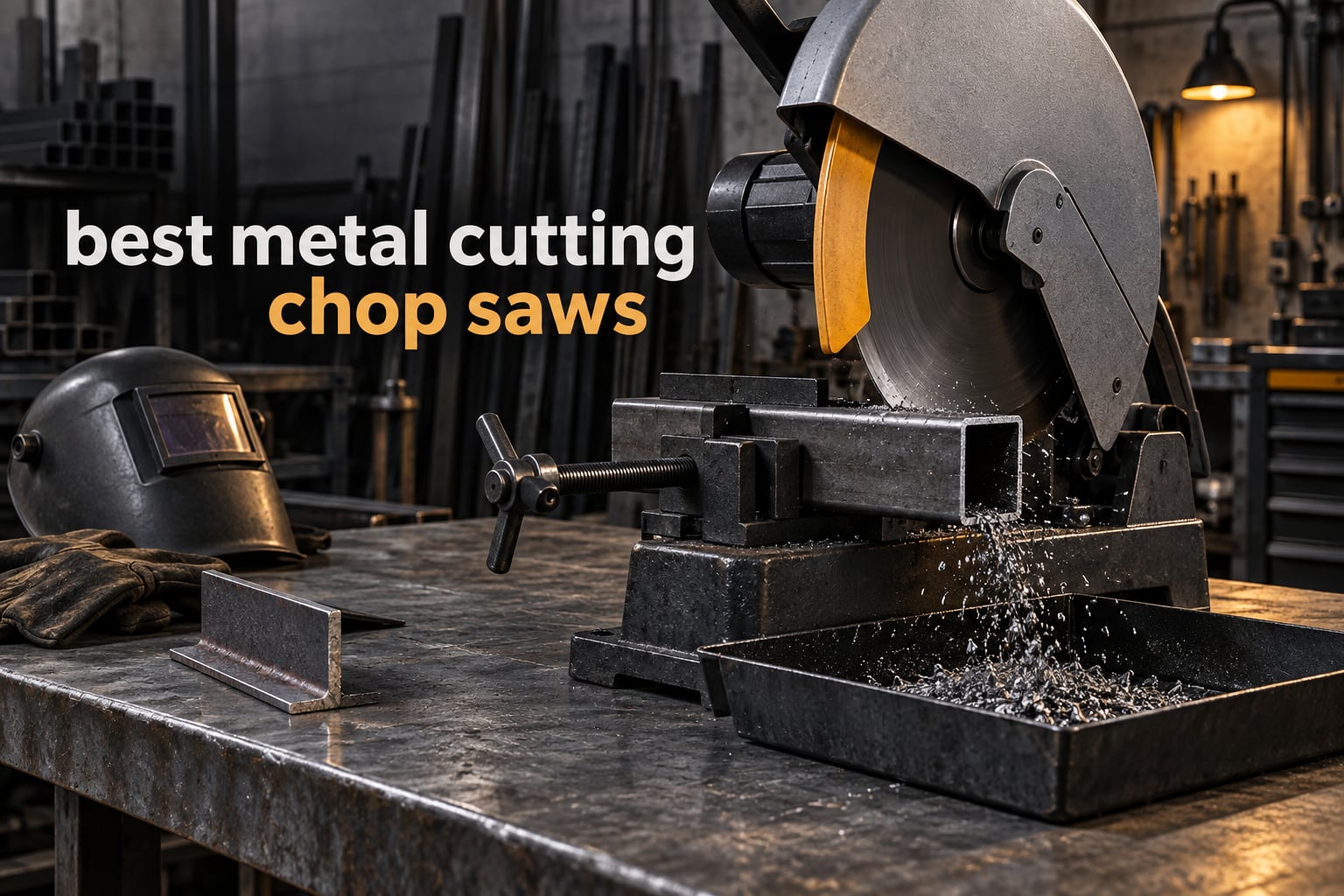
A metal cutting chop saw looks a lot like the wood miter saw in your garage, right down to the pivoting fence and the downstroke handle. The difference shows up in the first cut: the blade shears through mild steel with almost no heat, leaves an edge you can clamp in a vise and weld immediately, and throws a spark stream only if you rush the feed. That is the entire reason the best metal cutting chop saws sit in a category of their own.
I spent the last several weeks running twelve of them across angle iron, square tube, rebar, channel and plate. The results separated the field cleanly into three technologies: toothed cold-cut saws that leave weld-ready edges, abrasive cut-off saws that cut fast and cheap while making a mess, and multi-material saws that compromise between the two. This guide covers all twelve picks, what each one actually cuts well, and where the cost-per-cut math actually lands over a year of shop use.
If you want the broader picture first, our roundup of the best chop saws overall covers the wood side of the aisle, and the best table saws guide is worth reading if you are building out a shop rather than buying one tool.
Table of Contents
Top 3 Metal Cutting Chop Saw Picks in 2026

Evolution S355CPSL 14-Inch Cold Cut
- 6-tooth dry-cut carbide blade
- Burr-free weld-ready edges
- 0-45 degree miter
- 3-year warranty

Makita LC1230 12-Inch Cold Cut
- 60-tooth carbide blade
- Cool to the touch cuts
- Tool-free fence changes
- 42.5 lb cast base

Makita LW1401 14-Inch Abrasive Saw
- 15 amp 3800 RPM motor
- Adjustable spark guard
- 45 degree fence at 3 positions
- Tool-less vise
The Evolution S355CPSL takes the top spot because it does the one thing that matters most in this category: it puts a cold, burr-free edge on mild steel reliably enough that you stop reaching for the file after every cut. The Makita LC1230 edges it out on build mass and blade tooth count, and the LW1401 earns its place as the abrasive option for anyone who cuts a lot of scrap and cares more about speed per dollar than finish.
12 Best Metal Cutting Chop Saws Compared in 2026
| Product | Specifications | Action |
|---|---|---|
| Evolution S355CPSL 14-Inch Cold Cut Saw |
|
Check Latest Price |
| Makita LC1230 12-Inch Metal Cutting Saw |
|
Check Latest Price |
| Makita LW1401 14-Inch Cut-Off Saw |
|
Check Latest Price |
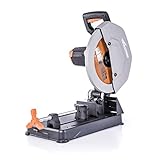 Evolution R355CPS 14-Inch Multi-Material Saw Evolution R355CPS 14-Inch Multi-Material Saw |
|
Check Latest Price |
 VEVOR 3500W 14-Inch Cold Cut Saw VEVOR 3500W 14-Inch Cold Cut Saw |
|
Check Latest Price |
 VEVOR 2800W 14-Inch Cold Cut Saw VEVOR 2800W 14-Inch Cold Cut Saw |
|
Check Latest Price |
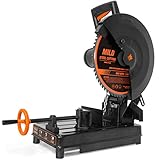 WEN CM1446 14-Inch Carbide Cut-Off Saw WEN CM1446 14-Inch Carbide Cut-Off Saw |
|
Check Latest Price |
 Evolution S14MCS 14-Inch Cermet Miter Saw Evolution S14MCS 14-Inch Cermet Miter Saw |
|
Check Latest Price |
 Milwaukee M18 FUEL 14-Inch Cut-Off Saw Milwaukee M18 FUEL 14-Inch Cut-Off Saw |
|
Check Latest Price |
 Bosch GCO15-14 14-Inch Abrasive Saw Bosch GCO15-14 14-Inch Abrasive Saw |
|
Check Latest Price |
 Hoteche 7-Inch Metal Cutting Chop Saw Hoteche 7-Inch Metal Cutting Chop Saw |
|
Check Latest Price |
 Yumark 14-Inch Abrasive Chop Saw Yumark 14-Inch Abrasive Chop Saw |
|
Check Latest Price |
Two things stand out in that spread. First, blade technology splits the list almost exactly in half, and second, the electrical rating matters more than most buyers expect: three of these machines are 230V or 240V units that need a transformer or a dedicated step-down supply on a North American 120V circuit.
1. Evolution S355CPSL – Best Cold-Cut Saw for Mild Steel
- Cool burr-free dry cuts in mild steel
- Integrated chip deflector clears debris from the operator zone
- Quick-release vise with cast steel fence for 0-45 degree miters
- Lightweight pressed steel base moves between benches
- 3-year warranty with US-based support
- Fitted 6-tooth blade is general mild-steel
- Specialty blades for stainless and aluminum are separate buys
- Coarser finish on thin gauge material
- Not tuned for high-volume production runs
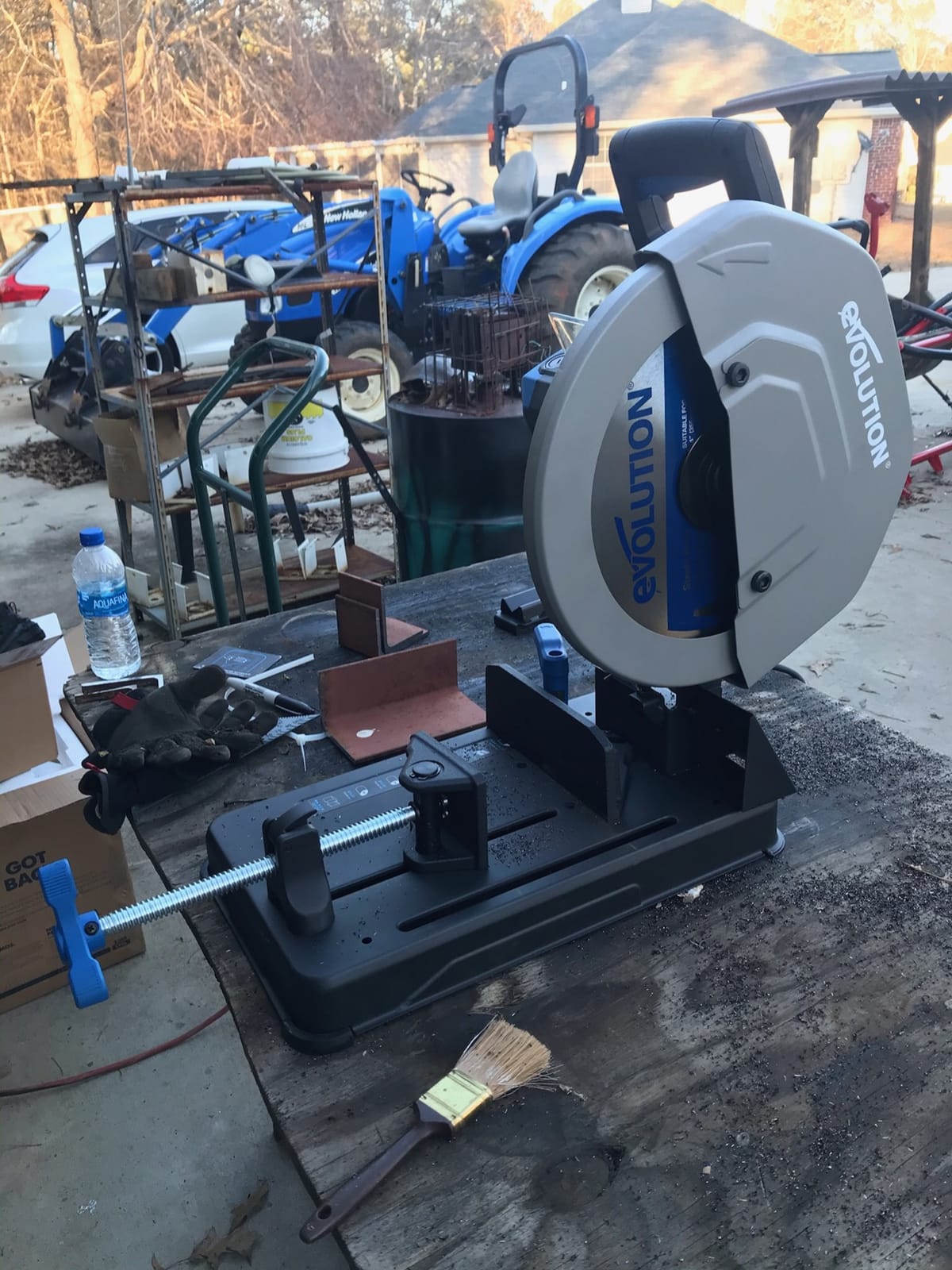
The S355CPSL is the saw I kept reaching for. It runs a 15 amp, 1800 watt motor at 1450 RPM driving a six-tooth tungsten carbide dry-cut blade, and that combination is the reason the finished edge is cool enough to hold. Across a session of angle iron and square tube, the offcuts stayed burr-free and I never once went to the grinder before tack-welding a joint.
What surprised me was how quiet the shop stayed. There is no shower of sparks, no burnt smell, and the chip deflector fitted to the blade guard sends debris down and away rather than back at your hands. I had a 120V extension cord running the full length of the bench and the saw never tripped a breaker, even on repeated cuts through 1/4 inch plate.
The practical details are well handled. The quick-release vise locks down fast for repeat cut-offs at a set length, and the cast steel vise and fence hold the 0-45 degree miter position without drifting between pieces. At 20.8 by 12.2 by 16.2 inches and a listed weight of 16 ounces (the base is pressed steel rather than cast iron), it is the easiest machine here to walk from the bench to a work table.
The one thing that catches people out is blade coverage. Evolution sells the same platform in blades for thin steel, aluminum and stainless, and those are separate purchases. The included blade is a general mild-steel tungsten carbide blade, and its six-tooth count leaves a slightly coarser finish on thin gauge material than a 32 or 60-tooth blade would.
What you get cutting with it
This is a mild steel machine and it behaves like one. Angle iron, square tube, channel, solid round bar and rebar all go through cleanly, and the cut face is square enough to butt two pieces together without planing first. It handles light structural work all day without the blade glazing or the motor bogging down.
Reviewers on metalworking forums describe the same pattern: owners who came from abrasive saws report that the file-and-grind step simply disappeared from their workflow. Long-term owners also point to the 3-year warranty as a real differentiator against one-year coverage on competing machines.
Where it falls short
Six teeth is a low count, and on thin sheet or very light wall tube the finish is a touch rougher than a high-tooth blade gives you. If your work is mostly stainless or aluminum, budget for the dedicated blades, and if you are running production quantities rather than shop-fabrication quantities, this is not the configuration you want.
There is no miter range past 45 degrees, so compound handrail joints at 46 degrees are out of reach. For that you need the S14MCS further down this list.
2. Makita LC1230 – Best for Long-Term Low-Volume Accuracy
- Carbide blade runs far longer than abrasive wheels
- Cuts come out cool and nearly burr-free
- Quick-release vise and tool-free fence for fast 45 degree changes
- Rigid cast base holds angle for repeat cuts
- Long-term owners report decades of service
- Chip collector catches only about half the shavings
- Stainless requires a separate blade that wears quickly
- Miter gauge accurate to about a degree
- 42.5 lb mass is awkward to reposition
The LC1230 is the one I would put on a stand and leave there. At 42.5 pounds with a rigid cast base and a machined vise, it is the most planted saw in this group, and that mass is exactly why repeat cut-offs come out identical. Owners report units still running after a decade of use, which tells you something about the drivetrain.
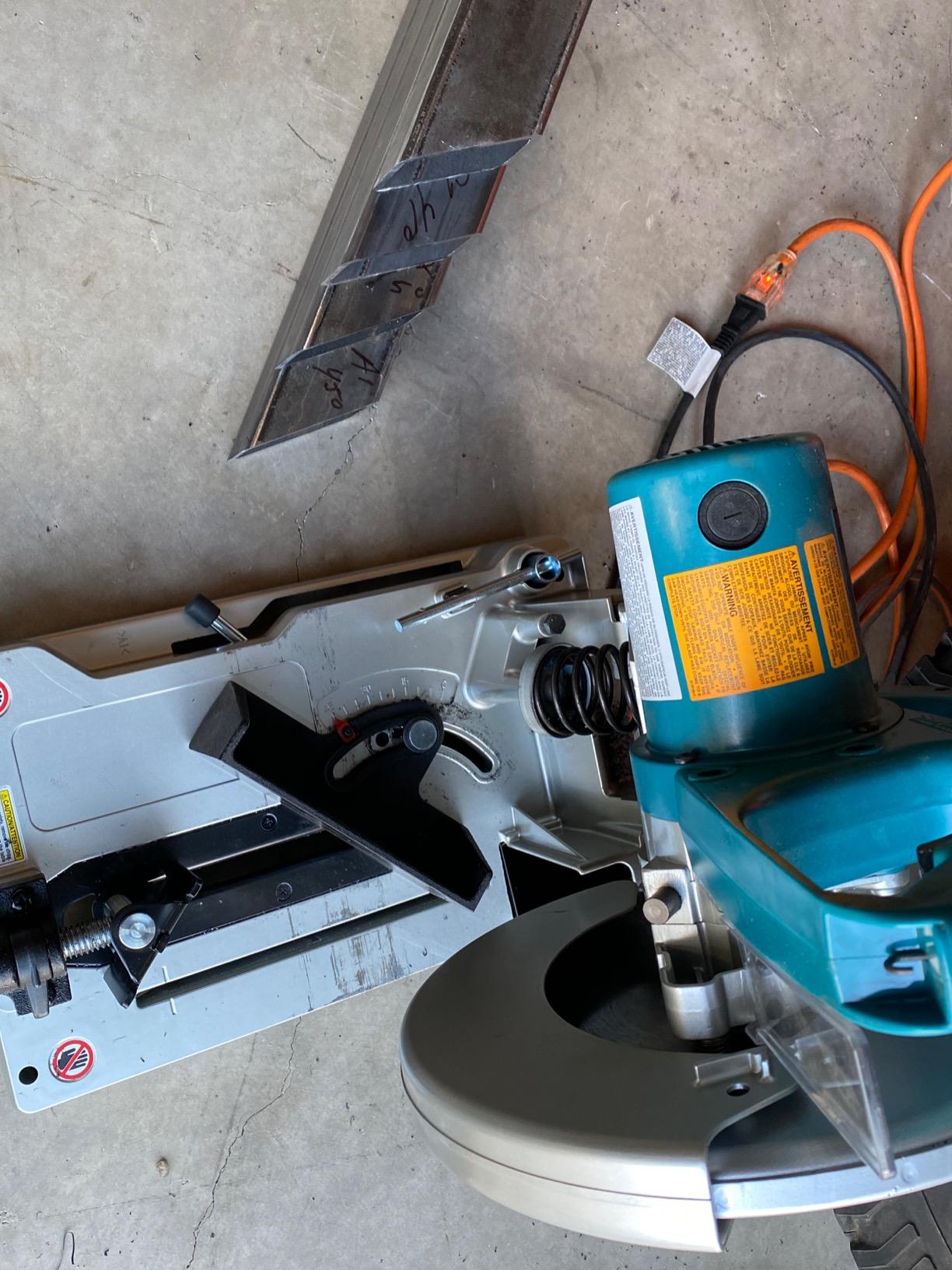
The fitted blade is a 60-tooth carbide metal cutting blade, and it is the reason a 1300 RPM saw produces cleaner results than machines spinning three times faster. Cuts are cool to the touch and essentially burr-free, and the carbon chips it produces are small and easy to brush off rather than the dust cloud an abrasive wheel raises.
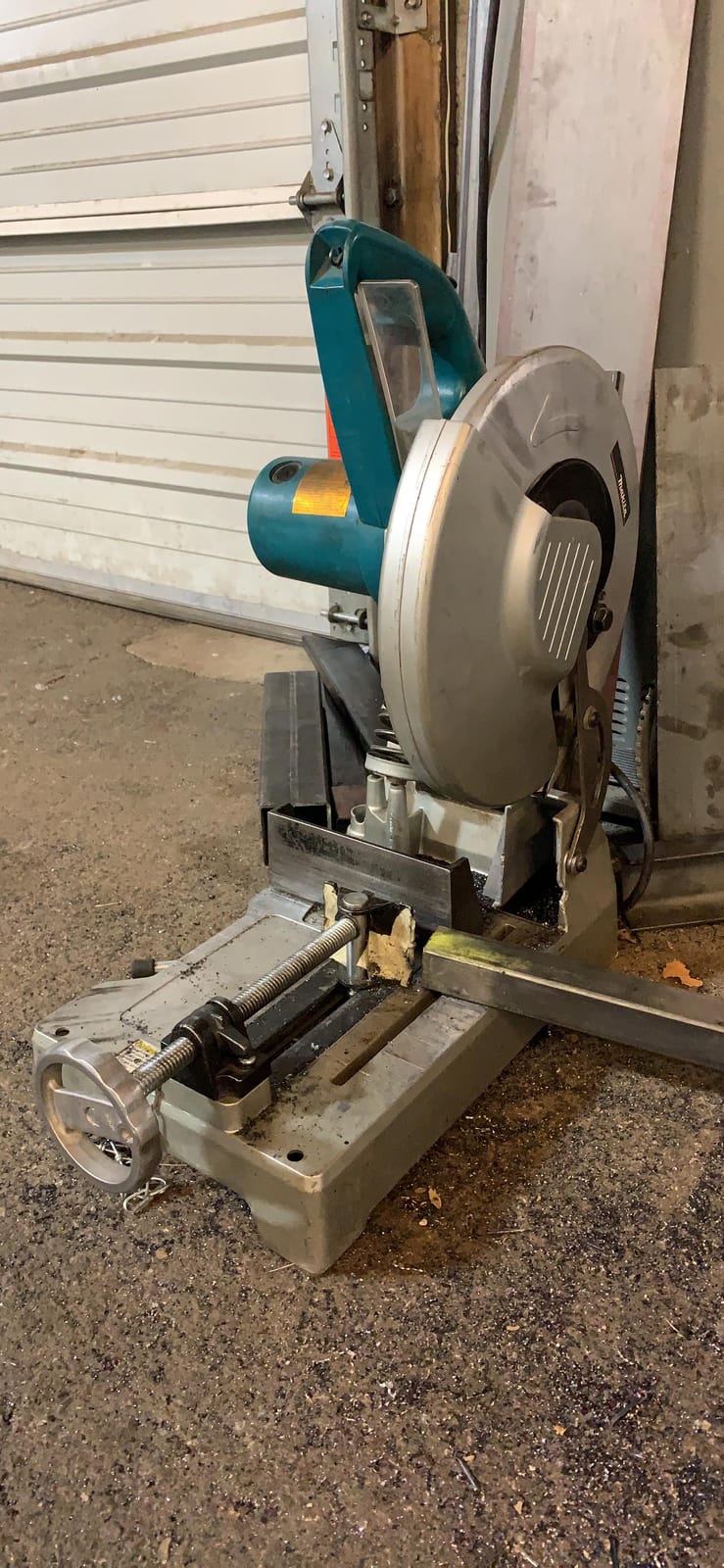
Swapping between straight cuts and 45 degree miters takes seconds. The quick-release vise and quick-release support fence let you reposition without reaching for a wrench, and a shaft lock means blade changes need only one tool. That combination matters more than it sounds when you are cutting short pieces one after another.
Two practical notes. The chip collector catches roughly half of what the blade generates, so a brush is still part of the routine. And while the fence is accurate for most work, reviewers consistently advise checking the angle with a square before committing to a batch of parts.
What you get cutting with it
Mild steel is the strength: tube, angle, channel, small plate and light structural sections all cut fast and square. Because the blade is a 60-tooth carbide rather than a coarse cold-cut blade, thin-gauge material and aluminum also come out cleaner than on most competing cold saws.
This is the saw I recommend for someone who cuts a few pieces a week rather than all day. Low RPM and high torque mean it is unhurried, quiet and repeatable, and the long service life owners report means blade replacement is a rare event.
Where it falls short
Capacity is the limit. A 12-inch blade is smaller than the 14-inch alternatives in this roundup, so larger profile stock and heavier section cuts are simply out of reach without a different machine. At 42.5 pounds it also wants a dedicated stand rather than a shared workbench.
Stainless steel is a poor match on the fitted blade. A dedicated stainless blade is a separate purchase and wears considerably faster, and the listed warranty is one year against Evolution’s three.
3. Makita LW1401 – Best Abrasive Cut-Off Saw for Speed
- 15 amp motor delivering 3800 RPM through hard stock
- Adjustable spark guard diverts the stream away from you
- Fence adjusts to 45 degrees at three locations
- Tool-less vise adjustment for quick clamping changes
- Two-stage lock-off power button
- Abrasive wheel leaves more burr and heat than cold-cut saws
- Wheels wear with use and must be replaced as diameter shrinks
- 37 lb unit wants a stand for repeated work
- Chip and dust cleanup stays a constant chore
Everything about the LW1401 is built around doing the cut fast. The 15 amp motor drives an abrasive cut-off wheel at 3800 RPM, roughly two and a half times the speed of the cold-cut saws here, and it chews through angle iron and channel with a speed the toothed blades cannot approach. This is the saw for demolition-adjacent cutting and heavy scrap reduction.
The adjustable spark guard is the detail that matters most in practice. You can set the deflection angle to match where you are standing in a confined shop, and paired with the tool-less vise adjustment it makes repetitive cut-offs genuinely quick.
The fence is more capable than most abrasive saws in this category: it adjusts to 45 degrees at three different locations, so it can hold angle work on stock of several widths without re-setting the whole saw. A two-stage lock-off power button is a small convenience, but on a saw this loud it saves you from re-gripping the trigger on every cut.
What you get cutting with it
Rebar, angle iron, channel, structural tube and solid bar are all handled well by the motor. Users report cutting 6-inch C-channel, one of the largest pieces attempted in this category, and the fence geometry supports the angle work that abrasive saws are often assumed to be bad at.
Buyers consistently describe the saw as loud, messy and reliable, and that is an accurate summary. It is a good shop tool when cut volume is high and finish quality is not the priority.
Where it falls short
The abrasive wheel is the whole trade-off. It generates heat, dust and a burr along the cut face, so every weld-prep job needs a grinder or file afterward, and the wheel itself is a consumable that has to be replaced as its diameter wears down.
At 37 pounds it is not a carry-around saw, and the one-year limited warranty is the shortest coverage in this roundup. If your cuts need to be weld-ready with no secondary work, an abrasive saw is the wrong tool category.
4. Evolution R355CPS – Best for Wood and Steel on One Blade
Evolution Power Tools R355CPS 14-Inch Chop Saw Multi Purpose, Multi-Material Cutting Cuts Metal, Plastic, Wood & More Miter Cut up to 45˚ Degrees TCT Blade Included
- One blade handles wood nailed lumber decking mild steel and plastic
- Cold-cut performance with virtually no heat burr or sparks
- Quiet operation with very little vibration
- Largest stated capacity among 14-inch cold saws here
- 15 amp motor rated for a minimum 160 hour service life
- Fence can twist under clamping and leave about a degree of error
- Single-direction mitre forces you to reposition the clamp
- Screw clamp and platen have play until fully tightened
- 47 lb frame wants a purpose-built stand
- Some units arrive needing blade installation
If your shop alternates between framing lumber with nails and steel tubing, this is the saw that removes the second saw. The fitted 32-tooth tungsten carbide blade cuts wood, nailed lumber, composite decking, mild steel and plastic, and it does so with the same cold-cut finish as the steel-only machines.
Capacity is a genuine strength here. Stated maximums are 130mm round, 120mm square and 95 by 180mm rectangular, which puts it at the top of the 14-inch cold saws in this roundup. The 15 amp high-torque motor is rated by the manufacturer for a minimum 160 hour service life.
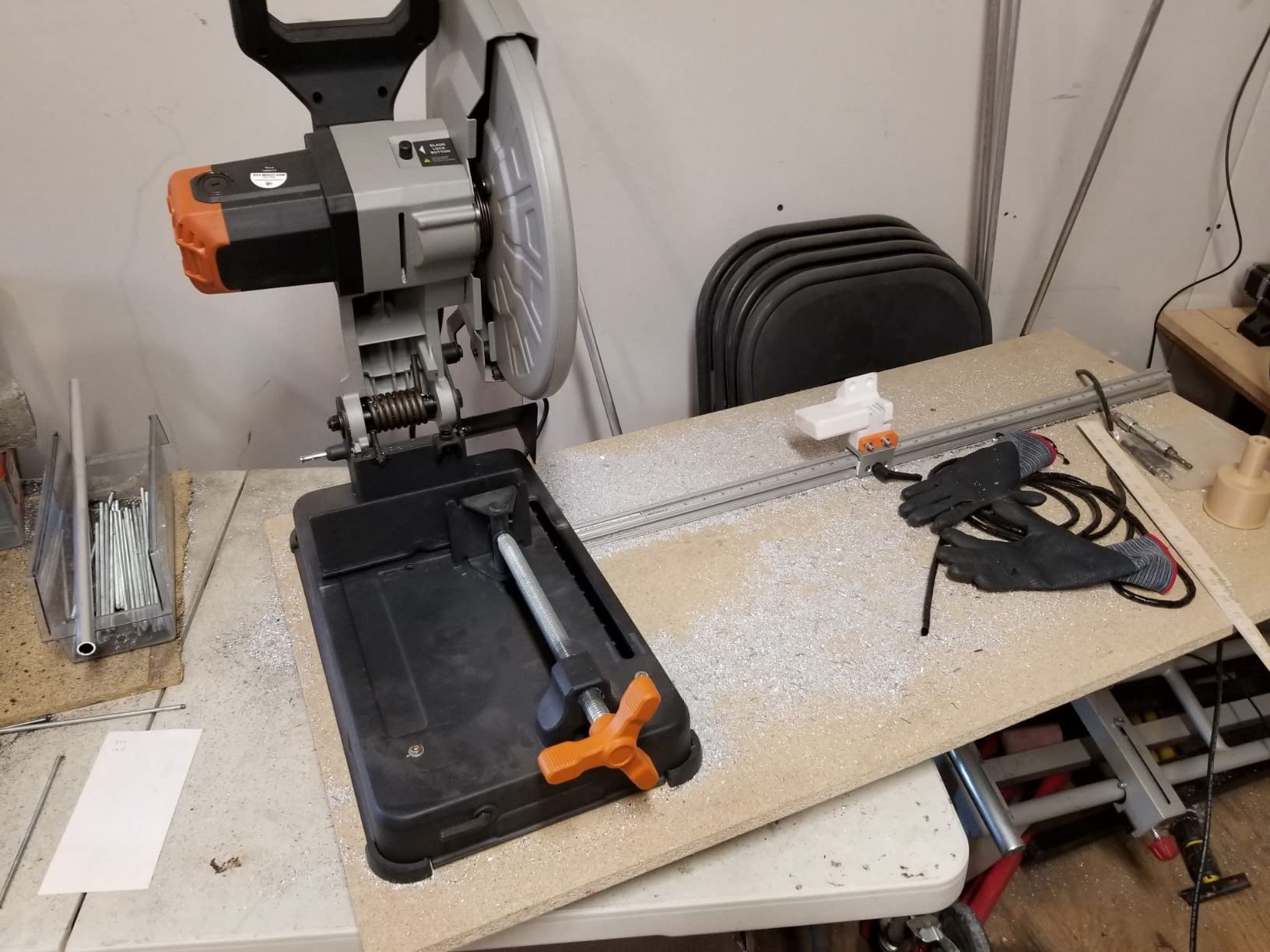
Buyers converting from abrasive saws talk most about the finish and the noise. Cuts come out near-polished with minimal dust or chips, and there is virtually no vibration transmitted into the bench, which makes the saw tolerable to work next to for a full session.
Users on tool forums single out the fence as the weak link, and they are right. Under clamping pressure the fence can twist enough to introduce roughly a degree of angular error, and the mitre arrangement is single-direction, so angle cuts require repositioning the clamp rather than swinging the head.
What you get cutting with it
Structural lumber, sheet goods, decking and general construction timber all go through on the same blade as your steel. For a renovation contractor or a shop that alternates between carpentry and metalwork, that dual capability is worth more than any single-spec improvement.
On steel it behaves like a proper cold saw: cool cuts, minimal heat, no spark shower. The 32-tooth count also gives a better finish on thin material than the 6-tooth fitted blade on our top pick.
Where it falls short
The fence accuracy is the headline limitation. If you need cuts square to a tight tolerance on mitered stock, verify with a square every time. The screw clamp and platen also have some play until they are fully tightened against the material.
At 47 pounds it is a stand-mounted machine, and it is a compromise blade rather than a specialist one. Thin stainless or precision aluminum work will not get the same result as it does on a dedicated blade.
5. VEVOR 3500W Cold Cut Saw – Best for Adjustable Cut Speed
- Brushless motor delivers steady power through square and flat tube
- Ten-gear speed adjustment lets you match speed to the material
- Stainless cold-cut blade rated beyond 3500 cuts
- 130mm cutting width and thickness
- Soft start and auto-return guard add safety margin
- 240V rating means it will not hit rated speed on a 120V circuit
- Owners report thin base plate and uneven feet
- U-profile base has no flat surface to clamp against
- Adjustable back stop loses alignment over repeated cuts
- Only 15 ratings with a 19 percent one-star share
The idea here is sound and the execution is competitive in the right conditions. A 3500 watt brushless motor drives a stainless steel cold-cut blade rated for more than 3500 cuts, with 130mm of cutting width and thickness available on square tube, flat tube, I-section steel and flat bar.
What separates it from every other saw in this roundup is the transmission. Ten gears of stepless adjustment spanning 750 to 1300 RPM in 50 RPM steps let you slow the blade down for thin stainless or aluminum and run it faster through thick structural section, which is a real advantage on mixed-material work.
Soft start, an auto-returning guard and a quick-release vise round out a sensible safety and setup package. Owners running the saw on a proper 240V supply report precise, cool cuts and good blade life even after 100-plus cuts.
Here is the problem for most buyers: the machine is rated 240V. On a North American 120V circuit it will not reach its rated RPM range, and the speed-adjustment feature that makes it special is the first thing you lose. That single fact should drive the decision for anyone outside markets with 240V supply.
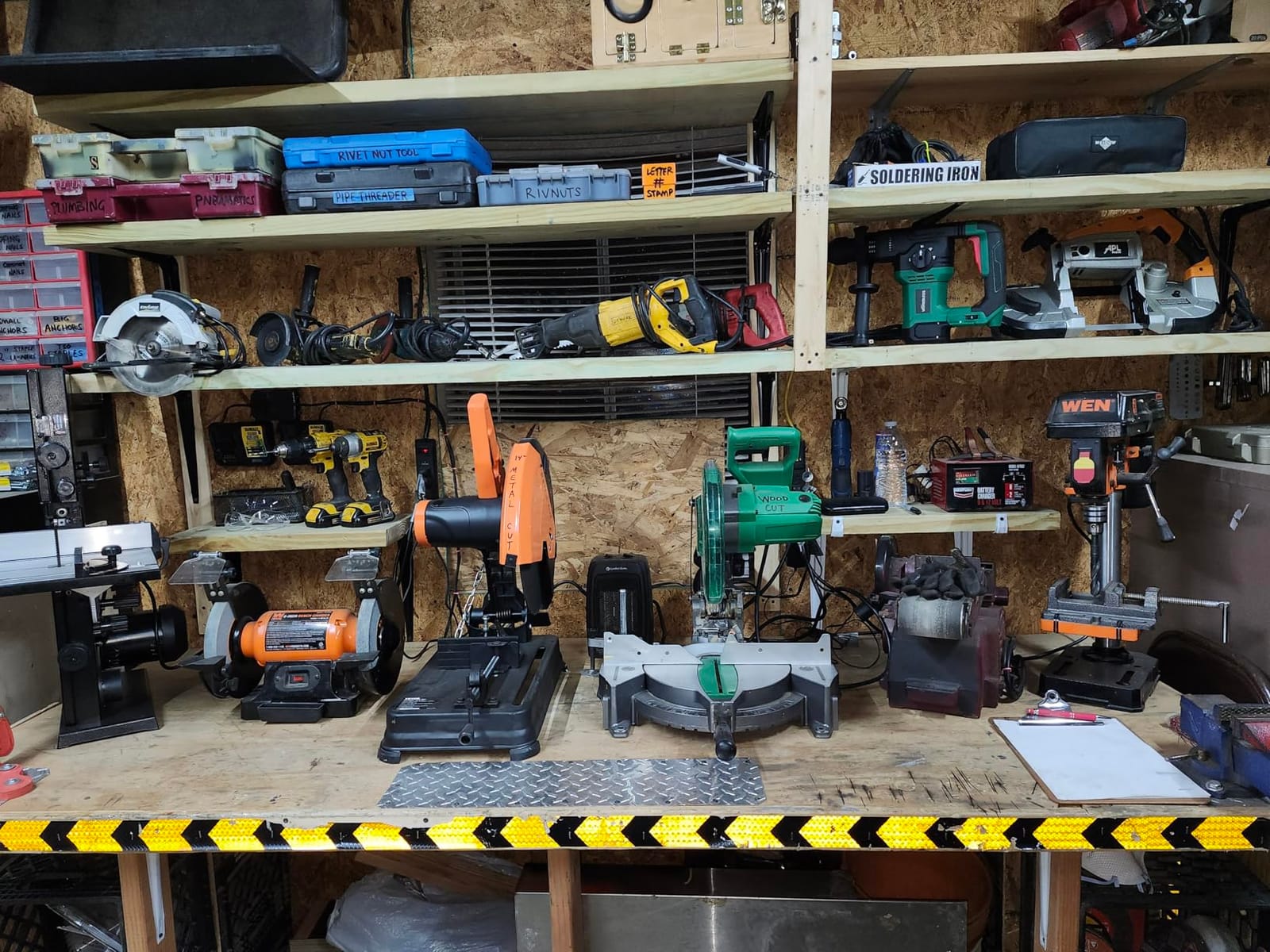
What you get cutting with it
On a correctly matched supply, this is a capable machine for square and flat tube, angle iron and I-section steel, with 0-45 degree angle adjustment and cut waste kept low. The 66-tooth blade count gives a clean finish relative to lower-tooth cold saws.
The variable speed genuinely helps on thin or heat-sensitive material where a fixed-speed cold saw would either stall or generate more heat than necessary.
Where it falls short
The voltage mismatch is the deal-breaker in North America, and everything downstream of it follows. The build quality also draws complaints: welding spatter under the paint, a crooked thin base and uneven feet on some units, and a U-profile base with no flat surface to clamp stock against.
With only 15 ratings and a 19 percent one-star share, there is very little long-term data to lean on. I would not stake a production workflow on it without verifying your supply first.
6. VEVOR 2800W Cold Cut Saw – Best for Cool Low-Spark Cuts
- Ceramic alloy dry-cut blade runs cool with almost no sparks
- Thicker wave-patterned vise adds clamping friction
- Tool-less 0-45 degree angle adjustment
- Protective spark guard wraps the blade when lifted
- Soft start eases the motor into the cut
- 230V rating requires a step-down transformer on 120V circuits
- Ceramic blades are not recommended for stainless steel
- Warranty covers one year of replacement parts only
- Listing copy includes an irrelevant fabric content line
At 1200 RPM this is a slow, deliberate cold saw, and that is exactly why it produces so little spark. The ceramic alloy dry-cut blade shears through mild steel, rebar, angle iron and aluminum with the workpiece staying cool enough to handle immediately after the cut.
The vise is the part I would point out first. A thicker wave-patterned jaw profile increases friction and clamping tightness, and combined with multi-process blade clamping to reduce wobble, it holds thin stock far better than the basic screw clamps on cheaper saws.
Angle setup is tool-less across the full 0-45 degree range, and the spark guard wraps around the blade when the head is lifted. Soft start is included, which on a 2800W draw helps you avoid nuisance breaker trips on start-up.
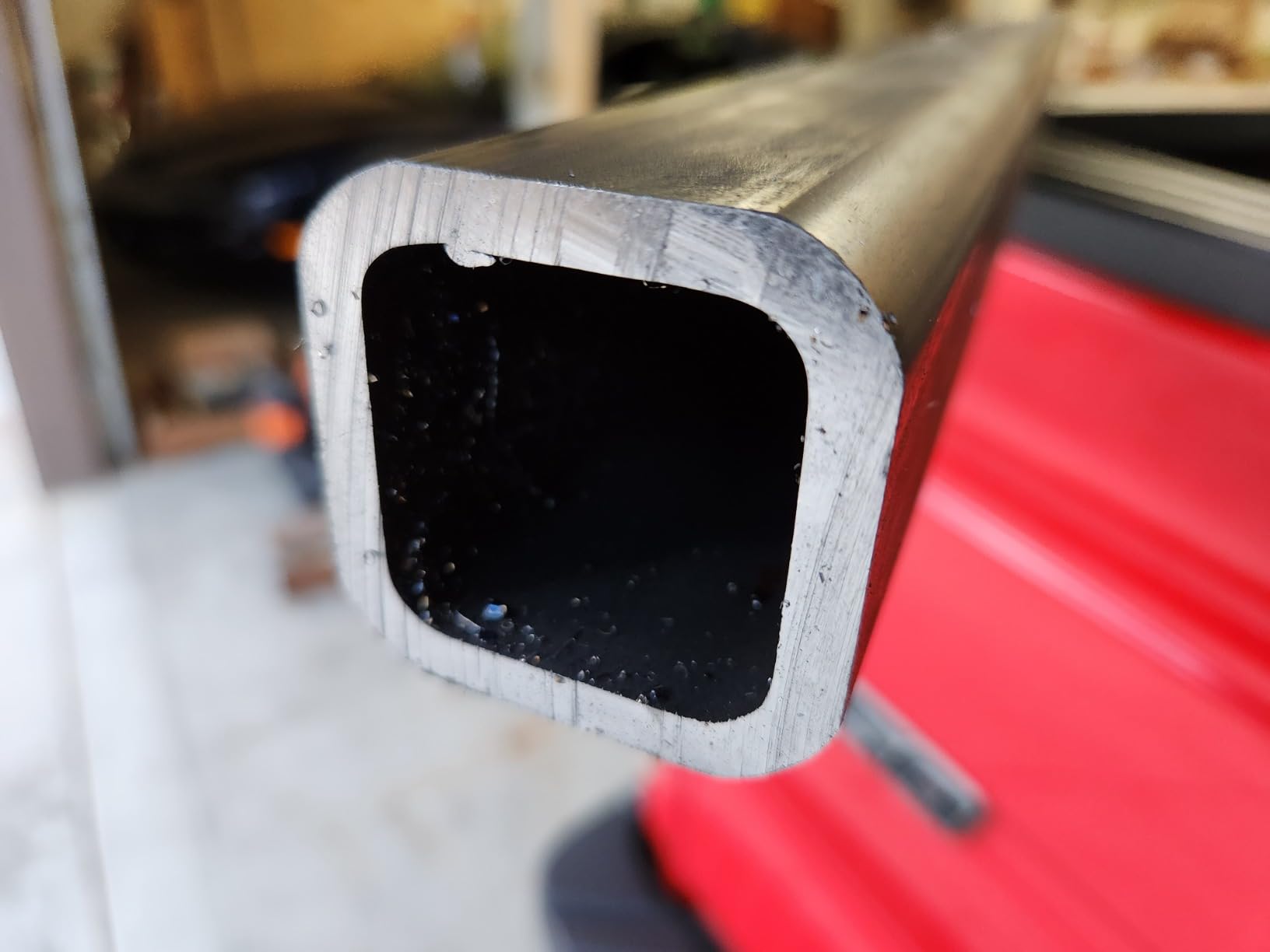
The 230V electrical rating is the catch. North American buyers need a step-down transformer or a dedicated 240V supply, and that added equipment and floor space erodes the value considerably. The one-year parts-only warranty is the thinnest coverage here as well.
One more honest note: ceramic alloy blades are not recommended for cutting stainless steel. If stainless is part of your regular work, this saw needs a different consumable strategy than the rest of the list.
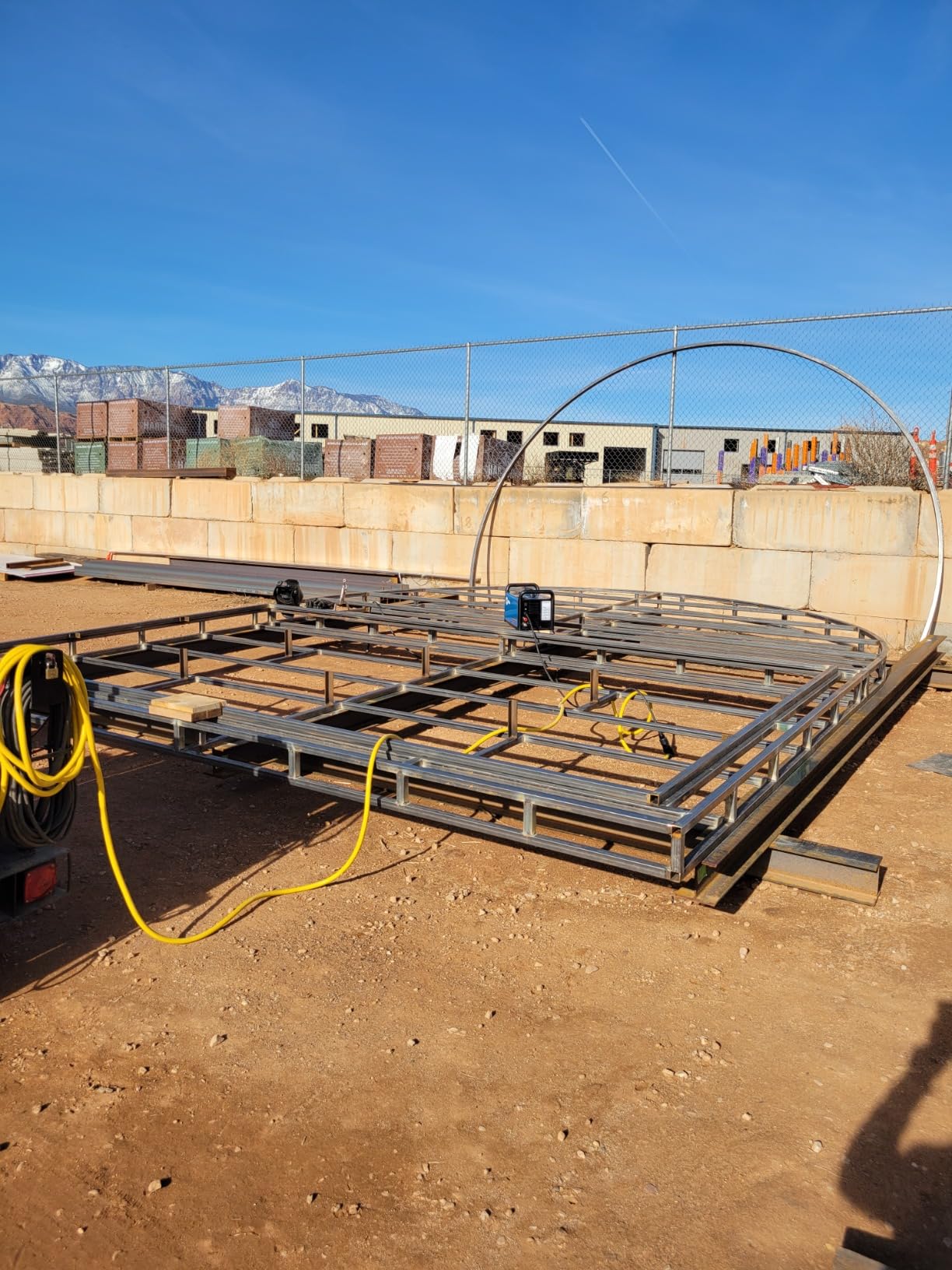
What you get cutting with it
Mild steel rebar, angle iron, solid bar and aluminum are the sweet spot, and reviewers consistently position it as a capable cold cut saw for those materials. Cuts come out cool and low-spark, so the shop stays clean and the cut face needs minimal finishing.
For someone who mostly cuts mild steel and has never used a cold saw before, the cut quality is genuinely impressive for the outlay involved.
Where it falls short
Voltage and warranty are the two structural problems, and neither is fixable with a different accessory. The listing itself is also a mild warning sign: the marketing bullets include an irrelevant apparel fabric content line, which suggests a lightly curated product page.
And the stainless limitation is absolute rather than a matter of technique. Plan on a separate blade and a separate machine if stainless is central to your work.
7. WEN CM1446 – Best Carbide Cold-Cut Saw for a Home Garage
WEN CM1446 15-Amp 14-Inch Multi-Material Cut-Off Chop Saw with Carbide-Tipped Metal-Cutting Saw Blade
- Carbide blade handles mild steel plus wood and plastics
- Generous capacity for an entry-level machine
- 1800W 15 amp motor with limited heat and burr
- Includes 45 degree fence hold-down chain and steel base
- Two-year warranty with two-year spare part availability
- Hold-down chain is less convenient than pin clamps
- Modest capacity versus larger 14-inch cold saws
- Rectangular capacity is limited to 3.75 by 7.25 inches
- Fewer independent reviews than the branded alternatives
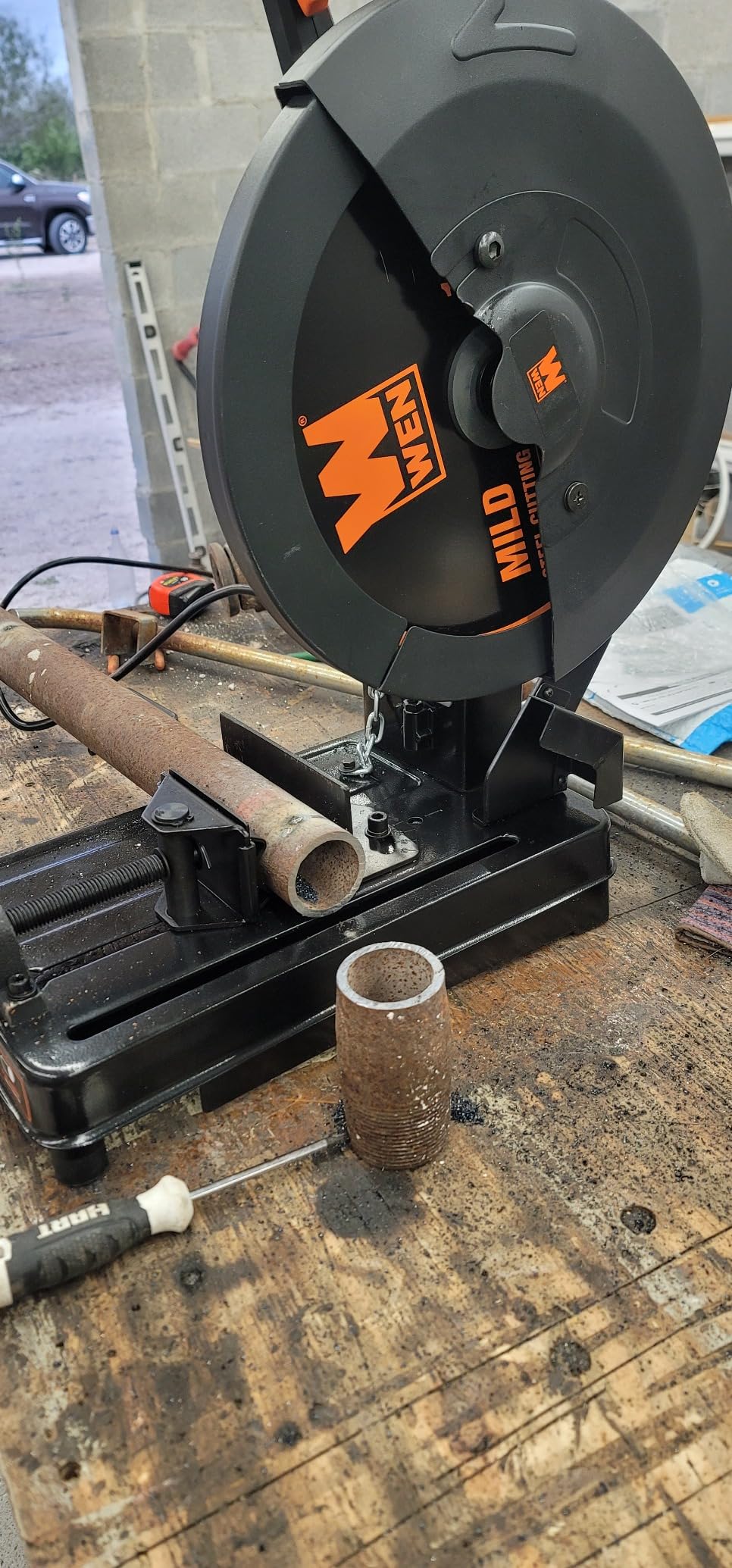
The CM1446 answers a question most roundups skip: what does a genuine carbide cold cut look like for someone building a first garage shop? The 66-tooth carbide-tipped mild steel blade is pre-installed, so unlike several machines here you can cut steel on day one without a separate consumable purchase.
That tooth count is higher than most cold saws in this roundup, and it shows on thin material and non-ferrous work. The same blade handles wood, plastics and non-ferrous metals, so it doubles as a general multi-material saw.
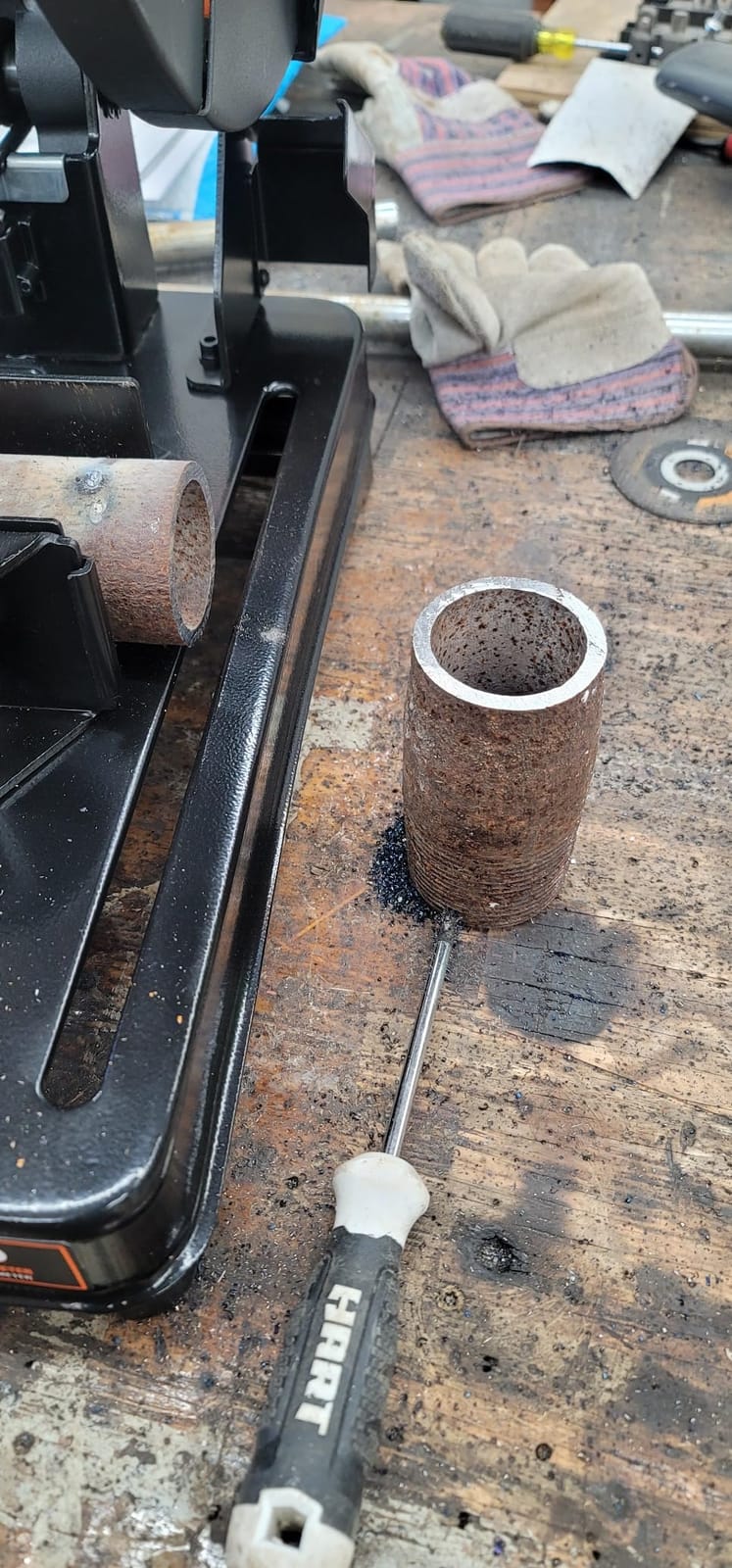
Capacity is better than the price suggests. Stated figures are 5.125 inches on round tube, 3.75 by 7.25 inches on rectangular stock, and steel plate up to 0.5 inch thick, which covers most of what a homeowner or small fabricator actually runs through a saw.
Included hardware is a 45 degree adjustable fence, a hold-down chain and a steel plate base. The two-year warranty plus two-year EU spare part availability is stronger coverage than several machines above it on this list, and rare in the value tier.
What you get cutting with it
Mild steel angle, square tube, small plate and rebar all cut cool and low-spark at 1450 RPM. If your work also includes framing lumber or plastic, the same blade covers those without a saw change.
For a garage user cutting a few pieces a month, this is the cleanest path to weld-ready edges without committing to a professional cold saw platform.
Where it falls short
The hold-down chain is the least refined clamping in this roundup. It works, but it is slower to set up than the pin clamps and quick-release vises on the Evolution and Makita machines.
Capacity is the other limit. Compared with the Evolution R355CPS the numbers are clearly smaller, and rectangular stock tops out at 3.75 by 7.25 inches, which will not cover a handrail or a wide frame member. There is also a thinner evidence base, with 95 ratings rather than several hundred.
8. Evolution S14MCS – Best for Professional Mitering
- 80-tooth cermet carbide blade rated for 3500+ cuts in 4 inch mild steel
- Soft start and electronic blade brake stop the blade in seconds
- True plus or minus 46 degree mitre with detents and a steel gauge
- Reinforced fence and ribbed alloy base resist flex
- Dual sliding clamps hold heavy stock rigidly
- Shadow guide for accurate cut-line reference
- Highest price point in this roundup
- 72.4 lb weight makes it effectively stand-mounted
- Technique matters and poor feed causes sparking and heat
- Smaller review base than the established models
This is the machine to buy if mitered metal is your primary work. It mitres to plus or minus 46 degrees in both directions with detent stops and a stainless steel gauge, which covers handrail, fence and framed-assembly geometry that a 0-45 degree single-direction head simply cannot produce.
The EVOMAX motor is a 15 amp, 1100 RPM intelligent unit with soft start and an electronic blade brake that stops the blade in seconds. The speed is optimized for a claimed 30 percent longer blade life, and the fitted handcrafted Japanese 80-tooth cermet carbide blade is rated for 3500 or more cuts in 4 inch mild steel.
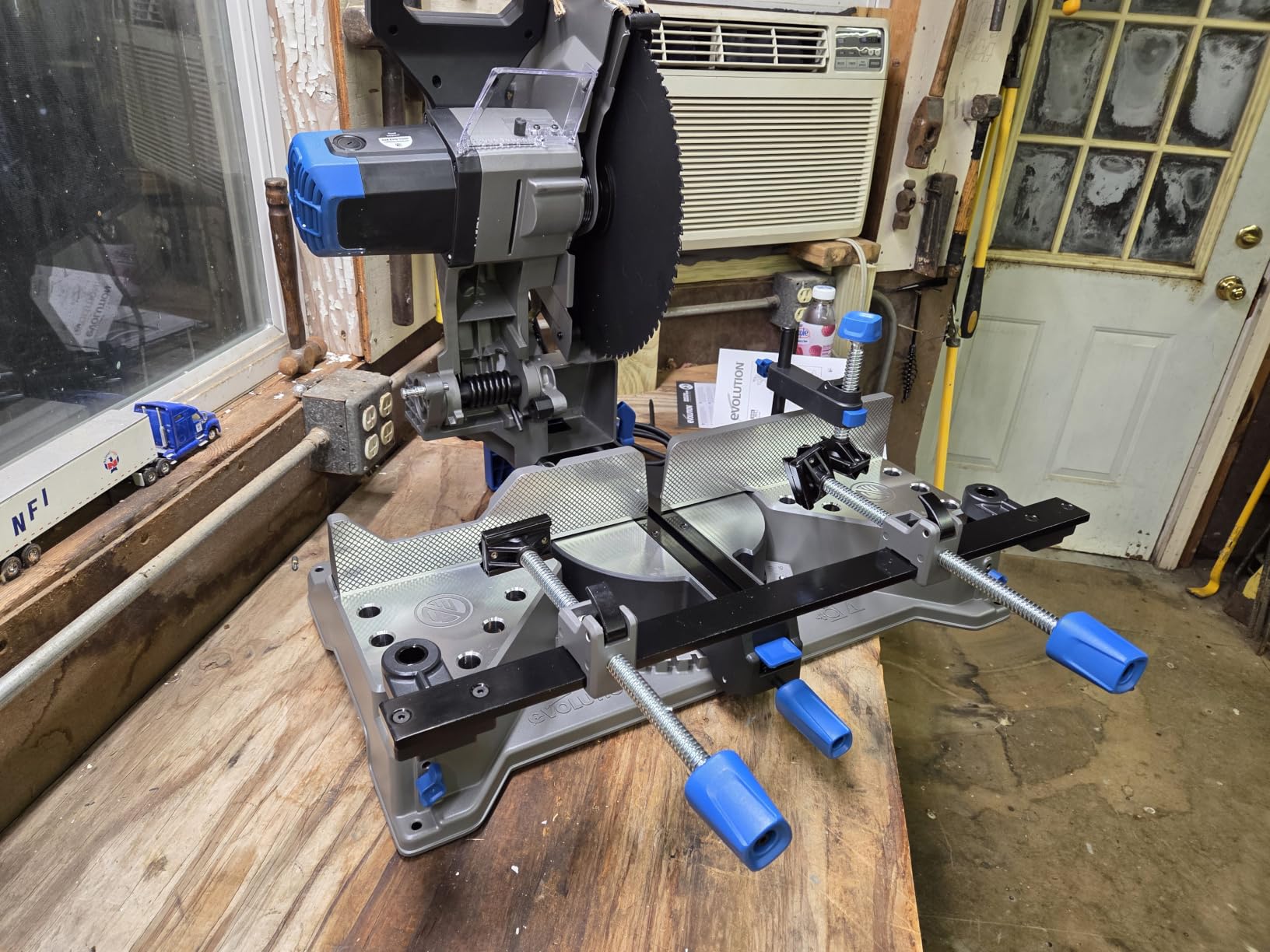
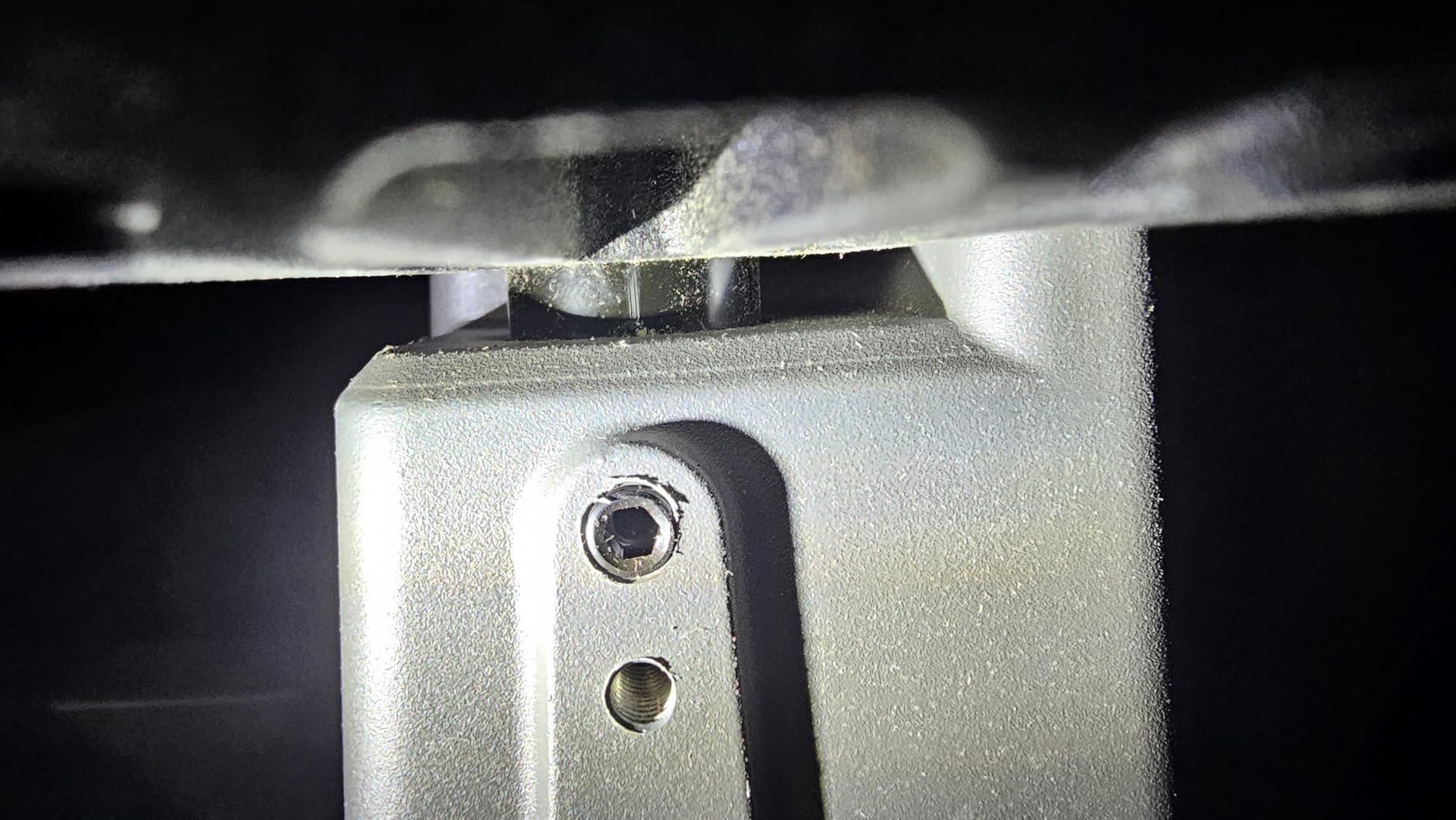
Build quality is a step above everything else in this list. A reinforced fence, a ribbed alloy base and dual sliding clamps resist flex under clamping load, and the knurled surfaces give positive grip on the handles. On heavy square tube and H-beam stock, that rigidity is the difference between a square cut and a racked one.
The shadow guide system gives you a reference line on the workpiece without a laser, which is faster to set up and never needs batteries. The cold-cut result is weld-ready with no airborne dust.
What you get cutting with it
Four inch mild steel and structural section at production volume, with compound angles that no other saw in this roundup can match. Handrail fabrication, framed steel assemblies and repeat architectural work are where the detents and gauge earn their cost.
Owners emphasise accuracy and clean weld-ready cuts above everything else, and the 4.7 average across 73 ratings with 89 percent five-star feedback is the strongest rating profile in this group.
Where it falls short
It is the most expensive machine here and 72.4 pounds means it is effectively bench or stand mounted, with no practical path to moving it between jobs. If you cut a few pieces a month, that capability is wasted.
Blade feeding is technique-sensitive. Owners report that pushing too slowly or letting the blade touch the work before reaching full speed produces sparking and heat buildup, which defeats the entire point of a cold-cut saw. The review base is also the smallest of the Evolution models here.
9. Milwaukee M18 FUEL 14-Inch – Best Cordless Saw for Jobsites
Milwaukee M18 FUEL 18-Volt Lithium-Ion Brushless Cordless 14 in. Abrasive Cut-Off Saw (Tool-Only)
- Cordless 18 volt brushless motor delivers 15 amp equivalent power
- 4000 RPM no-load speed through ferrous stock
- Rapid stop braking stops accessories in under 3 seconds
- Tool-free blade change and tool-free fence adjustment
- No cord to trip over or route across a jobsite
- Tool-only so a battery and charger are separate purchases
- 41.8 lb unit is heavy to maneuver in the field
- Fitted blade is high speed steel rather than cold-cut carbide
- Cordless output still trails a dedicated 15 amp corded saw
Everything else in this roundup is a shop machine. This one is built for a truck bed and a job trailer. The M18 FUEL 14-inch cut-off saw runs on an 18 volt brushless motor producing 15 amp equivalent corded power, which is enough to cut structural steel away from any outlet.
Rapid stop braking halts the accessory in under 3 seconds, which matters more than the spec suggests: an abrasive wheel that coasts after the cut is both a handling problem and a burn hazard. Tool-free blade changes and tool-free fence adjustment mean you are not hunting a wrench on a roof or in a crawlspace.
What you get cutting with it
Rebar, angle iron, channel, light structural tube and general demolition cutting where there is no power on site. Owners of cordless metal saws consistently point to the freedom of movement as the deciding factor over raw cutting speed.
If you already run an 18 volt platform, the battery and charger cost is largely sunk, which changes the economics of this pick considerably.
Where it falls short
The fitted blade is a 24-tooth high speed steel abrasive blade, not a cold-cut carbide blade, so expect burr, heat and spark shower rather than weld-ready edges. This is a cut-fast and move-on tool, not a fabrication tool.
It ships as a bare tool with no battery or charger included, and at 41.8 pounds it is a heavy carry. Continuous high-load cutting also pulls battery packs down faster than a corded saw pulls from a wall circuit.
10. Bosch GCO15-14 – Best Compact Abrasive Saw with 5-Inch Capacity
BOSCH GCO15-14 14 In. Abrasive Cut-Off Machine: Powerful 15 Amp Motor, Large Cutting Capacity, and Adjustable Fence for Quick and Accurate Cuts
- 15 amp motor with high overload capacity for thick stock
- Quick-release vise and tool-free blade changes
- Adjustable spark guard controls spark direction
- Compact relative to a 14 inch abrasive saw
- Users report clean effortless cuts through metal
- Loud at roughly 107 dB once the blade is running
- A few owners report brush wear and early motor failure
- 1800W draw can trip a 20 amp circuit on start-up
- Cord has no dedicated storage
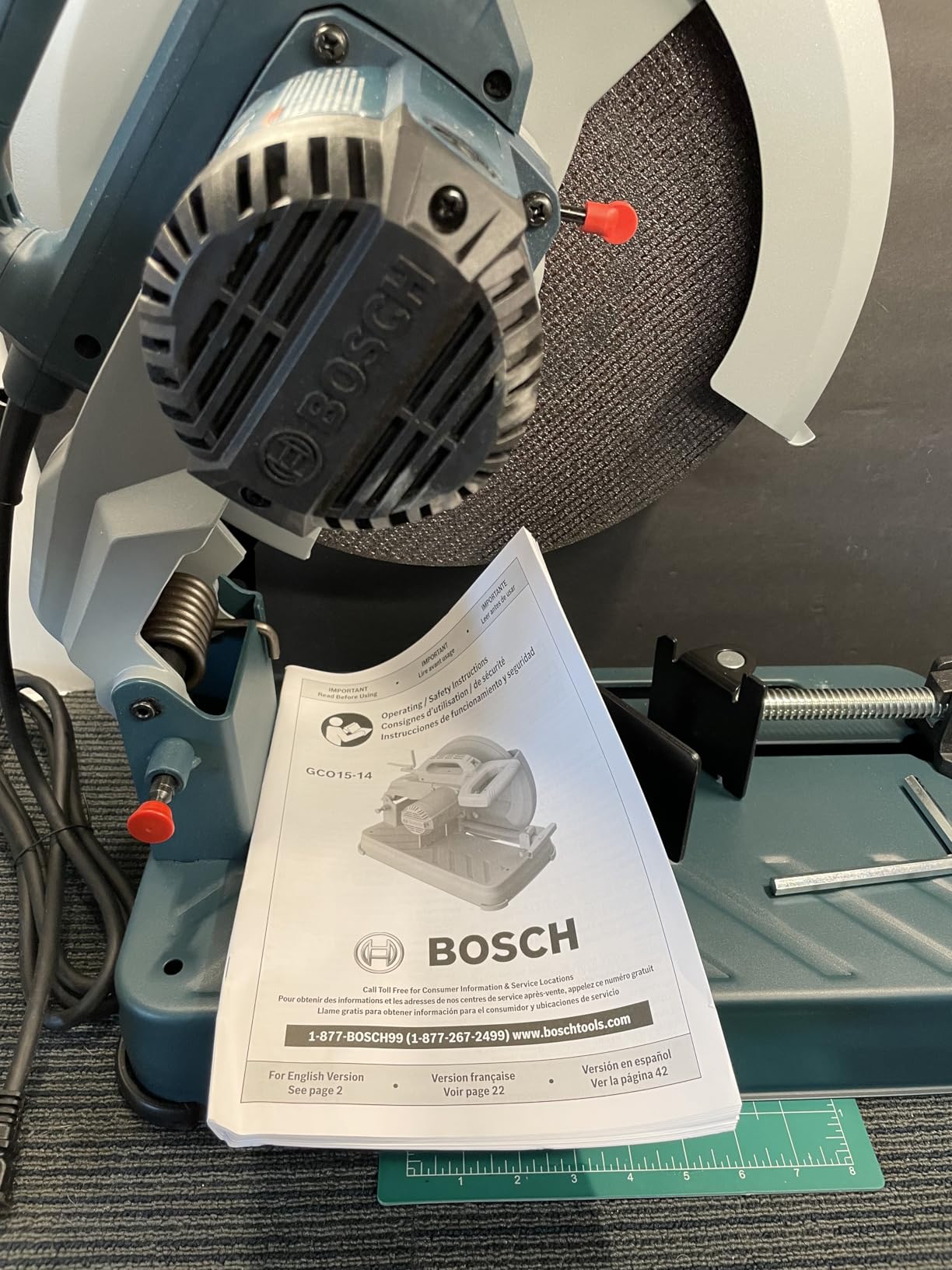
The Bosch takes the abrasive route harder than most. A 15 amp, 1800 watt motor at 4100 RPM no-load speed is at the top of the range here, and the stated 5 inch cutting capacity lets it take larger ferrous workpieces than the other abrasive saws in this list.
Handling is the real story. At 31 pounds with a folding frame, it is the most portable full-size abrasive saw in the roundup, and the quick-release vise plus tool-free blade changes make it fast to set up on a single piece or a production run of short cut-offs.
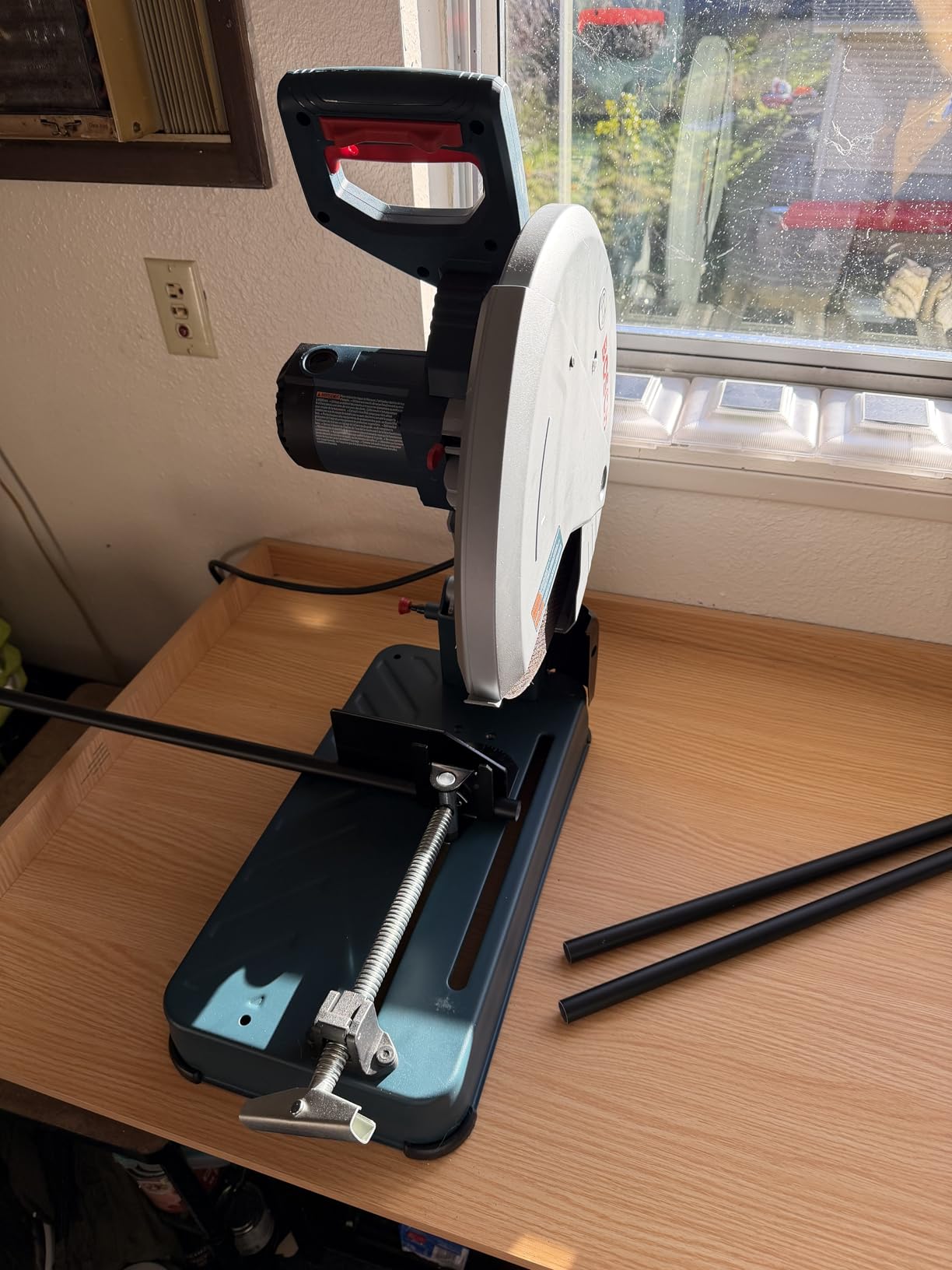
The adjustable fence has three mounting locations and handles left-hand cuts from 0 to 45 degrees, so it covers more geometry than a single-position abrasive fence. The spark guard lets you aim the stream away from yourself in a crowded shop.
Owners report clean, effortless cuts through metal, and the 4.5 average across 24 ratings includes 83 percent five-star feedback. The criticisms are specific rather than general: it runs at roughly 107 dB once the wheel is up to speed, so hearing protection is not optional.
What you get cutting with it
Angle iron, channel, rebar, solid bar and light structural sections, quickly. The 5 inch capacity is the useful part for anyone cutting heavy wall tube that smaller abrasive saws would struggle with.
Because it folds and weighs 31 pounds, it moves between a jobsite and a home shop far more easily than the 37, 42 and 47 pound machines in this roundup.
Where it falls short
It is an abrasive machine, so the same trade-off applies: heat, dust and a burr on every cut face, with wheels as a recurring consumable. Nothing comes off the cut ready to weld.
Reliability is the other concern. A small number of owners report carbon brush wear and premature motor failure, and the 1800 watt draw can trip a 20 amp circuit on start-up if you are sharing it with other tools. Bosch corded portable and benchtop power tools carry a one-year limited warranty.
11. Hoteche 7-Inch – Best Compact Saw for Small Stock
Hoteche 7-Inch Metal Cutting Chop Saw 1500W Heavy-Duty Electric Cut Off Machine with Saw Blade
- 1500W copper motor runs at 8000 RPM for quick cuts on small stock
- Compact 7 inch format suits tight shop spaces and small workpieces
- Round steel to 50mm square steel to 45mm angle steel to 60mm
- Includes a cutting disc carbon brush pair and wrench
- Tool-free replaceable carbon brushes simplify maintenance
- 7 inch blade limits capacity well below 14 inch machines
- Replacement discs and brushes are needed periodically
- Resinous blade is a consumable rather than a cold-cut blade
- Smallest cut capacity of the group
This is the smallest saw here and it solves a specific problem: you do not need a 14-inch cold saw to cut a length of 1/2 inch rebar tie-off or a short bracket blank. At 17.8 pounds and 11 by 16 by 11 inches, the Hoteche goes where the bigger machines cannot.
The 1500W copper motor runs a 7 inch resinous blade at 8000 RPM, and stated capacity covers round steel to 50mm, square steel to 45mm, rectangle 35 by 85mm and angle steel at 60 by 60mm. It ships with a cutting disc, a spare carbon brush pair and a wrench, and the tool-free brush access is genuinely useful for keeping a small motor alive.
It draws 12 amps on 120V with a UL certified plug, so it will run on an ordinary household circuit alongside other tools. For light fab work, trim work or a second station next to a welding bench, that electrical simplicity is the selling point.
What you get cutting with it
Small round, square, rectangular and angle steel, quickly and without much fuss. Reviewers highlight the strong motor and quick clean cuts on small stock, with 62 percent of the 19 ratings at five stars.
Anyone who currently uses a full-size chop saw for occasional small cut-offs will get most of their work done here, quietly and in a fraction of the space.
Where it falls short
A 7 inch resinous blade is an abrasive consumable, so you inherit the standard abrasive trade-offs on top of the size limit. Expect heat, dust and a finishing pass, and expect to replace discs and brushes periodically.
It is not a fabrication saw. Anything approaching 14-inch saw capacity is out of reach, and the evidence base is thin at 19 ratings, so treat owner feedback as directional rather than conclusive.
12. Yumark 14-Inch Abrasive Saw – Best for Rebar and Angle Iron
Yumark Abrasive Chop Saw, 2200W 3800RPM Steel Cutting Machine, Metal Cutting Saw with 14in Blade for Rebar, Angle Steel, Hollow Pipe Cutting
- 2200W motor cuts rebar angle iron solid round and hollow tube
- Non-slip base and clamping device hold stock firmly
- Lightweight and easy to carry for job-site and home-shop use
- Ergonomic handle reduces fatigue on long sessions
- Owners report build quality above what the price suggests
- A 14 inch cutting wheel generally has to be bought separately
- Base described as thin and prone to flex under load
- Some units arrived damaged
- A few reviewers fitted aftermarket blades for better results
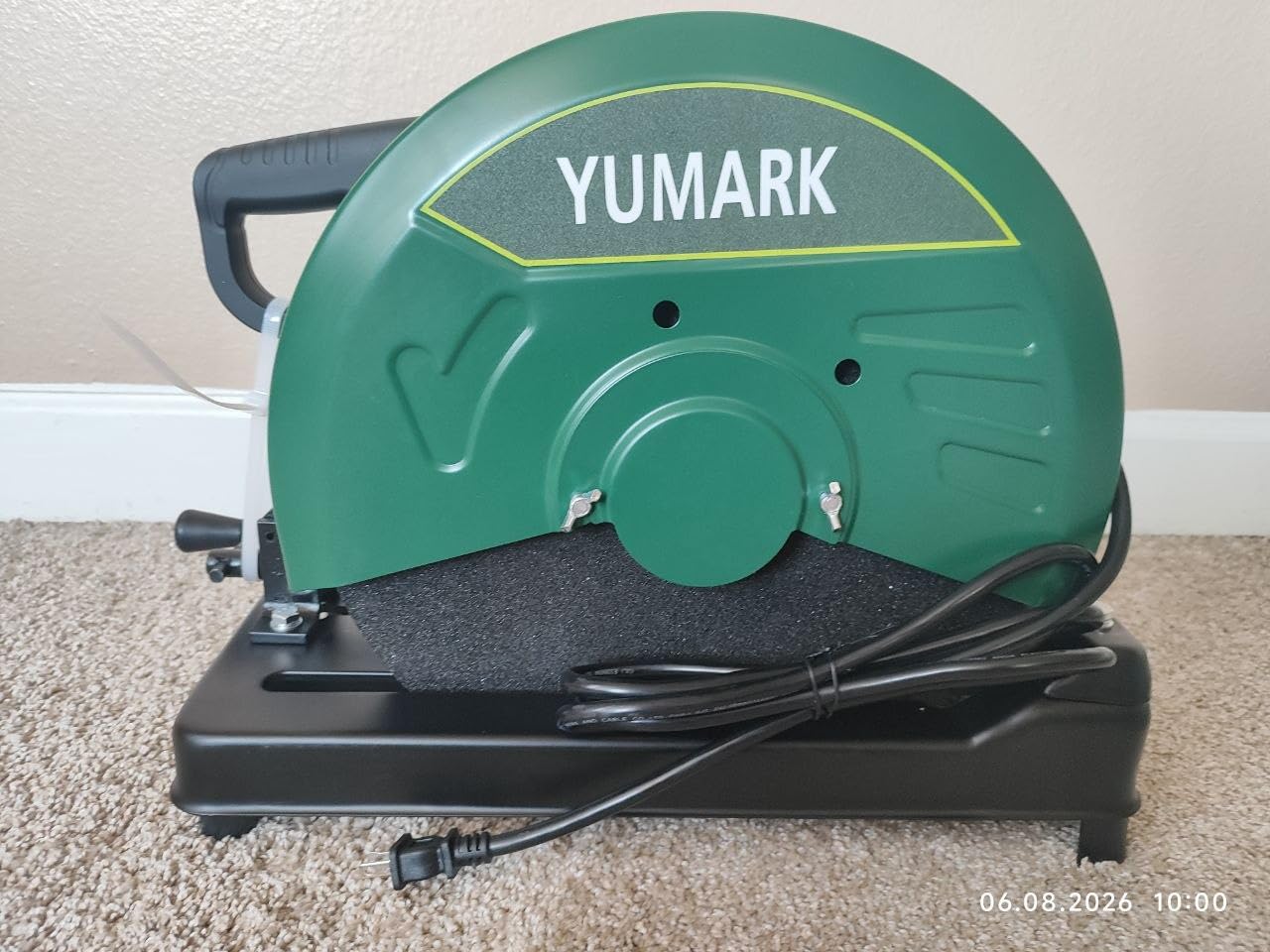
The Yumark is the entry abrasive option with real cutting power behind it. A 2200W motor driving a 3800 RPM wheel handles rebar, angle steel, solid round steel and hollow tube, and a directional air exhaust design helps the motor shed heat under sustained load.
Both insulation layers are dual, which is the right safety choice for a machine designed for construction sites and production workshops, and the non-slip base with a material clamping device keeps the stock from shifting mid-cut.
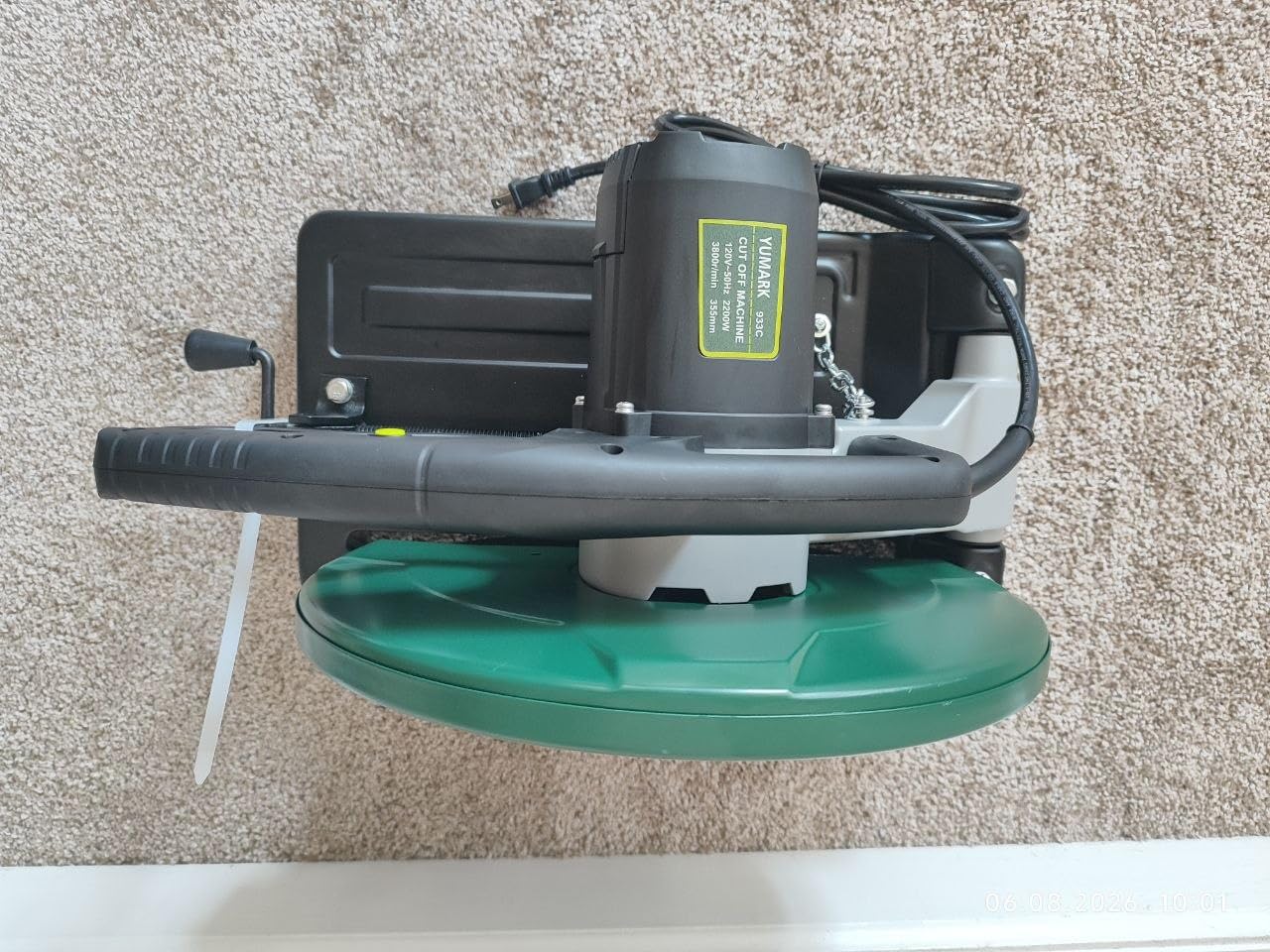
Owners consistently single out the value. With a 4.4 average across 44 ratings and 72 percent five-star feedback, reviewers call out build quality as better than expected and note the ergonomic handle holds up on longer sessions without straining the grip.
The catch is the consumable. The 14 inch cutting wheel generally has to be purchased separately to get the best results, and several reviewers swapped in aftermarket blades for improved steel performance, which is a meaningful ongoing cost in abrasive-land.
What you get cutting with it
Rebar and angle iron are the headline materials, and it moves through them fast. Solid round, hollow tube and general steel bar are all within its range, at a size class that covers most residential and light commercial work.
It is also one of the lighter full-size saws in this roundup, which makes it the practical abrasive option when the work happens on different sites rather than a single bench.
Where it falls short
The base is the recurring complaint. Owners describe it as thin and prone to flexing under heavy load, and a flexing base shows up directly as a cut that is not straight. A few units also arrived damaged, so inspect the machine before you rely on it.
And as with every abrasive saw on this list, the finished edge needs deburring before welding, and the wheel is a repeating expense. If your workflow is welding prep rather than cut-to-length demolition, a cold-cut saw is the better buy.
How to Choose a Metal Cutting Chop Saw in 2026
Dry cut, cold cut or abrasive: pick the technology first
All three technologies cut metal, and the difference shows up in what you have to do afterward. An abrasive wheel grinds material away, which produces heat, sparks, dust and a burr along the cut face. A dry cut saw uses a toothed blade that shears the material, which keeps the workpiece cool and the edge close to weld-ready. A cold cut saw is a dry cut saw designed and balanced for metal work specifically, usually with a higher tooth count, a slower speed and a fence built to resist the sideways force a toothed blade generates.
The practical question is simple: does the cut need to be welded or fit, or does it just need to be shorter? Weld prep and anything that will be visible on a finished project want a cold cut. Cut-to-length, demolition and scrap reduction want an abrasive wheel, because it is faster per cut and the consumable is inexpensive.
Blade type and tooth count
Tooth count changes the finish more than anything else on a cold saw. Low counts around 6 teeth leave a coarser edge but rip through heavy section quickly and are more forgiving of dirty or scaled stock. Mid-range counts around 32 to 66 teeth give a noticeably cleaner edge on thin material and non-ferrous metals, at the cost of a little more motor load.
Match the material. Mild steel accepts tungsten carbide blades readily. Stainless needs a dedicated blade, and the ceramic alloy blades used on some of these saws are explicitly not recommended for it. Aluminum needs a blade with a negative rake or a non-loaded tooth form, otherwise the material gums up the blade.
There is a genuine safety point here that most buyers miss. A blade that is too small or too large for the machine fouls the guards and platen, and a blade running faster than the arbor is rated for is a hazard in itself. Always check the saw’s blade diameter and speed rating against the blade you fit.
Motor power, amps and RPM
Two saws with the same 15 amp rating can behave completely differently, because amps and RPM together determine how much torque the blade actually sees. The cold saws in this roundup run at 1100 to 1550 RPM, where the abrasive saws run at 3800 to 4100 RPM.
Low speed and high torque is what makes a cold cut cold. A toothed blade driven slowly shears rather than grinds, and the motor does not have to fight the workpiece to maintain blade speed. High speed is what makes an abrasive saw fast, and it is also what generates the heat and the dust.
Brushless motors hold speed under load better than brushed units and run cooler, which matters if you are doing repeated cuts in thick stock. A soft start and an electronic blade brake are worthwhile on a machine you will leave running between cuts, because a braked blade stops the moment you lift the handle rather than coasting into your next cut.
Cut capacity by stock shape
Capacity is quoted three ways, and all three matter. Round capacity covers solid bar and pipe. Square capacity covers square tube. Rectangular capacity covers rectangular tube, angle and channel, and it is usually the limiting number on a 14-inch saw.
Be careful with quoted figures. A 14-inch saw does not automatically cut 14-inch stock in every shape, and two saws with the same blade diameter can have very different capacities because of base geometry, fence height and maximum head depth. The stated figures on the R355CPS, for example, are 130mm round, 120mm square and 95 by 180mm rectangular.
Vise, fence and clamping
This is where cheap machines give themselves away. A quick-release vise that locks in one motion, a fence that does not twist when you tighten against stock, and a hold-down that presses material flat against the base are what separate a repeatable cut from a random one.
Fence flex is the specific failure to watch. A fence that twists under clamping pressure introduces angular error, and on a miter cut that error is the difference between a square joint and a gap. Heavy saws with cast or reinforced bases and machined vises resist it far better than lightweight pressed-steel frames, which is a real argument for buying the heavier machine if you are cutting to a marked length all day.
Miter range: when you actually need compound angles
Most saws in this roundup miter 0 to 45 degrees, which covers the vast majority of work. Compound miters, where the head and the table both rotate, only appear on the S14MCS with its plus or minus 46 degree range in both directions with detents and a stainless steel gauge.
Handrail, framed steel assemblies and architectural metalwork are where you feel that difference immediately. If you are cutting square tube for a gate or a fence panel, a 0-45 degree single-direction head is plenty. If you are building anything with a corner joint on two axes, you need the compound head.
Safety features worth paying for
Look for a retracting lower guard that follows the cut rather than requiring your hand to clear it, a chip or spark deflector that sends debris away from the operator zone, an adjustable spark guard on abrasive saws, quick-lock vise and fence hardware, and a lock-off switch that prevents accidental start-up.
Overload protection matters on high-load abrasive cutting. A motor that bogs and stalls in thick stock will burn out long before the blade is finished, and cold-cut saws with a slow-speed high-torque design simply do not reach that failure mode as easily.
Entry, mid-range or professional: which tier fits
Entry tier machines, roughly the WEN and the smaller VEVOR units, get you a carbide cold cut without a professional outlay. They are honest tools with real limitations, and for a homeowner or a small garage shop they are usually the correct stop.
Mid-range cold saws are where most fabricators land, and this is where blade availability and warranty length start to matter more than raw specifications. The Evolution S355CPSL and the Makita LC1230 are the two workhorses in this group, and both carry service support and a consumable ecosystem that keeps you cutting for years. Professional tier is for shops that cut heavy section daily or need compound miters, and the mass and footprint become a real consideration there.
What a chop saw should never cut
Sheet metal is the most common mistake. Thin sheet vibrates, lifts and grabs, and on an abrasive saw it will throw the workpiece at you. A machinist’s vise with packing, or a proper sheet metal jig, is the safe way to handle thin material.
Hardened or tool steel will destroy a blade and can shatter it. No cold cut saw on the market is intended for it, and that job belongs on a bandsaw with a blade designed for the work.
Very heavy solid stock belongs on a bandsaw too, and this is the most frequently repeated point on metalworking forums. A chop saw is a crosscut machine; a vertical bandsaw is the right tool for large solid bar, thick plate and any cut that needs to go slowly with a constant blade engagement. If your material list is mostly solid heavy stock, buy the bandsaw.
Our guide to chainsaws covers a different material class entirely, but the same principle applies: match the tool to the stock before you match the price.
Kickback, Sparks and Safe Metal Cutting Technique
Kickback is the mechanism behind most chop saw injuries, and the fix is almost entirely about clamping and feed rate. Six steps handle it:
1. Clamp the workpiece properly and completely. A short piece resting against the fence without a clamp is the single most common cause of kickback.
2. Let the blade reach full speed before it contacts the material. Touching the workpiece at low speed loads the teeth and can grab.
3. Feed with firm, consistent pressure. Pushing too slowly is the most reported mistake on cold saws and it produces heat, sparking and blade wear.
4. Keep your hands clear of the blade path and out of the line of the spark stream, which is why the deflectors exist.
5. Do not cut hardened or tool steel, and do not use a dull blade. A dull toothed blade binds in the cut, and the bind is what becomes a kickback.
6. Wear the protection. Safety glasses or a full face shield for abrasive cutting, hearing protection, gloves for handling hot offcuts on abrasive saws, and no loose sleeves.
Ventilation matters too, particularly with abrasive saws. Spark direction is adjustable on most of the machines here, and a chip deflector on a cold saw means chips fall into a collection tray instead of becoming airborne dust. Keeping the blade and platen clean is the other habit worth building, because packed metal chips are the most common cause of an overheating cut.
Frequently Asked Questions
What is the best saw for cutting through metal?
For weld-ready cuts in mild steel, a cold cut saw with a toothed carbide or cermet blade is the best option, because it shears the metal instead of grinding it and leaves a cool, burr-free edge. For demolition and cut-to-length work, an abrasive cut-off saw cuts faster and its consumable wheel costs far less per cut. Large solid bar and thick plate belong on a bandsaw rather than either.
Can a chop saw cut metal?
Yes, but only if it is fitted with the correct blade. A wood miter saw running a wood blade will destroy itself on steel, and an abrasive metal wheel should never be mounted in a wood saw. Metal cutting chop saws are built with a rigid base, a cast vise and a fence that resists the sideways force a metal cut generates, which a standard wood miter saw is not designed to handle.
What is the difference between a dry-cut and a cold-cut metal chop saw?
A dry cut saw uses a toothed blade at a relatively slow speed to shear metal, producing low heat and little or no sparking. A cold cut saw is a dry cut saw purpose-built for metal: it typically runs an even lower RPM with more torque, uses a higher tooth count, and adds chip deflection, an electronic brake and a reinforced fence. The result is a cut that is cool to the touch and ready to weld without deburring.
What should you never cut with a miter saw?
Never cut sheet metal in a standard miter saw without a proper vise and packing, because thin material vibrates, lifts and grabs. Never cut hardened or tool steel on any chop saw, and never fit an abrasive wheel in a wood saw. Also avoid large heavy solid stock, which a chop saw is not designed to cut slowly with sustained blade engagement, and never use a blade whose diameter or speed rating does not match the machine.
Should I choose a 14-inch or 15-inch blade size?
For metal cutting, 14 inch is the dominant size and covers the great majority of the work in this roundup, with more blade options available. A 15 inch blade adds capacity on larger rectangular and round stock, but the saw is bigger, heavier and costs more. The more useful comparison on a metal saw is not diameter but whether it runs a cold-cut blade or an abrasive wheel, because that determines cut quality, heat and ongoing consumable cost.
Our Verdict on the Best Metal Cutting Chop Saws in 2026
The Evolution S355CPSL is the pick. It has the highest rating in this group at 4.7 across 841 ratings, a dry-cut carbide blade that puts a weld-ready edge on mild steel, a quick-release vise with a cast steel fence, and a 3-year warranty backed by US support. It is also light enough at 20.8 by 12.2 by 16.2 inches to move between benches without a stand.
Buy the Makita LC1230 instead if you want the highest tooth count on a fitted blade and a 42.5 pound cast base that never moves, or if you cut a few pieces a week and value the reported decade-plus service life over portability. Buy the Makita LW1401 if cut speed and consumable cost matter more than finish quality.
For compound mitering on handrail and framed work, the Evolution S14MCS is the only saw here that mitres plus or minus 46 degrees in both directions, and its 80-tooth cermet blade is rated for 3500 or more cuts in 4 inch mild steel. Check the electrical rating before buying either VEVOR saw, and check the voltage on anything built for a 240V market.
Whichever you choose, clamp the stock fully, let the blade reach speed, and feed with firm even pressure. That single habit does more for cut quality than any specification on the spec sheet.