
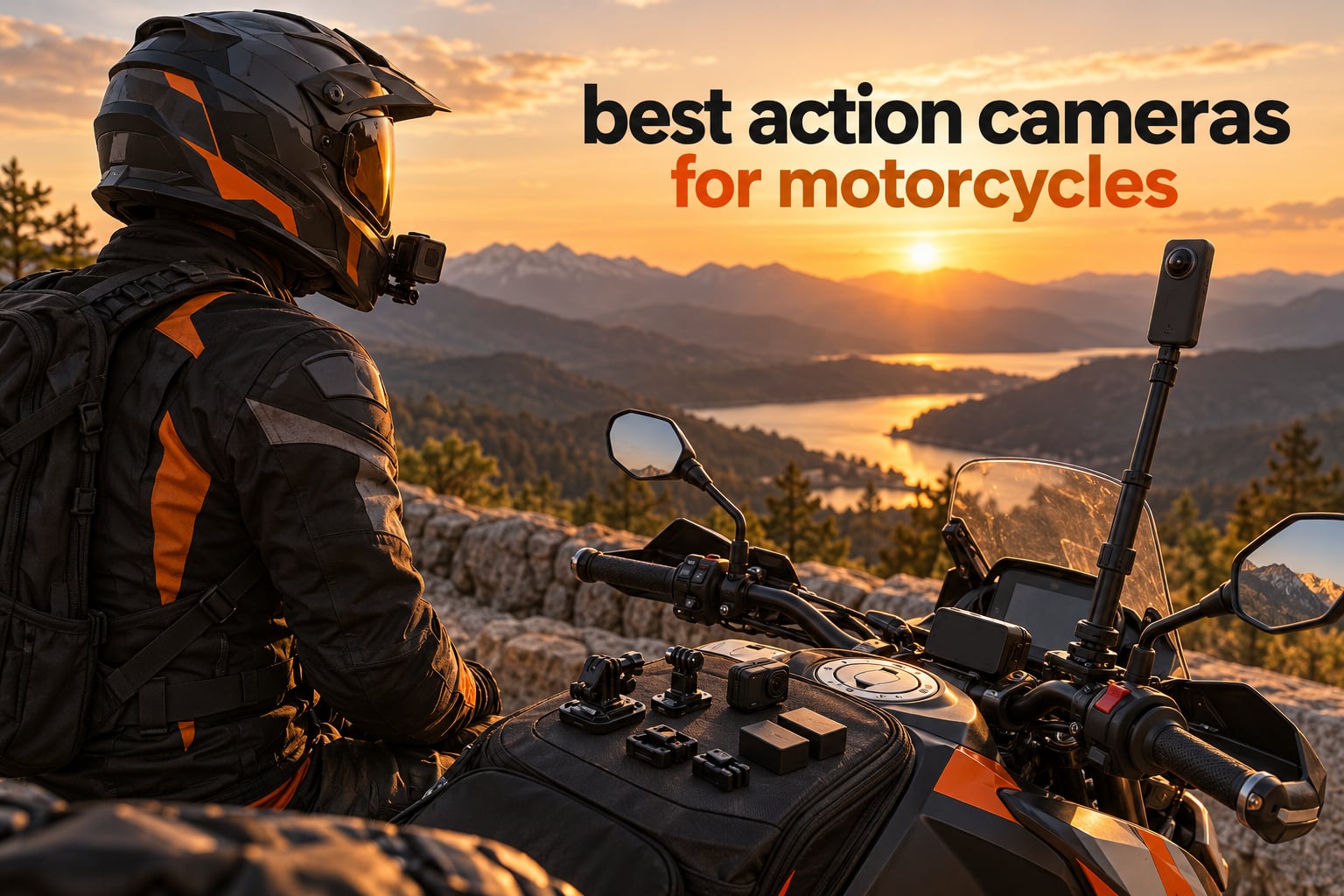
The best action camera for motorcycles depends on where you mount it and how much time you want to spend editing. For most riders the AKASO EK7000 is the one to buy first, because it ships with two batteries, a wrist remote and a large bundle of mounts. Riders who would rather choose the angle after the ride should read the Insta360 X5 section, and anyone filming after dark should start with the DJI bodies.
We compared eight cameras across the budget, mid-range, flagship and 360 tiers, mounting each in the positions riders actually use. A motorcycle punishes a camera in three ways a generic spec sheet never mentions: it hammers high-frequency engine vibration into whatever mount you choose, it buries your voice under wind roar above roughly 50 mph, and it drains batteries well before the tank does.
The flagship tier wins on stabilization, low light and cold-weather runtime. The budget tier wins on what new riders care about more, which is getting a usable clip on the first ride. Start inexpensive, learn which mount position you like, then upgrade once you know your angle.
If you also ride two wheels recreationally, our [action camera guide for mountain biking and cycling](https://www.wpa-pool.com/best-action-cameras-for-mountain-biking-and-cycling/) covers the vibration and mud angles that overlap with off-road motorcycle work.
Table of Contents
Top 3 Motorcycle Action Cameras in 2026

AKASO EK7000
- 4K30 with 20MP stills
- Electronic stabilization
- 131 ft waterproof case
- Two batteries and wrist remote

DJI Osmo Action 6
- 1/1.1 inch sensor
- Variable f/2.0-f/4.0 aperture
- HorizonSteady
- 4 hours per battery

Insta360 X5
- 8K30 360 capture
- Dual 1/1.28 inch sensors
- Replaceable lenses
- Built-in wind guard
All 8 Action Cameras at a Glance in 2026
Here is the whole field in one place before the detail. Each row states what that camera does best rather than what its spec sheet claims.
| Product | Specifications | Action |
|---|---|---|
| AKASO EK7000 |
|
Check Latest Price |
 AKASO Brave 4 AKASO Brave 4 |
|
Check Latest Price |
 AKASO Brave 7 LE AKASO Brave 7 LE |
|
Check Latest Price |
| Insta360 X5 |
|
Check Latest Price |
| DJI Osmo Action 6 |
|
Check Latest Price |
 DJI Osmo Action 5 Pro DJI Osmo Action 5 Pro |
|
Check Latest Price |
 SENA 50C SENA 50C |
|
Check Latest Price |
 GoPro HERO13 Black GoPro HERO13 Black |
|
Check Latest Price |
1. AKASO EK7000 – Best First Camera to Put on a Bike
- Two batteries and a dual charger in the box
- Wrist remote starts recording without touching the bike
- Large mount and case bundle for the tier
- Simple menus that work in gloves
- Steady output at low speed on paved roads
- Muffled onboard audio
- Roughly 90 minutes per battery
- Wi-Fi app control can stop recording unexpectedly
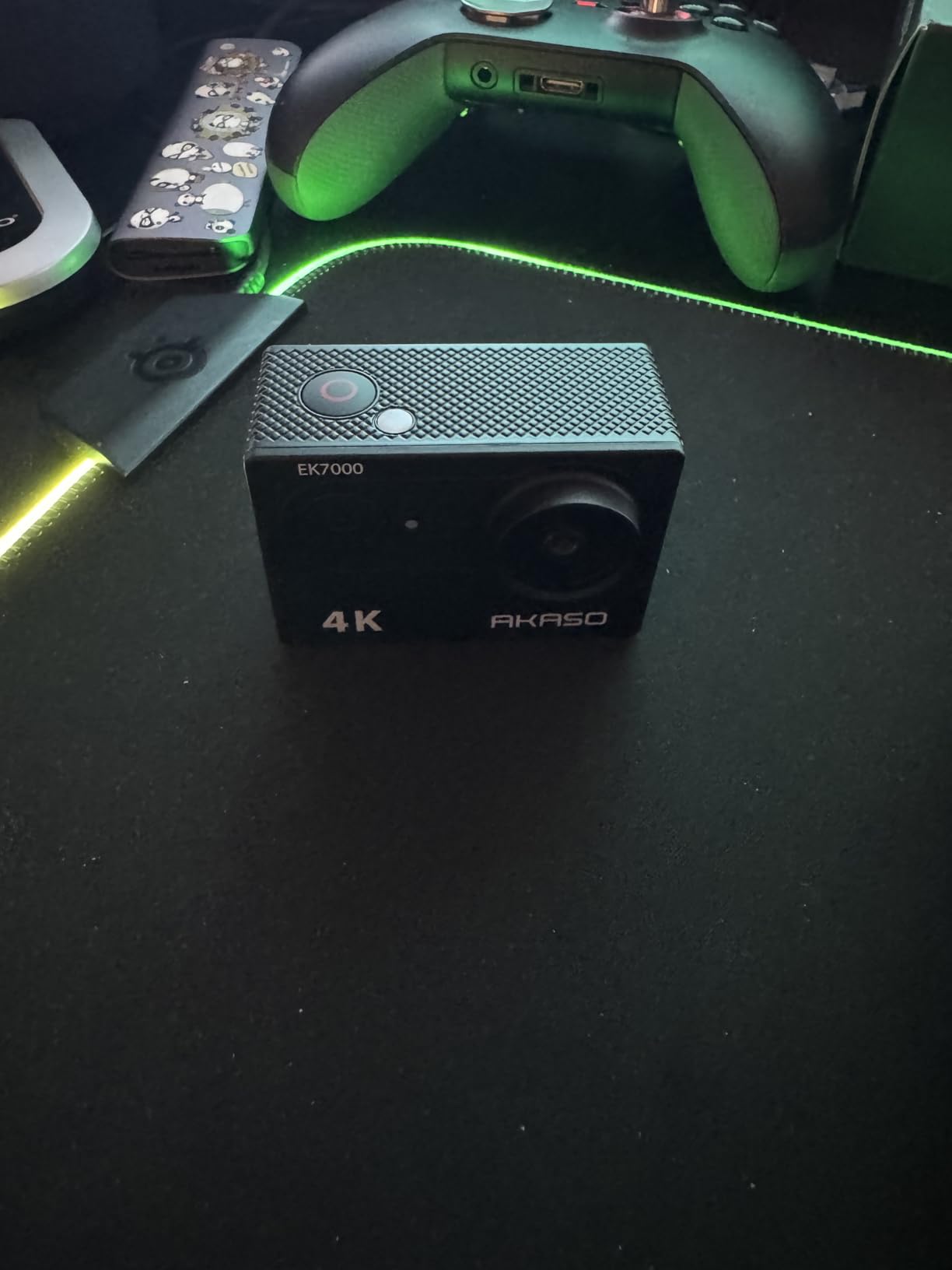
The EK7000 keeps recording, and on a bike that matters more than resolution. The included wrist remote starts and stops recording without you touching the camera, which solves the single most annoying problem of a handlebar or chin mount: you cannot reach the button in gloves at a stop light.
Footage is 4K at 30 fps with 20MP stills from a CMOS sensor behind a fisheye lens. Electronic stabilization is digital rather than a gimbal, so it smooths choppy pavement at low speed. On a fast backroad at sustained high RPM you will still see the classic jello wobble through corners.
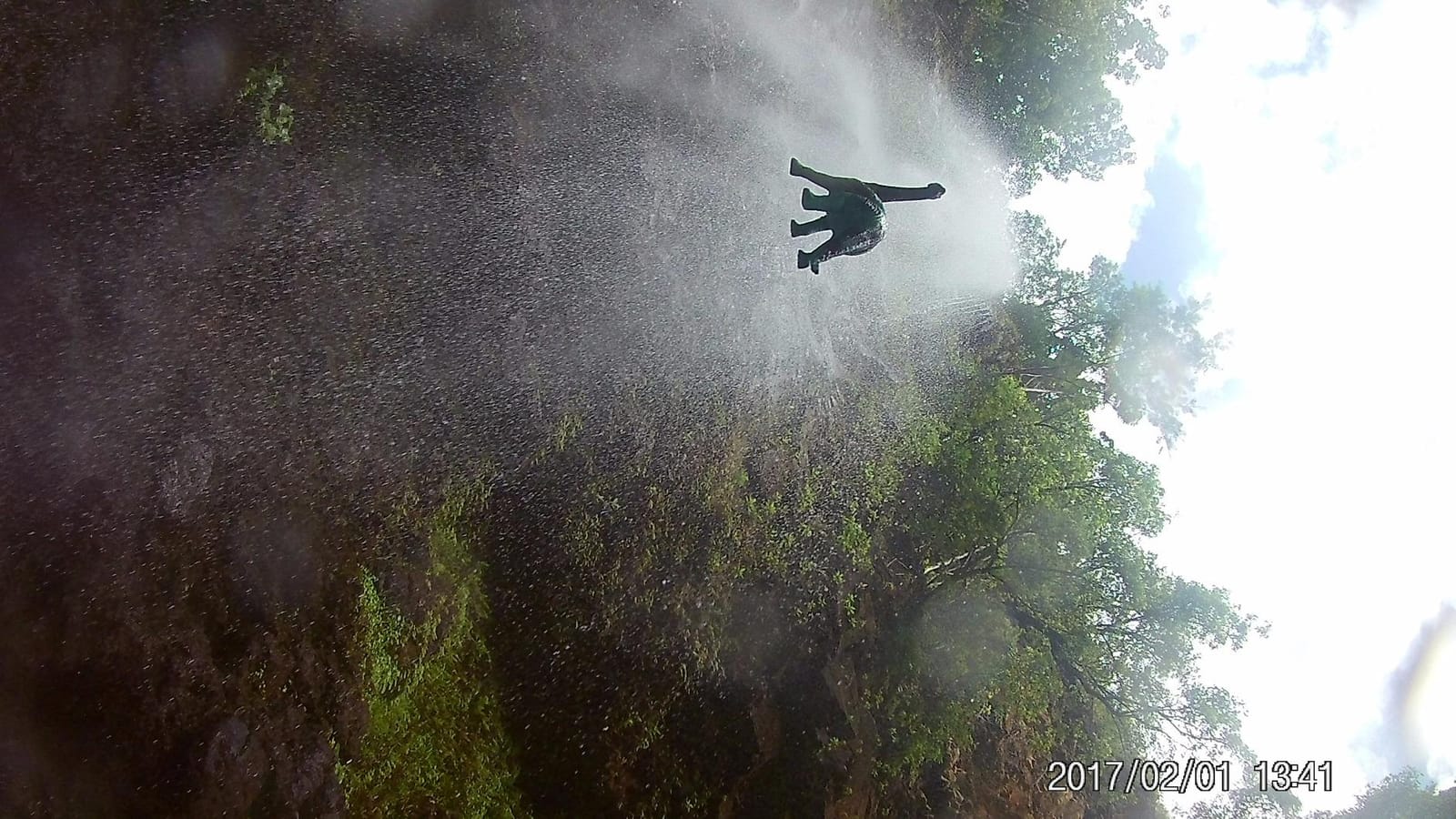
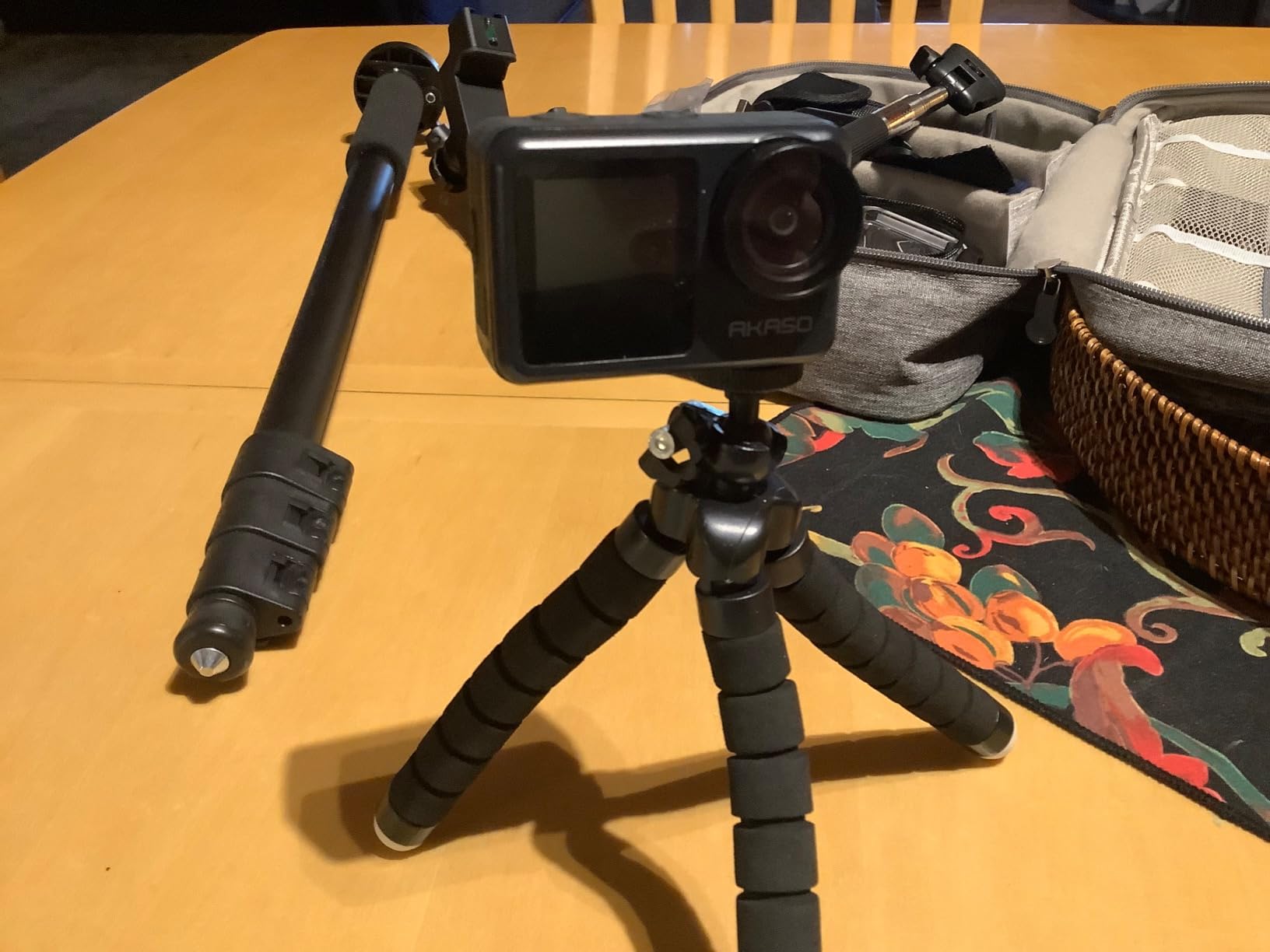
The accessory bundle is the quiet hero here. The waterproof case is rated to 131 ft, and the box carries two batteries plus a dual charger so you can rotate cells on a long trip. Reviewers single out the bundle size as the reason the camera feels more capable than its tier suggests.
Two weaknesses stand out. The onboard microphone is muffled and thin, so treat the audio as a reference track. The battery door is unhinged and easy to lose, so a spare body in your luggage is worth more than a spare mount.
How the EK7000 handles a full day of commuting
At roughly 90 minutes per battery, the two included cells cover a normal two-hour commute with a swap on the way home. Treat it as a short-session camera: a full day of urban riding will exhaust both cells before you get home.
When the EK7000 is the wrong choice
Skip it for night riding, because frame rate and image quality drop noticeably in low light with no dedicated night mode. Riders planning a two-camera setup should also use two different models, since bodies from one batch can vary in framing and file timing.
2. AKASO Brave 4 – Best for Beginners with a Front Screen
AKASO Brave 4 Action Camera 4K30 Ultra Hd Waterproof Underwater Camera
- Dual screens make solo framing easy
- Four selectable view angles
- Two 1050mAh batteries with a dual charger
- Deep waterproof housing rated to 40 m
- Clear 4K road footage for the tier
- Clumsy button navigation and a weak manual
- Wi-Fi pairing is fiddly
- Digital-only 5x zoom adds little detail
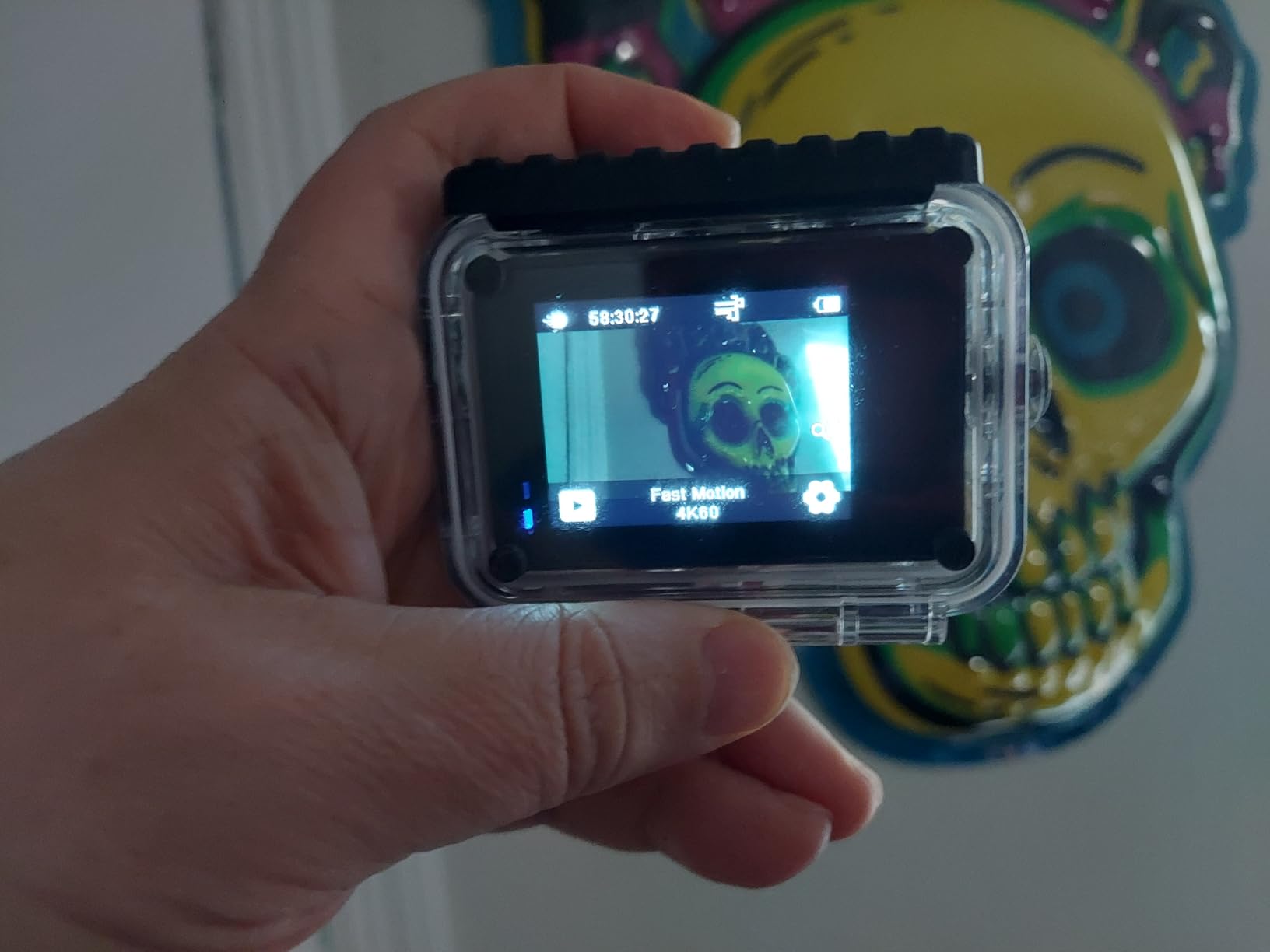
The Brave 4 is the first camera I would recommend to a rider who films alone. It has a 0.96-inch front screen and a 2-inch rear screen, so you can confirm your helmet is level and your visor edge is in frame before pulling away instead of finding out in the edit.
Video is 4K30 and 1080p60 with four selectable view angles at 170, 140, 110 and 70 degrees. That 170 degree option is why it works on a chin mount, where a narrower field loses the road. Set it wide, because you can crop later and you cannot recover what was never recorded.
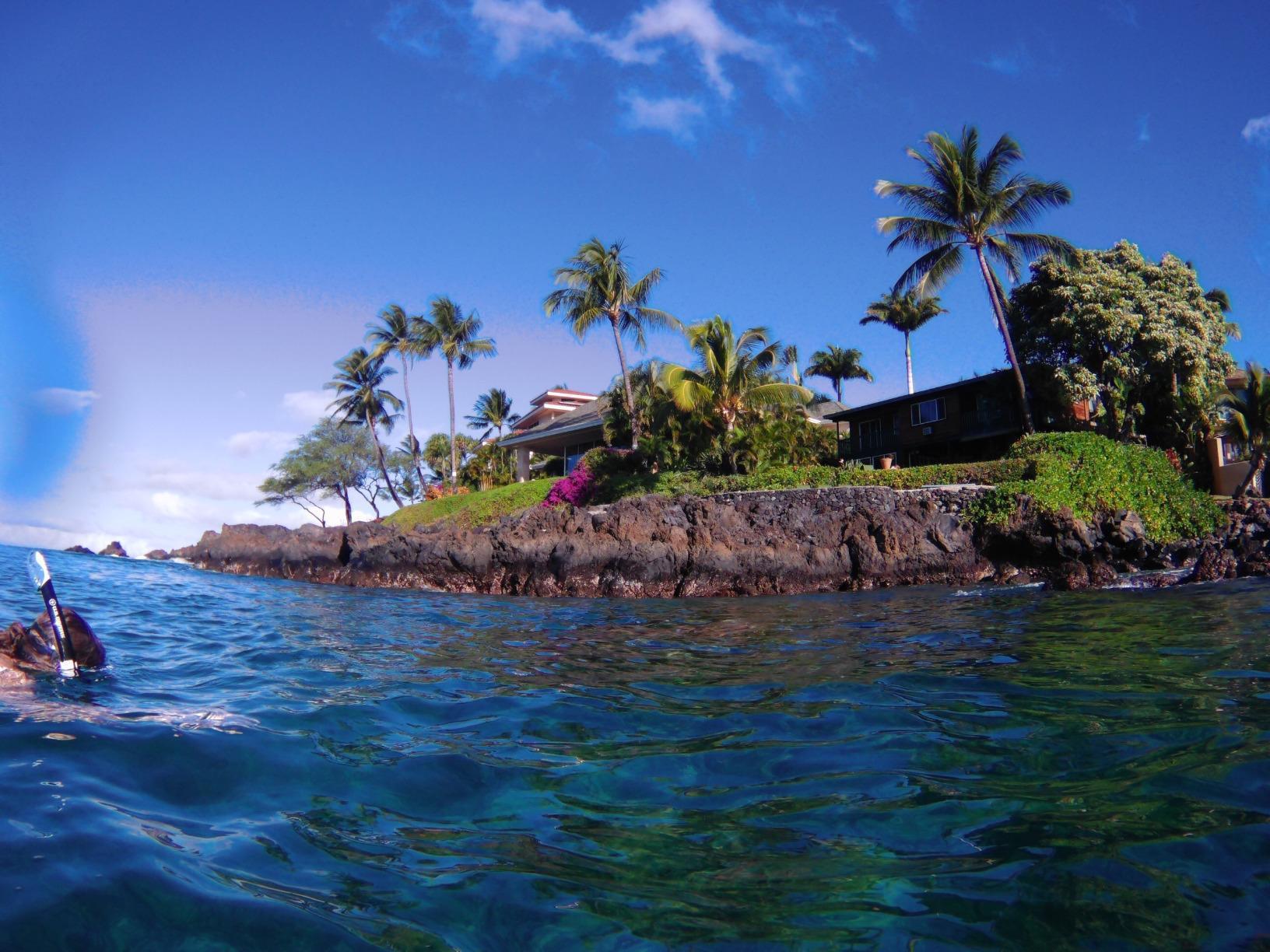
Gyro-based electronic stabilization handles routine road vibration, and riders in motorcycle and powersports communities describe the output as a credible low-cost alternative to a flagship body for casual ride videos. The two 1050mAh batteries give roughly 90 minutes each, and the USB dual charger refills both while you eat lunch.
The menus are the weak point. Buttons are fiddly with gloves on, the manual is thin, and Wi-Fi pairing with the app is reported as unreliable, so offload files over a card reader rather than depending on the app mid-ride.
Whether the front screen changes the way you shoot
It does, on solo and group tours where you stop for a shot. For footage with a face in the frame, the dual-screen layout is worth more to you than a larger sensor, which is the workflow we covered in our [action cameras for vlogging guide](https://www.wpa-pool.com/best-action-cameras-for-vlogging/).
What you give up compared with a flagship
The 5x zoom is digital only and adds little beyond cropping, and some stills come out grainy even though the video is strong. There is also no external microphone support listed, so the internal mic carries the whole audio load.
3. AKASO Brave 7 LE – Best for Solo Moto-Vlogging
- Rare front selfie screen at this tier
- 6-axis EIS 2.0 smooths bumpy roads
- IPX7 body survives rain
- Two 1350mAh batteries included
- External microphone support
- Body is only IPX7 so submersion needs the housing
- 20MP stills are entry level
- Companion app is basic
The Brave 7 LE is the one to pick if you talk to the camera. A colour front screen plus a 2-inch rear touch screen is unusual at this tier, and it turns a helmet mount into a usable vlogging rig where you can check framing between takes without stopping.
Stabilization comes from the 6-axis EIS 2.0 system, which reviewers describe as gimbal-like on bumpy roads. That holds at cruising speeds on patched asphalt, but it will not rescue a chin-mounted shot at sustained high RPM, where vibration passes straight through the mount.
Battery life is listed at up to two hours with two 1350mAh cells included, a step up from the two AKASO bodies above it. That headroom lets you record a full commute on one charge and still have a cell available.
Weather sealing is where it differs most from its siblings. The bare body carries an IPX7 rating, so rain riding is fine without a case, while full submersion needs the included housing rated to 131 ft.
Whether it works as a motovlogging camera
Yes, with a caveat about audio rather than picture. External microphone support lets you run a wired lavalier inside the helmet, which is the single biggest upgrade to a vlog shot.
Where the Brave 7 LE falls short
Entry-level image quality is the limit. A 20MP still sensor and 4K30 video will not hold up next to a large-sensor body in low light, and the screen is hard to read in direct sun when you are stopped at the roadside.
4. Insta360 X5 – Best 360 Camera for Motorcycles
- Reframing after the ride removes framing stress
- Dual 1/1.28 inch sensors give strong 360 clarity
- Replaceable lenses extend the camera's life
- Triple AI chip improves night footage
- 4-mic array with a built-in wind guard
- 8K files need heavy desktop editing
- Export depends on the Insta360 app or cloud
- Bulky on a helmet without a sturdy bracket
The X5 solves a problem that has nothing to do with image quality. A conventional camera only records what was in front of the lens, so a missed angle is gone forever. A 360 body captures the road, the bike, the rider and the scenery in every direction, and you pick the framing in the edit.
Capture is 8K at 30 fps across the full sphere from dual 1/1.28 inch CMOS sensors, with a triple AI chip handling noise reduction. FlowState stabilization and a 360 degree Horizon Lock keep the frame level through lean angles without any external gimbal.
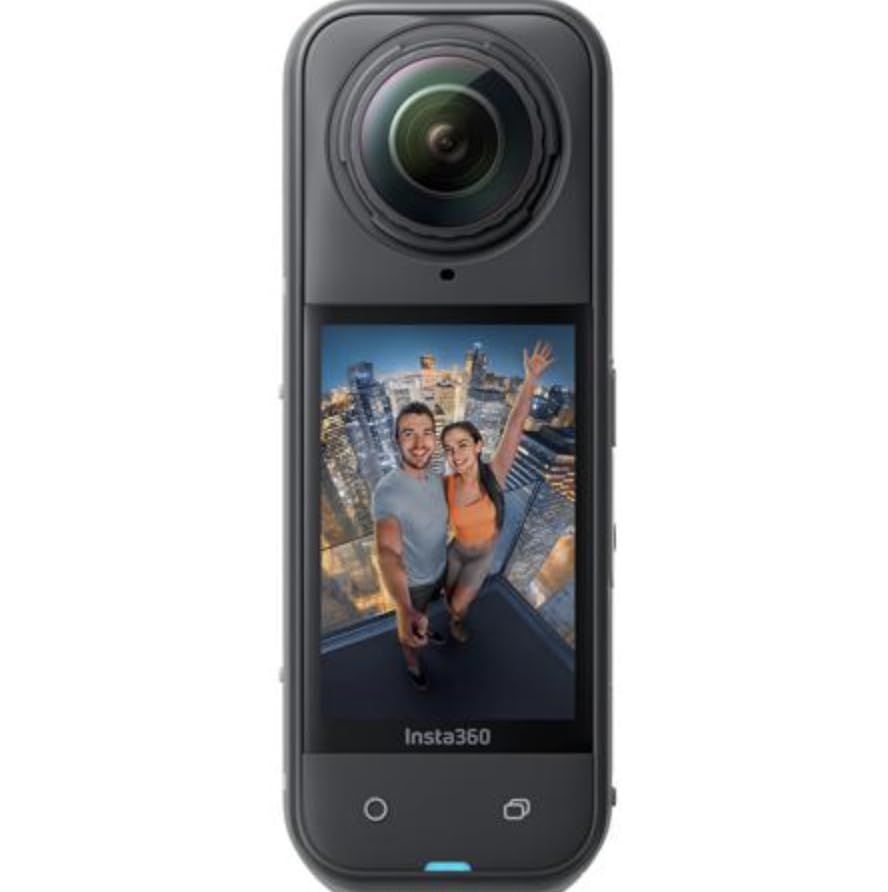
Two features make it practical on a bike. The invisible selfie stick effect gives you a third-person shot of the bike and rider that no single-lens camera can frame without a second unit, and the 4-mic array with a built-in wind guard addresses wind noise at the source rather than in post.
Runtime is around 3.5 hours per charge, and the replaceable scratch-resistant lenses mean a gravel rash is a lens swap rather than the end of the camera. That is a real advantage on dusty roads and long tours.

What 360 reframing actually costs you
More time than you expect, and that is the honest reason to skip a 360 body. 8K files are enormous, turning a spherical recording into flat video is an editing task rather than a tap, and export routes through the Insta360 app or cloud.
Who should skip a 360 camera
Skip it if you want ready-to-post clips with no editing, or if you only need evidence in one direction. Also budget for size: the X5 is bulkier than a conventional body, so helmet mounting needs a sturdy bracket and a check that the lens cover is seated.
5. DJI Osmo Action 6 – Best for Long Rides and Cold Weather
- Variable aperture adapts to tunnels and dark roads
- HorizonSteady holds level through lean angles
- 4 hours per battery in cold conditions
- 50 GB built-in storage
- Magnetic quick-release helmet swaps
- Onboard mic is weak
- 8K files are very large
- Fixed focus with no autofocus
- Touchscreen options limited inside a case
The Osmo Action 6 is the endurance camera of this group. DJI lists up to four hours of recording per battery with a cold-resistant design, and the Enhanced Combo ships with two 1950mAh cells plus a multifunctional battery case, so a full riding day does not require a power bank.
The 1/1.1 inch square sensor pairs with a variable f/2.0 to f/4.0 aperture, which is what makes it useful on a route that mixes bright highway, shaded canyon and dark overpass. A fixed-aperture camera handles one of those well; this one adapts to all three.
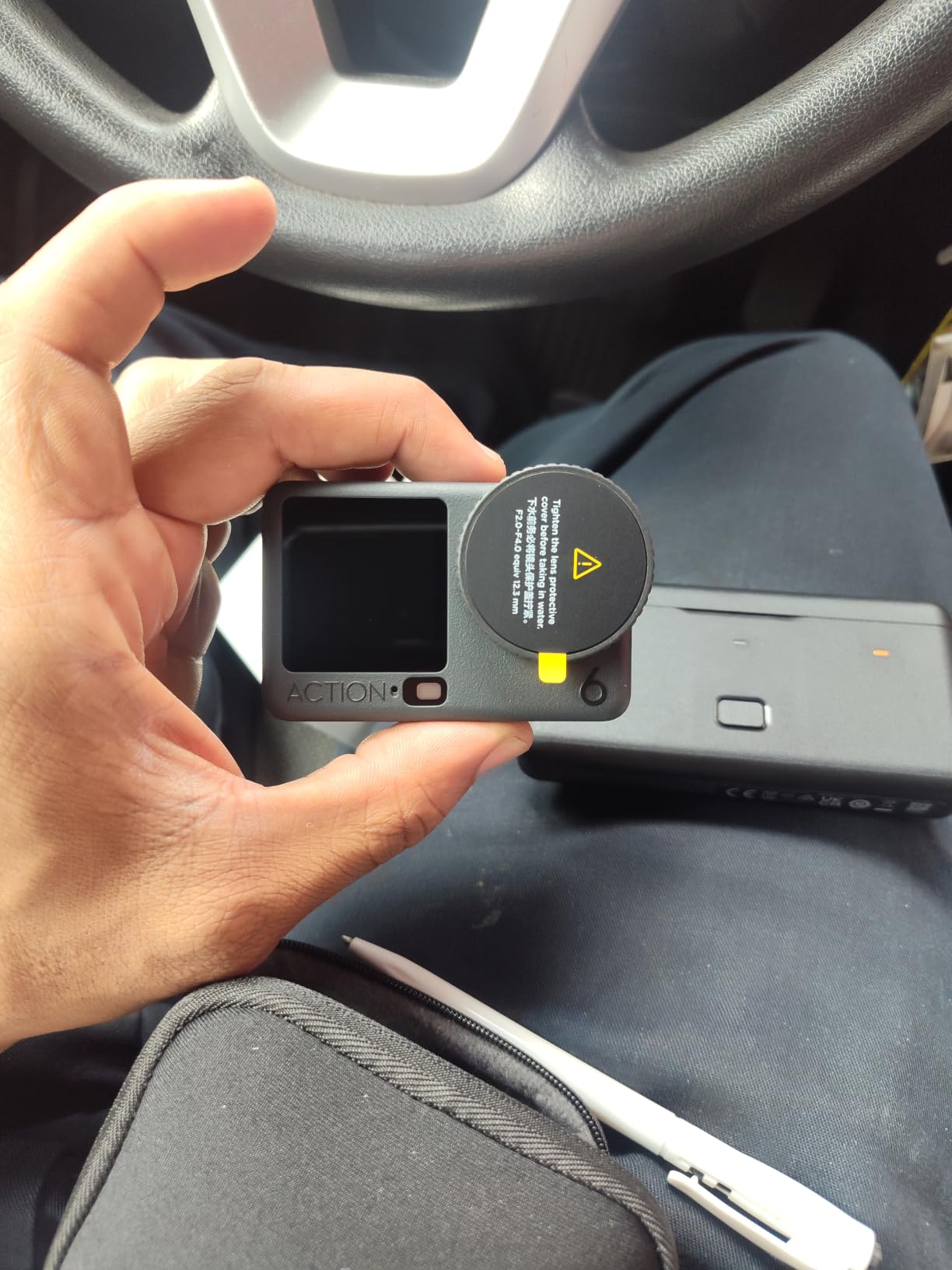
Stabilization is HorizonSteady and RockSteady 3.0, holding level through sustained lean angles. It is waterproof to 20 m without a case, and the magnetic quick-release mounts make moving between a chin, tank or tail position a two-second job in gloves.
It also connects directly to two DJI Mic transmitters with no receiver, and motovloggers value that pairing because it stays locked over a long ride instead of dropping out.
Whether it survives a long tour without a power bank
Yes, and the cold-resistant design is the part that matters in winter, when generic batteries collapse on a cold morning start. 50 GB of built-in storage also means a short ride can be recorded without a card at all.
What the Action 6 does not fix
Audio. The onboard microphone is usable but weak, so pair it with a wireless lavalier. High-bitrate 8K files need fast cards and a capable machine, focus is fixed, and touchscreen options are limited inside a housing.
6. DJI Osmo Action 5 Pro – Premium Pick for Night Riding
DJI Osmo Action 5 Pro Essential Combo, Waterproof Action Camera
- 13.5 stop dynamic range handles headlight glare and dark roads
- HorizonSteady removes roll-axis shake
- 3.6 hours of runtime at minus 20C
- Dual OLED screens stay readable mounted
- Direct connection to DJI Mic 2 and Mic mini
- Essential Combo ships with only one battery
- Fixed focus rather than autofocus
- 47 GB built-in storage is smaller than newer models
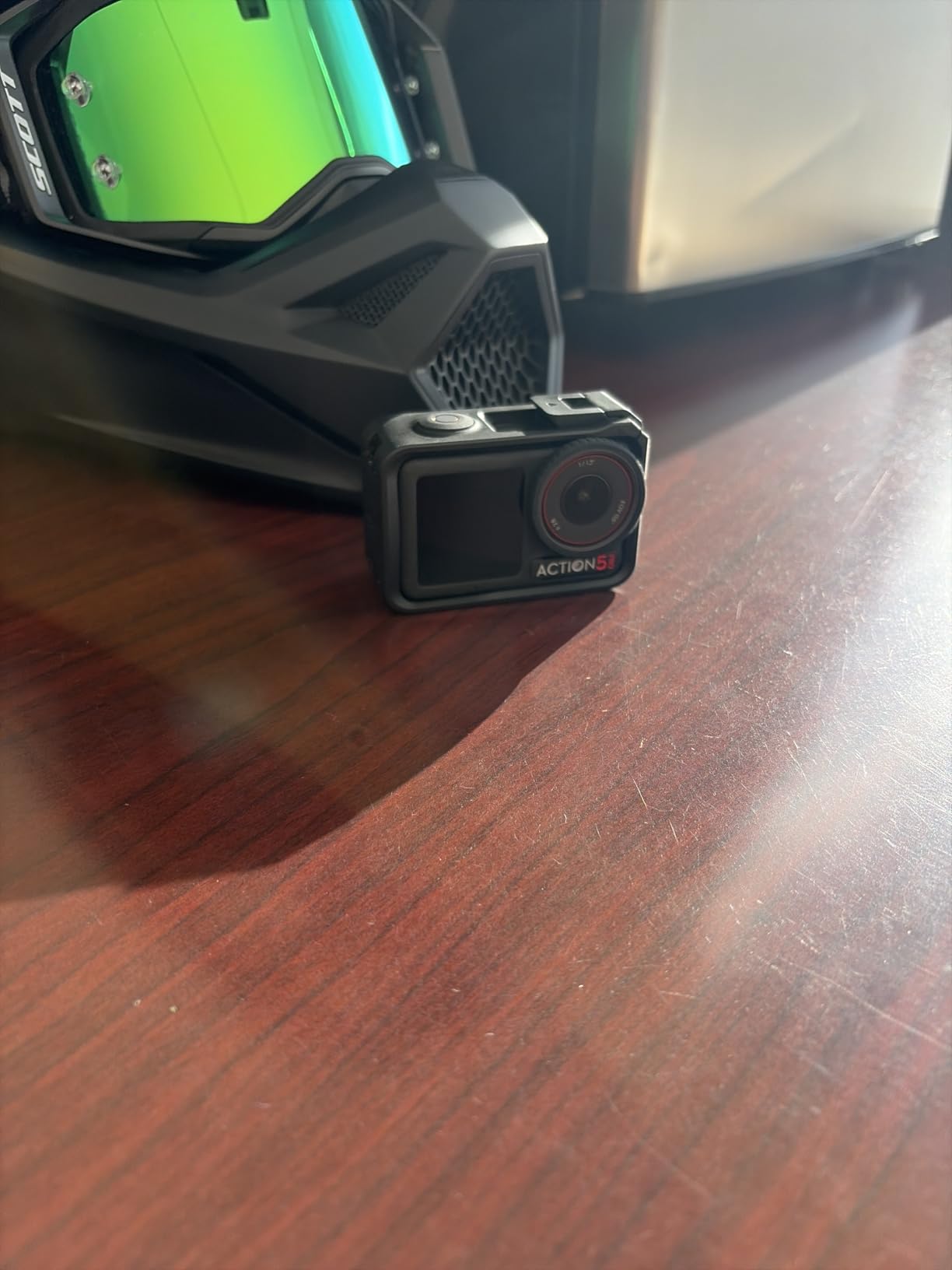
If your riding includes a lot of dusk and unlit roads, the Osmo Action 5 Pro is the one to shortlist first. The 1/1.3 inch sensor with 2.4 micron pixels and 13.5 stops of dynamic range is the difference between a headlight beam that blows out and a dark background that holds detail.
360 degree HorizonSteady eliminates roll-axis shake, so the horizon stays level through a lean angle instead of tilting with the bike. On fast canyon roads that is the difference between footage you cut straight in and footage you stabilise by hand.
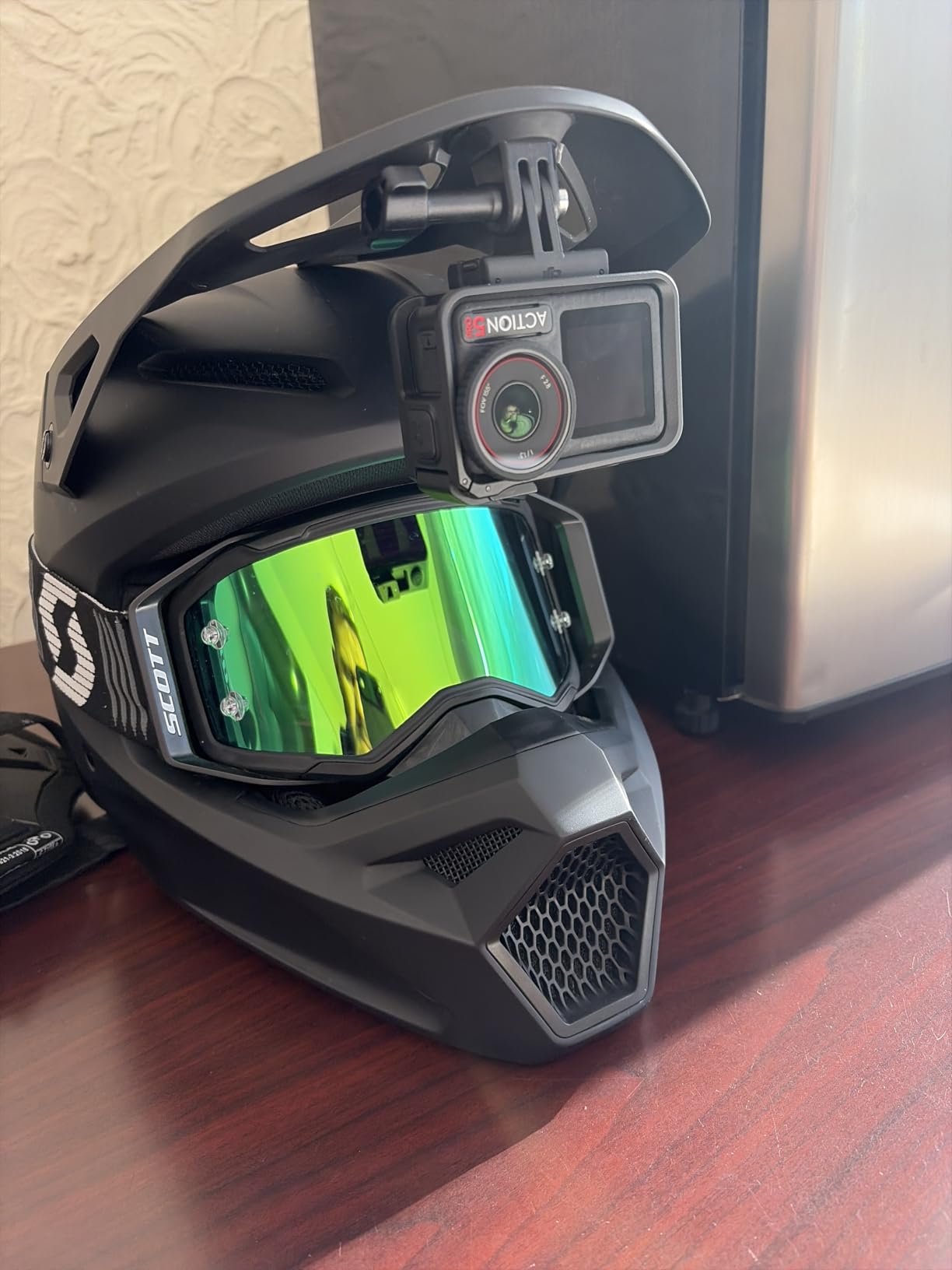
The dual ultra-bright OLED touchscreens are more practical on a motorcycle than they first appear. The front screen frames you while mounted, the rear stays legible in direct sun, and a color temperature sensor handles automatic white balance when the light shifts mid-ride.
Battery life is up to four hours per 1950mAh cell and roughly 3.6 hours at minus 20C, and the body is IP68 rated to 20 m without a case. A 4nm chip with subject tracking also keeps a moving vehicle centred rather than letting it drift.
Why night riding decides this purchase
Sensor size is the whole argument. A 1/1.3 inch sensor gathers more light than the compact sensors in the budget tier, so night footage carries less grain. Always-on voice control with about a metre of recognition also lets you start a clip without pulling off a glove.
The battery caveat to plan around
The Essential Combo bundles one battery, so buy a second 1950mAh before you leave or plan a mid-ride charge. Focus is fixed, and 47 GB of built-in storage is smaller than newer generations. None of that changes the low-light verdict, but do budget for the cell.
7. SENA 50C – Best for Riders Who Want Intercom Audio
Sena 50C Motorcycle Communication & 4K Camera System with Sound by Harman Kardon Integrated Mesh Communication Headset with Premium Microphone & Speakers
- One unit does helmet camera and mesh intercom
- Harman Kardon tuned speakers and premium mic
- Mesh networking for group rides
- Voice control plus Hey Google and Hey Siri
- Two year warranty
- Heavier than a camera and a separate headset
- Not water resistant so no wet-weather riding
- One failure affects camera and intercom together
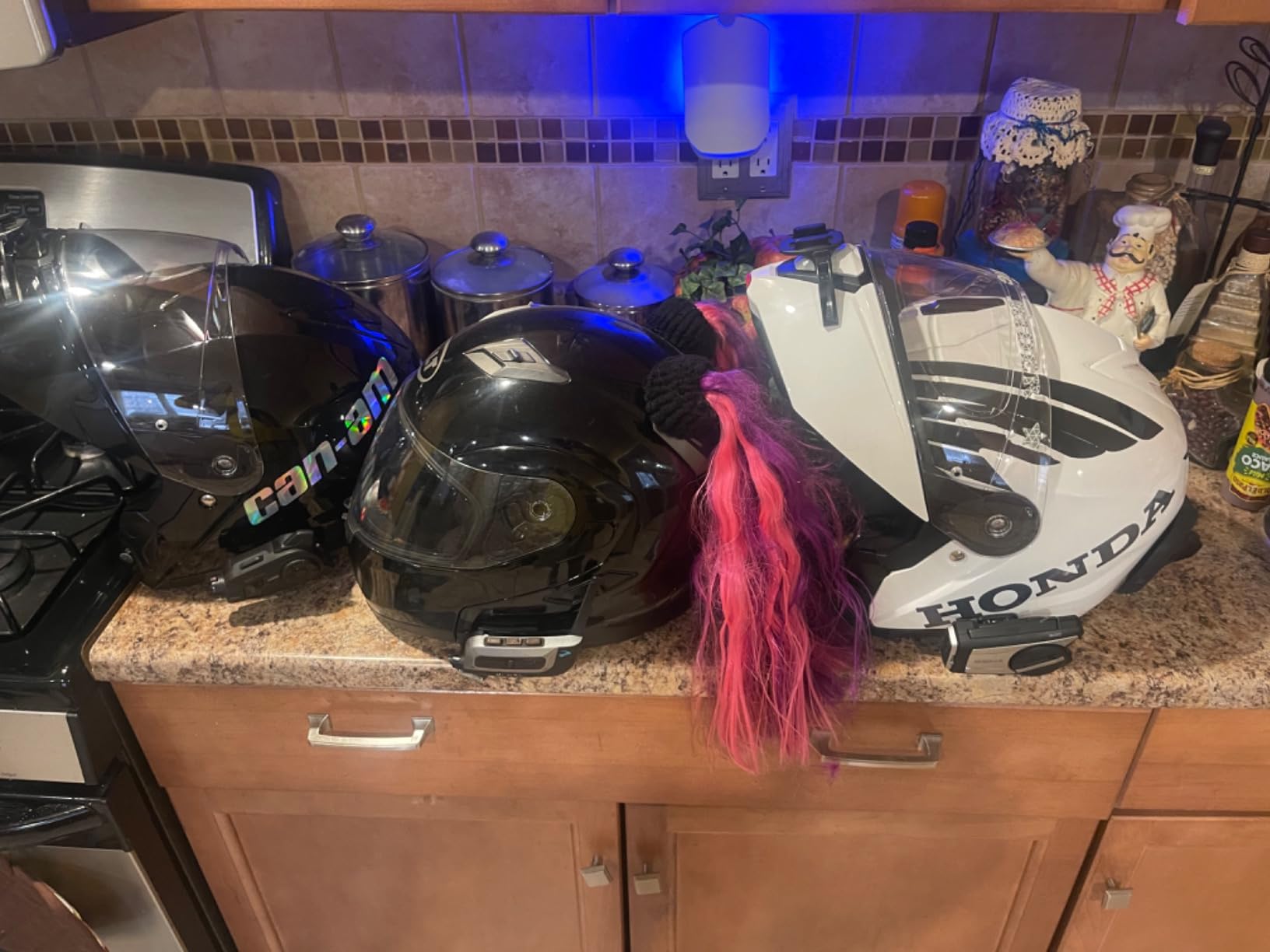
The SENA 50C is the only camera here that also solves your communication problem. It combines an integrated 4K helmet camera with a mesh and Bluetooth intercom in one unit on a single cable, collapsing the camera, the intercom and the mount into one box.
Audio is handled by Harman Kardon, with premium speakers and a microphone, plus active noise cancellation and Bluetooth 5.1. That is the reason to consider it over a camera-only body if clear voice on a group ride matters more to you than a cinematic solo film.
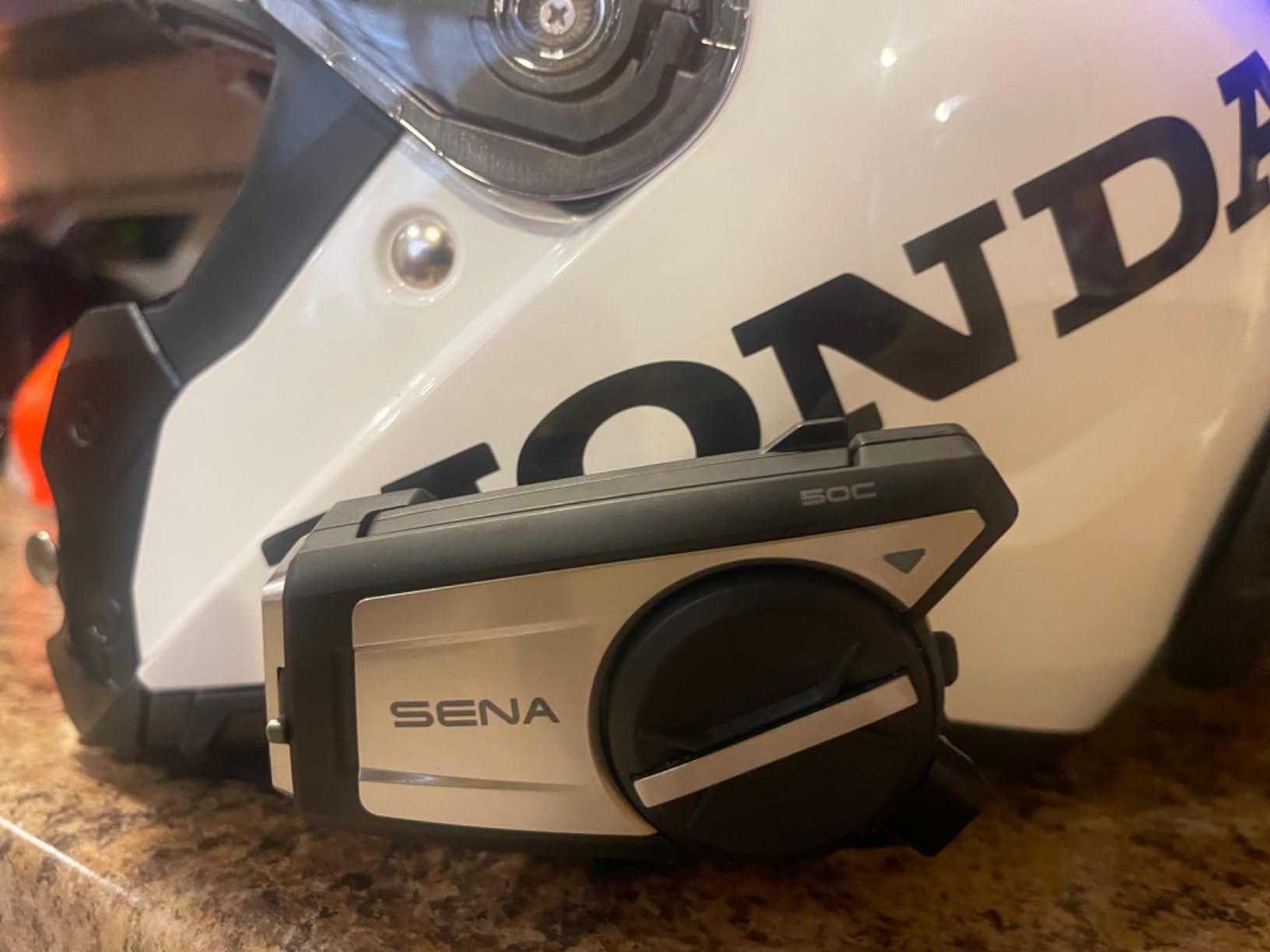
Mesh networking links riders in a convoy without pairing each unit individually, and voice control works in eight languages with access to Hey Google and Hey Siri. The two year warranty is also longer than the one year most cameras in this roundup carry.
The camera side is competent rather than remarkable. It records 4K from a fixed viewpoint, which is enough for helmet footage and for evidence, and you are not chasing framing options on a ride.
Who this setup genuinely suits
Riders on regular group tours who want one device instead of three. If you ride solo and never talk to the other riders, you are carrying weight for a feature you will not touch, and a mainstream body plus a separate intercom is the smarter pairing.
Where the all-in-one approach falls down
Water resistance is listed as not water resistant, which makes it a poor choice for wet-weather riding unless you keep it under a jacket. The unit is also heavier than a camera plus a separate headset, and one failure takes out your footage and your comms together.
8. GoPro HERO13 Black – Best Mounting Ecosystem
GoPro HERO13 Black – Waterproof Action Camera with 5.3K60 Video, 27MP Photo + Compatability with HB-Series Lenses
- Mature mount ecosystem with broad accessory support
- 5.3K60 gives far more detail to crop
- HB-Series lens mods detected in camera
- Waterproof to 33 ft with a water-repelling lens cover
- Log capture for grading
- Enduro battery runs about 79 minutes
- Minimal bundle with one battery and no case
- App export adds friction
- Rigid body is bulky on a helmet
The HERO13 Black wins on the boring thing that decides many purchases: mounts. Third-party makers build for the three-prong standard, so a chin mount with a proven buckle, a tank mount or a bar clamp is easy to source, and a rider who changes position every ride benefits from that compatibility.
Video is 5.3K60, which is 91 percent more resolution than 4K. On a helmet mount that lets you shoot wide and crop to a mid shot without the mush a 4K file gives you. Stills are 27MP, and the Quik app pulls 24.7MP frames from video.
The HB-Series lens and filter system is the underrated part. POV, macro, ND and anamorphic mods are detected automatically in camera, so a filter changes your framing and the camera knows. Burst slo-mo runs up to 13x, with 4x available at full 5.3K.
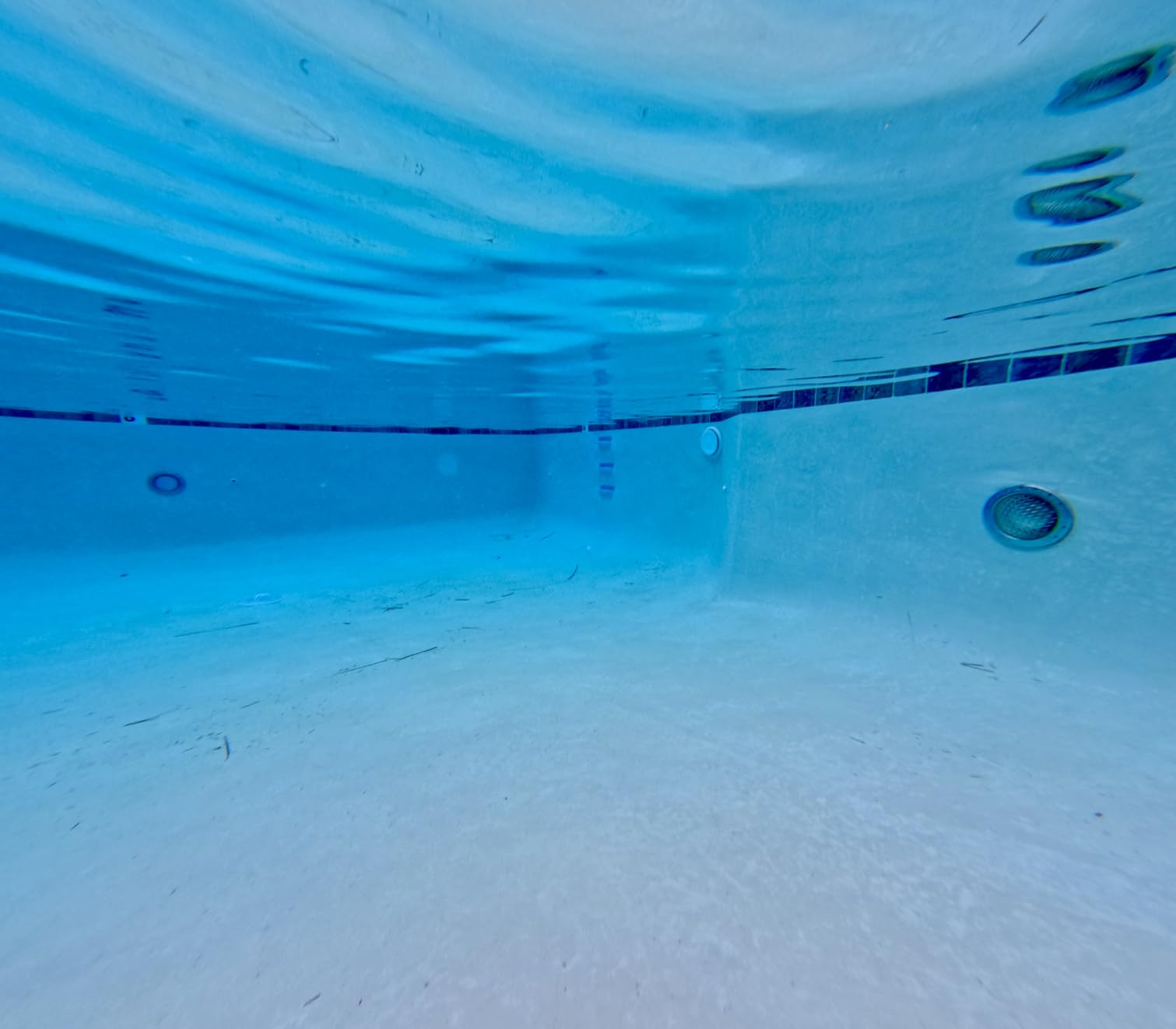
It is waterproof to 33 ft with a water-repelling lens cover, and log capture gives grading flexibility. Hybrid stabilization holds up on choppy pavement, though like every camera here it struggles with sustained high RPM on a chin mount.
Whether the mount library is worth the battery compromise
It depends on how you ride. If you reposition the camera often, the ecosystem saves money and guesswork. If you set a camera once and leave it, the 79 minute Enduro battery is a harder limit than the mount question.
What to budget around on this body
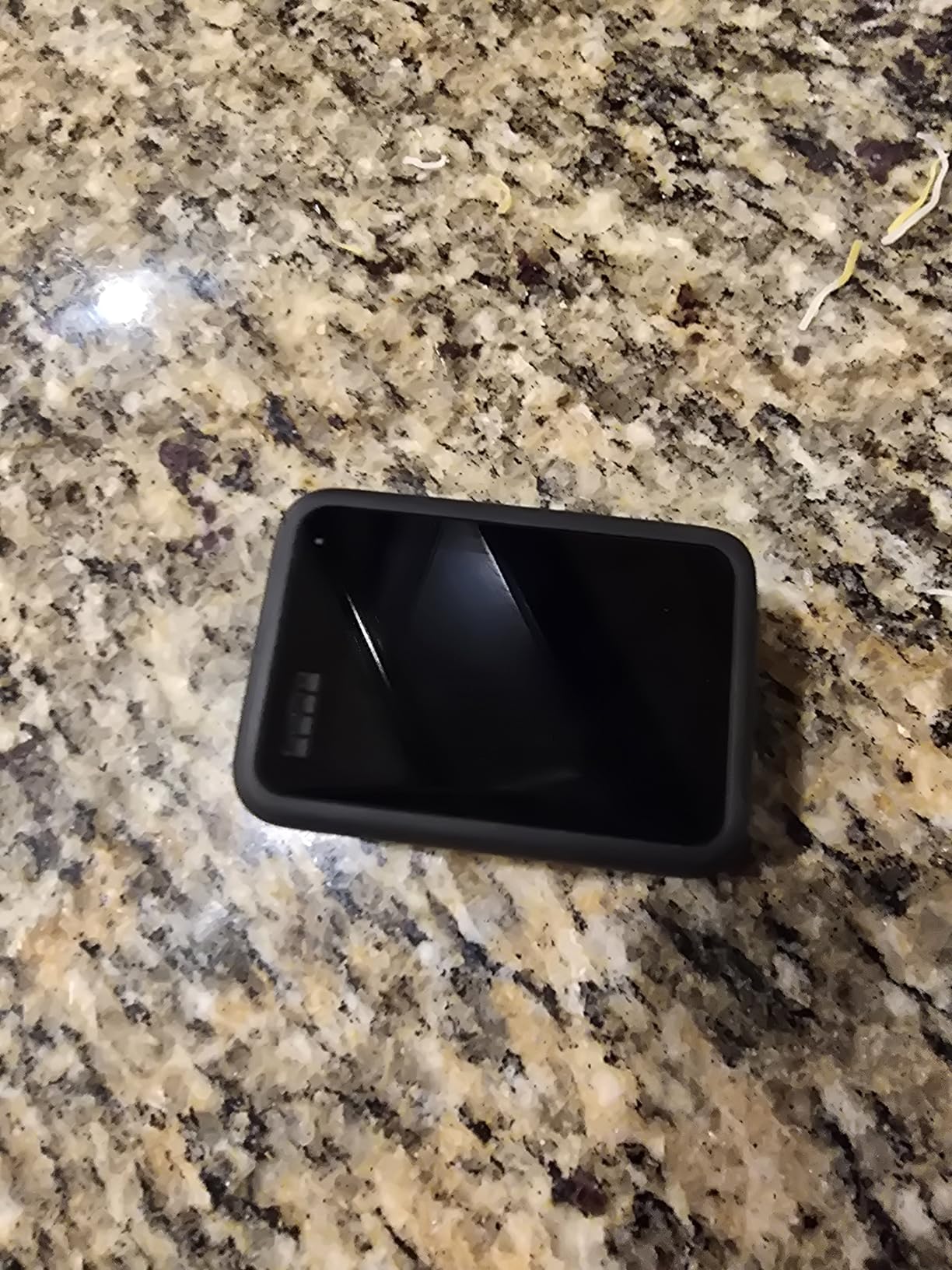
About 79 minutes per Enduro cell, and the box holds one battery, no case and a basic mount, so plan the purchase as a body plus a cell. The app-based export adds friction, and the rigid body is bulkier on a helmet than the DJI or Insta360 bodies here.
How to Choose an Action Camera for Motorcycle Riding
A motorcycle asks more of a camera than a beach does. These six criteria are the ones that actually change your footage, and cost is a distant seventh once you count spare batteries and mounts.
Stabilization and vibration handling
Look for horizon lock, not just image stabilization, because leveling the frame through a lean angle is the most visible difference between amateur and good motorcycle footage. Also understand the vibration split: a chin mount picks up high-frequency buzz at high RPM, while a handlebar mount catches lower-frequency road texture from the front end.
Battery life and what a real ride needs
For planning, halve the stated runtime, because manufacturer figures assume a bench and a dim screen. Anything under two hours per cell means carrying spares, and cold weather cuts all of these numbers further, so winter riders should budget extra cells.
Mounting position and the hardware behind it
Choose the position first, then the camera. A puck mount, a foam damper or a properly tensioned strap will outperform a more expensive body on a rigid bracket, and a magnetic quick-release latch can be operated in gloves where a small screw cannot.
360 versus traditional
Choose a 360 camera if you want to capture everything and decide the angle in the edit. Choose a traditional body if you want fast exports, small files and a clip that is ready to post. If editing is not something you enjoy, a 360 camera will frustrate you.
Night riding and sensor size
A larger sensor is the whole story after dark. The 1/1.1 inch sensor in the Osmo Action 6 and the 1/1.3 inch sensor in the Action 5 Pro gather more light than the compact sensors in the budget tier, and a variable aperture helps through tunnels.
Weather sealing and the spare battery kit
Check whether the body is rated on its own or only in a housing, since a housing adds bulk on a helmet and blocks some touchscreen controls. Then budget the accessories from the start: two spare batteries, a USB-C power bank, a high-endurance microSD card, a tether and a lens protector.
Best Motorcycle Camera Mounts by Position
Where you mount the camera changes the footage more than any setting. Here is what each position gives you and who it suits.
Chin mount for the classic POV shot
The chin mount gives the most immersive helmet view because the horizon sits near the top of frame. The tradeoff is high-frequency engine buzz, since the camera is bolted to the shell, so use a strap or buckle rather than an adhesive pad and pull it tight enough to stop the camera ringing.
Helmet side mount for a wider view
A side mount is easier to attach and adjust and captures more of the rider and the bike, though the angle is less dramatic and the wider field adds edge distortion. It is the easier position to service at a stop, which makes it better for riders who reposition often.
Handlebar and tank mounts for bike-and-rider framing
A handlebar mount sits far from your head, so it records smoother, lower-frequency road texture and less engine buzz, which makes it the right second position for a front-facing camera. A tank mount frames both the bike and the rider, the shot most riders want and cannot get from a helmet mount.
Tail and chest mounts
A tail mount captures the road behind you and your group, the view riders ask for on group rides and for evidence after a careless driver. A chest mount gives a lower, calmer-looking POV that works well for vlogging, though it hides your helmet from the shot.
The pre-ride mount check
Tug the camera and bracket firmly with your hand, confirm the latch is closed, and check that any lens cover on a 360 body is seated. Forum riders repeatedly flag seeing bikers ride with visibly loose cameras, and a camera coming off at speed is a hazard for everyone behind it, so confirm it is recording before you move off.
Is a Camera on Your Helmet Legal?
Yes, in most US states, and the rule that matters is about obstruction rather than cameras. Helmet laws generally restrict what covers the visor or protrudes into the rider’s field of vision, and a camera is judged on how far it sticks out and whether it interferes with your view. California is the state most often cited for a specific protrusion figure.
Two practical points keep riders out of trouble. Mount on the chin or side rather than the crown, where it can sit in your line of sight, and avoid anything extending far forward such as a long pole or a large housing, because that is what protrusion rules are written about. Rules vary by state and change, so check your own state’s helmet statute if this concerns you.
Wind Noise on Bike Footage and How to Fix It
Wind roar is the top audio complaint on motorcycle footage. Above roughly 50 mph the airflow past your helmet overwrites the internal microphone completely, and no in-camera noise reduction recovers a voice that was never recorded cleanly. Work through these four steps in order.
First, use a camera with a real wind guard. The Insta360 X5 uses a 4-mic array with a built-in wind guard, and some riders report an aftermarket foam windshield mod removing most wind noise below 100 km/h.
Second, use the microphone you already own. A helmet intercom boom mic sits near your mouth, and pairing a camera directly to a wireless transmitter puts the audio in the camera file with no cable work in gloves.
Third, add a wireless lavalier inside the helmet liner for the cleanest voice and accept that you now have two tracks to sync. Fourth, and as a last resort, replace the audio in post from a separate recorder when the video is already cut.
Frequently Asked Questions
What is the best action camera for bikers?
The AKASO EK7000 is the best starting point for most bikers because it ships with two batteries, a wrist remote and a waterproof case, and it holds up on rough pavement. Riders who film at night should choose a camera with a large sensor such as the DJI Osmo Action 5 Pro, and riders who want to reframe footage after the ride should choose a 360 body such as the Insta360 X5.
Which action camera is best for a motorcycle helmet?
A camera with horizon lock, a front-facing screen and a magnetic or buckle quick-release mount works best on a helmet. The chin mount gives the classic point-of-view framing, and you should pull the strap tight to stop high-frequency engine buzz. Riders changing positions often benefit most from a broad mount ecosystem.
What is the best 360 camera for motorcycle riding?
The Insta360 X5 is the strongest 360 camera for motorcycles, recording 8K at 30 fps from dual 1/1.28 inch sensors with full horizon lock and a built-in wind guard. The trade-off is editing time, because reframing spherical footage into flat video takes real work and 8K files are large. Riders who want ready-to-post clips should skip a 360 body.
Is the DJI action camera better than the GoPro?
For long rides and night riding the DJI bodies are usually the better fit, with a larger sensor, a variable aperture on the Action 6 and up to four hours of runtime per battery. The GoPro HERO13 Black wins on its mount and accessory ecosystem and on 5.3K60 detail you can crop. Riders who reposition the camera constantly may prefer GoPro fittings.
How do you get rid of wind noise on action camera footage?
Start with a camera that has a real wind guard, such as the Insta360 X5 with its 4-mic array. Then use audio you already own: a helmet intercom boom mic or a wireless lavalier paired directly to the camera records a usable voice above 50 mph. As a last resort, replace the audio track in your editor from a separate recorder.
Do action cameras overheat on motorcycles?
Usually not, as long as the camera gets airflow. Riders report that a properly mounted camera on a moving bike rarely triggers thermal warnings, and adventure bikes with open airflow barely hit them at all. The risk rises when a camera sits still behind a fairing or inside a case with no ventilation, so keep the housing off for long static recording.
Is a dual front-and-back camera setup worth it?
Yes, for commuters who want evidence and group-ride footage at the same time. A conventional body on the handlebar and a second camera on a tail mount covers the front road and the vehicles behind you, which is the combination riders in motorcycle forums ask for most. Use two different models rather than two bodies from the same batch, since units from one batch can vary in framing.
How long does an action camera battery last on a ride?
Expect roughly 90 minutes per battery on budget models, about 79 minutes on the GoPro HERO13 Black Enduro cell, and up to four hours per cell on the DJI Osmo Action 6. Cold weather cuts all of those figures. For a full day of riding, plan on at least two spare batteries or a USB-C power bank in your luggage.
Final Verdict for Motorcycle Riders in 2026
Buy the AKASO EK7000 if you are starting out. It is the best action camera for motorcycles on a budget because two batteries, a wrist remote and a large mount bundle solve the problems that actually stop riders filming, and it costs you very little to find out whether you enjoy the hobby.
Move up to the DJI Osmo Action 5 Pro if you ride at night, or the DJI Osmo Action 6 if you tour long distances and ride in cold weather. Choose the Insta360 X5 if you would rather reframe after the ride than frame during it, and the GoPro HERO13 Black if your mounts matter more to you than your sensor. The SENA 50C is the one to buy when your real problem is talking to the riders around you.
Whatever you choose, buy the second battery and the tether on the same day. That habit, not the camera, is what keeps a ride filmed.
New to the bike itself? Our [motorcycle frame slider guide](https://www.wpa-pool.com/best-motorcycles-frame-sliders-for-sport-bikes/) and [chest protector guide for off-road beginners](https://www.wpa-pool.com/best-motorcycles-chest-protectors-for-off-road-beginners/) cover the protection side of putting a camera on a bike that gets dropped.