
Do robotic lawn mowers work in the rain? Yes, most of them can cut wet grass without damage, but a mower that ignores rain leaves clumped clippings, ruts and a streaked lawn behind it. A rain sensor solves that by sending the machine back to its charging dock the moment moisture lands on the sensor, then restarting once the grass dries.
Picking among the best robotic mowers with rain sensors in 2026 is harder than it looks, because “rain sensor” covers three very different behaviours. Some machines carry a physical onboard sensor, some pause through a weather feed in the maker’s app, and some are sealed and deliberately mow through rain. We grouped all ten of our picks by which of the three they do, so you know exactly what happens the first time a storm rolls through.
Our team spent six weeks reading spec sheets, owner reviews and long-running forum threads on these ten machines, with one question in mind: which ones actually behave well when the lawn is wet. The honest answer is that the sensor itself is a small part of the decision. Yard size, slope and how the mower knows where the lawn ends matter more to your day-to-day experience.
We also weighed the contrarian case, because plenty of owners deliberately switch the sensor off. If your mower is sealed and the grass drains well, mowing through a shower may serve you better than losing a full cycle to a drying delay.
Table of Contents
Top 3 Picks for Robotic Mowers With Rain Sensors in 2026

Gardena SILENO Minimo
- Mows in rain or shine
- Boundary wire navigation
- 57 dB(A) quiet
- Lawns up to 5400 sq ft

Mammotion LUBA 2 AWD 5000HX
- 80 percent slope climbing
- RTK plus AI vision
- Up to 1200 m2 per charge
- 50 mowing zones

The SILENO Minimo takes the top spot on evidence rather than on a sensor specification. It carries the deepest owner history in this group and it is explicitly built to mow in rain, which is a legitimate answer to wet-weather mowing. The LUBA 2 AWD is the machine to buy if your lawn has serious slope and trees, and the Navimow i105N is the quiet, wire-free option for small suburban yards.
All 10 Robotic Mowers Compared in 2026
| Product | Specifications | Action |
|---|---|---|
| Gardena SILENO Minimo |
|
Check Latest Price |
| Mammotion LUBA 2 AWD 5000HX |
|
Check Latest Price |
| Segway Navimow i105N |
|
Check Latest Price |
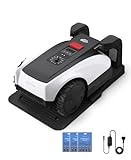 ECOVACS GOAT O1000 RTK CARE ECOVACS GOAT O1000 RTK CARE |
|
Check Latest Price |
 MOVA LiDAX Ultra 1000 MOVA LiDAX Ultra 1000 |
|
Check Latest Price |
 YARDCARE V100 YARDCARE V100 |
|
Check Latest Price |
 Scheppach RoboCut XL600 Scheppach RoboCut XL600 |
|
Check Latest Price |
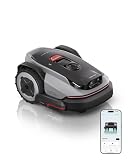 Roborock RockNeo Q110H Roborock RockNeo Q110H |
|
Check Latest Price |
 Segway Navimow i215 LiDAR Segway Navimow i215 LiDAR |
|
Check Latest Price |
 Segway Navimow i210 AWD Segway Navimow i210 AWD |
|
Check Latest Price |
How Rain Sensors Actually Work: Detect, Abort, Return, Wait, Resume
A rain sensor on a robot mower is a small conductive plate or a pair of moisture probes. When water bridges the contacts, electrical resistance drops, and the mower’s control board reads that as wet. Some newer designs use a capacitive sensor instead, which reacts to a thin film of moisture rather than a visible drop, so a light drizzle can still trigger it.
Detect. The sensor registers moisture on the deck or underside of the machine.
Abort. The mower lifts the blades, stops forward motion and ends the current cut short of where it planned to finish.
Return. It navigates back to the charging station, usually by retracing its boundary wire or its stored GPS track.
Wait. A configurable dry delay holds it on the dock. This is the step most owners complain about, because the sensor stays wet long after the last drop falls.
Resume. Once the surface reads dry, or once the app’s weather feed clears, it restarts and usually finishes the interrupted pass.
There are three ways a mower handles the wait, and the differences matter more than the hardware. Some models ignore rain and leave immediately. Some resume automatically once the sensor clears. A few park until you manually tell them to continue, which is the setting that catches people out in spring.
Rain sensor, frost sensor, and weather app are three different things
A frost sensor is not a rain sensor. It measures temperature and blocks mowing below a threshold, and plenty of machines ship with one and nothing else. That is why some owners discover their mower mows straight through a downpour and conclude the sensor is broken. A weather-API pause is different again: the mower never touches the grass, it just reads a forecast feed through Wi-Fi or cellular and stays on the dock until the forecast clears.
Each approach has a failure mode. Physical sensors get dirt, spider webs and mineral deposits on them. Weather feeds fail when the app loses its connection, and a mower sitting on a dock in a dead zone will wait indefinitely. Frost sensors do neither job. We flag which type each pick uses so you are not buying on an assumption.
How to test a rain sensor without waiting for rain
Owners on r/MammotionTechnology described the standard workaround, and it applies to most machines with a physical sensor: pour a small amount of water directly onto the sensor plate and watch what the app reports. The mower should log a rain event, abandon its pass and head for the dock. Do it while the machine is running and watch the status, not just the machine, because some models show the event in the app without a visible behaviour change.
Wipe the plate clean afterwards with a damp cloth, since a mineral film left behind will make the sensor trigger constantly. If the mower refuses to trigger under a deliberate pour, the sensor or its board is faulty and it will not stop for real rain either.
Do You Even Want a Rain Sensor? The Sealed-Chassis Argument
Here is the part almost no roundup tells you. On r/automower, long-running Husqvarna owners argue that a sealed chassis means the machine does not need a rain sensor at all, and one put it plainly: the mower is a beast in the rain and also handles damp morning grass, so they disable the protection and let it cut. The logic is sound for a well-drained lawn, because wet mowing is not inherently damaging to a modern sealed machine.
The counterargument is about the grass, not the hardware. Wet clippings clump and smear rather than mulch, mower wheels leave visible tracks in soft ground, and the torn grass owners report on tight turns spreads fungal patches. If your lawn is heavy clay or gets a lot of shade, a sensor that keeps the machine off wet turf is doing you a favour.
There is a real risk in the other direction too. A Husqvarna 430XH owner on the same forum reported a unit that worked well until heavy rain caused a seal failure and water got inside. Sitting a mower in a downpour for hours with no shelter is not free, which is why several brands now sell a garage or weather hood for the charging base. If you go sensorless, put the dock under cover.
Our take: buy a sensor you can adjust or disable, keep the dock sheltered, and stop treating the sensor as the deciding spec. It is a scheduling convenience far more often than it is a protection feature. For a related view on how sensors should be prioritised, we looked hard at smart flood sensors for basements and the same tuning logic applies to a robot sitting in the rain.
1. Gardena SILENO Minimo – the proven wired pick that mows through rain
- Very quiet at 57 dB(A) among the quietest in class
- Mows rain or shine by design
- Handles slopes up to 35 percent or 19 degrees
- Bluetooth app control with auto-schedule
- Can be rinsed off with a garden hose
- Requires boundary wire plus extra wire and pegs
- Cutting height adjusted with a key rather than a dial
- Some owners report weak warranty handling
It has the largest owner base of anything we looked at, with 689 reviews behind its 4.0 rating, and that history tells you something a spec sheet cannot. Gardena markets it as mowing in rain or shine, and owners describe it getting on with the job through ordinary wet weeks rather than parking itself every time a shower passes.
That makes it the pick for anyone who does not want to babysit a mower during a rainy spring. There is no pause to manage, no drying delay to chase and no app sitting idle waiting for a signal. On a lawn that drains well, the clippings chop down into the turf and the job gets done.
Noise is the other reason it keeps coming up. At 57 dB(A) it sits low enough for early morning or evening mowing, and owners consistently single that out as the feature they notice most. The five-position cutting height adjustment and Bluetooth app with auto-schedule handle the routine work without fuss.
The compromise is installation. You are laying boundary wire, and the box includes a base run that usually needs extra wire and pegs to close off awkward corners. The cutting height also uses a small key rather than a dial, which is a minor irritation every single week of the season.
What convinced us
Owners describe set-and-forget reliability on medium lawns with complex shapes, and the collision sensors handle the flowerbeds and trees that make those shapes tricky. The 35 percent slope rating is higher than most machines in this group that rely on a boundary wire, which matters more than buyers expect on a lawn with any fall to it.
The hose-rinse tolerance is worth noting too. You can wash clippings off the deck without opening anything up, which matters in a climate where the mower gets wet regularly regardless of what the sensor is doing.
Where it falls down
Boundary wire is the big one. A wire that gets damaged by a shovel, a mower or an ambitious dog is a real repair job, and owners with rocky or heavily trafficked yards report the most trouble there. There is no RTK fallback on this machine.
Some buyers also hit warranty friction when a unit fails within the first year, and a small share report a machine dying roughly a year in. With 689 reviews behind it, the failure pattern is visible rather than hidden, which is a fair way to price the risk. If you want a wired mower that simply does not care about rain, this is the one.
2. Mammotion LUBA 2 AWD 5000HX – the steep-slope all-wheel drive
- All-wheel drive with 165 W motor climbs 80 percent slopes
- UltraSense AI vision mows under trees without satellite signal
- Dual-blade disk up to 15.8 inches wide
- Up to 50 managed mowing zones
- Quiet enough to run at night
- Small cutting width means long mow times and mid-session recharging
- 4G module is a paid subscription after the first year
- RTK station and antenna often sold separately
This is the machine for a yard that other mowers refuse. The 165 W all-wheel-drive motor climbs 80 percent slopes, which is 38 degrees, and owners with genuinely steep ground say the difference between this and a conventional drive is night and day. For a hilly property it stands well clear of the field in this list.
It also solves the satellite problem. UltraSense AI vision lets the mower keep working under tree canopies and in narrow corridors where RTK alone would drift, and the combination holds centimetre-level accuracy across a large mapped area. Up to 50 zones can be scheduled, including no-go zones around pools and beds.
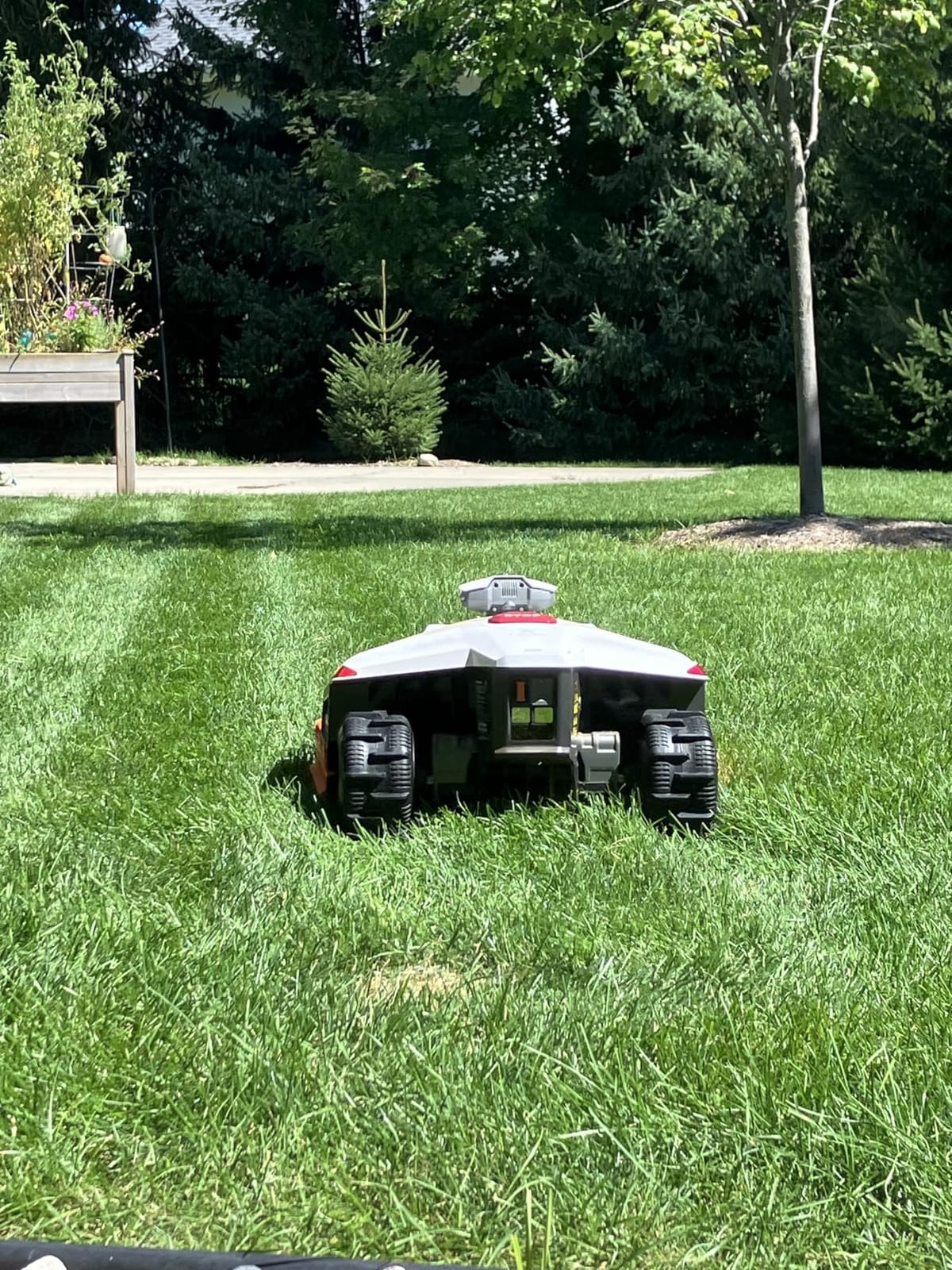
Rain behaviour here is app-driven rather than sensor-driven. Connectivity runs through 4G, Bluetooth and WiFi, and weather-aware settings keep the machine on the dock when conditions turn, so a forecast pause covers what a physical probe would otherwise handle. The practical effect in a storm is similar to a rain sensor, provided the connection holds.
Mammotion LUBA 2 owners on r/MammotionTechnology described the standard way to check that a weather-driven pause fires, since a forecast trigger is not something you can tap with a cup of water. The feedback in that thread was mixed: strong first-month performance followed by a cluster of problems once the machine had been running a while.
What convinced us
The dual-blade disk cuts a genuinely wide strip at 15.8 inches, and reviewers describe clean, tight lines across large lawns. The 18-position cutting height adjustment from 2.2 to 4.0 inches covers everything from fine Bermuda work to taller summer grass, and anti-theft geofence alerts are a sensible addition for a machine that sits outside all day.
Where it falls down
The cutting width is small relative to the body size, so large lawns need multiple sessions and mid-session recharging. Owners also report torn grass on tight right turns, and the machine does not mulch or chop fallen leaves, which matters if your grass type drops a lot of debris.
The 4G module becomes a paid subscription after the first free year, and the RTK station mount and antenna are often extra. Support was rated highly by some owners and called unresponsive by others, most often during setup. Owners replacing a weekly lawn service on a large plot get the most from it.
3. Segway Navimow i105N – the quiet wire-free value pick
- RTK plus vision holds accuracy under tree cover
- No perimeter wire needed with AI-assisted mapping
- Very quiet at 58 dB(A) for night mowing
- Detects 150 plus obstacle types
- Multi-zone scheduling for up to 12 zones
- Supplied wheels slip on slopes and many owners upgrade
- Vision fence misses objects like mailboxes and hoses
- Map can be lost after a firmware glitch forcing a remap
For a small suburban lawn, the i105N removes the two things that usually slow a setup down. There is no boundary wire to lay, and AI-assisted mapping sets the virtual boundary from a walk around the yard. Owners who were dreading a weekend of cable work get mowing the same afternoon.
Wet-weather behaviour here is handled through the app, with weather-aware settings and self-charging that resumes automatically when conditions allow. That is a reasonable trade at this size, since a lawn under about 5,000 square feet recovers from rain faster and the delay costs you less than it would on a half-acre property.
Navigation is the standout. Enhanced EFLS 2.0 RTK combined with vision holds accuracy in the places a plain RTK setup struggles, and the camera detects more than 150 obstacle types across a 140-degree field of view. Multi-zone scheduling covers up to 12 areas through the app.
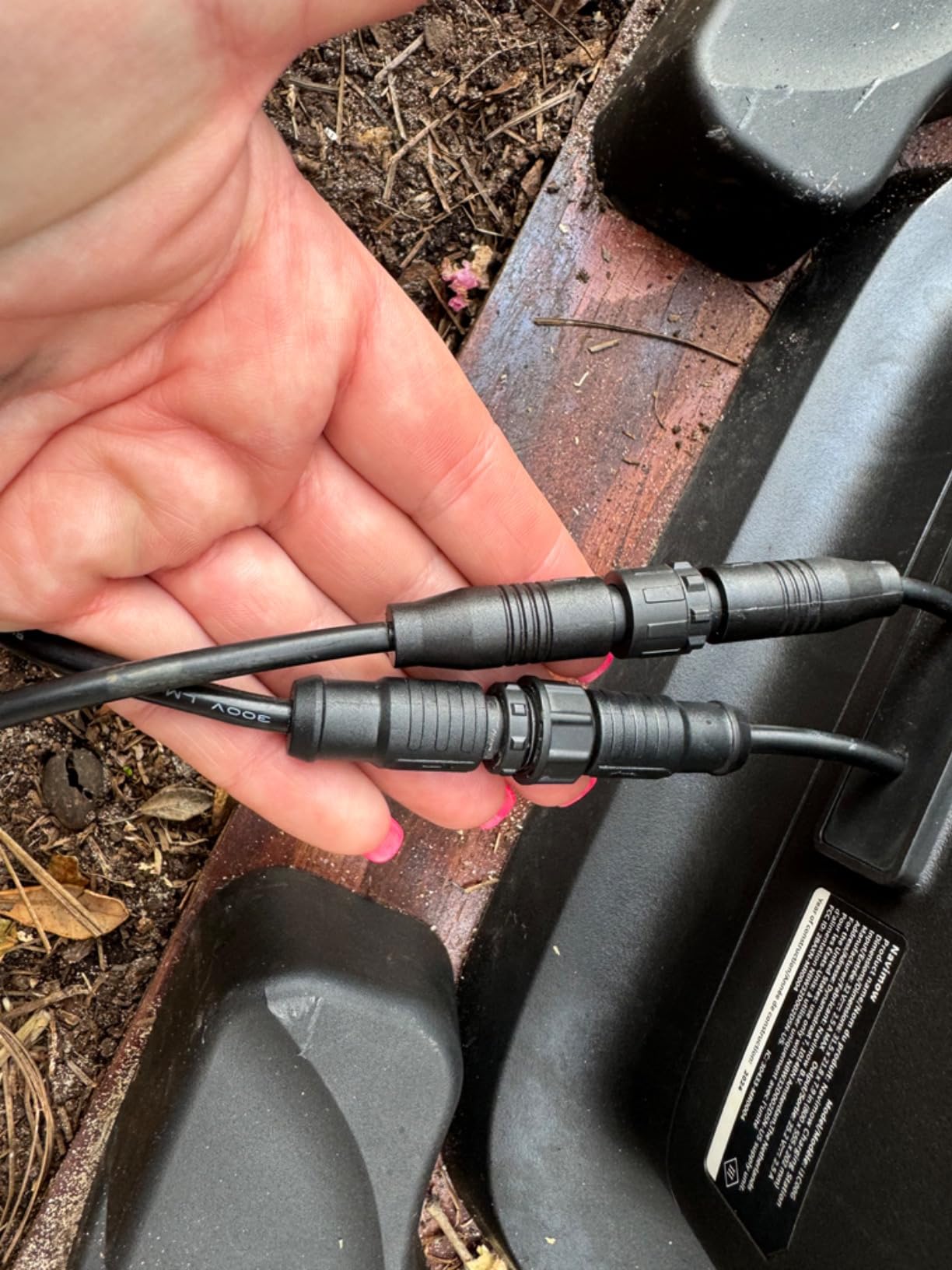
At 58 dB(A) it is quiet enough to run at night without neighbours objecting, and the three-year warranty is a reassuring number in this bracket.
What convinced us
Reviewers consistently call it excellent value for small yards, with the combination of accurate GPS mowing and good obstacle handling doing most of the work. Because there is no wire in the ground, there is no wire to repair, which removes a whole category of ownership problems.
Where it falls down
Traction is the main limit. The supplied wheels slip on slopes and a lot of owners upgrade to off-road tires or add spikes, so a sloped yard costs you more than the headline number. The vision fence also misses some objects, including mailboxes, gates, hoses and sprinklers, so walk the boundary once after mapping.
Battery life covers roughly 90 to 95 minutes per charge, the map can be lost after a firmware or VisionFence processing glitch and force a full remap, and the garage and 4G anti-theft module are extra purchases. Our take on sensor-equipped equipment covers similar app-versus-hardware trade-offs.
4. ECOVACS GOAT O1000 RTK CARE – the low-cut RTK mower with a spare blade bundle
ECOVACS Goat O1000 RTK Care Robot Lawn Mower, RTK Navigation, 1/4 Acre
- RTK navigation gives centimeter accuracy with no perimeter wire
- CARE bundle includes 36 extra blades and an RTK extension cable
- Cuts down to 1.2 inches which suits Bermuda grass
- Long run time with some owners finishing a full yard on one charge
- App and navigation software criticised as immature
- AI mapping can merge separate lawns and mow through driveways
- Loses satellite lock and needs a physical reset
- Must be driven in manual mode between zones
The GOAT O1000 is aimed at a specific kind of lawn. If you keep Bermuda or another fine warm-season grass and want a short cut, the 1.2 inch minimum height is the feature that justifies the machine, because several of the picks here bottom out at 1.2 inches or higher.
The CARE bundle is unusually generous. You get 36 additional replacement blades and an RTK extension cable in the box, which removes the two small purchases that usually annoy new owners, and the extension cable matters because antenna placement determines whether your satellite lock holds.
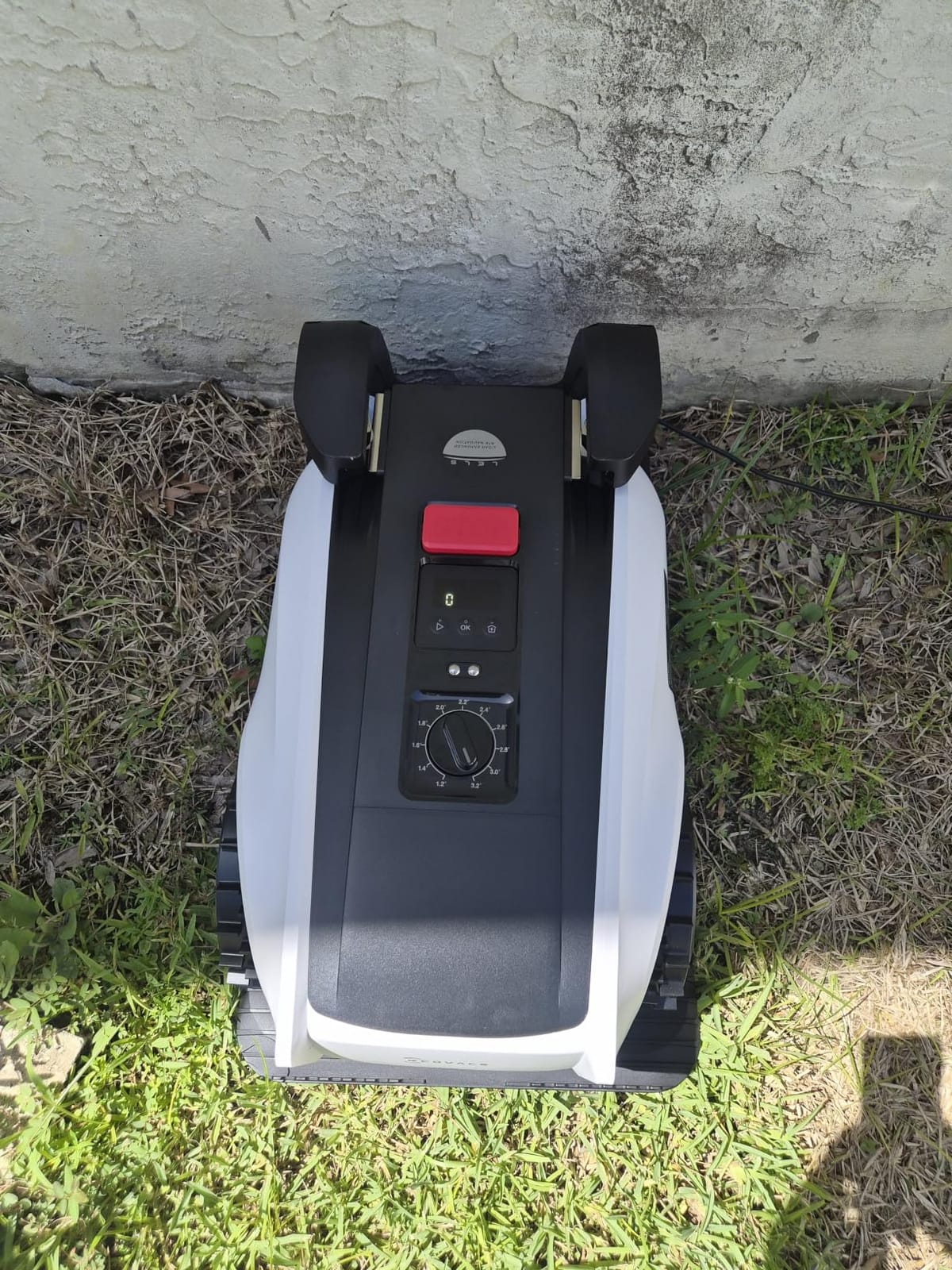
Rain is not the strong suit here. The listing does not claim an onboard rain sensor, and the app stability complaints below matter more in wet weather, because an app that times out is an app that cannot reliably pause a rain cycle or tell you why the machine stayed on the dock.
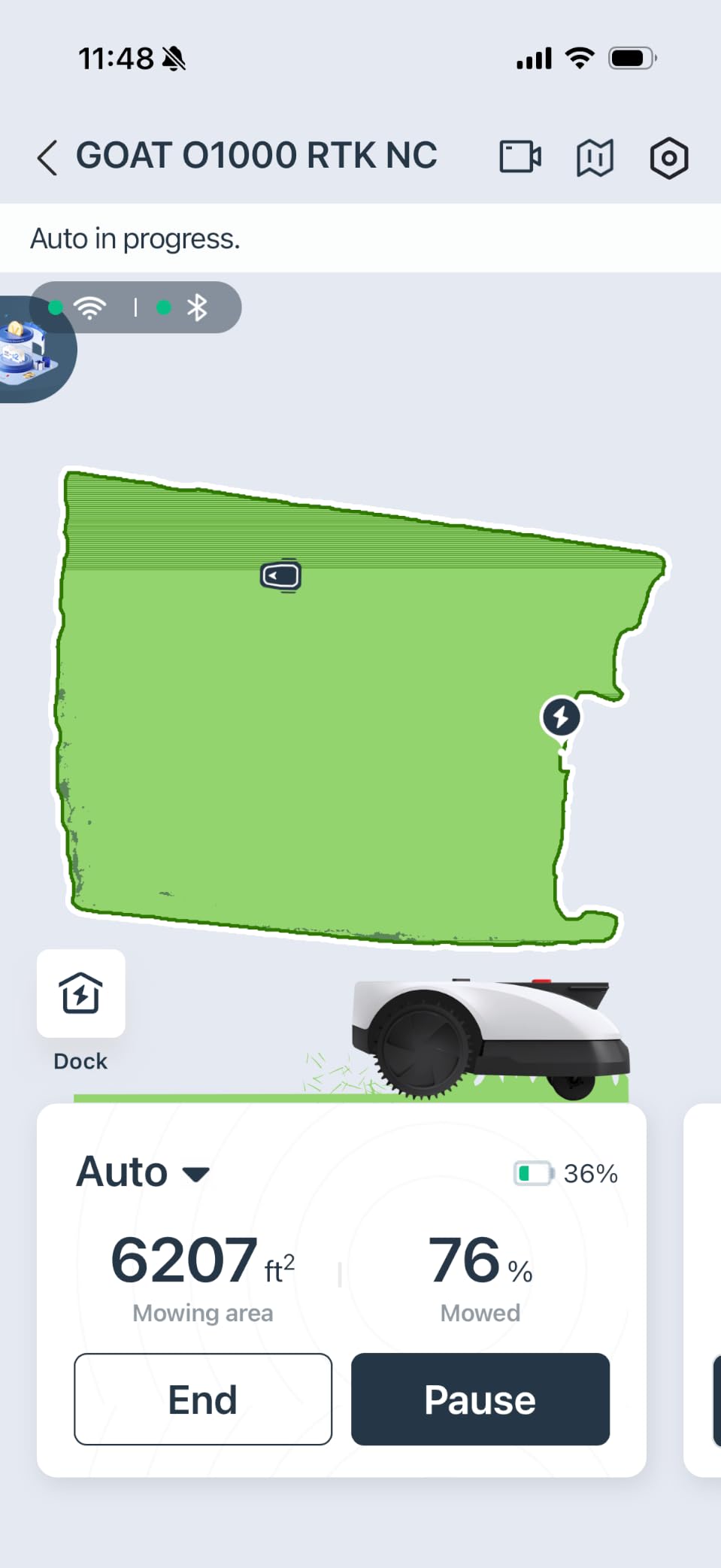
On the plus side, owners report a long run time, with several finishing a front and back yard on one charge. Auto mapping and multi-zone scheduling both work through the ECOVACS app, and 62 dB keeps it civilised for early starts.
What convinced us
Hardware cut quality and the low cut height are the strongest points in owner reviews. For a Bermuda lawn, a robot that can get down to 1.2 inches solves a problem most of the picks here cannot.
Where it falls down
Software is the problem. Owners report time-outs, stuck alerts, AI mapping that merges separated lawns and mows through driveways and fences, and frequent loss of satellite lock that needs a physical reset. Firmware updates have introduced mapping errors as well, and manual joystick control is too imprecise to draw out-of-bounds areas. The machine cannot be picked up and carried between zones either, so moving it means driving it.
It also leaves clippings on the lawn rather than mulching them, which you will notice in a wet week. With a 3.9 rating, expect the software to improve faster than the hardware.
5. MOVA LiDAX Ultra 1000 – LiDAR auto-mapping with no base station
- No RTK station needed with 360 degree LiDAR and AI vision auto-mapping
- Cuts within 2 inches of walls and raised edges
- Recognises 300 plus obstacle types from 3D point cloud data
- Dual maps with up to 150 managed zones for separate lawns
- TrueGuard anti-theft with link module tracking
- Eight inch cutting width means longer cut times on larger lawns
- Rough ground and deep ruts still challenge the rear-wheel drive
- Underside blade area needs occasional cleaning in tall grass
LiDAR navigation is the reason to look at this one. Most wire-free mowers need an RTK antenna and a clear view of the sky, which means an open lawn and a base station to mount. The LiDAX Ultra 1000 uses 360 degree 3D LiDAR with AI vision, so it maps the yard without a station, a subscription or a satellite signal, and it works in the dark.
For wet weather, that has a practical benefit beyond convenience. A mower that keeps its bearings under heavy cloud cover and in shaded corners is less likely to be sitting useless on the dock when you want it out. The 1.2 to 3.9 inch cutting height range and U-shaped path planning with automatic return to the charging station keep the routine simple.
Obstacle handling is a standout, with 3D point cloud data recognising more than 300 object types. UltraTrim 1.0 uses a movable disc to cut within 2 inches of walls and hedges, which is a visible quality difference once the mower has run a full season.
Dual maps with up to 150 managed zones suit owners with separate front and back lawns, and the 45 percent slope capability covers ground that defeats most of the wired machines here.
What convinced us
Setup simplicity is the headline. No base station to place means no satellite dropout troubleshooting and no antenna to reposition when a tree grows into the signal path. Owners also report reliable navigation between separate lawns, which is where most wire-free machines struggle.
Where it falls down
The eight inch cutting width is modest, so larger lawns take multiple cycles. Rough ground and deep ruts can still defeat the rear-wheel drive, and the underside blade area needs occasional cleaning when the grass gets tall, which happens quickly in a wet season.
With 74 reviews there is limited long-term reliability data, and a battery life figure of about 60 minutes per charge means it is charging more often than the RTK models. The 3-year warranty and 24/7 after-sales service are a genuine offset to the thin review history.
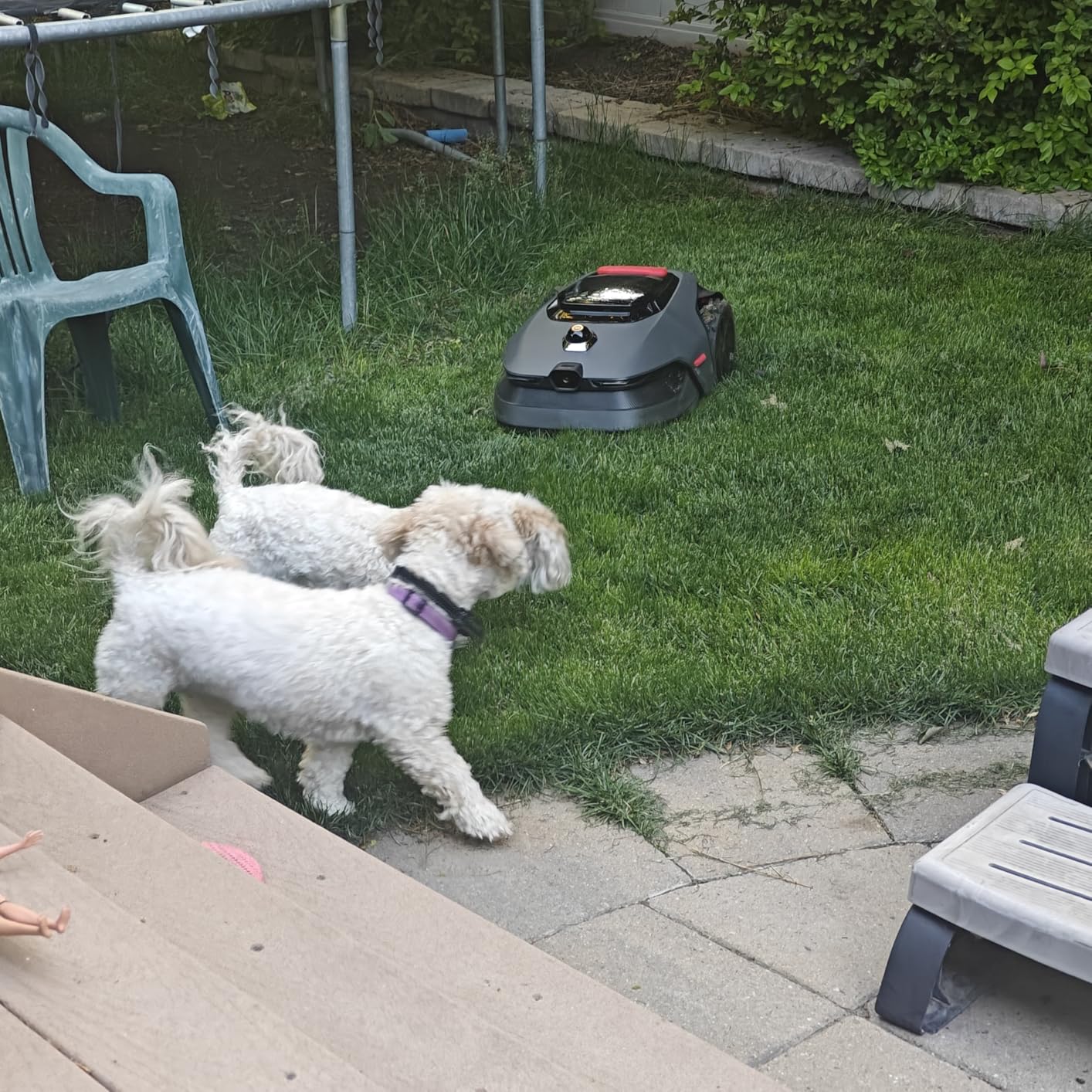
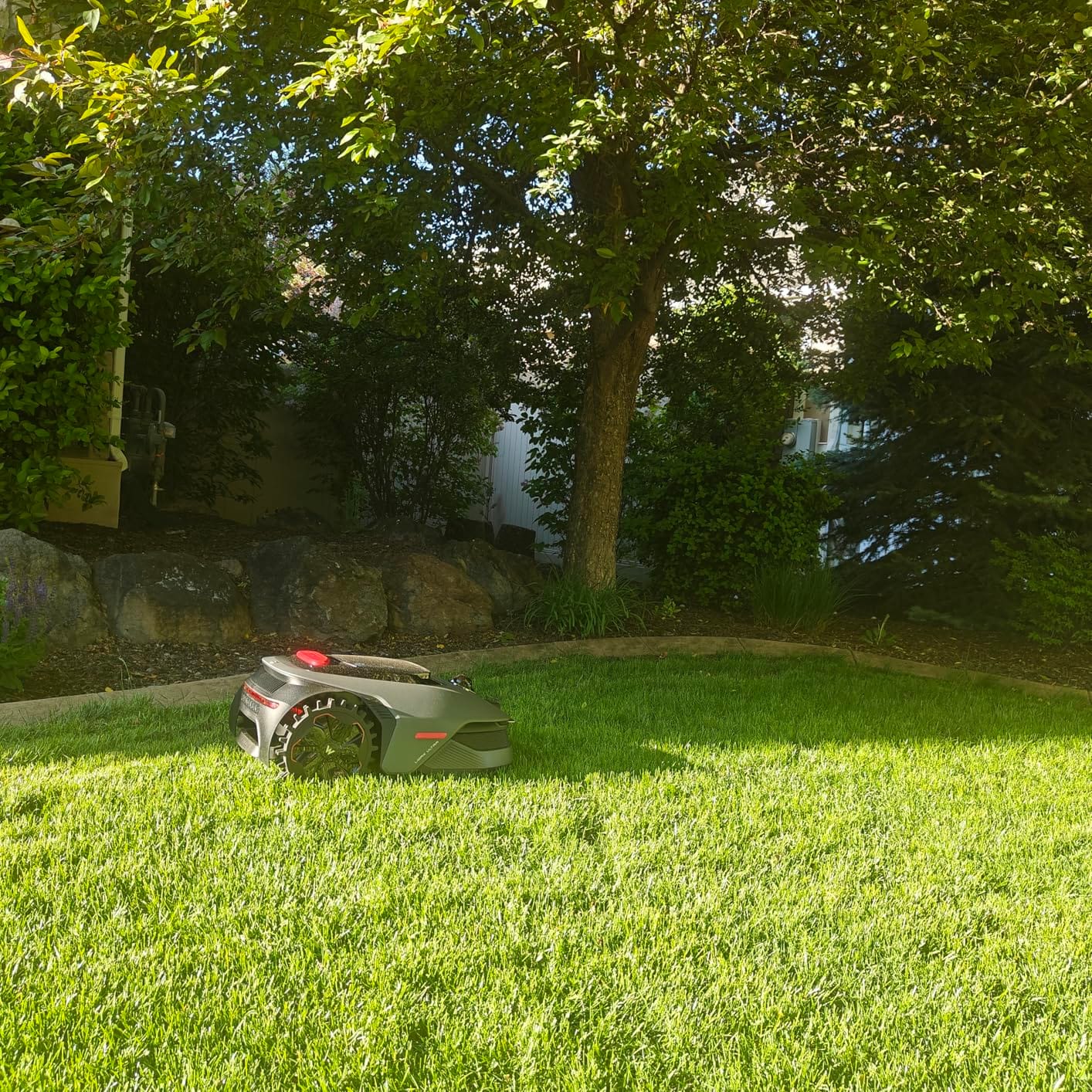
6. YARDCARE V100 – a documented rain sensor on a compact lawn
YARDCARE V100 Automatic Robot Lawn Mower HD Vision for Lawn Max 1600 sq ft
- Explicit onboard rain sensor stops mowing when it rains
- Included 32 ft magnetic strip creates no-go zones without digging
- Camera-based AI navigation detects up to 150 obstacles
- Tilt sensor stops the blades the moment it is lifted
- No boundary wire and ready to use out of the box
- Small 1600 sq ft capacity limits it to compact lawns
- Random mowing path leaves less even striping
- Modest lawn limit and 20 degree slope rating
Only two of the ten machines here name an onboard rain sensor in their own feature list, and this is the more compact of the two. The listing states plainly that a rain sensor automatically stops the robot when it rains, and for a buyer whose number one requirement is a documented sensor on a small lawn, that is worth more than a larger cutting deck.
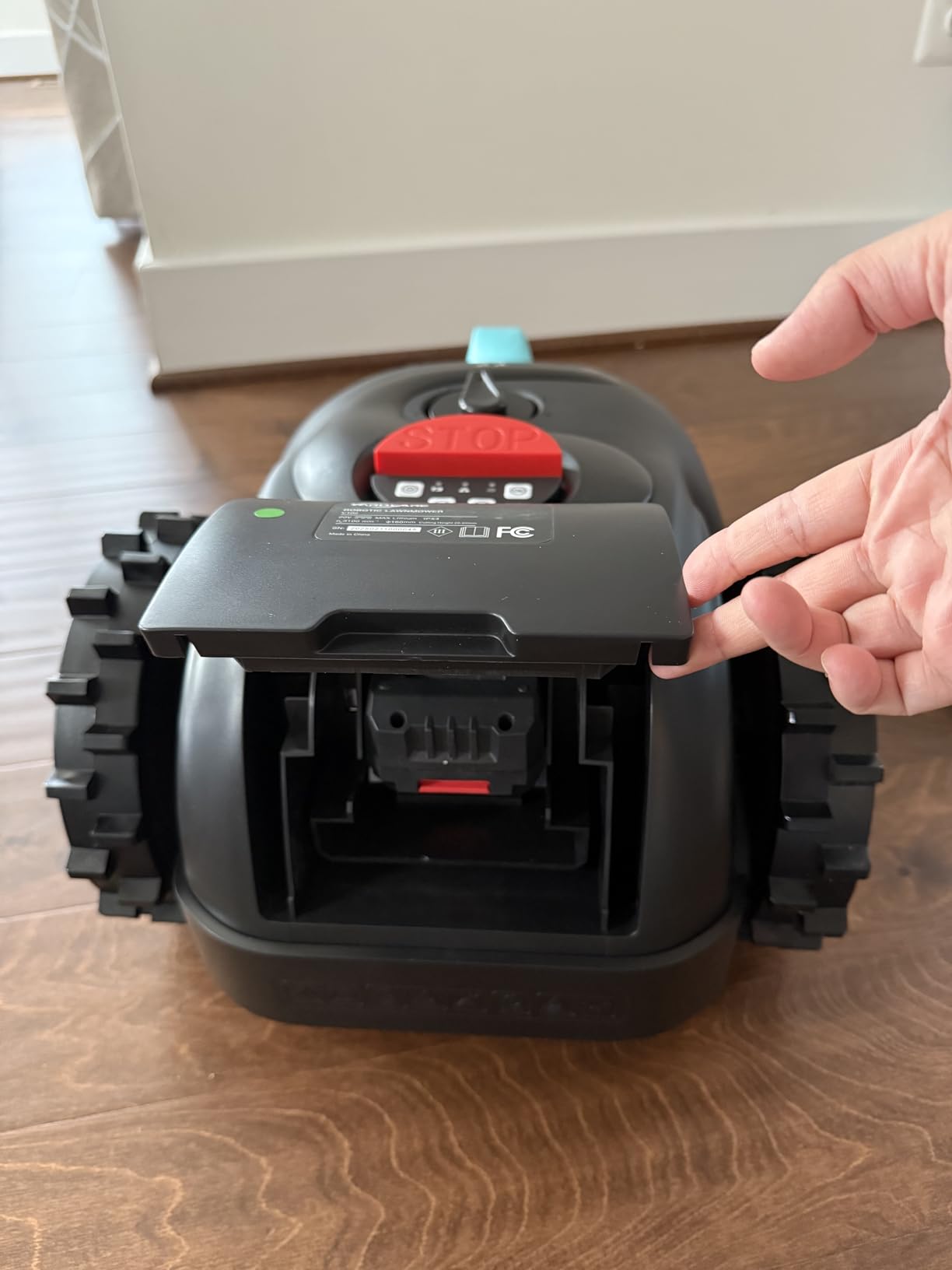
The rest of the package is aimed squarely at small lawns. The 32 ft magnetic strip is a clever alternative to boundary wire: lay it along the edge you do not want cut and the mower treats it as a no-go zone, with no digging and no external power. That is faster to install than wire and much faster to move when the patio season arrives.
Camera-based AI navigation distinguishes grass from non-grass and detects up to 150 obstacles, and the tilt sensor cuts the blades the instant the mower is lifted, which is the safety feature parents care about most.
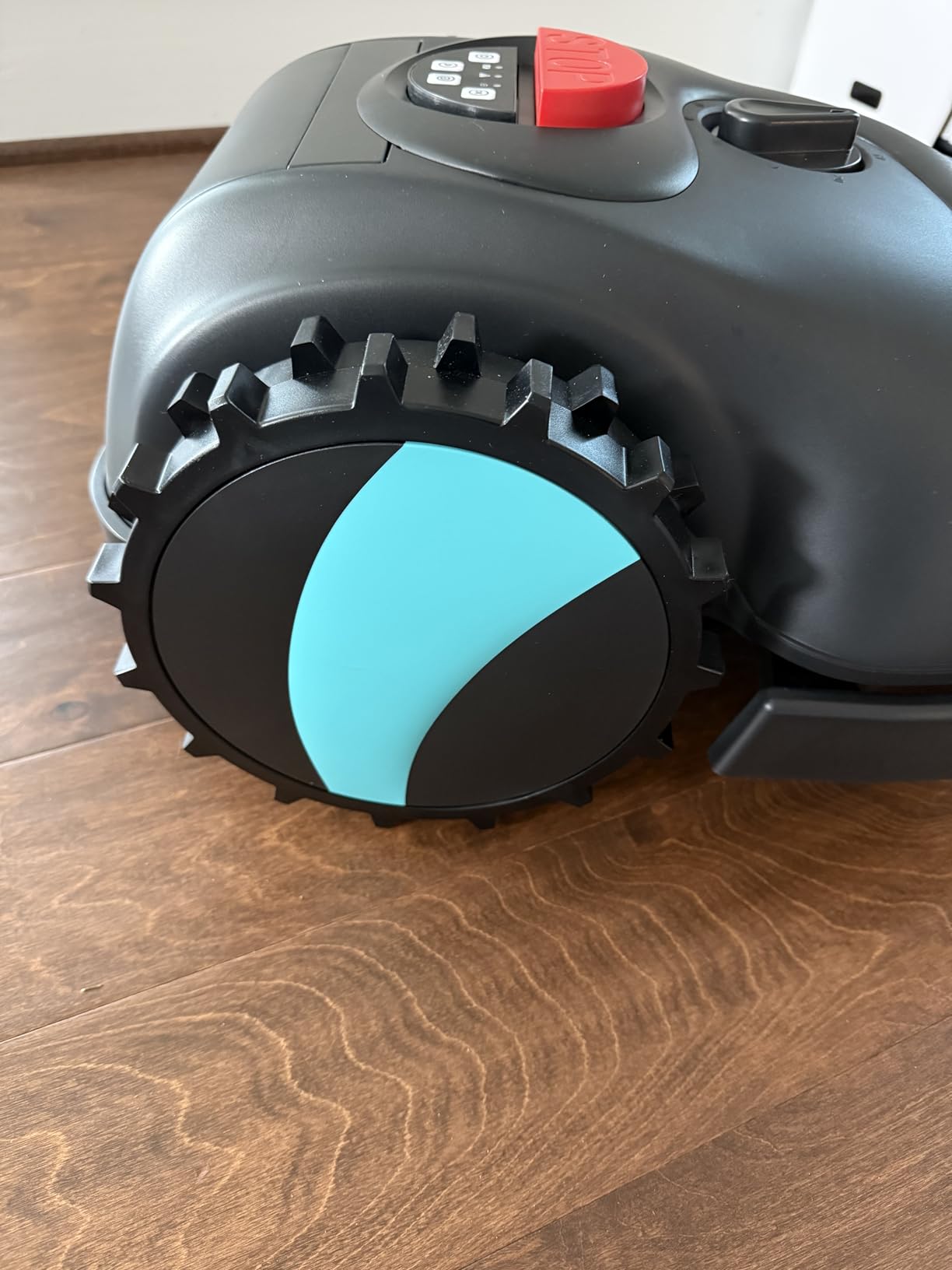
Cutting height adjusts from 0.8 to 2.4 inches, and owners report very low noise for routine mowing. Everything you need is in the box, including the charger, magnetic strip, pegs and three spare blade sets.
What convinced us
At a 4.8 rating across 58 reviews, this is the highest-rated machine we list, and the satisfaction level matches owners who expected a small lawn mower and got one. Setup is genuinely turnkey, which is the rarest thing in this category.
Where it falls down
The 1,600 square foot limit is real and it is small. Beyond that, the random mowing path leaves less even striping than the systematic planners in this list, so if you care about visible cut lines you will notice the difference.
The 20 degree slope rating and compact lawn ceiling are modest next to the wire-free competitors, and 58 reviews is a thin base to judge long-term reliability on. Treat it as a compact-yard tool, and check that your lawn really is under about 1,600 square feet before you commit.
7. Scheppach RoboCut XL600 – a listed rain sensor with a wide cutting deck
- Listed rain sensor pauses mowing in wet weather
- Large 18 cm cutting width for its coverage class
- Cutting height infinitely adjustable from 20 to 60 mm
- Low noise at 55 dB
- Handles gradients up to 35 percent
- Requires a wired boundary and 130 m of cable to install
- Coverage tops out at 600 square meters
- Rotating disc design is limited on very uneven terrain
The RoboCut XL600 is a straightforward wired mower with a listed rain sensor and an unusually wide deck for the money. Reviewers rate it as a capable machine, and the 18 cm cutting width paired with a 55 dB noise figure is a combination you will not find in many rivals at this bracket.
The 18 cm cutting width is nearly an inch and a half across, which means fewer passes than most machines at this coverage level, and the cutting height is infinitely adjustable from 20 to 60 mm in six positions rather than stepped. An edge mowing function is included, which many machines at this level leave out.
App control works over Bluetooth or WiFi with adjustable mowing zones, and the box includes a charging station, 130 m of boundary cable, 180 ground anchors and nine blades. That is a complete installation kit rather than a mower that needs a second purchase to be useful.
The 35 percent gradient rating is respectable for a wired machine, and the rain sensor gives you the option to keep it on the dock when the lawn is wet rather than mowing wet grass.
What convinced us
What stands out is the combination of a documented rain sensor, a wide deck and a metal construction, which is hard to find elsewhere at this bracket. The 35 percent gradient rating is a genuine bonus for a wired machine, and the infinite height adjustment is more useful day to day than it sounds.
Where it falls down
Installation effort is the cost. You need a wired boundary and all 130 m of the supplied cable, which is a weekend job and a repair liability later if anything digs in the yard. Buyers who want wire-free should look at the Navimow or Roborock models instead.
Coverage tops out at 600 square meters, smaller than most rivals at this level, so check your lawn against that ceiling first. The rotating disc design also struggles on very uneven or complex terrain, where a pivoting deck would cope better.
8. Roborock RockNeo Q110H – the long-running full-band RTK mower
- Full-band RTK plus VSLAM keeps positioning steady under trees
- Floating deck and large wheels handle 45 percent slopes and 1.57 inch obstacles
- Very quiet with headlights for night mowing
- Dual-camera AI vision turns away from people and pets
- Roborock app with multi-zone schedules and progress dashboard
- Needs manual app-driven boundary mapping instead of true auto-mapping
- Poor edge cutting leaves 1 to 1.5 feet unmowed
- Supplied wheels struggle in thick St Augustine grass
- Lift detection triggers falsely on small bumps
The RockNeo Q110H is built around a 130 minute battery life, which is the longest single-charge figure in this group. On a quarter-acre lawn that translates into finishing a full session without stopping, and fewer charge cycles mean fewer opportunities for a wet-weather interruption to derail a schedule.
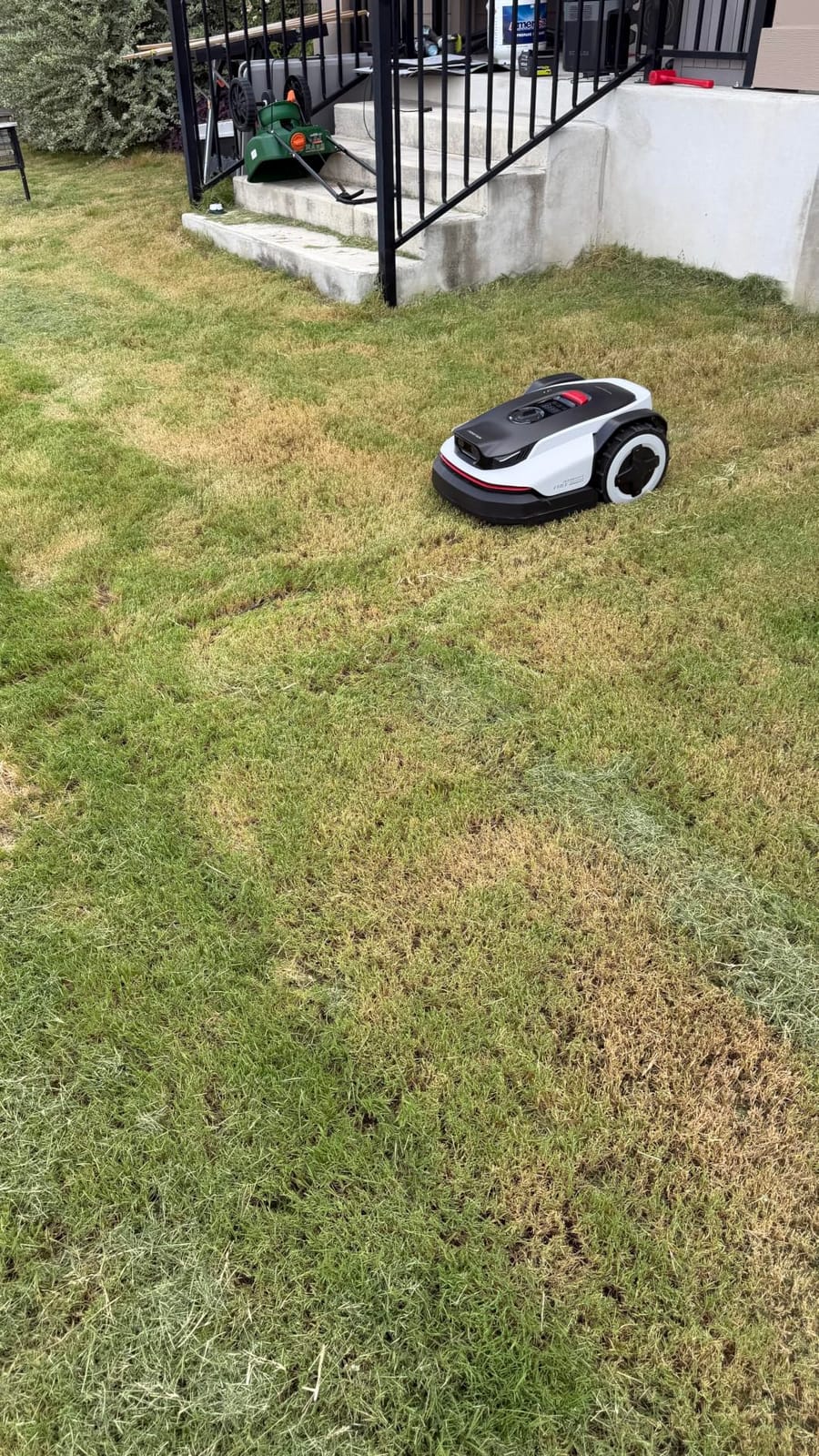
Full-band RTK combined with VSLAM handles the positioning problem well, holding steady under tree canopies and near fences where a single-band setup drifts. A floating cutting deck and large wheels take 45 percent slopes and 1.57 inch obstacles, and the Roborock app adds multi-zone schedules, a progress dashboard and a wildlife-friendly mode.
Quiet operation with headlights means it can run at night, and dual-camera AI vision turns away from people and pets rather than just registering an obstacle. PIN lockout and an alarm are included, with an optional 4G tracking module for theft recovery.
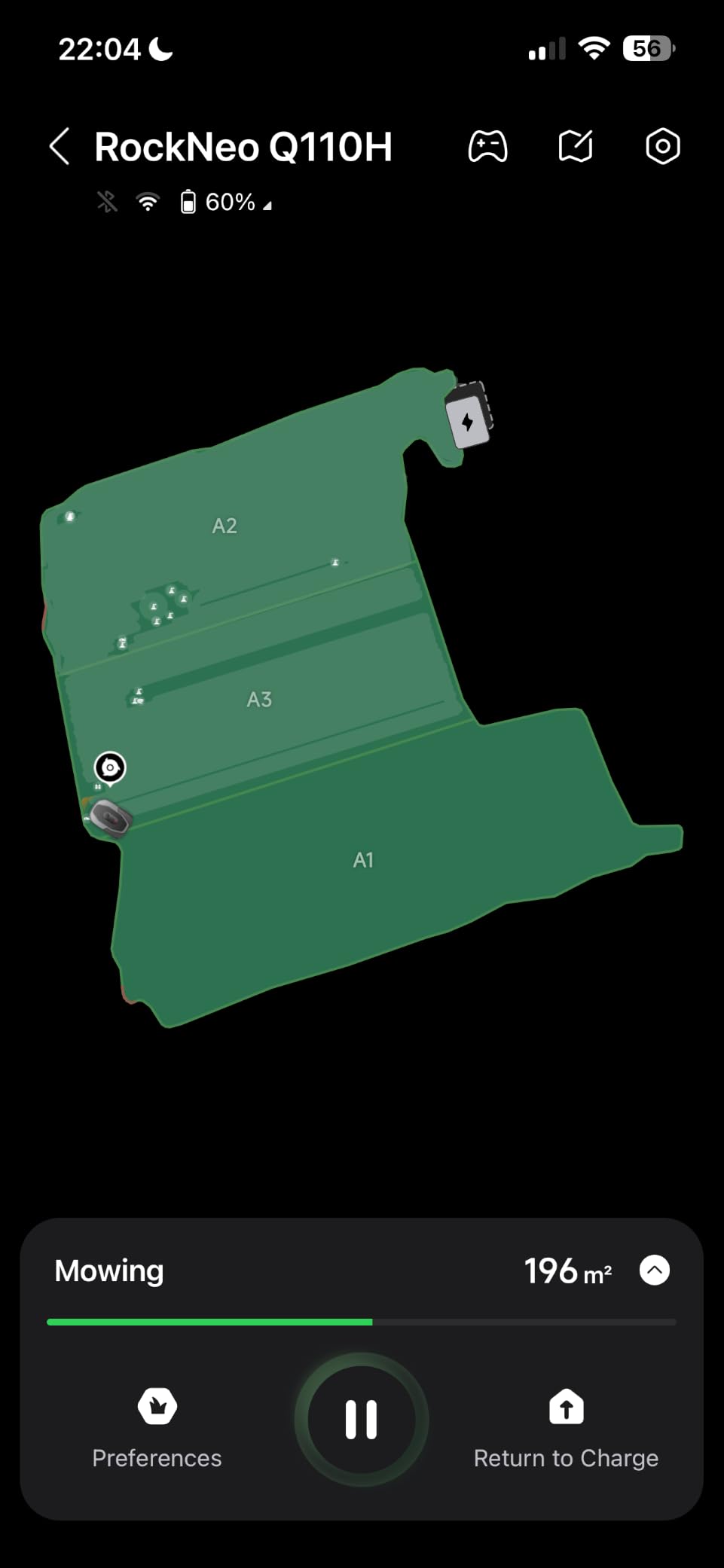
Rain handling here comes through the app rather than a physical sensor, so wet-weather pauses depend on the same software stack owners criticise elsewhere in this list.
What convinced us
Owners acknowledge strong navigation and quiet, straight-line cutting on open, simple lawns. The battery life is a genuine differentiator, and the app is familiar if you already own Roborock hardware, with Wildlife-Friendly mode being a thoughtful addition for pet owners.
Where it falls down
Boundary mapping is manual and app-driven rather than automatic, which is a step back from the LiDAR and auto-map models here. Edge cutting is poor, leaving 1 to 1.5 feet unmowed along fences, trees and its own antenna pole unless you buy the optional edging module.
The supplied wheels struggle in thick St Augustine grass and on uneven ground, lift detection triggers falsely on small bumps and stops the blades, and maps cannot be edited without physically walking the mower. A 3.8 rating on 35 reviews is the thinnest evidence base here, so treat it as a promising option rather than a proven one.
9. Segway Navimow i215 LiDAR – satellite-free mowing for 45 percent slopes
Segway Navimow i215 LiDAR Robot Lawn Mower, Wire Free Robotic Lawn Mower for 0.37 Acre, LiDAR & Vision Dual Fusion, Auto Mapping, Off-Road Wheels for 45% Slopes, Quiet 59 dB(A) Mowing
- Solid-state LiDAR with vision fusion works satellite-free day or night
- One-tap auto mapping with no boundary wire or antenna
- Off-road wheels and stability control handle 45 percent slopes
- Detects 200 plus obstacle types at 0.4 inch accuracy
- Security suite with geo-fence and Apple Find My alerts
- Seven inch cutting width makes larger lawns take multiple cycles
- Adjustable cutting height tops out at a tall 4 inches
- Garage shelter is a separate purchase in some variants
The i215 LiDAR is the mid-size answer for a yard with trees, slopes and no patience for boundary wire. Solid-state LiDAR fused with onboard vision works without satellites, day or night, and one-tap auto mapping means there is no wire and no antenna to install. For a property where the sky view is poor, that removes the single most common cause of wire-free frustration.
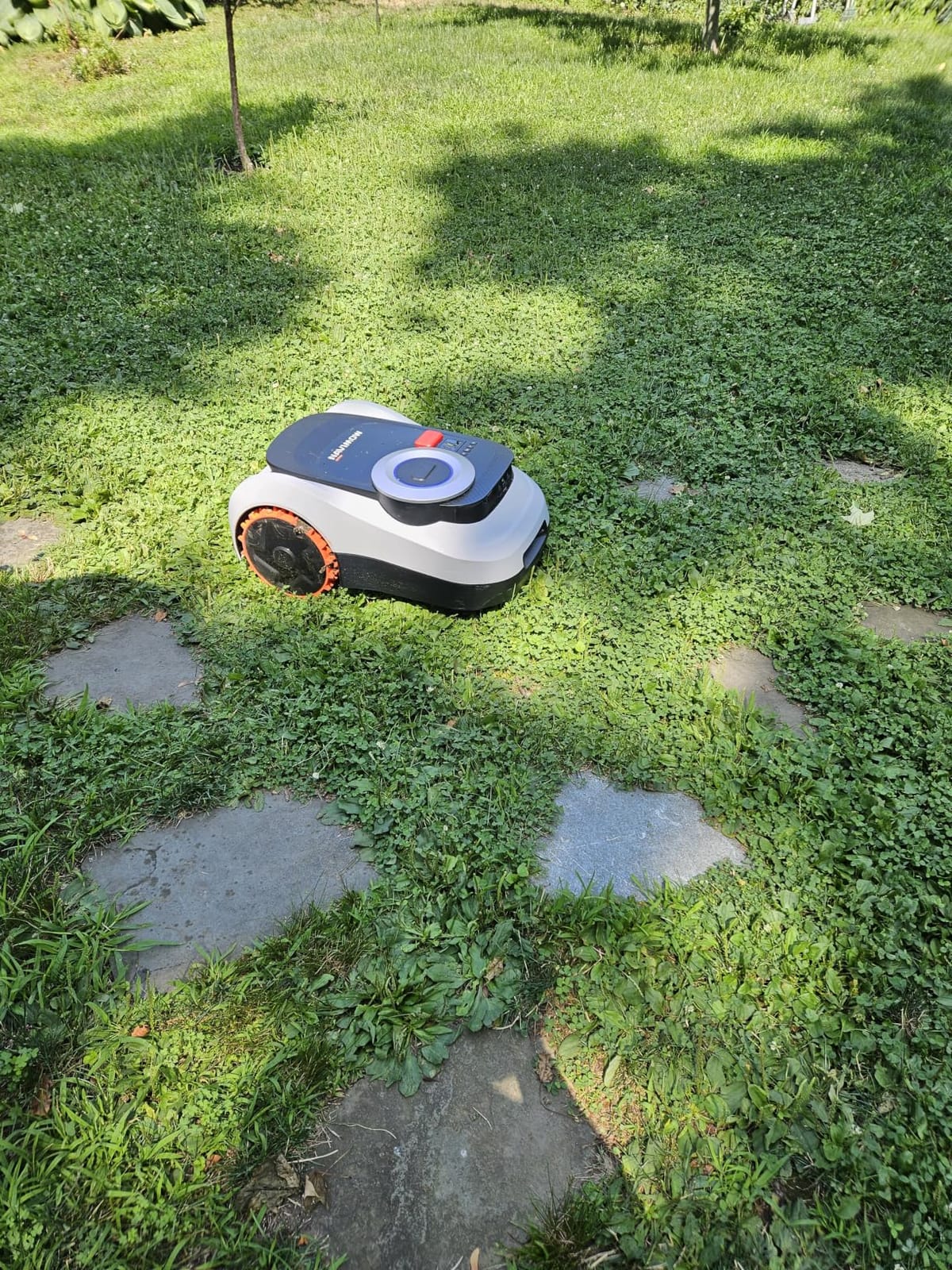
Off-road wheels with electronic stability control handle 45 percent slopes, and AI VisionFence with GeoSketch detects more than 200 obstacle types at 0.4 inch accuracy. EdgeSense ride-on mode cuts cleanly along fences and paths, which addresses the edge-cutting complaint that runs through this category.
Up to 20 editable zones work through the interactive app map, and the security suite covers GPS tracking, geo-fence, lift detection and Apple Find My alerts. Voice control through Alexa and Google Home is a small extra that some owners like.
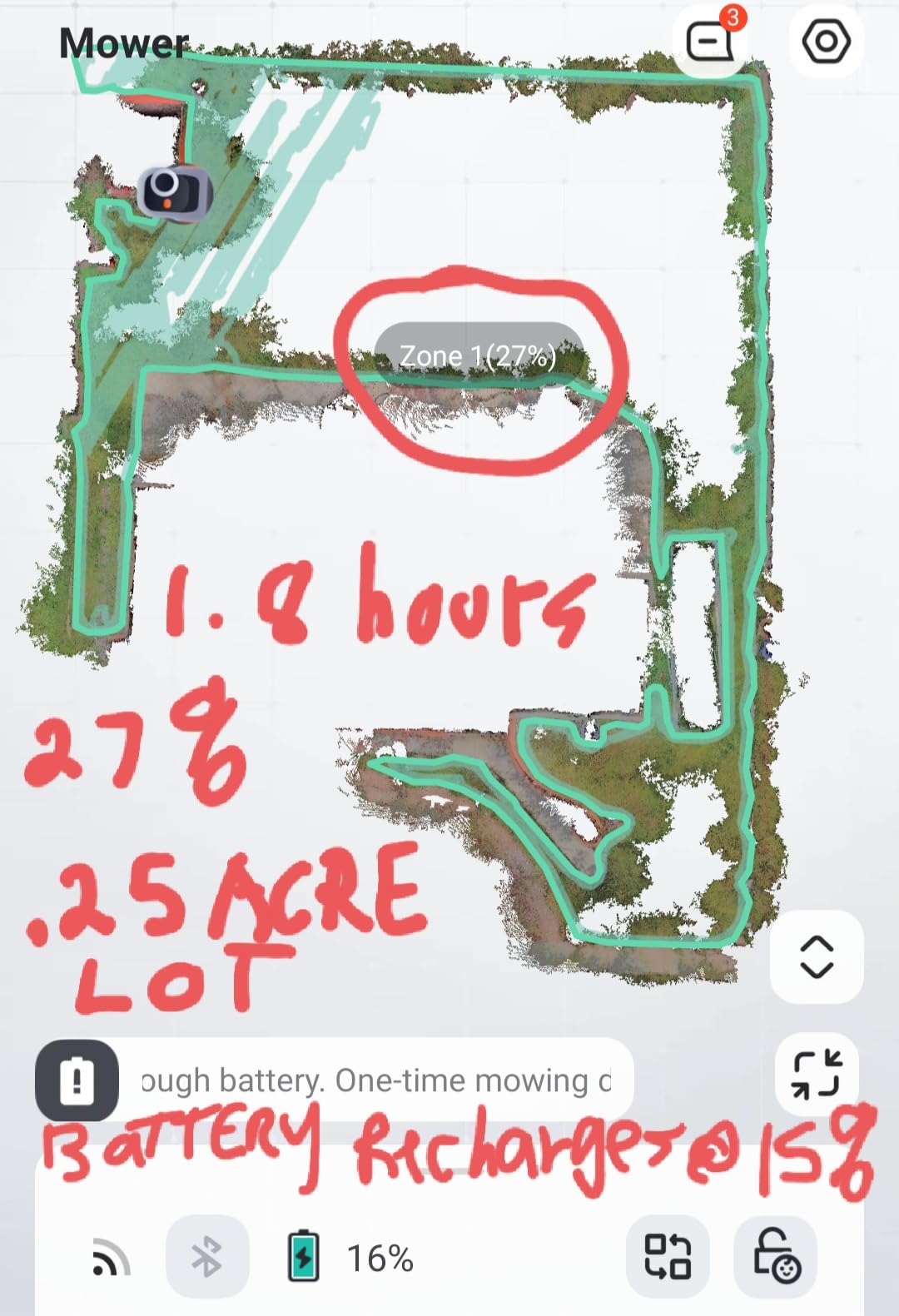
Wet-weather pauses run through app settings, and at 59 dB(A) it is quiet enough to run late without being the reason a neighbour complains.
What convinced us
Early buyers highlight quick wire-free setup and dependable satellite-free navigation, and the obstacle accuracy figure of 0.4 inch stands out in this group. The 0.37 acre rating covers a lot more lawn than the entry wire-free machines on this list.
Where it falls down
The seven inch cutting width is narrow for the coverage, so a full yard takes several cycles and a full battery more often. Cutting height tops out at 4 inches, which is tall for anyone who mows short.
The garage shelter is a separate purchase in some variants, and with 46 reviews the long-term picture is still forming. Owners replacing a weekly service on a yard this size will find the multiple cycles the main annoyance.
10. Segway Navimow i210 AWD – all-wheel drive for steep suburban lawns
Segway Navimow i210 AWD Robot Lawn Mower Wire Free, 0.25 Acre, 45% Slopes
- All-wheel drive with stability control handles 45 percent slopes
- Zero-turn steering with a concentric third wheel avoids scraping
- One-tap auto mapping with tri-frequency RTK plus vision
- Up to 20 zones with resume after automatic charging
- Real-time GPS alerts when lifted or off the map
- Quarter-acre claim assumes flat square ground so smaller yards need two cycles
- GPS drift of a few inches on steep curves
- Firmware updates have caused mapping errors
- Grass wraps around the underside and needs regular cleaning
The i210 AWD is a quarter-acre machine built around traction rather than cutting width. Electronic stability control with all-wheel drive handles 45 percent slopes, or 24 degrees, and reviewers single out the zero-turn steering with a concentric third wheel, which rolls rather than scuffs and leaves fewer scraped patches at the ends of each pass.
Its 7.1 inch cutting deck is narrow for the area it covers, so a full quarter acre takes more than one pass. The 5.1Ah battery covers up to 2,690 square feet per charge, and up to 20 managed zones pick up automatically after charging.
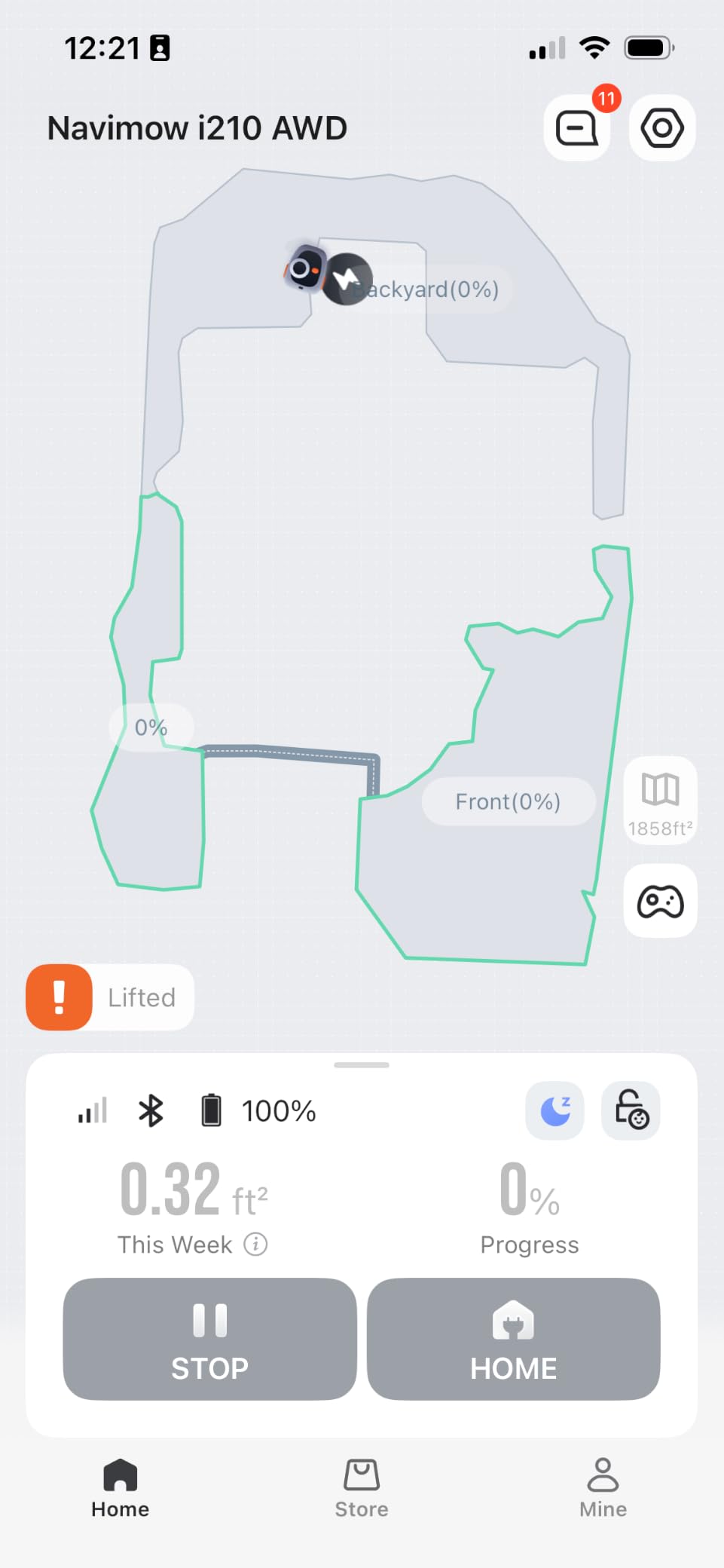
Setup is genuinely hands-free, with one-tap auto mapping on EFLS network RTK plus vision for centimetre accuracy and up to 20 managed zones with seamless resume after automatic charging. Real-time GPS alerts fire when the mower is lifted or leaves the mapped area.
Customer service is rated consistently well by owners, which matters when a firmware issue interrupts your schedule. Like the other Navimow models here, wet-weather pauses are handled through app settings rather than a physical probe.
What convinced us
Owners report fast, even mowing with confident slope handling and quiet operation, and the 20-zone scheduling handles a lawn split into several separate areas.
Where it falls down
The quarter-acre claim assumes flat, square ground, so real yards often need two cycles and the narrow deck adds trips to the dock. GPS drift of a few inches appears on steep curves, which means map placement needs care, and firmware updates have caused mapping errors that required full remaps.
The app drains phone battery while tracking the mower, and grass wraps around the underside of the blades and needs regular cleaning, which you will notice more in a wet season. A 4.4 rating on 40 reviews is strong but young.
Buying Guide: Yard Size, Slope and Wire-Free Setup Come First
Almost every buyer who ends up disappointed picked the wrong navigation system, not the wrong rain behaviour. Get this right and the sensor question largely answers itself.
Boundary wire, RTK-GPS or LiDAR
Boundary wire is the traditional approach. It is the most reliable option because it does not care about trees, walls or satellite signals, and it costs you a weekend of installation plus any future repair. RTK-GPS removes the wire but needs a clear view of the sky and a base station or network connection, which is why shaded yards with heavy tree cover need a vision-assisted model. LiDAR is the newest answer: it maps with a spinning sensor and no satellite at all, so nothing needs mounting outdoors, but it is a newer technology with less long-term data behind it.
Match the mower to your slope
Roughly a third of the machines here manage 35 percent or more, which is about 19 degrees. The Mammotion LUBA 2 AWD goes furthest at 80 percent, and the wire-free Navimow and MOVA models cluster around 45 percent. The YARDCARE V100 manages 20 degrees, which suits a flat town lawn and is not enough for a hillside.
Check the resume behaviour, not just the sensor
A sensor that stops the mower is half the feature. The half that matters is what happens next, so look for an automatic resume, a sensible dry delay and a way to override it from the app. Mowers that park until you manually restart them are the ones that generate frustrated forum posts. Owners also report units that never leave the dock after rain, which is often a connectivity or satellite problem at the charging base rather than a sensor fault.
Think about the dock, not just the mower
A robot mower spends most of its life sitting in the open. Several brands sell a garage or weather hood as an add-on, and a 430XH owner on r/automower reported a seal failure after heavy rain, which is exactly the scenario a shelter prevents. Our broader thinking on weather sealing and gear that stays outside is covered in our guide to waterproof jackets and suits, and the same logic applies to an unsheltered dock.
Budget for the running costs
Blades, replacement batteries and any app subscriptions add up. The Mammotion 4G module becomes a paid subscription after the first free year, Roborock sells 4G tracking and edging modules separately, and the Navimow garage and anti-theft module are extra. The ECOVACS CARE bundle is the counterexample, with 36 spare blades included in the box.
Frequently Asked Questions
Do robotic lawn mowers work in the rain?
Yes. Modern robotic mowers are weather-sealed enough to cut wet grass, and the Gardena SILENO Minimo is marketed to mow in rain or shine. The reason to avoid wet mowing is the lawn rather than the machine: wet clippings clump instead of mulching, wheels leave tracks in soft ground, and torn grass can spread fungal patches.
How does a robot mower rain sensor work?
Most use conductive plates or moisture probes on the deck or underside. When water bridges the contacts, resistance changes and the control board reads the surface as wet. The mower lifts the blades, abandons its pass, drives back to the charging station, waits through a configurable dry delay and then resumes once the surface reads dry. Some machines use a capacitive sensor instead, which reacts to a thin film of moisture and triggers in light drizzle.
Can you turn off the rain sensor on a robot mower?
Usually, yes. Most app-based mowers include a setting for rain behaviour with options such as pause and resume automatically, ignore rain, or wait for owner instruction. Owners on r/automower frequently disable the protection on sealed machines and mow through light rain deliberately. Check whether the setting is exposed in your app before buying, because a few machines only offer the automatic behaviour.
Why does my robot mower stop in the rain and not restart?
Usually it is a drying delay rather than a fault. The sensor stays wet well after the last drop falls, so the mower waits out a fixed delay before testing again. If it never restarts, check three things: whether the sensor plate is dirty, whether the app is connected and receiving weather data, and whether the mower has satellite lock at the dock. A mower that cannot reach the network will wait indefinitely.
Do robot lawn mowers need a rain sensor?
Not strictly. A sealed machine can mow in rain without damage, which is why some owners disable the sensor on purpose. A sensor is worth having on heavy clay, shaded or poorly drained lawns, where wet mowing clumps clippings, leaves ruts and spreads disease. Treat it as a scheduling and grass-quality feature rather than a protection feature, and keep the charging dock sheltered either way.
What should I do if an electric lawn mower gets wet?
Move it to a sheltered spot and let it dry fully before charging or storing it. Wipe the deck and underside down, and clear grass from the blade housing and cooling vents. Do not charge a wet mower, since moisture across the battery contacts can cause a fault or damage the charger. If the unit has been rained on while docked, check the seals once it is dry and remove any standing water from the charging base.
Conclusion: The Best Robotic Mowers With Rain Sensors in 2026
For most buyers, the Gardena SILENO Minimo is the safest first pick. It carries 689 owner reviews, runs quietly at 57 dB(A), handles slopes to 35 percent and is built to keep cutting through rain rather than stopping for it.
Buy the Mammotion LUBA 2 AWD 5000HX if your lawn has real hills or heavy tree cover, and the Segway Navimow i105N if you want wire-free mowing on a small yard at a quiet 58 dB(A). For a genuine documented rain sensor on a compact lawn, the YARDCARE V100 is the one that states it plainly, and the Scheppach RoboCut XL600 pairs a listed sensor with an unusually wide deck.
Whatever you choose, check the resume behaviour in the app, keep the charging base sheltered and remember that a rain sensor is a convenience for your lawn, not a shield for the machine. For more unattended cleaning that runs on a schedule through the seasons, our picks for robotic pool cleaners for inground pools follow the same logic.