
Nearly every first drone dies the same way. Not from a bad motor, not from cheap plastic, but from three avoidable mistakes: a battery that gives up after twelve minutes, a camera with no real stabilisation, and no return-to-home when the aircraft drifts behind a hedge. Pick a model that solves those three problems and your first ten hours are genuinely fun. Pick wrong and you will spend those hours fighting the aircraft instead of learning to fly.
That is what we did with the best drones for beginners in this guide. Ten models, ordered by how forgiving they are, with the weight class, per-battery flight time, camera type and control options spelled out for each. We checked every spec against the manufacturer listing and cross-read thousands of owner reviews, because the gap between a spec sheet and a real flight is where most beginner disappointment lives.
Two things we refuse to do. We will not pretend obstacle avoidance makes a drone safe near trees, because no sensor on any of these models reads the world reliably enough to change that. And we will not quote a transmission figure as if you will ever use it, because advertised range in an urban area is roughly a third of the number on the box. If you want a broader look at the budget end of the market, our guide to the [best sub-500 drones for beginners](https://www.wpa-pool.com/best-drones-for-beginners-under-500/) is a good companion read.
Table of Contents
Top 3 Picks for the Best Drones for Beginners in 2026
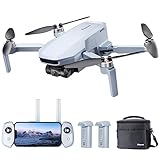
Potensic ATOM SE
- Under 249g
- 62 min total flight time
- 4K EIS camera
- 4KM PixSync 2.0 transmission

DJI Mini 4K
- 3-axis mechanical gimbal
- 10km transmission
- Level 5 wind resistance
- 31 min per battery

The Potensic ATOM SE takes the overall spot because it is the rare drone that solves all three beginner killers at once: two batteries for 62 minutes of total flight, GPS return-to-home as standard, and a weight that keeps recreational flying registration-free. If your priority is footage rather than flight time, the DJI Mini 4K pulls ahead with a real mechanical gimbal. And if you want maximum time in the air per purchase, the Potensic ATOM ships three batteries and a parallel charging hub.
Best Drones for Beginners at a Glance in 2026
Every pick below is under the 249g registration threshold, which removes the paperwork before it starts. Flight times are per battery unless noted, and that distinction matters more than any other number on this list.
- Best overall: Potensic ATOM SE — under 249g, 62 minutes across two batteries, 4K electronic stabilisation, 4km transmission, brushless motors.
- Best footage: DJI Mini 4K — 240g, genuine 3-axis mechanical gimbal, 10km transmission, 31 minutes per battery, Level 5 wind resistance.
- Best battery life: Potensic ATOM — 249g, 96 minutes across three batteries with a parallel charging hub, 3-axis gimbal, 6km transmission.
- Best upgrade pick: DJI Mini 3 — 248g, 3-axis gimbal with 4K HDR and 48MP stills, True Vertical Shooting, 38 minutes per battery.
- Best for indoors and travel: DJI Neo — 135g, fully enclosed propeller guards, palm take-off, subject tracking, 4K stabilised video.
- Best pocket selfie drone: HOVERAir X1 — 125g, enclosed rotor cage, around 20 pre-programmed flight paths, 32GB internal storage, no memory card.
- Best value GPS drone: Holy Stone HS360S — 213g, optical flow positioning, beginner mode, GPS return home, 5GHz transmission.
- Best for learning to fly: Holy Stone HS175D — 7.58oz, 46 minutes across two batteries, altitude hold, headless mode, optical flow.
- Best for kids: Hiturbo S20 — 146g, 1080p with manual tilt, two batteries, altitude hold, headless mode, voice control.
- Best budget practice quad: HASAKEE Q9s — full propeller protection, altitude hold, headless mode, two batteries, LED lighting.
| Product | Specifications | Action |
|---|---|---|
| Potensic ATOM SE |
|
Check Latest Price |
| DJI Mini 4K |
|
Check Latest Price |
| Potensic ATOM |
|
Check Latest Price |
 DJI Mini 3 DJI Mini 3 |
|
Check Latest Price |
 DJI Neo DJI Neo |
|
Check Latest Price |
 HOVERAir X1 HOVERAir X1 |
|
Check Latest Price |
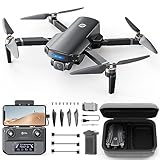 Holy Stone HS360S Holy Stone HS360S |
|
Check Latest Price |
 Holy Stone HS175D Holy Stone HS175D |
|
Check Latest Price |
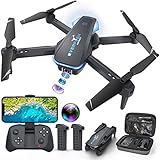 Hiturbo S20 Hiturbo S20 |
|
Check Latest Price |
 HASAKEE Q9s HASAKEE Q9s |
|
Check Latest Price |
Our picks stay at or under the 249g threshold on purpose. It means you can practise in a field without registration paperwork, and it keeps every model legal for recreational flight over open ground. Our broader [drone camera picks](https://www.wpa-pool.com/best-drones-with-cameras/) roundup covers what to look at once you outgrow this list.
1. Potensic ATOM SE — Best Overall Drone for Beginners
- Folds to jacket-pocket size at under 249g
- Two 2500mAh batteries for 62 minutes combined flight
- Beginner Mode plus Sport Mode progression
- Brushless motors hold up in level-5 wind
- Digital EIS only with no mechanical gimbal
- No obstacle avoidance sensors
The ATOM SE is the pick we hand to a friend with no flying background and no patience for a steep learning curve. It weighs 8.8 ounces, folds down small enough for a jacket pocket, and it stays under the 249g threshold that triggers registration for recreational pilots. Nothing about that sounds remarkable until you realise how few drones in this price band manage all three at once.
Flight time is where it separates itself. Two 2500mAh batteries give roughly 31 minutes each, 62 minutes in total, which is the difference between one satisfying session per charge and two. Brushless motors keep it quiet and stable, and the SurgeFly flight control system offers Beginner, Normal and Sport modes so you can start forgiving and get aggressive later without changing aircraft.

The camera is a 1/3-inch CMOS shooting 4K at 30fps with 12MP stills and a 118-degree field of view. ShakeVanish electronic image stabilisation handles the movement that would otherwise ruin budget footage. It crops into the frame to do it, so you lose edges rather than getting a soft image, which is a good trade at this level.
GPS gives you auto return, Follow Me, waypoint flight and circle flight on top of that. The four-kilometre PixSync 2.0 transmission is more than you will realistically use in a park, but it means the video link will not flicker out when you climb to photograph a building. Firmware updates arrive over the air, so the aircraft keeps improving after you unbox it.
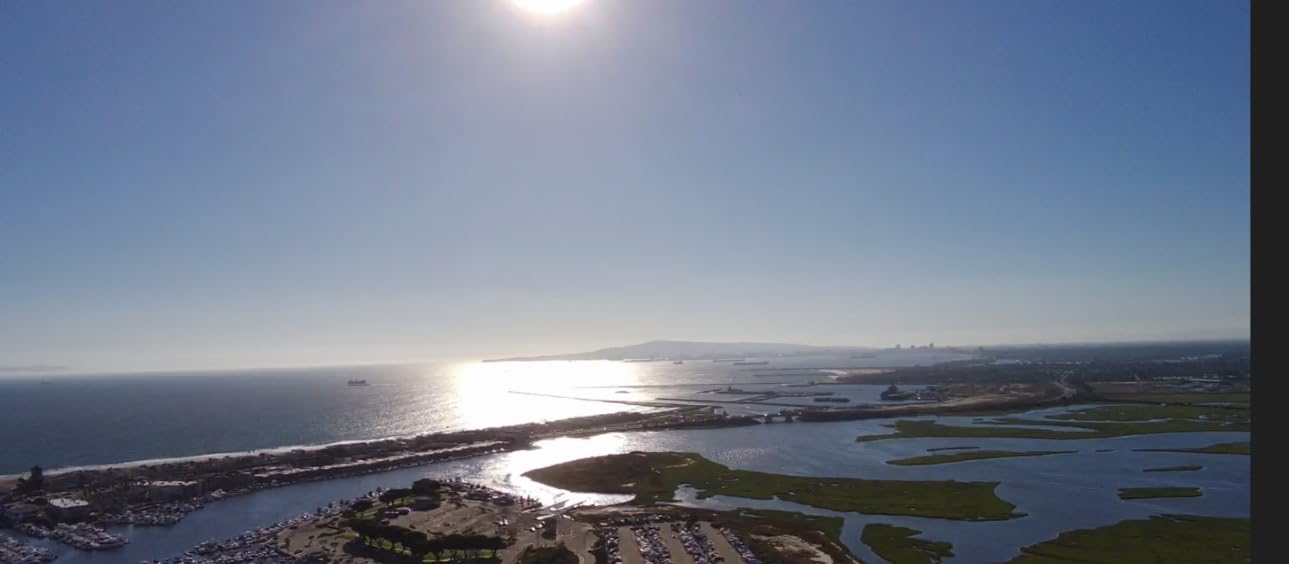
What you get for the flight time
Two batteries is the single most useful thing here. Beginners burn through batteries quickly because the first ten flights are all hovering, turning and correcting, which is the most power-hungry thing a drone does. With a 31-minute pack you can practise one full session, land, swap and go again while the first pack recharges.
Reviewers consistently single out Beginner Mode as the reason learning felt smooth, along with one-key take-off and landing. Owners also note the aircraft survives branch strikes without damage, which is worth more than any feature on the spec sheet during the first month.
Where the budget stops
There is no obstacle avoidance, so a tree at head height is entirely your problem. The EIS is digital, meaning fast-moving footage still shows some motion that a mechanical gimbal would remove. And you have to supply your own microSD card, with firmware updates that need it inserted, which catches people out on day one.
If your plan is to shoot video rather than learn to fly, the DJI Mini 4K below has a real gimbal. If you want the cheapest honest entry point, this is still the one.
2. DJI Mini 4K — Best Drone for Footage
- True 3-axis gimbal at an entry price point
- 10km transmission gives real usable range
- Level 5 wind resistance at 38kph
- One-tap take-off and GPS return to home
- Base package includes only one battery
- No obstacle avoidance sensors
- Controller relies on your phone screen
This is the point at which camera quality stops feeling like a phone camera. The Mini 4K carries a genuine 3-axis mechanical gimbal, which means the camera physically compensates for pitch, roll and yaw instead of cropping and stabilising in software. On a drone, that difference is obvious the first time you fly forward while filming.
It sits at 240g, just under the 249g registration threshold, so recreational flights over open ground stay paperwork-free. Transmission runs to 10km, which in practice means you will never lose the video link in a park or on a hillside. Wind resistance is rated Level 5 at 38kph, so it holds steady in conditions that push lighter aircraft around.

Flight time is 31 minutes per battery, and DJI sells two- and three-battery bundles that take you to 62 and 93 minutes. We would buy the multi-battery version if this is your first serious camera drone, because the flight time maths above becomes the deciding factor within a month.
QuickShots modes include Helix, Dronie, Rocket, Circle and Boomerang, all flown by the aircraft itself. One-tap take-off and landing, GPS return to home and stable hovering cover the recovery cases beginners actually hit. The RC-N1 controller is included and relies on your phone for the viewfinder.
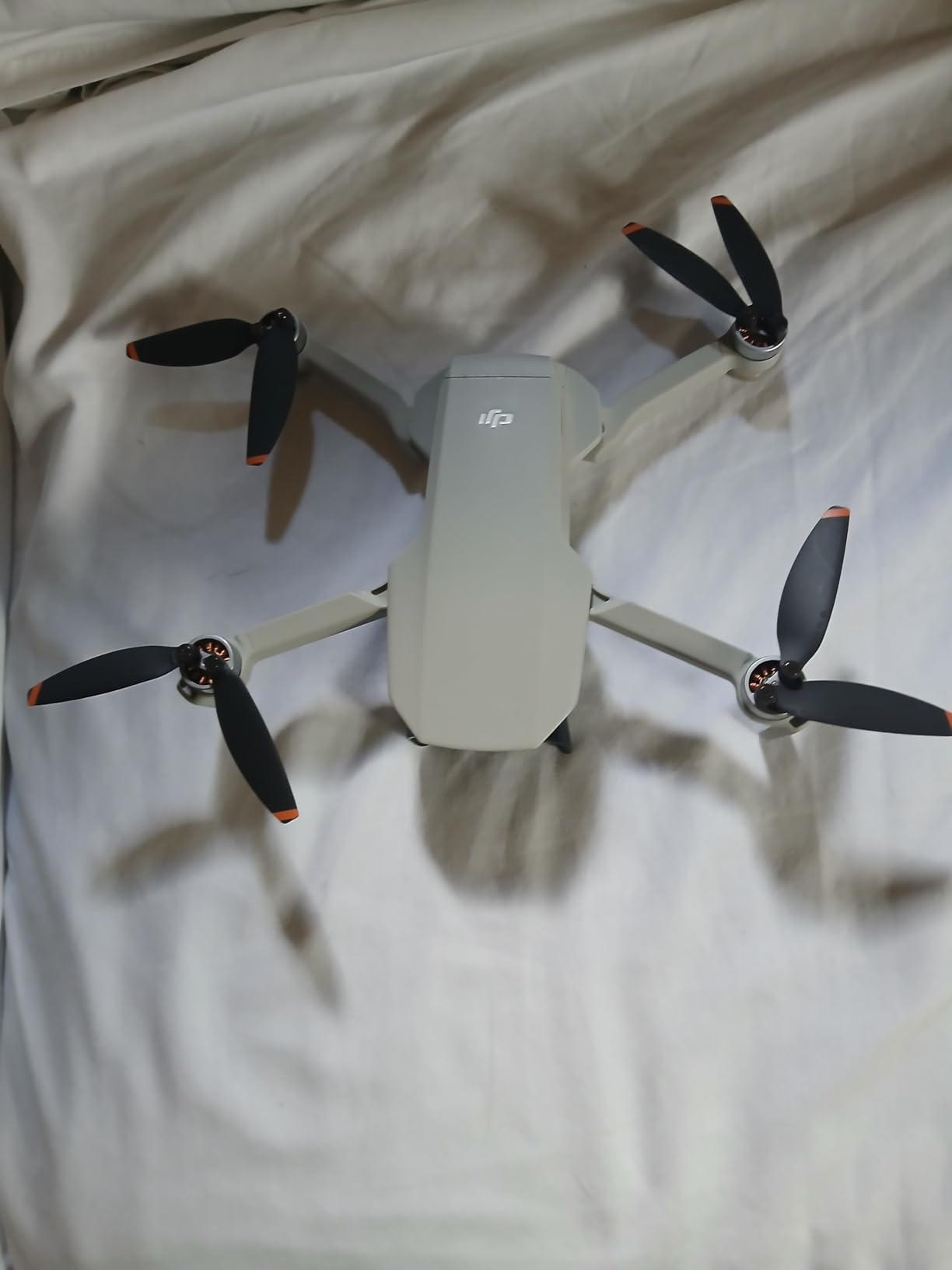
Why the gimbal matters more than the resolution
Every drone in this roundup shoots 4K on paper. Only the ones with a mechanical gimbal produce footage that survives a moving subject. Electronic stabilisation crops the frame and can only correct so much, so a fast pan or a strong gust leaves visible wobble that a gimbal removes entirely.
Owners also point to the 10km transmission and the wind rating as the practical separators from cheaper drones. At 38kph the Mini 4K flies in conditions that ground aircraft like the HOVERAir X1 or the DJI Neo.
What to check before you buy
The base configuration includes one battery, so your first sessions will feel short. There are no obstacle avoidance sensors, which is a real limitation given the price step up from the ATOM SE. And the app ecosystem is locked to DJI hardware with no interoperability.
For a broader look at camera capability, our [best drones with cameras](https://www.wpa-pool.com/best-drones-with-cameras/) guide goes deeper on sensor and gimbal trade-offs.
3. Potensic ATOM — Best Drone for Long Battery Life
Potensic ATOM 4K GPS Drone, 3-Axis Gimbal, 96 Mins Flight, 6KM Transmission
- Three batteries and a parallel charging hub give 96 minutes total
- 3-axis gimbal with Sony CMOS sensor
- 64GB microSD card included
- 6km transmission
- No obstacle avoidance sensors
- Not a true vertical-shooting camera
- Return home needs a satellite lock
If your real complaint about drones is that they land while you are still learning, the Potensic ATOM is the direct answer. Three 2230mAh batteries and a 60W parallel charging hub give up to 96 minutes of total flight time, with a full recharge in about 1.3 hours. Nobody else in this list comes close on aggregate time in the air.
It is also the value alternative to the DJI Mini line, and it does not skimp where it counts. The camera is a Sony CMOS sensor shooting 4K at 30fps on a 3-axis brushless gimbal, which is the same class of stabilisation the DJI Mini 4K offers. Transmission runs 6km on PixSync 3.0.
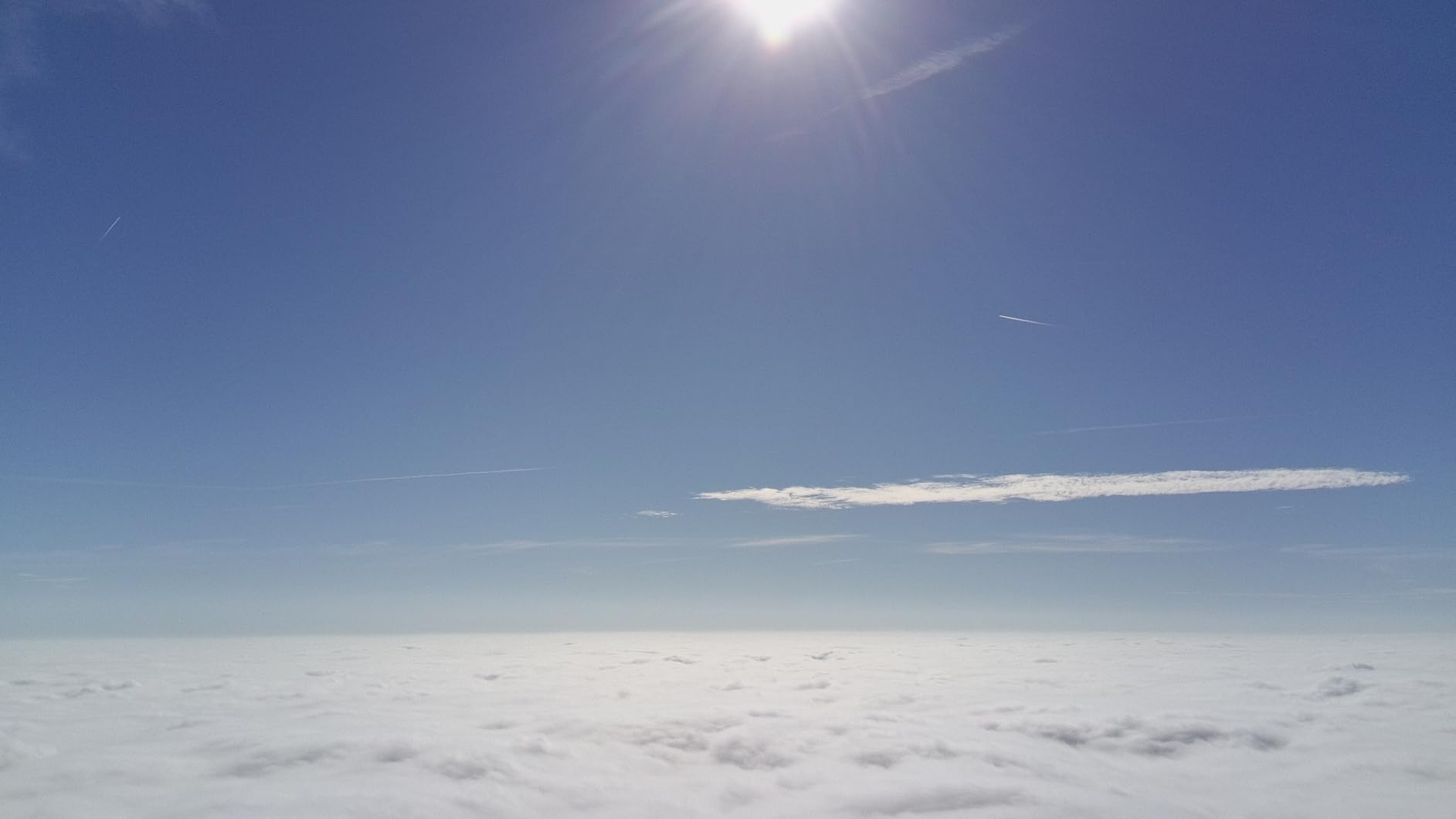
At 249g it sits exactly at the sub-249g boundary, so recreational flying needs no registration. You get visual tracking, Follow Me and five QuickShots modes including Pull-Away, Rocketer, Circle, Spiral and Boomerang. The charging hub, a 64GB microSD card and a camera protector are all in the kit, which removes the two accessories beginners most often forget to order.
The build is aluminium rather than the plastic used elsewhere at this price, and it folds down to the same compact footprint as the ATOM SE. Frames from 4K, 2.7K at 24, 25 or 30fps and 1080p up to 60fps give you options for low-light shots later.
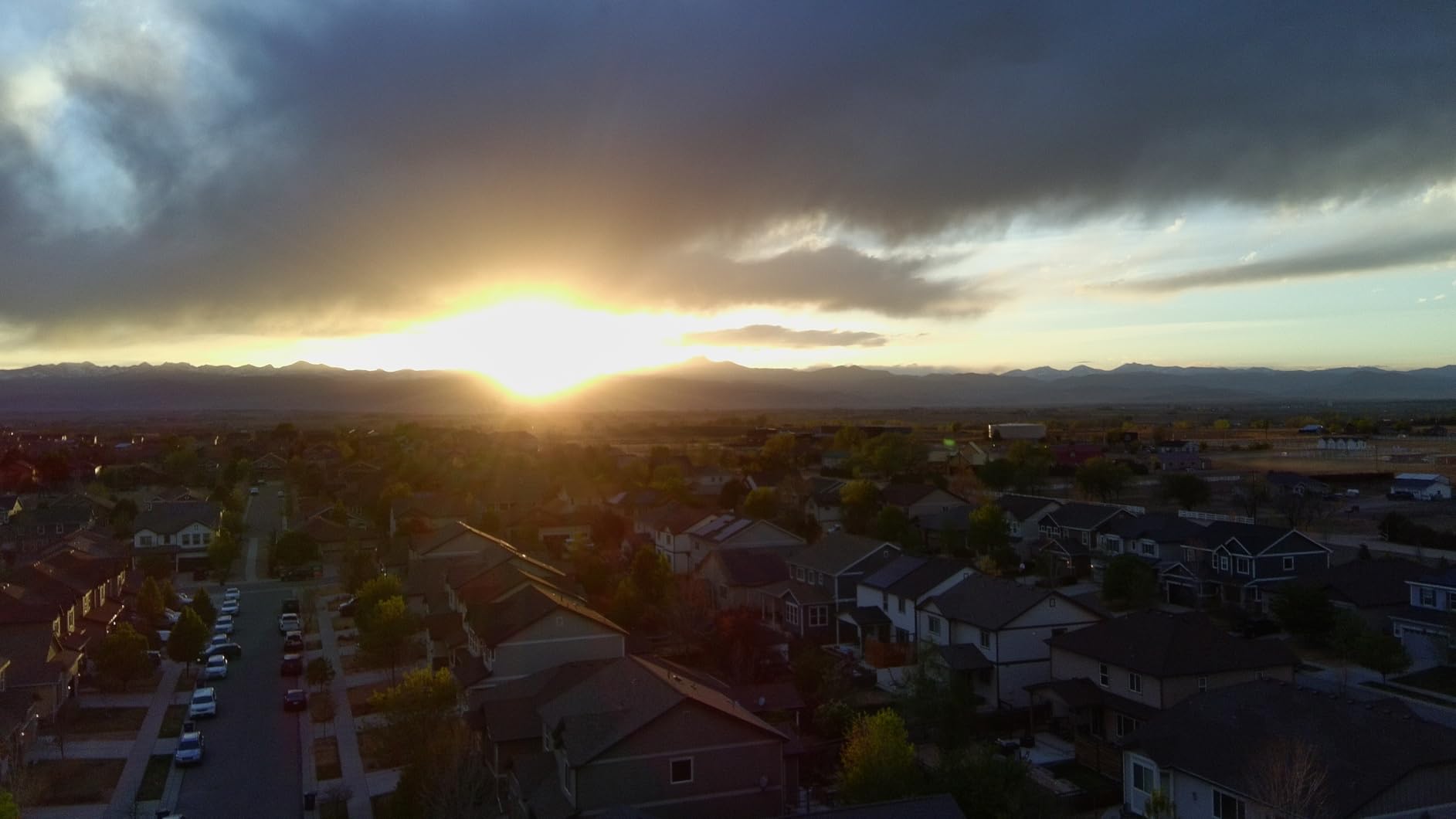
Why three batteries change the learning curve
One battery per session teaches you to land early. Three batteries let you fly until the aircraft tells you it is time, which is how you actually build stick control. Owners describe the aggregate flight time from the three-battery kit as the decisive feature, ahead of the gimbal.
Reviewers also highlight the included microSD card. Plenty of budget drones need one before the camera will even record properly, and finding that out after unboxing is a bad first impression.
The compromise to accept
There are no obstacle avoidance sensors, so avoidance stays manual. The camera does not shoot true vertical video, which matters if you are making social content rather than social clips. And because return-to-home depends on GPS, it will not work properly in an area without satellite lock, such as a dense urban canyon.
The app and firmware are Potensic-specific, so there is no path to mixing gear with another brand later.
4. DJI Mini 3 — Best Upgrade Pick for Serious Beginners
- Cleanest footage in the sub-249g class
- True Vertical Shooting for social formats
- 10km transmission and Level 5 wind resistance
- 48MP stills well above the class average
- Highest cost in this roundup
- No obstacle avoidance sensors
- Extended battery pushes weight past the registration threshold
The Mini 3 carries the highest average rating in this roundup, and the reason is sensor quality rather than flying features. The 3-axis mechanical gimbal works with 4K HDR video and Dual Native ISO Fusion, which is what lets it hold clean detail in low light, plus 48MP stills against the 12MP typical of this class.
True Vertical Shooting is the feature that changes how you use it. Rotate the aircraft 90 degrees and it reframes a 4:3 capture into a 9:16 clip, so you are not cropping a landscape video down to something that looks thin on a phone screen. For anyone making social content, that alone justifies the step up.

Flight time is 38 minutes on the standard battery. The Intelligent Flight Battery Plus extends that to 51 minutes but pushes the aircraft above 249g, which changes the registration position, so think carefully before treating it as a default. A Fly More combo reaches 114 minutes across three batteries.
QuickTransfer moves footage to a phone over Wi-Fi at up to 25Mb/s, which means you rarely need a card reader. GPS return home, precise hovering and auto take-off and landing handle the recovery cases. The RC-N1 controller is included and has no built-in screen, so your phone becomes the display.
Where this one justifies its cost
If you already know you will shoot video rather than simply learn to fly, this is the aircraft where output quality stops limiting you. Reviewers consistently single out the mechanical gimbal, 4K HDR, vertical shooting and the 10km range as the reasons it looks different from entry models.
The 48MP still resolution is more than most sub-249g drones offer, and it matters if you crop photos for print or social.
Why a first-timer might wait
This sits at the top of our cost range, and price sensitivity is a fair reason to sit it out. There are still no obstacle avoidance sensors, so the extra spend buys image quality rather than extra safety. Flight time per battery is also modest next to a three-battery bundle from the Potensic ATOM.
If you are undecided, fly the ATOM SE or Mini 4K for a season, log some hours, then move up. Nothing here rewards impatient ownership.
5. DJI Neo — Best Drone for Indoor and Travel Flying
- Exceptionally stable hover indoors on vision and optical sensors
- Palm take-off means flying in seconds with no controller
- Fully enclosed prop guards make it safe near people
- Packs to pocket size and survives branch strikes
- Battery life around 14-15 minutes in real use
- No microSD slot and about 22GB internal storage
- No vertical video mode
The Neo answers a question most beginners do not know they are asking: do I actually want to fly, or do I want the camera to follow me? It can be flown controller-free by putting it on your palm and letting it take off, controlled by voice, or flown properly with the optional RC controller.
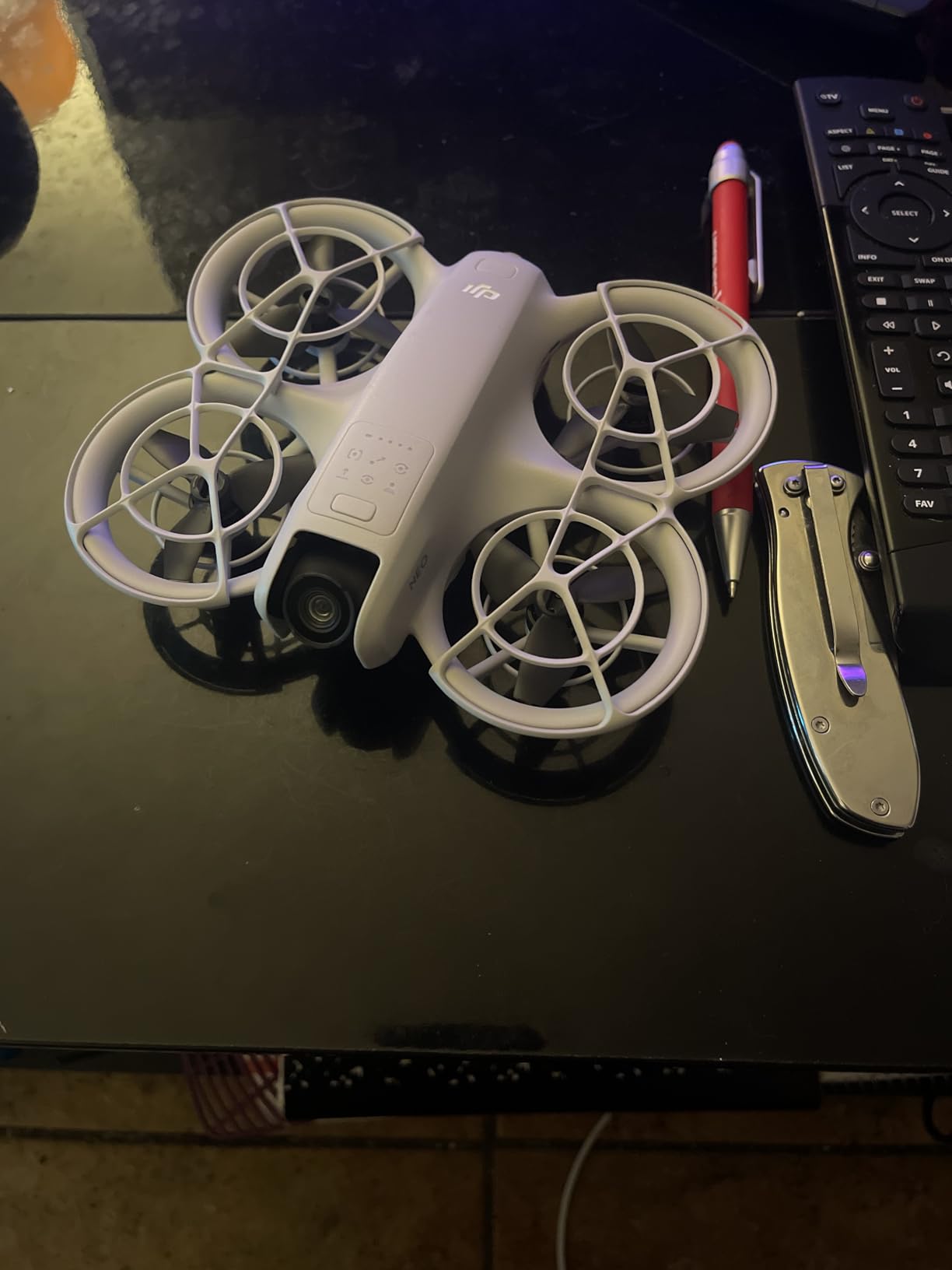
At 135g it is lighter than a phone, and the fully enclosed propeller guards make it safe indoors and near people. Owners report hovering that stays rock steady in hallways using the vision positioning system, which is the feature that turns a living room into a usable practice space in bad weather.
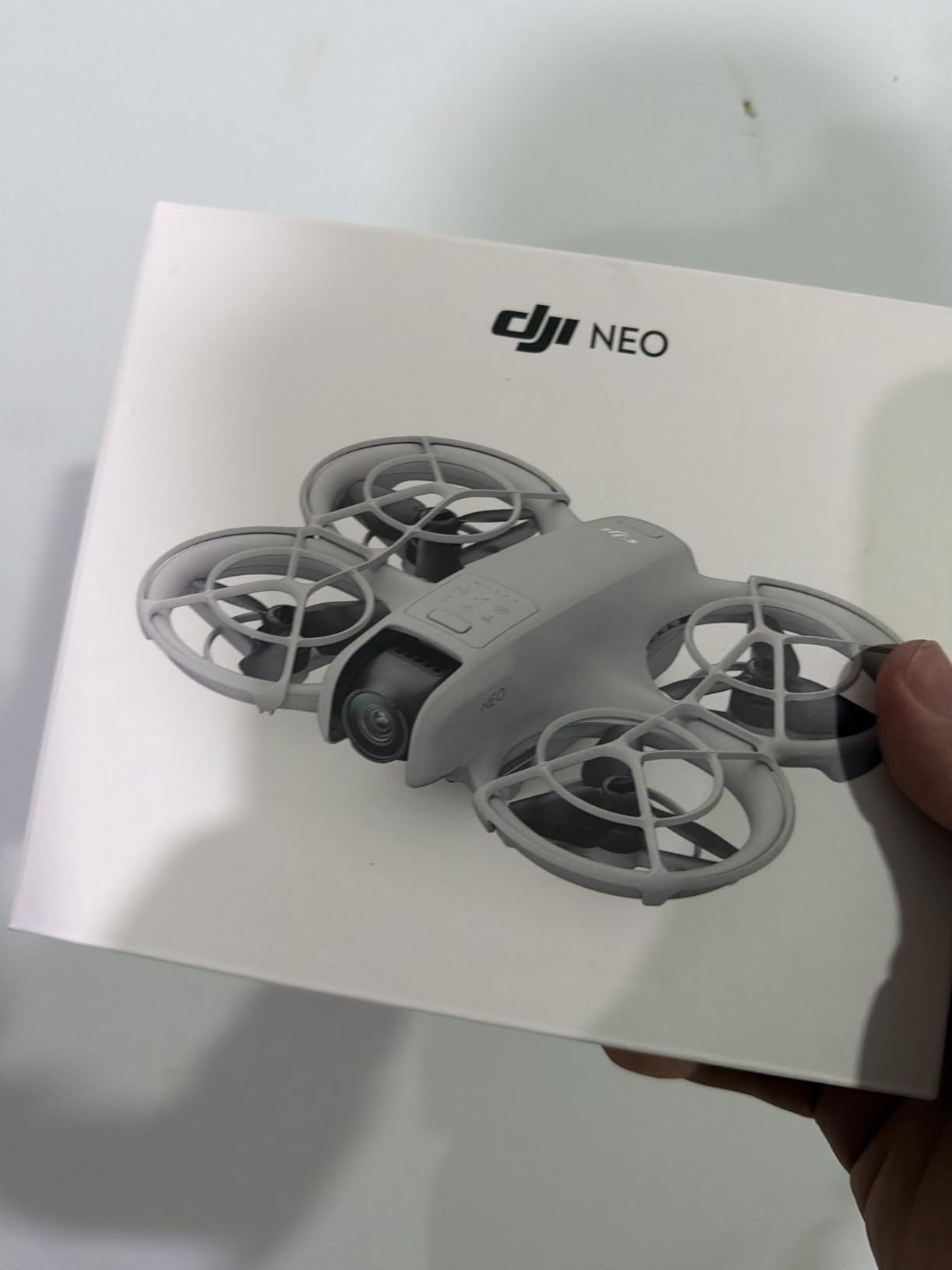
Subject tracking and eight QuickShots modes capture usable content with no piloting skill at all. That makes it the drone we recommend for a parent buying a first drone for a child, or for anyone who wants aerial shots of themselves without learning manual stick work. Built-in storage means footage plays back immediately with no memory card.
Wind resistance is rated Level 4, and it handles roughly 8.7m/s. It packs into a pocket or a carry-on, so it gets carried rather than abandoned in a drawer.
Who this drone is genuinely for
If your goal is learning stick control, this is the wrong aircraft. There is no force feedback when you drift toward a wall, and the autonomous modes remove the very pressure that teaches you situational awareness. Fly it as a camera first, then move to sticks deliberately.
For indoor and small-space work it is hard to beat. Pocketable size, enclosed guards and stable hover make it the safest drone on this list to hand to a beginner in a hallway.
The honest trade-offs
Battery life is around 14 to 15 minutes in real use, and recharging takes longer than a flight. There is no microSD slot, so roughly 22GB of internal memory is the ceiling on recording capacity. The camera has no true multi-axis gimbal, so quality sits closer to an entry-level phone camera, and there is no vertical video mode despite the social-first positioning.
Forum opinion on the Neo is mixed on wind resistance and battery life compared with the traditional mini drones, and manual app control is limited to roughly one city block of range and lower altitude.
6. HOVERAir X1 — Best Pocket Selfie Drone
HOVERAir X1 Drone with Camera, Follow-me Drone with Self-Flying Mode
- Folds to pocket size so it always comes with you
- About 20 pre-programmed flight paths need no piloting skill
- Enclosed cage means crashes do no damage
- Roughly 10-11 minutes per battery
- Too light to handle wind
- No audio recording
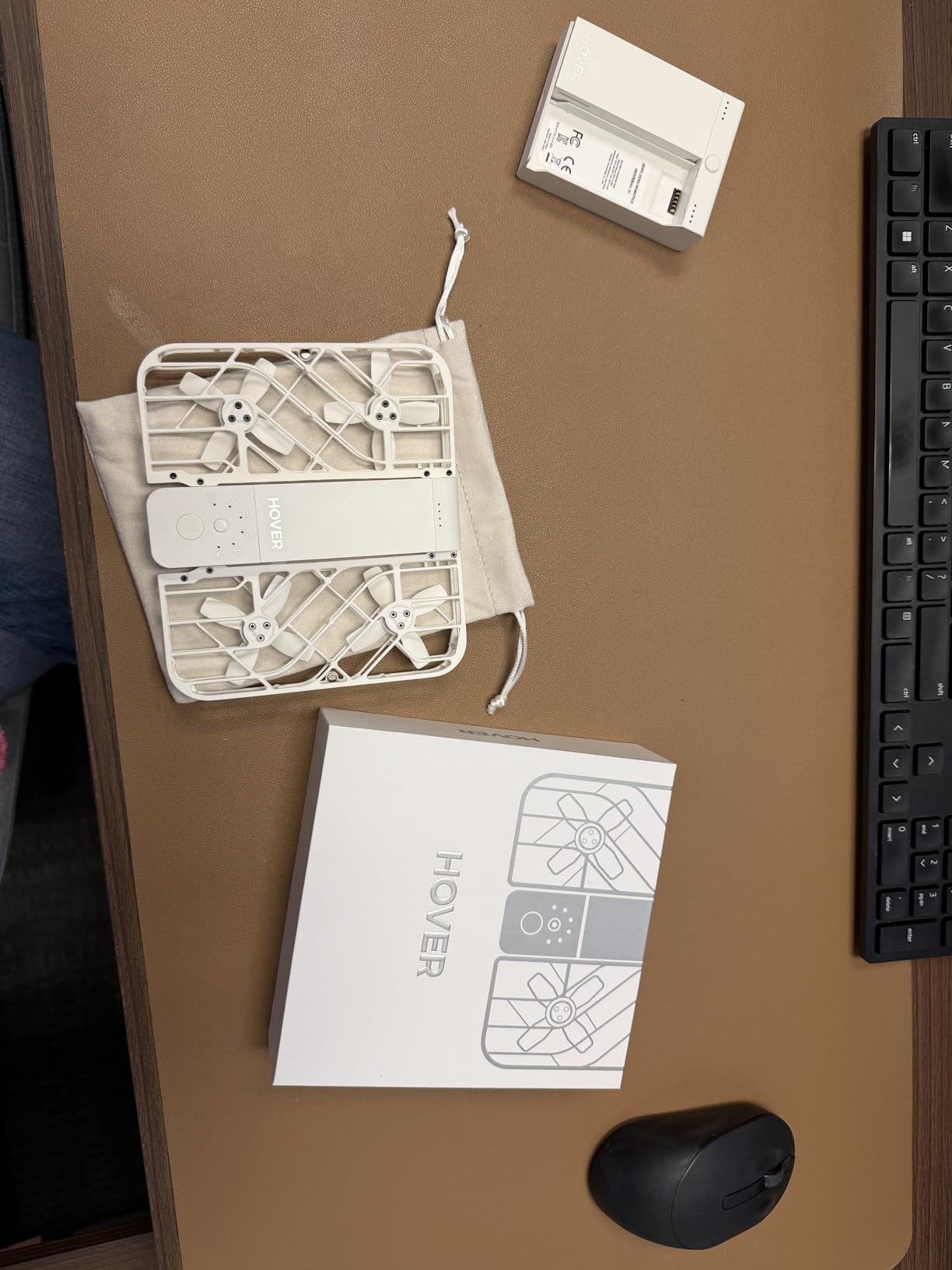
The X1 is bought as a flying selfie camera rather than a conventional drone. It folds into a pocket or small handbag, so unlike every other aircraft here it actually comes out on a walk. The learning curve is close to flat: roughly 20 pre-programmed paths including Hover, Follow, Zoom Out, Orbit and Bird’s Eye handle the flying for you.
Crash survivability is the underrated part. The fully enclosed rotor cage means the propellers, gimbal and body survive an impact that would destroy an exposed aircraft. Owners also value the palm landing, which makes stopping and retrieving it a non-event.
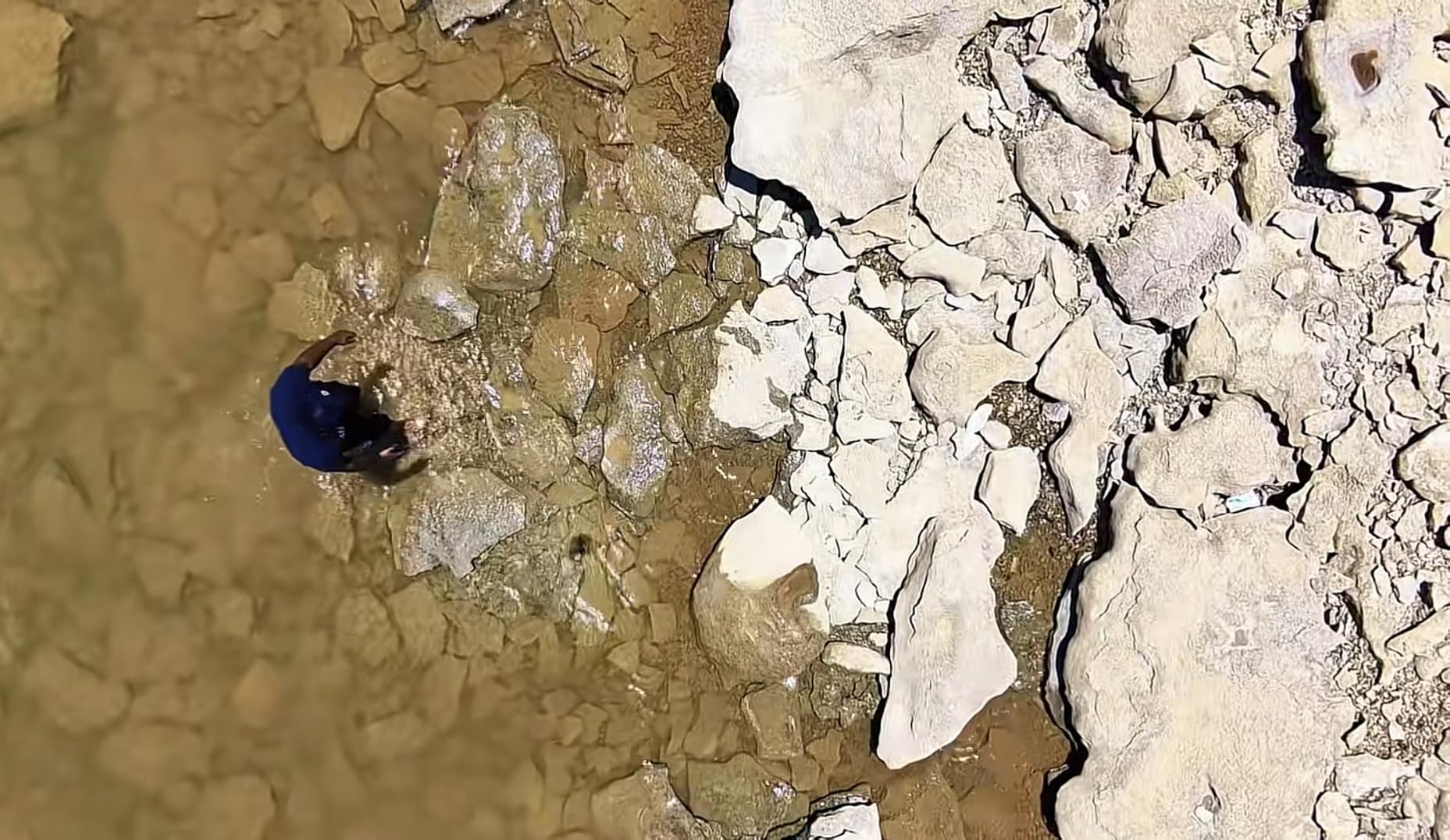
Video tops out at 2.7K at 30fps, with 1080p HDR and triple stabilisation. Follow speed reaches 15mph. There is 32GB of internal storage, and buttons on the aircraft let you operate it without opening the app mid-shoot, which is genuinely useful when you are filming yourself.
It is not intended for users under 14, and it comes with a one-year warranty.
When it makes sense
Buy it if your flying is incidental to the footage. Walking the dog, cycling, a holiday where you are already carrying a bag you cannot add weight to. The autonomy means a single tap produces a usable clip where a manually flown drone would need three attempts.
Triple stabilisation keeps footage smooth for a drone of this size, which surprises people who expect toy-level output.
Where it falls down
Battery life of roughly 10 to 11 minutes per pack is the most-cited weakness, and the charging hub has two slots but charges one at a time. At 125g it is too light for wind, which limits outdoor shooting to calm conditions, and follow mode cannot keep pace with a bicycle much beyond 10mph.
It records no audio, and the app is needed for file downloads. The 2.7K ceiling is below what a modern phone shoots.
7. Holy Stone HS360S — Best Value GPS Drone
- Beginner mode and optical flow make it genuinely approachable
- Return Home reliably recovers a drone lost in tall grass
- Brushless motors survive multiple crashes
- Single-cable phone connection beats Wi-Fi-only streaming
- No 3-axis gimbal so video is janky
- Only one battery included and it charges slowly
- Coarse controls with a narrow slow-speed band
Reviewers consistently frame the HS360S as the best value entry-level GPS drone rather than a camera platform, and that framing is fair. It is 213g, so it needs no registration paperwork, and the beginner mode with optical flow positioning holds it steady for a pilot who has never flown anything.
GPS Return Home works reliably enough that owners report it recovering aircraft that landed in tall weeds, which is the single most valuable feature for someone flying in unfamiliar ground. Brushless motors give quiet, stable flight and hold up after multiple crashes.
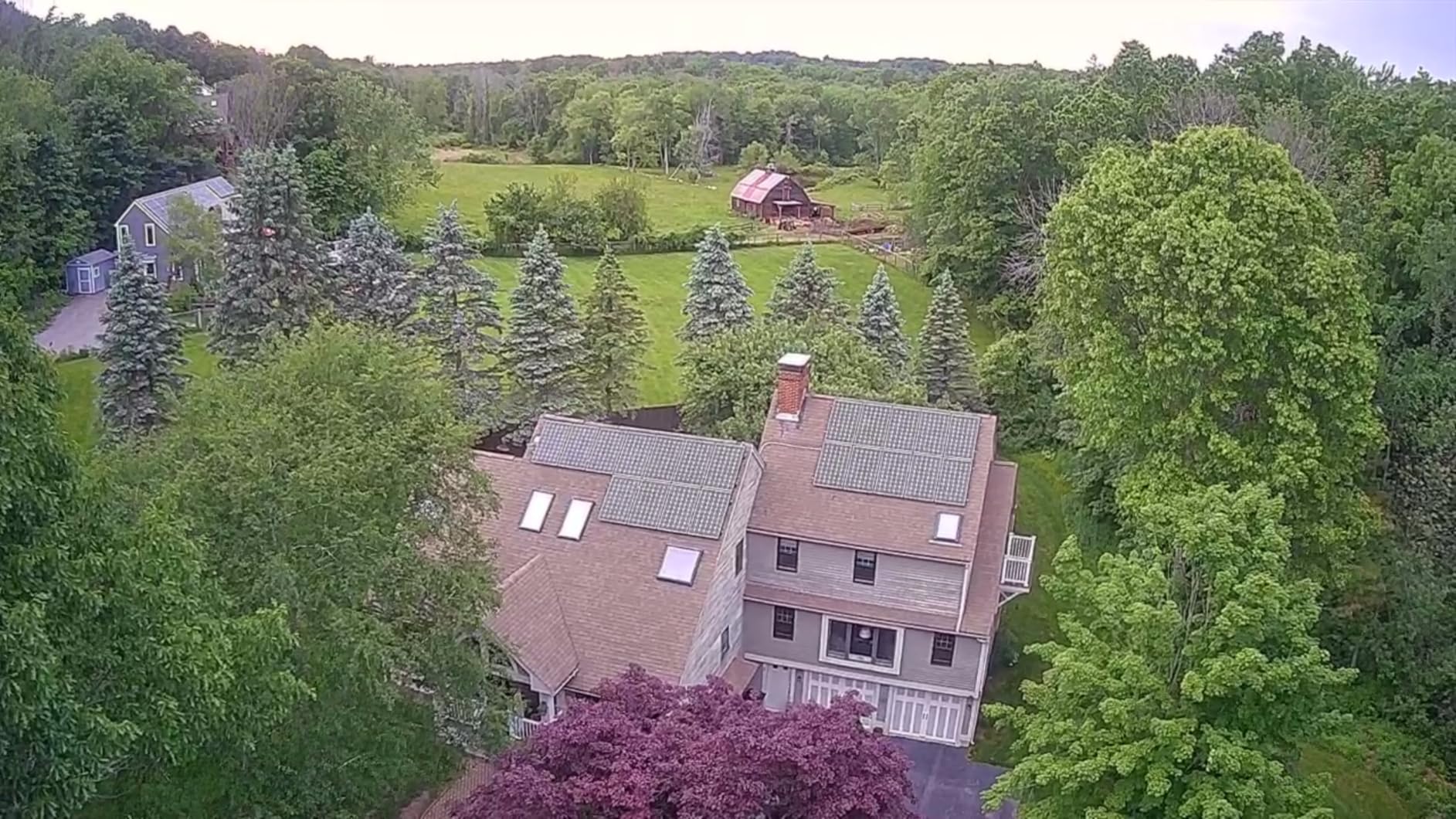
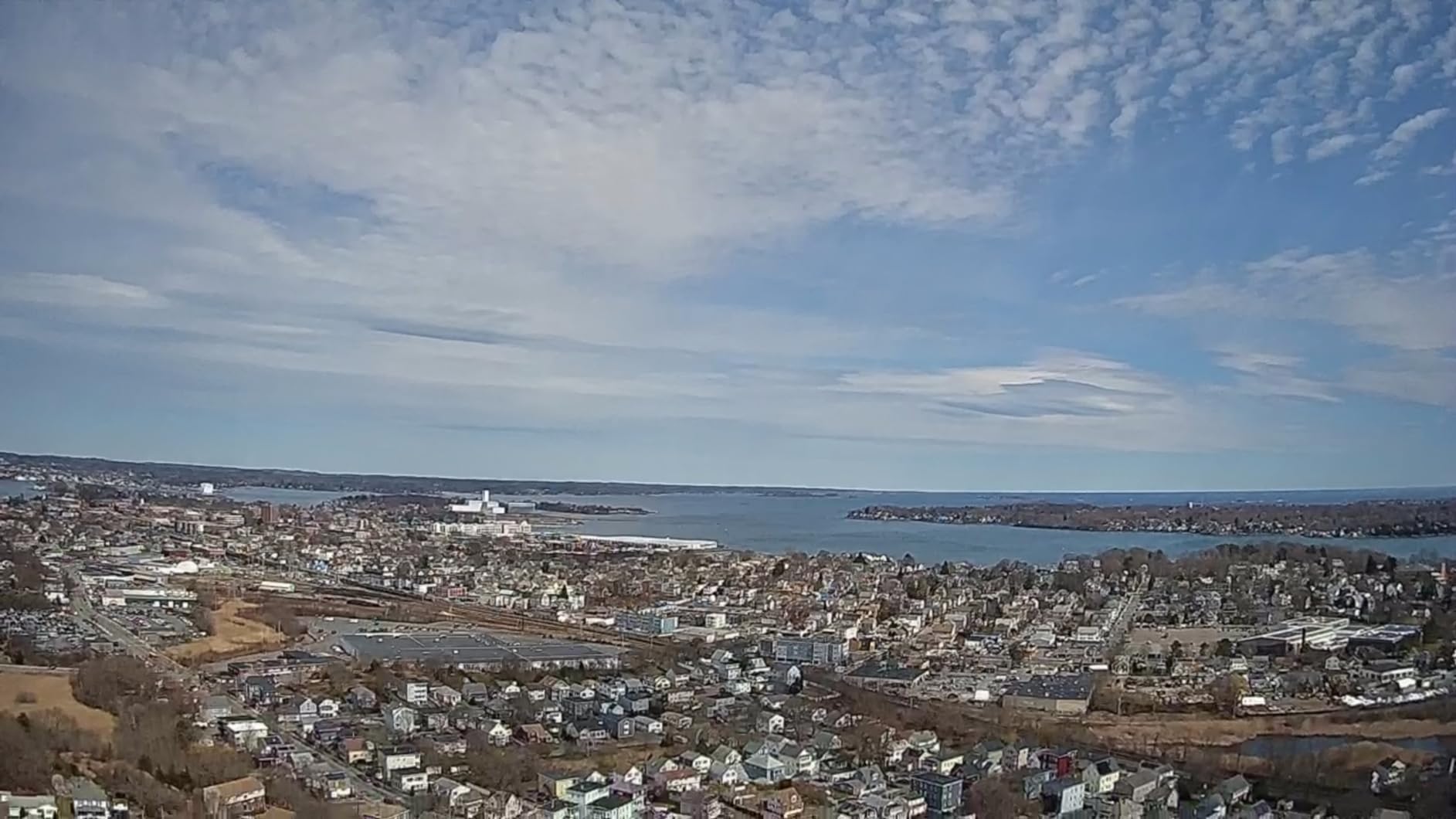
The camera is a 1/3-inch GalaxyCore CMOS with an 85-degree wide angle and up to 90 degrees of adjustment. Transmission is 5GHz on 802.11n/a. The phone connects to the controller with a single data cable, so you do not need a working Wi-Fi network for streaming, and there are Follow Me, Waypoint Flight and Point of Interest modes plus Spiral Up, Catapult and 1-Tap Ascension.
Holy Stone support is worth noting too, with replacement parts and repair guides available, which matters when a beginner cracks a canopy.
What you get for the money
The single-cable connection is more reliable than the Wi-Fi-only streaming used by many rivals, and optical flow positioning is the feature that keeps a beginner’s first hover from wandering. Follow Me and waypoint flight give you something to experiment with once basic hovering feels natural.
The caveat most buyers hit is the camera. There is no gimbal, so video is visibly janky and disorienting during fast movement or wind.
Where it frustrates people
Only one battery is included and it charges slowly, so a second pack is effectively mandatory. Controls are coarse, effectively a two-speed drone with a narrow slow-speed band, which makes precision work harder than it should. Some units drift to one side even after calibration, and at least one owner reported a hovering instability that ended in a tree.
Choose it for flying. Choose the ATOM SE or Mini 4K for footage.
8. Holy Stone HS175D — Best Drone for Learning to Fly
- Return Home lands within a foot or two of the takeoff point even in 13-17mph wind
- Two batteries give 46 minutes combined flight time
- Altitude hold
- optical flow and headless mode speed up learning
- No gimbal so video is shaky
- Real range falls short of the advertised 500 meters
- Stability breaks down above roughly 35km/h
This is the highest-volume pick here and the most polarised, which tells you something useful about it. Owners who want a durable, forgiving trainer rate it highly; owners expecting a camera drone rate it poorly. Read it as a flying trainer rather than a camera and the reviews make far more sense.
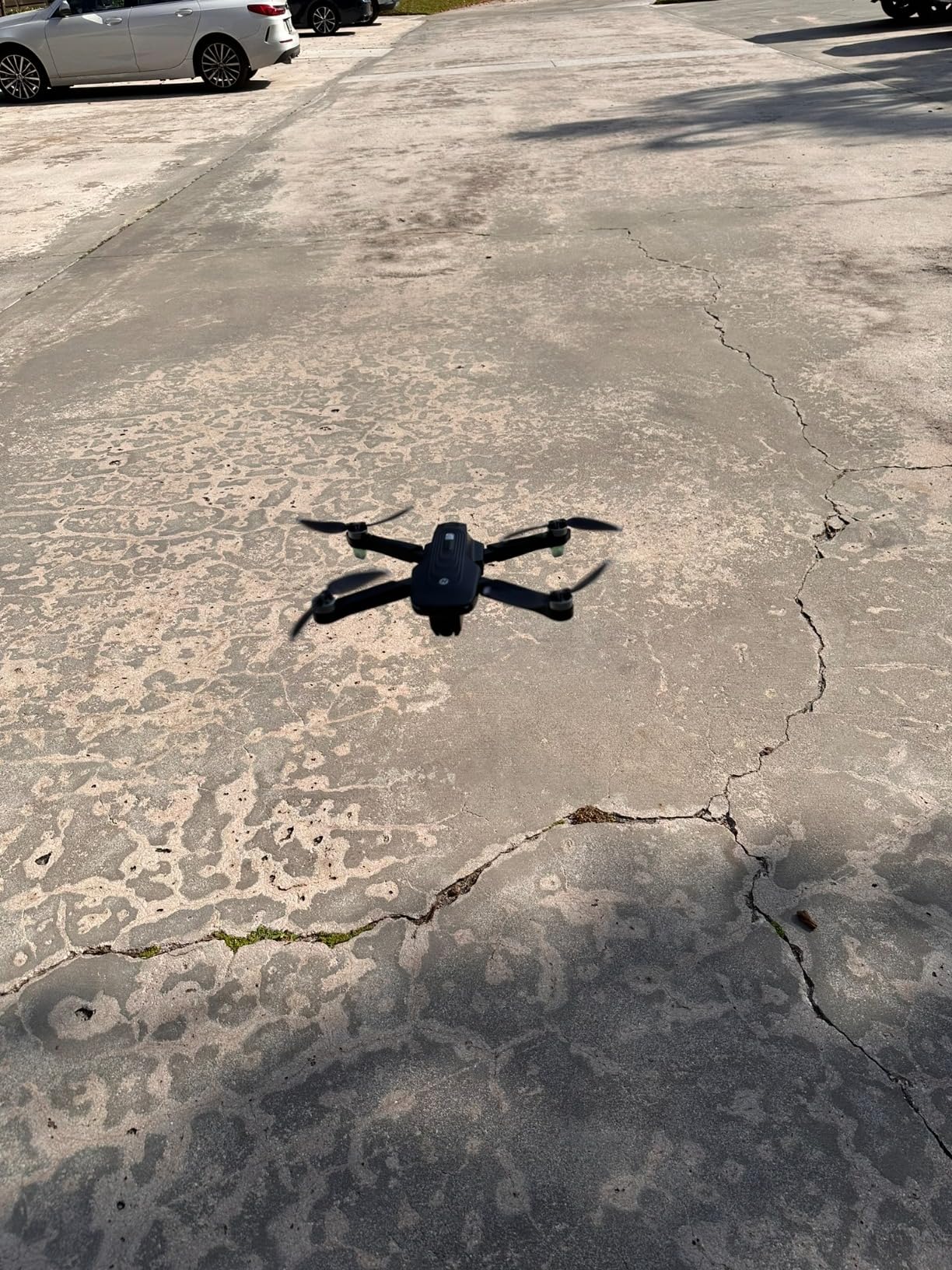
At 7.58 ounces it folds into a carrying case, and GPS Return to Home repeatedly lands within a foot or two of the take-off point, even in 13 to 17mph wind. Two batteries give roughly 46 minutes combined, which keeps practice sessions long. Altitude hold, optical flow, headless mode and one-key take-off and landing genuinely shorten the learning curve for a novice.
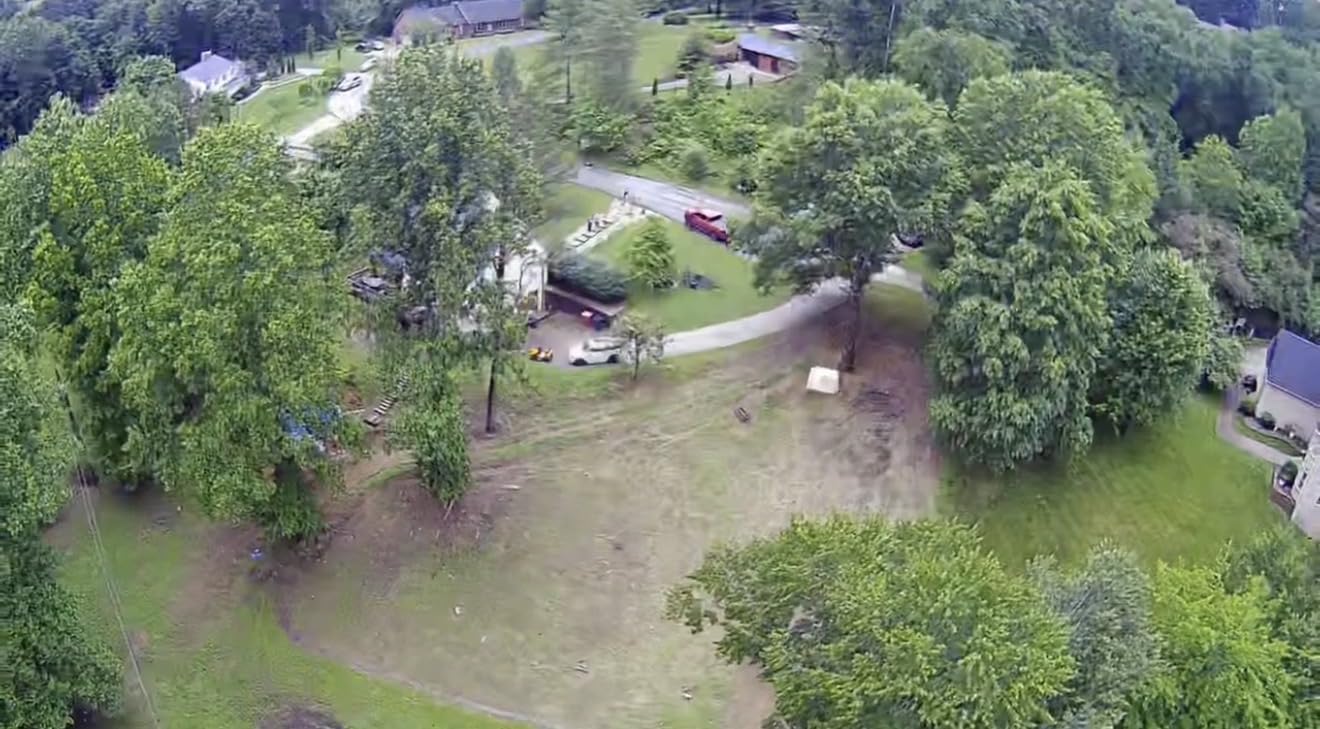
Follow Me, Waypoint Flight, Point of Interest and gesture control are all included, along with a 4K video mode using a 110-degree wide-angle lens with 90 degrees of tilt adjustment. Owners report taking high-quality 4K stills they use for real inspection work, and surviving falls from about 20 feet into trees without damage.
Brushless motors make it quieter than comparable brushed aircraft, which matters more than you would think when you are trying to hear the attitude feedback.
Why training features beat camera features here
Headless mode removes the directional confusion that stops most people in their first session. Altitude hold means the aircraft stays where you put it, so you are learning throttle and yaw rather than fighting drift. Optical flow keeps position indoors where there is no satellite signal.
Owners also point to the durability. A drone that survives being flown into trees is a better trainer than a fragile one, because the emotional cost of a crash is what stops most beginners.
The complaints to weigh
Range is the big one. Video drops out around 200 meters and altitude holds near 25 to 30 meters, well short of the advertised 500 meters. That is the clearest example on this list of why we treat advertised transmission figures as marketing rather than planning data.
Some units struggle to lock onto GPS satellites and need the start-up procedure repeated several times. Stability breaks down above roughly 35km/h, the written instructions are thin, and the controller screen is hard to read in direct sunlight.
9. Hiturbo S20 — Best Drone for Kids and Indoor Fun
- No pairing manual needed so it is genuinely a first drone
- Two swappable batteries double the flying time
- Camera tilts for downward shooting
- Control range of roughly 50 meters
- No GPS so no return home
- 1080p footage has no stabilisation
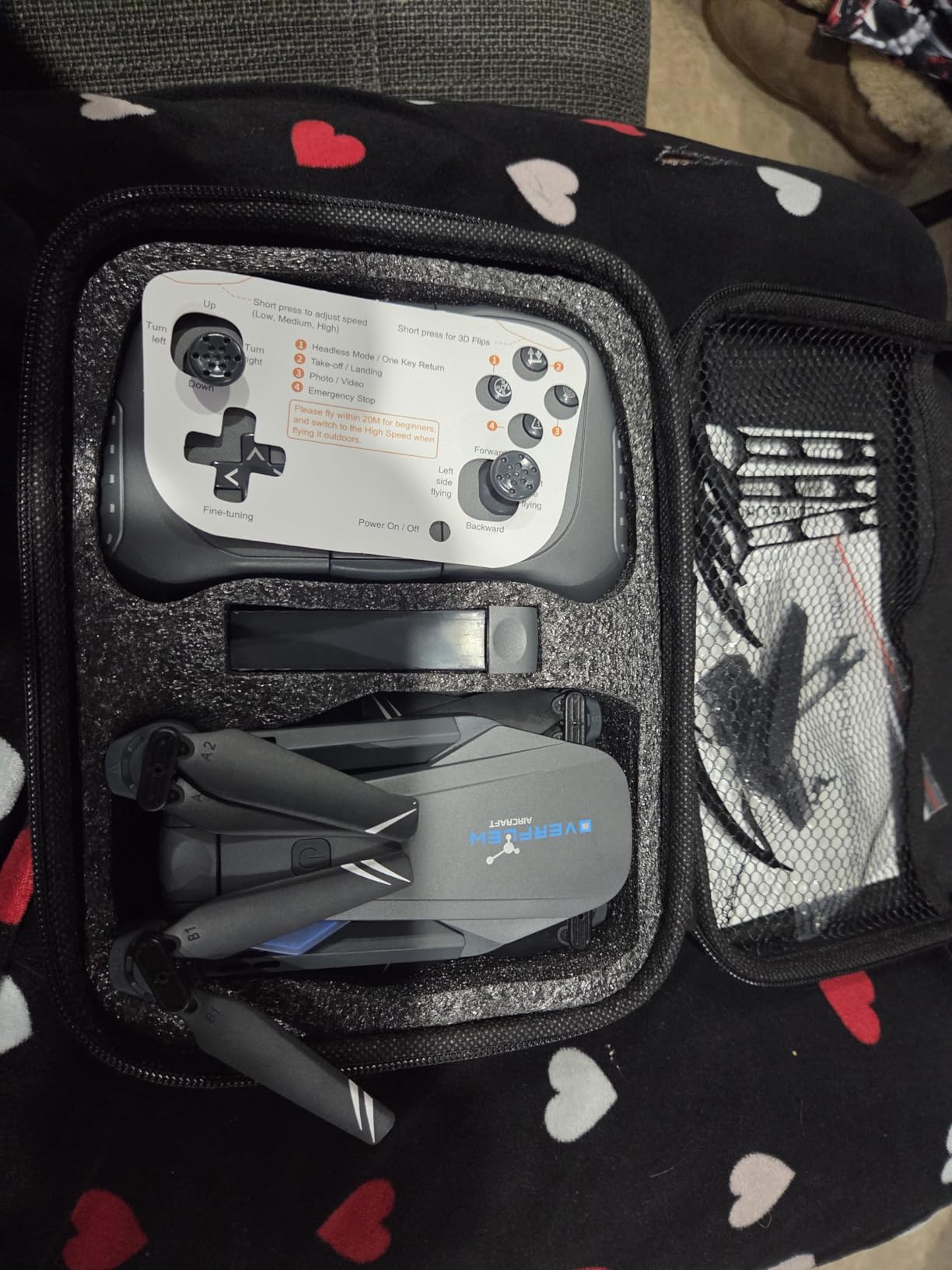
The S20 is the first drone on this list a child can realistically be trusted with. There is no pairing manual, no account, and the Hiturbo FPV app handles photo capture, voice control and trajectory flight when you want them. Altitude hold, headless mode, one-key take-off and landing and a speed adjustment cover the entire beginner toolkit.
Two rechargeable batteries of roughly 12 minutes each double the flying time compared with the single-battery models that dominate this bracket. That extra half session is often the difference between a child staying interested and the drone going in a drawer.
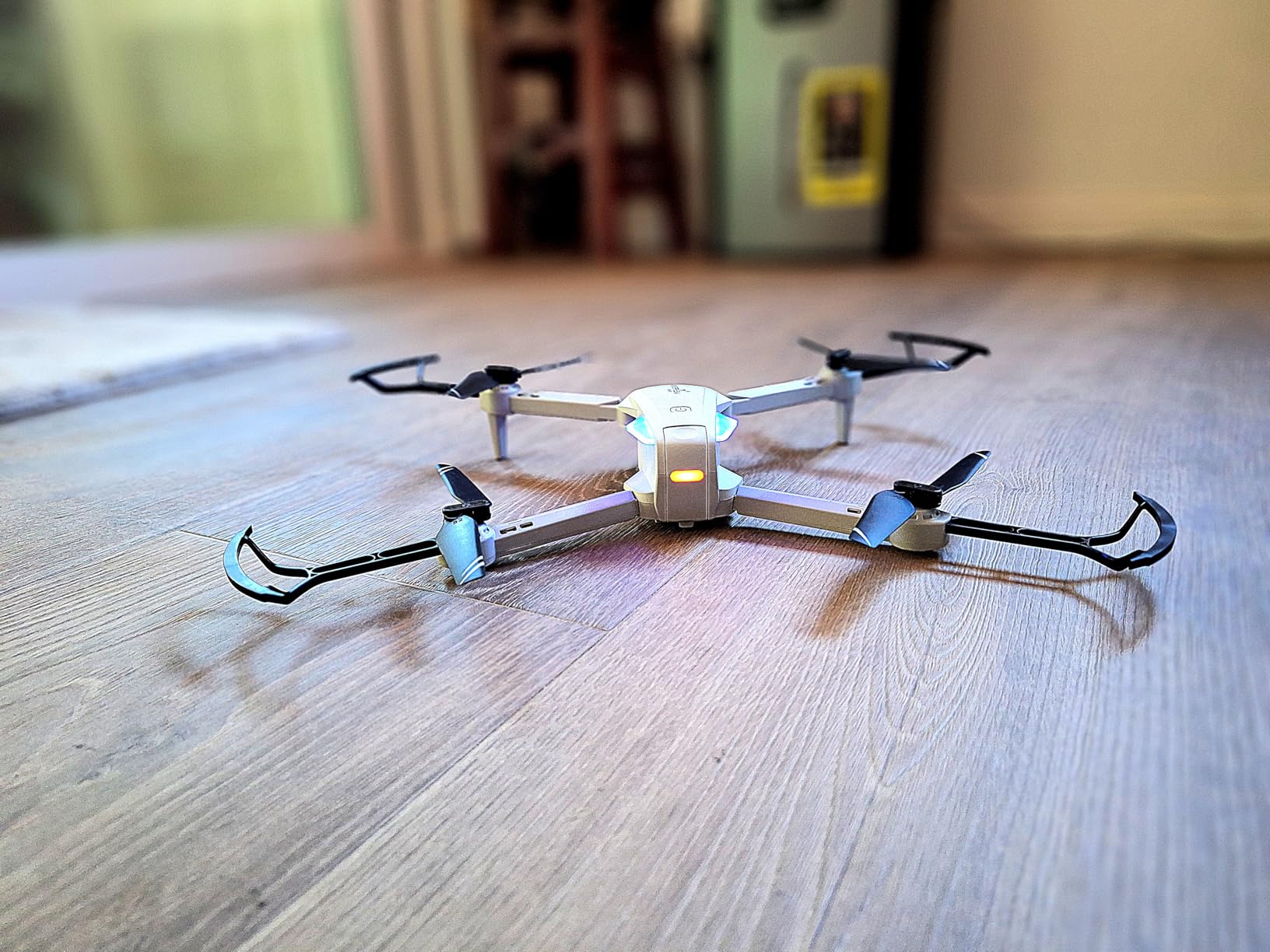
The camera shoots 1080p with a manually adjustable angle, which lets you point it forward for fun or straight down for roof and hard-to-reach inspection. Voice control, a gesture selfie mode and 360-degree flips add the novelty that keeps casual users engaged. It weighs 146g and folds down small.
Owners treat it as a fun, low-risk first drone rather than an aerial camera, and that expectation is what makes it work.
What works for young pilots
Altitude hold and headless mode mean a first-time flyer is not fighting drift or orientation in their opening five minutes. The manual camera tilt is a genuinely useful feature for roof inspection tasks that older children ask for, and it is unusual at this level.
Two batteries also mean a swap-and-continue session rather than waiting an hour for a charge.
The limits that matter for parents
Control range is roughly 50 meters, which effectively means one room and a garden. There is no GPS, so no return home and no way to recover it if it drifts away, which is why it belongs indoors and in clear sight. The 1080p footage has no stabilisation, and retrieving photos requires the app connection, which adds setup friction.
Flip and high-speed modes cut flight time per battery noticeably, so keep those for short bursts.
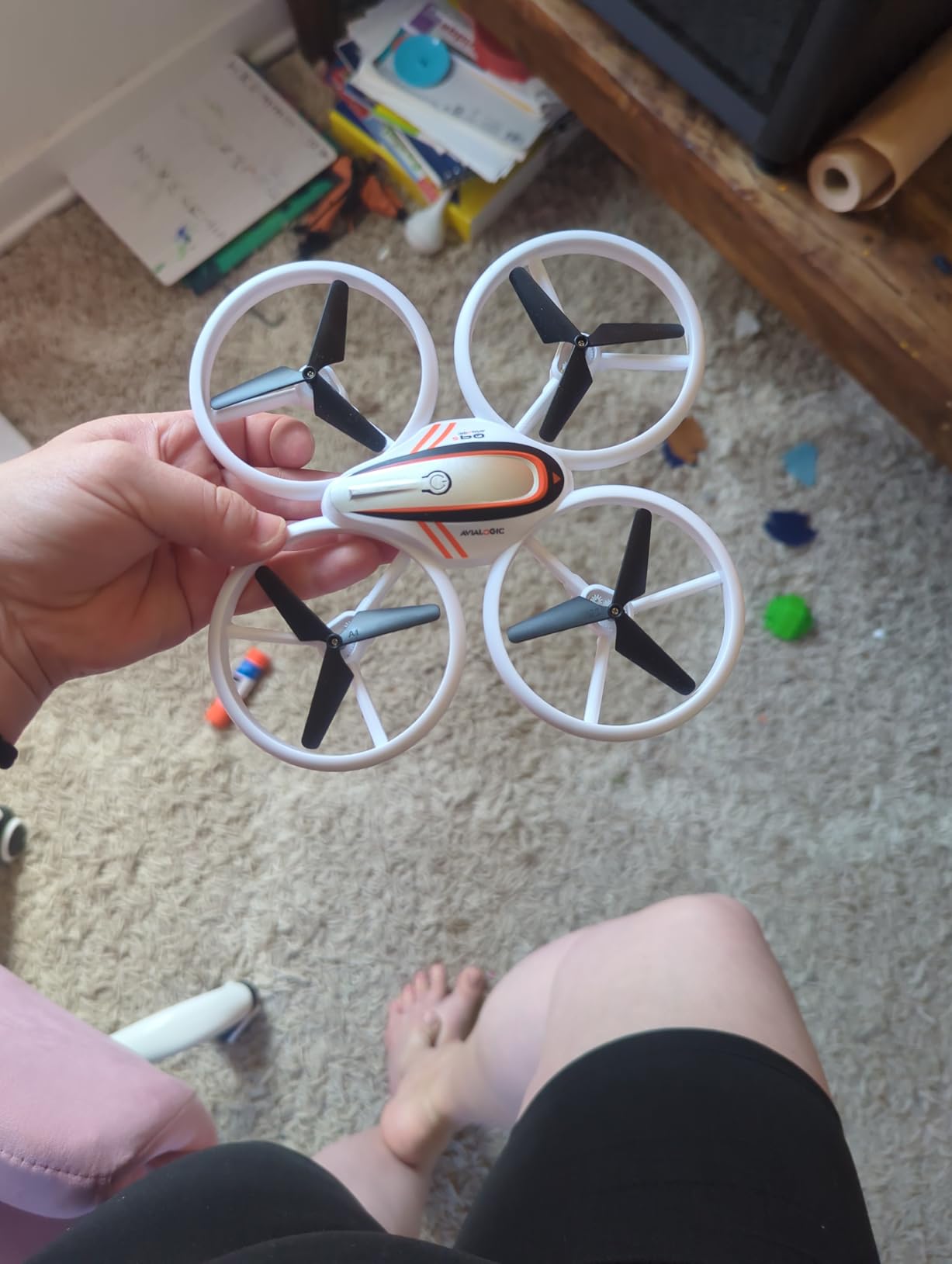
10. HASAKEE Q9s — Best Budget Practice Quad
- Survives hard crashes
- wall impacts and falls without damage
- Four full propeller guards protect children and double as bumpers
- Altitude hold and headless mode are learnable in minutes
- Only about 6-10 minutes per battery
- Too light to handle any wind outdoors
- Propellers can catch long hair
Forum advice repeats one point more than any other: learn to fly on something cheap first. That is exactly what this is for. The Q9s costs little, takes an abuse level no other pick on this list can survive, and the skills you build on it transfer directly to anything else.
Four full propeller guards protect small fingers and double as bumpers against walls and furniture. One-button take-off and landing, three speed settings, headless mode and altitude hold mean a child is genuinely airborne in minutes, and 360-degree flips and auto-rotation keep it entertaining once the basics land.
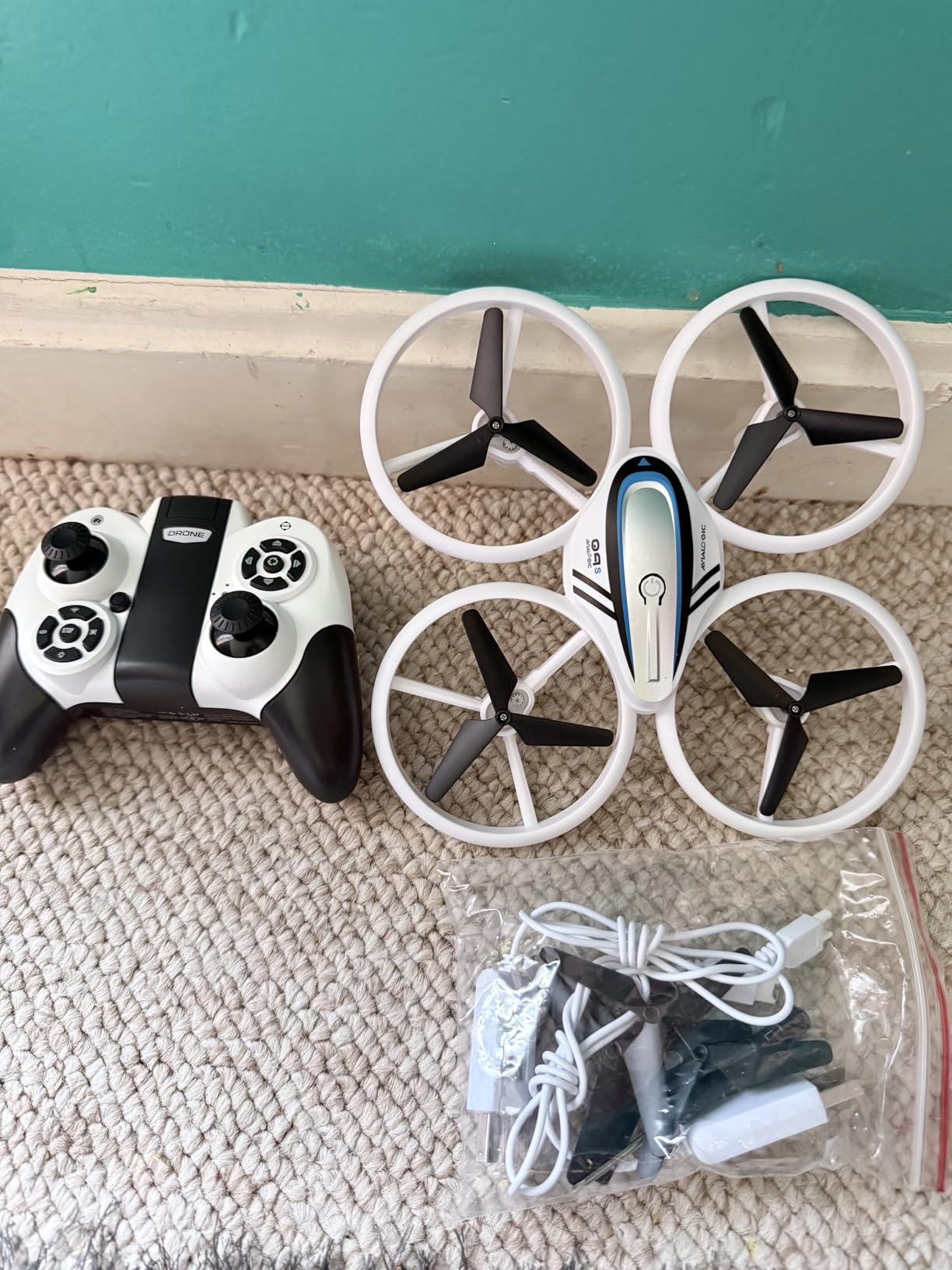
Bright neon green and blue LEDs run in three lighting display modes, which makes it usable in a dark room and much easier to track visually than a grey quad. Two UL-certified 500mAh batteries give roughly 6 to 10 minutes each, and owners value being able to swap while the other charges.
Build is ABS with a 720p camera, and it is designed for indoor flying with a range of roughly 50 meters.
Why practise on the cheapest thing you own
The emotional-cost argument is the real one. Nobody learns faster because the aircraft is expensive, and everybody learns faster once the first crash costs nothing. Ten hours on a Q9s teaches throttle control, orientation recovery and stick coordination without the hesitation that comes from knowing you might wreck something expensive.
Parents also use it as a toy in its own right rather than a stepping stone, which is a perfectly good reason to buy one.
When to stop using it outdoors
It is too light to handle any wind, and a single gust can carry it away permanently. It also drifts off position with any change in airflow, so it does not hold station. Neither is a problem indoors, which is the environment it was designed for.
Charge time is roughly an hour, and the 720p camera has no stabilisation or zoom. Propellers can catch and pull long hair, so tell children to tie hair back and keep it away from their face. A few units fail to pair with the controller out of the box.
How to Choose Your First Drone: What Actually Matters
Ignore the resolution number first. Every drone here shoots 4K on the box, and on budget models that label is close to meaningless. Instead, check whether there is a real gimbal. A 3-axis mechanical gimbal physically stabilises the camera; electronic stabilisation crops the frame and can only do so much. If video quality matters to you, gimbal first, resolution second.
Second, weight. Anything at or under 249g keeps recreational flying registration-free in the US, which removes paperwork you would otherwise be tempted to skip. Every pick in this roundup sits at or under that line, which is deliberate rather than coincidental.
Third, count the batteries rather than reading the headline flight time. A 62-minute figure that comes from two packs is a different proposition from 38 minutes on one, because the second pack charges while you fly the first. Ask how many batteries are in the box and how long a full recharge takes, since that number governs how often you can practise.
Fourth, look for return-to-home and beginner flight modes. Return-to-home is the difference between a lost drone and a recoverable one. Beginner mode, altitude hold, headless mode and optical flow positioning are what make the first hour survivable, and they matter far more than any creative mode.
Fifth, check the wind rating and the honest weight. A 125g aircraft will be grounded on any mildly breezy day, while something rated Level 5 at 38kph flies in conditions that would end a flight. Also expect obstacles: none of these aircraft should be flown near trees at your own height without a plan.
Sixth, consider parts. Propellers, canopies and batteries get damaged, and a brand with replacement parts and repair guides turns a bad afternoon into a small delay. Finally, think about obstacle avoidance realistically. No sensor on any drone at this level reads the world well enough to fly near branches, and treating it as a safety net is how beginners damage aircraft in the first week.
Where You Can Legally Fly a Drone as a Beginner
In the United States, recreational pilots fly under 400 feet above ground level, keep the aircraft within visual line of sight, and do not fly over people or from a moving vehicle. Flying in a neighbourhood is permitted in principle, but it is a bad idea in practice: you will be over your own property and possibly your neighbours’, and the community etiquette point below matters more than the rule.
Anything over 250 grams or 8.8 ounces must be registered with the FAA, and recreational pilots need to pass the TRUST test online before their first flight. Because every pick here sits at or under 249g, none of them triggers registration, which is the single biggest practical reason this weight class dominates beginner recommendations.
Remote ID is a separate point that surprises people. Broadcast Remote ID applies to most registered aircraft, and it means the aircraft is transmitting identification that authorities can receive. Yes, the agency can know a flight happened. Fly responsibly rather than treating anonymity as cover.
In the UK, the operator needs an A-Certificate for any camera drone weighing 250g or more, and the rules cap altitude at 120m with a visual line of sight requirement. Below 250g the registration requirement is reduced, but you still need to understand the rules before flying. UK buyers also face the practical issue that much US buying advice assumes models they cannot purchase.
Night flying needs specific authorisation and a lighting requirement in most jurisdictions, so treat it as off the table for your first season. In practice, the safest and least controversial place to learn is an open field away from roads, buildings and other pilots, at a time when the wind is light.
How to Fly Your First Drone Without Crashing It
Start in an open field, ideally on an overcast morning with low wind. Check the forecast first, because a 125g aircraft is unmanageable above a light breeze and every crash is avoidable in hindsight. Do your first flights on grass or a path, not concrete.
Walk the site before you power on. Look up at canopy height, then out along the flight direction, then behind you. Identify people, dogs, power lines and roads within twice your intended range. Most beginner crashes are caused by something that was obvious before take-off.
Charge fully, then check props. Spin each propeller by hand for nicks or cracks and confirm the guards are seated. Update the firmware before the first flight, not after a problem, because firmware updates often fix the very return-home glitches that scare people.
Take off with one key press rather than from a hand launch. Use altitude hold on the first flight and keep it under 20 metres, where you can see the aircraft clearly against the ground. Hover in place for a full battery worth of time before attempting anything else. Learning to hold a hover is the foundation everything else is built on.
Practise the four basic shapes in this order: a square facing you, a circle, a figure eight, and a locked orbit around a fixed point like a bench or a tree. Each one trains a different axis, and moving to the next before the previous one feels boring is how people end up with an aircraft that only flies well in one direction.
Expect to crash. Everyone does, usually in the first ten minutes. Turn the motors off before picking up a downed aircraft, inspect the arms and props, replace anything bent, and go again. Log your hours rather than your distances, because the stick control that separates a confident pilot from a nervous one comes from time in the air.
What a Beginner Drone Actually Costs to Own
The drone is roughly half the real spend, and batteries are the rest. A three-battery kit from the Potensic ATOM saves money at the front end precisely because it covers this. On a single-battery aircraft such as the DJI Mini 4K, plan on buying a second pack immediately, and on the ATOM SE or Holy Stone models the same applies.
Budget for a few replacement propellers and a spare canopy, since those are the parts most likely to break and the parts most likely to be needed within a month. A microSD card is essential for anything that records to removable storage, and the Potensic ATOM includes one while several rivals do not.
A proper case matters more than people expect. A soft case stops the gimbbal and arms taking damage in a bag, and it makes you far more likely to bring the drone on a trip instead of leaving it at home. Optional extras worth adding later are ND filters, which help you keep shutter speed fast in bright light, and a spare controller battery if your model uses one.
Registration, a TRUST test and, in the UK, an A-Certificate all add small costs or time. None of the picks here requires registration for recreational flying, which is another quiet saving of staying under 249g.
Your Upgrade Path: What to Buy Next
Plan on roughly ten hours of stick time before you change aircraft. That is when basic hovering, forward flight, yaw rotation and a controlled landing stop being deliberate and start being automatic. Buying earlier just means buying the same mistake twice.
Where you started determines where you go. From a toy or indoor trainer such as the Q9s or Hiturbo S20, the natural step is a GPS drone with return home, which is where the ATOM SE or the HS175D fit. From the ATOM SE, the next step is the DJI Mini 4K or the Potensic ATOM once you decide that footage quality matters.
If you came from the Mini 4K and want better still, the DJI Mini 3 adds True Vertical Shooting, 4K HDR and 48MP stills. If you bought the DJI Neo or HOVERAir X1 for autonomous flying and want more air time, move to a conventional GPS aircraft with proper sticks rather than another camera drone.
One branch to avoid: FPV. FPV flying means flying through the camera feed with goggles, and it demands far more stick skill than line-of-sight flying. If that is your interest, start with a simulator and a small whoop-style quad rather than spending your first drone budget on a headset.
Frequently Asked Questions
What is the best drone for a first-time user?
The Potensic ATOM SE is our top pick for a first-time pilot. It weighs 8.8 ounces, stays under the 249g registration threshold, and includes two batteries giving 62 minutes of combined flight time. Beginner Mode, one-key take-off and landing, and GPS return-to-home make it forgiving. A 4K electronic-stabilised camera is good enough to grow into without dominating your budget.
What is a cheap but good drone?
Cheap and good is a fair pairing at the bottom of this market. The Hiturbo S20 is a genuine first drone with two batteries, altitude hold and headless mode for a very low outlay. The HASAKEE Q9s is tougher still and makes an excellent practice quad. Neither is a camera drone, and the Hiturbo has no GPS, so plan to fly both indoors.
Do I need a licence to fly a drone in the UK?
You need an A-Certificate to fly a camera drone weighing 250g or more in the UK, alongside the standard operating rules. Drones below 250g carry reduced requirements, though you still need to understand the altitude and visual line of sight rules. Every pick in this roundup is at or under 249g, which keeps the paperwork lighter for new pilots.
Can I fly my drone around my neighborhood?
You can, but you probably should not. In the US you must stay under 400 feet, keep the aircraft in visual line of sight, and never fly over people, which in a neighbourhood usually means flying over your own home. Flying close to bystanders is also how local flying spots get shut down for everyone. An open field away from houses is the better first location.
What is the 1:1 rule for drones?
The 1:1 rule means you should be able to see your aircraft at all times, with roughly one person, or one object of a similar size, positioned between you and the drone at any moment. It is a practical safeguard rather than a written regulation. It exists because beyond that ratio the aircraft is too small to track visually and a signal loss becomes much more likely.
Can the FAA know you flew a DJI drone?
Yes. Most registered aircraft broadcast Remote ID, a signal that can be received by authorities, so flights can be identified. Every drone in this roundup is at or under 249g and needs no registration for recreational flight, but the underlying point stands: treat the airspace as monitored. Registration is also required for commercial work regardless of weight.
Which drone can fly for 1 hour?
No drone here flies a full hour on a single battery. The Potensic ATOM gives 96 minutes of total flight time across three batteries, and the ATOM SE gives 62 minutes across two. A DJI Mini 3 reaches 51 minutes per battery only with the extended pack, which pushes it over the 249g registration threshold. Always read the per-battery figure before comparing totals.
Is it difficult to learn to fly a drone?
The first ten minutes are awkward and everything after that gets easier fast. Altitude hold, headless mode and return-to-home remove the three problems that make beginners crash. Most pilots say hovering becomes comfortable within two or three flights, and confident stick control takes around ten hours. Practising on a cheap trainer first genuinely speeds the process up.
Final Verdict: Which Beginner Drone Should You Buy?
The Potensic ATOM SE is the best drone for beginners in 2026 because it fixes the three things that end a first drone’s life: two batteries for 62 minutes, GPS return-to-home, and a weight under the registration threshold. Buy the DJI Mini 4K instead if the footage is what you are actually excited about, and pick the Potensic ATOM if you want the most air time per purchase.
Start in an open field, keep it under 20 metres, and practise hovering before anything else. Ten honest hours in the air will tell you more than any spec sheet, and it is the only thing that decides which drone you buy second.