
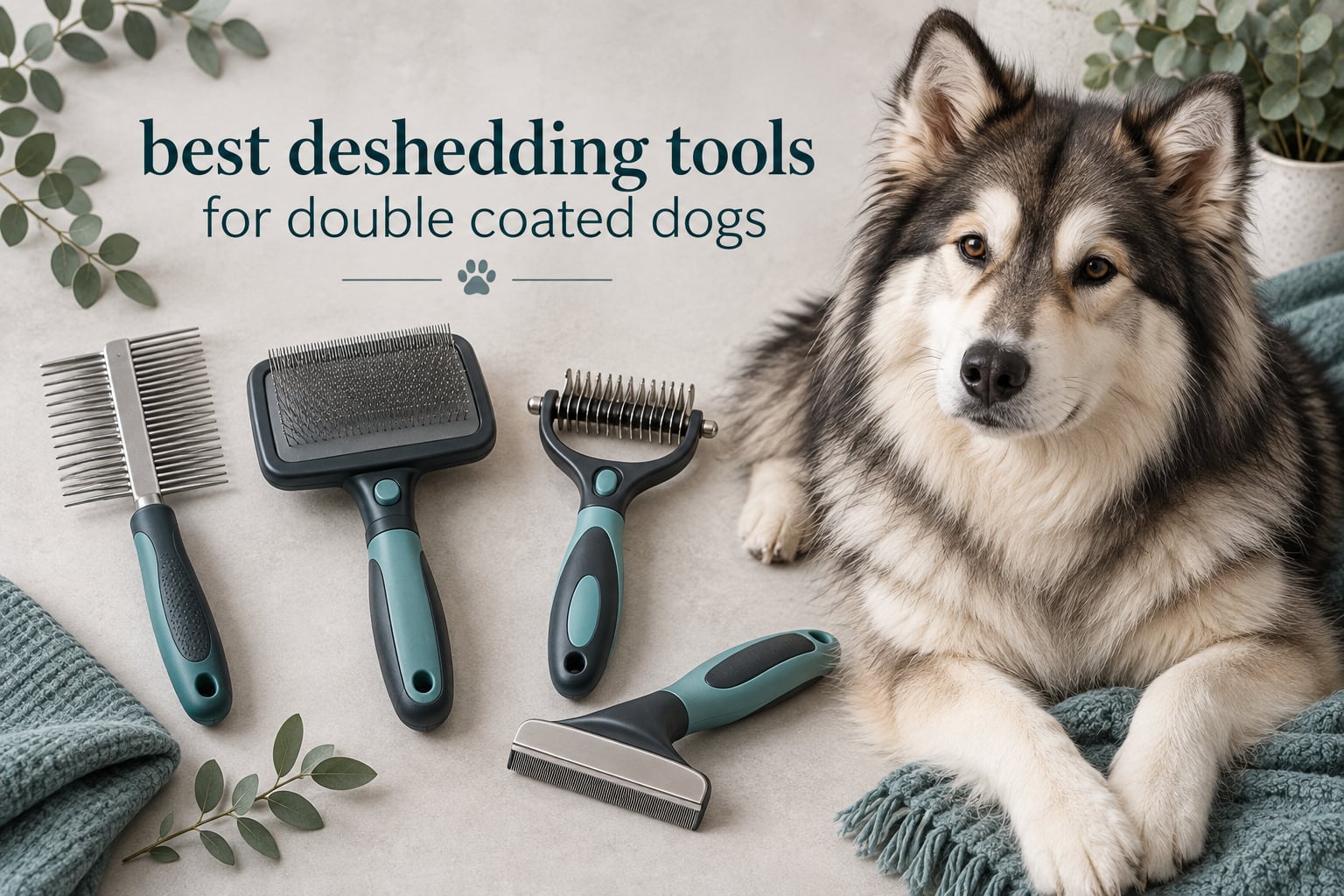
A double-coated dog has two layers: a soft, dense undercoat that insulates against cold, and a longer, coarser topcoat of guard hairs that shelters it from sun, snow and brambles. That second layer is the reason double coats are hard to groom and easy to ruin with the wrong tool.
Double coats also shed on their own clock twice a year. The seasonal coat blow in spring and fall releases a large volume of dead undercoat at once, and on top of that most double-coated breeds shed steadily year-round. Hair that stays in the coat compacts against the skin, blocks airflow, traps heat and moisture, and eventually turns into mats and hot spots.
The short answer to the best deshedding tools for double coated dogs: a dual-sided undercoat rake with rounded pins is the safest and most complete daily tool. A blade-style de-shedding tool strips hair fast, but on a heavy double coat it can cut or break the guard hairs that protect the coat, so it belongs in seasonal rotation on shorter, denser coats, not in the weekly routine of a long-haired dog.
We spent weeks working through ten of the most-reviewed shedding tools on dogs across the full range of double coats, from short dense huskies and shepherds to long plush goldens, Bernese Mountain Dogs and Samoyeds. The ten picks below cover every tool family the search results and the grooming forums agree matters, and each one comes with a plain verdict on who should buy it and who should pass.
Table of Contents
Top 3 Deshedding Picks for Double-Coated Dogs in 2026

Maxpower Planet Undercoat Rake
- Dual-sided 9-tooth and 17-tooth faces
- Rounded teeth that will not scratch
- Dual-sided format suits any coat density
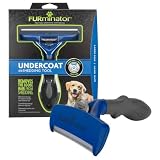
FURminator Undercoat deShedding Tool
- Edge blade strips loose undercoat fast
- FuRejector button releases hair
- Sized for dogs over 50 pounds

GoPets 2-in-1 Deshedding Comb
- 12-blade dematting face and 23-blade shedding face
- Rust-resistant stainless steel blades
- Replaces two separate tools
Those three cover the most common situations: a rake for regular maintenance, a blade tool for heavy seasonal blowouts on large dogs, and a two-in-one comb for owners who want to carry a single tool.
Quick Overview: All 10 Deshedding Tools Compared in 2026
| Product | Specifications | Action |
|---|---|---|
| Maxpower Planet Dog Grooming Rake |
|
Check Latest Price |
| FURminator Large Dog Undercoat deShedding Tool |
|
Check Latest Price |
| GoPets 2-in-1 Deshedding and Dematting Comb |
|
Check Latest Price |
 Docrok Grooming Combo Brush and Metal Comb Docrok Grooming Combo Brush and Metal Comb |
|
Check Latest Price |
 SleekEZ Deshedding Dog Brush SleekEZ Deshedding Dog Brush |
|
Check Latest Price |
 Aumuca Self-Cleaning Slicker Brush Aumuca Self-Cleaning Slicker Brush |
|
Check Latest Price |
 Gonicc Professional De-Shedding Comb Gonicc Professional De-Shedding Comb |
|
Check Latest Price |
 BOTH WINNERS Dual-Sided Shedding Blade BOTH WINNERS Dual-Sided Shedding Blade |
|
Check Latest Price |
 Pet Teezer De-Shedding Brush for Long Hair Pet Teezer De-Shedding Brush for Long Hair |
|
Check Latest Price |
 Mars Coat King 23-Blade Stripper Rake Mars Coat King 23-Blade Stripper Rake |
|
Check Latest Price |
Read that table as three groups. Rakes and combs with teeth (picks 1, 3, 4, 7, 10) reach into the undercoat and pull dead hair out. Blades (picks 2, 5, 8) strip hair from the coat surface at speed. Slicker-style pins (picks 6, 9) do surface work and maintenance rather than a full coat blow.
1. Maxpower Planet Dog Grooming Rake: the Best Overall Deshedding Tool for Double-Coated Dogs
Maxpower Planet Dog Grooming Rake, Deshedding Undercoat Brush, Dogs & Cats
- Pulls heavy undercoat in a single pass on dense double coats
- Rounded teeth do not scratch the dog or your hand
- Hair releases easily from the rake head
- Lightweight and comfortable in smaller hands
- No hair-release button
- so collected hair must be pulled off by hand
- Some dogs dislike being brushed with it
This is the tool we reach for first, and the one most owners end up buying before anything else. It measures 6.6 by 3.9 by 2 inches and weighs 4 ounces, which matters more than it sounds like when you are twenty minutes into a session on a fifty-pound dog.
The dual-sided head is the whole argument. The 9-tooth face tackles knots and tangles, and the 17-tooth face thins and desheds. That means one tool covers a dense shepherd coat and a longer, softer golden coat without a second purchase, and it is why the AKC’s advice about matching pin length to coat density is easier to follow when both options are on one head.
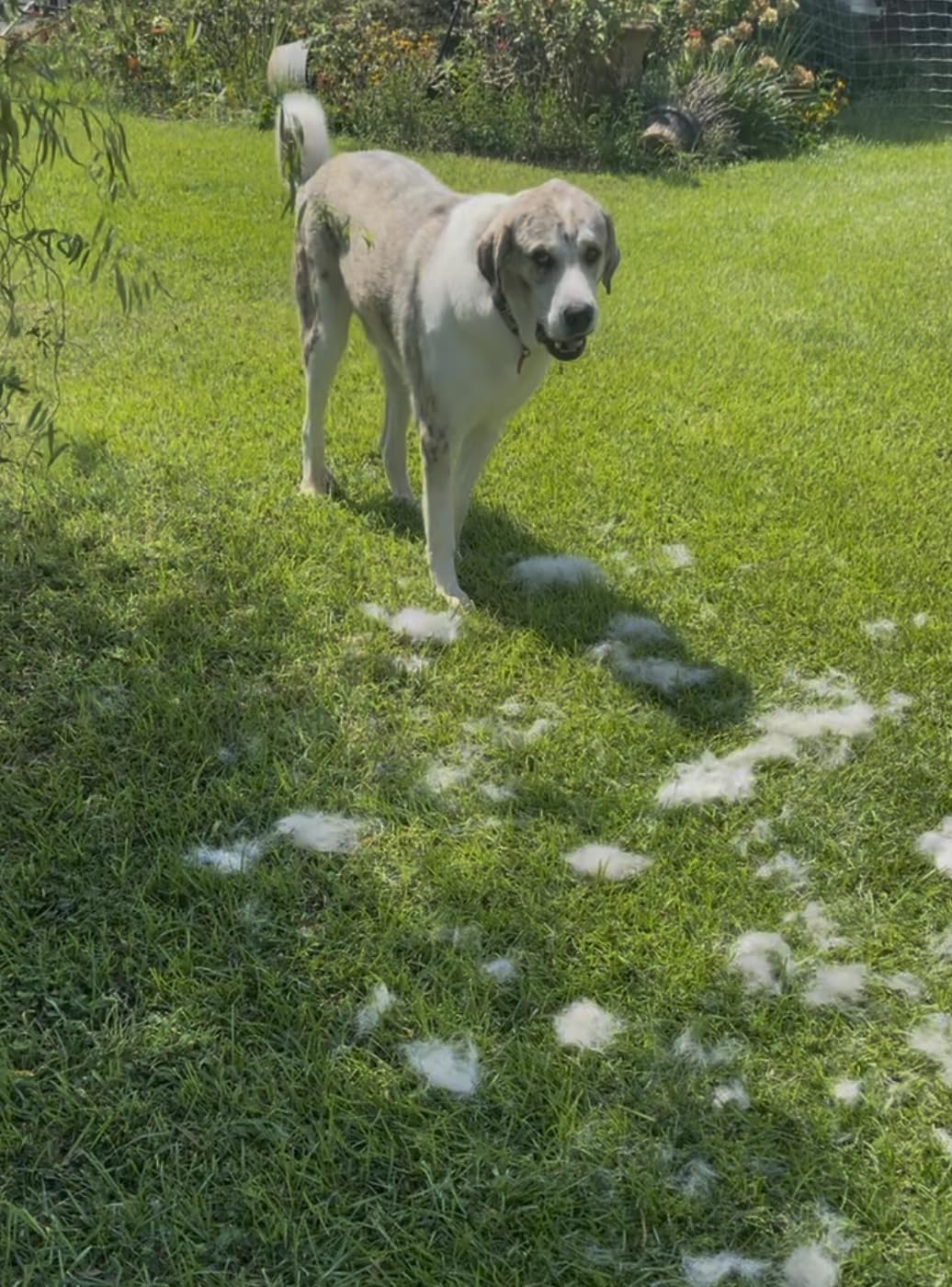
The teeth are described as sharpened but finely rounded, and reviewers back that up. Owners of Great Pyrenees, Anatolian and Kangal mixes and German Shepherds report single passes that pull out large volumes of undercoat without pulling guard hairs, and several say it was the only tool that finally reduced persistent hair around the home. At 4.6 stars across roughly 60k reviews, it is the most heavily reviewed undercoat rake in this roundup and the number one seller in Dog Grooming Rakes.
Groomers in the r/doggrooming community describe a two-tool routine rather than one magic tool: a slicker for everyday maintenance, and the rake for the coat blow. That matches what we saw. The one drawback owners complain about most is the absence of a release button, so you pull the collected clump off by hand and some dogs try to eat it, which is a problem you can solve by keeping a treat in the other hand.
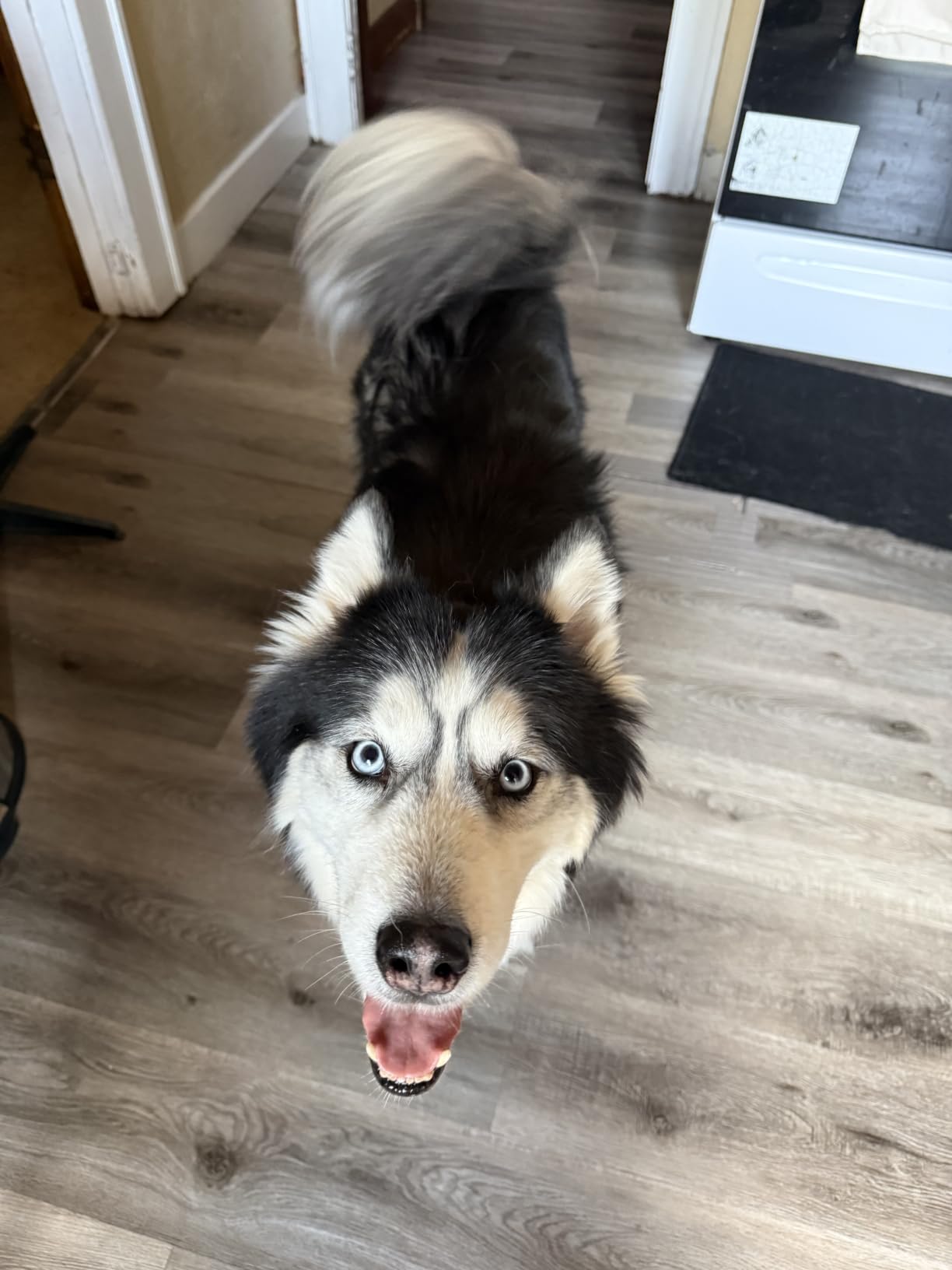
Does the Maxpower Planet rake suit a short dense coat like a husky
Yes, and the fine face is why. Short dense double coats punish long aggressive tools because the skin sits closer to the surface, and the 17-tooth face moves through them with less digging. We would still use the coarse face on a thick ruff or a packed rump where hair has compacted.
If your dog is a long plush breed, treat this as the maintenance tool rather than the whole answer. It is very good at what it does, but a stripper rake or a blade tool gets deeper into a heavy coat in fewer passes.
When another tool beats the Maxpower Planet rake
If your dog is already matted behind the ears or in the armpits, the 9-tooth face will fight you. Start with a dematting comb and a detangling spray, clear the knots, then come back to the rake.
If your dog hates being brushed, the rake is not the tool to introduce it with. A self-cleaning slicker with rounded plastic tips usually gets acceptance faster because the pins flex and the release button means the session never stalls.
2. FURminator Large Dog Undercoat deShedding Tool for Long Hair: Best for Seasonal Blowouts on Big Dogs
- Highest average rating of any deshedding tool in this roundup
- Edge blade strips large volumes in a single pass
- Ejector button clears hair without hand-pulling
- Comfortable handle over long sessions
- Must be used on a fully de-matted coat or it pulls at mats
- Only sized for dogs over 50 pounds in this model
- Can be too aggressive on thin-skinned animals without careful technique
This is the tool most people mean when they say deshedding tool, and the one that generates the most argument. At 4.7 stars from more than 13k reviews, it is one of two products here with a 4.7 average, and owners of large long-haired dogs credit it with dramatic undercoat reduction and noticeably shinier coats.
Mechanically it is simple. A metal edge blade passes through the coat and strips loose undercoat that is already coming free, and the FuRejector button on the handle pops the collected hair out in one press. That button is the detail other tools keep copying, because it removes the hand-pulling step that makes raking sessions miserable.
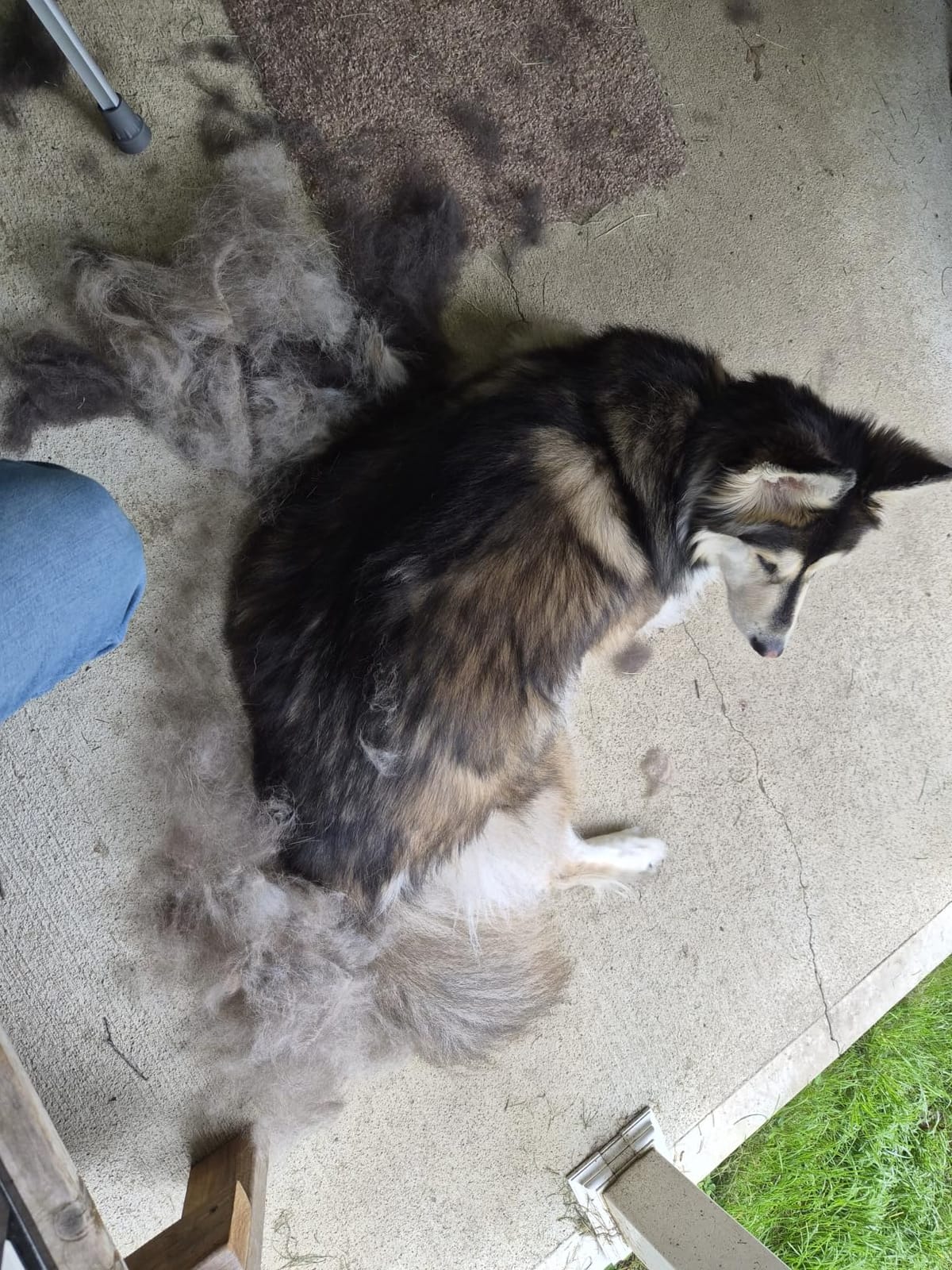
The reviews are consistent about the caveat: technique decides the outcome. Stroked in the direction of hair growth on a coat that has already been fully de-matted, it removes a great deal of loose hair in one pass. Dragged through a knot or against the grain, it pulls at the mat and hurts. Owners of senior dogs and thin-skinned animals report that the tool can be too much without care.
Note the sizing too. This model is built for dogs over 50 pounds, so a Border Collie or an Australian Shepherd needs the smaller version instead. Owners who complain about guard-hair damage usually own long double coats and are using it more often than seasonally, which is the exact pattern the grooming forums warn about.
When a FURminator-style tool is the right choice for a double coat
It earns its place during a heavy coat blow, on a fully combed coat, on dogs over the size this model is made for. Two or three careful sessions across a season is the responsible way to run it. After each pass, brush the coat back out so the skin is visible and you can confirm no guard hairs have been broken.
The weight on the coat also makes it efficient. A coat blow on a large dog with a rake alone can take 30 to 60 minutes of repeated passes, and owners regularly underestimate that time.
Why owners on r/doggrooming steer long double coats away from the blade
The recurring worry is that the blade cuts or breaks the long protective topcoat, which is exactly what the coat depends on. The forum consensus is not that the tool is bad, but that it is a seasonal tool, and that a long plush coat should be raked and carded instead of stripped.
The fix if you over-stripped is time, not a product. Guard hairs regrow along the length of the coat, so a dog that looks thin after a heavy pass will look normal again once the coat finishes growing out. Wash and blow-dry while it regrows to support the follicles.
3. GoPets 2-in-1 Deshedding and Dematting Comb: Best All-in-One Kit for Owners Who Want One Tool
GoPets 2-in-1 Deshedding & Dematting Comb & Grooming Brush for Dogs & Cats
- Two tools in one replaces a separate dematting comb and shedding rake
- Blades glide through thick coats without pulling or tugging
- Rust-resistant stainless steel construction
- Non-slip handle reduces hand fatigue on long sessions
- Costs more than the rake and slicker options in this roundup
- The 23-blade face collects hair that has to be cleared by hand
The GoPets comb answers a question most owners do not realise they have: what do I use before the rake? This tool carries a 12-blade dematting face and a 23-blade deshedding face on one body, so it handles knots and shedding in the same session without you changing tools mid-dog.
At 8.9 by 2.5 by 1.4 inches and 3.52 ounces it is one of the lightest options here, and owners of golden retrievers, huskies, doodles and poodles describe the stainless steel blades as gliding through thick coats without tugging. Owners of anxious and senior dogs mention comfort as the deciding factor, because a tool that does not pull gets finished faster.
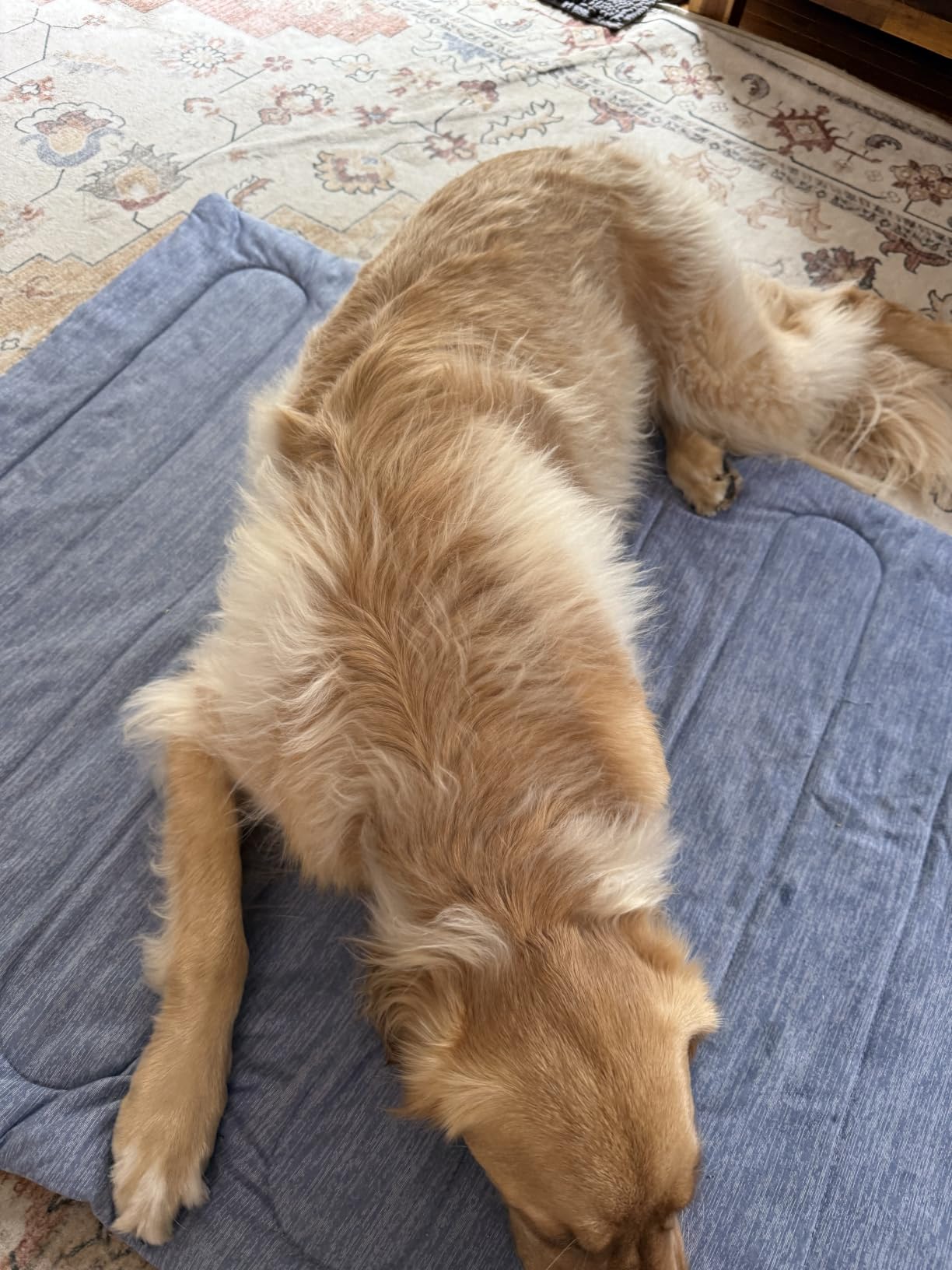
Owners single out the 12-blade face for knots behind the ears and in the armpits, which is where double coats mat first. That makes this a sensible first tool for a dog you have just adopted or rescued, where you do not yet know where the trouble spots are.
The honest drawback is that it costs more than the rake or the slicker in this roundup, and the shedding face fills with hair that has to be cleared by hand between passes. If you already own a rake and a slicker, this is an addition rather than a replacement.
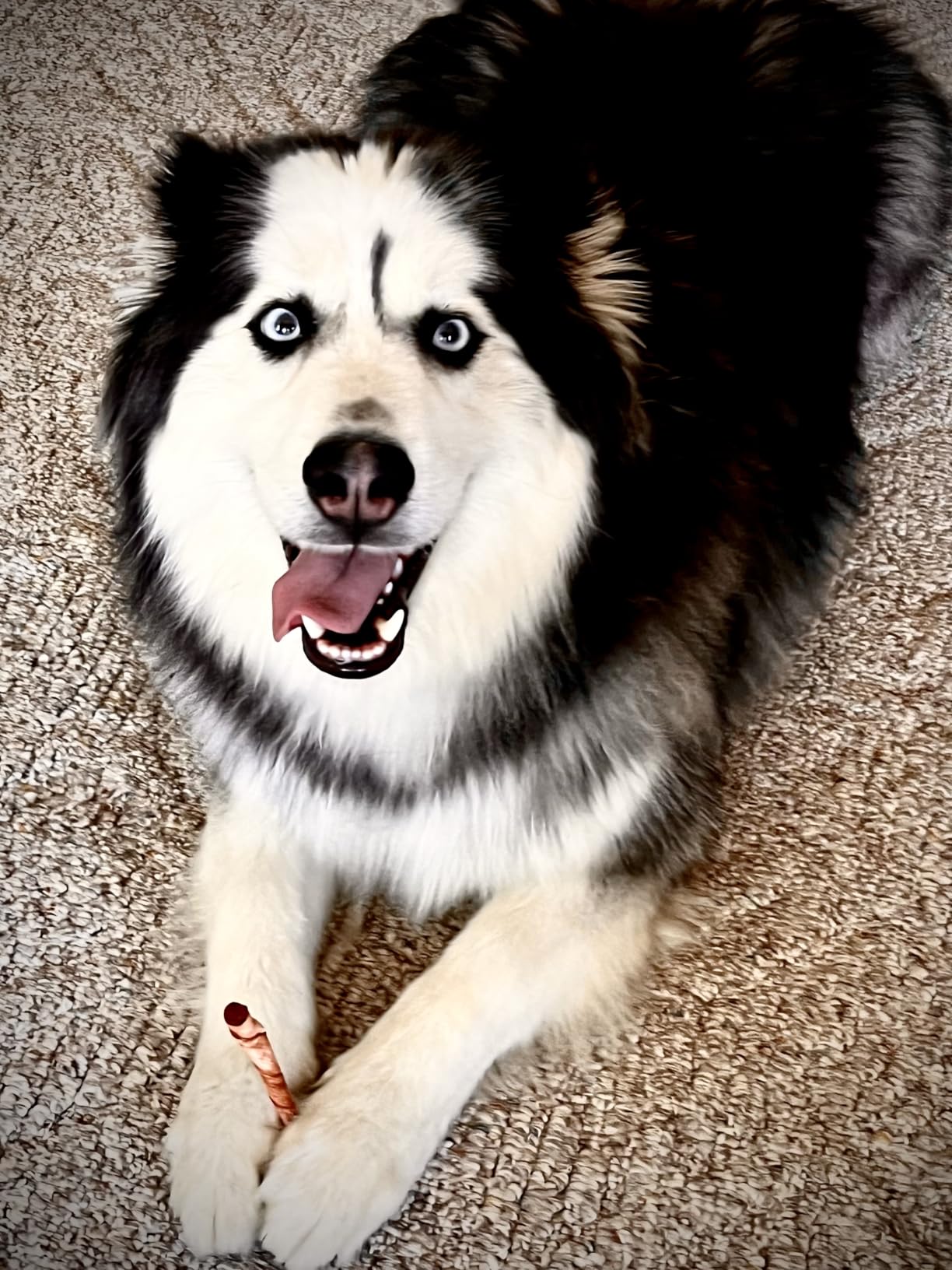
Does the GoPets comb handle a full seasonal coat blow
Partly. It lifts loose undercoat effectively and is strong on knots, but a stripper rake or a blade tool will clear a heavy blow faster because the teeth are longer. Think of it as the maintenance and pre-treatment tool, with the rake as the partner.
For a dog that gets mats in the same five places every season, having a dematting face in the same hand as the shedding face is genuinely convenient, and the non-slip grip keeps your hand steady on a moving dog.
Where the GoPets comb is not worth it
If your dog is under ten pounds and has a short dense coat, the tool is oversized and the cost makes no sense. A smaller slicker will serve the same purpose at a fraction of the outlay.
If your main problem is loose hair on furniture rather than knots in the coat, a slicker with a release button will keep your sessions faster, since it clears without being stripped by hand.
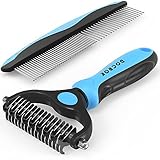
4. Docrok Grooming Combo Brush and Metal Comb: Best Bundle for Reaching Legs, Head and Tail
Docrok Pet Grooming Combo – Blue Deshedding Brush with Metal Comb for Detangling and Dematting Long, Matted Fur on Cats and Dogs
- Bundled comb reaches legs
- head and tail where the brush cannot
- Large amounts of undercoat from doodles
- shepherds and long-haired cats
- Loose hair falls to the back so brushing is not interrupted
- Lightweight TPR handle
- Hair has to be swept out of both tools by hand after use
- No instructions explaining which side to use where
- The comb works as a shedding tool more than a true detangler
Double coats mat where friction is highest: behind the ears, in the armpits, under the collar, at the leg cuffs and at the base of the tail. A rake head is too wide for some of those spots, which is the gap this two-piece bundle fills.
You get an undercoat rake with a wide face for dematting and a dense face for deshedding, plus a stainless steel comb with a wide side for knots and a dense side for loose hair. Owners of doodles, German Shepherds, Belgian Malinois and long-haired cats report very large amounts of hair removed in a short time, and several note that scratching and skin irritation reduced once they started using it regularly.
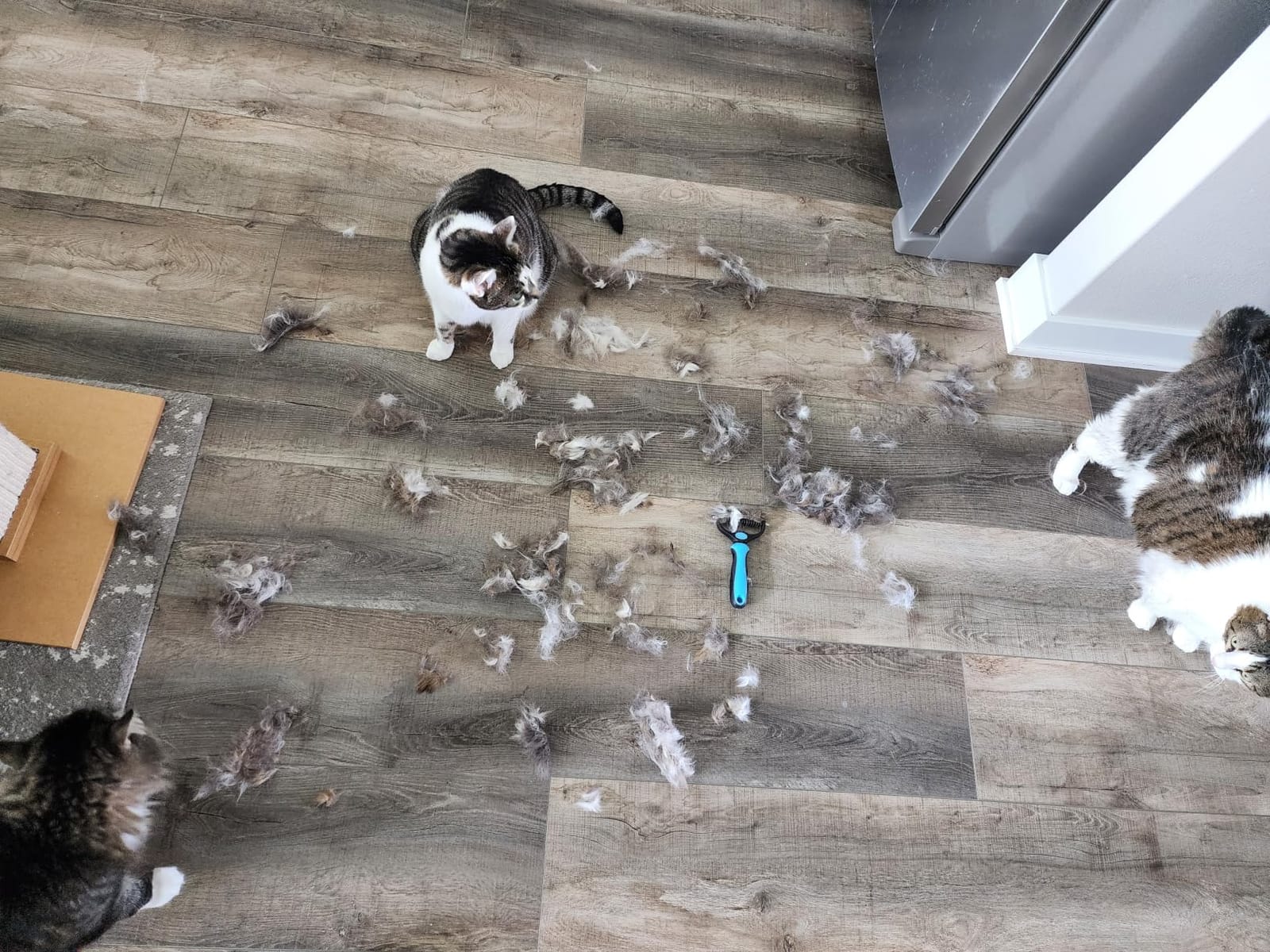
The teeth are rounded even though they look sharp, which matters when you are working around a dog’s ear base. Reviewers also point out that the loose hair falls toward the back of the tool rather than clogging the working face, so you can keep brushing without stopping to clean it mid-stroke.
Two cautions come up repeatedly. Hair still has to be swept out by hand when you finish, and the bundle includes no guidance on which face suits which job, so you will be figuring that out yourself. A few owners also expected the comb to be a true detangler when it behaves more like a shedding comb.
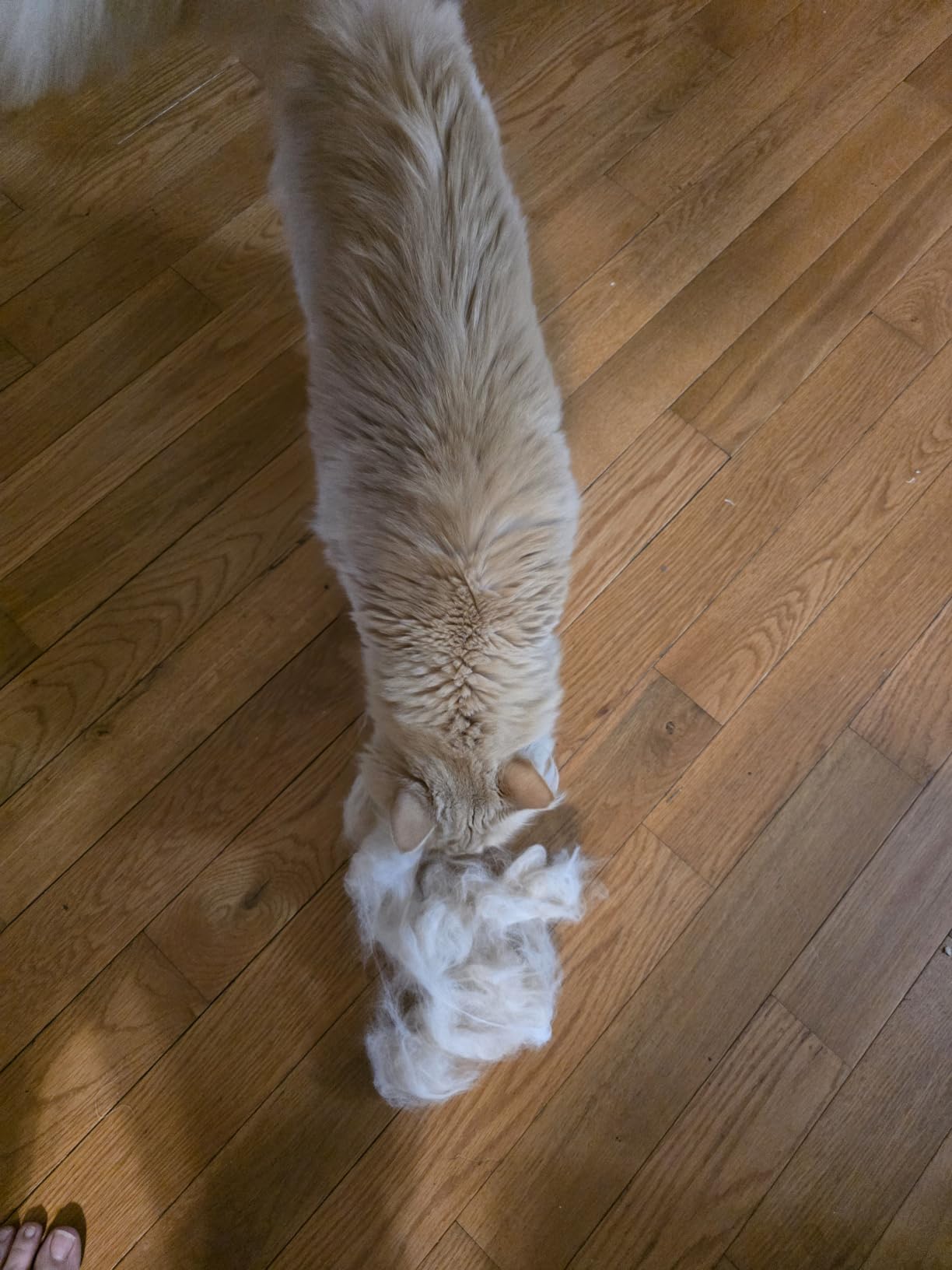
Is the Docrok combo a full replacement for an undercoat rake
For medium and long-haired double coats, largely yes. The rake face covers routine deshedding and the comb covers the awkward zones, so the pair handles a whole dog in one kit. For a short dense coat like a husky or a cattle dog, you may still prefer a dedicated rake with finer teeth.
If your dog is already matted, treat the wide rake face as your first pass rather than your only pass. Clear the knots, then use the dense face and the comb for the actual deshedding work.
Who should skip the Docrok combo
Owners with a single short-haired dog get less use from the comb, since there are no tight friction zones to reach. The rake half of the bundle still performs well on its own, but the value of buying two tools drops sharply.
It is also not the gentlest option for a puppy or a dog with thin skin. If tolerance is your main concern, a polymer-toothed brush removes the metal from the equation entirely.
5. SleekEZ Deshedding Dog Brush: Best Gentle Tool for Everyday Shedding Control
SleekEZ Dog Brush for Shedding | Patented Deshedding Dog Brush | Pet Hair Remover for Short, Medium & Long Coats | Made in USA | 5 Inch
- Sweeps loose hair off the coat instead of letting it cling to the teeth
- Smooth blunt teeth do not tug or scratch the skin
- Dogs that previously hated brushing seek it out
- Doubles as a carpet and upholstery rake
- Teeth can scratch hardwood floors if dragged carelessly
- Can leave a bald spot or scratch your hand if pressed too firmly
- Teeth dull with regular use
The SleekEZ brush is not an undercoat tool and it is not sold as one. It is a short-tooth blade that grabs hair at the tips and sweeps it off the coat, which makes it the most useful thing on this list for the hair on your sofa rather than the hair in the coat.
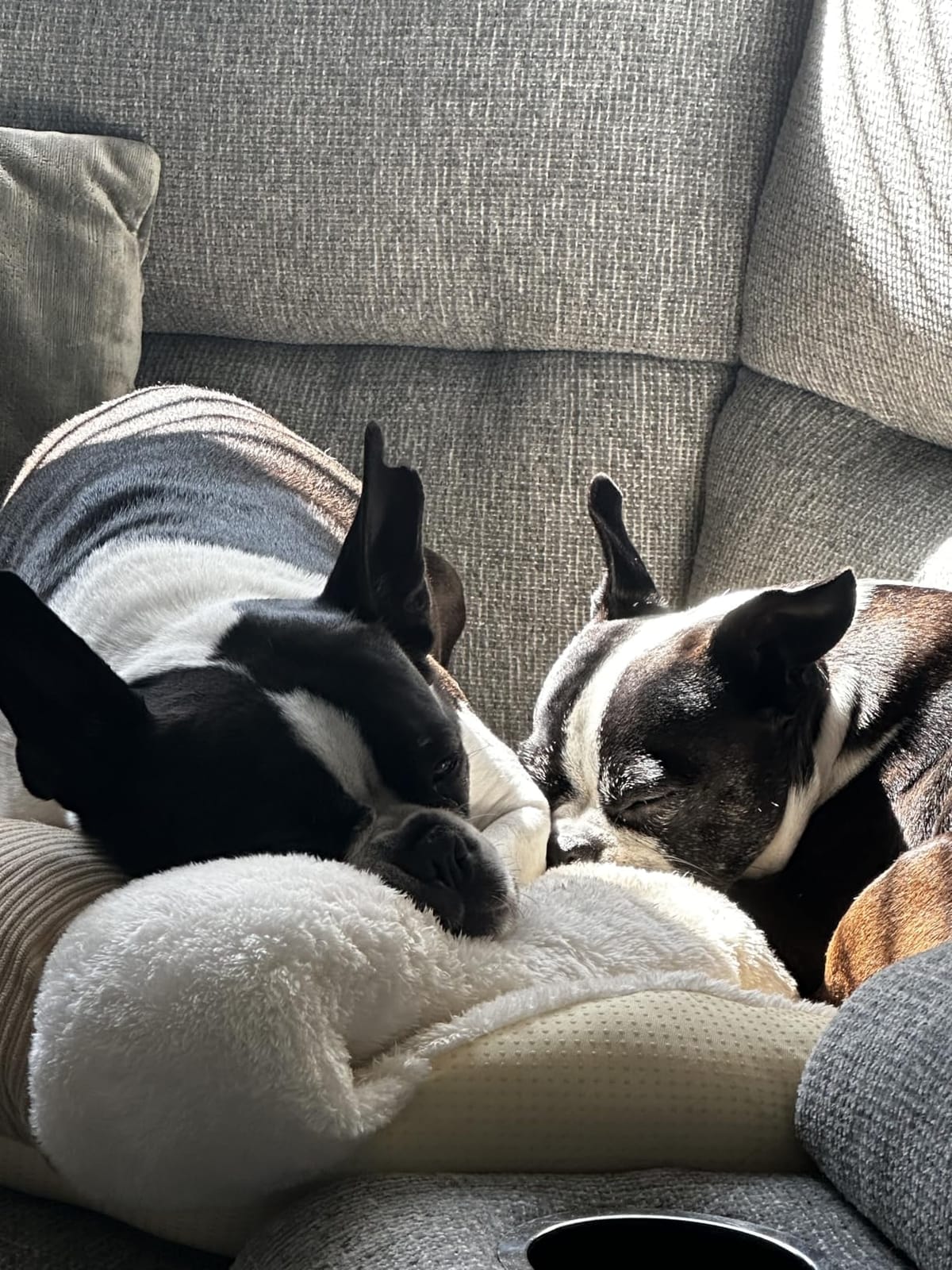
That distinction is why it earns a place in a double-coat guide. A double coat constantly sheds surface hair that never reaches the undercoat rake, and a tool that lifts it off in one pass saves you sweeping the floor later. Owners of husky, Anatolian, Pyrenees, saluki, pit bull and Boston terrier coats report dramatic reductions in household hair after a few sessions.
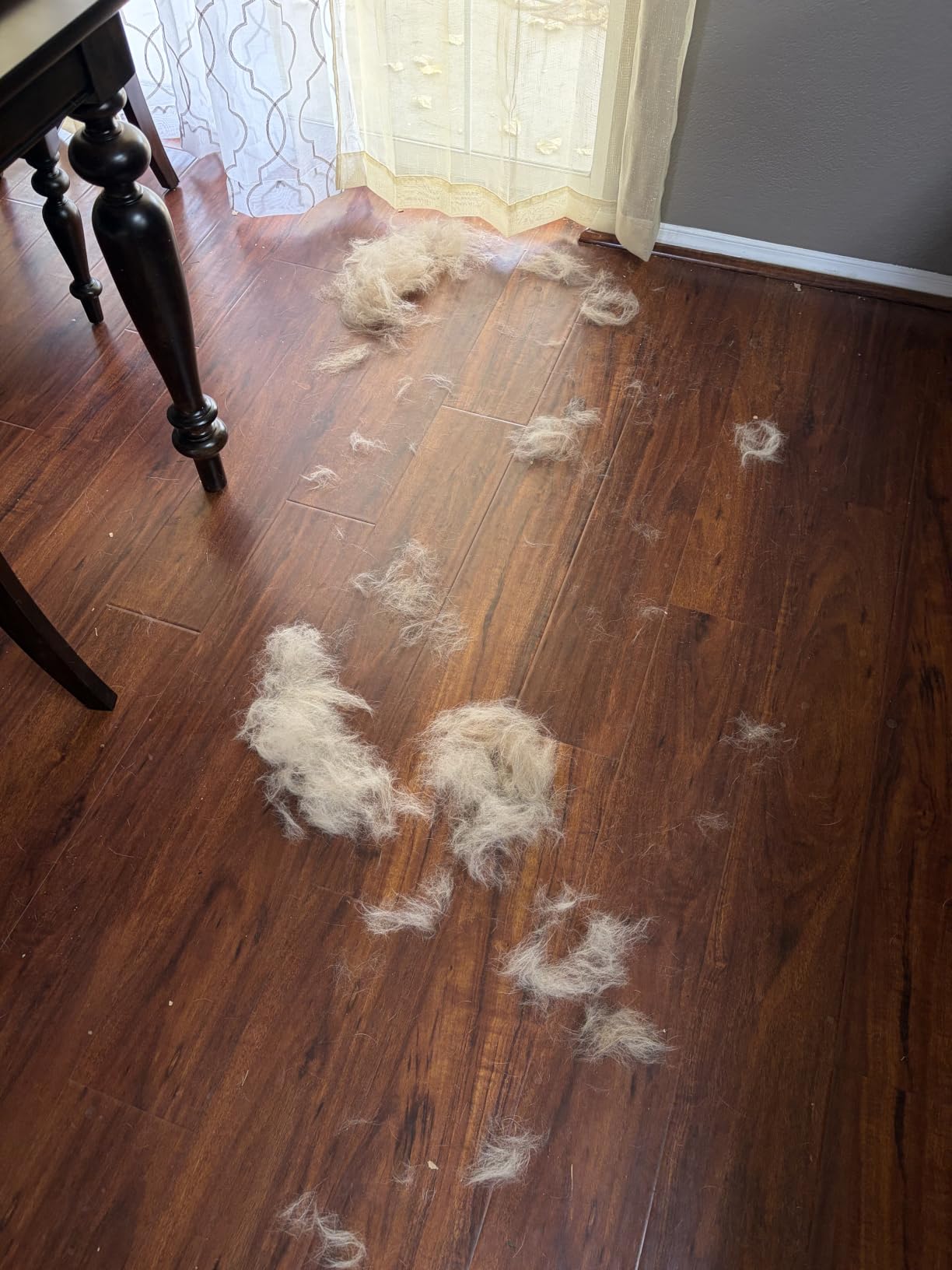
The tolerance reports are the standout. Multiple owners say dogs that previously refused brushing now come over for it, which matters enormously for breeds that are wary of metal tools. At 5.5 by 3 by 1.5 inches and 4 ounces, it is small enough to work quickly and light enough for long sessions.
The two cautions are practical rather than safety-related. The teeth will mark hardwood floors if you drag the tool across them rather than lifting it, and owners of short-haired sensitive dogs note that pressing hard can leave a bald spot or scratch the hand holding the coat.
Does the SleekEZ brush get into a double coat undercoat
No, and it is not trying to. The short teeth work at the surface. If your goal is pulling dead hair out of the undercoat during a coat blow, pair it with a rake and use this tool between sessions to keep the loose surface hair off the coat and off your furniture.
It also has a second life. The same blade pulls hair off couches, car upholstery and blankets, which owners mention often enough that you will probably use it more on the sofa than on the dog.
When the SleekEZ brush is the wrong tool
It will not touch knots or mats, and it is not a substitute for a dematting comb or a rake on a long plush coat. Owners who expected a full undercoat removal report disappointment for exactly that reason.
If your dog has heavy seasonal shedding, the number of sessions needed goes up sharply and the tool feels like a supporting player rather than the main event.
6. Aumuca Self-Cleaning Slicker Brush: Best Slicker for Clearing a Loaded Coat Fast
- One-click button releases a whole block of collected fur
- Round plastic-coated tips do not scratch skin or fingers
- Angled pins reach into thick undercoat and pull loose hair
- Sturdy ABS body and bristles that resist deforming
- Handle shape is not ergonomic and slides when real force is applied
- Brush head can be too wide for smaller animals such as cats
A standard slicker works and then stops working, because the loaded pins stop reaching skin. The release button is what makes this one different: press it and the needle bed retracts, dropping the collected block of fur away from the metal.
The pins are stainless steel with round plastic protective tips, described as 1.2 times thicker than comparable brushes and bent at 150 degrees for deeper reach. That tip coating is why owners of Australian Shepherds and huskies describe it as gentle on skin while still removing a substantial amount of loose hair.
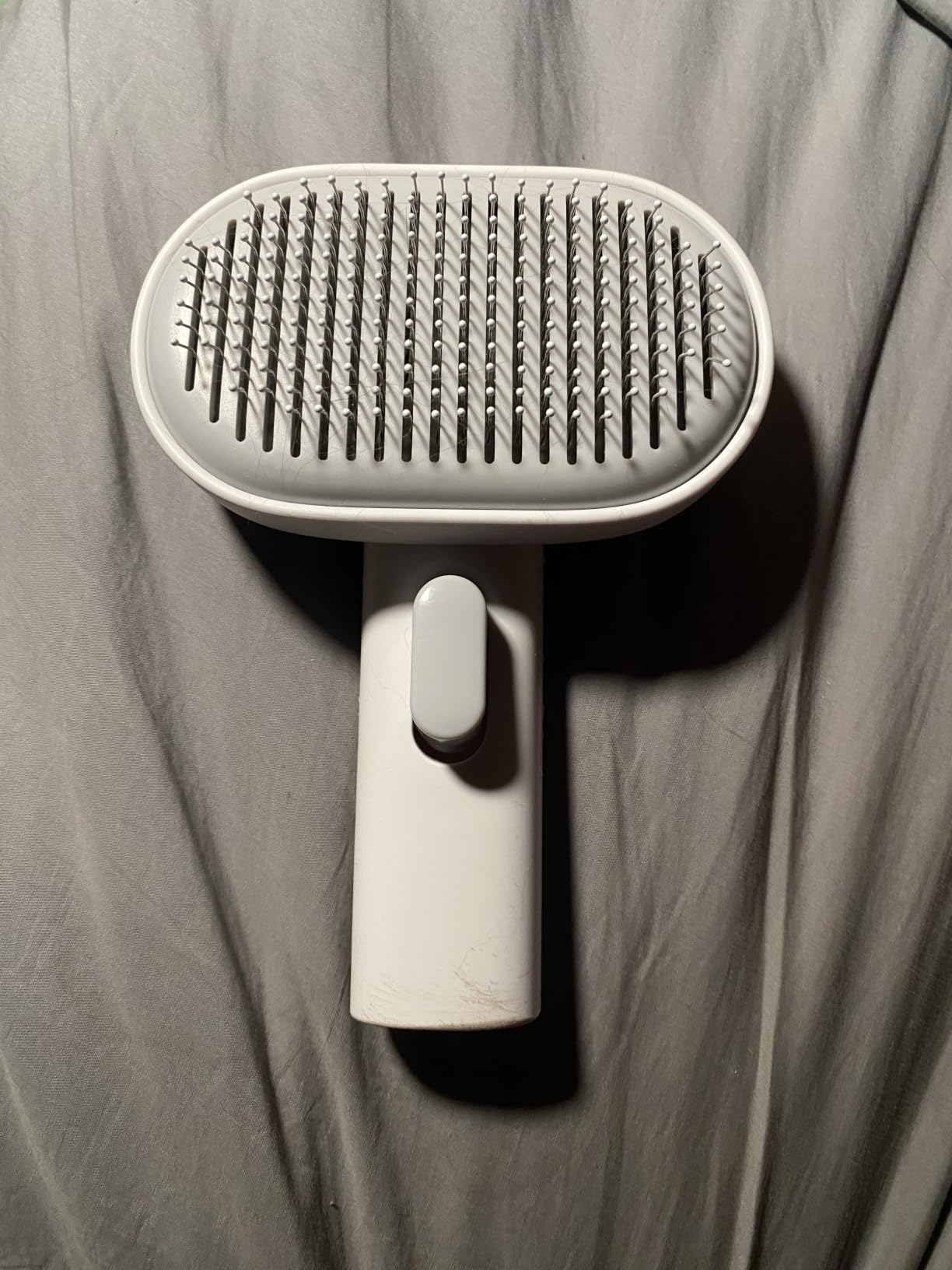
Where it earns its spot on a double coat is the after-bath and between-session work. Used with a high-velocity dryer it lifts undercoat that a comb cannot reach, and because clearing it takes one press rather than ten minutes with a pin pick, you are far more likely to finish the job.
The most repeated criticism, appearing across several reviews, is the handle. Owners describe it as the opposite of ergonomic and prone to sliding out of the hand once you apply any real force, which is a genuine problem when a dog decides to move mid-stroke. There is also a silicone hanging loop on the body, so park it somewhere high.
Is a self-cleaning slicker enough on its own for a double coat
It handles the maintenance load well and helps with a blow, but it is not a substitute for a rake. Slickers work the coat surface and the upper undercoat, while long rounded rake pins reach deeper and pull dead hair out of the dense layer closest to the skin.
The strongest routine pairs them: slicker for daily or twice-weekly work, rake for the seasonal release. Owners consistently describe that as the setup that finally gets their house under control.
Is the Aumuca slicker right for puppies or sensitive dogs
The rounded plastic tips make it one of the safer metal-pin options for young dogs and thin skin. Wait for the adult coat to come in before doing heavy coat-blow work, though, since a puppy coat is a different coat.
Skip it if you have small animals in the same household. At 8.3 by 4 by 1.9 inches the head is a little wide for cats and small dogs, even though the listing covers both.
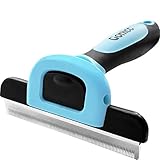
7. Gonicc Professional De-Shedding Comb: Best Budget Comb for Huskies and Shepherds
- Glides through thick husky and shepherd coats and pulls large amounts of undercoat
- Detachable head makes clearing collected hair quick
- Wide head covers more area per stroke
- Light enough for long sessions
- Teeth feel sharper than the listing implies
- No way to strip hair off mid-session
- Does not reach as deep as an edge-blade tool
This is the most direct answer for owners of Siberian Huskies and German Shepherds who want a shedding comb without buying the flagship edge-blade tool. Owners of both breeds describe a single session producing a large pile of undercoat and a noticeable drop in hair on furniture and floors.
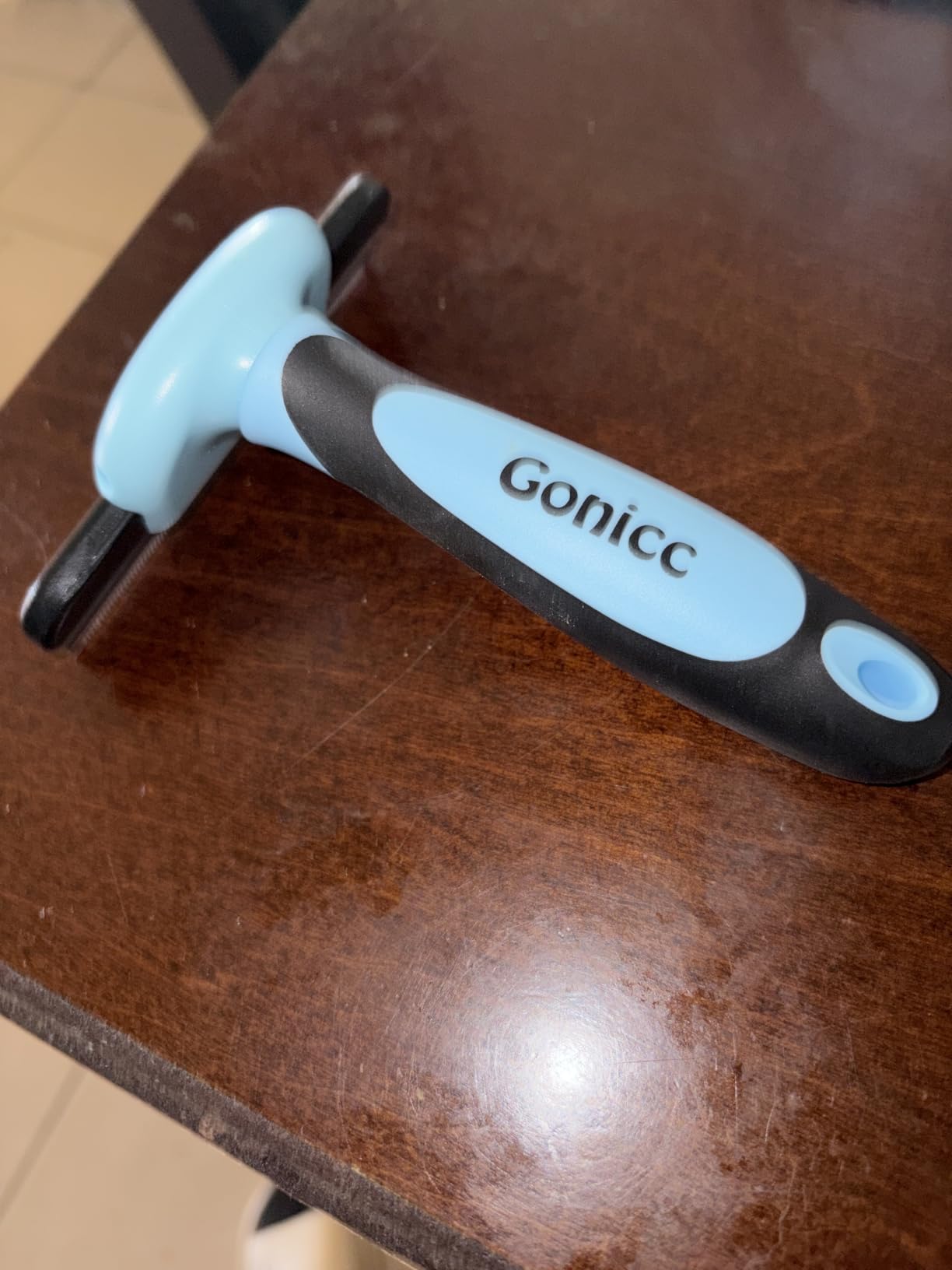
Two design choices make it practical. The head releases with a button, so clearing collected hair is fast, and the head is wide, so you cover more coat per stroke and finish a big dog in fewer passes. It weighs 4.66 ounces and the button-release eyelet on the tail lets you hang it or clip it to a belt.
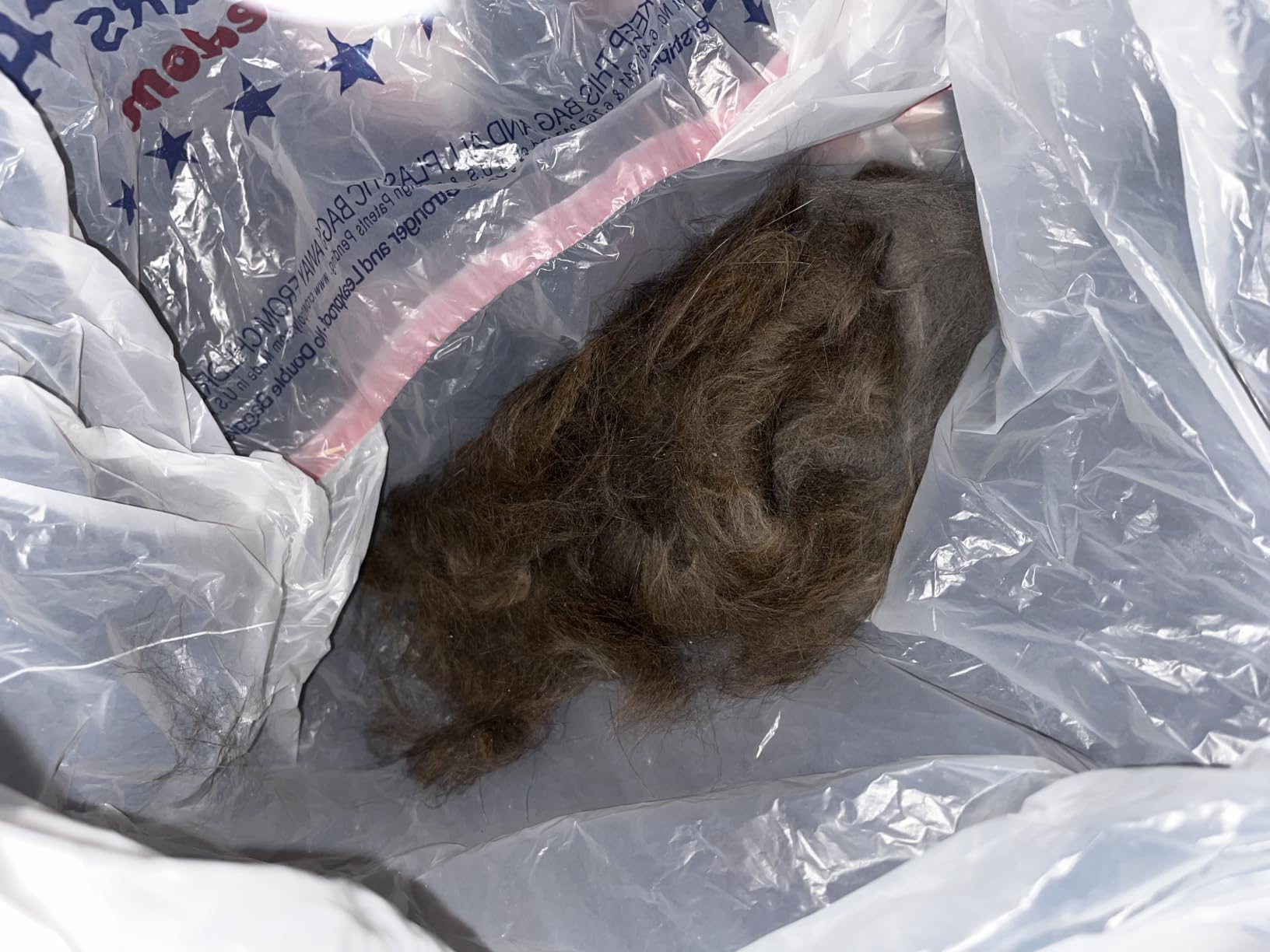
Reviewers commonly describe it as a solid substitute for a FURminator that does not reach quite as deep, which is an accurate summary of what the 2.6 inch stainless steel teeth do. The protective cover that comes in the box matters more than it sounds if the tool lives in a vehicle or a shed.
The caution is pressure. Owners repeatedly note the teeth feel sharper than the not sharp description implies, and recommend light pressure and staying off bony areas on elderly or thin animals. There is no mid-session strip, so you clear it every few passes.
Is the Gonicc comb deep enough for a husky coat blow
For the amount of loose hair in a heavy season, yes. For hair that is already compacted against the skin, it is shallower than a stripper rake with longer serrated blades, so you may need two passes instead of one.
If your husky or shepherd sheds year-round rather than seasonally, this is the right maintenance tool, and the wide head makes short daily sessions realistic.
What to know before buying the Gonicc comb
Check your dog’s coat length against the tool’s depth expectation. On very short dense coats the teeth are closer to the skin, so keep the pressure light and follow a pass with your fingertips to check the skin is intact.
It also has a lower profile than some competitors here, and the teeth dull eventually. Treat it as the practical mid-range pick rather than a lifetime investment, and wipe it dry after use to prevent rust.
8. BOTH WINNERS Dual-Sided Shedding Blade: Best Blade for Switching Between Long and Short Coats
BOTH WINNERS Dual-Sided Shedding Blade with Stainless Steel Blade De-Shedding Tool for All Dog Coat Types- Soft Touch Grip (Burgundy)
- Coarse and fine blades cover long and short coats on one tool
- Handles spread for fast coverage or squeeze together for small areas
- Soft-touch non-slip grip gives control in either orientation
- Also works on horses and large animals
- Collected hair stays on the ridged blade until removed by hand
- Needs repeated light passes to avoid scratching the skin
The most-praised feature here is simple: two ridged edges on one tool, with coarse teeth for long double coats and fine teeth for shorter ones. Owners with two dogs of very different coat types say this removes the need to buy a second blade.
The handle is the second idea. You can hold the two ends apart to glide a wide loop over broad areas, or squeeze them together to work a narrow strip around a leg or an ear. The soft-touch non-slip grip stays secure in either position, and at 12 by 4.1 by 1.57 inches it also handles horses and other large animals.
It is one of the lighter blade options at 4.44 ounces, which matters if you are working a large dog through a long session. Reported downsides are limited and consistent: hair collects on the ridged edge and has to be cleared by hand, and the instructions warn against heavy pressure because the teeth can scratch skin.
That last point puts it firmly in the seasonal rotation rather than the weekly one, for the same reason as other blade tools. It is efficient on a coat that is shedding heavily and already free of knots, which is the state a coat is in during a coat blow.
Is a blade-style tool safe on a long double coat
Safe in the right hands and the right season, but not as a routine tool. The edge works at the coat surface and strips what is already loose, which on a long plush coat means it can take guard hairs along with dead hair if you make too many passes.
If your dog is a Samoyed, a long-haired Collie or a Bernese Mountain Dog, rake and card instead of stripping. Short and dense coats tolerate this tool much better than long ones do.
How to use the BOTH WINNERS blade without scratching
Glide the loop over the coat in the direction of hair growth with light pressure, the way the instructions describe. Take short strokes over an area rather than one long hard pass, and lift the tool between strokes instead of dragging it.
After every few passes, look at the skin. If you see redness or your dog shifts, leans away or lifts a paw, stop that area and finish it later or with a rake. A coat blow takes days, not minutes.
9. Pet Teezer De-Shedding Brush for Long Hair: Best for Dogs Who Hate Metal Tools
Pet Teezer De-Shedding Dog Brush for Long Hair Breeds, Large, Blue & Pink
- Polymer teeth are far gentler on skin than metal tools and prevent brush burn
- Dogs that resist other brushes settle for this one
- Bristles bend without breaking and the tool rinses clean
- Also lifts hair from upholstery and fabric
- Removes less loose hair than a wire slicker or edge-blade tool
- Hair trapped in the middle of the brush is hard to remove
- Large version teeth can catch on knots
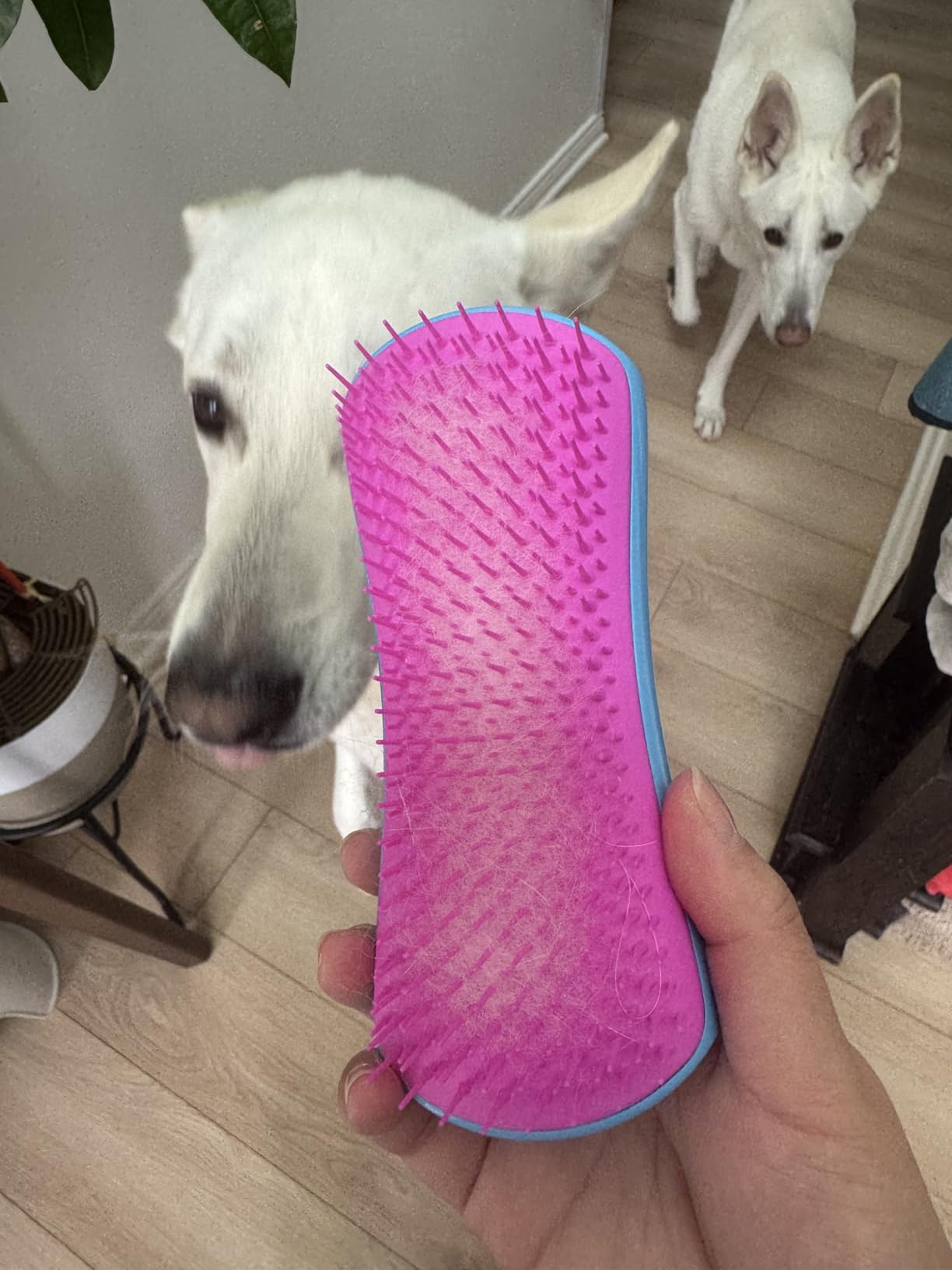
This is the tolerance pick. Instead of metal, the teeth are gentle polymer, and the brand markets that specifically as preventing brush burn during grooming. Multi-dog and multi-cat households report goldens, German Shepherds, Lab and Collie mixes, rotties, border collies and cavaliers settling down or actively coming over to be brushed.
The two-tier tooth design does the work. The longer tier reaches dirt and the undercoat while the shorter tier lifts loose hair off the coat. At 3.53 ounces it is the lightest tool in this roundup, and it rinses clean under warm water, which makes it the easiest one to keep hygienic.
Be realistic about output. Reviewers are consistent that it pulls out less loose hair than a wire slicker or an edge-blade tool, so it manages shedding rather than blasting through it. It works dry or at bath time, which makes it the natural companion to a wash-and-dry routine.
One buying warning is worth repeating: the large Blue and Pink model is the de-shedding brush, while the large Purple and Gray model is the detangling version. Several buyers received the wrong tool because the two are distinguished only by colour.
When a polymer brush is the better choice than a metal tool
When the dog is the problem rather than the coat. A dog who flinchs at metal teeth will tolerate polymer teeth, and a dog who tolerates brushing will give you far more coat-blow sessions over the years than a tool you abandon.
It is also the safer default for thin-skinned dogs, senior dogs and puppies in a transition coat, where scratching is a real risk rather than a theoretical one.
What the Pet Teezer cannot replace
It will not strip a heavy undercoat. During a full coat blow you still want a rake or a stripper tool to remove the dead hair, and you want a slicker with a release button to work the upper coat.
On long plush coats, check it frequently for knots. The stiffer teeth in the large size can catch, and a caught knot under a de-shedding stroke turns into a snag you have to unpick by hand.
10. Mars Coat King 23-Blade Stripper Rake: Best Professional Stripper for Thick Fine Coats
Mars Coat King Double Wide Dematting Undercoat Grooming Rake Stripper Tool for Dogs and Cats, Stainless Steel with Wooden Handle, Made in Germany, 23-Blade
- Highest average rating in the roundup at 4.7 with 85 percent five-star reviews
- Serrated blades strip dead undercoat instead of merely loosening it
- Double-wide blade covers a broad area per stroke
- Wooden handle and very light weight for extended coat work
- A finishing tool
- so the coat needs to be fully combed and dematted first
- Wooden handle needs drying after a wet session to avoid swelling
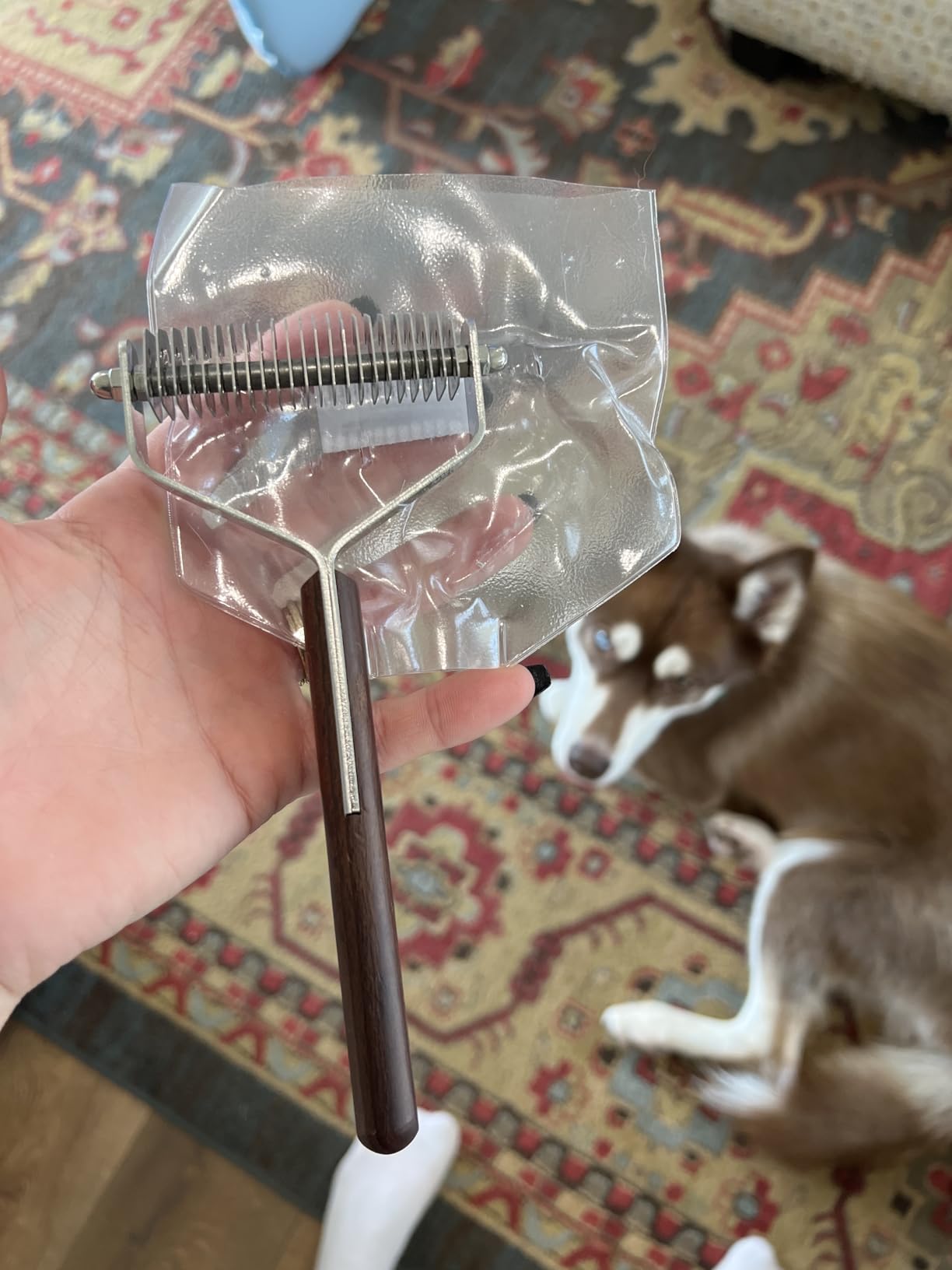
This is the salon tool in the set. Where an undercoat rake pulls dead hair out, the serrated blades on this stripper rake cut the dead coat away, which is why experienced groomers reach for it to finish and card thick, fine coats such as cocker spaniels and Afghan hounds.
It holds a 4.7 average with 85 percent five-star reviews, the largest share of top marks among these ten, and it is made in Germany with a stainless steel blade and a wooden handle. At 3.2 ounces it is the lightest tool here despite being the most specialized, and the double-wide blade covers a lot of coat per stroke.
The version matters for how you use it. Blade count changes the aggressiveness, and this model is also available in 6, 8, 10, 12, 16, 20 and 26 blade versions. That range is why professional groomers treat blade count as a coat-density decision rather than a brand decision.
It is a finishing tool, not a rescue tool. Running serrated blades through an unmatted coat is how you end up with hair the dog cannot scratch loose and guard hairs shortened unevenly. Card the coat out fully first, then use the stripper.
Is a 23-blade stripper too aggressive for a home double coat
For most home dogs, yes, it is more tool than needed. A carded or raked double coat does not need the undercoat cut away, because the undercoat is the insulation the coat is built around.
It earns its place on thick, fine, heavily carded coats, and on owners who already groom confidently and understand what a stripped coat looks like against one that has only been raked.
How to get the same result with a rake
Use a double-sided rake on a clean, fully dematted coat and work the same zones a stripper would: rump, chest, neck, shoulders, hips, tail base and behind the ears. Take longer, lighter strokes and clear the hair frequently so you can see the skin.
If you want the professional result without the risk, that is the whole argument for a rake. Slower, but nothing is cut, so nothing has to grow back out.
How to Choose a Deshedding Tool for a Double Coat
The right tool depends less on brand than on two things: how long and dense your dog’s coat is, and how much pressure your dog will tolerate. Get those two right and almost any of the ten above will work. Get them wrong and even a well-reviewed tool can scratch skin or leave a coat looking thin.
What kind of double coat does your dog actually have
Short and dense coats, typical of Siberian Huskies, German Shepherds and Australian Cattle Dogs, put skin closer to the surface. Use the fine or shorter-tooth face of a rake, keep pressure light, and check the skin with your fingertips after every few passes.
Medium double coats such as Australian Shepherds and Border Collies sit in the middle. The fine face of a dual-sided rake handles most weeks, and the coarse face takes over during a coat blow.
Long and plush coats, seen in Golden Retrievers, Bernese Mountain Dogs, Samoyeds, Newfoundlands and Chow Chows, need the longest reach available and the gentlest pressure. Rake and card rather than strip, because the guard hairs on these coats are long, visible and slow to regrow to full length.
Arctic coats are the extreme case. Coat density is high and the coat blows hard twice a year, so plan for a multi-week job rather than a single session and expect to repeat it twice a year.
Pin length is the decision that matters most
This is the question that comes up most in the grooming forums, and almost no buying guide answers it cleanly. The rule is straightforward: the pin must be long enough to reach the dense undercoat and short enough that it does not dig into skin when you press.
If your dog has a short dense coat, choose shorter pins with finer spacing. If the coat is long and plush, longer pins with wider spacing let the tool pass through the topcoat without dragging it. A pin that is too short simply moves loose hair around at the surface, which is a common reason owners conclude that raking does not work.
A pin that is too long is worse. It reaches skin, creates redness, and teaches your dog that grooming is something to avoid. That damage is done to your training, not just to your dog’s coat.
Undercoat rake vs de-shedding blade: what actually differs
An undercoat rake uses long, widely spaced, rounded pins. The pins pass between guard hairs, gather dead undercoat, and lift it out of the coat without cutting anything. Nothing is removed from the hair itself, so there is nothing to grow back.
A de-shedding tool uses a metal edge or short blade. It strips hair that is already loose, which makes it dramatically faster on a heavy coat blow. The tradeoff is that it works at the surface, so repeated passes can cut or break guard hairs, particularly on long coats.
In practice, groomers recommend the rake as the default and the blade as a seasonal tool for short and dense coats. A r/doggrooming thread on this distinction runs the other way for some dogs, which is a useful reminder that coat length and technique matter more than a rule of thumb.
Both are legitimate. They are answering different questions: the rake removes dead undercoat, the blade removes hair that has already detached.
How to use an undercoat rake without hurting your dog
First, check the coat over. Run your fingers through the high-friction zones, behind the ears, in the armpits, under the collar, at the leg cuffs and at the tail base. Anything you can catch on a fingernail is a mat, and it gets solved with a dematting comb first.
Second, section the coat. Working in manageable sections rather than the whole dog at once lets you feel what the rake is doing and gives you an obvious place to stop if your dog objects.
Third, use long strokes in the direction of hair growth with light pressure. The tool should glide; if you are pushing hard, either the pins are the wrong length or you are hitting resistance that means stop.
Fourth, target the high-shed zones. Rump, chest, neck, shoulders, hips, tail base and behind the ears release far more hair than the flanks, and owners consistently report the biggest results from spending extra time there.
Fifth, read your dog. Leaning away, lifting a paw, looking back, or going stiff are all stop signals. Take a break rather than pushing through, because a session abandoned mid-way teaches the dog to resist next time.
Sixth, introduce the tool slowly if your dog is hesitant. Let them sniff it, stroke the coat with it before using it, and reward the first few strokes. Pair it with a slicker they already tolerate if you have one.
How often to work a double coat through a coat blow
Outside a coat blow, once or twice a week is enough for most double-coated dogs, more often for short dense breeds that shed year-round. During a coat blow in spring or fall, several short sessions a week beat one long one, because the undercoat releases gradually rather than all at once.
Sessions of 10 to 20 minutes are more productive than 60-minute marathons for most dogs, and a full blow on a large breed is realistically a multi-week project. If you can only manage one session a week, make it a thorough one and accept that it takes longer.
Work a slicker or rake while blow-drying after a bath, because the loose undercoat lifts far more easily when the coat is warm and partly dry. A shed control shampoo and conditioner soften the coat and reduce the hair that ends up on your floor afterward.
When a groomer or a vet is the right call
See a professional groomer for mats that are tight against the skin, for a coat that has been clipped or shaved badly, for a coat you are worried about damaging, and for any dog whose anxiety makes home grooming unsafe.
See a vet instead for a coat that suddenly changes texture or colour, bald patches that do not grow back, excessive scratching or licking, weeping or crusting skin, and any hot spot. A hair that stops coming back is a medical question, not a grooming one.
And never shave a double-coated dog to reduce shedding. The coat does not grow back with the same insulation or the same weather protection, and the dog ends up cold, sunburn-prone and still shedding into your home.
Frequently Asked Questions
What is the best deshedding brush for a double-coated dog?
A dual-sided undercoat rake with long, rounded, widely spaced pins is the safest all-round choice. It reaches past the coarse guard hairs and lifts dead hair out of the dense undercoat without cutting anything. A blade-style de-shedding tool strips hair faster, but belongs in seasonal rotation on shorter, denser coats because repeated passes can break guard hairs.
Is a deshedding tool the same as an undercoat rake?
No. They are different tools that do different jobs. An undercoat rake has long rounded pins that gather and lift dead undercoat out of the coat. A de-shedding tool has a blade or short tooth edge that strips loose hair at the coat surface. Neither cuts live hair when used correctly, but a blade works faster and carries more risk on long coats.
Should you deshed a double coated dog?
Yes, but gently. Removing dead undercoat is healthy: it allows air and water to reach the skin and stops compacted hair from turning into mats and hot spots. What is not healthy is shaving the coat, or making repeated heavy passes with a blade on a long double coat, since that cuts the guard hairs that insulate and protect the dog.
How often should I brush my double-coated dog to manage shedding?
Once or twice a week outside a coat blow, and several short sessions a week during the spring and fall release. Short dense breeds that shed year-round may need more frequent attention. Keep sessions to 10 to 20 minutes, because several short sessions remove more undercoat than one long one and your dog stays cooperative.
What pin length undercoat rake do I need?
Match the pin length to coat density rather than to breed. Short and dense coats, such as a husky or a German Shepherd, need shorter pins with finer spacing so the tool does not dig into skin. Long and plush coats, such as a golden, a Bernese or a Samoyed, need longer pins with wider spacing so the rake passes through the topcoat without dragging it.
Can I shave my double coated dog to reduce shedding?
No. Shaving removes the insulating undercoat and the protective guard hairs, and the coat grows back thinner and less protective. The dog ends up cold in winter and sunburn-prone in summer, and still sheds into your home. Raking the dead undercoat out instead achieves the reduction you want without removing anything from the coat itself.
The Bottom Line for Double-Coated Dogs in 2026
For most owners the answer is one rake and one slicker. Start with a dual-sided undercoat rake for the deep work and add a self-cleaning slicker with rounded tips for everyday maintenance, and you will cover the whole coat cycle without touching a blade at all.
If you want a single tool that does more, the two-in-one deshedding and dematting comb covers knots and loose hair in one pass. Reach for a blade-style tool only during a seasonal coat blow, on a combed coat, and keep it off long double coats.
Set a calendar reminder for the spring and fall releases rather than waiting for the sofa to tell you. Ten minutes twice a week through a coat blow is the whole job.