
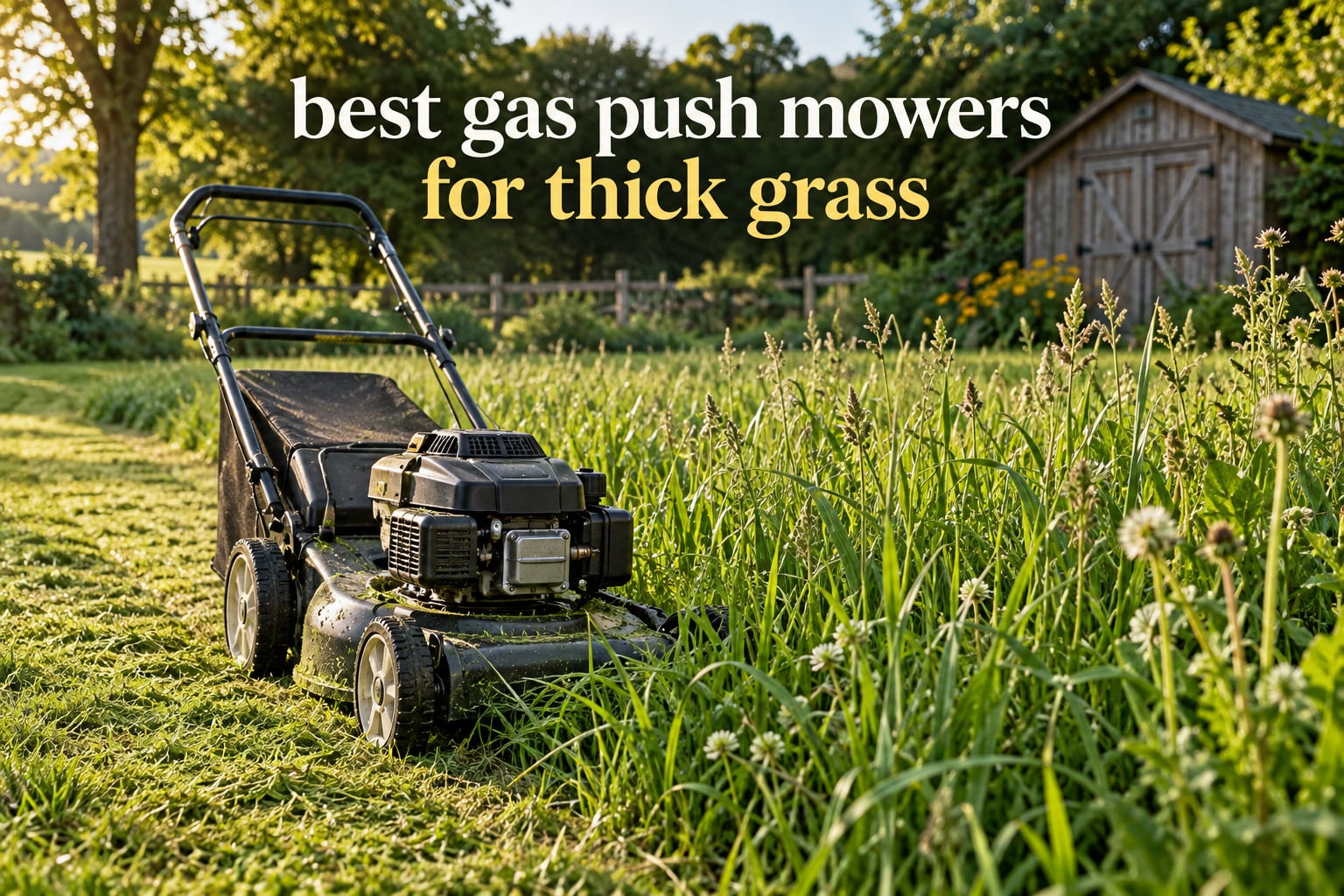
A gas push lawn mower handles thick, overgrown grass when it has three things at once: at least a 160cc four-stroke engine with real torque behind the blade, a self-propelled drive you can slow down when the load spikes, and a steel deck that will not flex over rough ground. Add a blade sharp enough to shear rather than crush, and the same lawn stops being a problem.
That combination is rarer than the product listings suggest. Brands will happily print the word “thick grass” on a mower with a 144cc engine, a plastic deck and a fixed walking speed, and owners will still be stopping every thirty seconds to clear a packed deck. One recurring theme across the r/lawnmowers threads is that advertised capacity and real capacity rarely match, which is why every pick below is judged on engine displacement, torque, blade type, deck material and whether the drive lets you control your own pace.
We also spent a lot of time on the two questions the roundups usually skip. The first is why a mower that ran fine last week suddenly bogs in grass that was only cut the week before. The second is what to do when the lawn has genuinely gotten away from you and you cannot just power through it. Both answers are further down, and both save more money than any single product choice on this list.
If your real problem is the fence line and the weeds along the ditch rather than the lawn itself, our picks for gas string trimmers for thick weeds and string trimmers for tall grass cover that side of the job. This guide stays on the deck.
Table of Contents
Top 3 Gas Push Mowers for Thick Grass
These three are the ones we would put on a lawn that gets cut once a month. Each solves the thick-grass problem a different way: one with pace control, one with a name-brand engine, one with the hardest blade in the group.

SENIX 22-Inch 201cc Variable Speed
- 201cc 4-cycle OHV engine
- 22-inch steel deck
- rear-wheel drive with variable speed
- 6-position height adjustment from 1.25 to 4 inches

PowerSmart 22-Inch 150cc Briggs &…
- Briggs & Stratton EX625 150cc with ReadyStart
- 22-inch steel deck
- rear-wheel drive
- 1.4-bushel grass bag
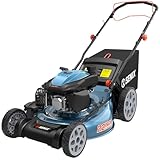
SENIX 22-Inch 201cc Single Speed
- 4.7 HP and 8.8 ft-lb torque
- 45-50 HRC manganese steel blades
- vortex tunnel deck
- 6-position height adjustment
Quick Comparison of the 10 Picks in 2026
Ten mowers, all walk-behind gas, all ordered by how much engine they put behind the blade. Scan the engine and torque columns first; those two numbers predict bogging behavior better than any other spec on the page.
| Product | Specifications | Action |
|---|---|---|
| SENIX 22-Inch 201cc Variable Speed Self-Propelled |
|
Check Latest Price |
| PowerSmart 22-Inch 150cc Briggs & Stratton |
|
Check Latest Price |
| SENIX 22-Inch 201cc Single-Speed Self-Propelled |
|
Check Latest Price |
 SENIX 21-Inch 170cc Front-Wheel Drive SENIX 21-Inch 170cc Front-Wheel Drive |
|
Check Latest Price |
 YARDMAX 22-Inch 201cc Select PACE 6-Speed CVT YARDMAX 22-Inch 201cc Select PACE 6-Speed CVT |
|
Check Latest Price |
 AMERISUN 21-Inch 170cc High-Wheel Self-Propelled AMERISUN 21-Inch 170cc High-Wheel Self-Propelled |
|
Check Latest Price |
 PowerSmart EasyGlide 21-Inch Steel-Deck Push Mower PowerSmart EasyGlide 21-Inch Steel-Deck Push Mower |
|
Check Latest Price |
 PowerSmart 21-Inch 144cc All-Steel Push Mower PowerSmart 21-Inch 144cc All-Steel Push Mower |
|
Check Latest Price |
 BILT HARD 21-Inch 144cc 3-in-1 Mower BILT HARD 21-Inch 144cc 3-in-1 Mower |
|
Check Latest Price |
 BILT HARD 20-Inch 144cc Lightweight Push Mower BILT HARD 20-Inch 144cc Lightweight Push Mower |
|
Check Latest Price |
1. SENIX 22-Inch 201cc Variable Speed – Best Overall for Thick Grass
- Variable-speed drive lets you match pace to the load
- 201cc OHV has real torque reserve in standing grass
- 22-inch steel deck covers more per pass than 20 or 21 inch models
- 4 inch top cut height is the tallest setting in this group
- 3-in-1 deck handles bagging
- mulching and side discharge
- Lowest average rating here at 3.9 stars with a notable share of one-star reviews
- recurring reports of hard starting that need several pull-cord attempts
- height adjustment is calibrated very low so even the tallest setting still cuts short
The single feature that separates this mower from everything else on this list is the variable-speed drive. When the blade hits a heavy patch, you slow the drive down, the blade sees a lighter load and the engine stays up near its power band instead of dropping toward stall. On a lawn that gets cut once a month, that single adjustment removes most of the stop-and-clear cycle that makes thick grass miserable.
We paired it with the 201cc four-cycle overhead-valve engine, which is the largest engine in this group along with the YARDMAX, and a 22-inch steel deck. Owners mowing neglected ground report getting through growth well past the point where smaller machines quit, and the 11-inch rear wheels climb uneven ground without the drive losing grip.
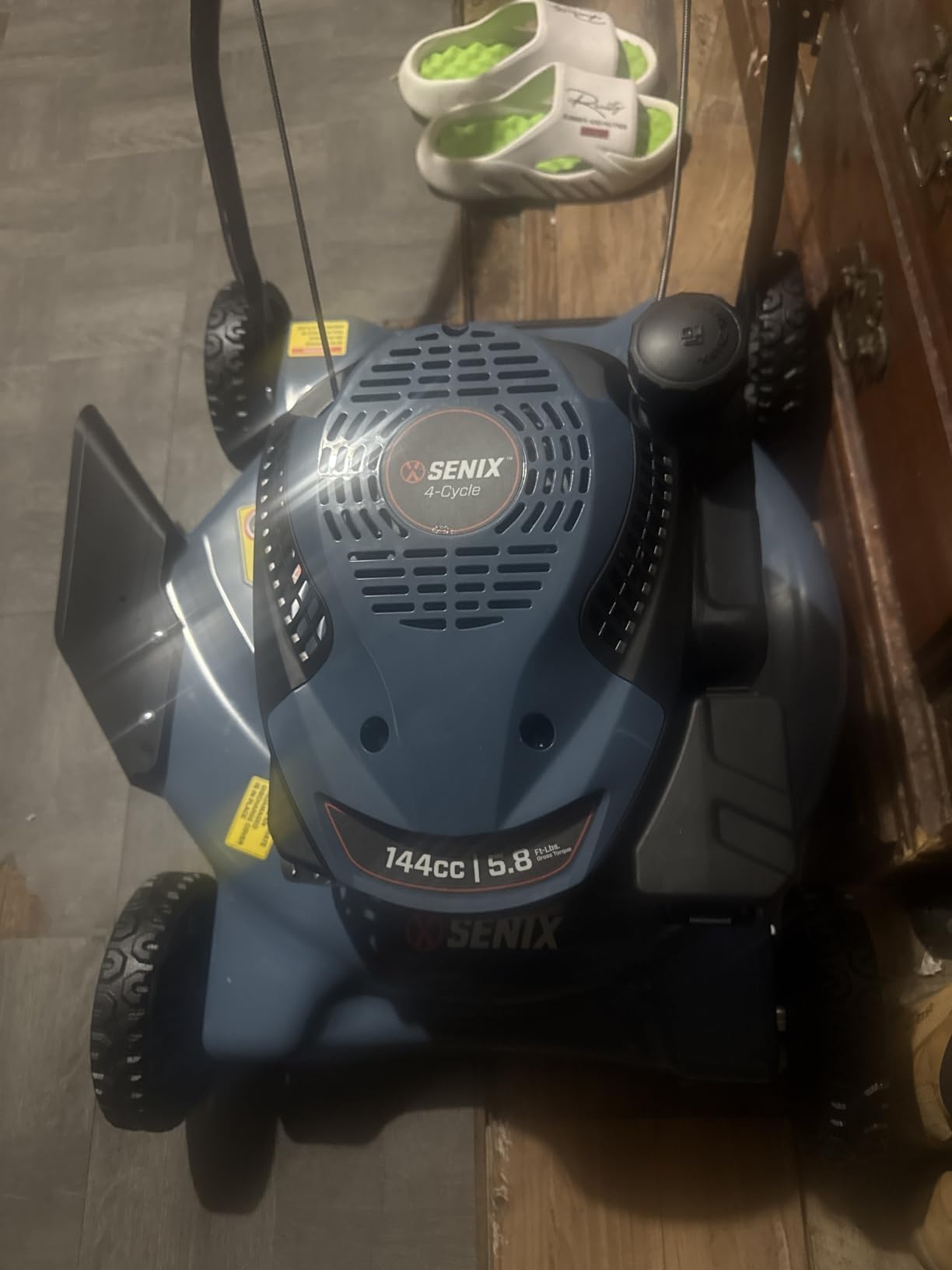
Mechanically this is the configuration we would build for the problem. A 22-inch deck means the blade is cutting a wider swath, so each pass moves more material per blade revolution than a 21-inch deck at the same engine speed. The 6-position single-lever height adjustment runs from 1.25 inch up to 4 inches, and that 4-inch top setting is what lets you stage down an overgrown lawn rather than attacking it at cutting height.
The 3-in-1 system covers bagging, mulching and side discharge. Side discharge is the one that matters for thick growth, because a mower that is throwing clippings out of the chute is not filling a bag that then drags and clogs underneath. Owners on large clippings volumes tend to side discharge first, then bag on the second pass once the lawn is down to a manageable height.
How it behaves in knee-high growth
In standing grass taller than the cut height, this is the mower we would trust first. The combination of variable drive speed and 201cc means you can creep into a patch at walking pace and let the blade do the work rather than leaning on the handle and forcing the machine. That matters because a pushed-too-hard mower loads the blade, dulls it faster, and is exactly what causes the bogging complaints we unpack later in this guide.
There is a real caveat. This mower carries the lowest average rating in the group at 3.9 stars, and the one-star share is substantial, with hard starting and first-season engine failures appearing repeatedly. If you already struggle to pull-start a machine, spend a few minutes on the carb and choke before you ever hit thick grass, because a mower that will not start on a warm afternoon will not save you on a Saturday morning with knee-high grass waiting.
Weight, fuel and ownership realities
At 79 pounds this is a mid-weight machine, heavy enough to feel planted on a slope and light enough to pivot at the end of a pass. The fold-flat profile matters more than the number suggests, because a mower you can stand on end in the garage is a mower you will actually keep serviced rather than let rust in the corner.
Rear-wheel drive does the traction work here. That is the geometry you want on a hill, because the loaded rear wheel is the one doing the pushing. Maintenance stays ordinary: oil changes, an air filter you check before a neglected-lawn season rather than after, and a blade you sharpen at the start of every year. Owners who treat the blade as a consumable rather than a permanent part report far fewer stall complaints.
2. PowerSmart 22-Inch 150cc Briggs & Stratton – Best Value with a Name-Brand Engine
- Briggs & Stratton is the only name-brand engine in this lineup
- ReadyStart removes the choke ritual in any weather
- 22-inch steel deck with rear-wheel drive for incline traction
- 1.4-bushel bag gives longer intervals between emptying
- heavy-duty blade produces a fine cut
- 150cc is the smallest engine paired with a 22 inch deck in this group
- height adjustment tops out at 3.9 inches
- first assembly and initial adjustments take more effort than expected
If you want a name-brand engine under the hood, this is where the list stops arguing with you. The Briggs & Stratton EX625 is the only explicitly named commercial engine in this group, and it is paired with the ReadyStart system so there is no choke to set and no priming ritual on a humid morning. That is a meaningful reliability difference when the grass is wet and you are trying to get through a backlog.
The rest of the package is conventional and well chosen for the job. A 22-inch steel deck, rear-wheel drive for traction when the machine is pulling itself uphill through heavy growth, and a single-lever six-position height adjustment. Owners point to the 1.4-bushel bag as the feature they notice most in practice, because a larger catcher means fewer stops in tall grass where a full bag drags and clumps.
Here is the honest tradeoff. The EX625 is 150cc, and the research behind this guide is consistent on one rule: once a deck reaches 22 inches, you want more than 150cc to hold blade speed under load. On a lawn that is cut on a normal schedule this machine is more than adequate. On a lawn that gets away from you for a month, the smaller engine will feel the difference on the deepest patches.
The height range is the other limitation worth planning around. Six positions from 1.5 inch to 3.9 inches is plenty for staged cutting, but it leaves you no taller setting to fall back on if the grass is genuinely at knee height on day one. Check the lawn before you commit, because that 3.9-inch ceiling determines how much you can remove in the first pass.
How it behaves in knee-high growth
Rear-wheel drive plus a 22-inch deck gets this machine into thick growth without drama, and the ReadyStart system means you are not fiddling with a choke while holding a mower that is trying to drag you backwards down a slope. In damp growth the deck holds together reasonably well, and the fine cut from the heavy-duty blade leaves clippings small enough to disperse rather than mat.
What you trade away is headroom. When a 200cc machine has torque to spare, the 150cc is working near its limit and the load spike shows up as a brief RPM drop that the operator can absorb by slowing down. That is workable if you are deliberate about it, and genuinely frustrating if you are trying to finish a large neglected lawn in one session.
Weight, fuel and ownership realities
Seventy-two pounds is a good working weight, lighter than most 22-inch machines here and noticeably easier to turn at the end of a pass. The rear-wheel drive geometry means it holds on a slope better than the front-wheel-drive alternative further down this list, which matters if your neglected patch is also the sloped part of the yard.
Briggs & Stratton engines are the easiest in this group to find parts for, and the engine family is one any small-engine shop will have on the shelf. The reviews do flag that assembly and first-run adjustments take more effort than expected, so budget an unhurried hour before the first cut rather than trying to do it the evening before the lawn gets mowed for the first time all year.
3. SENIX 22-Inch 201cc Single Speed – Best for Dense Overgrown Lawns
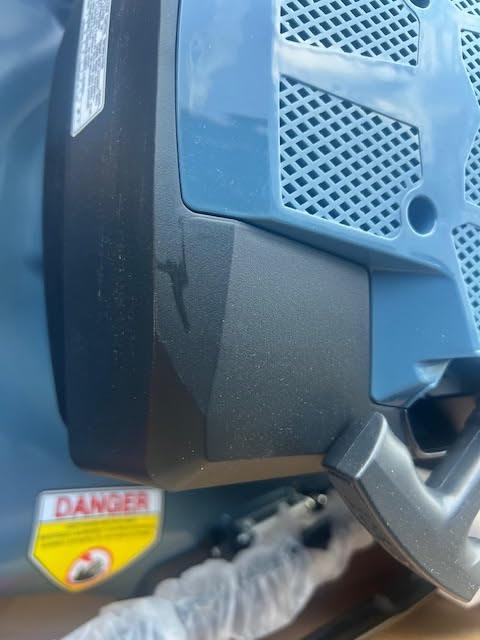
SENIX 22Inch 201cc 3-in-1 Gas Lawn Mower, Rear Wheel Self-Propelled Mower
- Highest measured output in the group at 4.7 HP and 8.8 ft-lb torque
- hardened 45-50 HRC manganese blades hold an edge in thick grass
- vortex tunnel deck improves airflow and reduces clumping
- strongest five-star share in this lineup
- folding handle and 2-year warranty
- Single-speed drive gives no pace adjustment to match your walking speed
- 72 pounds is heavy to pivot around trees and beds
- folding handle joint can loosen over time
This is the most powerful machine on the list on paper, and the spec that matters is torque. At 8.8 ft-lb from a 201cc overhead-valve four-cycle, it has more rotational force available at the blade shaft than anything else here. Torque is what decides whether the engine keeps its speed when the blade breaks into a thick mat, which is precisely the moment lesser machines stall.
The second differentiator is blade hardness. The manganese steel alloy blades are rated 45-50 HRC, a genuinely hard blade steel. A blade that dulls in two passes turns thick grass into a task rather than a cut, so the harder the steel, the longer it stays sharp in abrasive growth. Owners consistently credit raw cutting power and blade retention as the reasons this mower handles dense, neglected lawns.
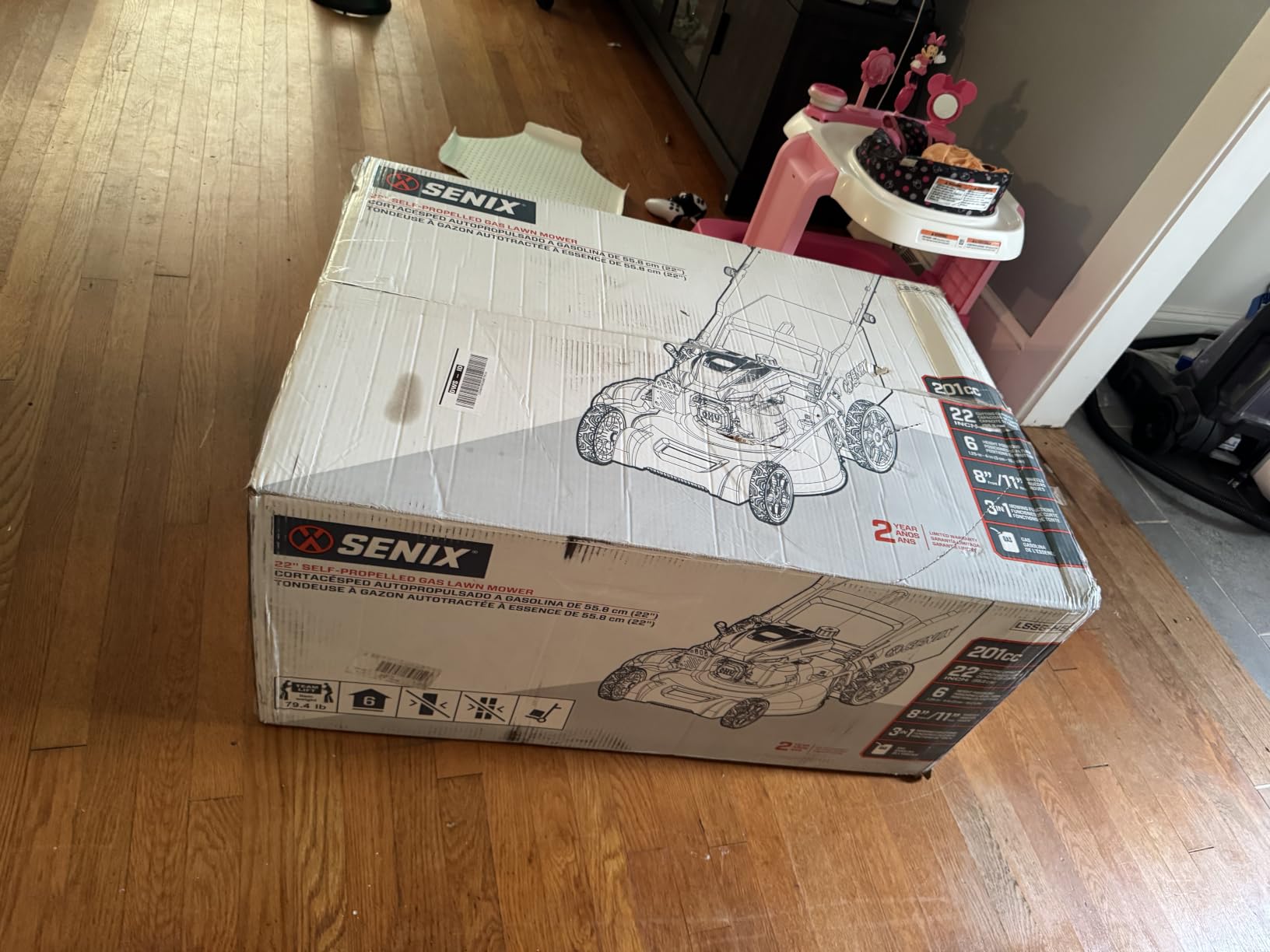
The deck design supports the same goal. The DC04-06 low-carbon high-strength steel deck uses a vortex tunnel airflow layout, which pulls clippings up and out of the cutting chamber rather than letting them pack underneath. Clogging is a wet-grass problem more than a tall-grass problem, but airflow is what keeps the underside clear when the two conditions overlap, which on a neglected lawn is often.
Rated for lawns up to about half an acre, the 22-inch deck gives 4.7 horsepower and a top cutting height of 4 inches across six positions. The 2-year warranty is a nice signal on a machine in this class, and the folding handle makes it easy to stand on end in a garage.
How it behaves in knee-high growth
The single-speed drive runs up to 2.9 MPH, which is faster than most people walk. That is the one design compromise here, and it is a real one: when the blade loads up, you cannot slow the machine to match. You can only slow yourself and let the mower run ahead of you, or you can lift the deck to the top setting and take less per pass.
Because the engine has so much torque reserve, that fixed speed causes fewer problems than it would on a smaller machine. The blade can absorb the load spike without the RPM collapse that would trigger a stall, so the drive speed stays the annoyance rather than becoming a failure. Owners mowing larger lawns report the speed reduces fatigue, which is true if you are comfortable walking at that pace.
Weight, fuel and ownership realities
At 72 pounds it is lighter than several 22-inch machines here, but 72 pounds is still heavy to swing around a tree bed at the end of a pass. On an open, slightly sloped lawn that is a non-issue. On a yard with tight landscaping, plan your pass pattern so you are not constantly turning a loaded machine.
Ownership is straightforward, and the folding handle joint is the part owners flag for a periodic tightening. The blade is the item to watch. Because it is hardened steel rather than the softer steel used on budget decks, it wants a decent sharpening rather than a quick file job, and keeping it sharp is the highest-return maintenance task on any mower in this guide.
4. SENIX 21-Inch 170cc Front-Wheel Drive – Best for Bagging Heavy Clippings
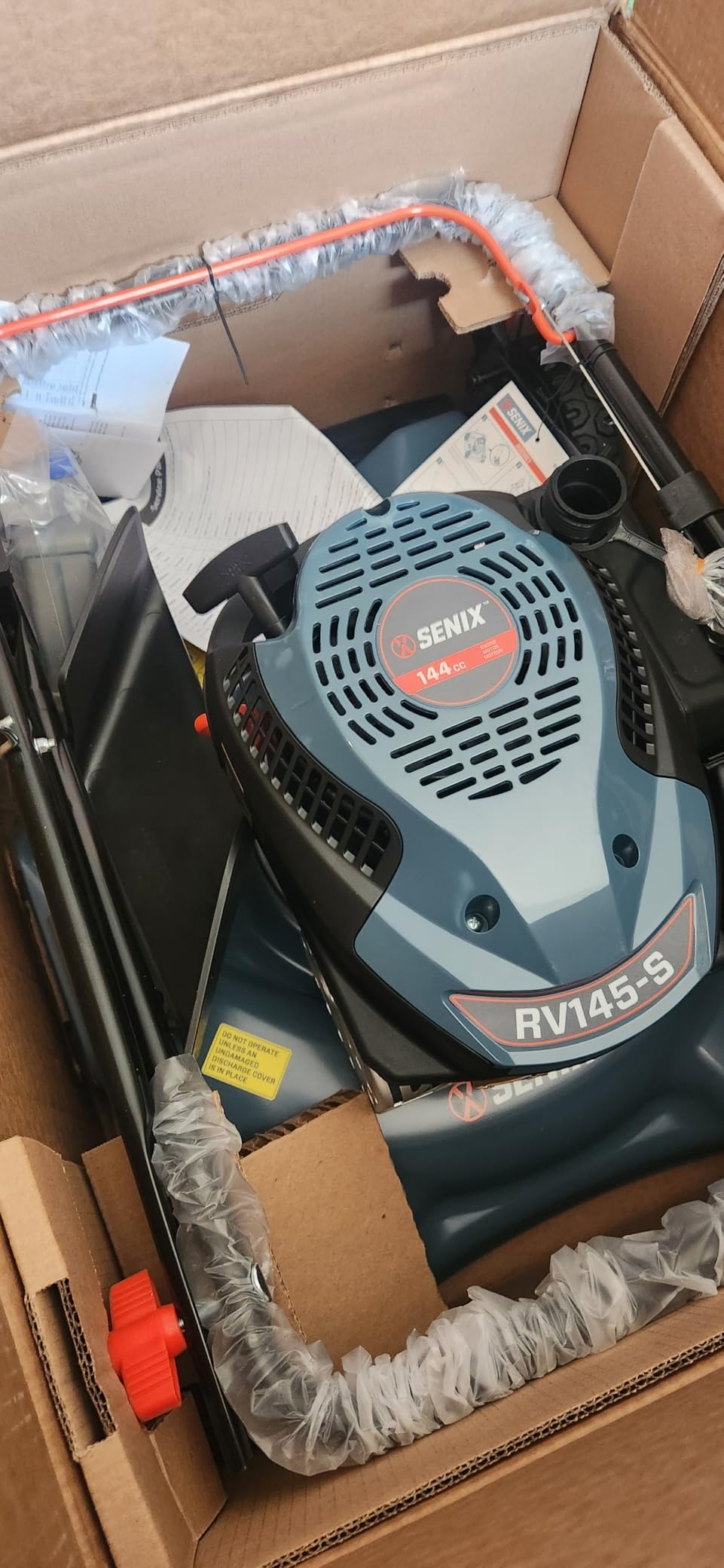
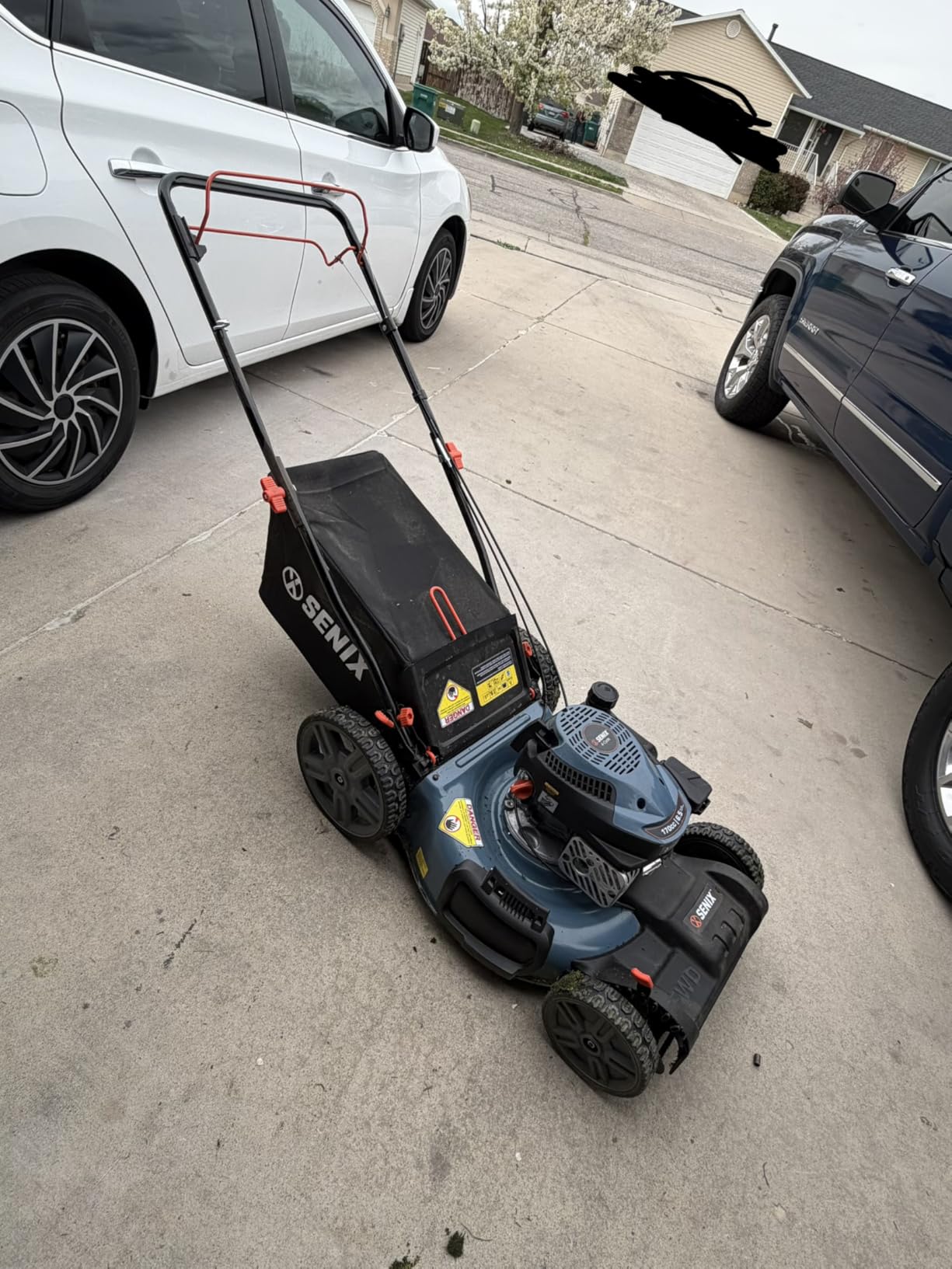
SENIX 21” Self Propelled Gas Lawn Mower 170 cc, 6-Position Cutting, 3-in-1
- Largest grass bag in the group at 1.7 bushels
- multiple owners report it cuts thick grass without bogging
- lightest self-propelled machine here at 61.7 pounds
- 8-inch front and 11-inch rear wheels handle rough ground
- easy height adjustment and tight maneuvering
- Front-wheel drive is best suited to relatively flat yards
- notable share of one-star reviews with repeated hard starting on some machines
- reviews pool across all SENIX models so variant feedback is mixed
- reports of a rear safety piece working loose during use
The 170cc four-cycle overhead-valve engine puts out 3.8 HP and 6.5 ft-lb of torque, which is a sensible middle position: enough displacement to keep a blade moving through dense growth without being so large that the machine feels unmanageable. Owners report it cuts thick grass cleanly, and the vortex tunnel deck design is intended to reduce the grass buildup that causes mid-lawn clogs.
What makes this one different from the other self-propelled machines here is the 1.7-bushel bag, the largest catcher in the group. If your plan is to bag rather than side discharge, that extra capacity is worth more than raw engine size, because a full bag drags in tall grass and dumping it on a lawn you have already cut makes the next pass worse.
At 61.7 pounds this is the lightest self-propelled mower in the analysis, which matters more in thick grass than it sounds. A heavy machine already loaded with clippings becomes very hard to turn at the end of a pass, and turning is where stalls tend to happen because the blade is still spinning under load while the deck changes direction.
The 21-inch steel deck is sized for yards up to a third of an acre, and the dual-lever six-position height adjustment runs from 1.25 inch to 3.75 inches. That top setting is tall enough to run a staged cut on genuinely overgrown grass, and the 8-inch front and 11-inch rear wheels roll over uneven ground without catching on every lump.
How it behaves in knee-high growth
It handles thick growth better than its displacement alone would suggest, and the front-wheel drive means the machine propels itself forward into dense material instead of you leaning into it. That is a genuine advantage on flat ground, and it is why owners on small-to-medium lawns rate it so well for tall grass work.
The catch is the drive geometry, and it is not a small one. Front-wheel drive is engineered for flat, even ground, because the driven wheel is the steering wheel. On a slope, that same wheel loses the grip it needs to climb, which is precisely the condition where rear-wheel or all-wheel drive earns its keep. If your neglected patch is also the hilly part of the yard, weigh this one carefully.
Weight, fuel and ownership realities
Light weight is the ownership story here. At 61.7 pounds you can lift it into a vehicle, flip it for cleaning, and pivot at the end of a row without planning your day around it. Oil is pre-filled, and consumption is listed at roughly 27 oz per hour, so budget fuel by the clock rather than by the tank.
One note on reviews: this brand pools customer feedback across its 20-inch, 21-inch and 22-inch models, so a great deal of what you read is not specific to this machine. That is a useful caution across this list generally, and it is why we weight the published specifications more heavily than the star figure when the two disagree.
5. YARDMAX 22-Inch 201cc Select PACE 6-Speed CVT – Best for Variable Pace on Slopes
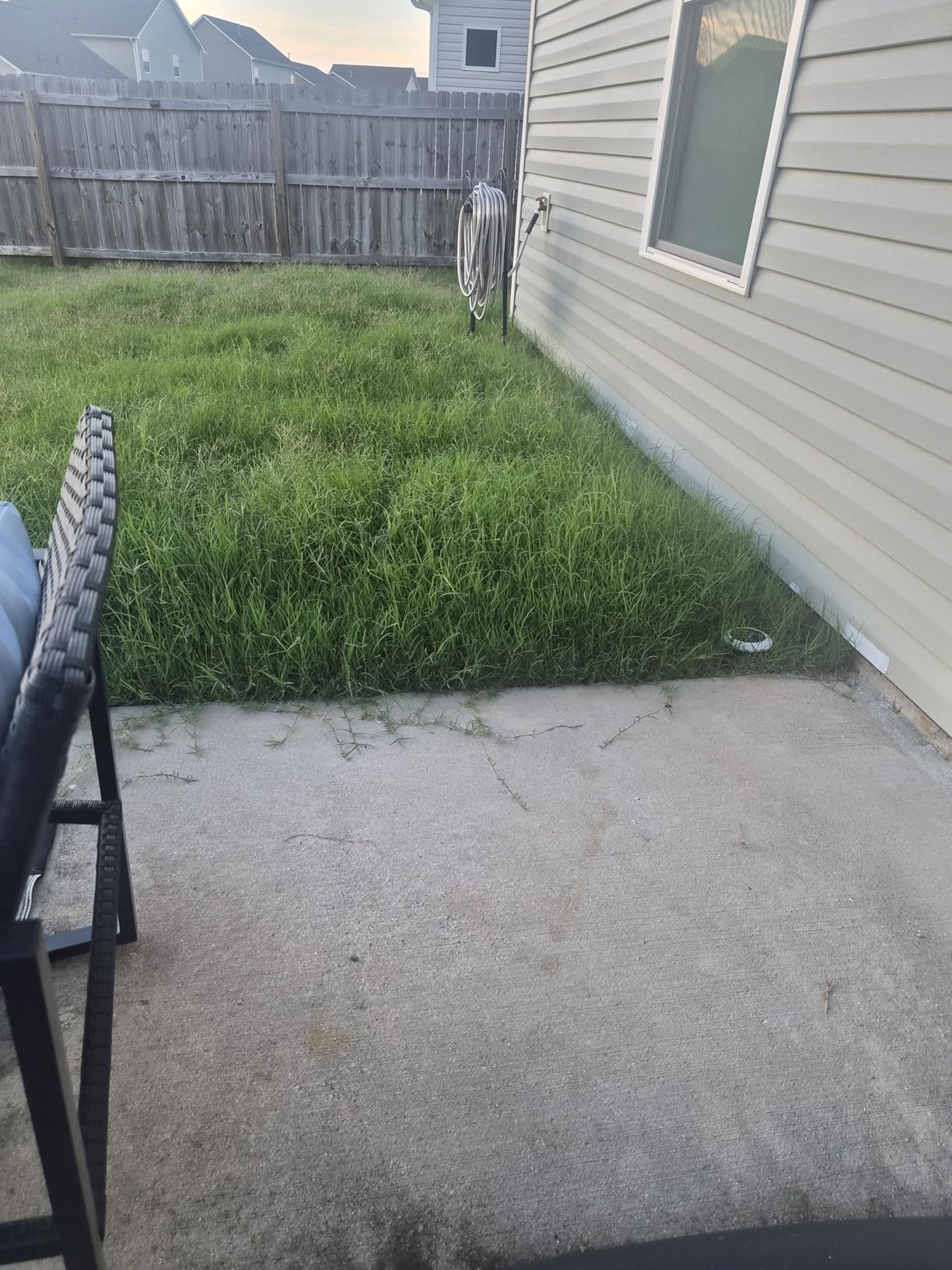
YARDMAX 22 in. 201cc Select PACE 6 Speed CVT High Wheel FWD 3-in-1 Gas Walk Behind Self Propelled Lawn Mower, Black (YG2860)
- Continuously variable transmission with a 6-speed shift lever
- spiked-tread rubber tires give strong traction on slopes and thick stands
- automatic choke means no priming or choking
- deck cleanout port clears packed grass from under the deck
- 2-year residential warranty
- Heaviest mower here at 84.9 pounds and tough to lift or turn
- cutting width and deck material are not published in the listing specs
- notable share of one-star reviews pointing to durability complaints
A continuously variable transmission with a six-speed shift lever is the best pace control on this list, and pace control is the feature owners actually feel. You set the speed once, then walk at that speed, and the machine matches you rather than plowing ahead at its own idea of forward. On thick grass that means you can back the speed off before a heavy patch instead of overrunning it and stalling.
The tires are the other quiet advantage. The spiked-tread rubber pattern bites into soft, overgrown ground in a way a standard ribbed turf tire does not, and on a lawn that has been growing unchecked you will often be cutting slightly into soil. That extra grip is what lets the drive pull the mower uphill through a dense stand rather than sliding back down it.
The automatic choke removes priming and choking entirely, which sounds minor until you are starting a mower on a damp morning after a week sitting in the shed. There is also a deck cleanout port, a fitting that lets you clear packed grass from under the deck with a hose rather than tipping the machine on its side and scraping it with a screwdriver.
The 3-in-1 deck handles mulching, bagging and side discharge, and the single-lever height adjustment is quick and one-handed. Spare part availability is guaranteed for five years in the EU, which is a longer parts commitment than most of this class offers.
How it behaves in knee-high growth
On a slope with tall growth, the combination of variable pace and spiked tires is the strongest here. You can descend into heavy grass at a slower ground speed while keeping the engine steady, and the tread gives the drive something to push against. That is the exact scenario where front-wheel-drive machines on this list lose ground, and where a fixed-speed machine forces you to fight the handle.
The honest limitation is weight, and it is not a small one. At 84.9 pounds this is the heaviest machine in the analysis, and that number climbs when the grass bag is full of wet clippings. Turning at the end of a pass in thick growth means committing real effort, and on uneven ground it is the machine most likely to feel like it is fighting you.
Weight, fuel and ownership realities
Buyers should plan the physical side before the purchase. A mower this heavy is comfortable in a straight line and genuinely tiring in a yard with many obstacles. If your lawn is open and sloped, that weight is an asset. If your lawn is small and full of beds and trees, it is a liability, and a lighter machine further up this list will serve you better.
One documentation gap worth noting: the listing does not publish the cutting width or deck material in its spec section, so confirm those against the physical machine before you commit. Everything else is clearly specified, including the transmission type, which is the part that actually matters for thick-grass work.
6. AMERISUN 21-Inch 170cc High-Wheel – Best for Uneven Ground
AMERISUN 21″ Self-Propelled Gas Lawn Mower, 170cc OHV Engine 3 in 1 Mower
- 170cc OHV engine is the right size for tall
- thick grass
- high-wheel design with 10-inch rear wheels handles uneven terrain
- hills and slopes
- heavy-duty steel deck
- foldable handle saves storage space
- quick and simple assembly
- Height adjustment caps at 3.9 inches
- 1.4-bushel bag is smaller than the 21-inch alternative in this group
- second-highest one-star share in the lineup
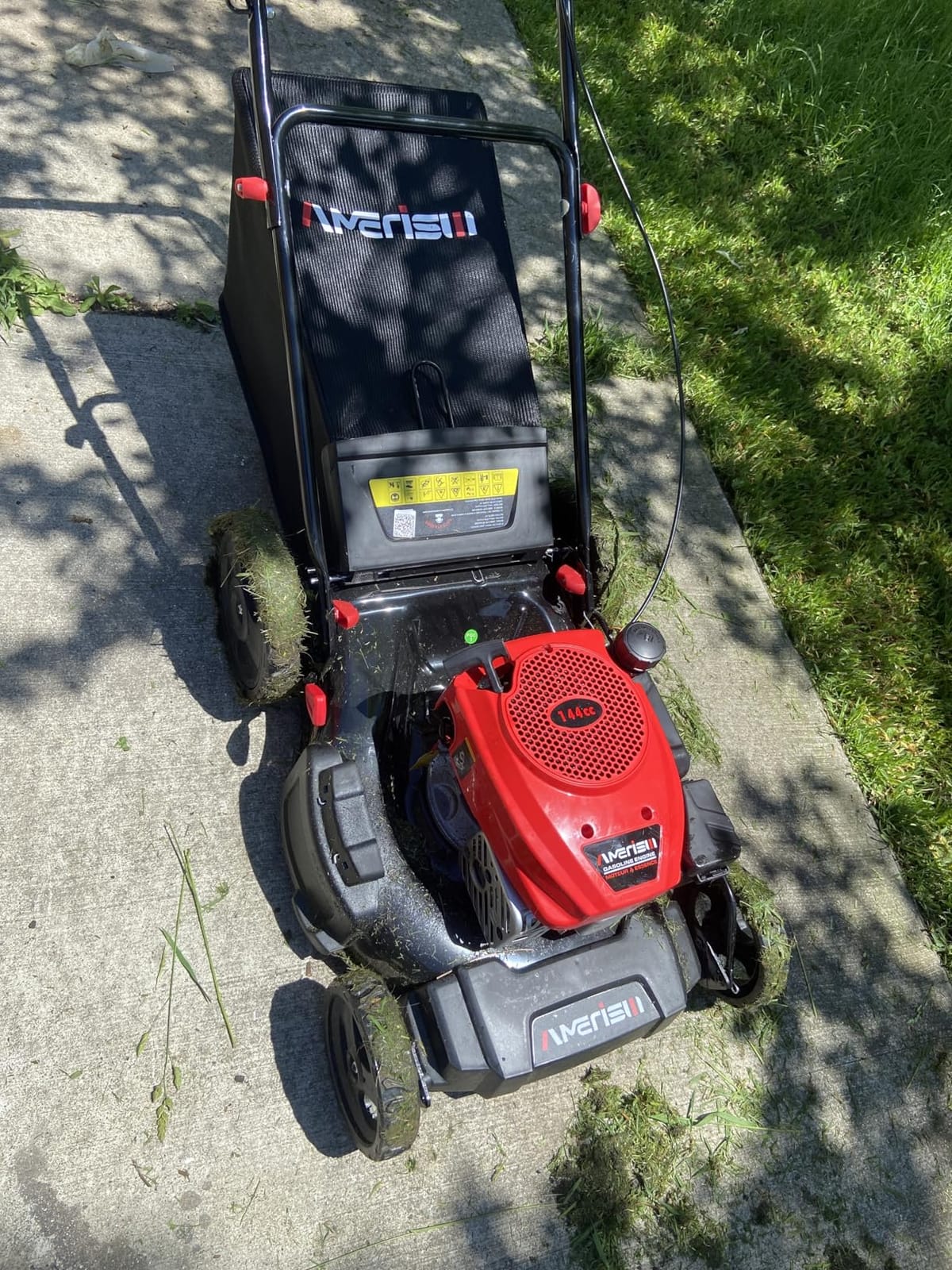
Wheel size is the story on this machine. The 10-inch rear wheels paired with 7-inch fronts are what let a mower roll over ruts, tree roots and soft ground rather than bottoming out on every lump. If your lawn is bumpy and you mow it regularly, wheel diameter matters more for cut consistency than most buyers expect, because a small wheel rides up onto a high spot and the blade leaves an uneven swath behind it.
The 170cc four-stroke overhead-valve engine is listed specifically for consistent power in tall, thick grass, and paired with a 21-inch deck that is a conventional, well-proportioned combination. The heavy-duty steel deck resists the flexing that turns a poly deck into a trampoline on rough ground.
Six cutting positions from 1.5 inch to 3.9 inches cover a normal maintenance range comfortably, and the side discharge is the option to select when the growth is tall, since it keeps clippings moving away from the underside of the deck. The foldable handle is a genuine convenience in a small garage, and assembly is reported as quick and straightforward.
The 1.4-bushel catcher is adequate but unremarkable. If you are bagging a full lawn’s worth of clippings in thick grass, the larger bag on the SENIX 21-inch saves real time, because bag capacity becomes the bottleneck once the cutting is going well.
How it behaves in knee-high growth
On lumpy ground with tall growth, the large rear wheels keep the deck at a more consistent height than smaller wheels would, and that consistency is what makes the cut look even. The 170cc engine has adequate torque for the load, and owners on medium and large yards report it holding speed through dense patches without stalling.
The 3.9-inch height ceiling is the limitation to plan around. That is enough for a staged cut on most overgrown lawns, but it is the same ceiling the other 21-inch machines here share, and it means your first pass cannot take as much off as a machine with a 4-inch top setting. On truly knee-high grass, that is the difference between one preliminary pass and two.
Weight, fuel and ownership realities
This listing does not publish a unit weight, which is unusual and worth asking about before purchase, since weight determines whether you can lift the mower into a vehicle and pivot it at the end of a pass. Everything else about ownership is conventional: standard oil changes, a replaceable air filter, and a blade that wants sharpening at least once a season.
On the durability signal, this machine carries the second-highest share of one-star reviews in the group, and that is worth taking seriously if you are buying to keep a mower for a decade. The engines in this class fail in ordinary ways, and the practical hedge is to keep a spare spark plug, a fuel filter and a fresh air filter on hand rather than waiting for a small-engine shop to open.
7. PowerSmart EasyGlide 21-Inch – Best Steel-Deck Push Mower
- Strong rating for a manual push mower with a large review base
- double ball-bearing wheels roll smoothly under load
- steel deck in a manual-push format
- auto choke and primer make starting straightforward
- side discharge is designed for powering through tall grass
- Manual push only
- so thick grass costs real physical effort
- 144cc is the smallest engine in the lineup
- height range stops at 3.9 inches
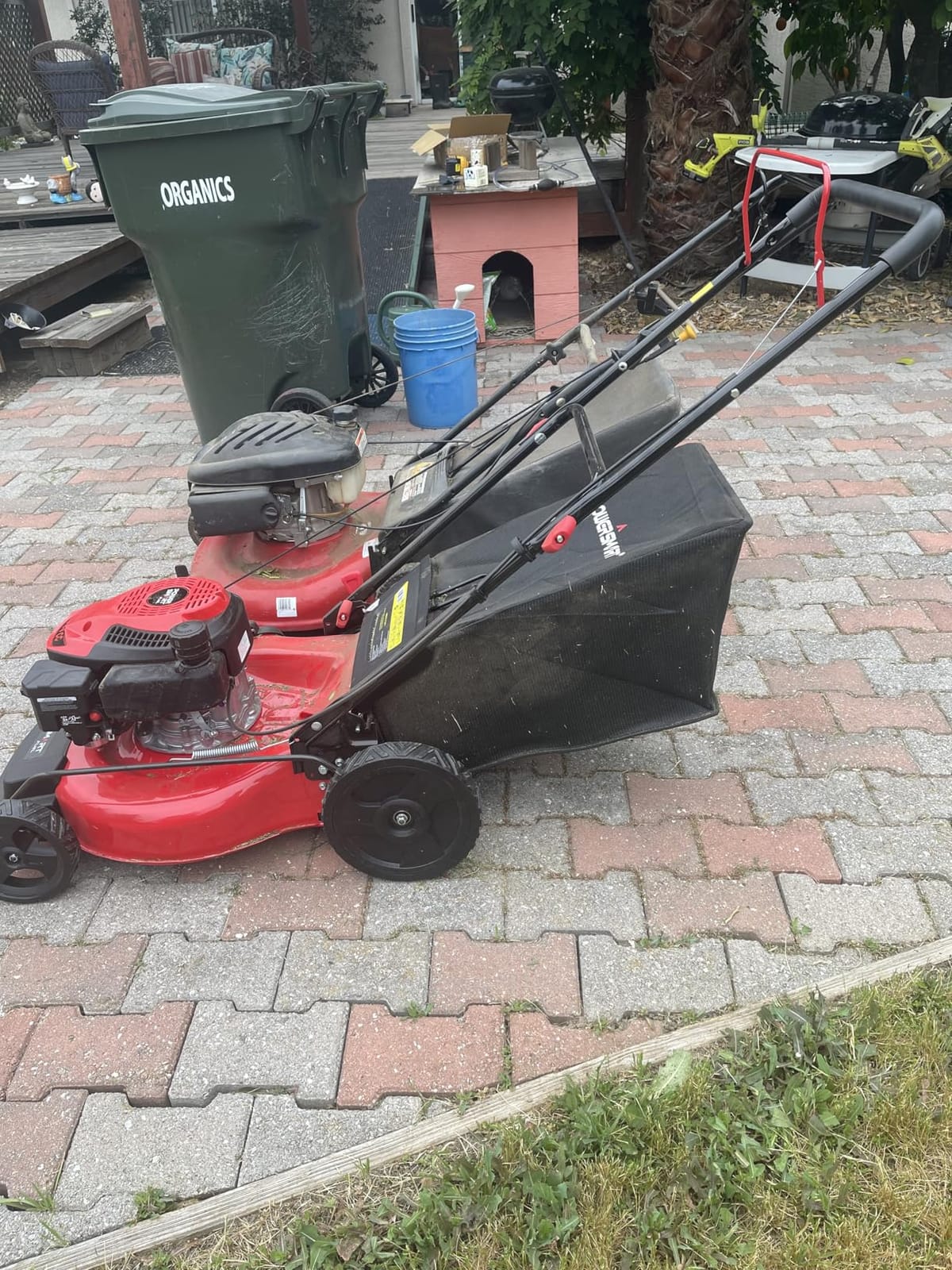
Most push mowers come with a plastic deck because it costs less. This one has a 21-inch steel deck with a specialized blade, which is the single feature that makes it worth considering for thick growth: a steel deck will not flex or bounce, so the blade stays at a consistent height through a thick mat and the cut does not leave a combed, uneven strip behind you.
The wheels matter as much as the deck here. Double ball-bearing wheels at 10 inches rear and 7 inches front roll smoothly even when the machine is fully loaded with grass, which matters because a seized or dry-rolling wheel is what turns a manual push mower into a workout. Owners consistently note how little effort it takes to move this machine.
The 144cc four-stroke overhead-valve engine is small by the standard this guide sets for thick grass, and we want to be clear about that. It is listed here for people who want a simple, durable manual machine rather than the maximum capability, and the 3-in-1 system is configured with side discharge specifically for powering through tall grass, which keeps the deck from filling in a way a bag would.
Auto choke and primer make starting simple, and the single-lever six-position height adjustment from 1.5 inch to 3.9 inches covers a normal range. The steel deck and the specialized mulching blade produce a fine cut, which means clippings disperse rather than sitting on the lawn in clumps when you are not bagging.
How it behaves in knee-high growth
It works, but it works harder than the self-propelled machines, because you are the drive system. In knee-high growth the operator is pushing against resistance continuously, and the 144cc engine has less torque reserve to help. The saving grace is side discharge, which prevents the deck packing and keeps the blade working in open air.
That makes this a good choice for someone with a small-to-medium yard who is fit enough to push and wants a machine with fewer moving parts. It is a poor choice for a half acre of neglected lawn or anyone with a back or joint problem, where a self-propelled drive is not a luxury but a necessity.
Weight, fuel and ownership realities
At 61.6 pounds it is one of the lighter machines here, and the low weight is what makes a manual mower tolerable. There are no belts, no transmission and no drive cables to service, which is a real reduction in the things that eventually fail. The maintenance list is short: oil, air filter, spark plug, blade.
The main ownership note is that a manual mower’s blade wears from both grass load and from stones and sticks, so a rocky yard will dull a blade faster than a maintained one. Sharpening twice a season is cheap insurance, and it is the cheapest possible fix for a mower that suddenly bogs in growth it handled fine a month ago.
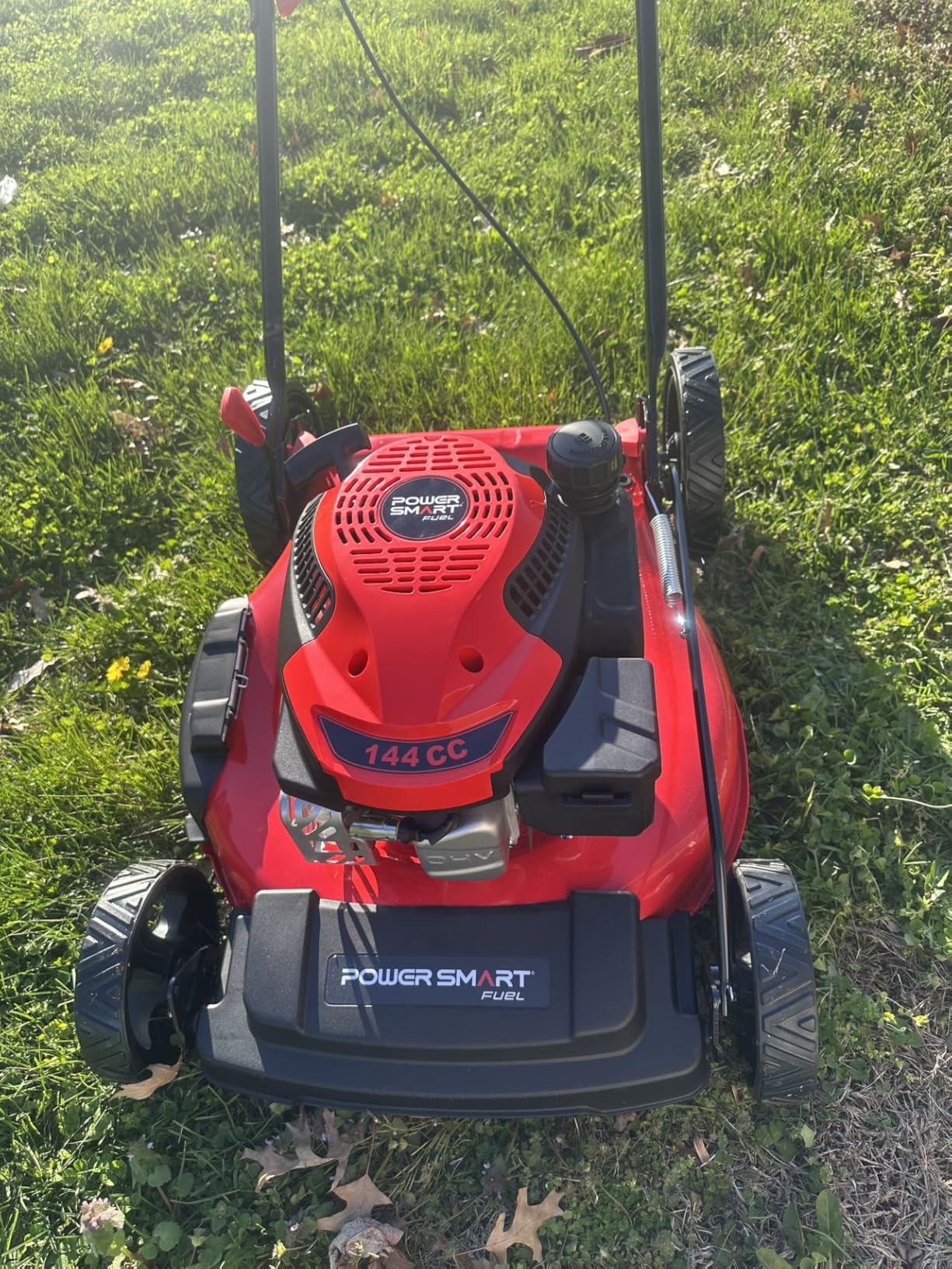
8. PowerSmart 21-Inch 144cc All-Steel – Most Versatile for Tough Weeds
- Highest average rating in the set
- lightest machine here at 59.4 pounds
- side discharge handles tall grass and tough weeds
- only assembly needed is unfolding the handle with oil included
- two-year limited warranty with responsive parts service
- 2-in-1 deck has no rear bagging option
- manual push only
- so no help through dense growth
- some reports of the pull-cord assembly coming apart
- side chute is held by weight and a spring
This is the lightest self-propelled-quality machine here at 59.4 pounds, and it carries the highest average rating in the set. For a mower that people are clearly happy with, the light chassis is the reason: you can carry it to a slope, tip it to clear the deck, and pivot it in a tight corner without planning the move in advance.
The deck is all steel and operates as a 2-in-1 system, mulching and side discharging. That missing bag is not a defect for this use case. If the lawn is overgrown, side discharge is exactly the configuration you want, because a bag would fill, drag, and clog the deck at precisely the moment you can least afford to stop.
The 144cc four-stroke overhead-valve engine with auto choke is the smallest engine here, so this is not the machine for a half acre of knee-high grass. It is the machine for a small yard, a neglected patch, or a tough-weed situation where the alternative is a weed trimmer or a rental. Owners upgrading from smaller machines consistently report that the 144cc cuts tall grass more easily than what they replaced.
Setup is genuinely minimal. The only assembly is unfolding the handle, the oil is included, and the 6-position single-lever height adjustment from 1.5 inch to 3.9 inches takes one hand. The foldable design saves up to 70 percent of the storage footprint, which is a real saving in a garage that also holds a lawn mower and a pressure washer.
How it behaves in knee-high growth
It handles tall grass and tough weeds better than its displacement suggests, mostly because the side chute keeps the deck clear. What it cannot do is protect you from the physical load, because there is no drive. You will be leaning into it, and the leaning is what tires your arms and slows your pace.
Its real strength is the second job rather than the first. Once the backlog pass is done and you are maintaining, this is a light, easy machine that starts without fuss and stores in almost no space. Plenty of owners buy it as a secondary mower for exactly that reason.
Weight, fuel and ownership realities
The two-year limited warranty and the responsive replacement-part service are worth more than they appear, because parts availability is the main reason cheap mowers get abandoned. A machine you can get a blade or a carburetor kit for is a machine you will keep running for a decade.
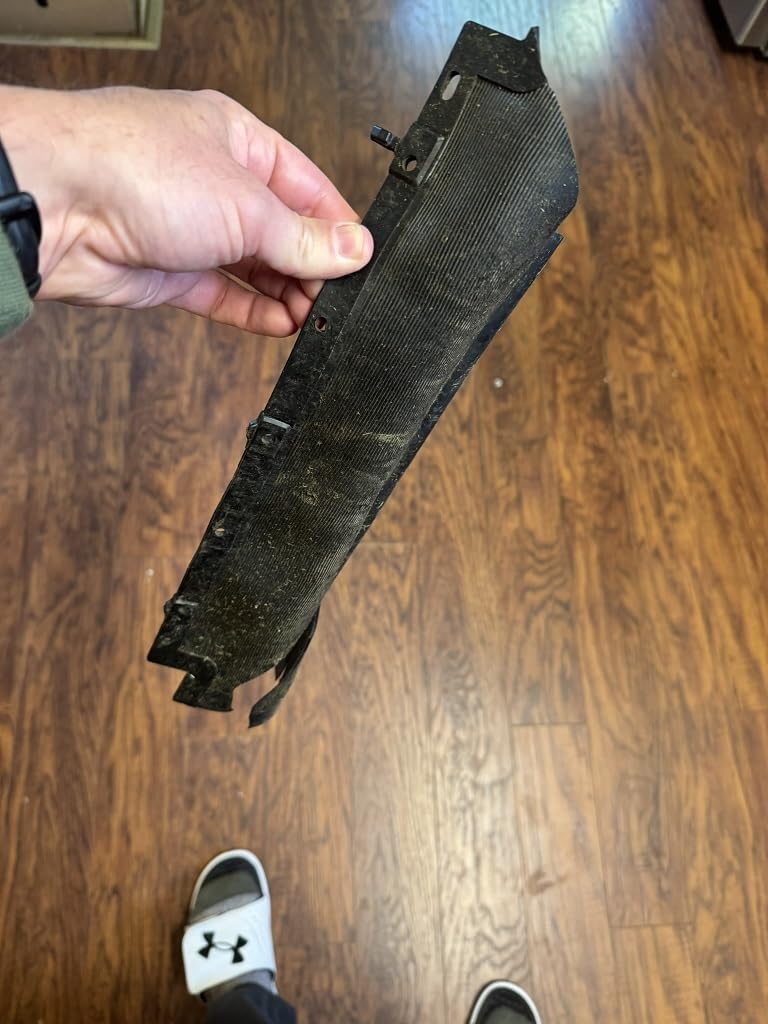
Owners do flag the pull-cord assembly as a weak point, with some reporting it coming apart after light use. The side chute mounting is another: the chute is held by its own weight and a spring, and the rear rubber flap is long enough to roll under the deck when the mower is pulled backwards over a hard edge. Both are known, minor, and both are avoidable if you pull the mower forward rather than dragging it back.
9. BILT HARD 21-Inch 144cc 3-in-1 – Best for Long Run Times
- Largest fuel tank in the lineup at 27.1 fl.oz for long sessions
- 21-inch heavy-duty steel deck
- oversized 10-inch front and rear wheels for traction
- complete kit including bag
- chute
- mulching plug
- oil and tools
- synchronized one-handed height adjustment
- Listing gives conflicting height-setting information across title
- bullets and spec sheet
- 144cc engine is among the smallest paired with a 21-inch deck
- notable share of one-star reviews with durability complaints
The reason to look at this mower is the fuel tank. At 27.1 fluid ounces it is the largest in the group, and on a mower aimed at thick grass that matters more than any other convenience feature. Refilling in thick growth means stopping the machine in exactly the place where you least want to stop, and a bigger tank means fewer of those interruptions across a large neglected lawn.
The engine produces 3.4 HP and 5.75 ft-lb of torque from 144cc, which is a workable figure for a 21-inch deck, and the oversized 10-inch front and rear wheels give traction that a smaller-wheeled machine would not have when the machine is moving under its own power through dense growth.
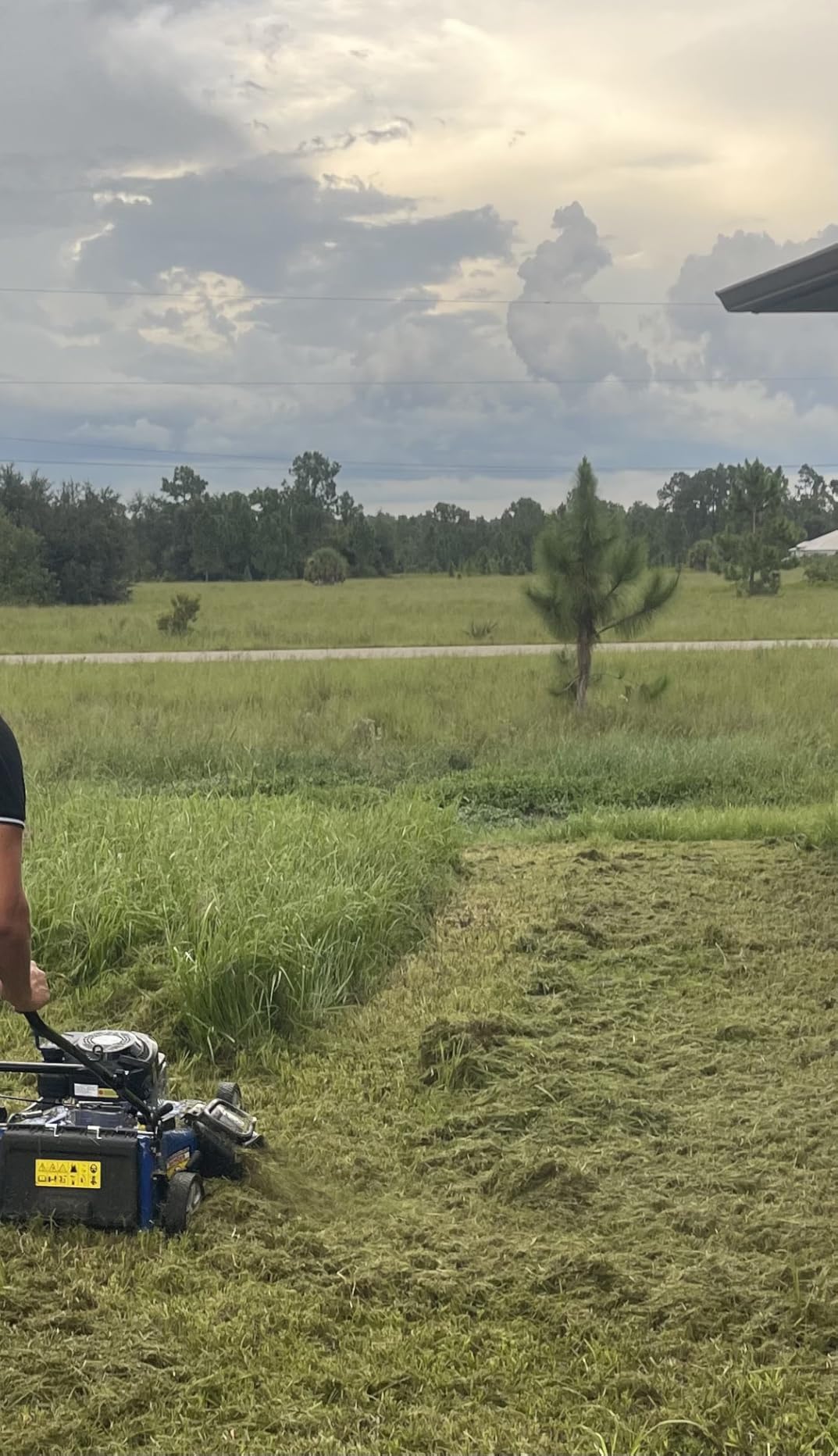
The 3-in-1 deck handles rear bagging, mulching and side discharge, and the synchronized single-lever height adjustment is genuinely quick and one-handed. The box contains the grass bag, side chute, mulching plug, engine oil and tools, which removes the most annoying part of a first assembly, the trip to find the missing piece.
One documentation problem to flag before you buy. The height-setting information conflicts across the listing: the title states 8 positions, the bullet points describe 6 positions from 1.0 inch to 3.0 inches, and the spec section lists 10 positions. For a mower you might be using to stage down an overgrown lawn, that top setting is the number that matters, so confirm it on the physical machine.
How it behaves in knee-high growth
The 21-inch steel deck combined with 10-inch wheels gives it a stable, planted feel in tall grass, and the fuel capacity means you can work through a long backlog without a mid-job stop. If your neglected lawn is large, that combination of uninterrupted run time and wide wheels is the practical win here.
The torque figure is modest for the job. On the very thickest mats you will be leaning on the handle and watching the engine speed drop, and the drive speed on this class of machine is not something you can dial back. For grass up to about four inches, it is comfortable. Beyond that, plan the staged approach rather than expecting a single pass.
Weight, fuel and ownership realities
Like several machines on this list, the published weight is not specified, so plan to handle it as a full-size 21-inch steel-deck mower rather than a light one. The included accessory kit genuinely shortens the first assembly, and the one-handed height lever means you are not adjusting settings with wet or grass-covered hands.
On durability, the one-star share is lower than the two SENIX machines at the front of this list, though it is not negligible. The common failure pattern in this class is a small engine that is asked to do commercial work on a residential budget. Matching expectations to the job, mowing in stages, and keeping the blade sharp do more for longevity than any brand name.
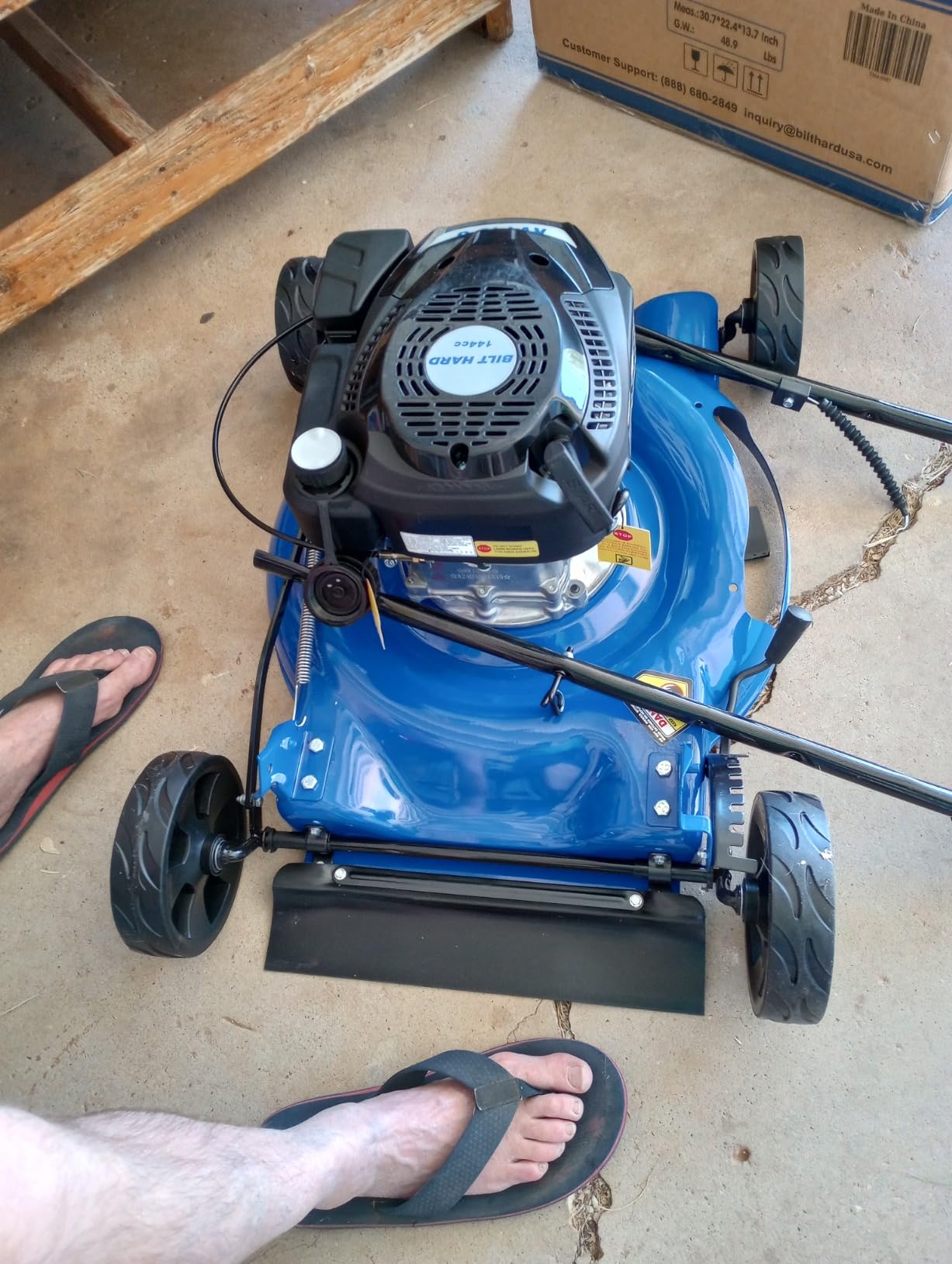
10. BILT HARD 20-Inch 144cc – Best for Lightweight Handling
BILT HARD Gas Lawn Mower 20 inch, 144cc 4-Cycle OHV Engine Lawnmower, 8 Adjustable Cutting Heights Push Mowers for Lawn, Yard and Garden
- Lightest machine here at 51 pounds
- 8-position height adjustment gives the widest settings range
- owners upgrading from smaller engines report noticeably easier tall-grass cutting
- easy to assemble and easy to push
- 144cc engine with auto choke and no primer needed
- 20-inch deck is the smallest here and covers the least ground per pass
- spec sheet lists 7 height positions while the title states 8
- manual is a translation with errors including the wrong oil weight
- engine brake lever requires significant arm strength
- side chute angles outward and throws rocks and sand
At 51 pounds this is the lightest mower in the analysis, and weight is the feature when the grass is tall. A 51-pound machine still rolls forward when you are pushing through dense growth, whereas a machine 30 pounds heavier feels like it is being dragged through a carpet. Owners with limited mobility single this out for being easy to assemble, easy to push, and easy to steer around obstacles.
The 144cc overhead-valve engine produces 5.8 ft.lb of torque, which is a better torque figure than several larger-displacement machines here relative to its weight. Reviewers who replaced 125cc mowers report more power and noticeably easier tall-grass cutting than what they came from.
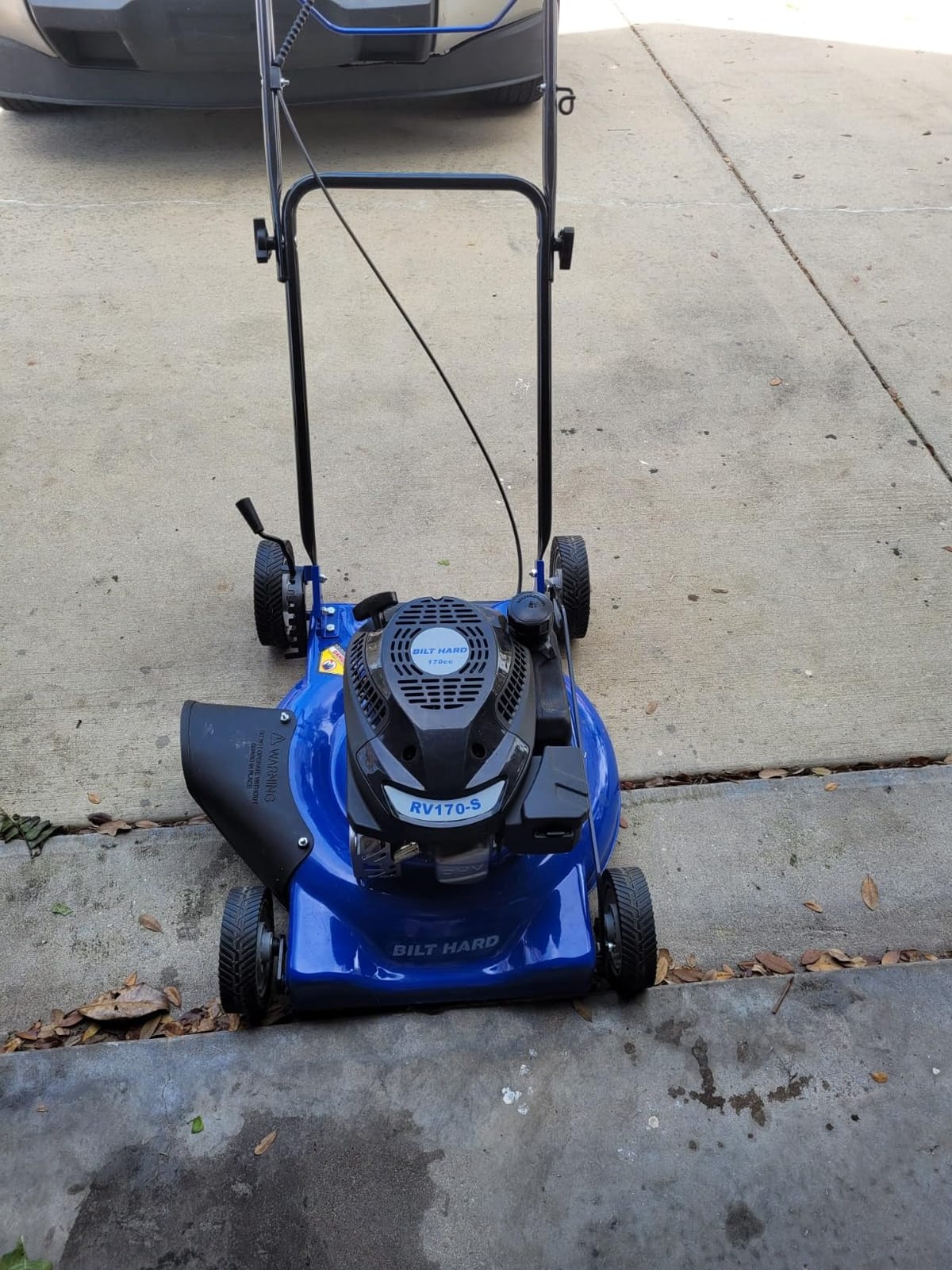
The 8-position synchronized single-lever height adjustment is the widest range on this list, running from 0.7 inch to 3.2 inches. The coarse end is useful on a neglected lawn because it gives you a high setting for the first pass, and the fine end is where the difference between a good cut and a scalped look comes from.
Auto choke means no priming and no choke plate, so starting is a matter of a pull cord and a fuel tank. Double ball-bearing wheels at 7 inches rear and 6 inches front keep the movement smooth, and the foam-wrapped angled grip reduces hand fatigue on a long session.
How it behaves in knee-high growth
It cuts tall grass, and the wide height range makes a staged cut straightforward. The 20-inch deck is the narrowest here, so you are covering less ground per pass and spending more time walking, which is a fair trade against a machine this light when the lawn is in bad shape.
Two practical warnings. The side chute angles straight out, which means it throws rocks and sand as well as grass, so keep people and pets clear of the discharge side. And the engine brake lever is stiff enough to require real arm strength, which is a problem precisely when your arms are already tired from the work.
Weight, fuel and ownership realities
Weight is the ownership story: at 51 pounds you can lift this with one arm into the bed of a pickup, and you will not dread moving it across a garage floor. For anyone who physically struggles with a mower, that is not a minor specification. It is the difference between mowing the lawn and not mowing it.
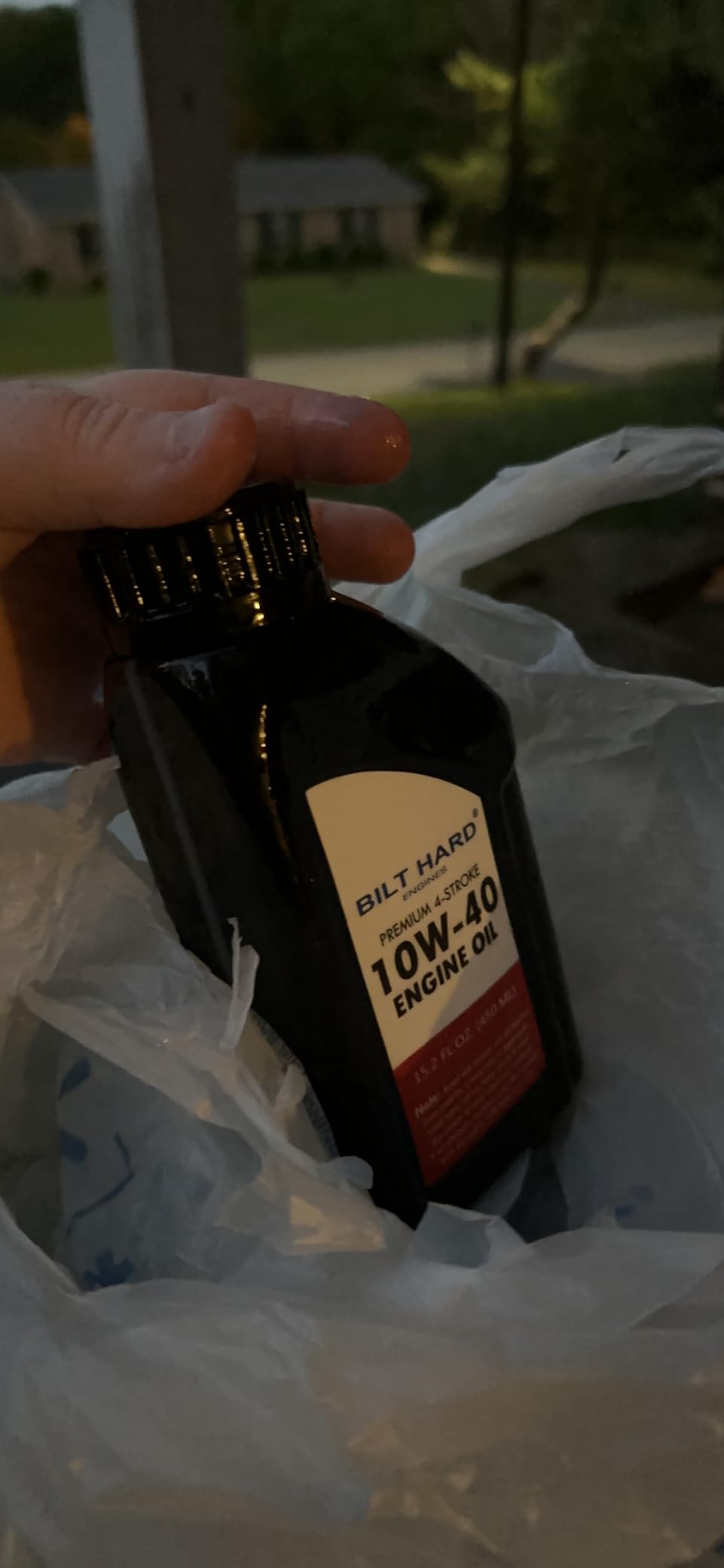
The manual deserves a caveat. It is a translation with errors, including an incorrect oil weight specification, so verify the oil grade from the engine itself rather than trusting the paperwork. There is also a warning against tipping or turning the machine over, since oil can enter the combustion chamber, which is worth knowing before you clear a clogged deck.
How to Mow an Overgrown Lawn in Stages
Mow an overgrown lawn by working down in stages rather than cutting it all at once, and your current mower will probably survive the experience. This is the sequence we use, and it applies whether you have one of the mowers above or a machine you already own.
Cut at your maximum deck height first. If the grass is above the top setting, raise the deck as high as it goes and take off the absolute minimum. You are not aiming for a clean cut on this pass.
Mow slowly, slower than feels natural. Speed is what causes stalls in thick grass. A slow walk gives the blade time to shear rather than mash, and it keeps the engine out of the bogging range.
Overlap your passes slightly. Leaving a strip of long grass between runs means you are starting the next pass with an even mat rather than a thin edge, and an even mat flows through the deck.
Side discharge on the first passes. Do not bag until the growth is down to a manageable height. A bag filling with wet clippings drags in tall grass and clogs the underside of the deck.
Stop and clear the deck every few minutes. Two minutes with a stick or a deck cleanout port saves twenty minutes of fighting a packed deck at the far end of the lawn.
Lower the deck one notch for the second pass. Never remove more than a third of the blade height at a time, which is the one-third rule that keeps the roots and the crown of the grass plant intact.
Repeat the process, one notch at a time, until you reach your target height. On knee-high grass this is usually three passes rather than one.
Change direction on the final pass. Alternating the pattern each session spreads the wear and gives the lawn a more even finish.
Return within a week. A lawn that was six inches tall wants to be cut about every five to seven days during recovery, and letting it get tall again resets the whole problem.
If your lawn has not been cut in a season rather than a month, the first cut is genuinely a separate job. A brush cutter or a string trimmer handles the tall stuff, and the mower takes over once the growth is down to a height it can flow through. We cover the right tools for that stage in our string trimmer guide for tall grass.
Why Your Mower Bogs Down in Thick Grass
Mowers bog down in thick grass for a handful of repeatable reasons, and they are worth ranking because the first two account for most of it. Small-engine repair communities consistently identify the same order, and fixing the top two solves the majority of cases.
1. The grass is taller than the cut height you set. This is the most common cause and the least mechanical. The blade is being asked to remove more material per pass than it can shear, so RPMs drop and the engine bogs. The fix is the staged method above: raise the deck, mow slower, and come down a notch at a time.
2. A dull blade. A sharp blade shears the grass. A dull one drags it, and dragging means far more resistance on the engine. A mower that started bogging this season after mowing fine last season usually has a blade that needs sharpening, and sharpening costs less than a single service visit.
3. A packed deck. Wet clippings compact into the underside of the deck and turn the cutting chamber into a plough. Stop, turn the mower off, and clear it before it stalls again. Machines with a deck cleanout port or a washout fitting make this a two-minute job rather than a twenty-minute one.
4. A dirty or clogged air filter. The engine needs airflow, and a restricted filter starves it exactly when the load is highest. Check the filter before a neglected-lawn season rather than after the first stall, because the symptom and the cause appear at completely different times.
5. Stale fuel and a gummed carburetor. Fuel goes off over a season, and a gummed carburetor presents as a mower that will not start or that stalls under load. Running fresh fuel with a stabilizer through the machine at the end of the season prevents most of this.
6. A fixed-speed drive. If your self-propelled mower suddenly slows down mid-lawn and speeds back up when you ease off the handle, the drive speed is matched to your walking pace rather than the load. Variable-speed machines, like the SENIX 22-inch at the top of this list, exist to solve exactly that problem.
There is a seventh, environmental item worth naming. Dew-wet grass packs into a deck far more readily than dry grass, and a mower that handles dry growth perfectly will clog in the early morning. Mow damp lawns later in the day, and never mow a wet lawn, because the clippings mat rather than disperse and the cut quality suffers for a week afterward.
How We Picked: What Actually Makes a Mower Handle Thick Grass
Engine displacement is the first filter, and the threshold is 160cc. Below that, a walk-behind mower is built for a lawn that gets cut every week, not for one that gets cut every month. At 160cc and above, the engine has enough torque reserve to hold blade speed when it meets a dense mat.
Torque in ft-lb tells you more than displacement alone. Two 201cc engines can behave very differently depending on how much torque the manufacturer put behind the crankshaft, which is why the SENIX single-speed at 8.8 ft-lb earns its place ahead of machines with the same displacement and less torque. If a listing publishes torque, treat it as the most informative number available.
Blade quality is the underrated factor. A hardened blade, like the 45-50 HRC manganese steel on the SENIX at number three, holds an edge far longer in abrasive growth. Consumers fixate on deck width and engine size and then wonder why a machine stalls in a lawn it handled a month ago, when the actual answer is a blade that has been dull for weeks.
Deck material decides how the machine behaves over rough ground. Steel decks do not flex, so the blade holds its height and the cut stays even. Poly decks are lighter and cheaper and will bounce over lumpy ground, leaving an uneven cut. For thick grass, the extra weight and rigidity of steel is worth it. For uneven ground, wheel diameter is the number to check, and the AMERISUN at number six has the largest rear wheels here.
Drive type decides where you can use the machine. Rear-wheel drive pulls the mower through growth and climbs slopes, because the loaded rear wheel is the one doing the pushing. Front-wheel drive is fine on flat ground but loses grip on inclines, which the 21-inch SENIX is honest about. All-wheel drive and high-wheel designs split the difference. Wherever you are, variable speed is the feature owners consistently single out as the one they feel most.
Deck width should be matched to your yard, not to your ambitions. A 21-inch deck is the sweet spot for most residential lawns and keeps the machine light enough to turn. A 22-inch deck covers more ground per pass and suits a half acre or more, at the cost of weight. Going wider than 22 inches on a residential engine is where the bogging problems start, because the engine has more material to move per blade revolution.
Cut height range is the overlooked spec, and for a neglected lawn it may be the most important one. A machine that tops out at 3.2 inches cannot do a first pass on knee-high grass, so you start the job already behind. Look for a top setting of 4 inches or close to it if the lawn is genuinely overgrown.
Finally, match the machine to your mowing frequency rather than to the condition of the lawn. If you can get back on a five-to-seven-day cycle, almost anything on this list will serve you. If you genuinely intend to cut once a month, you want the largest engine, the widest deck, and a variable-speed drive, and you should budget for more fuel and a sharper blade schedule. If the yard is half an acre or larger and the growth is this heavy, compare the running costs against a riding mower, and our gas riding mower picks for big yards cover that side.
Fuel, Oil and Off-Season Storage for a Gas Push Mower
Regular 87 octane gasoline works in every machine on this list, and the storage advice is the same everywhere: never store a fuel tank with plain gasoline in it. Gasoline goes off within weeks, and the gums and varnishes it produces are the leading cause of hard starting and carburetor failures that owners blame on the brand.
Run a fuel stabilizer through the tank at the end of the season and run the engine for a few minutes afterward so the treated fuel reaches the carburetor. If you would rather not deal with it, drain the tank completely instead. Either approach is fine, and both beat leaving a full tank of old fuel sitting in a mower all winter.
Ethanol in modern gasoline is a related issue. It attracts moisture, and that moisture is what causes the phase separation and corrosion inside a carburetor. Ethanol-free fuel is worth using for extended storage if you can find it, and it is also the safer choice for a machine that will sit unused for months.
On oil, change it on the manufacturer’s schedule and verify the grade independently, because at least one manual in this class is a translation with an incorrect oil weight specification. Check the oil cap or the engine itself rather than trusting the paperwork. The warning against tipping the mower on its side is also real, since oil can enter the combustion chamber through the air intake and foul the spark plug.
Storage itself is simple. Drain or stabilize the fuel, change the oil, clean grass out of the underside of the deck, and store the machine somewhere dry. Many of the machines here fold their handles, which lets you stand the mower on end and save a real amount of floor space. Sharpening the blade during winter service means it is ready for the first cut of the season rather than dull by the third.
One more seasonal item: if you are reseeding bare patches this fall, a push spreader will do that job faster than anything else. Our picks for push spreaders for grass seed cover the seed side of the project.
Frequently Asked Questions
What lawn mower is good for thick grass?
A self-propelled gas mower with at least a 160cc four-stroke engine, a steel deck, and a variable-speed drive handles thick grass best. Torque matters more than displacement, so check the ft-lb rating if it is published. The SENIX 22-inch 201cc variable-speed model is the strongest all-round choice, and the SENIX 22-inch single-speed leads on torque and hardened blades.
What type of lawn mower can cut thick grass?
Any mower can cut tall grass if you set the deck to its maximum height and work down in stages. A gas push mower with 160cc or more, a sharp blade, a steel deck and a side discharge chute copes far better than a battery or reel mower. Never cut more than a third of the blade height in one pass.
Why does my lawn mower bog down in tall grass?
The usual causes are, in order: grass taller than the cut height you set, a dull blade, a deck packed with clippings, a dirty air filter, stale fuel, and a fixed-speed drive that cannot slow down for a heavy patch. Start at the top height and mow slower, sharpen the blade, clear the deck, and check the filter before the season starts rather than after the first stall.
Why is my self-propelled lawn mower starting to slow down?
A self-propelled mower that slows mid-lawn usually has a fixed drive speed matched to a fast walking pace, so the blade is taking more load than the engine likes. Variable-speed or CVT transmissions solve this by letting you slow the ground speed. A worn drive belt or a slipping clutch produces a similar symptom, along with a burning smell.
What to do when grass is too tall for a mower?
Raise the deck to its maximum height, mow slower than feels natural, and overlap your passes. Side discharge rather than bagging until the growth is down. Then lower the deck one notch at a time, never removing more than a third of the blade height per pass. If the grass has been unmanaged for a whole season rather than a few weeks, cut it back with a brush cutter or trimmer first.
The Verdict on Thick Grass
For most people mowing a lawn that gets away from them, the SENIX 22-inch 201cc variable-speed is the best gas push mower for thick grass because pace control is the difference between finishing a pass and stopping to clear the deck. The SENIX 22-inch single-speed is the pick when raw torque and blade hardness matter more than fine speed adjustment. The PowerSmart 22-inch with the Briggs & Stratton engine is the value choice for anyone who wants a name-brand engine and can keep the lawn on a regular cycle.
For large or bagging-heavy work, the SENIX 21-inch 170cc wins on its 1.7-bushel bag, and the YARDMAX 22-inch wins on variable pace and traction where the lawn is also sloped. If you are pushing rather than driving, the BILT HARD 20-inch at 51 pounds and the PowerSmart all-steel 21-inch both make the job physically possible, and the PowerSmart EasyGlide gives you a steel deck without a drive.
Whichever one you choose, the technique decides the outcome more than the badge does. Start at the top height, mow slower than you want to, side discharge until the growth is down, and never remove more than a third of the blade at a time. A sharp blade and a clean air filter do more to prevent bogging than any engine size, and both cost almost nothing.
Get the machine serviced, stabilize or drain the fuel, and sharpen the blade before you put it away this year, and your next thick-grass season starts as a bad-weather afternoon rather than a lost Saturday.