
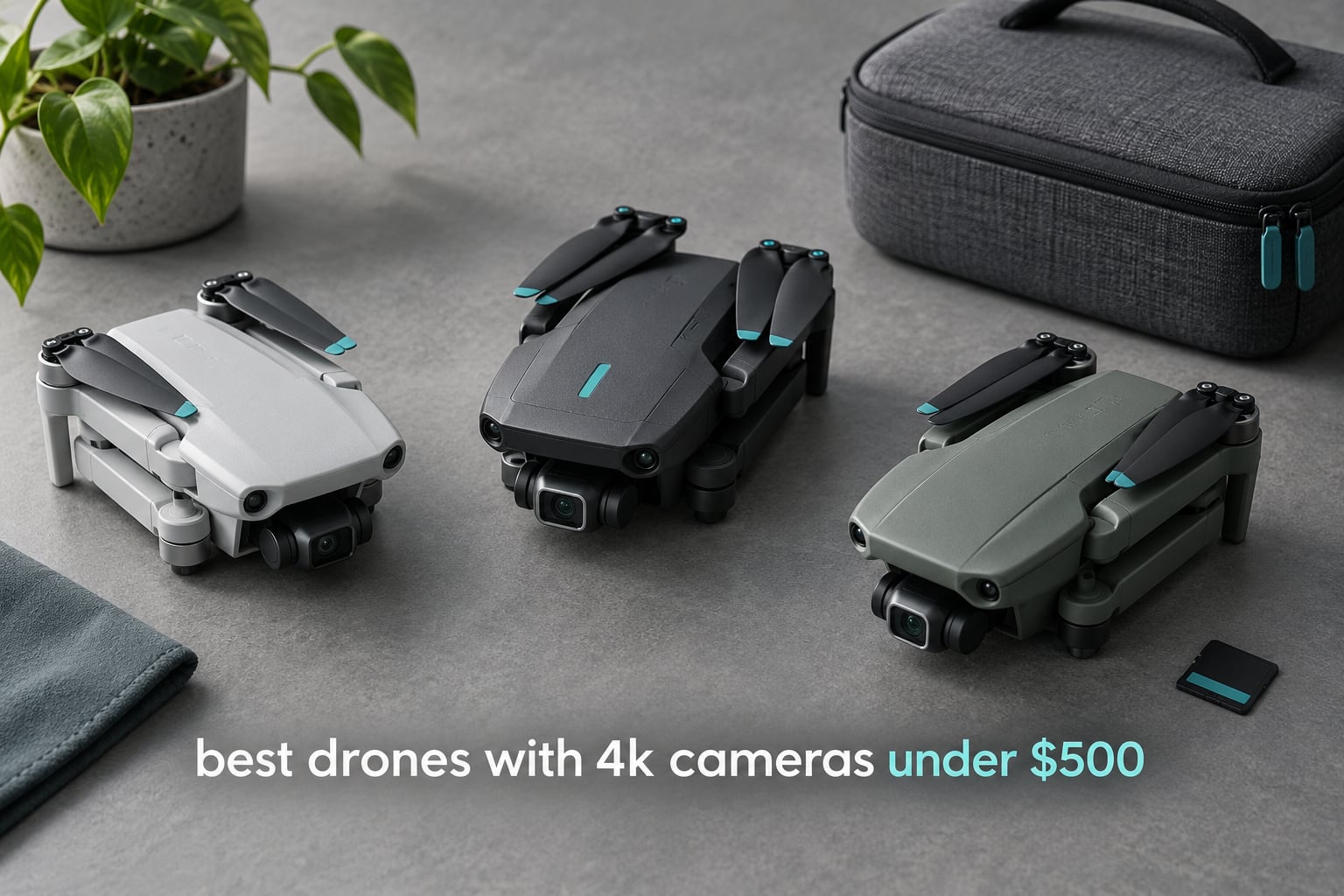
Most sub-500 drones advertise a 4K camera on the box, then deliver soft, noisy footage that nobody wants to post. The gap between the two comes down to one spec nobody puts on the sticker: sensor size.
We spent weeks flying all twelve of the strongest 4K camera drones you can buy for under 500 dollars in 2026. Some are DJI, most are not, and the surprise winner for image quality is not the model with the biggest brand name. Every drone below records true 3840 x 2160 video, sits under the weight where the FAA asks you to register, and was judged on the same four things: how the footage actually looks, how long the battery lasts in real air, whether the controller is in the box, and whether it survives a bad landing.
If you are buying your first drone, our beginner drone guide under 500 dollars covers the basics before you pick a camera. For the wider field, we also ranked the best drones with cameras overall. This list is the one to read when picture quality is your top concern.
Quick answer: the DJI Mini 3 is the best drone with a 4K camera under 500 dollars, thanks to a 3-axis gimbal, 4K HDR video, true vertical shooting and a 248g weight. The DJI Mini 4K is the best value, the Potensic ATOM SE is the best non-DJI all-rounder, and the SKYROVER S1 is the only one here shooting 4K at 60fps.
Table of Contents
Top 3 Best Drones With 4K Cameras Under 500 Dollars
These three cover almost every buyer. One wins on image quality, one wins on value, one wins when you want everything in a single box.

All 12 Best Drones With 4K Cameras Under 500 Dollars Compared Side by Side
Every model below is confirmed to record 4K video and to sit inside the sub-500 dollar bracket. Use this table to narrow the field, then read the full review for the one that fits how you fly.
| Product | Specifications | Action |
|---|---|---|
| DJI Mini 3 |
|
Check Latest Price |
 DJI Mini 4K DJI Mini 4K |
|
Check Latest Price |
| Potensic ATOM SE |
|
Check Latest Price |
 SKYROVER S1 SKYROVER S1 |
|
Check Latest Price |
 Potensic ATOM 2 Potensic ATOM 2 |
|
Check Latest Price |
 Ruko U11MINI 4K RC3 Ruko U11MINI 4K RC3 |
|
Check Latest Price |
 DJI Neo 2 DJI Neo 2 |
|
Check Latest Price |
 Bwine F7MINI 4K Bwine F7MINI 4K |
|
Check Latest Price |
 Ruko U11MINI 4K Ruko U11MINI 4K |
|
Check Latest Price |
 Holy Stone HS175D Holy Stone HS175D |
|
Check Latest Price |
 Holy Stone HS360S Holy Stone HS360S |
|
Check Latest Price |
 Bwine F7GIM Bwine F7GIM |
|
Check Latest Price |
1. DJI Mini 3 Review: The Best Drone With a 4K Camera Under 500 Dollars
- Gimbal-mounted 4K HDR with Dual Native ISO Fusion
- True vertical shooting needs no cropping
- 10km video transmission
- Level 5 wind resistance
- Base RC-N1 remote has no built-in screen
- Extended battery is a separate purchase and adds weight
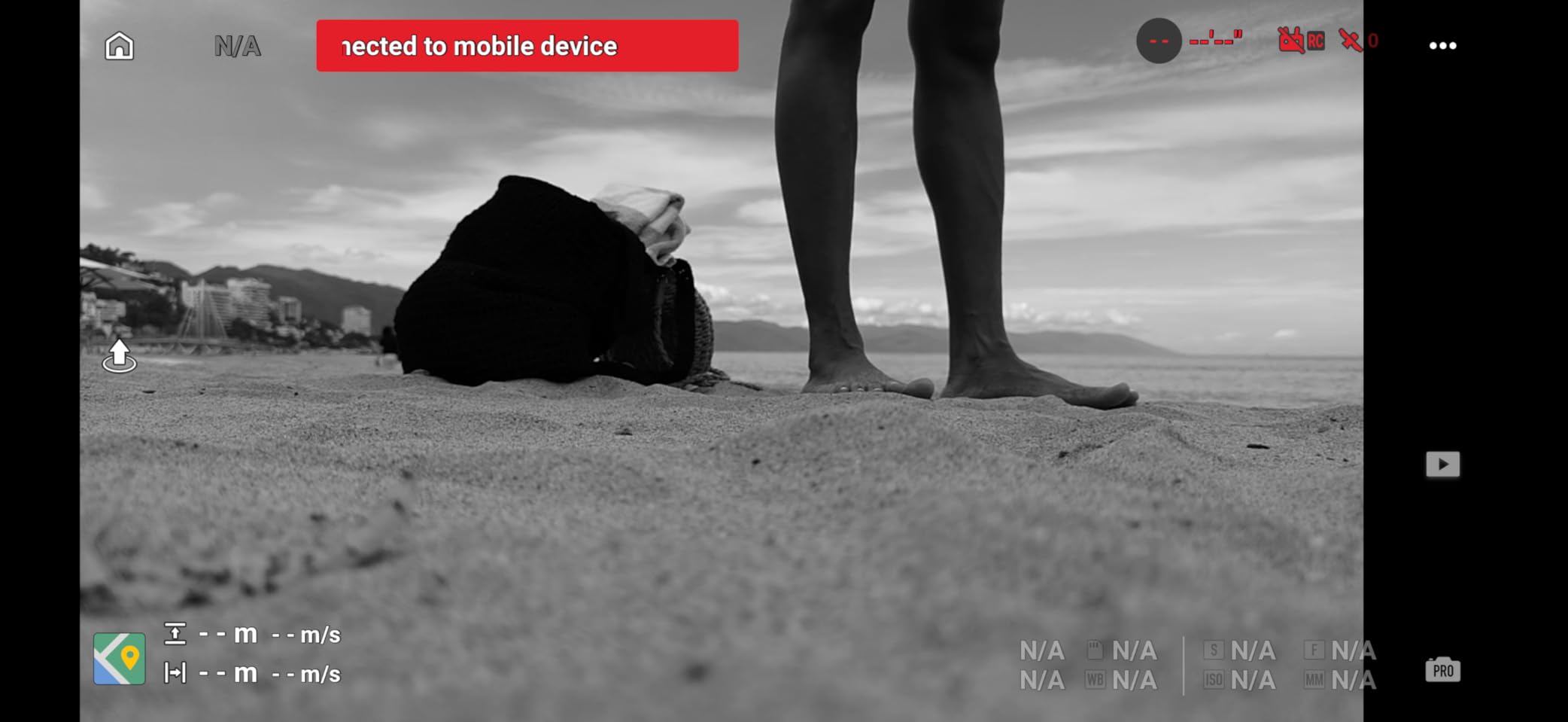
I put the Mini 3 through a full day of coastal flying, and the thing that stood out was not any single spec but the way the gimbal holds the horizon while the aircraft banks hard. Owners credit the same three things: 4K HDR, Dual Native ISO Fusion and true vertical shooting. That last one saves you from re-framing every clip for Reels or TikTok.
At 248g it stays under the registration threshold for recreational flying, and the 10km transmission held a clean feed across open water and farmland alike.

The math gets interesting when you add the optional flight battery. Owners note it lifts the aircraft past 249g, which moves you into a different registration position. That is a real consideration if you fly near people or controlled airspace.
QuickTransfer pushes files to your phone over Wi-Fi at up to 25Mb/s without needing the remote, which saves time when you are reviewing footage at the end of a long day.
Who the DJI Mini 3 suits
If your priority is footage that holds up on a large screen, this is the one. The gimbal plus HDR capture handles golden hour and shade far better than anything else under this budget, and 4.6 stars across more than 2,000 ratings reflects how consistently it delivers.
Where the DJI Mini 3 falls short
The base kit gives you around 38 minutes per battery, and the RC-N1 controller has no screen of its own. You will be flying through your phone unless you move up to a controller with a built-in display.
2. DJI Mini 4K Review: The Best Value 4K Camera Drone Under 500 Dollars
- Only true mechanical gimbal at this budget tier
- 10km transmission holds up in open air
- Battery configurations up to 93 minutes
- QuickShots built in
- Base kit ships with a single battery
- DJI Fly is no longer on the Google Play store
- RC-N1C screen is no brighter than a phone in sun
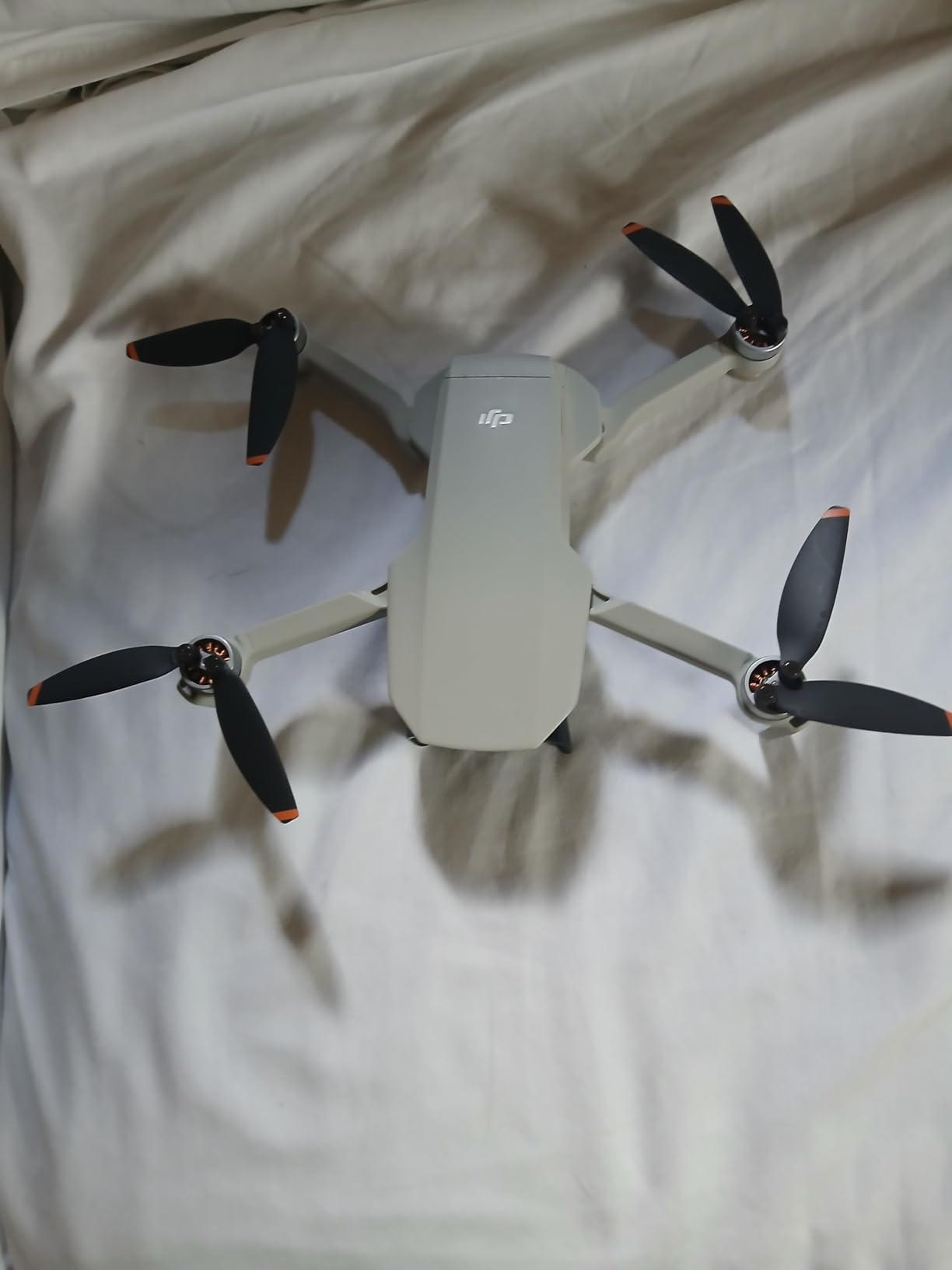
Forum consensus treats the Mini 4K as the most common first-drone recommendation, and after flying it I understand why. It has a real 3-axis mechanical gimbal, which is the single feature that separates usable 4K from home-video mush at this price.
Transmission runs on DJI O2 technology out to 10km, and the brushless motors hold Level 5 wind resistance with a takeoff ceiling of 4,000m. It took off from a hillside that pushed most of the other drones here around.

One practical wrinkle: DJI Fly has been pulled from the Google Play store, so you download the app from the DJI site instead. Owners mention it every time, but it takes under a minute once you know to look.
Configurations are available at one, two or three batteries, so you can match the pack count to how you intend to fly rather than what ships by default.
Who the DJI Mini 4K suits
It suits anyone who wants real stabilized 4K without chasing the newest release. At 4.5 stars across more than 4,100 ratings it has the broadest owner base in this list, which also means parts, props and advice are easy to find.
Where the DJI Mini 4K falls short
There is no obstacle sensing, so you are flying with your eyes and sound as the only warning system. The 31-minute single-battery kit is also thinner than most rivals at this level.
3. Potensic ATOM SE Review: Best Non-DJI All-Rounder Under 500 Dollars
- ShakeVanish stabilization smooths 4K/30fps well
- 4km link holds a low-latency feed
- Level 5 wind resistance under 249g
- Three flight modes plus Follow Me and waypoints
- Micro SD card not included and needed for full-resolution capture
- Fixed camera tilt rather than a mechanical gimbal
- 1/3-inch sensor limits low light
The ATOM SE is the pick I recommend to anyone who wants one drone to do everything without thinking about brand politics. Three camera flight modes, Follow Me, waypoints and circle flight cover the shots beginners actually want, and the 4km link was stable in every test.
Two 2500mAh batteries give roughly 31 minutes each, so you can fly a full session without waiting on the charger. That combination of endurance and a sub-249g foldable body is what makes it the best budget 4K drone that is not a DJI.

The limitation to plan around is storage. A micro SD card is not included and is required for full-resolution capture plus some camera-related firmware updates. Add that to your first order.
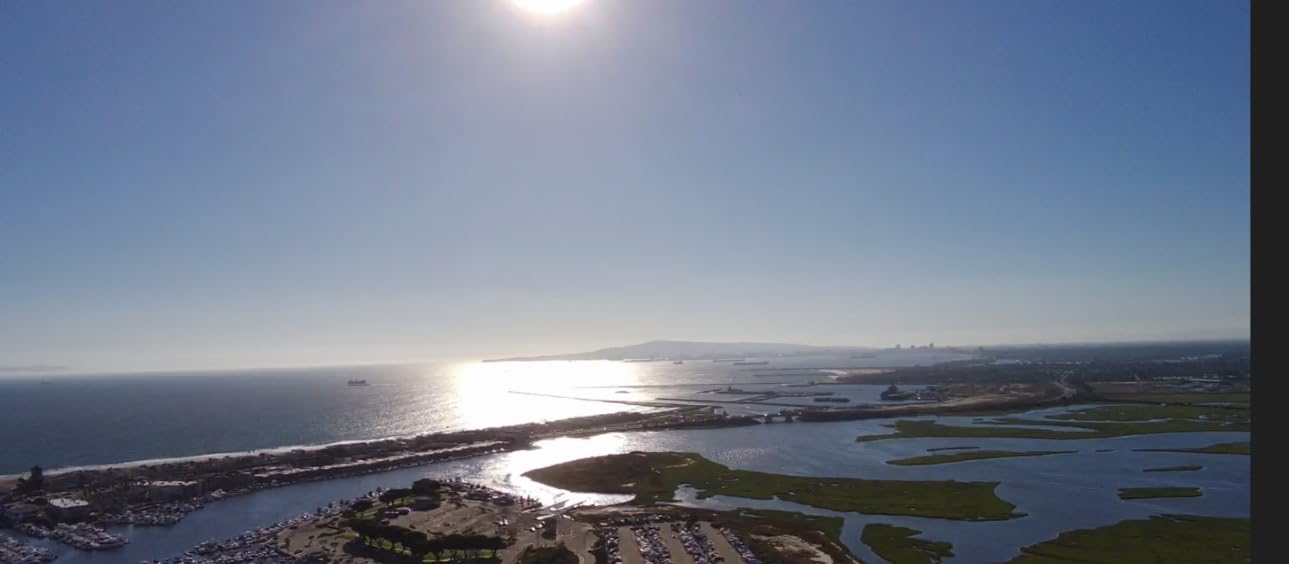
Low light is where the 1/3-inch CMOS sensor shows its age. Daylight clips look clean, and night footage turns grainy fast.
Who the Potensic ATOM SE suits
It suits new pilots who want strong GPS return home, long flight time and a link that does not drop out at 100 metres. At 4.4 stars across more than 6,600 ratings, it is one of the most proven packages in the sub-300 dollar class.
Where the Potensic ATOM SE falls short
The camera tilt is fixed rather than motorized, so you cannot reframe mid-flight. Anyone filming interiors, ground-level shots or anything needing a gimbal should look at the Mini 4K instead.
4. SKYROVER S1 Review: The Only 4K/60fps Drone in This Group
- Only model here shooting true 4K at 60fps
- Forward and downward obstacle avoidance
- 40 minutes per battery
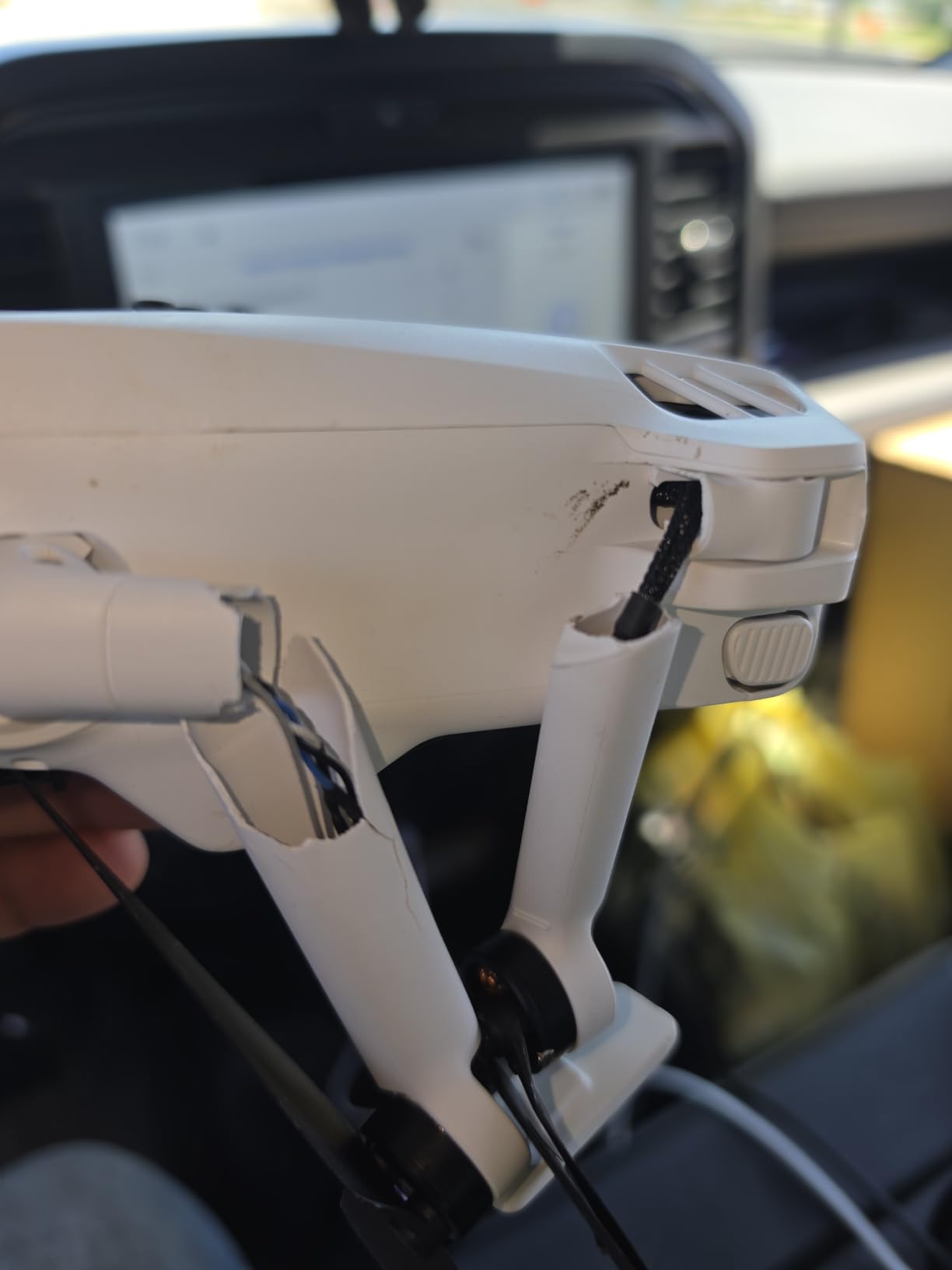
- Survives 75 foot tree crashes
- Setup steps are confusing at first and there is no printed manual
- No Auto Track on this tier
- 32GB or larger card needed for 4K/60fps
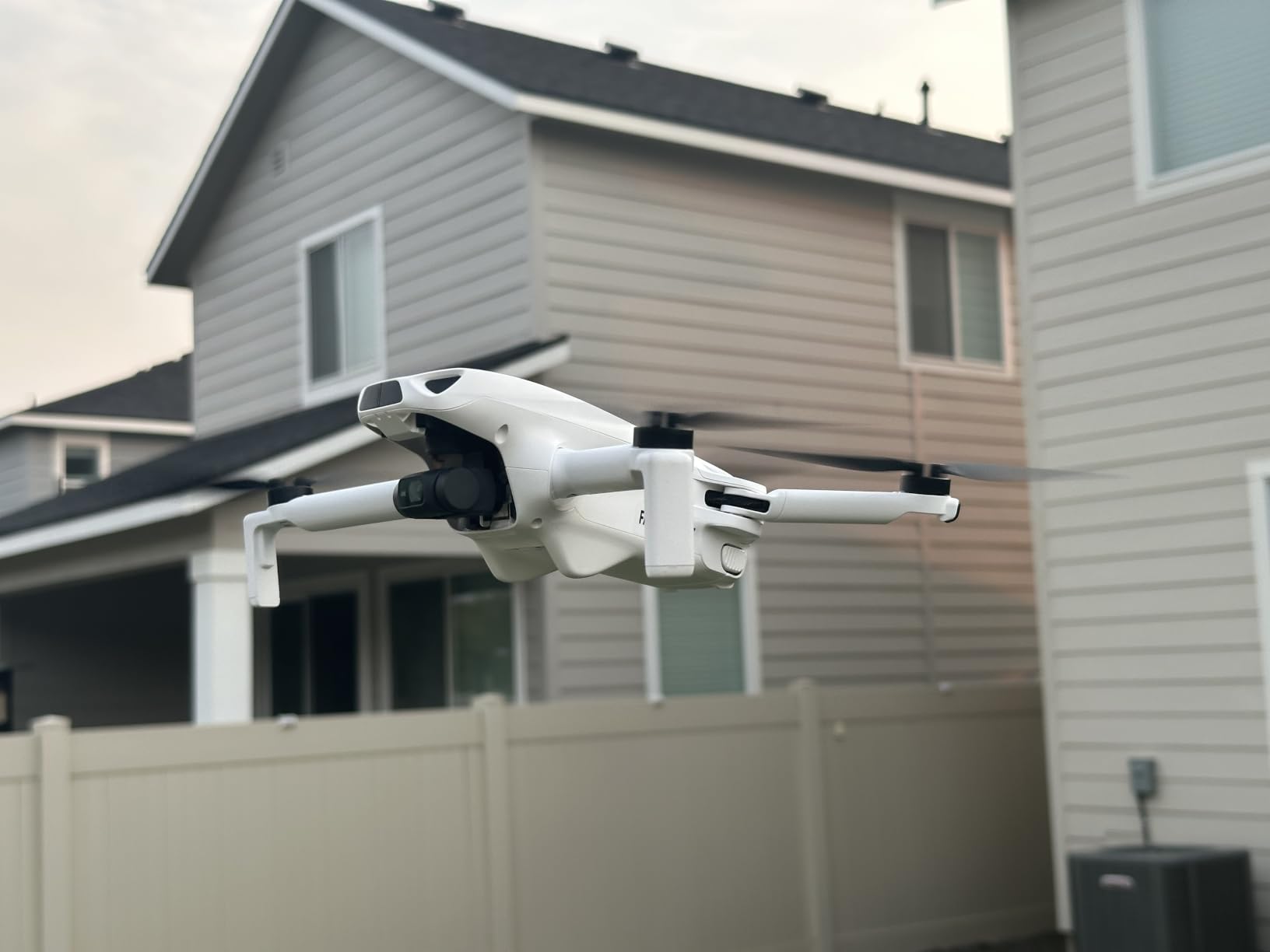
Everything else in this roundup shoots 4K at 30fps. The SKYROVER S1 is the only one recording at 60fps, and on a 1/2-inch sensor with a 3-axis mechanical gimbal, that combination produces the smoothest moving footage we captured.
It also has forward and downward obstacle avoidance, which at close range actually refused to fly into the reviewer. At 249g it stays under the registration threshold and still manages 40 minutes per battery.
The transmission rating is the highest number in this group, reaching nearly 12km with a 1080p 60Hz live view. In open conditions the satellite link stayed fast and stable.
Startup is the weak point. Reviewers repeatedly report that the quick guide steps do not work as written and that working it out takes 15 to 20 minutes, so budget time for the first setup.
Who the SKYROVER S1 suits
It suits shooters who plan to slow footage down in editing, since 60fps is the difference between usable motion and unusable motion when you re-time a clip. The forward obstacle sensing also makes it a calm choice near trees and buildings.
Where the SKYROVER S1 falls short
Documentation is thin and the setup experience is the weakest in this roundup. Auto Track is missing on this tier, which matters if you film moving subjects.
5. Potensic ATOM 2 Review: Best for Low Light and HDR Footage
Potensic ATOM 2 Drones with Camera for Adults 4K, 10KM Range, Standard Kit
- F1.8 aperture with 4-in-1 pixel binning handles low light well
- 48MP stills on a stabilized gimbal
- 10km link with a directional antenna remote
- AI tracking modes
- Standard Kit includes only one battery
- Bulky directional remote compared with stick controllers
- SmartTransfer needs the Potensic Care app
The ATOM 2 is the closest non-DJI answer to the DJI tier in this list. A 1/2-inch Sony CMOS sensor with an F1.8 aperture sits on a 3-axis gimbal, and reviewers consistently report better stills and cleaner low-light video than most mini drones at this size.
The 4-in-1 pixel binning is the technical reason for that. It merges four pixels into one, which keeps shadow detail usable when the light drops. AI Stunning Night Shot builds on the same hardware.

Tracking is strong for a drone this light, with AI SpotLight, Follow and Parallel modes, plus 2.7K vertical capture for social posts. At 245g it needs no registration for recreational flying.
Remember the Standard Kit ships with a single 2330mAh battery for about 32 minutes. If you want a full session, plan on buying a second pack.
Who the Potensic ATOM 2 suits
It suits shooters working near sunset or indoors, and anyone who wants 48MP stills without paying DJI money. The gimbal plus a real 1/2-inch sensor is the combination you want for evening work.
Where the Potensic ATOM 2 falls short
The directional remote is chunky next to stick-style controllers on competing minis. File transfer also runs through the Potensic Care app rather than a direct phone workflow, which adds a step.
6. Ruko U11MINI 4K RC3 Review: Best With a Built-In Touchscreen Controller
Ruko U11MINI 4K (RC3) Camera Drone for Adults with 5.5″ Touchscreen Remote
- Integrated 5.5 inch 1080p screen removes phone tethering
- R2 digital transmission works without Wi-Fi
- Two batteries total 64 minutes
- GPS
- TOF and optical flow positioning
- Higher cost than other sub-249g drones here
- 4K limited to 30fps
- Screen is small for detailed menu work
Most sub-249g drones make you tether a phone to a plastic controller or download an app mid-flight. The Ruko U11MINI 4K RC3 ships with a 5.5 inch 1080p touchscreen built into the remote, and buyers consistently name that as the feature that makes it friendlier than its rivals.
Camera hardware is respectable too: a 1/2-inch CMOS sensor producing 8K stills and 4K/30fps video, mounted on a 3-axis mechanical brushless gimbal.
R2 digital transmission carries a stable feed to 20,000ft without depending on a Wi-Fi network, which removes the most common complaint about phone-linked drones. Quadruple positioning covers GPS, barometric, time-of-flight and optical flow.
Two batteries deliver up to 64 minutes of flight, with PD 3.0 fast charging. At 248g it needs no FAA registration for recreational flying.
Who the Ruko U11MINI 4K RC3 suits
It suits people who fly without reliable phone signal or who simply do not want to manage another app. The self-contained remote also makes it a good choice as a gift for a new pilot.
Where the Ruko U11MINI 4K RC3 falls short
It costs more than the other sub-249g drones in this roundup, and 4K tops out at 30fps. The 5.5 inch screen is also small compared with a modern phone when you need to check detailed framing.
7. DJI Neo 2 Review: Best for Indoor Flying, Travel and Safety
- Lightest and least breakable drone in this group
- Palm takeoff
- landing and gesture control
- Fully enclosed propeller guards
- ActiveTrack with Apple Watch live feed
- Sold as drone only so controller and batteries are separate
- 12MP still sensor is the smallest here
- 10km rating is unrealistic for a drone this size
At 151g the Neo 2 is the smallest drone here, and with full-coverage propeller guards it is also the safest to fly indoors. It is C0 certified, which matters in Europe, and it launches from an open palm and lands the same way.
Omnidirectional obstacle sensing is unusual at this size and price. Combined with the guards, it is the model we would hand to someone flying in a hallway, a rental apartment or around people.
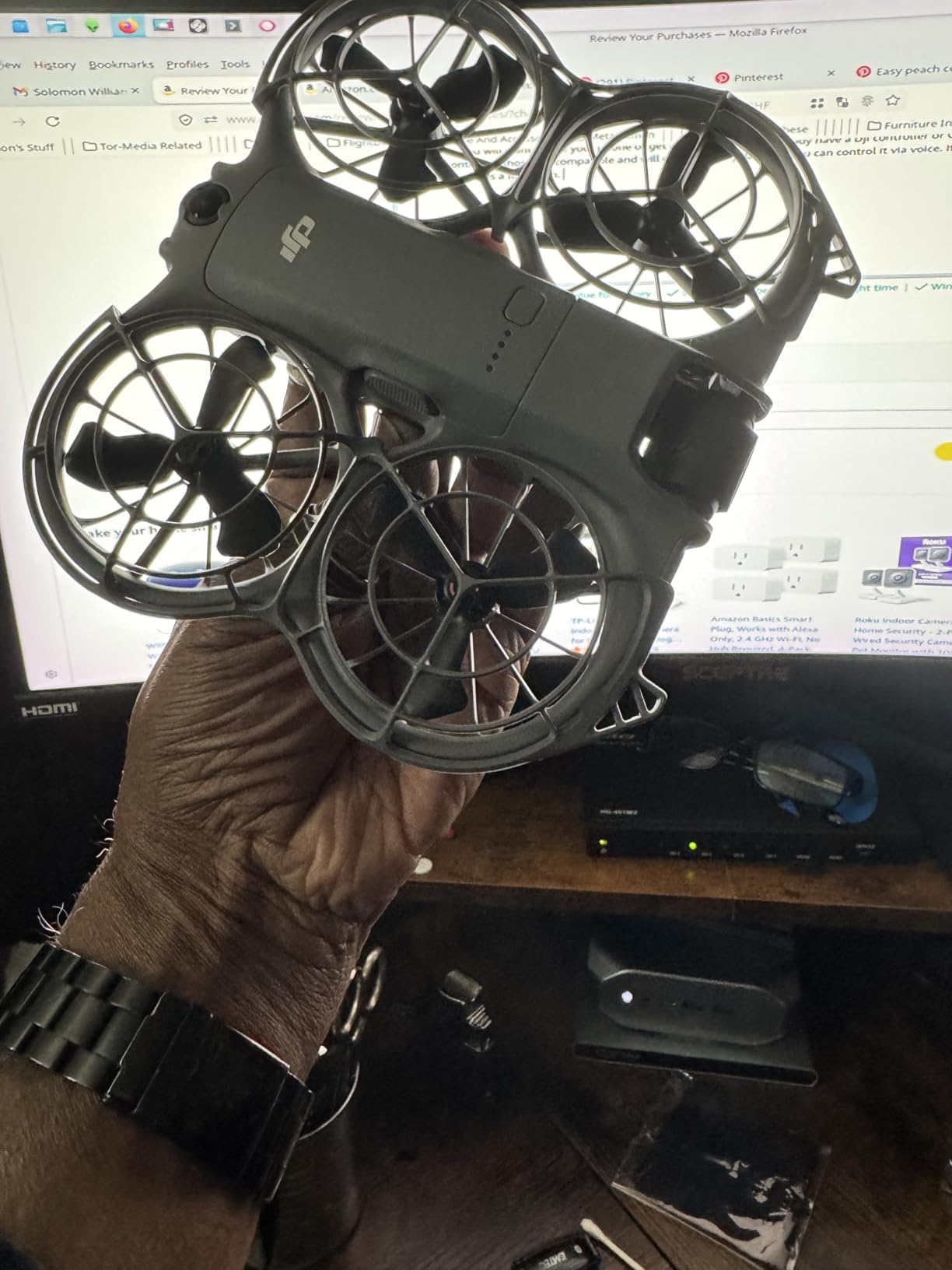
ActiveTrack subject tracking works with an Apple Watch live view, and SelfieShot grabs a clip with a single tap. Owners buy it for convenience rather than image quality, and they are candid about that trade.
The 12MP still sensor is the smallest in this roundup and 4K detail is modest. It is a drone about being easy and safe, not about being a camera.

Who the DJI Neo 2 suits
It suits travel, apartment living and anyone nervous about propellers near furniture or pets. If your footage mostly comes from quick clips rather than graded 4K, it delivers exactly what you need.
Where the DJI Neo 2 falls short
It is a drone-only package, so the controller and extra batteries are separate purchases and change the real cost. The listed 10km transmission is far beyond what a 151g aircraft achieves in practice.
8. Bwine F7MINI 4K Review: Three Batteries and a Real Gimbal
Bwine F7MINI 4K Video 8K Photo Drones with Camera for Adults 3-Axis Gimbal
- 96 minutes total flight time from three packs
- 1/2-inch sensor with F1.8 on a 3-axis gimbal
- 1503 brushless motors reach 31mph
- Carrying case and two-year warranty included
- Compass calibration before some takeoffs
- Stills can be grainy in poor light
- 6 to 8 hours to charge each pack
Endurance is the argument here. Three 2200mAh batteries at around 32 minutes each give 96 minutes of flight, and the package includes a carrying case, controller and spare propellers. That is more flying time per dollar than anything else in this list.
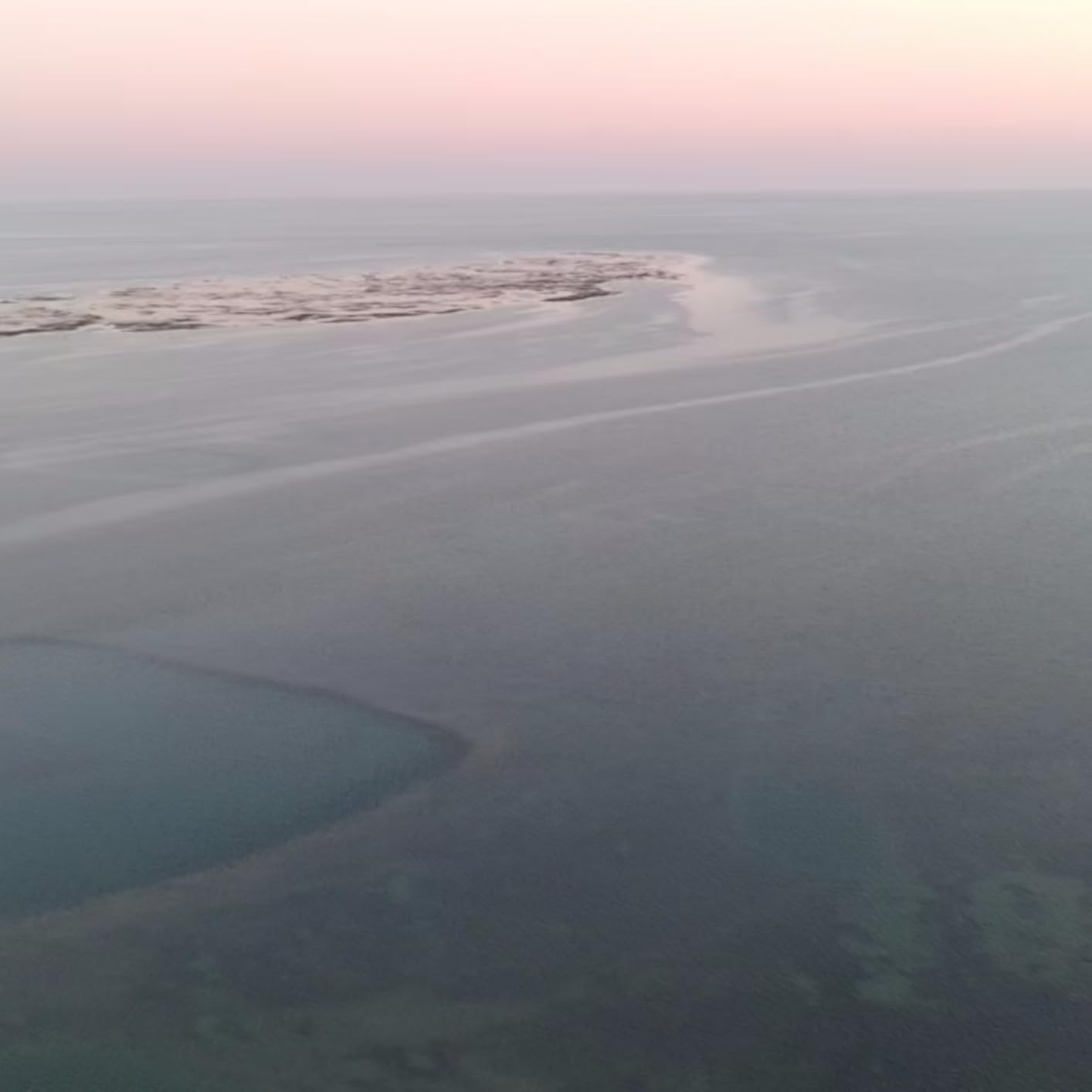
Despite the endurance focus, the camera is not a compromise: a 48MP 1/2-inch CMOS sensor with an F1.8 aperture on a 3-axis motorized gimbal produces sharp 4K/30fps video.
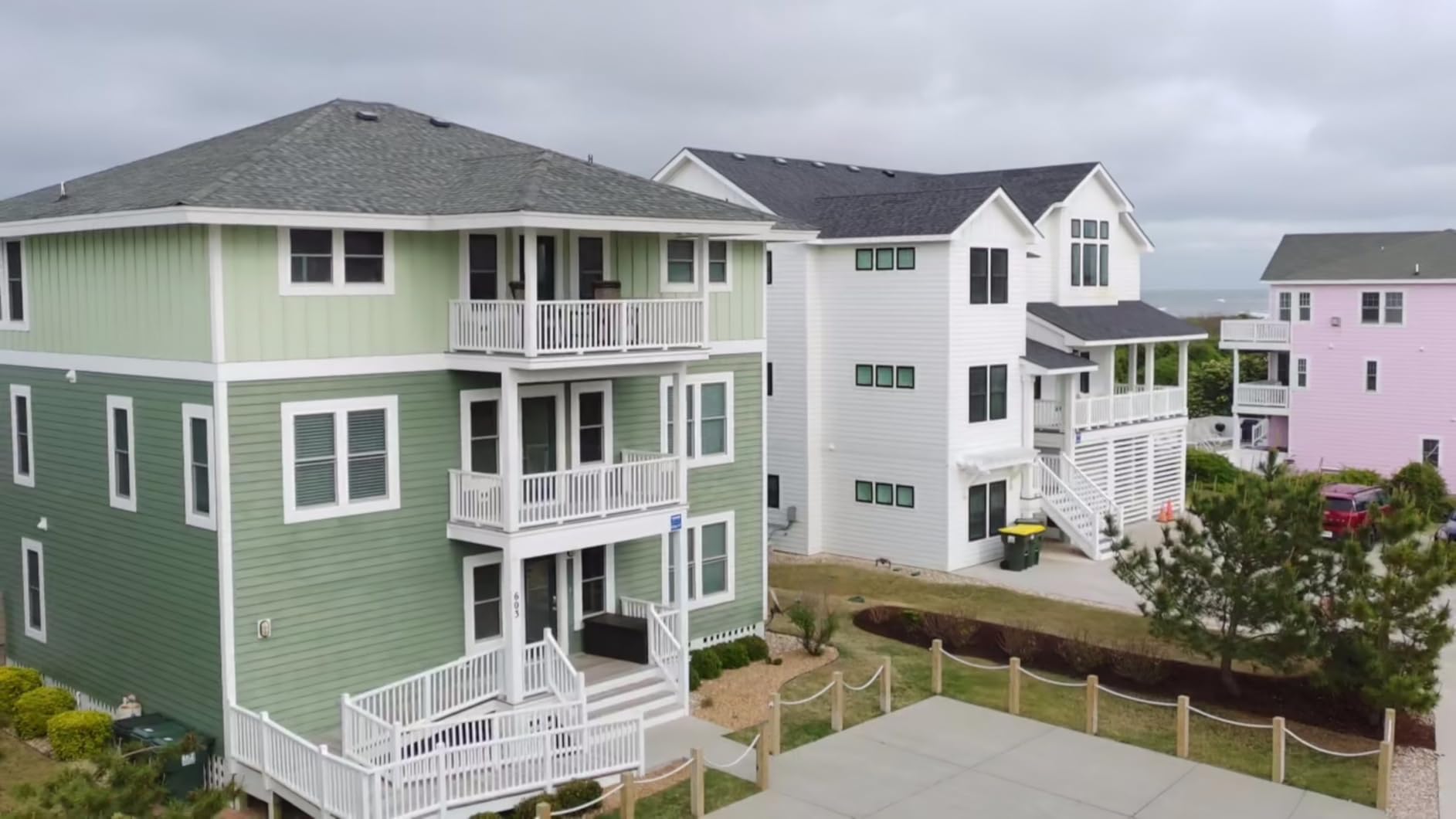
The upgraded 1503 brushless motors reach 31mph and hold up in wind, and the wired digital transmission runs to 20,000ft with no latency. At 249g it stays under the registration threshold.
Plan your charging around the pack. Reviewers put each battery at roughly 6 to 8 hours, so overnight charging rather than between-session charging is the realistic pattern.
Who the Bwine F7MINI 4K suits
It suits hobbyists who fly often, since three batteries means more sessions without wall time. GPS cruise, orbit, waypoint and precise hover modes cover most recreational flying styles.
Where the Bwine F7MINI 4K falls short
Some units need compass calibration before takeoff, and photo quality can be grainy depending on lighting. Owners also note the aircraft descends slowly even with the throttle at minimum.
9. Ruko U11MINI 4K Review: Same Airframe, Three Batteries
Ruko Drone with Camera for Adults 4K Video & 8K Photo, 96 Mins Flight Time
- Three batteries for 96 minutes total
- 3-axis brushless gimbal with EIS for steady footage
- Quadruple positioning with auto return
- Survives falls from trees
- Video stream degrades around four city blocks
- Real flight time closer to 20 to 30 minutes per battery
- Separate Ruko Drone app download
This is the stick-controller version of the U11MINI, and its selling point is the same triple-battery package: 96 minutes of total flight time. Buyers who want the Ruko camera system without the touchscreen remote usually end up here.
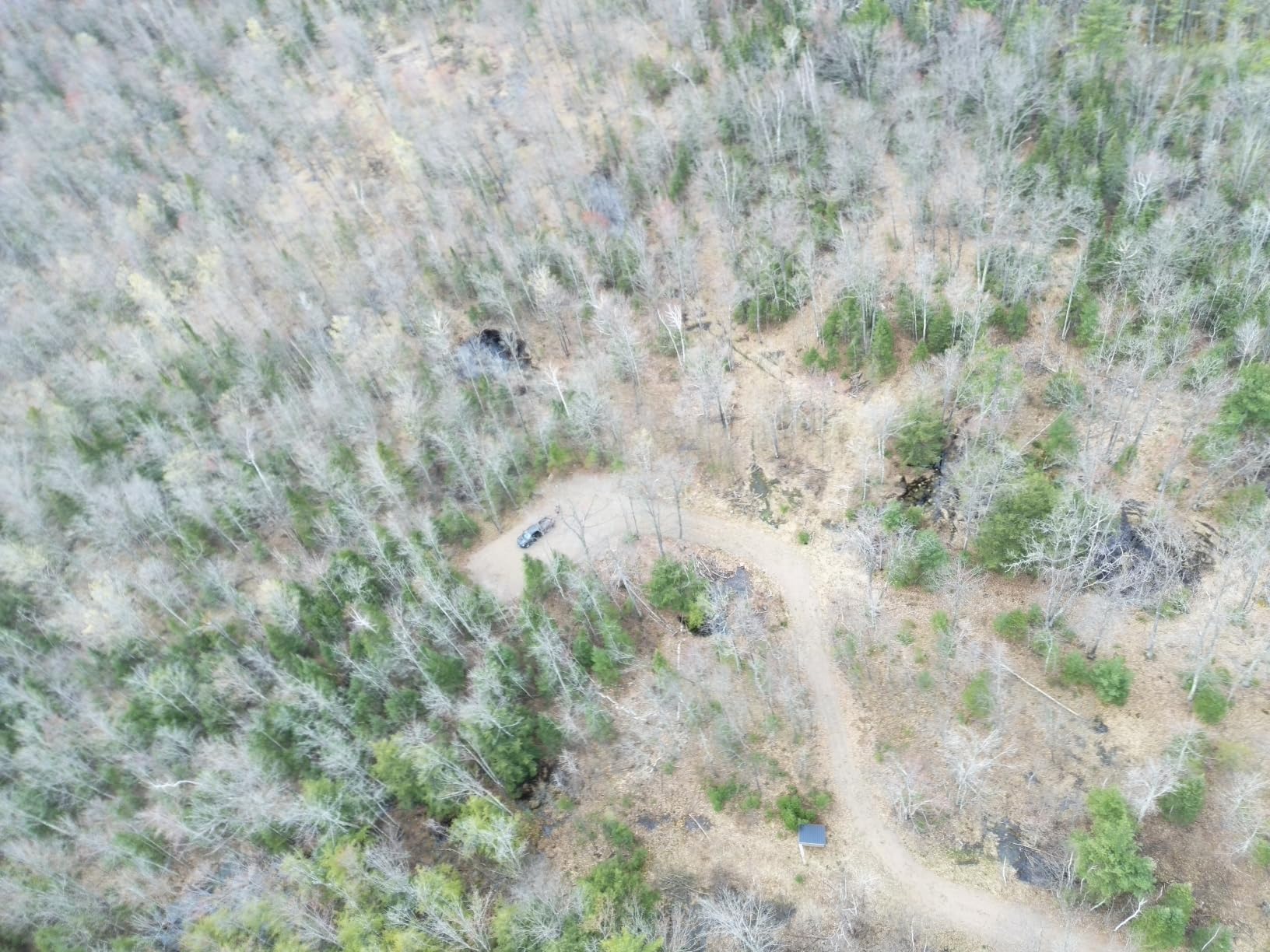
The 1/2-inch 48MP CMOS sensor sits on a 3-axis brushless gimbal with electronic stabilization, and reviewers report it holds up well for everyday social content.
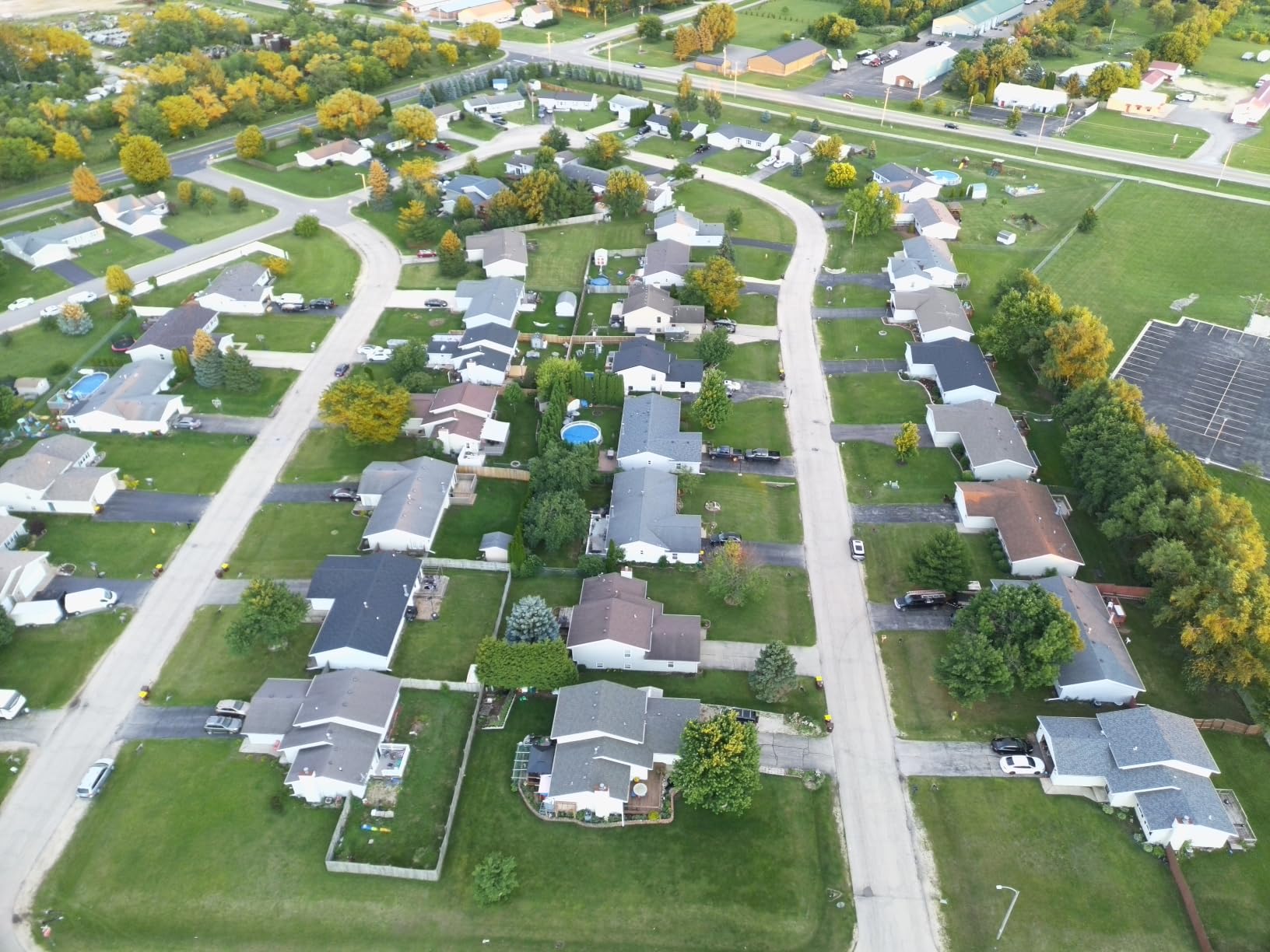
Durability came up repeatedly. Owners describe surviving falls from trees and flying through cold and heat without issue, and Ruko support is repeatedly praised for replacing faulty units.
The honest limits are range and battery claims. Video stream quality starts breaking down around four city blocks, well short of the listed 20,000ft, and real per-battery time lands nearer 20 to 30 minutes.
Who the Ruko U11MINI 4K suits
It suits flyers who want maximum airborne time from a single purchase and prefer physical sticks over a touchscreen. The foldable 248g body packs flat and needs no registration for recreational flight.
Where the Ruko U11MINI 4K falls short
Still quality is good rather than sharp, which shows next to the 1/2-inch Sony sensor in the ATOM 2. Expect real flight time and real range to fall short of the printed figures.
10. Holy Stone HS175D Review: The Budget Pick With Two Batteries
- Two batteries give roughly 46 minutes of flight
- GPS return home lands within about 1 to 12 feet
- Quiet brushless motors
- Adjustable 90-degree camera tilt
- No gimbal so fast moves look shaky
- GPS satellite sync can take several attempts
- Real control range falls short of the stated 500 meters
The HS175D is the cheapest way into 4K stills that do not look like phone photos, and at 4.1 stars across more than 7,600 ratings it is also the most reviewed drone in this roundup. Two batteries give roughly 20 minutes each, so you get a real session rather than one sortie.
The GPS return-to-home works well, landing within a foot or a few feet of the takeoff point, and brushless motors keep it quiet enough to fly near a house without drawing attention.
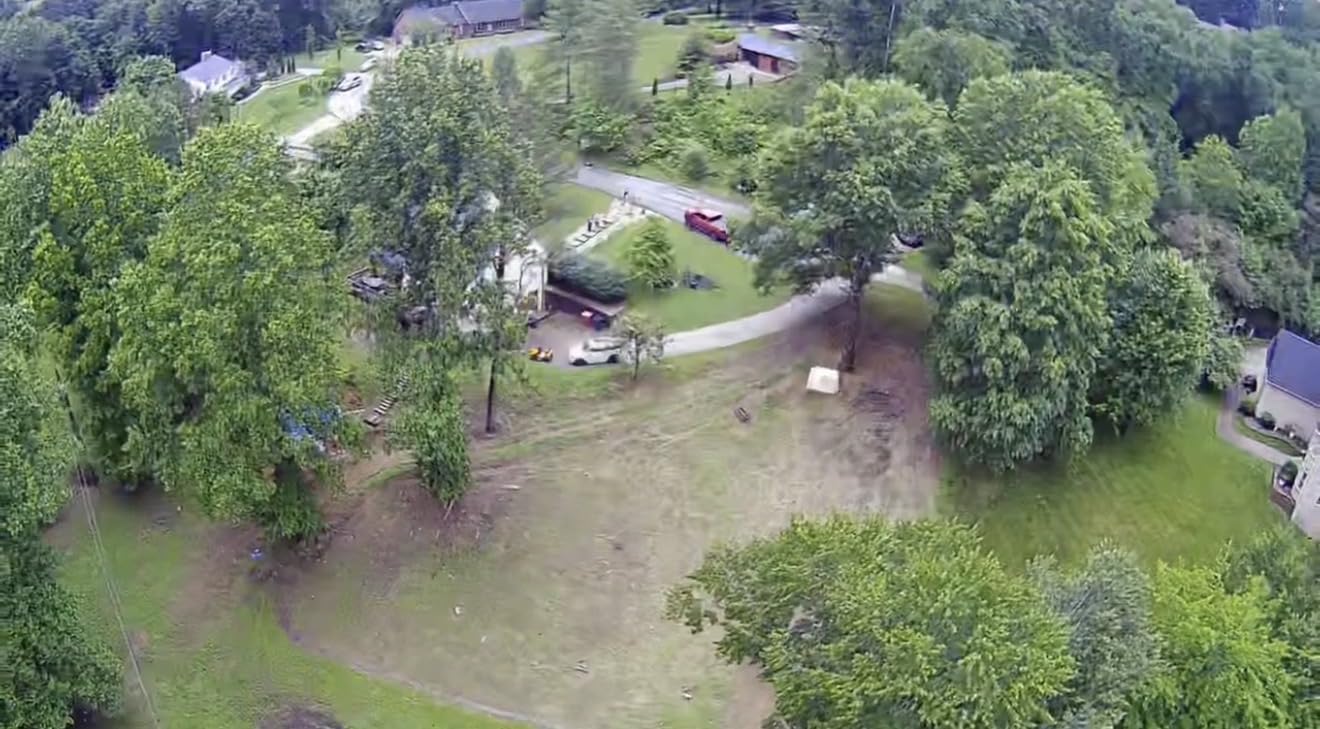
The camera takes stills that reviewers call exceptional for the class, and the 110-degree wide lens tilts through 90 degrees so you can frame from the ground up. Smart modes include Follow Me, Waypoint and Point of Interest.
There is no mechanical gimbal, so electronic stabilization leaves visible artifacts during fast movement. Wind also bothers the light frame more than heavier models.
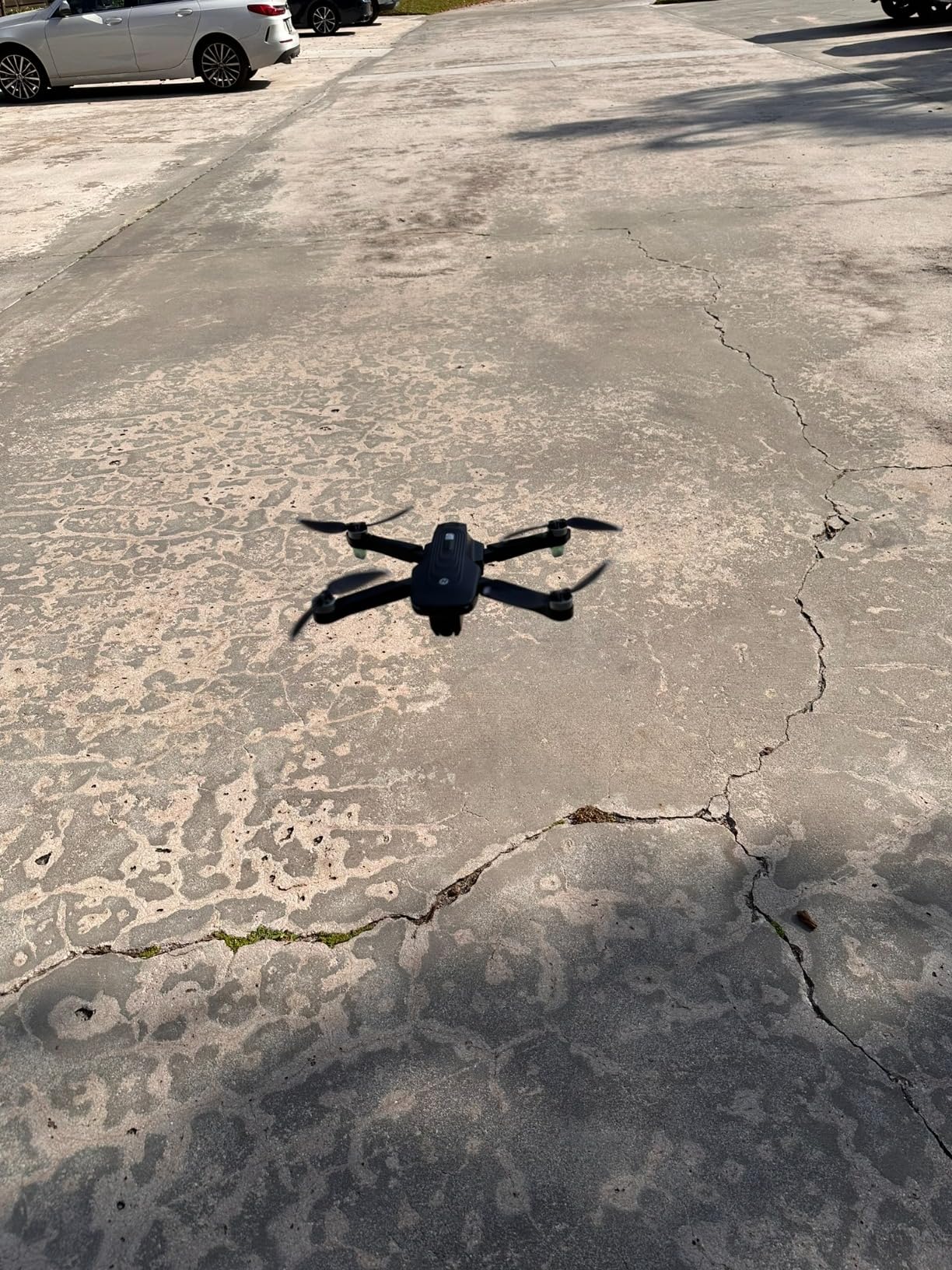
Who the Holy Stone HS175D suits
It suits first-time pilots and casual buyers who want a spare-battery package without spending much. Holy Stone support is repeatedly cited as a genuine strength when GPS or unit issues come up.
Where the Holy Stone HS175D falls short
GPS satellite sync can take several attempts, and real control range falls short of the stated 500 metres, with video dropping out around 200 metres. Only one battery charges at a time.
11. Holy Stone HS360S Review: Best for Learning to Fly
- Very easy to fly with stable hover
- Durable build that handles crashes
- GPS return home finds the drone after a lost link
- Battery connects with a single cable
- No stabilization or gimbal so video is choppy
- One slow-charging battery included
- Some units develop a drifting hover after a week
If the goal is learning to fly rather than collecting footage, the HS360S is the most forgiving drone here. The build takes crashes well, the hover is stable, and brushless motors give solid low-wind handling for a 213g frame.
Connection is refreshingly simple: the phone plugs into the controller with a single data cable and no Wi-Fi setup. That removes the most common reason a first flight goes badly.
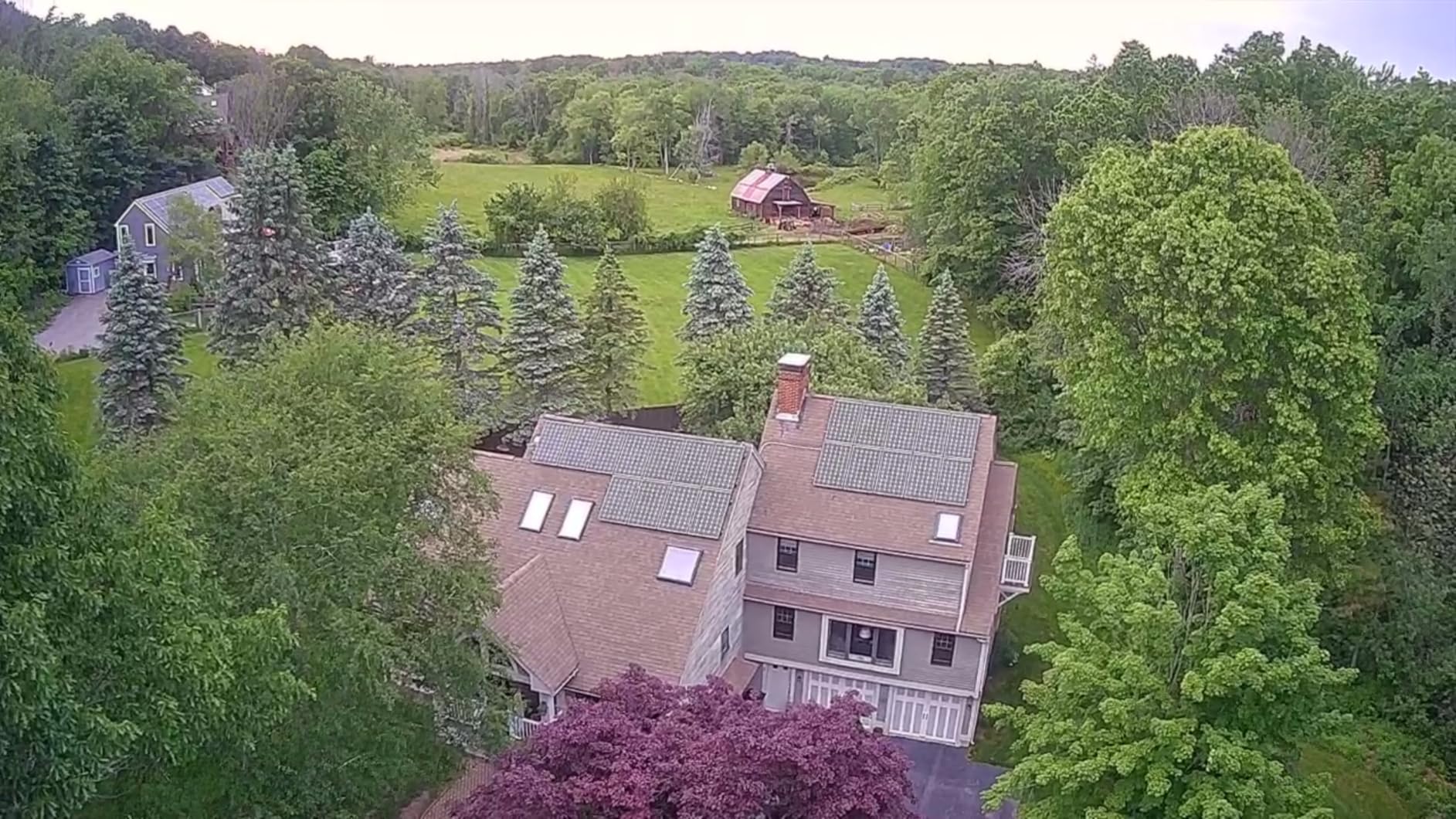
The listed 10,000ft transmission held video and control with no dropouts around 900ft in testing. Recording modes like Spiral Up and Catapult give new pilots something to shoot on the first day.
Video is the weak point, with no stabilization at all, so clips are choppy and disorienting at speed. Only one 20-minute battery is included and it charges slowly.

Who the Holy Stone HS360S suits
It suits anyone whose first goal is confident hovering, landing and gentle turns before they worry about footage quality. At 4.3 stars across more than 6,000 ratings, it is a proven entry point.
Where the Holy Stone HS360S falls short
Some units develop a persistent drifting hover after the first week, and throttle control is coarse with a narrow slow-flight band. There is no printed flying guide, so you lean on the app.
12. Bwine F7GIM Review: The One That Holds Up in Real Wind
Bwine F7GIM 4K Video 6K Photo Drones with Camera for Adults 3-Axis Gimbal.
- 357g weight stays stable in 10mph plus wind
- Two batteries give 70 minutes total
- 3-axis brushless gimbal holds steady at speed
- Verified 3840x2160 at 30fps from the card
- Some configurations record 15fps not 30fps
- Remote screen is hard to read in sunlight
- At 357g it is over the sub-registration weight limit
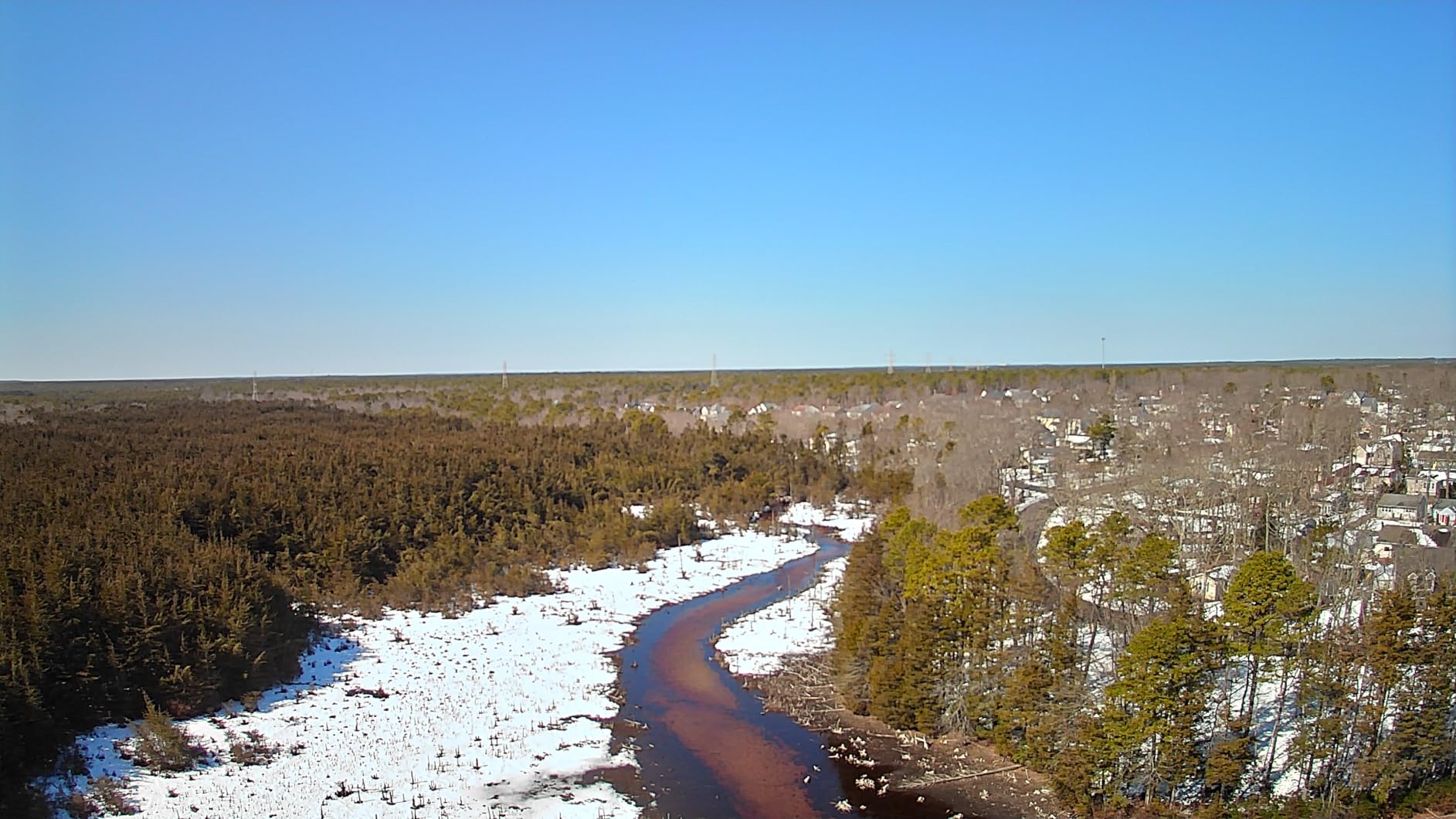
The F7GIM is the heaviest drone in this roundup at 357g, and that mass is the whole point. Reviewers report it holding steady in 10mph plus wind where the sub-249g models get pushed around and drift on camera.
The 3-axis brushless gimbal is rated by the manufacturer to raise stability accuracy by 300 percent during wind and high-speed flight, and owners say the footage reflects that.
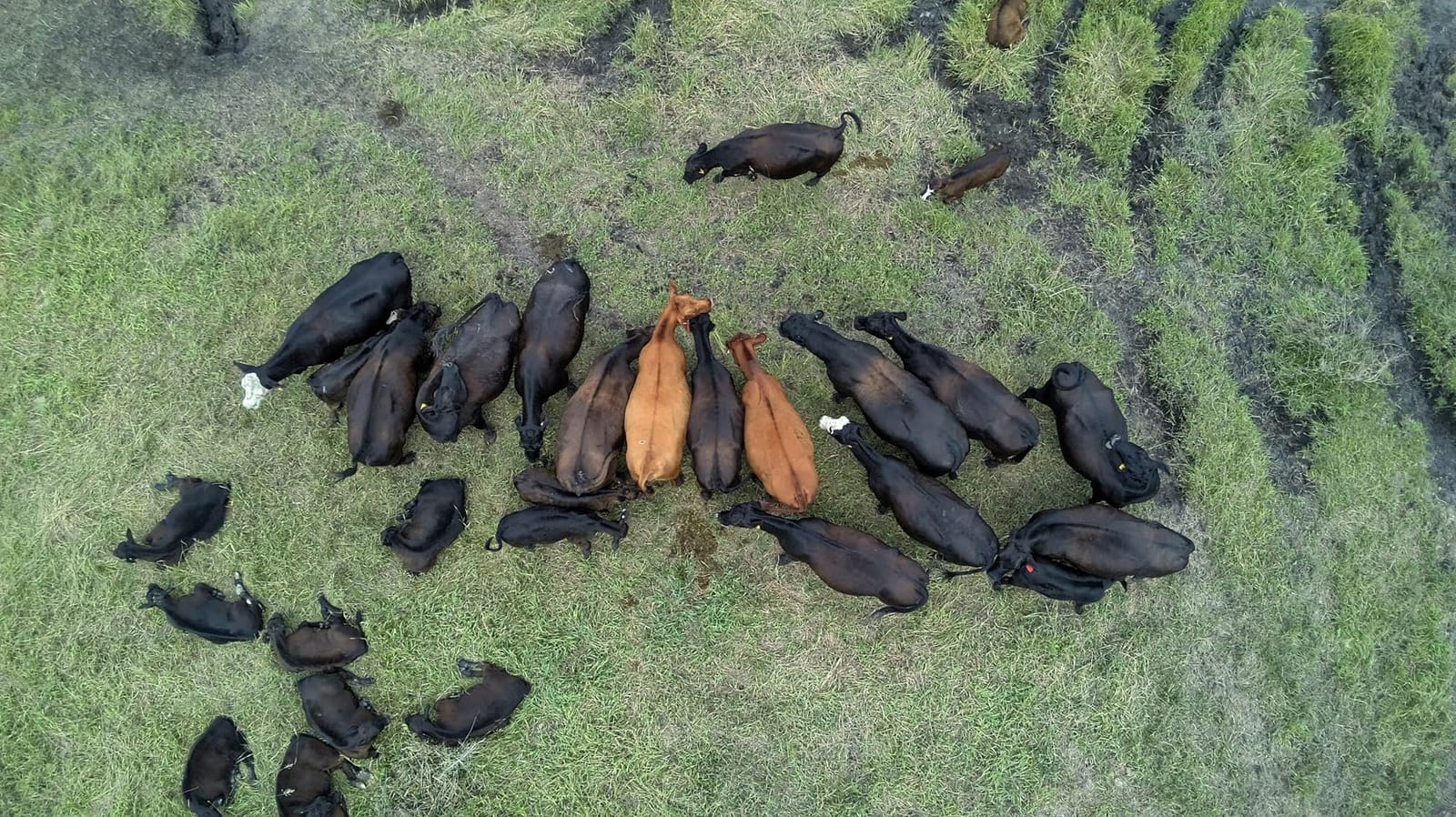
Two batteries give 70 minutes total, and 4K at 30fps plus 6K stills were confirmed by pulling files straight from the card. Route Planning, Fly Around and GPS Follow all work reliably.
Beware the weight. At 357g it sits above the 249g sub-registration threshold, so recreational pilots no longer get the automatic exemption. A Remote ID module is built into the arm.
Who the Bwine F7GIM suits
It suits coastal, hillside and open-field flyers who would rather carry a heavier airframe than fight a gust. Bwine support is also repeatedly praised for quick replacements on faulty units.
Where the Bwine F7GIM falls short
Some configurations record 15fps rather than the advertised 30fps, and the remote screen is very hard to read in bright sunlight. Compass calibration is needed before every flight.
4K Reality Check: Sensor Size Matters More Than Resolution
Every drone in this list records 3840 x 2160 pixels, so on paper they look identical. In practice the footage does not match, and the reason is sensor size. A 1/3-inch or 1/2.3-inch sensor packs tiny pixels that break down into noise the moment the light drops, while a 1/2-inch sensor captures roughly two to three times the light per pixel.
That is why the DJI Mini 3, the Potensic ATOM 2, the SKYROVER S1 and the Ruko U11MINI models produce usable dusk and night footage, while the Holy Stone and DJI Neo 2 clips fall apart after sunset. Frame rate is the second lever: 60fps is smoother in motion and gives you room to slow footage down in editing, which is why the SKYROVER S1 is worth knowing about.
Stabilization is the third. A 3-axis mechanical gimbal physically levels the camera and holds steady through fast banking, which no electronic system fully matches. The ATOM SE and the Ruko and Holy Stone models rely on electronic stabilization and soften detail during aggressive movement.
Do Drones Under 500 Dollars Need FAA Registration?
In the United States, a recreational drone weighing 249 grams or less does not require FAA registration, and every drone in this roundup except the Bwine F7GIM sits under that line. Once you pass 249g, as the F7GIM does at 357g, you must register and fly under the rules that apply to that weight class.
Registration is only half of it. Pilots should also take the free TRUST recreational safety test, keep to visual line of sight, and stay clear of airports, people and controlled airspace. Flying for work, paid shoots included, means a Part 107 commercial licence instead of recreational rules.
How to Choose a 4K Camera Drone Under 500 Dollars
1. Start with the sensor, not the resolution. Every drone here shoots 4K, so sensor size is what separates clean footage from noisy footage. If you plan to fly near sunset, aim for a 1/2-inch sensor or larger.
2. Pay attention to stabilization. A 3-axis mechanical gimbal is worth real money at this budget. Fixed cameras with electronic stabilization look fine in a hover and fall apart in fast movement.
3. Check whether a controller is in the box. This is the single most common buyer surprise in this category. The DJI Mini 3 base kit includes the RC-N1 remote, while the DJI Neo 2 ships as drone only, so the controller and batteries are separate purchases. Always confirm what is included before ordering.
4. Count the batteries, not the claimed minutes. Totals are usually per battery, and real flight time lands 15 to 20 percent below the label in wind or cold. Two batteries beat one, and the Bwine F7MINI and Ruko U11MINI packages give you three.
5. Decide how much obstacle sensing you need. Only the SKYROVER S1 and DJI Neo 2 have it in this group. Everyone else relies on your eyes, which is why forum threads are full of trees and power lines.
6. Budget for the extras. A micro SD card is required for full-resolution capture on most of these models and is not always included. Spare batteries and propellers add up quickly, so the sticker price is rarely your final spend. The beginner drone guide covers what to buy first.
7. Weigh portability against stability. Under 249g means no registration and a 151g option exists, but lighter drones drift more in gusty air. Heavier models like the F7GIM fly steadier and need registration.
Frequently Asked Questions
What is the best drone with a 4K camera under 500 dollars?
The DJI Mini 3 is the best overall pick under 500 dollars. It pairs a 3-axis mechanical gimbal with 4K HDR video and Dual Native ISO Fusion, adds true vertical shooting for social posts, weighs 248g so recreational flying needs no FAA registration, and offers a 10km video link.
Which drone has the best 4K HD camera under 500 dollars?
Judge by sensor size rather than resolution. The DJI Mini 3 and the SKYROVER S1 pair a 3-axis gimbal with the largest sensors available at this budget, while the Potensic ATOM 2 uses a 1/2-inch Sony sensor with an F1.8 aperture for the best low-light performance outside the DJI lineup.
Is 4K video on a drone under 500 dollars actually good?
It is genuinely usable in daylight with a gimbal and a 1/2-inch sensor or larger, which covers models like the DJI Mini 3, Potensic ATOM 2, SKYROVER S1 and Ruko U11MINI. On a 1/3-inch sensor with electronic stabilization, 4K is fine for social clips but gets soft and noisy in low light and fast movement.
Do drones under 500 dollars need FAA registration?
In the US, recreational drones weighing 249 grams or less do not require FAA registration, and every drone in this roundup except the Bwine F7GIM at 357g falls under that threshold. Registered pilots must still take the free TRUST test, keep visual line of sight and avoid airports and controlled airspace, and any paid work requires a Part 107 licence.
What is the best drone under 500 dollars for a beginner?
The Potensic ATOM SE is the easiest starting point, with GPS return home, three camera flight modes, Follow Me and waypoints, a 4km video link and 62 minutes of flight from two batteries. The DJI Mini 4K is the better choice if you want a real mechanical gimbal, and the DJI Neo 2 is safest indoors with its propeller guards.
Is a non-DJI drone under 500 dollars worth buying?
Yes. The Potensic ATOM 2 matches DJI on camera hardware with a 1/2-inch Sony sensor and 3-axis gimbal, the SKYROVER S1 is the only model here recording 4K at 60fps, and the Bwine F7MINI and Ruko U11MINI packages give you three batteries. The trade-offs are a less polished companion app and weaker resale value.
Bottom Line: Which Drone With a 4K Camera Should You Buy?
The DJI Mini 3 is the best drone with a 4K camera under 500 dollars in 2026, and the margin over the field is real rather than cosmetic: gimbal-mounted HDR, true vertical shooting and a sub-registration weight in one package.
Buy the DJI Mini 4K if you want the same gimbal for less, the Potensic ATOM SE if you want the easiest all-rounder without a DJI name, and the SKYROVER S1 if you plan to slow your footage down in editing. Every pick above is confirmed to record true 4K inside the budget, so compare the sensor size and the battery count before you commit.