

If your lawn is small enough that a rotary mower feels like overkill, the American Lawn Mower Company 1204-14 14-Inch 4-Blade is the single best reel mower for the job. At 19 pounds with a 14-inch cutting swath and a 0.5 to 1.75 inch height range, it is the easiest machine in this roundup to turn at the end of a short row, and it carries more than 15,000 ratings at 4.3 stars. It is the wrong pick if you keep tall fescue at three inches or more, because its three height positions top out at 1.75 inches of blade height adjustment.
The sizing logic behind that choice comes straight from the lawn care community. In a widely-circulated r/lawncare thread, one user’s rule of thumb was blunt: a push reel mower sounds fun if your lawn is 20 feet by 20 feet, and anything beyond that will look like crap. Roughly 3,900 square feet is the ceiling most owners describe, and a lot of people find the ceiling a good deal lower.
That is why we built this list around lawn size rather than brand reputation. Small-lawn buyers fail with reel mowers in two ways: they buy a mower that is too heavy to pivot repeatedly, or they buy one that cannot reach high enough for their grass. Both mistakes are made in the first ten minutes of use, and both are cheap to avoid if you match the swath width to the square footage first.
We compared ten push reel mowers across the four numbers that actually predict whether a machine suits a small lawn: cutting swath, blade count, mowing height range, and weight. The rest of this guide gives you the pick for each lawn size band, the honest drawbacks of each, and a short list of reasons a reel mower is the wrong tool for your yard entirely.
Table of Contents
Top 3 Reel Mowers for Small Lawns in 2026

American Lawn Mower 14-Inch 4-Blade
- 19 pounds
- 14 inch swath
- 0.5 to 1.75 inch height range
- 8.5 inch wheels

Scotts 2000-20S 20-Inch 5-Blade
- 20 inch swath
- 1 to 3 inch height range
- 9 position lever
- 26.9 pounds

Earthwise 1715-16EW 16-Inch 7-Blade
- 7 blade ball-bearing reel
- 0.5 to 2.5 inch height range
- 21.8 pounds
- 10 inch wheels
Best Reel Mowers for Small Lawns in 2026: Quick Overview
All ten machines below are manual push reel mowers. Each row gives you the spec that decides whether it fits your lawn.
| Product | Specifications | Action |
|---|---|---|
| American Lawn Mower 1204-14 14-Inch |
|
Check Latest Price |
| Scotts 2000-20S 20-Inch 5-Blade |
|
Check Latest Price |
| Earthwise 1715-16EW 16-Inch 7-Blade |
|
Check Latest Price |
 GARDENA Classic 4018-20 16-Inch GARDENA Classic 4018-20 16-Inch |
|
Check Latest Price |
 Great States 815-18 18-Inch 5-Blade Great States 815-18 18-Inch 5-Blade |
|
Check Latest Price |
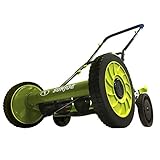 Sun Joe MJ504M 16-Inch Sun Joe MJ504M 16-Inch |
|
Check Latest Price |
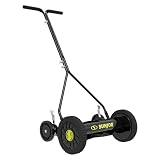 Sun Joe MJ503M 14-Inch 5-Blade Sun Joe MJ503M 14-Inch 5-Blade |
|
Check Latest Price |
 LawnMaster LMRM1801 18-Inch LawnMaster LMRM1801 18-Inch |
|
Check Latest Price |
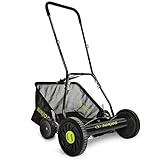 Sun Joe MJ502M 20-Inch Sun Joe MJ502M 20-Inch |
|
Check Latest Price |
 Fiskars StaySharp Max Fiskars StaySharp Max |
|
Check Latest Price |
Match Your Lawn Size to the Right Reel Mower Width
Nobody publishing roundups in this category maps square footage to swath width, so here is the sizing band we use. Wider is not better on a small lawn: every extra inch of cutting width is resistance you feel at the end of every short pass, and on a 1,500 square foot lot that adds up fast.
- Under 1,000 sq ft (roughly 20 ft x 50 ft): a 14-inch machine. Rows are short, so the mower’s weight matters more than anything else. Our pick is the American Lawn Mower Company 1204-14 at 19 pounds.
- 1,000 to 3,000 sq ft: a 16-inch machine. This is the range where the Sun Joe MJ504M and the Earthwise 1715-16EW both sit comfortably.
- 3,000 to 5,000 sq ft: an 18-inch machine, which is about the practical ceiling for a push reel mower. The Great States 815-18 and the LawnMaster LMRM1801 both live here.
- Over roughly 5,000 sq ft: stop pushing. A 20-inch mower will finish the job, but most owners describe that lawn as the point where the scissor cut stops looking worth the effort.
Two other numbers matter as much as width. Height adjustment position count decides how precisely you can hit a target cut, and nine positions is meaningfully finer than three. And weight is the single best predictor of frustration on a small lawn, because a heavy mower means pivoting the full mass at every turn.
1. American Lawn Mower Company 1204-14 14-Inch 4-Blade: Best Overall for Small Lawns
American Lawn Mower 1204-14 14-Inch 4-Blade Push Reel Lawn Mower, Red
- Lightest and most compact model at 19 pounds
- Scissor-style reel action cuts rather than bruises grass
- 4.3 stars across more than 15000 ratings
- 8.5 inch wheels turn easily in tight spaces
- Only 3 cutting height positions
- Narrow 14 inch swath means more passes
- Less effective on grass grown past 4 inches
This is the reel mower I would put on a lawn under 1,000 square feet without hesitating. Four blades, a 14-inch swath, a 0.5 to 1.75 inch height range, and 19 pounds on the scale. Nothing else in this roundup turns a corner more easily.
The scissor action is the reason it looks like a carpet after a cut. The reel blades draw grass into the bedknife gap and slice it rather than tearing it, so the lawn keeps more leaf tissue and recovers faster. Buyers consistently describe it as easy to push, easy to store, and best suited to lawns cut regularly.
The specification I would change is the height adjustment. Three positions is the fewest in this roundup, and if your grass type wants a precise 1.25 inch cut you will be adjusting constantly rather than dialing it in once. That is the tradeoff for the weight: you give up precision to gain the easiest handling on a small lawn.
It also lists the ability to cut grass up to 4 inches tall, though in practice that only works if the grass is dry and thin. Reviewers who let grass get away from them report the mower folding stalks over rather than cutting them, which is the standard failure mode for every reel mower in this list.
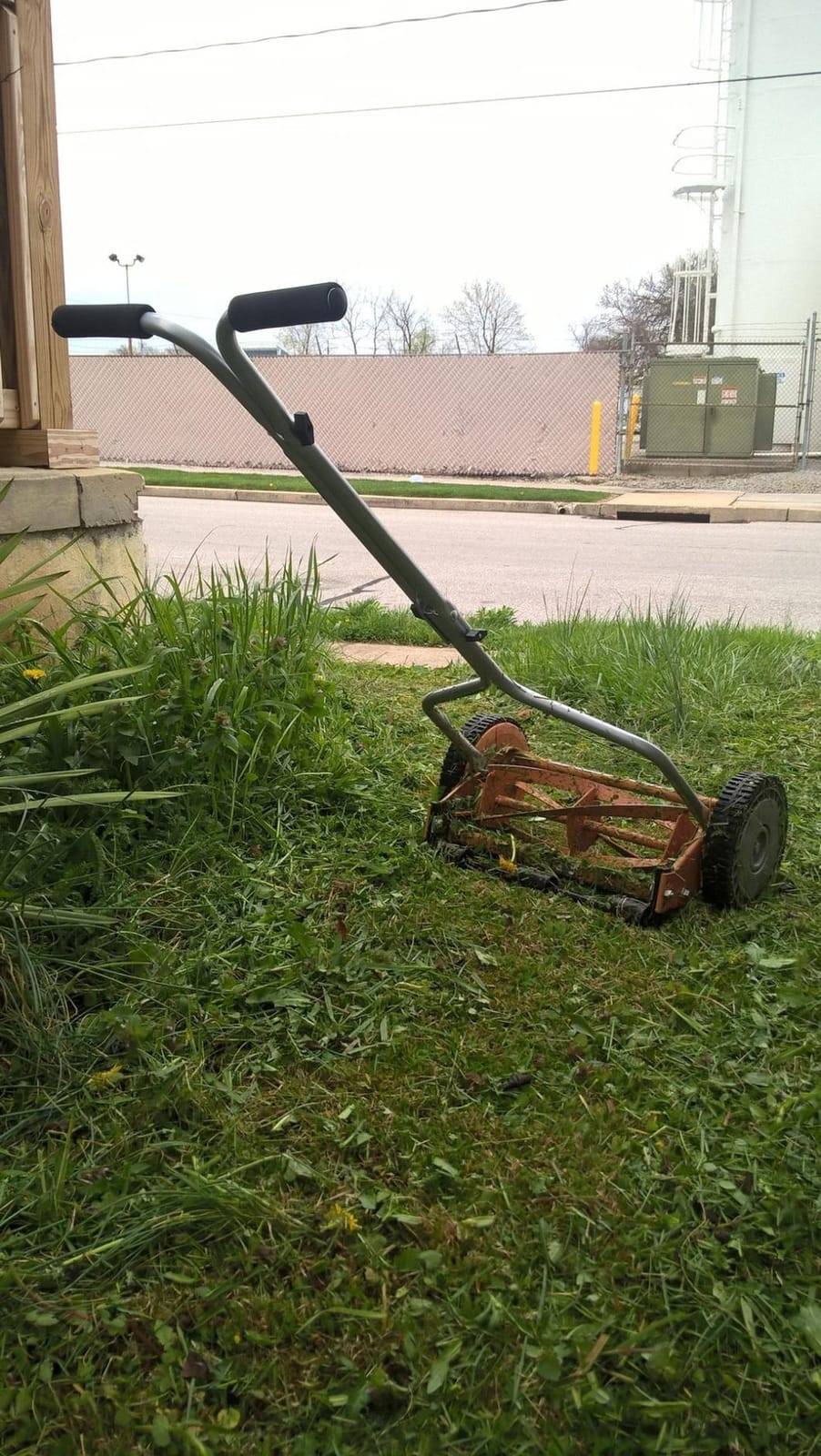
Why this suits a micro-lawn better than anything else
At 19 pounds you can lift it with one arm into a closet, which matters enormously if your mower storage is a corner of a garage. On a lot under 1,000 square feet you are making short rows and pivoting constantly, and the mass you have to swing at each turn is the difference between mowing and wrestling.
The 8.5 inch polymer wheels are narrow enough to roll over the edges of a path or a small bed without catching. That is a real advantage on lawns broken up by edging, planting beds and trees, which is most urban lots.
Where it will disappoint you
If you keep tall fescue at three inches, this is the wrong machine. A 1.75 inch ceiling cannot get there, and you would be cutting at the wrong height for that grass through an entire season.
On anything larger than a small front lawn, the 14-inch swath becomes a tax. You will be making more passes than you need to, and the narrow deck also means you cannot mow right up against a fence, because the blades sit inboard of the wheels. Budget for a string trimmer on the perimeter.
2. Scotts 2000-20S 20-Inch 5-Blade: Best for Tall Cool-Season Grass
- Widest swath here at 20 inch
- Only model that adjusts up to 3 inches
- Tool-less quick-snap adjustment across 9 positions
- Heat-treated alloy steel blades
- Bolted handle sections flex and can break at the bend
- Blades sit between the wheels so edges go uncut
- Needs more effort to push on slopes
This is the mower to buy if your grass grows tall. A 1 to 3 inch height range across nine positions is the widest usable span here, and turf science treats keeping cool-season grass at three inches as a genuine health practice rather than a styling choice.
The rest of the package is conventional and proven: a five-blade ball-bearing reel, 10 inch dual tracking wheels, heat-treated alloy steel blades and a cushioned grip. Owners often frame it as the last powered mower they will ever need, because there is no gas, no oil and no engine.
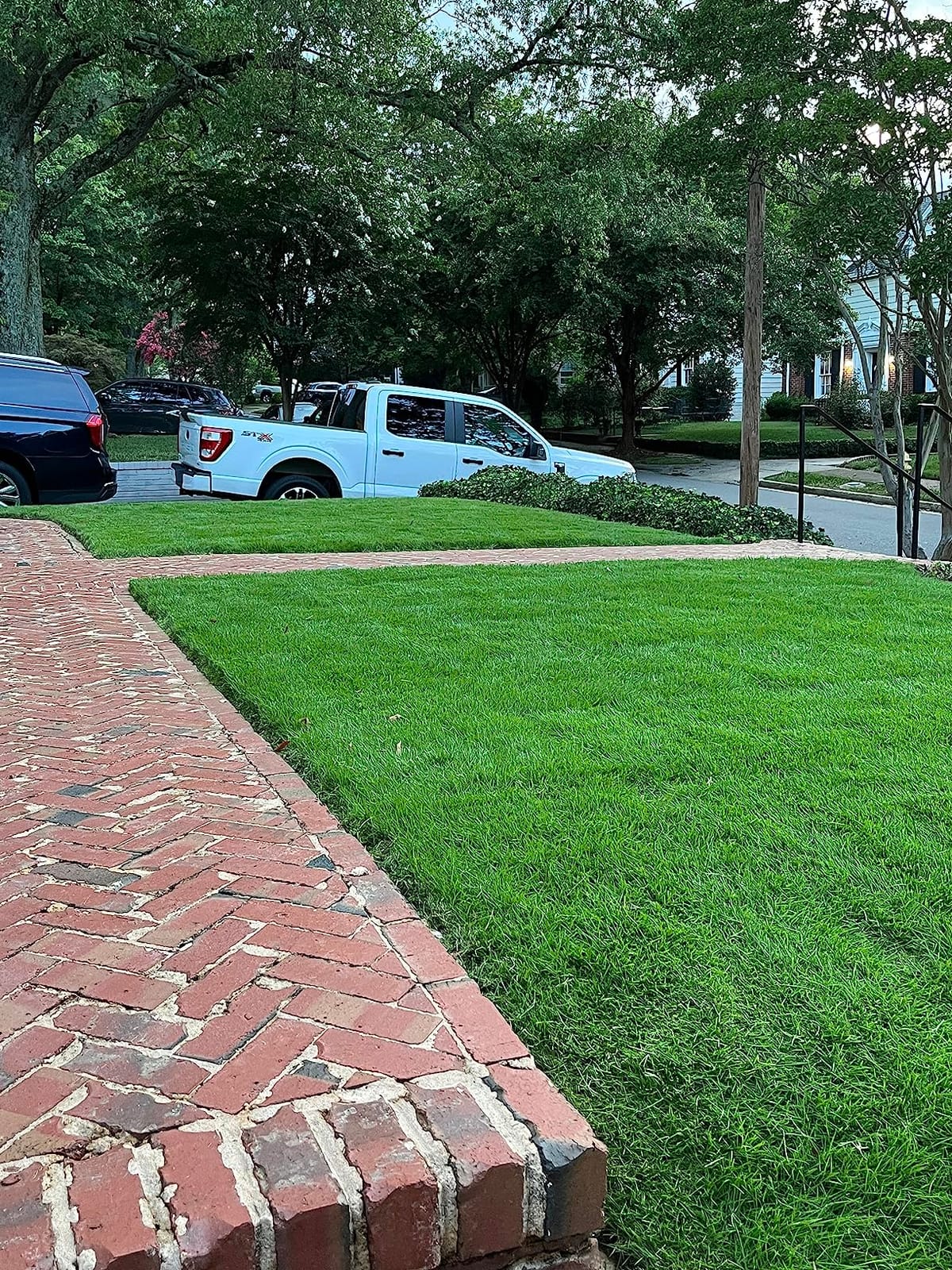
At 26.9 pounds it is heavier than the micro-lawn tier but still manageable, and the 20-inch swath means a 2,000 square foot lawn goes quickly. The dual tracking wheels help the rear of the deck follow the front rather than cutting at an angle.
The membrane bumper across the front of the reel folds over taller stalks, so those areas need a second pass. On a lawn you mow weekly that almost never comes up. On a lawn you mow after a holiday, it does.
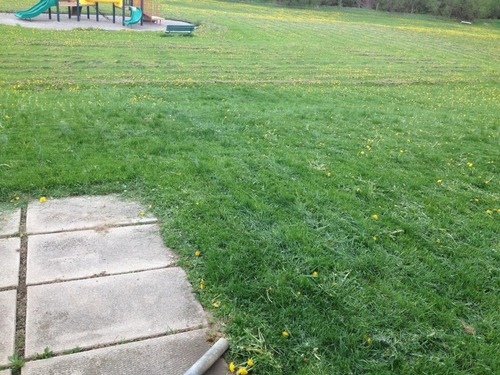
Why maximum cutting height matters more than minimum
Most reel mowers in the market top out between 2 and 2.5 inches. That ceiling is the reason many buyers return theirs. If you keep tall fescue, Kentucky bluegrass or perennial ryegrass high, a mower that cannot reach three inches will force you to cut low, and cutting cool-season grass too short is what causes that thin, patchy look people blame on the mower.
This model is the only one here that solves it. Nine positions on a quick-snap lever mean you can set the bedknife gap once for the season and adjust by a single notch when conditions change.
Where it will disappoint you
The handle is three thin-gauge bolted sections that flex under load. That is tolerable at first, and it is the part most likely to fail eventually, especially at the bend near the grip. It is also the piece most likely to arrive with loose assembly hardware.
The 20-inch width is overkill on a lawn under about 1,500 square feet, where the added resistance per push is real work for no gain. On a slope it is noticeably harder to move than the 16-inch machines, and the blades sit inboard of the wheels so your fence line goes uncut.
3. Earthwise 1715-16EW 16-Inch 7-Blade: Best for Dense Warm-Season Grass
- Seven blades give the densest cut in this roundup
- Alloy steel blades hold an edge longer
- Ball-bearing reel runs smoothly and quietly
- Handles Bermuda
- Zoysia and St. Augustine
- Blades sit between the wheels
- Heavier at 21.8 pounds than most 16 inch rivals
- Twigs and small debris stop the reel
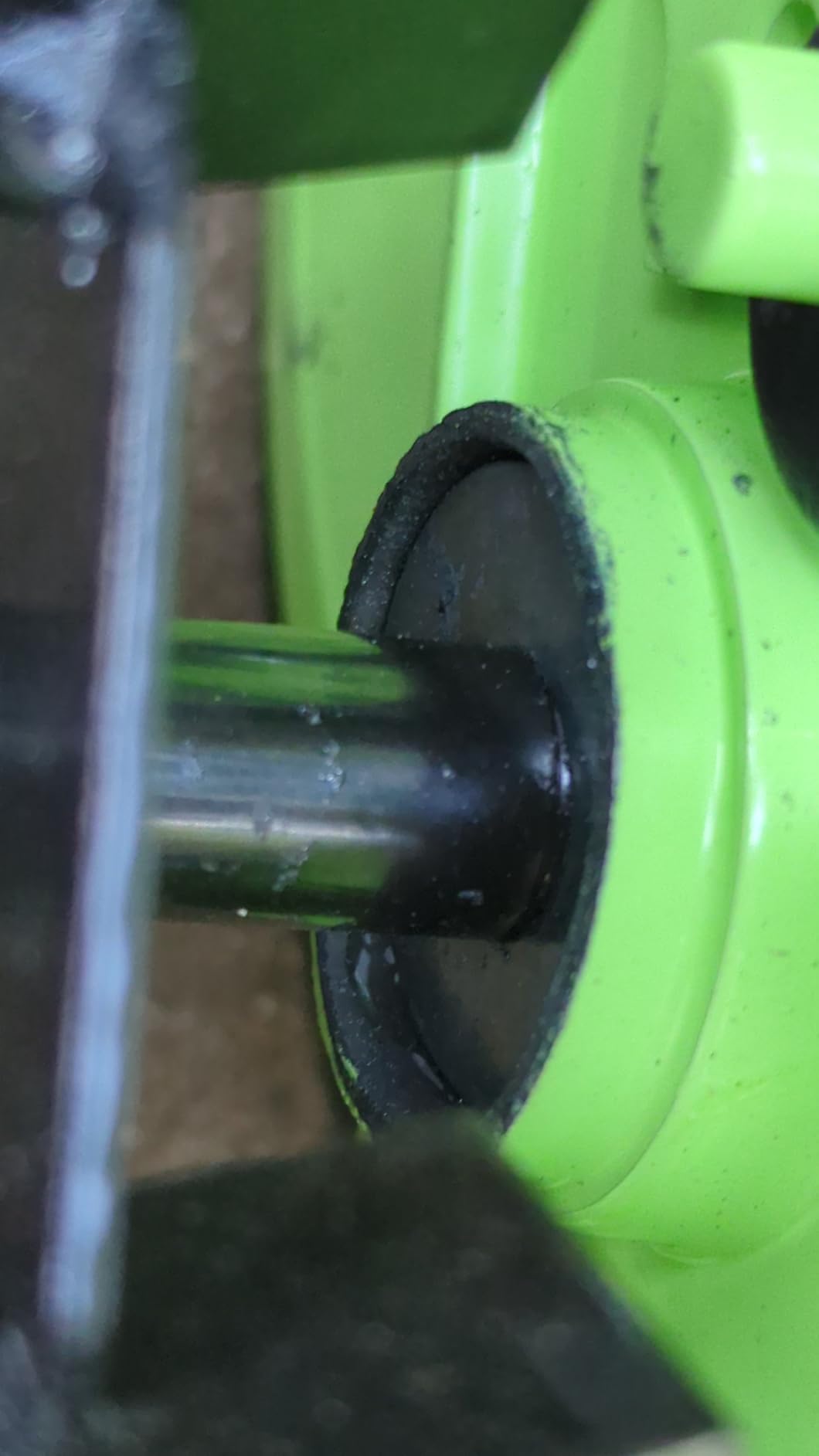
Blade count is the whole argument here. Seven blades over a 16-inch deck leaves fewer blades standing than any other model we looked at, and that shows up most clearly on dense, uniform warm-season turf.
The manufacturer specifically calls out bent grasses, including Bermuda, Zoysia, centipede, St. Augustine and seashore paspalum. Those have stiffer, more fibrous leaf blades than cool-season turf, and a five-blade reel can leave visible stragglers behind them.
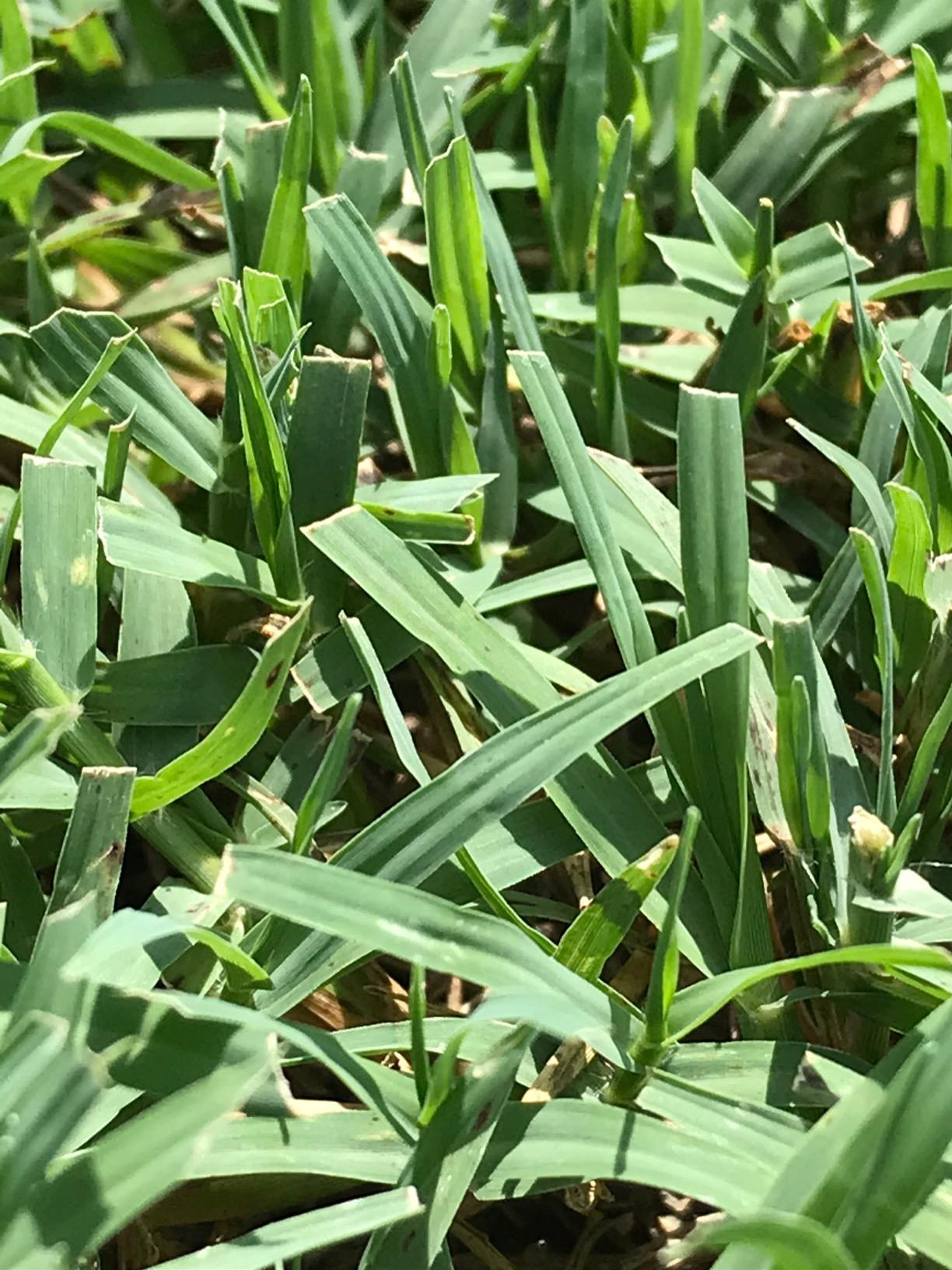
Alloy steel blades that hold an edge longer mean you sharpen less often, and the ball-bearing reel runs smoothly with a low, steady sound. Buyers who step up from a five-blade machine tend to notice the finish immediately.
Seven positions across a 0.5 to 2.5 inch range is adequate for warm-season lawns, which are normally kept much shorter than fescue anyway. The 21.8 pound weight sits in the middle of the field: heavier than the 16-inch Gardena, lighter than the 18 and 20-inch models.
Why seven blades earn their extra resistance
More blades means more metal entering the grass per revolution, which is why the cut looks cleaner and more uniform. It also means more drag, because the reel has to move more cutting edge through every square inch of turf.
That drag is only a problem if your grass is thin and short, which is exactly the situation the extra blades were not designed for. On Bermuda or Zoysia at a healthy density, the friction is not what you notice. The finish is.
Where it will disappoint you
The 2.5 inch ceiling is low if you transition from Bermuda to tall fescue in the same yard. You will be replacing this mower more often than the Scotts if your grass habits change.
Like most conventional reel layouts, the blades sit between the wheels, so you will trim the perimeter with a string trimmer anyway. And twigs stop the reel dead: the raised-clippings advice from owners is to clear sticks even the size of a toothpick before you start.
4. GARDENA Classic 4018-20: Best Long-Term Warranty
GARDENA Classic 16 in Reel Lawn Mower, 5 Blades, No Gas or Electric – 04018
- Ten year manufacturer warranty
- Hardened non-stick coated steel cylinder
- Light at 19.6 pounds with a folding handle
- Once the blade gap is set it cuts with minimal force
- Sparse manual makes assembly frustrating
- Grass catcher sold separately
- Maximum 1.65 inch height is the lowest ceiling here
The warranty is the headline: ten years of manufacturer coverage, by far the longest in this roundup. That matters most for buyers who are tired of replacing lawn equipment every few seasons.
It is also very light. At 19.6 pounds it competes with the 14-inch American Lawn Mower for the easiest machine to maneuver, and the folding handle reduces it to a small footprint against a wall when you are not using it.
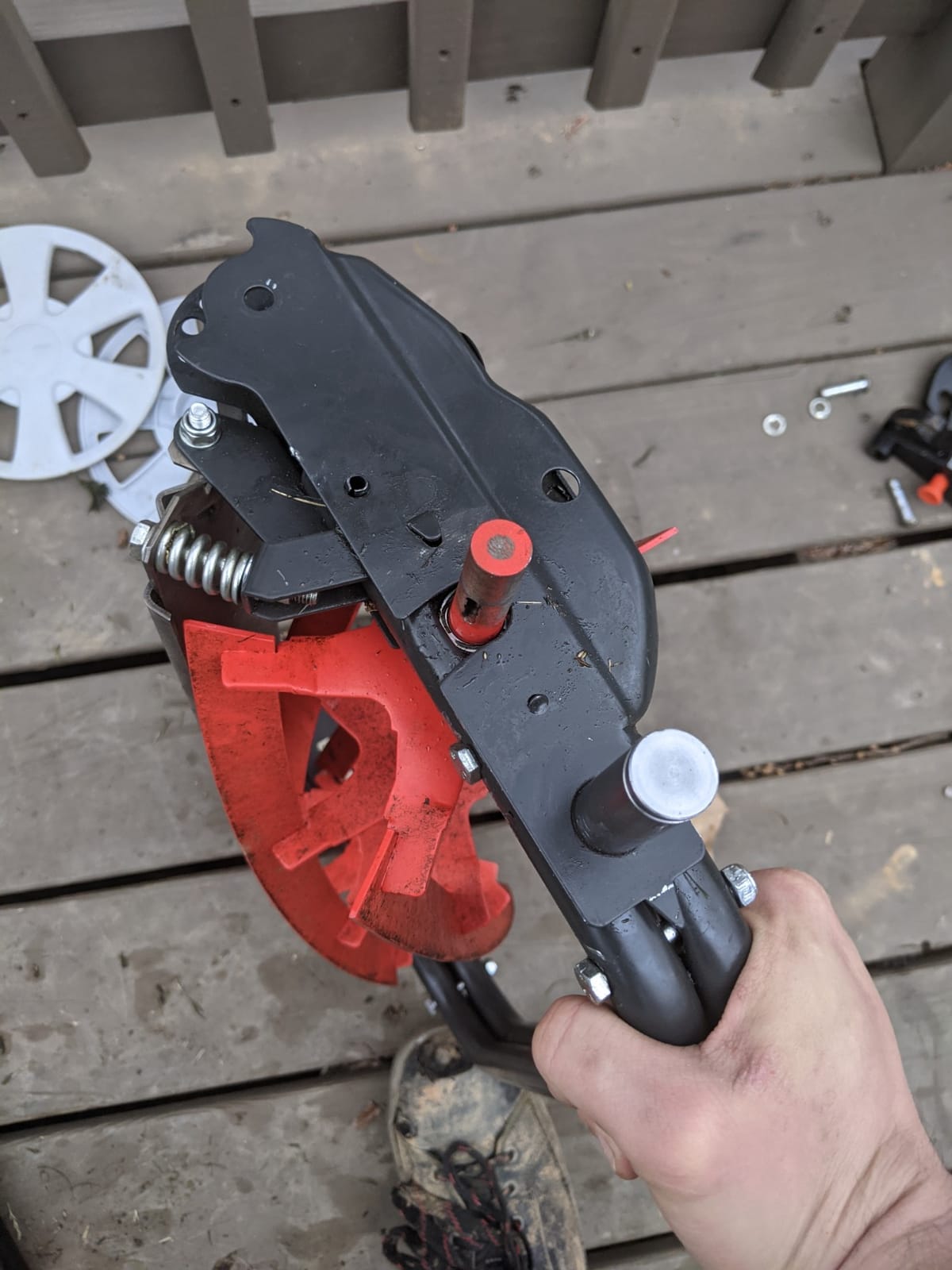
The cutting hardware is genuinely good. A hardened, non-stick coated steel cylinder running against a fixed counter-blade gives a contact-free scissor cut, and owners who get the gap dialed in report it will slice paper.
That blade gap setup is the caveat. The complaint cluster for this mower is about assembly and initial adjustment rather than cut quality, and the manual is thin enough that most owners learn it by feel instead.
Who this mower rewards most
Anyone keeping a very short, ornamental lawn. A 0.47 inch minimum cut height is the lowest practical figure here, and for a lawn you mow like a putting surface, that is the number that matters.
It is also a good choice if storage space is tight and you want the machine to disappear when it is not in use. Several owners describe it as quieter and more pleasant than the noisy electric mower it replaced.
Where it will disappoint you
Four height positions, topping out at 1.65 inches, is the tightest adjustment range here. If your lawn is not clipped short, you cannot use this mower at a healthy height.
The grass catcher is a separate purchase, which is an unwelcome extra step for buyers who wanted bagging. And the faint tin-like noise a few owners report is a small but real annoyance at close range.
5. Great States 815-18 18-Inch 5-Blade: Best All-Round 18-Inch
Great States 815-18 18-Inch 5-Blade Push Reel Lawn Mower, Grey
- Alloy steel blades stay sharp longer than plated blades
- Loop-style handle with cushioned grips
- Ball-bearing reel resists grass tangling
- Owners report multiple seasons of use
- Lower handle is wider than the frame studs
- Blades sit between the wheels so edges go uncut
- Jams on twigs and pinecones
This is the middle of the roundup and it does the middle job well. An 18-inch swath, five blades, six height positions spanning 0.5 to 2.75 inches, and 27 pounds.
It suits roughly 3,000 to 5,000 square feet. Below that you are doing unnecessary passes, and above that you are asking a lot of a push machine.
The ball-bearing reel and well-sealed wheels mean grass does not tangle in the drive the way it does on cheaper gearboxes. Several owners describe multiple seasons of reliable use, and the cushioned loop handle is comfortable for longer sessions.
Alloy steel blades are the quiet upgrade over plated ones. They hold a cutting edge for longer, which matters because blade sharpness is the single biggest factor in whether a reel mower looks good or looks like it is dragging the grass over.
Who should buy this one
Buy the 18-inch if your lawn is around a quarter of the size a push mower normally handles, and you mow it every few days. Owners frequently describe it as a good second machine for touch-up passes on an otherwise powered-mowed lawn.
It is also the safer choice over larger models if your ground is firm and your rows are reasonably straight, because the wider deck is the main reason push effort climbs.
Where it will disappoint you
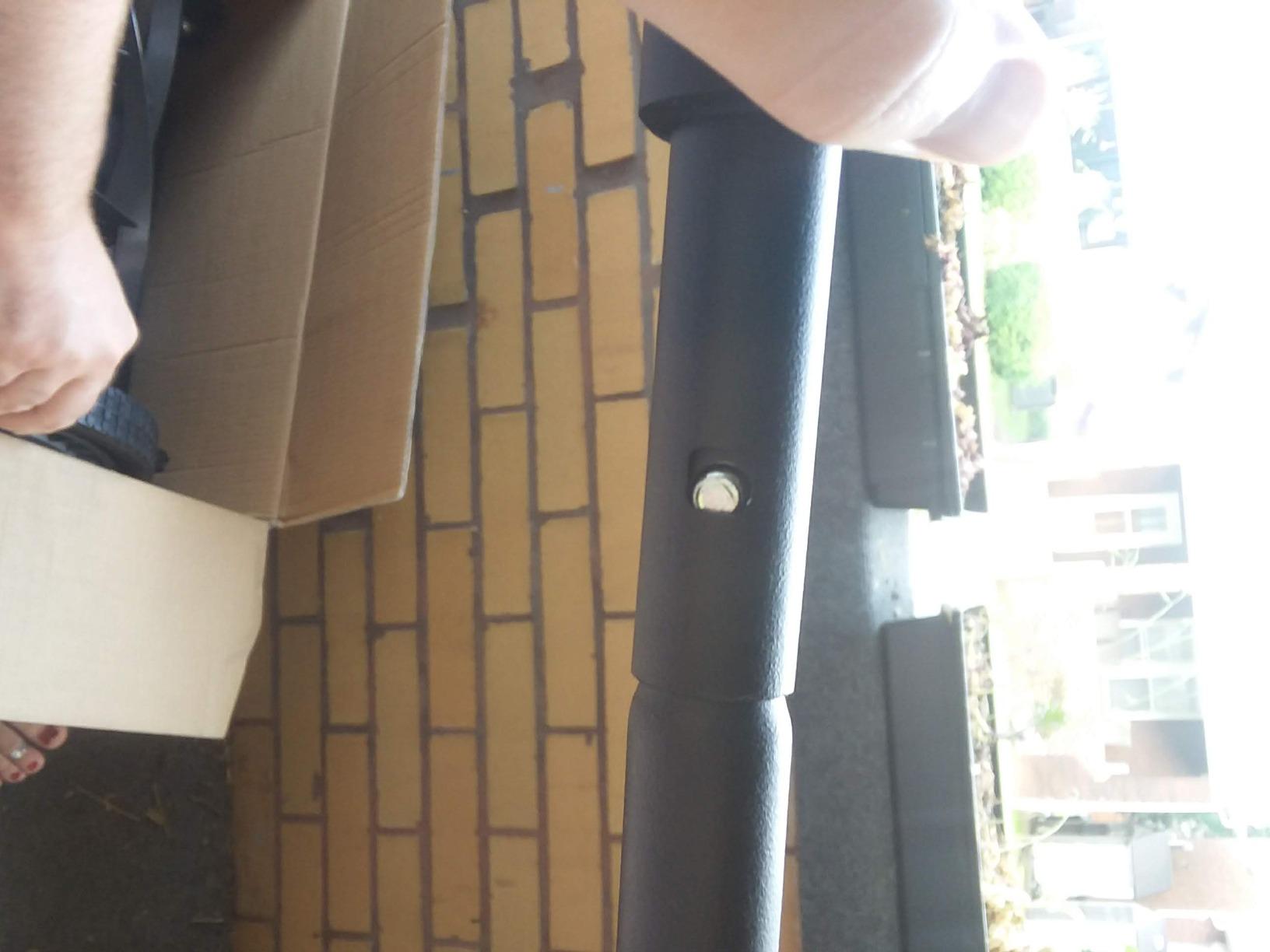
Assembly is the most commonly cited friction. The lower handle section arrives bent wider than the frame studs, and several owners describe squeezing the tube or improvising a workaround to get it to fit.
The wheels are hard composite rather than pneumatic, which is rough on uneven ground. And the blades sit between the wheels, so garden beds and fences need separate trimming regardless of how well the mower performs elsewhere.
6. Sun Joe MJ504M 16-Inch: Best for Mulched Clippings
Sun Joe MJ504M Manual Reel Mower without Grass Catcher, 16″
- 9 position adjustment from 1.1 to 2.9 inches on a 16 inch deck
- Rugged all-terrain wheels roll over uneven ground
- Sold without a catcher so nothing to fill or lift
- Slightly lighter than the 14 inch sibling
- Smallest review base at 132 ratings
- Plastic build feels least durable here
- Twigs jam the reel and need clearing by hand
This is the one to get if you do not want a bag. It is sold without a grass catcher, so clippings stay on the lawn as mulch, which is the outcome most turf growers actually prefer anyway.
Nine height positions across a 1.1 to 2.9 inch range on a 16-inch deck is a good combination for a 1,000 to 3,000 square foot lawn. Four rugged all-terrain wheels handle ground that stops other wheels catching.
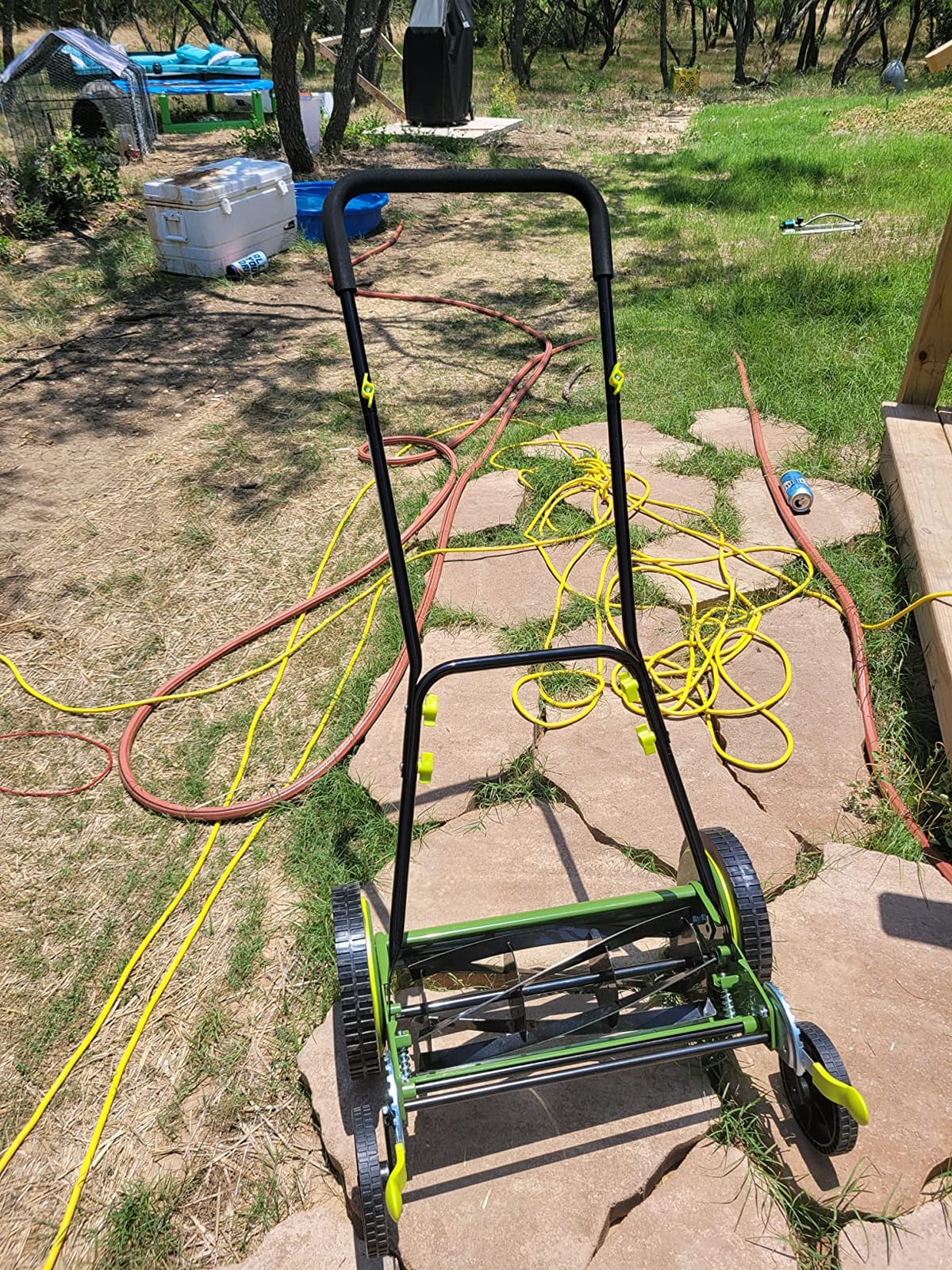
At 24.9 pounds it is a full five pounds lighter than the sibling 14-inch MJ503M despite covering more ground per pass, which is unusual in this category and works in its favor on small lawns.
The honest drawback is evidence, not performance. With 132 ratings this has the thinnest review base in the roundup, so long-term durability is simply less well documented than anywhere else here. Buyers who mow weekly on flat, short lawns rate it well; the pattern matches the category.
Why running without a catcher works
A scissor-cut clip is short, even and largely unprocessed, which means it drops into the canopy and breaks down quickly instead of forming a mat. Mulched reel clippings return some nutrients to the soil and do not need to be removed from the lawn.
The trade is that you cannot see the collection volume, so you will not know how much you are returning. On a very small lawn the difference is invisible anyway.
Where it will disappoint you
The plastic construction feels less substantial than the all-steel rivals, and it is the build most likely to bother you in year three rather than month one.
Twigs and small debris still jam the reel, and with no catcher to lift off, the clippings stay on the lawn until they break down. Blades also sit between the wheels, so your fence line goes uncut.
7. Sun Joe MJ503M 14-Inch 5-Blade: Best for Uneven Ground
- 9 position adjustment from 1.1 to 2.9 inches
- Rugged all-terrain wheels roll well in uneven ground
- Curved steel blades handle deeper grass
- Silent enough to use at any hour
- Blades often arrive dull and fail a paper test
- Jams on the smallest twigs
- Heaviest 14 inch option here at 27.5 pounds
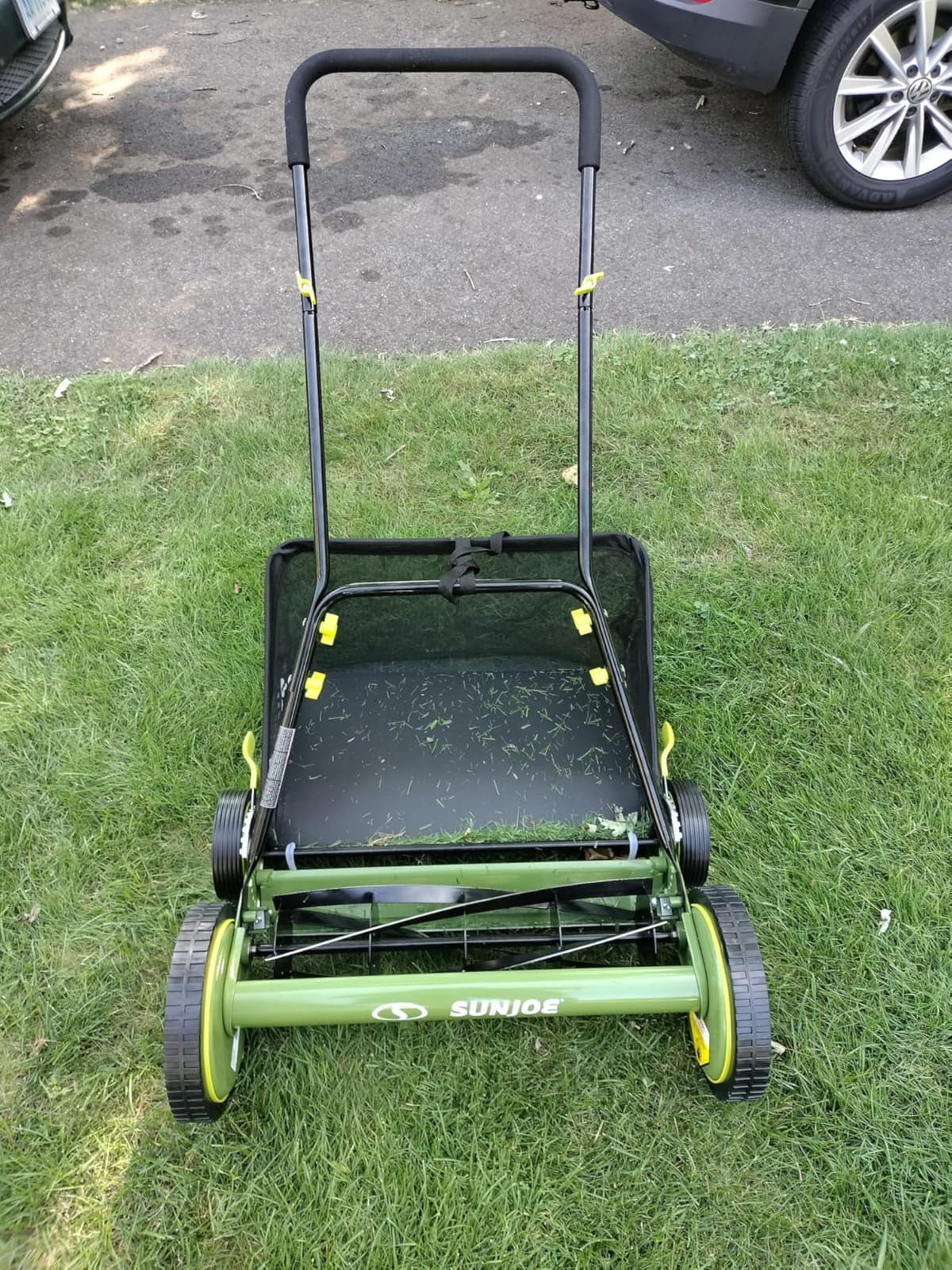
This is the widest height range you can get on a 14-inch deck, from 1.1 to 2.9 inches across nine positions. If you want the small footprint of a 14-inch mower but need to reach higher than 1.75 inches, this is the one.
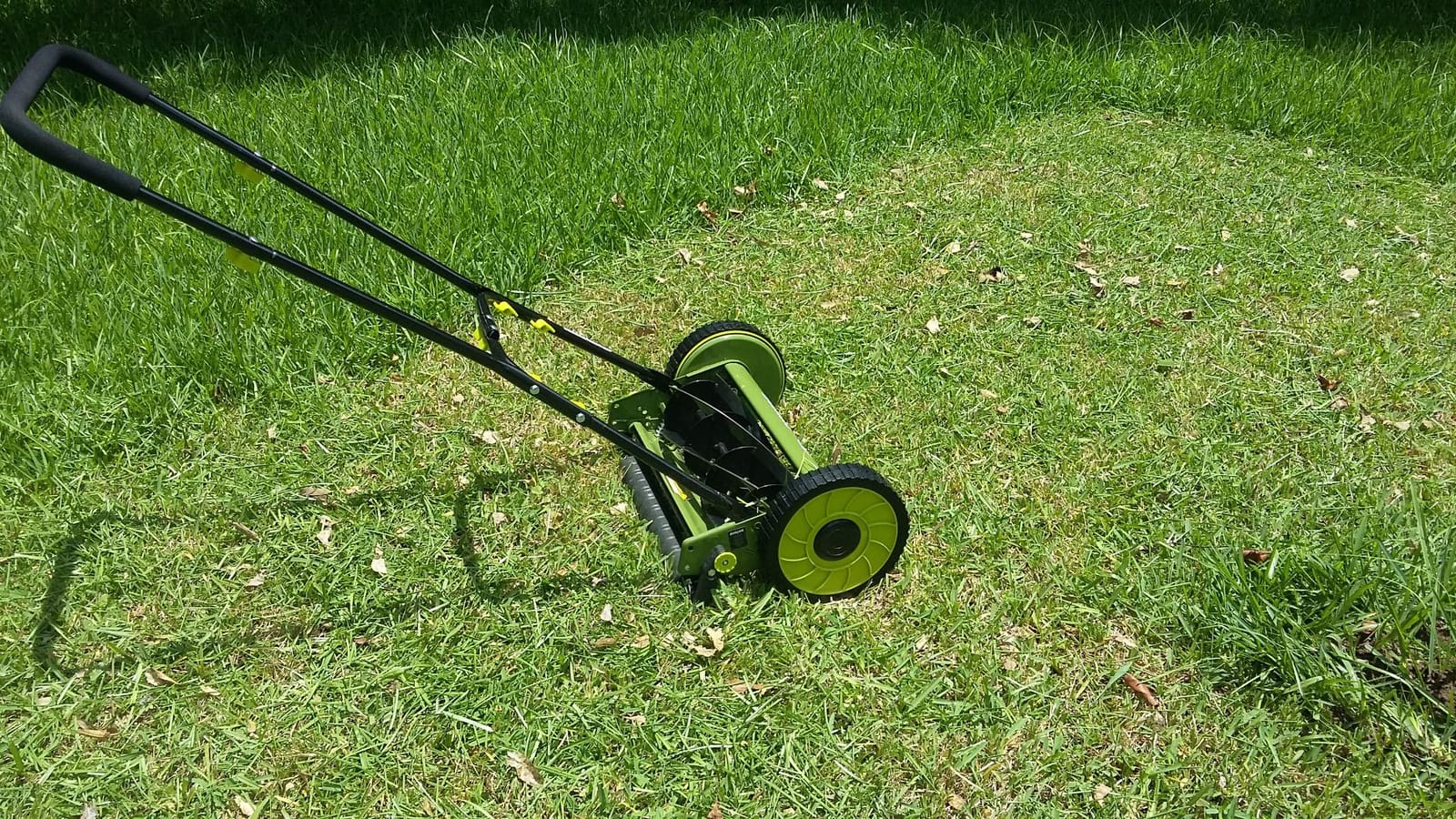
The curved steel blades and rugged all-terrain wheels are the differentiators. Buyers on bumpy ground report the wheels rolling over unevenness that catches the smaller-diameter wheels on other 14-inch machines.
At 3.7 stars from more than 6,000 ratings, this is the lowest-rated machine in the roundup, and the reviews split cleanly. People who mow frequently on flat, short lawns are happy; people who let grass grow tall are not.
The single most repeated complaint is that blades often arrive dull and fail a paper-cut test out of the box. Several reviewers also note the curved blades outperform straight-blade designs once they are sharpened, so the fix is a quick sharpening session rather than a return.
What uneven ground actually costs you
On a lawn that is not perfectly level, the wheels lose contact with the ground at some point in the pass. When that happens the blades rise or dip and the grass in that band goes uncut, so owners end up mowing the same strip from two or three different angles.
A wider wheel and a heavier chassis help, which is what the all-terrain wheels here do. They do not solve a genuinely lumpy lawn. If your lot has mole tunnels and settling near the fence line, no reel mower will look clean on the first pass.
Where it will disappoint you
It is the heaviest 14-inch mower here at 27.5 pounds, which works against the main reason to buy a 14-inch machine in the first place. On a very small lot that extra weight turns into real effort at every pivot.
It also jams on the smallest twigs, and the highest setting can scalp a lawn that is already short. With a 3.7 average and 15 percent one-star ratings, this is the pick to buy only if you are confident your mowing schedule is weekly.
8. LawnMaster LMRM1801 18-Inch 5-Blade: Best With a Grass Bag Included
LawnMaster LMRM1801 Push Reel Lawn Mower 18-Inch 5-Blade
- Nine positions across a 1.1 to 2.5 inch range
- 18 inch deck with 10 inch front wheels moves well for its width
- Collection bag included
- Scissor action cuts without tearing
- Blades sit between the wheels so edges need trimming
- Metal and plastic build feels less solid than steel rivals
- Manual workout in thicker growth
This is the straightforward pick for a lawn in the 3,000 to 5,000 square foot range, and the included collection bag is the detail that separates it from several competing 18-inch models that sell the bag separately.
Nine cutting positions from 1.1 to 2.5 inches is a finer adjustment than most 18-inch machines offer, and the 10-inch front wheels give it better maneuverability than its width would suggest.
It is explicitly marketed for small lawns, and the reviews concentrate on exactly the use case this roundup covers: home yards cut regularly, flat ground, no ambition to grow the grass high.
Why an included bag changes the daily routine
Bagging keeps the lawn looking tidy right after you mow, which is worth something on a small lawn where the whole point is appearance. The trade is a job you have to do afterward, plus a bag to empty.
On a 3,000 square foot lawn cut weekly, the volume is manageable. On a lawn you skip for two weeks, the bag fills faster than you expect and you will be emptying it more than once.
Where it will disappoint you
The metal and plastic construction feels less substantial than the all-steel or alloy-steel rivals. Nothing about it feels cheap, but it is the build you would expect to replace before the Scotts or Great States.
And the blades sit between the wheels, so garden beds and fence lines still need a string trimmer. As with every reel mower here, thicker growth turns it into a workout.
9. Sun Joe MJ502M 20-Inch: Best for Bagging Clippings
Sun Joe Manual Push Reel Lawn Mower with 8.5-Gal Grass Catcher, MJ502M
- 20 inch cut path at well under the Scotts equivalent
- 8.5 gallon catcher gathers more than expected
- Well-sealed wheel hubs resist grass tangling
- 9 position height lever
- Heaviest mower here at 30 pounds
- Blades often arrive blunt
- Jams on the smallest twigs
- Catcher and foam grip degrade first
The 8.5 gallon catcher is the reason to look at this one. Several owners report being surprised by how much it collects, which is the opposite of the usual complaint about small reel mower bags.
A 20-inch cut path means fewer passes than anything else here, and the curved hardened steel blades cut deeper grass better than straight-blade designs of the same size. Well-sealed wheel hubs keep longer grass from tangling in the drive train.
Nine position adjustment spans 1.1 to 2.44 inches, which covers most lawns kept at a moderate height. The foam grip handle is comfortable but is one of the two parts most often reported as degrading first, along with the catcher.
At 30 pounds this is the heaviest machine in the roundup. On a lawn small enough to fit that width comfortably, the trade is workable. On a lot under 1,500 square feet, the extra weight is pure effort for no gain.
When a big catcher actually earns its place
A 20-inch mower covers a lot of ground in one pass, so it puts more clippings into the lawn at once. An undersized bag fills in a single pass and has to be emptied before you can finish, which turns a 20-minute job into a longer one.
Eight and a half gallons is enough to finish a row on a 2,000 square foot lawn before you stop. That is the arithmetic that makes this pick work, and it is why bagging advocates tend to end up here.
Where it will disappoint you
With 3.7 stars from more than 6,000 ratings and 15 percent one-star ratings, this sits at the bottom of the ratings table. The dominant complaints are blades arriving blunt and jamming on small twigs, the same pattern as the sibling Sun Joe 14-inch.
The lowest setting also scalps a lawn that is already short, and the foam grip is the first comfort item to fail. Expect a sharpening session early on and you will avoid the worst of it.
10. Fiskars StaySharp Max: Best for Cutting Close to Edges
- Helical blades stay sharp longer than any model here
- Frictionless contact-free cutting rolls with minimal resistance
- Blades sit behind the wheels so it cuts to the lawn edge
- Four wheel chassis stays stable on rough ground
- Heaviest unit here at about 44 pounds
- Only 3 height positions
- Collection tray sold separately
- Wide swath means more effort per push on slopes
The 2.5 to 10 centimeter height range is the widest on this list in real terms, roughly 1 inch to just under 4 inches. That makes it the mower for someone whose lawn height preference does not fit neatly inside the 16-inch bracket.
The blade geometry is the reason it costs what it does. Helical blades on a counter-blade produce a frictionless cutting contact, and owners consistently report needing to sharpen far less often than with the cheaper mowers they replaced.
Why the edge-cutting advantage matters on a small lawn
On most reel mowers the blades sit between the wheels, so a strip of roughly three and a half inches along any fence or wall goes uncut every single pass. On a lot bound by fencing, that strip is a large share of the perimeter you are trying to keep tidy.
This model reverses the layout, with the blades positioned behind the wheels so the mower can reach the lawn edge. On a small, fenced urban lot that single design choice removes an entire recurring chore.
Where it will disappoint you
At about 44 pounds, this is by far the heaviest machine here. On a small lawn that is a direct conflict: the handling you want and the weight you get are pointing in opposite directions. Wirecutter testers described exactly this frustration on a 600 square foot lawn.
It also has only three height positions and it is the most expensive option in this roundup, with the collection tray sold separately. Buy it for the blade retention and the edge cut, not for the value.
Is a Reel Mower Even Right for Your Small Lawn?
Reel mowers are the wrong tool for a lot of small lawns, and the reasons are specific rather than general. Check these five before you buy.
- Your lawn is not flat. This is the number one objection in lawn forums. In a r/lawncare thread on small yards, one user put it plainly: reel mowers work okay on perfectly level ground, and if you have any imperfections they become genuinely frustrating. Unmowed bands appear where the wheels lose contact, and you end up mowing the same strip from multiple angles.
- You mow less than once a week. A reel mower pushes tall grass over rather than cutting it. That behaviour is the single most common reason buyers abandon the category, and it is a schedule problem, not a machine problem.
- Your lawn is over roughly 5,000 square feet. Past that point the effort per pass compounds faster than the cut quality improves. Owners consistently describe a push reel mower as a 20 foot by 20 foot tool.
- You have tree roots, rocks or heavy debris. Sticks, acorns and pinecones stop the reel dead. Several owners clear debris the size of a toothpick before mowing.
- You need to cut right up against a fence with the mower. Only the blades-behind-the-wheels layout handles this well, and that costs you the widest swath and the heaviest machine in the category.
If none of those apply, the upside is real: no gas, no oil, no battery, no exhaust, near-silence, and a cut that keeps more leaf tissue on the blade so the lawn handles stress better. Owners also describe it as quiet enough to use early on a Sunday morning.
5 Blades or 7? Choosing the Right Blade Count
Five blades is the right answer for most small lawns. Seven blades is the right answer for dense warm-season grass. That is the short version, and the reasoning is about how much blade metal passes through the grass per revolution.
A five-blade reel moves less cutting edge through the turf, so it produces less drag and handles taller grass more forgivingly. A seven-blade reel pushes more metal through each square inch, which gives a visibly denser, more uniform finish with fewer blades standing up behind you.
For Bermuda, Zoysia and St. Augustine lawns, the seven-blade Earthwise wins, because those bent grasses are stiff and fibrous and a five-blade reel leaves stragglers. For tall fescue, Kentucky bluegrass and perennial ryegrass, five blades is enough, and the extra two cost you push effort you would rather spend on a small lawn.
There is a fourth case. Four-blade reels trade density for the lightest possible machine, which is why the 14-inch American Lawn Mower in this roundup uses four and weighs 19 pounds.
How to Choose a Reel Mower for a Small Lawn
Check the maximum cutting height first, not the minimum. Most reel mowers top out between 2 and 2.5 inches. If you keep tall fescue at three inches or more, anything below a 3-inch ceiling will force you to cut too short, which is what causes the thin, patchy look people blame on the mower. Only the Scotts 2000-20S here reaches 3 inches.
Weight is the best predictor of frustration. A 19 pound mower pivots at the end of a short row; a 44 pound mower on the same row is work. On a lot under 2,000 square feet, prefer anything under 25 pounds and accept a narrower swath.
Count the height adjustment positions. Three positions means three possible cut heights for an entire season. Nine positions lets you set a height once and fine-tune when conditions change. It is the cheapest quality-of-life upgrade available to you.
Know your adjustment type. A quick-snap lever or a single knob is a five-minute job. Bolt-and-wrench adjustment on some models means unbolting the frame, which is the adjustment nobody wants to do twice a season.
Match the grass, not just the lawn size. Cool-season grasses need height to stay healthy and prefer a mower that reaches 3 inches or more. Warm-season grasses are cut shorter, so the tighter 0.5 to 2.5 inch range works fine and seven blades earn their place.
Manual, cordless electric or gas. For a small lawn, manual is almost always the answer. The mainstream manual market sits in a tight band well below the cordless electric tier, and self-propelled reel mowers start far above anything a small lawn needs. Electric reel units exist in the low hundreds, but reviewers have noted a cordless reel mower measured at 96 decibels, which undercuts the quietness that draws most people to the category in the first place.
Plan for maintenance. Sharpen after 20 to 25 hours of use, which usually works out to once or twice per season. Clean the reel and bedknife, check the blade gap by slipping a folded piece of paper between them, and keep the drive chain lubricated. Dry grass is easier on the blades than wet, and wet clumps promote rust and dull an edge quickly.
Stay on schedule. The one-third rule means never removing more than a third of the blade at a time, which for a small lawn in peak growth means mowing twice a week. This is the habit that separates owners who love their reel mower from owners who gave up on one.
One more practical note for small lawns: whatever mower you choose, the real work on a lot this size comes from feeding it and watering it. If you are still building turf, our guides to sprinkler systems for lawns and fertilizer spreaders for small lawns cover the parts of the job a mower cannot fix. If compaction is the issue rather than height, liquid aerators for compacted lawns address that directly.
Frequently Asked Questions
What reel mower is best for a small yard?
For a yard under about 2,000 square feet, a 14-inch reel mower is the best fit because it weighs 19 pounds and pivots easily at the end of every short row. The American Lawn Mower Company 1204-14 cuts a 14-inch swath and adjusts from 0.5 to 1.75 inches.
What is the best lawn mower for a very small lawn?
A lightweight manual reel mower is the best mower for a very small lawn under 1,000 square feet. The 14-inch American Lawn Mower Company 1204-14 weighs 19 pounds, has 8.5 inch wheels for tight spaces, and holds a 4.3 star average across more than 15,000 ratings.
Which is better, a 5 blade or 7 blade reel mower?
A 5-blade reel mower is better for most small lawns because it creates less drag and handles taller grass more forgivingly. A 7-blade reel is better for dense warm-season grass like Bermuda, Zoysia and St. Augustine, where the extra blades leave a more uniform finish.
What are the downsides of using a reel mower?
The main downsides are that reel mowers need a flat lawn, they push tall grass over instead of cutting it, they jam on sticks and debris, they leave an unmowed strip along fences because the blades sit inboard of the wheels, and they require mowing at least twice a week in peak season.
Is a reel lawn mower worth it?
A reel lawn mower is worth it for a flat, small, frequently mowed lawn. You get no gas, no oil, no battery and no exhaust, near-silent operation and a scissor cut that damages less leaf tissue. It is not worth it on sloped, root-filled or infrequently mowed ground.
How tall of grass can a push reel mower cut?
A push reel mower cuts as tall as its maximum height setting allows, and only if you mow on schedule. Most top out between 2 and 2.5 inches, so if the grass is taller than the setting you have chosen, the mower pushes it over rather than cutting it and you need a second pass.
How often should I mow with a reel mower?
Mow at least twice a week during peak growing season. The one-third rule says never remove more than a third of the blade at a time, and on a small lawn in fast growth that interval is what keeps the cut clean instead of the mower flattening stalks.
Final Verdict: The Best Reel Mowers for Small Lawns
The American Lawn Mower Company 1204-14 is the best reel mower for small lawns in 2026, because 19 pounds and a 14-inch swath is the combination that makes short rows and constant turning bearable. Pick the Scotts 2000-20S if your grass needs a 3-inch cut, the Earthwise 1715-16EW if you mow dense Bermuda or Zoysia, and the Fiskars StaySharp Max if cutting flush to a fence line matters more than weight.
Check the disqualifier list first. If your lawn is not flat or you mow less than weekly, a cordless rotary mower will serve you better, and you can compare options in our tow behind aerator guide and other lawn care guides.