
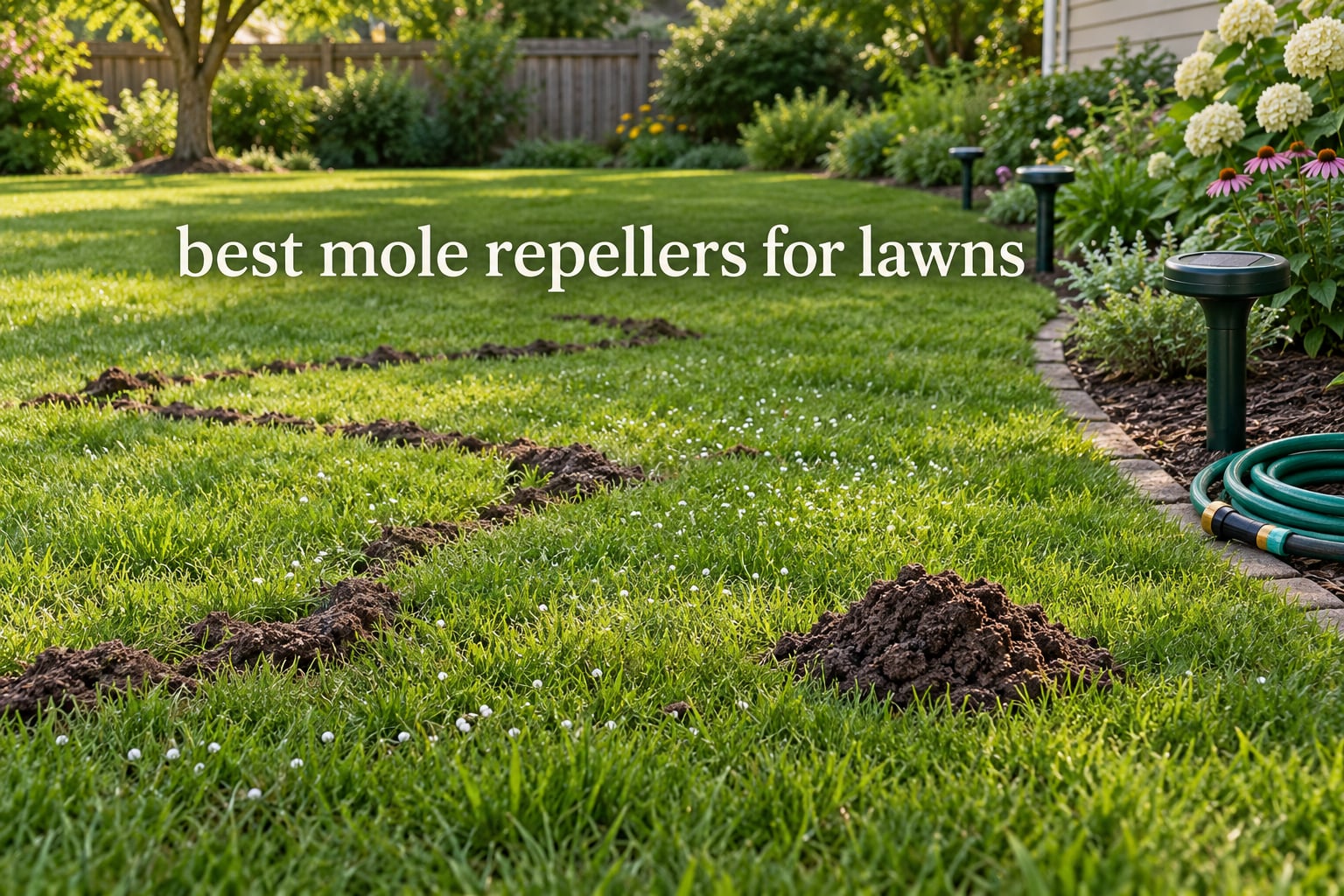
Here is the blunt answer before anything else: mole repellers displace, they do not remove. Every product in this guide makes treated ground unpleasant enough that a mole tunnels somewhere else, and often that somewhere else is twenty feet further into the same lawn. No repellent we list here is registered to kill moles, and any packaging implying otherwise is overstating what university extension services will stand behind.
That does not make them useless. When we compared the eight best mole repellers for lawns available now, the castor oil concentrates came out ahead on consistent homeowner results, and the solar stakes earned their place for people who want zero application labor. The honest ranking below is built on coverage per application, how often the label says to re-treat, and what reviewers report after weeks of use, not on the size of the font on the box.
Early fall is the right window to deal with this. Soil is still warm so surface feeding runs stay open, mounds are easy to spot, and moles are pushing into new ground rather than deep in frozen tunnels. If your lawn is showing raised ridges or cone-shaped mounds right now, this guide will tell you which mechanism fits your situation, and which one to skip.
Table of Contents
Top 3 Mole Repellent Picks for 2026

Natural Elements Castor Oil
- 100% castor oil concentrate
- One gallon covers up to 20000 sq ft
- Biodegradable and pet safe when label directions are followed

Baar MolEvict Castor Oil
- Hose and sprayer application
- 32 oz covers 5000 sq ft
- Targets moles voles gophers and armadillos

Lehman’s Mole Chasing Windmill
- Wind driven vibration
- No batteries and completely silent
- Covers nearly 20000 sq ft
Best Mole Repellers for Lawns in 2026
Quick overview: the two castor oil concentrates handle broad lawn coverage with the strongest review history, the solar stakes trade evidence for convenience, and the windmill is the only pick that pulls power from the wind. Full detail, including where each one loses, follows.
| Product | Specifications | Action |
|---|---|---|
| Natural Elements Castor Oil Repellent |
|
Check Latest Price |
| Baar MolEvict Castor Oil Concentrate |
|
Check Latest Price |
 ALOUYH Solar Ultrasonic Stake 8 Pack ALOUYH Solar Ultrasonic Stake 8 Pack |
|
Check Latest Price |
 Fretech Solar Sonic Stake 8 Pack Fretech Solar Sonic Stake 8 Pack |
|
Check Latest Price |
 Ariie 400 Hz Solar Stake 8 Pack Ariie 400 Hz Solar Stake 8 Pack |
|
Check Latest Price |
 Cvtayn Ultrasonic and Vibration 4 Pack Cvtayn Ultrasonic and Vibration 4 Pack |
|
Check Latest Price |
| Lehman’s Mole Chasing Windmill |
|
Check Latest Price |
 Kopplvn Plant Based Granular 12 Pack Kopplvn Plant Based Granular 12 Pack |
|
Check Latest Price |
Do mole repellers actually work?
Partially, and the honest version is more useful than the hype version. Castor oil concentrates have a plausible mechanism and a large body of homeowner reports showing activity dropping in treated zones, and they remain the first thing most lawn people try. What they do not do is remove the animal from the property.
Two biological facts drive every limitation you will read about below. Moles hunt almost entirely by touch using pressure-sensitive organs in their snout and front limbs, and earthworms make up the overwhelming share of their diet, with grubs a minor contributor. That rules out anything aimed at taste and smell alone as a complete solution, and it is why a mole that dislikes your treated lawn simply eats in the untreated strip next to it.
University extension services are consistently cautious here. Penn State Extension notes that no chemical repellents are registered for mole control, Washington State University describes castor oil products as not consistently effective, and the UC Statewide IPM Program reports that sound and vibration devices have not been shown to stop outdoor damage. Extension guidance generally treats repellents as one tool in a larger program alongside trapping, habitat change and repair.
Habituation is the second problem. Sonic and ultrasonic stakes emit an unchanging pattern, and a mammal that is not injured or frightened by a stimulus after a period of exposure tends to stop responding to it. The same soil acoustics that make vibration travel in heavy clay also mean a saturated or frozen yard transmits almost nothing, and coverage claims on stake packaging are measured in open air rather than underground.
So the fair verdict is: castor oil concentrates and wind-driven deterrents produce displacement that homeowners can see, and the solar stakes are a low-effort option whose results vary a lot between yards. If you need a guaranteed stop, trapping is the escalation path further down.
1. Natural Elements Castor Oil Repellent review
- Largest coverage per container in this guide at up to 20000 sq ft per gallon
- Biodegradable castor oil with no harsh chemical odor
- Safe for pets and plants when label mixing directions are followed
- Over 3k buyer reviews to draw on
- Spraying grass leaves it slick and greasy
- Pouring into active tunnels works better than broadcast spraying
- Needs several passes before results build
- Time consuming on large lawns
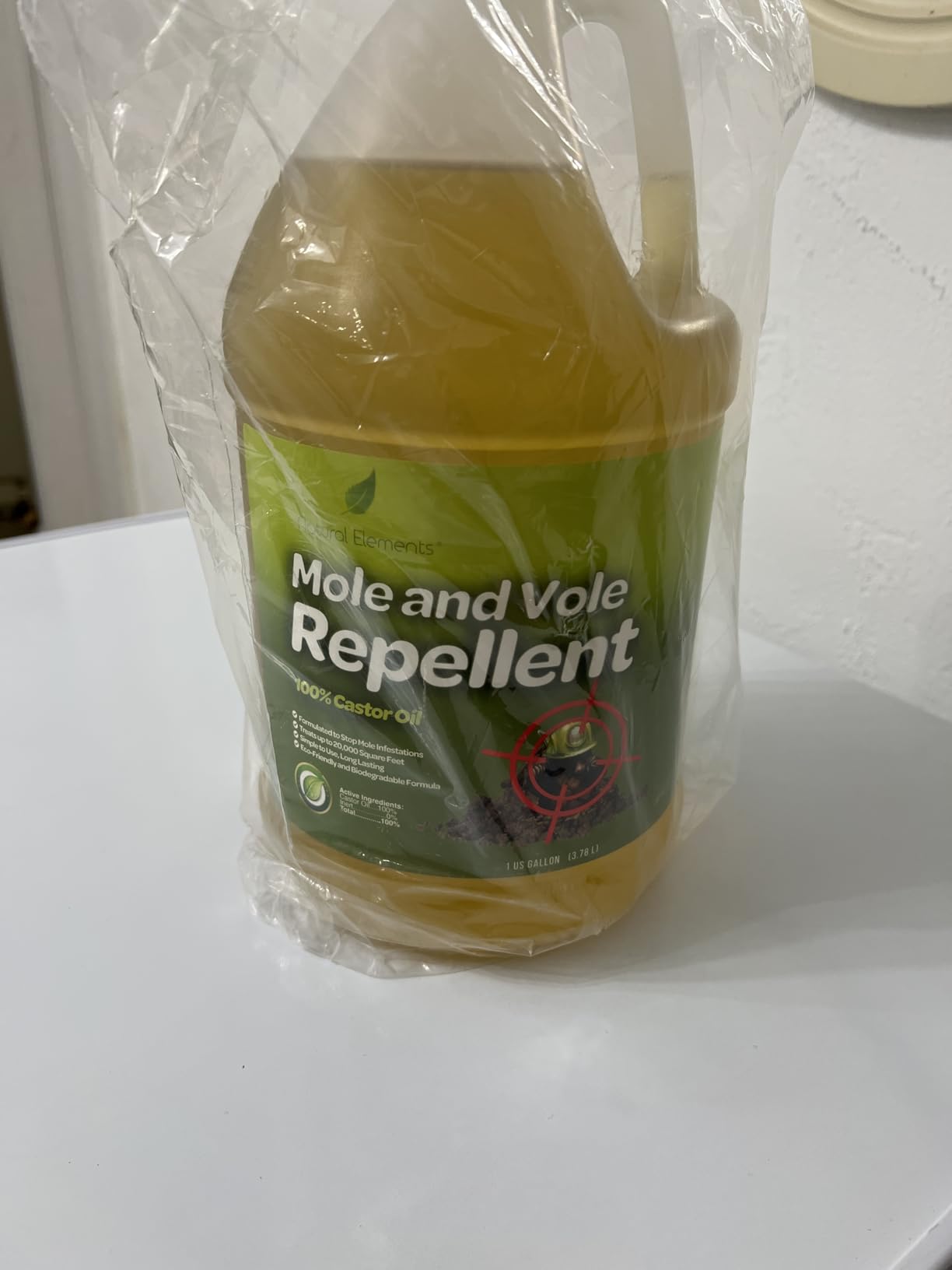
This is the one we kept coming back to while comparing the field. It is a 100 percent castor oil concentrate in a one gallon container, and the manufacturer coverage figure is up to 20,000 square feet per gallon, which is the highest per-container number among the products we reviewed. At 8.16 pounds it is a real jug, not a token sample size.
Reviewers consistently report activity dropping after two or three applications, and the results build over roughly one to three weeks rather than appearing the same evening. The consistent instruction from experienced owners is that mixing accuracy matters enormously: follow the dilution ratio on the label exactly, and use a dedicated pump sprayer rather than a cheap mister.
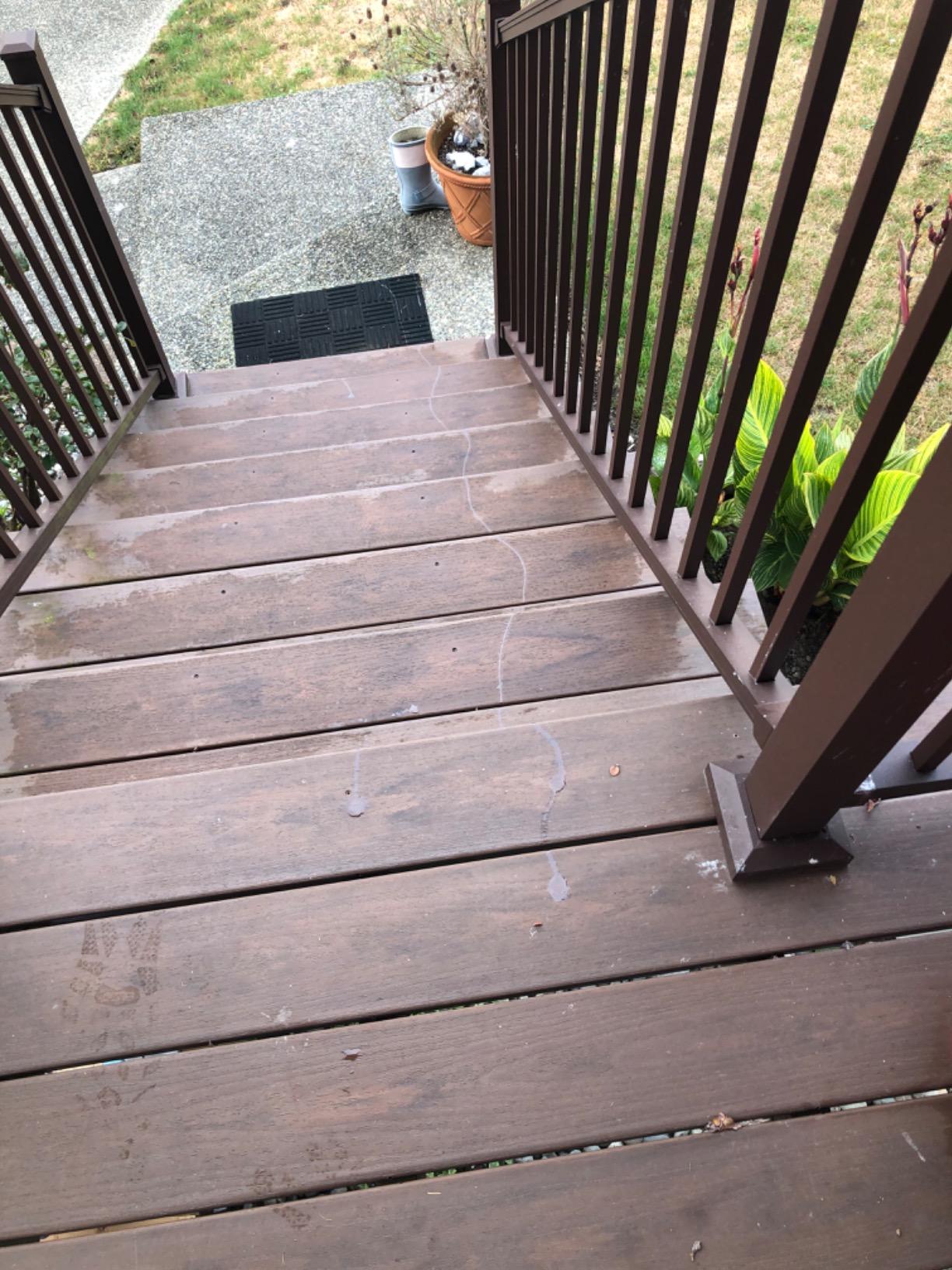
Where it loses is application. Spraying the concentrate across turf leaves the grass slick and greasy for a day or two, and multiple reviewers say pouring the diluted mix directly into active tunnels outperforms a broadcast pass. That is also the labor problem. On a big lawn you are locating, opening and treating every active run by hand, and the same users note that moles frequently relocate within the yard rather than leaving the property.
When this concentrate is the right call
Choose it when you have a lawn rather than a single flower bed, and when the soil is moist enough to hold the smell and taste in the top layer. It suits yards with dogs and small children, because the formula is biodegradable and the label treats pets, plants and soil as safe when directions are followed. It also works well for a boundary problem, where moles migrate in from a field or greenbelt and you want to make the first twenty feet unappealing.
Give it a season rather than a weekend. The recurring pattern in the reviews is a first pass that produces partial credit, a second pass two weeks later that firms things up, and a maintenance pass in early spring that holds the line through the year.
When it is the wrong call
It is the wrong tool if you need the damage to stop this week, or if you have bone-dry sandy soil that will not hold scent, or if you dislike walking the lawn with a hose-end sprayer on a schedule. It is also the wrong pick if your problem is voles eating bulbs above ground, since a subsurface animal responds differently than a surface one.
Budget for reapplication. Rain and irrigation move the active ingredient down and out of the feeding zone faster than most labels admit, so a heavy week of weather means another pass.
2. Baar MolEvict Castor Oil Concentrate review
- Long running formula with about 2450 reviews behind it
- Targets moles voles gophers and armadillos in one product
- Container size options from 32 oz up to 5 gallons
- Simple hose and sprayer application
- Label calls for application twice per month
- Requires a sprayer and careful dilution
- 5000 sq ft per 32 oz bottle is the smallest coverage here
The Baar is the smaller-container sibling of the pick above, and it is the one most people actually buy first. This 32 ounce bottle covers about 5,000 square feet, which suits a city lot, a front lawn, or a perimeter strip. The same formula is offered in one gallon and five gallon sizes, so the coverage per container scales if your lawn is larger.
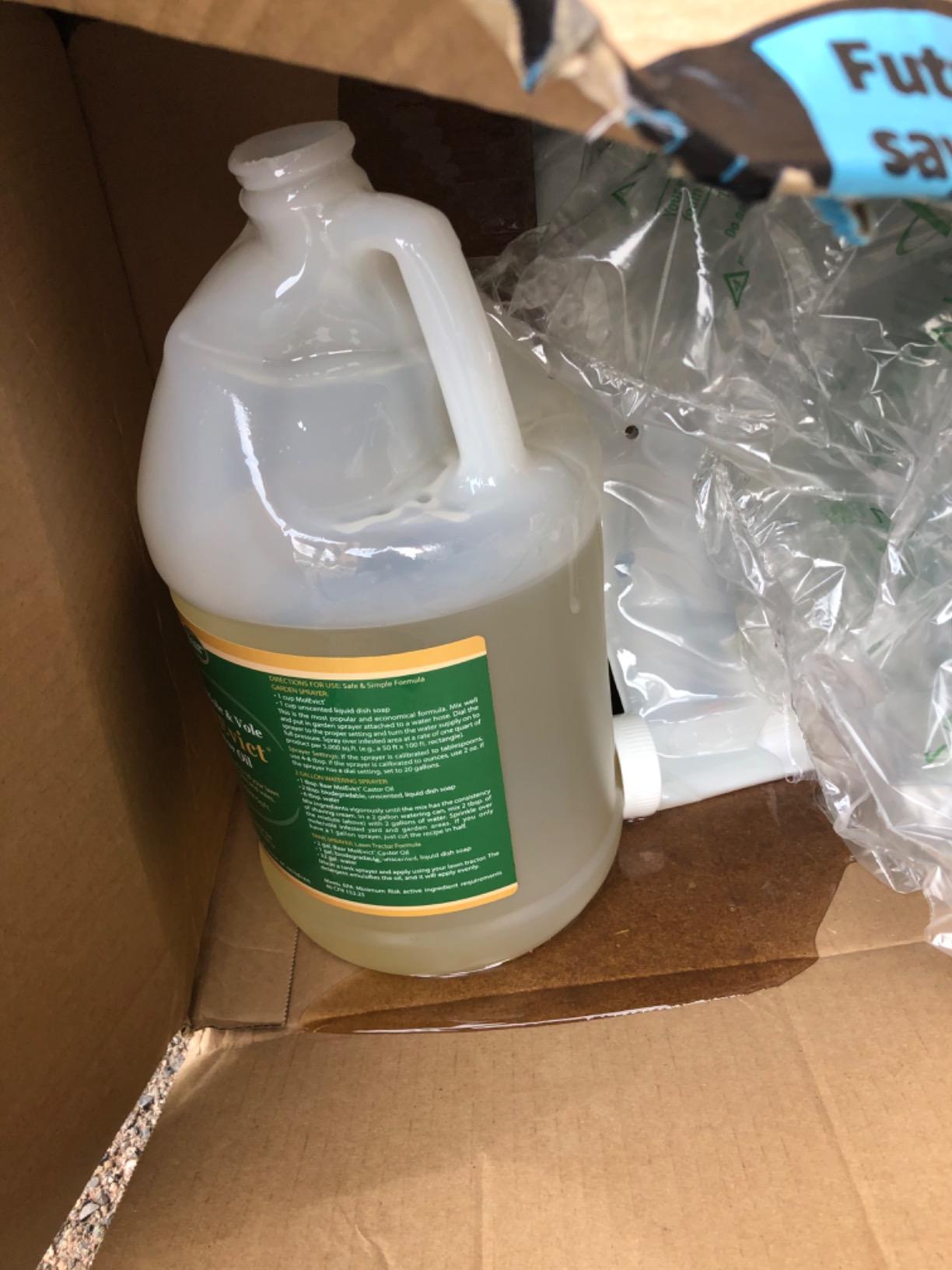
Application is a hose and sprayer, following the label formula, twice per month with maintenance applications as needed. That twice-monthly cadence is the single most useful fact in the reviews, because owners who committed to the schedule report consistent results and owners who treated once a month describe a lawn that slowly fills back in.
Where it loses is reach. A 32 ounce bottle is a small weapon against an acre, and because this is a hose-end concentrate you are mixing a fresh batch each time, which means more sprayer handling than a pre-diluted product would require. Reviewers also note the recurring theme from every mole forum thread: treated areas quiet down and the activity simply reappears in an untreated corner.
Where this concentrate earns its keep
It is the sensible pick for a lot under roughly 5,000 square feet, especially one bordered by a field, an undeveloped lot or a wooded edge where moles are entering. It is also the right choice for flower beds and bulb plantings, where you can direct the mix at specific beds rather than spraying the whole turf.
For a household with pets and small children, the natural concentrate profile is a genuine advantage. Apply when children are not on the lawn, keep the sprayer out of reach, and follow the label dilution exactly.
Where it will disappoint you
Two monthly passes on a large property become a chore quickly, and if you stop for a few weeks the treated zone degrades fast. It also does nothing against a mole traveling deep, and in cold soil or heavy rain the scent-and-taste barrier thins out before your next scheduled application.
If you already own a sprayer and a hose bib, this is a good buy. If you need something to cover a half-acre of lawn, step up to the larger container size or reconsider the approach.
3. ALOUYH Solar Ultrasonic Stake 8 Pack review
Mole Repellent Solar Powered, 8 Pack Upgrade 2026 Waterproof Ultrasonic Gopher Vole Repellent Outdoor, Rat, Squirrel, Skunk, Repellent for Yard Lawn
- No wiring and no batteries to manage
- Waterproof and cold tolerant for year round outdoor use
- Green housing blends into the yard
- Eight stakes allow wide distribution
- Needs a full day of sun charging before installing
- Effect is localized so several stakes are needed
- Some reviews describe insect results rather than mole results
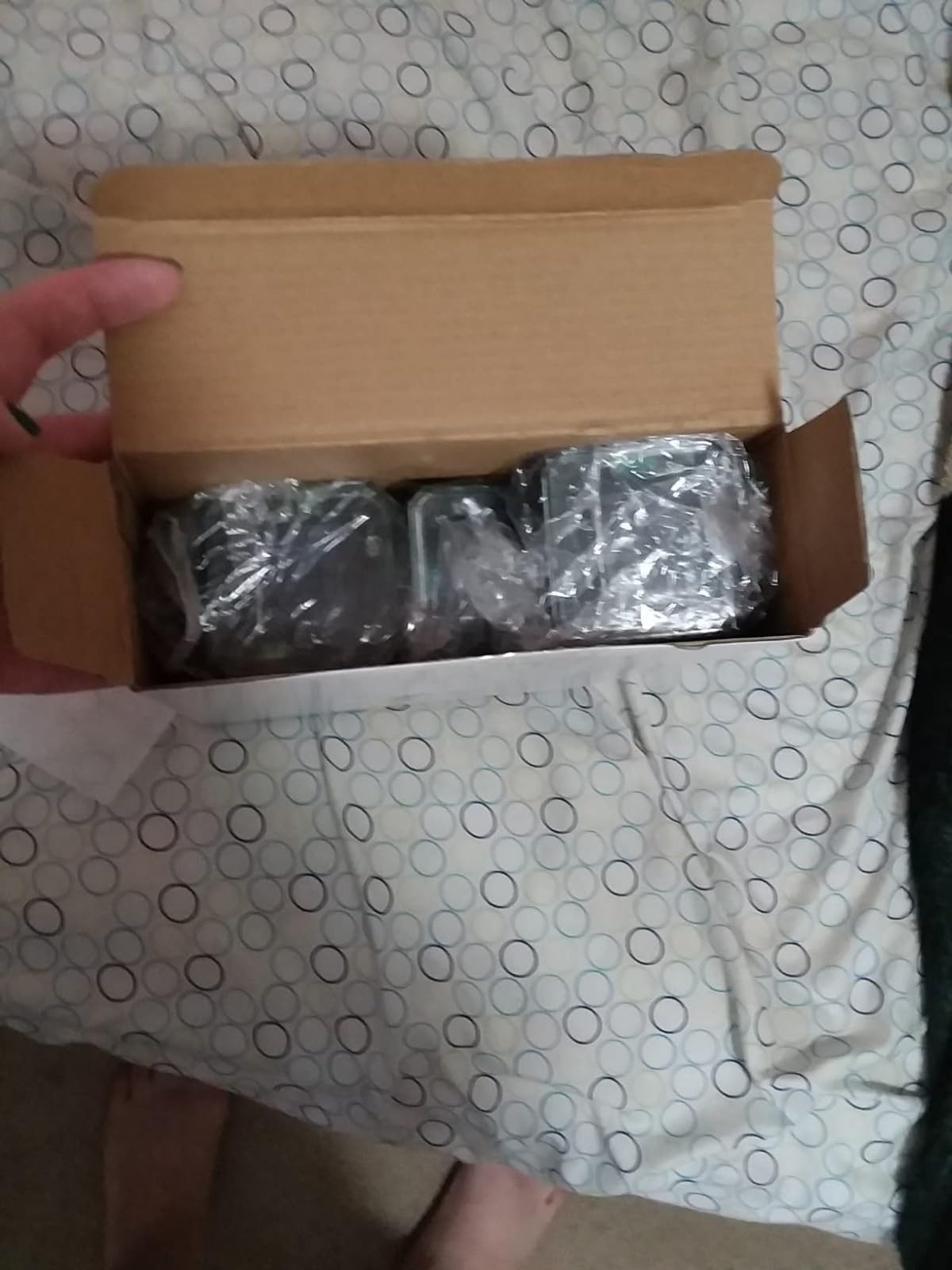
This eight-pack is the strongest-rated solar stake in the group at 4.8 stars, though with 174 reviews it also has far less history behind it than the two castor oil concentrates. Each stake has a solar panel on top, an ABS outer shell rated waterproof and corrosion resistant with low temperature tolerance, and a stated coverage of roughly 7,000 square feet.
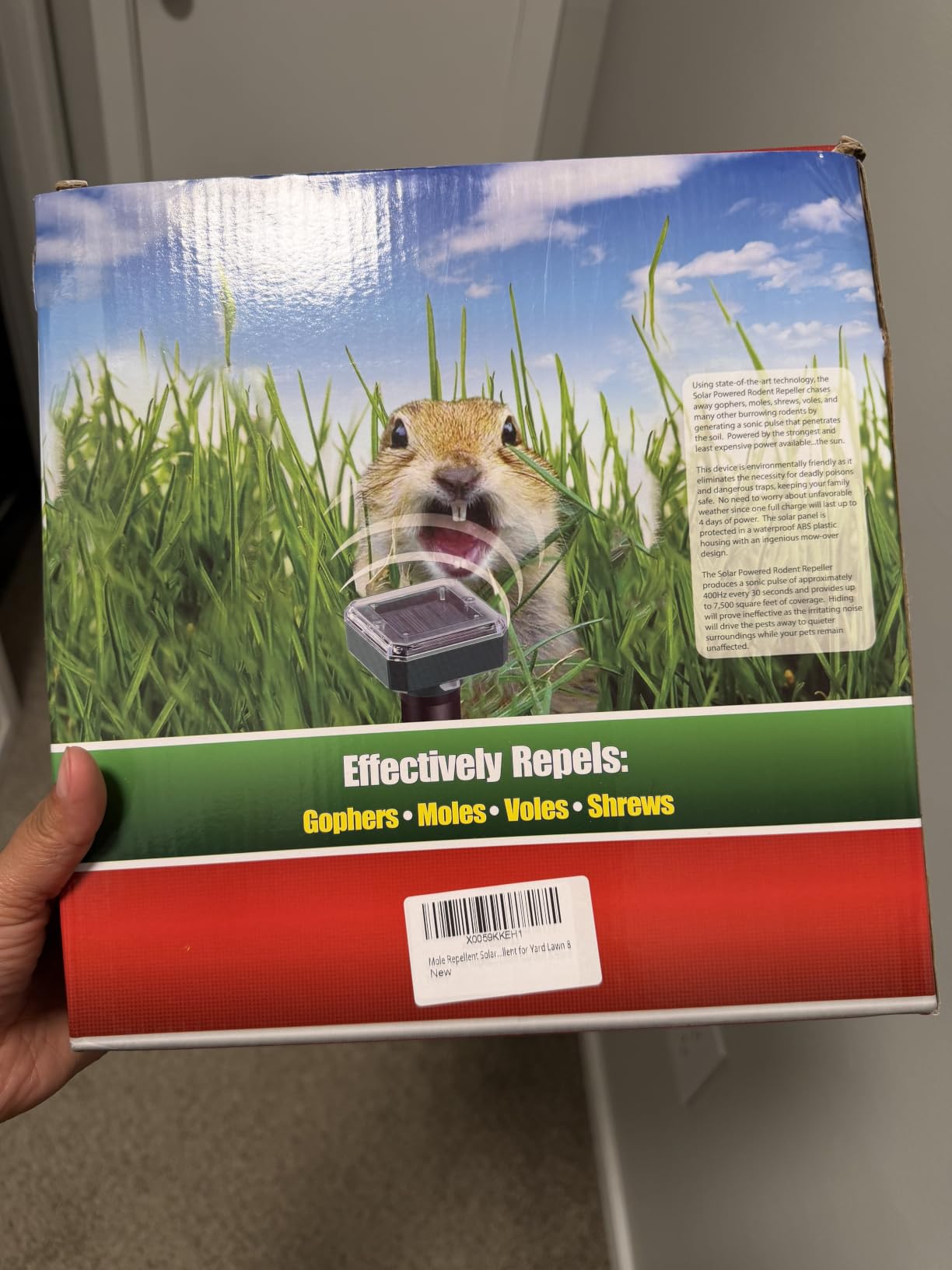
Setup is simple. Charge the units in direct sunlight for at least one day before installation, pilot a hole with a wooden or steel rod, insert the stake until the cap sits about two inches above ground, then press the on switch. No trenching, no battery charger, no scheduled re-spraying.
Where it loses is realism about the mechanism. The most common note in the reviews is that the effect is localized around each stake, so a single unit on a large lawn does very little and the eight-pack exists precisely because coverage is per-stake. A minority of reviewers describe results around mosquitoes and flying insects rather than moles, which is worth knowing before you buy on the strength of a rating.
Who this stake pack suits
It suits a homeowner who wants a set-and-forget device and has a lawn with several pest problems at once. The listing names gophers, voles, rats, squirrels and skunks alongside moles, and for someone with a busy yard that broader target is genuinely useful.
It also suits patios, gardens, farms and orchards with a perimeter problem rather than deep lawn damage, since you can position stakes along an edge without trenching. The green housing is a small but real advantage in a formal front bed.
Who should skip it
Skip it if your lawn is shaded for most of the day, because a solar stake that does not charge is an expensive plastic rod. Extension guidance is also blunt that sound and vibration devices have not been shown to stop outdoor mole damage, so if the mounds are back within two weeks you have spent money for an experiment rather than a fix.
And skip it if moles are the only problem and you want certainty. This device cannot give you that.
4. Fretech Solar Sonic Stake 8 Pack review
- No batteries and no power connections
- Waterproof ABS and PC build for rain and snow
- Sonic pulse interval is clearly specified
- Eight stakes included in the pack
- Requires two full days of direct sun before installing
- Coverage falls off beyond each stake
- Consistency of results varies by yard
The Fretech pack is a more explicitly specified device than most in this category. It emits low frequency sonic pulses into the soil every 20 seconds, covers a stated 7,000 square feet, and uses ABS and PC construction with a waterproof design for rain, snow or harsh sun. The pack includes eight stakes and the listing is explicit that they need two full days of direct sunlight before installation.
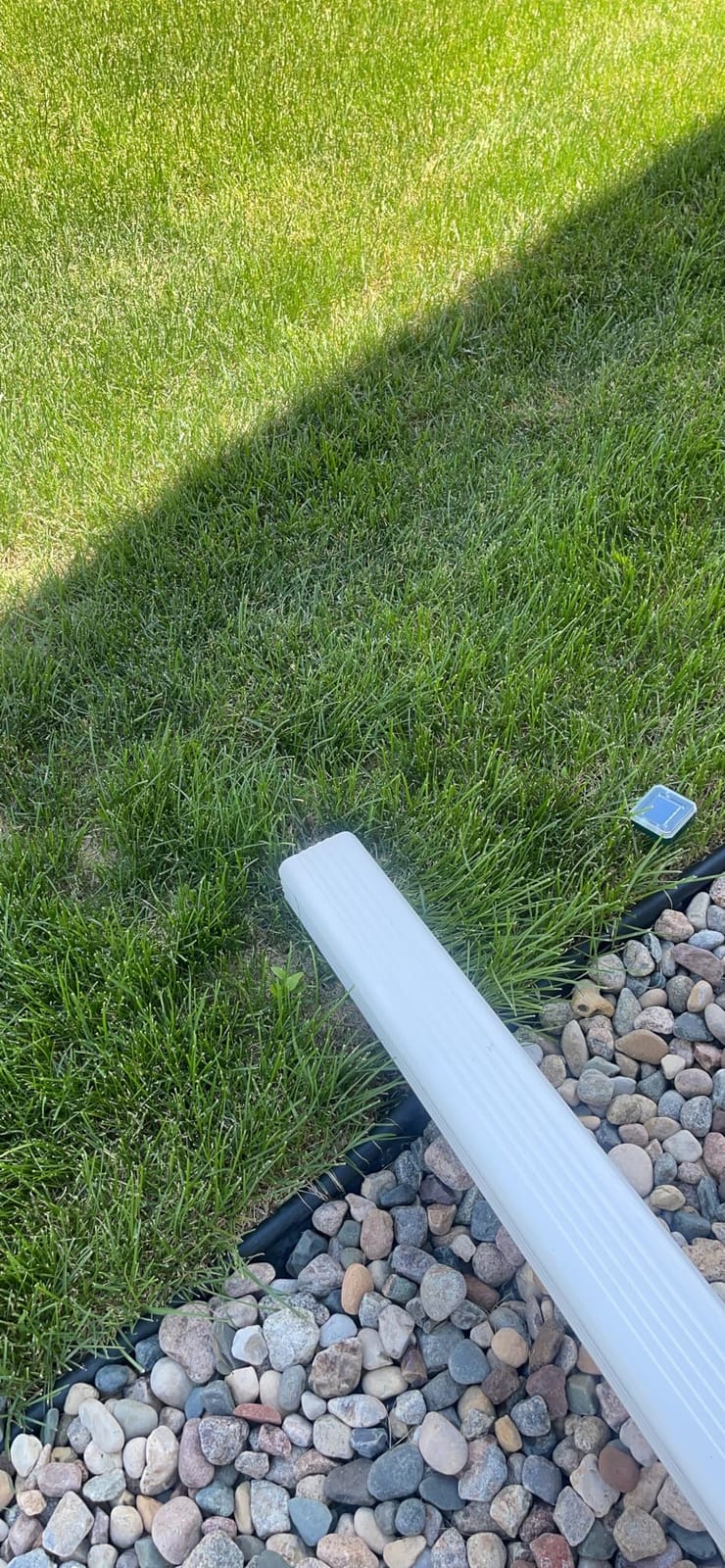
At 4.1 stars across 269 reviews, the feedback is positive but mixed in a useful way. Owners like the zero maintenance solar power and the weather resistance. The recurring critique is that coverage claims are optimistic and that multiple stakes, or periodic repositioning, are needed for consistent results across a lawn. Some users report pests returning to untreated sections.
That repositioning habit is the practical technique that shows up in the strongest reviews. Instead of leaving eight stakes in one grid and hoping, start them concentrated near the most damaged area and move them outward as activity shifts. It is a herding approach, and it costs nothing beyond your time.

Where this pack works best
It fits a lawn that gets long direct sun, which in practice means an open yard without heavy tree shade to the south or west. Because the pulse interval is fixed and specified, you can plan a layout: every 20 seconds, from every stake, with overlapping radii.
It is also reasonable for a property where you want to cover moles, gophers and voles at the same time without a separate product for each, and the waterproof build suits climates with a hard rainy season.
Where it falls short
Two full days of charging before the first use catches people out, and the same limitation returns every late fall when the panel gets less light and the unit spends longer idle. Nobody publishes the battery chemistry, so the useful life after a couple of seasons is a guess.
On a lawn with heavy tree cover or a north-facing slope, this is the wrong purchase. Save your money for a castor oil concentrate where at least the mechanism is grounded in what the animal eats.
5. Ariie 400 Hz Solar Stake 8 Pack review
- Clear measurable results reported in about a week
- Solar powered with daytime charging and night running
- Sixty day money back and twelve month replacement warranty
- Works in damp and clay soils
- Audible periodic buzz near the house
- Real radius is roughly half the stated coverage
- Stakes crack if a string trimmer contacts them
- Takes two to four weeks to clear a lawn
This is the most honestly specified stake in the guide, and that transparency is the reason it ranks here despite being the cheapest unit. The manufacturer publishes the frequency at 400 Hz, the pulse interval at 20 seconds, the operating pattern as a circular area roughly 40 feet in diameter, the insertion limit of 3 inches, and the advice that roughly 12 units are needed per acre. It also states plainly that the device makes noise audible to humans.
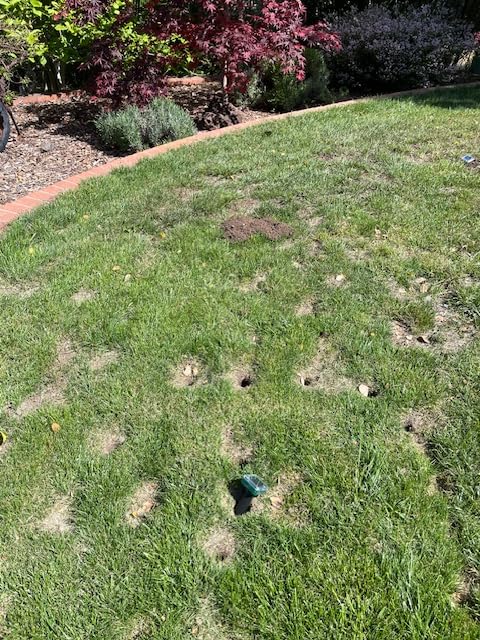
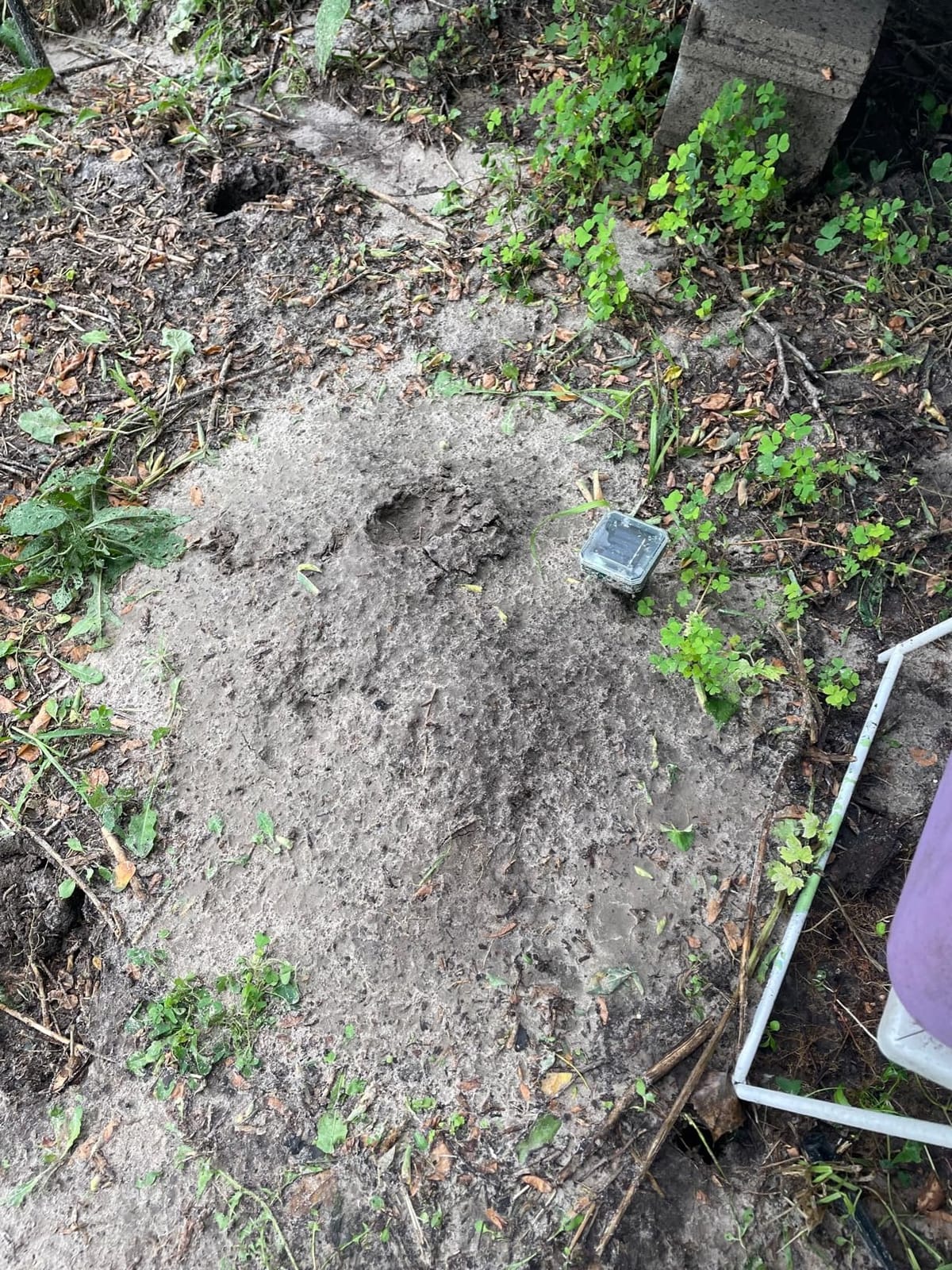
That honesty sets expectations correctly. Successful owners describe a herding technique, starting the stakes near the house and moving them outward weekly, and report moles vacating a lawn in roughly three weeks. The listing suggests two to four weeks to drive moles and gophers from a garden, and that matched the reviews more often than the seven-day claims you see elsewhere in this category.
Where it loses is noise and durability. The audible buzz is the most repeated complaint, and it matters in a yard where people sit, eat or have a patio. One reviewer cracked a unit with a string trimmer, which is a real hazard on any lawn that gets mown. Coverage is also effectively about half the stated pattern, so the twelve-per-acre figure is closer to the truth than the package claim.
When this stake is worth the tradeoff
It is worth it for a lawn with damp or clay soil, where reviewers say it performs better than wind-driven units that need firm ground to spin. It is also a good pick for someone with groundhogs or chipmunks alongside moles, since several reviews report those animals deterred as well.
Choose it when your lawn is far enough from the house that a faint buzz every 20 seconds will not register, and when you will not run a string trimmer within three inches of the soil line. The sixty day money back window and twelve month replacement warranty also take some risk out of an experiment.
When to pick something else
Pick a castor oil concentrate if the lawn is small and you want the strongest evidence base behind the mechanism. Pick a different stake if noise is a factor, because several models in this class are quieter at the cost of range.
And be patient with it. This is a three week project, not a weekend one, and the reviews make clear that abandoning stakes in week two is the most common reason people conclude the whole category does not work.
6. Cvtayn Ultrasonic and Vibration 4 Pack review
- Broadest pest list in the guide including snakes skunks and rabbits
- Humane with no chemicals traps or poison
- IP65 waterproof solar housing
- Push into soil and switch on
- Only 43 ratings so far so long term evidence is thin
- Manufacturer coverage and efficacy figures are unverified
- Claimed acre coverage across a 4 pack is optimistic
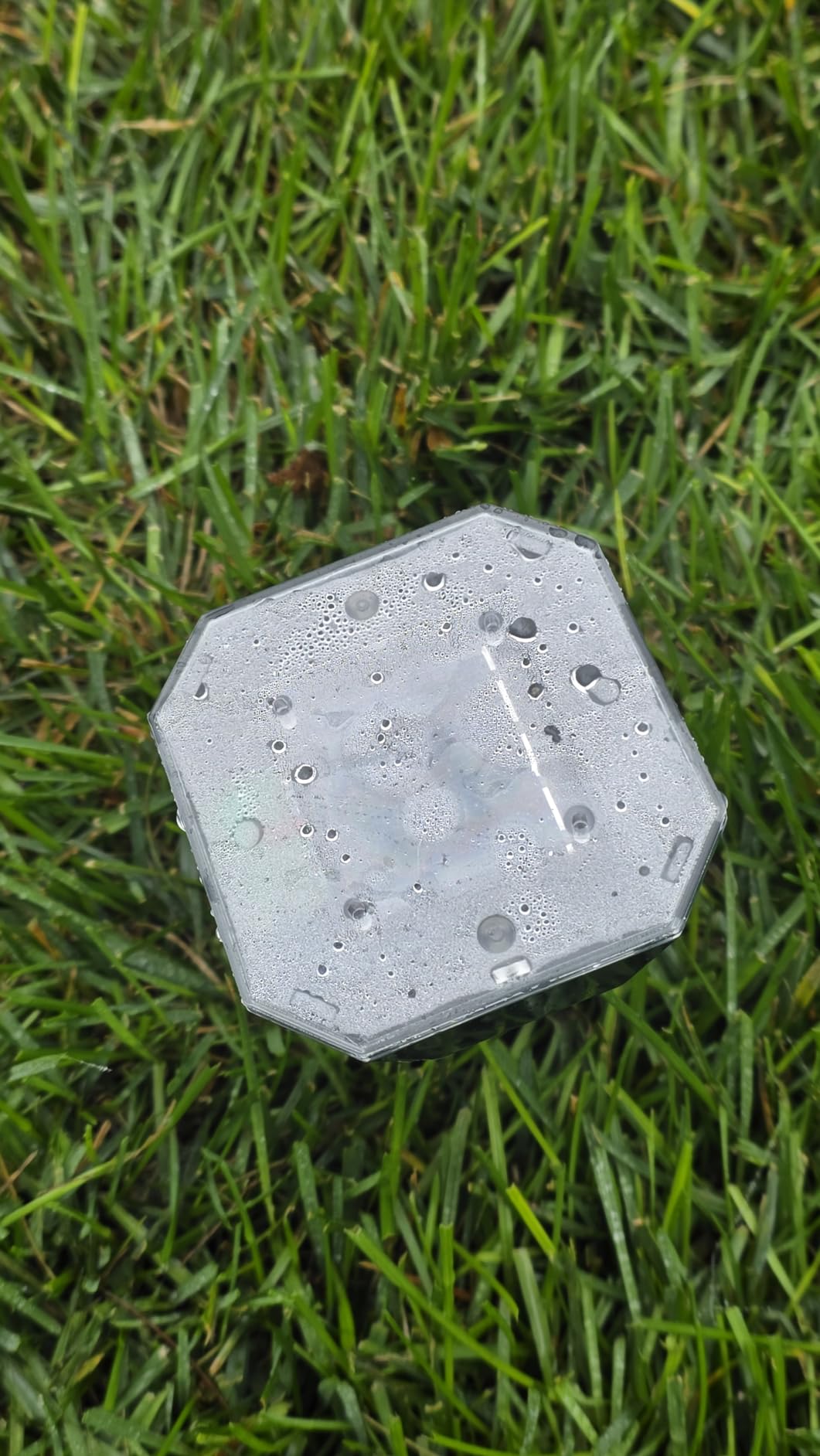
The Cvtayn is the newest and the least proven product here. It combines ultrasonic pulses in the 400 to 1,000 Hz band with ground vibration on a 20 second cycle, uses dynamic frequency modulation the manufacturer says reduces pest adaptation, and carries an IP65 waterproof solar housing. Four stakes are included and the claimed coverage is one acre.
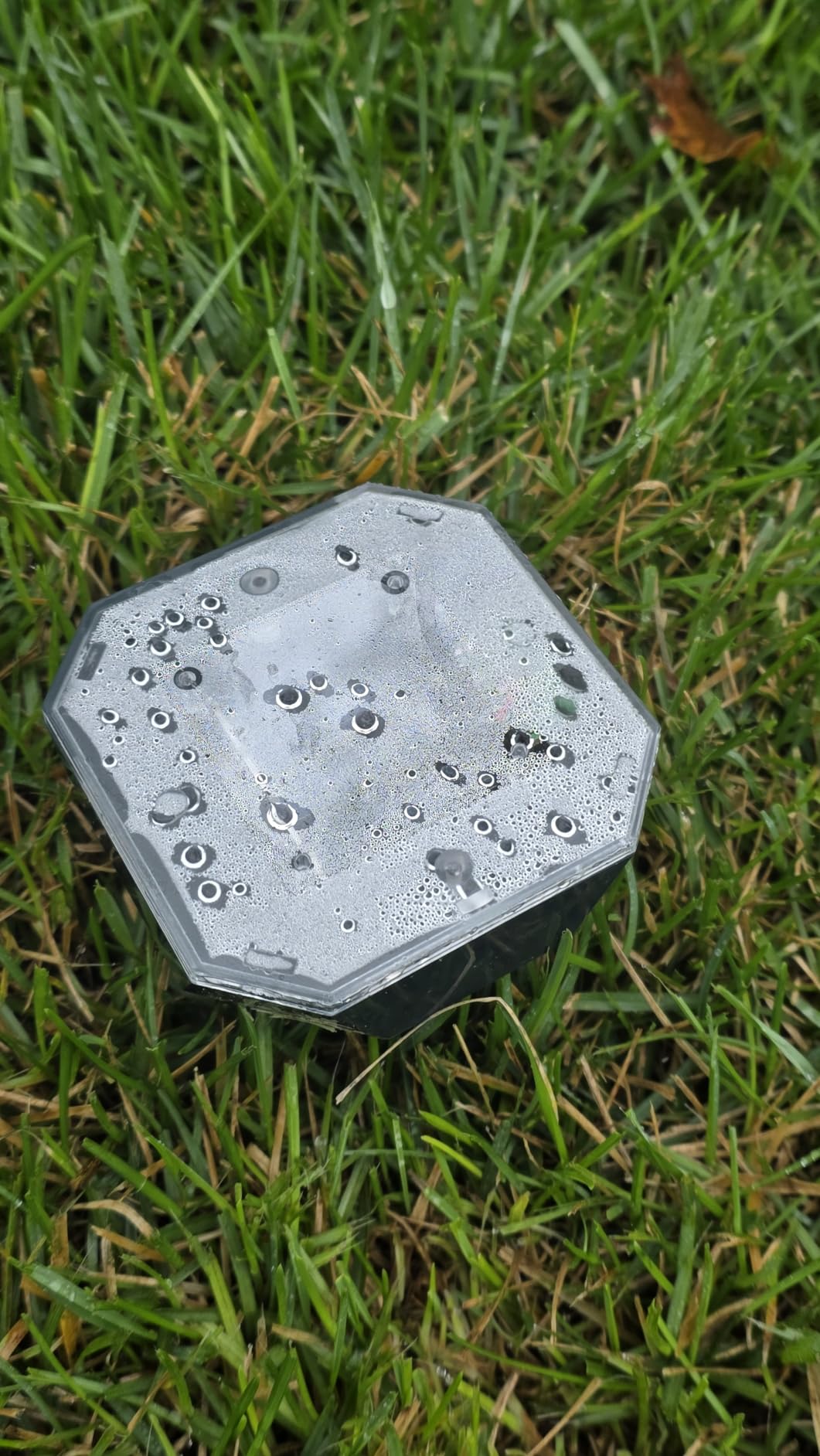
At 4.8 stars it is the highest rated product in the guide, but it also has only 43 ratings, roughly 92 percent of them five star. That combination is common for a newly listed device and it tells you very little about the third summer of use. Buyers like the broad pest coverage and the chemical-free, pet-friendly approach, and the setup is genuinely quick, but the durability claims are simply untested.
Where it loses is the arithmetic of its own claims. A 50 foot dynamic pulse radius, which the listing describes as roughly double a standard 25 foot model, cannot cover an acre with four stakes. The claim works arithmetically only if the pulse radius is measured as a diameter and the yards are wide open with nothing absorbing the signal.
Who should consider it
Consider it if your yard has a mixed pest problem rather than a mole problem alone, because the product is aimed at snakes, skunks, rabbits, raccoons, chipmunks, gophers and voles alongside moles. The humane, no-chemical profile also appeals to anyone with pets or a garden they intend to eat from.
It is a reasonable fourth stake to round out a mixed setup, or a first unit to test whether the mechanism produces anything visible in your soil before you commit to a larger pack.
Who should wait
Wait if you need a proven answer, because 43 reviews gathered over a short sales history cannot tell you how the frequency modulation performs after a full season of habituation. Anyone reading this guide in 2026 and again next year can check whether the rating has held, and that is a better basis than a 4.8 average today.
Also consider that the same soil acoustics apply here as with any other stake. In dense clay the vibration travels; in dry sand it disappears.
7. Lehman’s Mole Chasing Windmill review
Lehman’s Mole Chasing Humane Deterrent Windmill Covers 20,000 Feet Using Vibrations from Wind, Single
- No batteries chemicals or power of any kind
- Completely silent
- Reported to work best in clay and wet soils
- Doubles as an attractive garden spinner
- Steel mounting rod is not included
- Needs steady wind and high mounting
- Heavy blades can injure so keep children away
- Does not deter voles or groundhogs
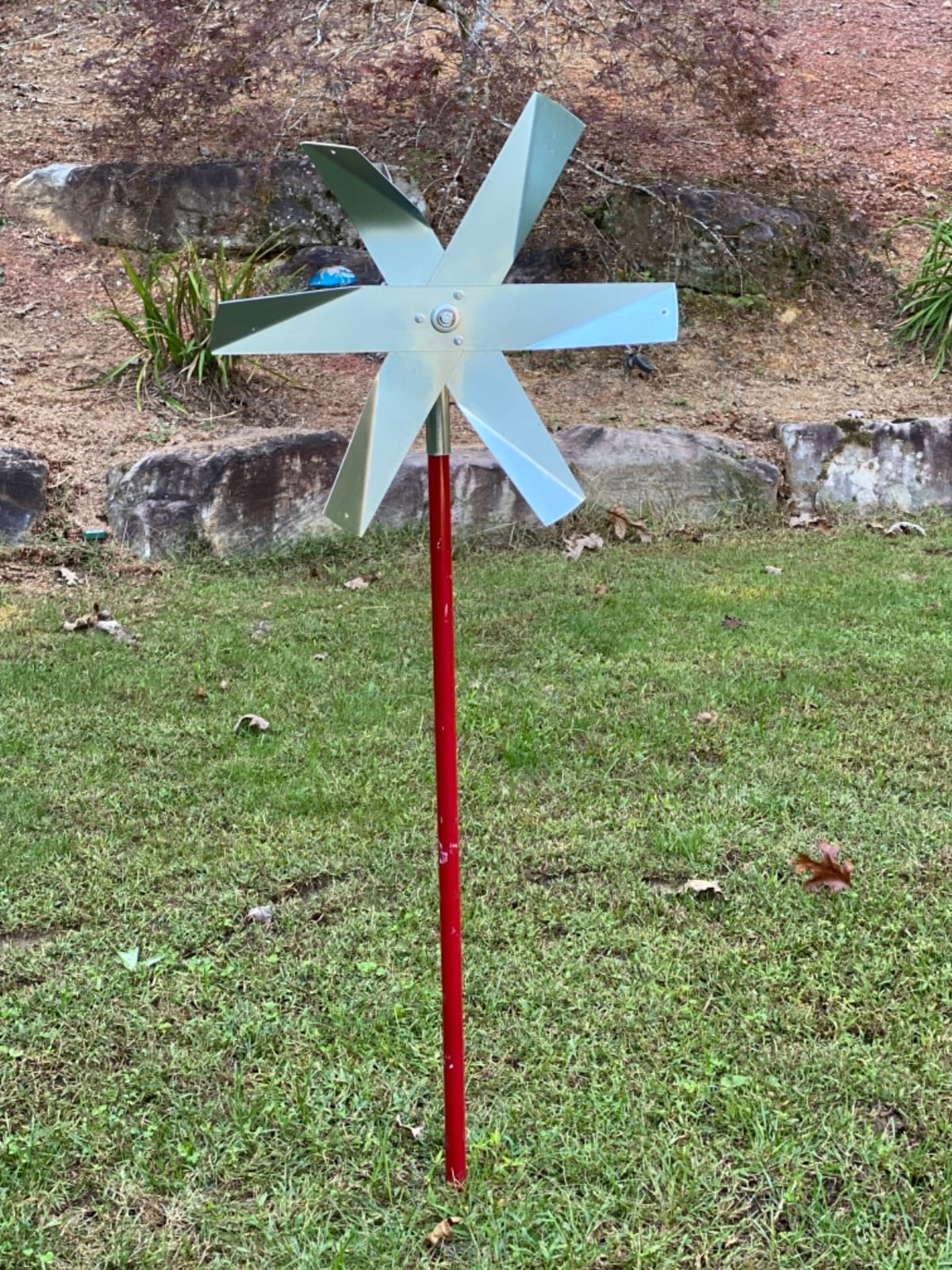
This is the product no editorial competitor in this space covers, and it is arguably the most interesting mechanism on the list. Wind-driven spinning blades send vibrations through the ground. The manufacturer states coverage of nearly 20,000 square feet, up to 75 feet in all directions, and says it is most effective on soils with clay content. It is completely silent and never needs batteries, chemicals or power.
Across 747 reviews at a 4.0 average, owners report mole tunnels disappearing within a few days of installation, several describe large reductions around fruit trees, and many keep it running as a decorative spinner. One recurring theme: it works in wet and clay soil where castor oil concentrates and plastic stakes tend to struggle, because the blades need firm ground to spin and dry air to turn.
Where it loses is installation and safety. The steel mounting rod is required and not included, so you are buying extra hardware. It needs steady wind, which means sheltered corners get nothing, and it must be mounted high enough that the blades clear people. The 18 inch zinc plated steel blades weigh about 3 pounds and the listing is blunt that they can cause serious injury, so mount it well away from children and pets.
Why the windmill deserves a spot in your yard
It is the only pick here that generates its own deterrent energy and lasts indefinitely with zero maintenance, which matters for a year-round problem. It suits a rural or suburban property with steady wind and clay-heavy soil, particularly one where you have already tried granules and found they wash out too fast.
It is also a genuine multi-unit strategy. Because one unit covers a 75 foot radius, a few spaced across a large lawn can blanket a property for far less maintenance than monthly spraying. Just budget for the rods.
Where it will not help
It does nothing against voles or groundhogs, which is a significant limitation if your damage is above ground in your garden beds rather than in tunnels. It also underperforms in bone dry ground where the blades slow down, and in a dead calm spell it becomes a garden ornament.
Treat it as a supplement rather than a standalone answer. Extension guidance on physical methods still points to trapping as the reliable option when damage must stop now.
8. Kopplvn Plant Based Granular 12 Pack review
Kopplvn Mole Repellent, Gopher Repellent for Lawn, Groundhog Deterrent-12P
- No tools and no daily attention required
- Plant based formula suitable for pet and child occupied yards
- Apply straight along tunnels and yard edges
- Twelve packs cover several problem areas
- Only about 120 sq ft of coverage per unit
- Listing gives placeholder dimensions and thin specs
- Review base is short on long term evidence
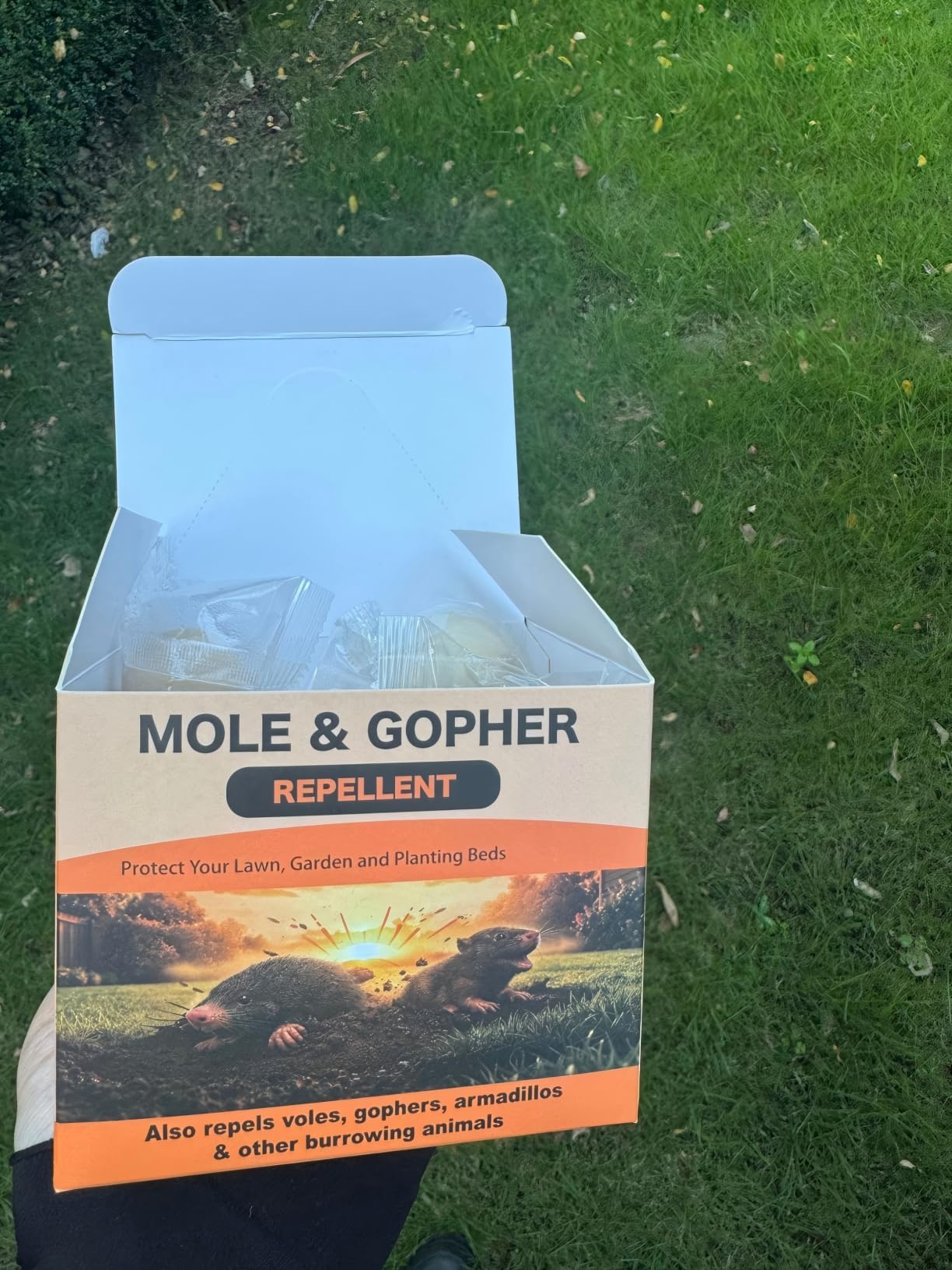
The Kopplvn is a granular treatment sold as a twelve pack of 0.9 ounce units, each covering up to about 120 square feet. The formula is plant based and the listing says it is suitable for lawns and gardens, including around pets and children when used as directed. The claimed protection lasts up to two months, with no reset needed after rain.
At 4.7 stars from 151 reviews, the feedback is heavily positive, and the part buyers like most is the application method. You shake the granules along tunnels, along yard edges and into problem spots with no tools and no daily attention. That is a meaningfully different experience from mixing concentrate in a sprayer, and for a lawn with a couple of problem areas it is the fastest option here.
Where it loses is scale, and it is not a close call. At roughly 120 square feet per unit, treating a 5,000 square foot lawn would take a very large number of these, which is why reviewers flag the cost for whole-lawn use. The listing also gives placeholder dimensions and offers little specification detail, and most of the reviews are five star, so the long term record is thin.
Where granular packets make sense
They suit a yard with a small number of hot spots: a corner where moles keep surface feeding, a strip along a fence line, or a raised bed that keeps getting lifted. They also suit a household where a sprayer, dilution ratios and runoff concerns are all reasons to avoid liquid treatment.
For pet and child occupied yards, plant based ingredients applied to a defined area are easy to reason about. Keep children off the treated section until the surface is dry and water the area lightly to move the granules into the soil.
Where they fall short
They fall short on any lawn larger than a city lot, and the two month claim deserves treating as a best case rather than a schedule. Reviewers who tried them for perimeter protection generally liked the result, and reviewers who tried them for whole-lawn coverage generally did not.
If your goal is broad displacement across half an acre, buy concentrate and mix it once. If your goal is three problem spots, this is the right size.
Mole or vole: read the damage before you spend
Start with the animal, not the product. More money is wasted on mole repellers for lawns because the buyer was actually fighting voles, and the two leave very different signatures.
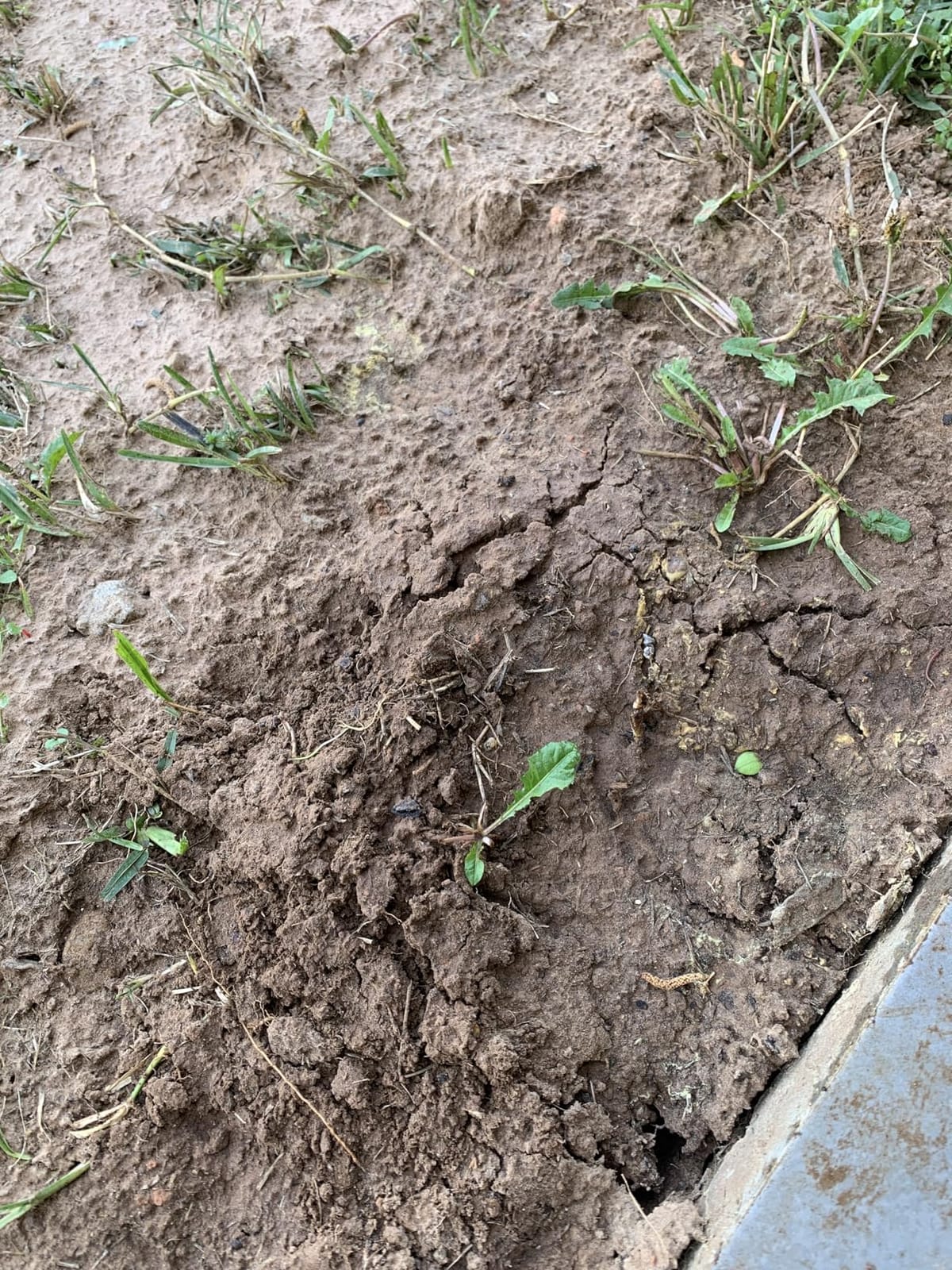
A mole is a subterranean animal with a pointed snout, large front claws and tiny eyes. Its damage shows as raised, meandering surface runs that look like a hand has pushed along just under the turf, plus cone-shaped mounds of loose soil pushed up from deeper tunnels. Those runs often heal within a few days if the mole is not still using them.
A vole is a mouse-sized rodent that lives above ground. Its damage shows as tunnels that are open at the surface, roughly an inch wide, and often with small droppings near the entry. Voles also chew bulbs, crowns and tree bark at or just above soil level, so damaged tulip tips and girdled stems are vole signs rather than mole signs.
A quick active-run test settles it. Walk the raised runs and press the soil flat with the side of your foot or the back of a shovel, then water the area lightly and come back the next day. If the run is lifted again, something is using it. On mole runs, that something is underground. On vole tunnels, you can often see grass stems clipped at the edges.
That test matters for product choice as well. Repellents sold as mole control are frequently formulated for voles or gophers and will never touch a mole problem, which is the most common complaint in the lawn forums. If you are dealing with voles, hardware cloth exclusion is often more effective than any repellent, and you can read our guide to sprinkler systems for lawns for the watering infrastructure that helps granule products water in properly.
How to apply mole repellent so it holds
The gap between a product that works and a product that fails is usually application method, not the product itself. This is the sequence we use.
1. Find the active run first. Do not broadcast across the whole lawn blind. Flatten a section of run, water it lightly and check back in 24 hours. A lifted run tells you exactly where the animal is feeding, and treating that spot costs a fraction of treating the yard.
2. Confirm you have a mole. Use the flattening test and inspect for a mole-shaped mound rather than an open surface tunnel. A flushed tunnel test also helps: push a garden hose into the tunnel at a high elevation, turn the water on to flood the run, and watch for ground movement. It is the top free diagnostic in the lawn forums and it costs nothing.
3. Repair the surface as you go. Walk the lawn and stomp down raised runs and small mounds, then rake the soil smooth. Flattening the visible damage does not seal the tunnel, but it removes the visual cue that tells the animal the run is still open. Reseed or patch the flattened areas after the treatment window closes.
4. Apply the concentrate to the active zone, not the whole lawn. Follow the label dilution exactly, use a dedicated pump sprayer, and pour into opened tunnels where the product allows it. Reviewers report this hand-treatment method outperforms broadcast spraying, and it also avoids the slick-grass complaint that comes with treating turf.
5. Water it in. A light irrigation pass after application moves the active ingredient into the top layer of soil where the mole is feeding. Avoid a heavy soak that pushes it past the feeding zone.
6. Re-treat on the label schedule. Twice a month is the working rhythm for hose-end concentrates, and every heavy rain is a reason to treat again. Plan a calendar rather than treating when you happen to notice fresh mounds.
7. Treat the perimeter. Most new activity enters along edges, hedgerows, fence lines and near trees. A band of treated soil along your property line does more than scattering material across open turf, and the same principle holds for keeping voles off bulbs and tree bark.
8. Space stakes by their own arithmetic. Use the published per-stake radius and overlap the circles, and if the product advises a per-acre count, follow it rather than the package coverage figure. Expect to reposition stakes outward as activity shifts, which is the herding technique that produced the best results in the reviews we read.
9. Change the habitat after you treat. Moles follow food and easy travel. Reduce soil-surface food sources, avoid leaving exposed soil organic matter in the top layer, compact the repaired areas, and pull mulch back a few inches from trunks so you are not creating a covered highway. Lawn care that reduces surface food access makes any repellent more likely to hold. If your soil compacts badly each year, aeration is worth understanding on its own, and our liquid aerator guide for compacted lawns covers the options. If you are re-seeding or overseeding, match your spreader to the job using our fertilizer spreader picks for small lawns.
What not to buy
Some of the most commonly sold mole remedies have no credible evidence behind them, and a few carry real hazards.
Mothballs are a safety hazard and not a repellent. Naphthalene and paradichlorobenzene are toxic to people, pets and wildlife, and moles will not route around them. Coyote urine has no measured effect on a mole, which hunts by touch and smell from a subterranean tunnel system rather than by scenting a perimeter marker.
Grub killer is sold as mole control, and it does not address mole damage. Earthworms make up the large majority of the mole diet, with grubs a minor contributor, so a lawn cleared of grubs can lose a food source and attract moles toward the earthworms that remain.
Repelling plants, including daffodils, marigolds, castor bean and euphorbia, are folklore. Daffodils contain lycorine and are toxic if eaten, and marigold roots contain alpha-terthienyl, but neither affects a mole travelling two feet underground.
Vinegar, garlic and homebrew mixtures of castor oil, dish soap and insecticide are the most common forum attempts. Vinegar disperses within inches, and the honest verdict from people who have tried them is partial credit at best. If you want a castor oil treatment, buy a labeled one and apply it at the label rate.
When repellents fail: the plan B
If damage is still increasing a month after a consistent treatment schedule, the realistic next step is physical removal. Trapping is the method extension services rate most highly for a reason, and for a lawn bordered by a field or greenbelt it is often the only approach that stops the problem permanently, because it removes the animal rather than relocating it.
Two trap styles are common. Step-set traps are set beside a buried run and triggered by the animal walking over the trigger plate. Scissor-jaw clamps are set inside the tunnel and kill what enters. Regulations on body-gripping traps vary by state, so check local rules before buying that style.
For larger properties, golf course and professional turf managers combine approaches rather than relying on any single product. A broadcast castor oil application on a schedule, systematic trapping, and prompt sand-surface repair of lifted areas are the working combination, and stakes are typically avoided on maintained playing surfaces because of the noise and the maintenance-hazard profile. If your question is what the pros actually do, it is that combination, and the honest answer is that trapping does the heavy lifting while repellent treatment protects the surrounding turf from the next arrival.
One last operational point: treat a repaired tunnel as a tunnel. A mole can travel an existing network far faster than it can dig new, so sealing entry points and compacting the surface is a genuine part of control, not cosmetic yard work.
Frequently Asked Questions
What is the most effective repellent for moles in my yard?
Castor oil concentrates have the strongest homeowner evidence and the broadest coverage per container, and they are the first thing most lawn owners should try. Wind-driven vibration units also produce visible displacement in clay soil. No repellent removes moles from a property, so expect a treated area to move rather than disappear.
Do mole repellers actually work?
Partially. They displace rather than remove, and results depend on consistent application. Castor oil concentrates and wind-driven vibration deterrents produce the most visible results, while solar sonic stakes are a low-effort option with high variability. Extension services treat repellents as one tool alongside trapping and habitat change, not a solution on their own.
Do mole repellent sonic spikes work?
Sometimes, and unreliably. A mole hunts mainly by touch, so it is not responding to sound the way it would to a predator. Soil absorbs and dampens vibration, fixed pulse patterns encourage habituation, and published coverage is measured in open air rather than underground. The UC Statewide IPM Program reports that sound and vibration devices have not been shown to stop outdoor damage.
Does castor oil really work to repel moles?
It has a plausible mechanism, because castor oil makes earthworms and the surrounding soil unpalatable, and earthworms are the bulk of a mole’s diet. Washington State University describes castor oil products as not consistently effective, so treat it as a tool that works best with frequent reapplication, watering in, and perimeter treatment rather than a single dose.
Are solar mole repellers worth it?
They are worth it when you have full sun and a lawn you want to set and forget. They are poor value on a shaded or north-facing lawn, because a stake that does not charge is just a plastic rod. Budget for two days of direct sun before first use, and for repositioning stakes outward as activity shifts.
How long does castor oil mole repellent last?
Treat the label as a best case. Hose-end concentrates are commonly scheduled twice a month, and heavy rain or irrigation moves the active ingredient out of the feeding zone faster than most labels admit. Lightly watering the treated area after application helps hold the effect in the top layer of soil where the mole feeds.
Will mole repellent hurt my dog?
Castor oil concentrates are the safest category, since the products are biodegradable and label directions treat pets and plants as safe. Always follow the dilution ratio exactly, keep pets off the lawn until the surface is dry, and store concentrate out of reach. Avoid mothballs entirely, as they are toxic to people, pets and wildlife and do not deter moles.
Should you stomp down mole tunnels?
Yes, flatten raised runs and mounds and rake the soil smooth, but understand that a repaired tunnel is still a tunnel and the animal can reuse it. Flattening removes the visual cue that the run is open, so pair it with a treatment applied to the active zone, then reseed once the treatment window closes.
Bottom line
The best mole repellers for lawns fall into two honest groups. If you want the mechanism with the strongest evidence and the widest coverage, buy a castor oil concentrate and commit to the twice-monthly schedule with watering in and perimeter re-treatment. The Natural Elements gallon is the strongest all-round pick, and the Baar bottle is the sensible starting size for most lots.
If you want zero labor and have a windy yard with clay soil, the Lehman’s windmill is the one nobody else recommends and the one owners keep running for years. Solar stakes are a reasonable experiment on an open, sunny lawn, not a solution. In every case, expect displacement rather than removal, and have a trap in the plan B.