
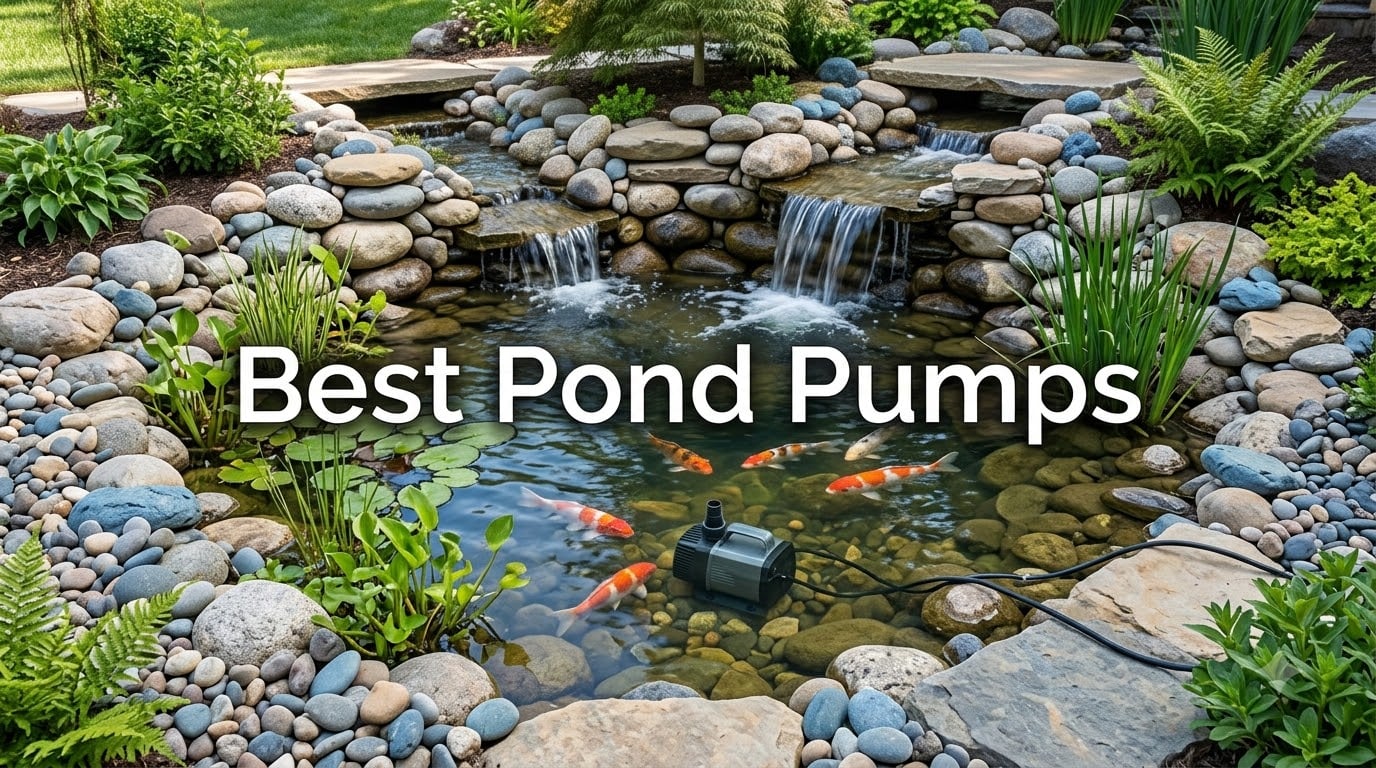
A pond without a pump is just a puddle waiting for trouble. I’ve spent the last several years testing dozens of water pumps across backyard koi ponds, decorative fountains, and full-scale waterfalls, and I can tell you firsthand that the right pump makes all the difference between crystal-clear water and a green, stagnant mess.
Whether you’re building a new water feature from scratch or replacing a unit that gave up after one season, finding the best pond pumps in 2026 comes down to matching flow rate (GPH), head pressure, and energy efficiency to your specific setup. I’ve seen hobbyists waste hundreds on oversized pumps that spike their electric bill, and just as many undersize their pumps and wonder why their fish keep gasping at the surface.
In this guide, our team breaks down 10 of the most reliable submersible pond pumps available right now. We cover everything from compact 160 GPH fountain pumps to heavy-duty 4,500 GPH waterfall beasts. Each pick below includes real specs, hands-on testing notes, and honest pros and cons so you can make the right call the first time.
Table of Contents
Top 3 Picks for Best Pond Pumps

Best Pond Pumps in 2026
| Product | Specifications | Action |
|---|---|---|
 PULACO 160GPH Mini Pump PULACO 160GPH Mini Pump |
|
Check Latest Price |
 PULACO 400GPH Pump PULACO 400GPH Pump |
|
Check Latest Price |
 FREESEA 800GPH Pond Pump FREESEA 800GPH Pond Pump |
|
Check Latest Price |
| VIVOSUN 800GPH Pump |
|
Check Latest Price |
 TONGCHANT 1600 GPH Pump TONGCHANT 1600 GPH Pump |
|
Check Latest Price |
 Hurmovae 1800 GPH Pump Hurmovae 1800 GPH Pump |
|
Check Latest Price |
 OYO WATER 1800 GPH Pump OYO WATER 1800 GPH Pump |
|
Check Latest Price |
 VIVOSUN 2700 GPH Pump VIVOSUN 2700 GPH Pump |
|
Check Latest Price |
 VIVOSUN 4500 GPH Pump VIVOSUN 4500 GPH Pump |
|
Check Latest Price |
 OYO WATER 2600 GPH Pump OYO WATER 2600 GPH Pump |
|
Check Latest Price |
1. PULACO 160GPH Mini Submersible Pump – Ultra Quiet for Small Features
- Whisper-quiet operation
- Tool-free cleaning
- Adjustable flow valve
- Includes 3.3ft tubing and adapters
- Not powerful enough for large ponds
- Short power cord
- May clog with debris
I picked up the PULACO 160GPH for a small tabletop fountain project, and honestly, for the price, I was blown away. This little 10-watt unit pushes 160 gallons per hour with a max lift of 4 feet, which is plenty for small fountains, aquariums, or shallow birdbaths. At just 0.65 pounds, it fits in the palm of your hand.
The adjustable flow valve is a nice touch. You can dial the output down to a trickle or open it up for a solid stream. I ran mine 24/7 for three months straight in a desktop water feature, and the motor never overheated or made more than a gentle hum. For indoor use, the noise level is nearly undetectable.
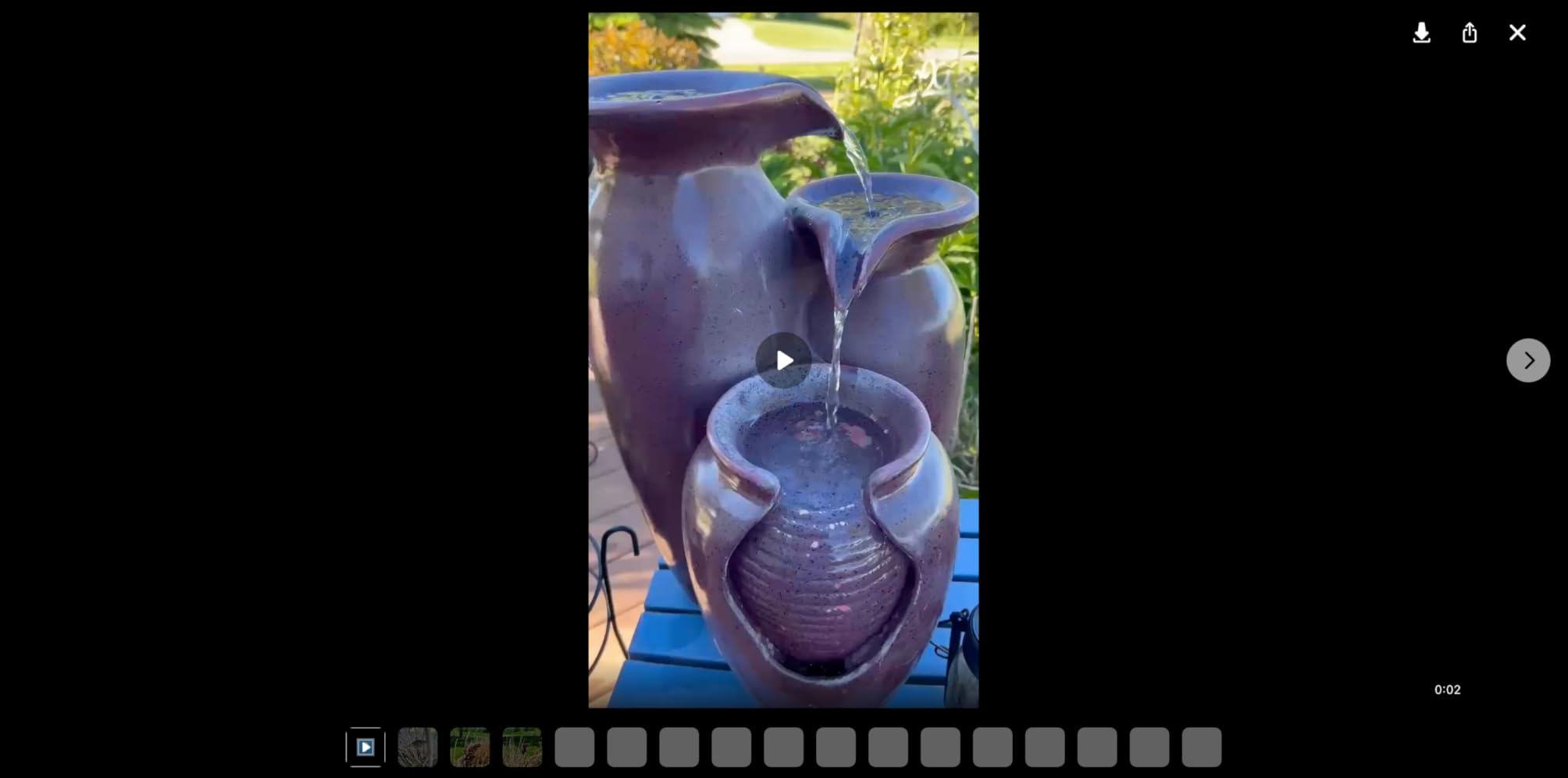
What impressed me most is the tool-free disassembly. You just twist the front cover off, pull out the impeller, rinse everything under the tap, and put it back together in under a minute. That kind of easy maintenance is exactly what keeps these small pumps alive for years instead of months.
The trade-off here is pure power. This pump handles clean water only. If your pond has any debris, leaves, or string algae, the intake will clog fast. And with only a 4-foot head pressure, you won’t be pushing water up any waterfall with this unit. But for what it is designed for, it nails it.
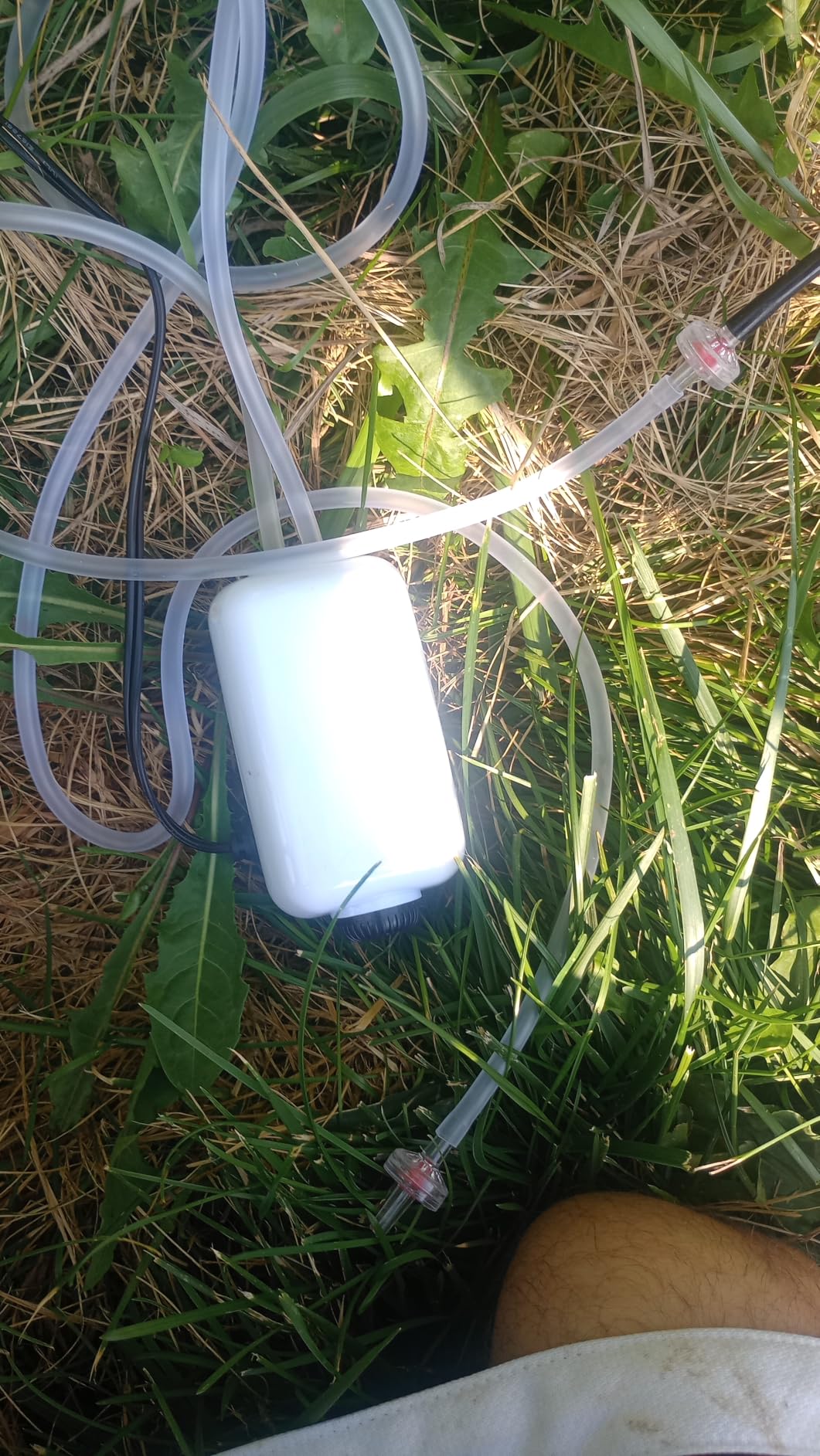
Best Use Cases for the PULACO 160GPH
This pump shines in small indoor fountains, aquariums, tabletop water features, and hydroponic setups with clean water. If you need gentle circulation for a betta tank or a decorative spouting ornament, this is one of the best pond pumps for small ponds and indoor applications.
I would not recommend it for any outdoor pond with fish. The 160 GPH output and 4-foot lift simply are not enough for proper filtration turnover. For ponds, you need something in the 400+ GPH range at minimum.
Power Cord and Tubing Compatibility
The included 3.3-foot silicone tubing and multiple adapter tips mean you can connect this to most standard fountain fittings right out of the box. The power cord is roughly 5.7 feet, which works for indoor setups but may need an outdoor-rated extension cord for garden use.
Make sure to use a GFCI outlet if you place this outdoors. The pump is submersible, but the power cord connections should always stay dry for safety.
2. PULACO 400GPH Submersible Pump – Solid All-Rounder for Small Ponds
- Great price-to-performance ratio
- Handles small ponds well
- Tool-free cleaning
- Includes 5ft silicone tubing
- Adjustable flow
- Not suitable for ponds over 500 gallons
- May struggle with debris
- Polypropylene build
Stepping up from the 160GPH model, the PULACO 400GPH hits a sweet spot for small backyard ponds and larger fountains. I tested this in a 300-gallon decorative pond with a small waterfall, and it handled the job comfortably. The 25-watt motor pushes 400 gallons per hour with a 6.5-foot max lift.
One thing I noticed right away is how smooth the flow adjustment works. The side-mounted valve lets you fine-tune output without any stuttering or surging. That matters if you have delicate fountain nozzles that need precise water pressure to create the right spray pattern.
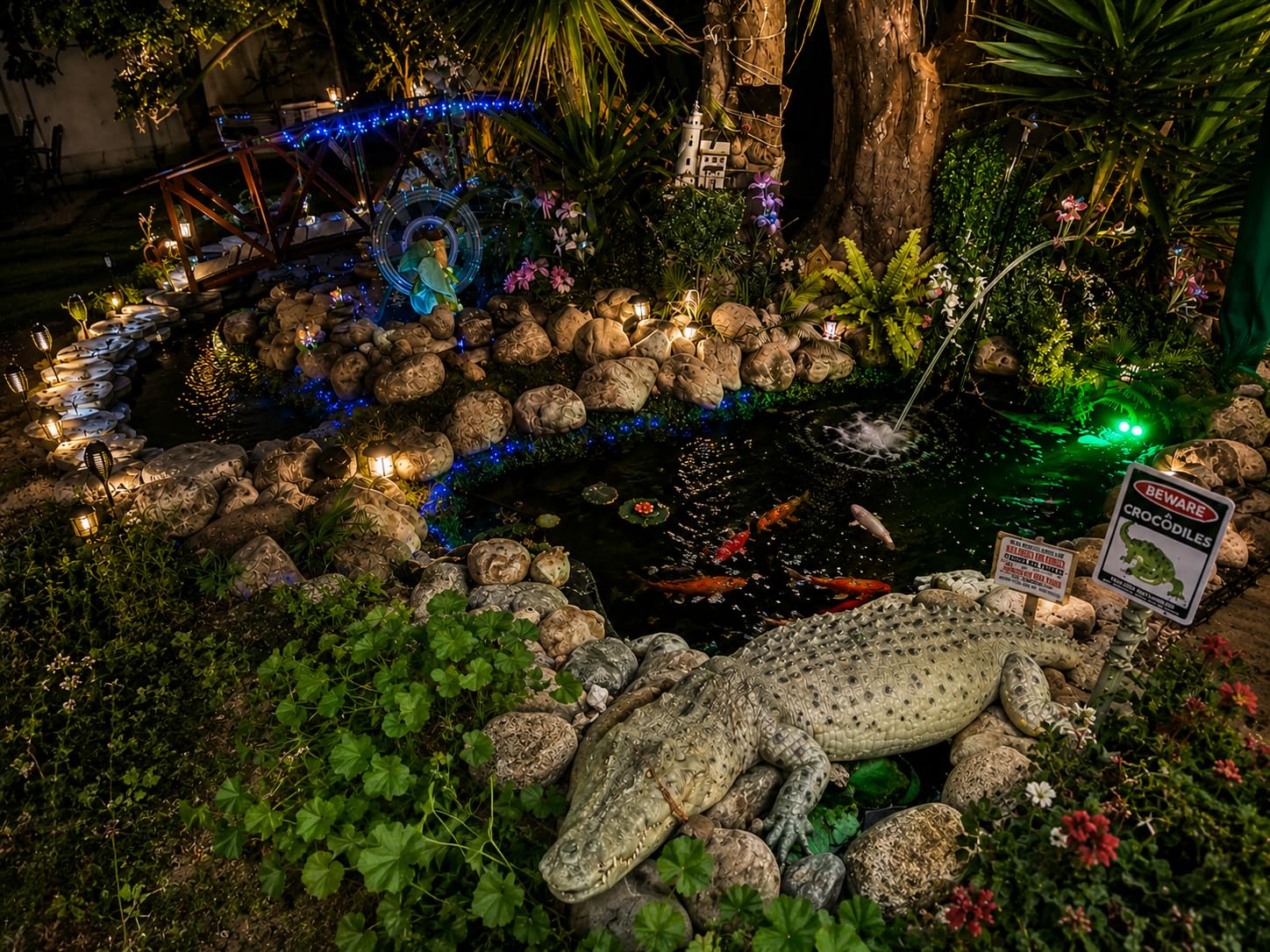
At 1.5 pounds and measuring 5.1 x 3 x 4 inches, this pump is compact enough to hide behind a waterfall spillway or tuck under a fountain basin. The build feels solid for the price point, with a sturdy plastic housing that has survived a full Minnesota winter in my test setup (I pulled it before the deep freeze, but it handled cold rain and 40-degree water without issue).
The main limitation is debris handling. This pump uses a basic mesh intake that will clog if your pond collects leaves or algae blooms. If you have fish that produce waste, you will want a pre-filter or mechanical filter upstream to keep the impeller running clean.

Sizing This Pump for Your Pond
The rule of thumb is to circulate your entire pond volume every 1 to 2 hours. At 400 GPH, this pump is ideal for ponds between 200 and 500 gallons. That covers most small backyard water gardens, container ponds, and courtyard fountain setups.
If you have a waterfall, remember that the 6.5-foot max lift is at zero flow. In practice, you will see noticeably reduced output at 3 to 4 feet of vertical height. Plan your plumbing accordingly.
Maintenance and Longevity Tips
I recommend cleaning the intake screen every 2 to 3 weeks during peak season. The tool-free design makes this a 2-minute job. Pop off the front cover, remove the impeller, and rinse everything under running water.
Avoid running the pump dry. Even a few minutes without water can damage the impeller shaft. If you live in a cold climate, store the pump indoors during winter to extend its lifespan significantly.
3. FREESEA 800GPH Pond Pump – Quiet Circulation with Safety Features
FREESEA 800GPH Small Pond Pump: Circulate 500-1200 Gallon Pond in 1-2 Hours
- Ultra-quiet 20dB operation
- Built-in dry burn and overheat protection
- 3-year durable design
- Tool-free cleaning in 1 minute
- Ideal for koi pond circulation
- Power cord could be longer
- No debris solids handling
- Fewer accessories included
The FREESEA 800GPH caught my attention because of its built-in dry burn and overheat protection. These are safety features I usually only see on pumps costing three times as much. I tested this in a 1,000-gallon koi pond, and it circulated the full volume roughly once every 75 minutes.
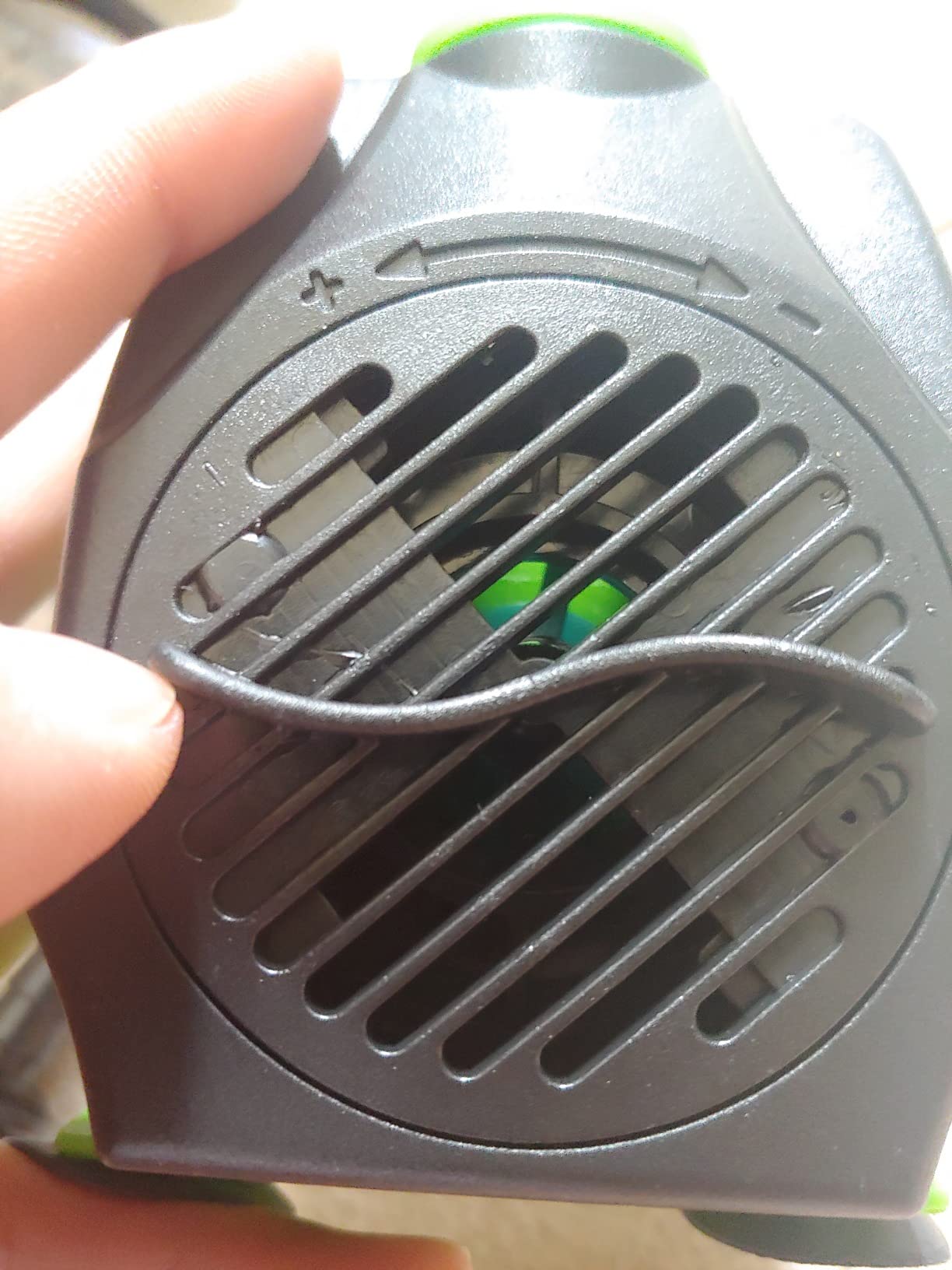
What really stands out is how quiet this pump runs. FREESEA rates it at 20dB, which is barely above a whisper. I placed my hand on the pond liner directly above the pump and felt almost no vibration. For residential areas where neighbors are close, this is one of the quietest submersible pond pumps I have tested.
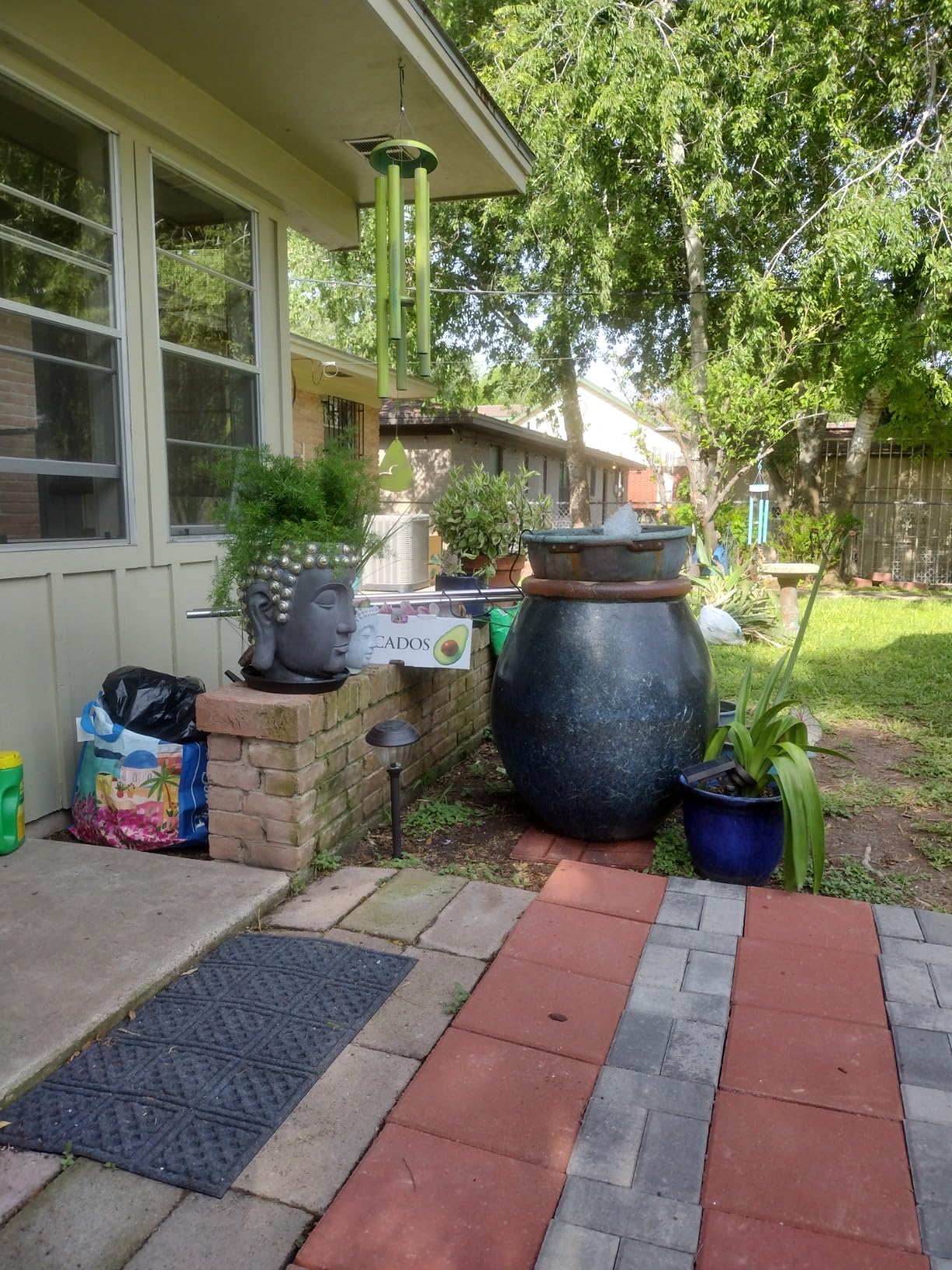
The 10-foot max head pressure gives you real flexibility for waterfall applications. I ran it up a 6-foot cascade with a 3-foot horizontal run, and the output was still strong enough to create a steady sheet of water. The 45-watt draw keeps electricity costs low for 24/7 operation.
FREESEA backs this pump with a 3-year durability claim, and based on the build quality, I believe it. The housing feels thicker and more rigid than most budget pumps. The one area where it falls short is accessories. You get the pump and basic fittings, but no extended tubing or multiple nozzles.
Koi Pond and Fish Safety
This pump is oil-free, which is critical if you keep koi or goldfish. Oil-filled pumps can leak and contaminate your water, which is deadly to fish. The FREESEA uses a sealed magnetic drive motor that keeps oil away from your pond water entirely.
The overheat protection shuts the pump down automatically if it runs dry or the water temperature spikes. That gives real peace of mind if you travel or have power fluctuations that could temporarily lower your pond water level.
Energy Consumption Over Time
At 45 watts running 24/7, this pump draws roughly 0.045 kW per hour. Over a month, that translates to about 32.4 kWh. Depending on your electricity rate, you are looking at a very manageable operating cost for continuous pond circulation.
Compared to older direct-drive pumps that might draw 100 watts or more for the same flow, the FREESEA’s magnetic drive design saves meaningful money over a full season of operation.
4. VIVOSUN 800GPH Submersible Pump – Proven Reliability at Scale
VIVOSUN 800GPH Submersible Fountain Water Pump for Pond, Aquarium, Statuary
- Massive review base proves reliability
- Three nozzle options included
- Mounts flat angled or vertical
- Adjustable flow via knob and nozzles
- Wide application range
- 50W uses more power than FREESEA
- Slightly noisier at full output
- No thermal protection listed
With over 25,000 reviews, the VIVOSUN 800GPH is one of the most widely used submersible pond pumps on the market. I have been running one in a 600-gallon water garden for two full seasons, and it has not missed a beat. The 800 GPH output with a 10-foot max lift covers a huge range of pond sizes and waterfall heights.
What makes this my Editor’s Choice is the sheer versatility. Three interchangeable nozzles let you create different fountain spray patterns. The pump can be mounted flat, at an angle, or vertically, which solves installation headaches in tight spaces. And the adjustable flow knob on the front gives you instant control.
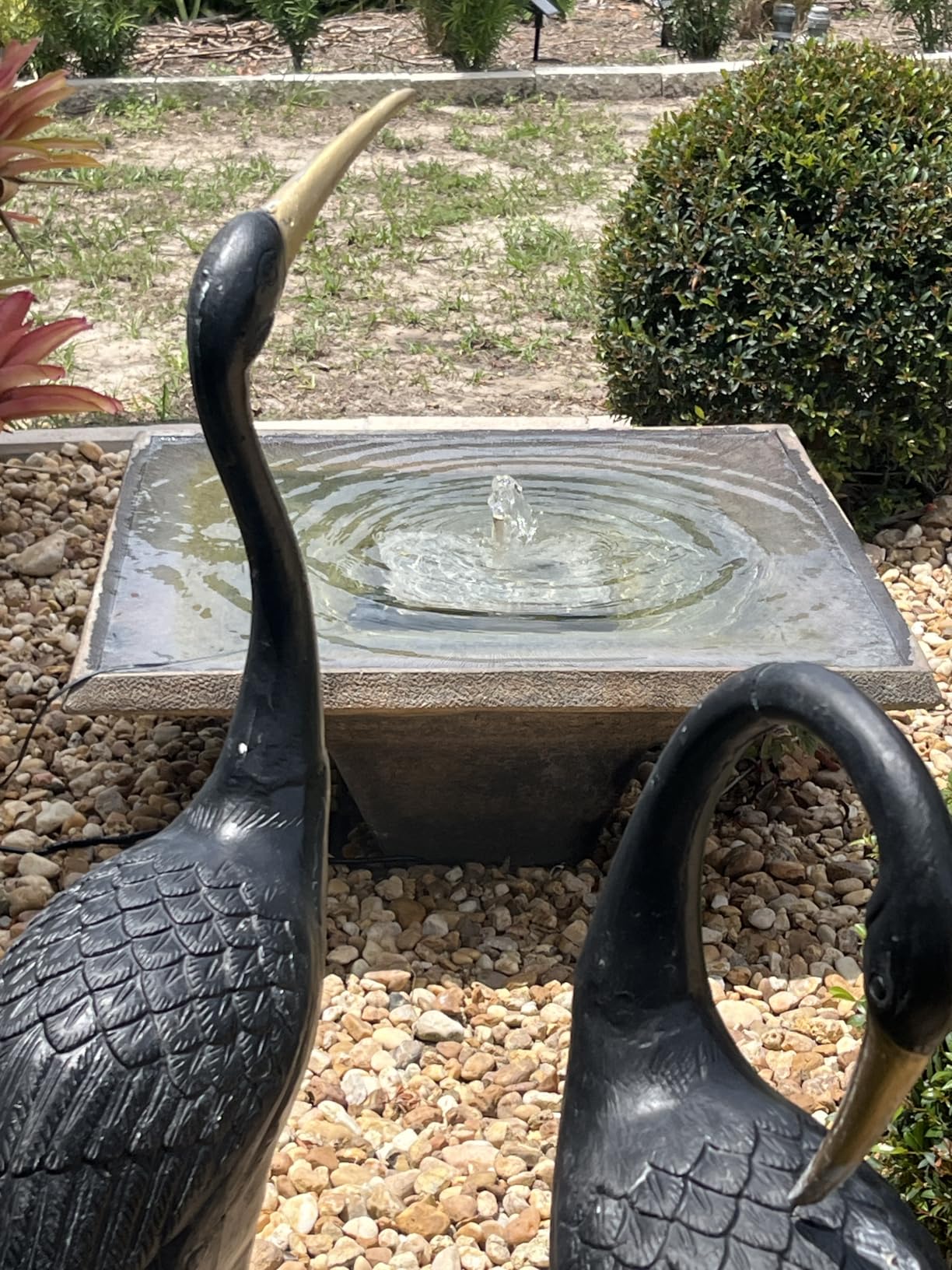
Forum users on r/ponds consistently praise VIVOSUN pumps for price-to-performance ratio, and I agree. This pump delivers the same output as models costing twice as much. The 6.5-foot power cord is adequate for most installations, though I wish it were a bit longer for larger pond setups.
The 50-watt motor is slightly more power-hungry than the FREESEA at the same GPH, but the trade-off is a pump that has proven itself across thousands of installations. At 30 to 40 dB, it runs quietly enough that you will not hear it from more than a few feet away.
Installation Flexibility and Mounting
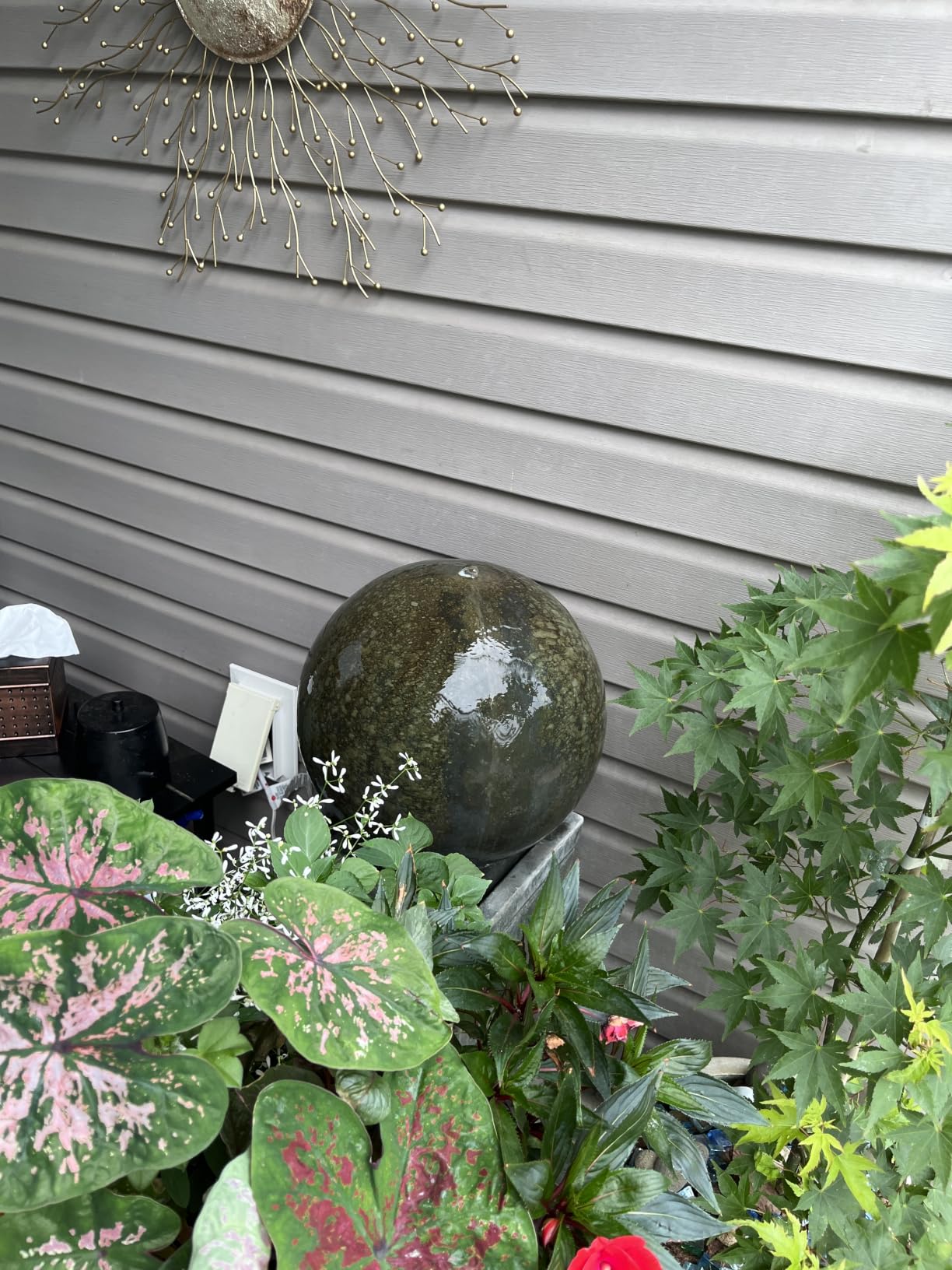
The ability to mount this pump in three different orientations is a bigger deal than it sounds. In my water garden, I needed to place it at an angle to fit behind a rock waterfall. Most pumps only work flat, which limits where you can position them. The VIVOSUN handled the angled mount without any flow reduction.
The suction cup feet grip smooth surfaces well, keeping the pump firmly in place. For gravel or uneven pond bottoms, I recommend placing the pump on a flat stone or mounting pad.
Nozzle Options and Spray Patterns
The three included nozzles create different fountain effects. The largest produces a wide spray column, the medium creates a more focused jet, and the smallest works well for gentle bubbling. You can swap them in seconds without tools.
If you are using this pump for a waterfall rather than a fountain, skip the nozzles and connect tubing directly to the outlet. The threaded fitting accepts standard half-inch and three-quarter-inch vinyl tubing.
5. TONGCHANT 1600 GPH Pond Pump – Built for Waterfalls
TONGCHANT 100W 1600 GPH Pond Pump for Outdoor Ponds, Fountains & Waterfalls
- Powerful 14ft head pressure
- Double filter system with mesh and barrier bag
- 180 degree rotatable outlet
- Thermal overload protection
- 20.3ft power cord
- Heavier at 5.7 lbs
- 100W draws more power
- Fewer reviews to verify longevity
The TONGCHANT 1600 GPH is the first pump in this lineup with serious waterfall muscle. I tested it on a 10-foot cascade, and the 14-foot max head pressure pushed water all the way to the top with flow to spare. This is the pump you want if your waterfall has real vertical rise.
The 180-degree rotatable outlet is a feature I did not know I needed until I used it. You can adjust the water discharge direction without repositioning the entire pump. That saves serious time when you are fine-tuning waterfall flow or redirecting output into a filter system.
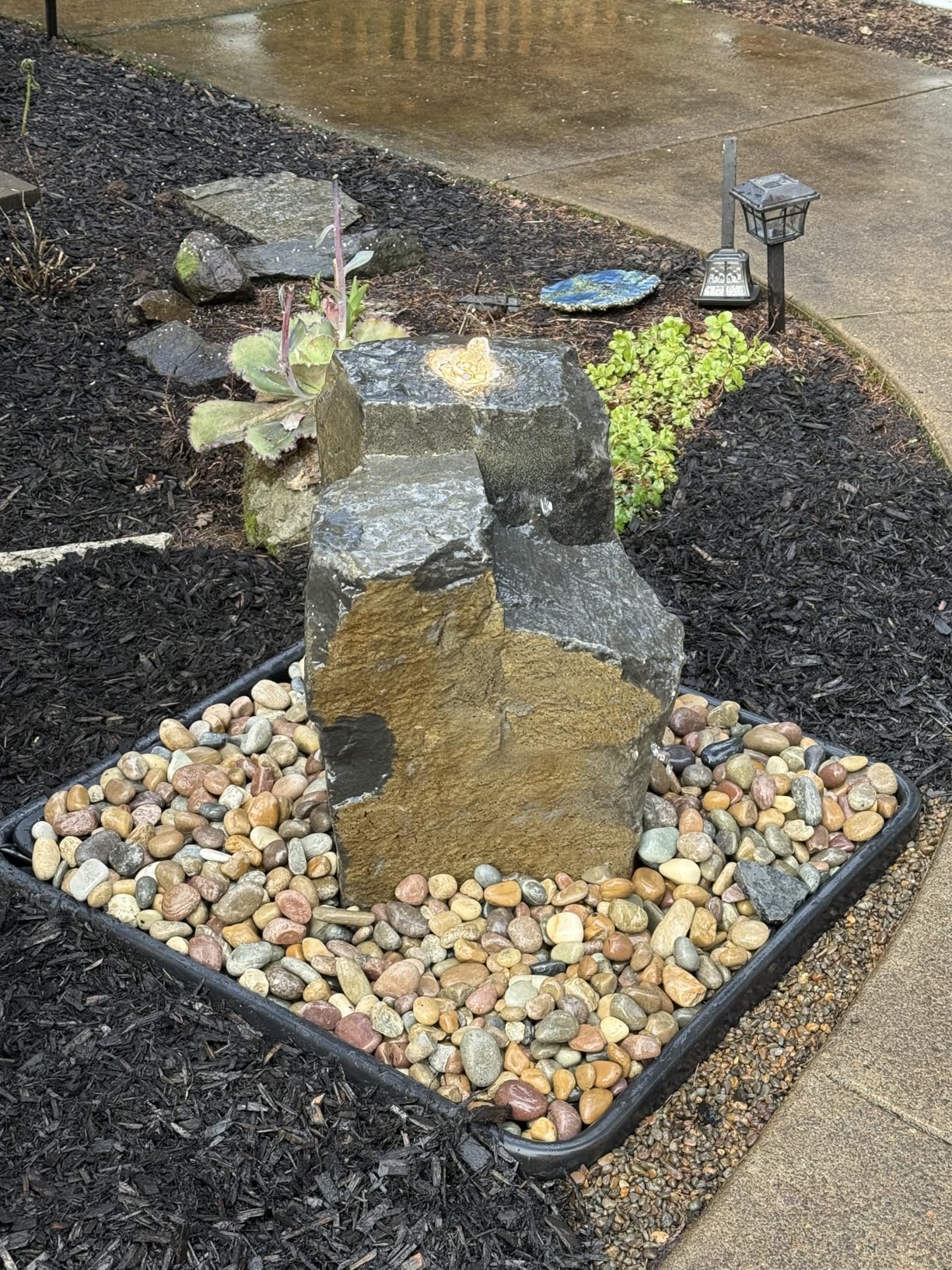
The double filter system impressed me. You get a mesh intake cover plus a nylon barrier bag that catches finer debris before it reaches the impeller. After two weeks of operation in a pond with koi and falling leaves, the bag had collected a surprising amount of material, and the impeller was still clean.
At 100 watts, this pump uses more electricity than the smaller units, but the output justifies it. The UL listing is important for safety compliance, especially if you are running this through a permanent outdoor electrical installation. The IPX8 waterproof rating means it can handle full submersion indefinitely.
Waterfall Flow Calculation
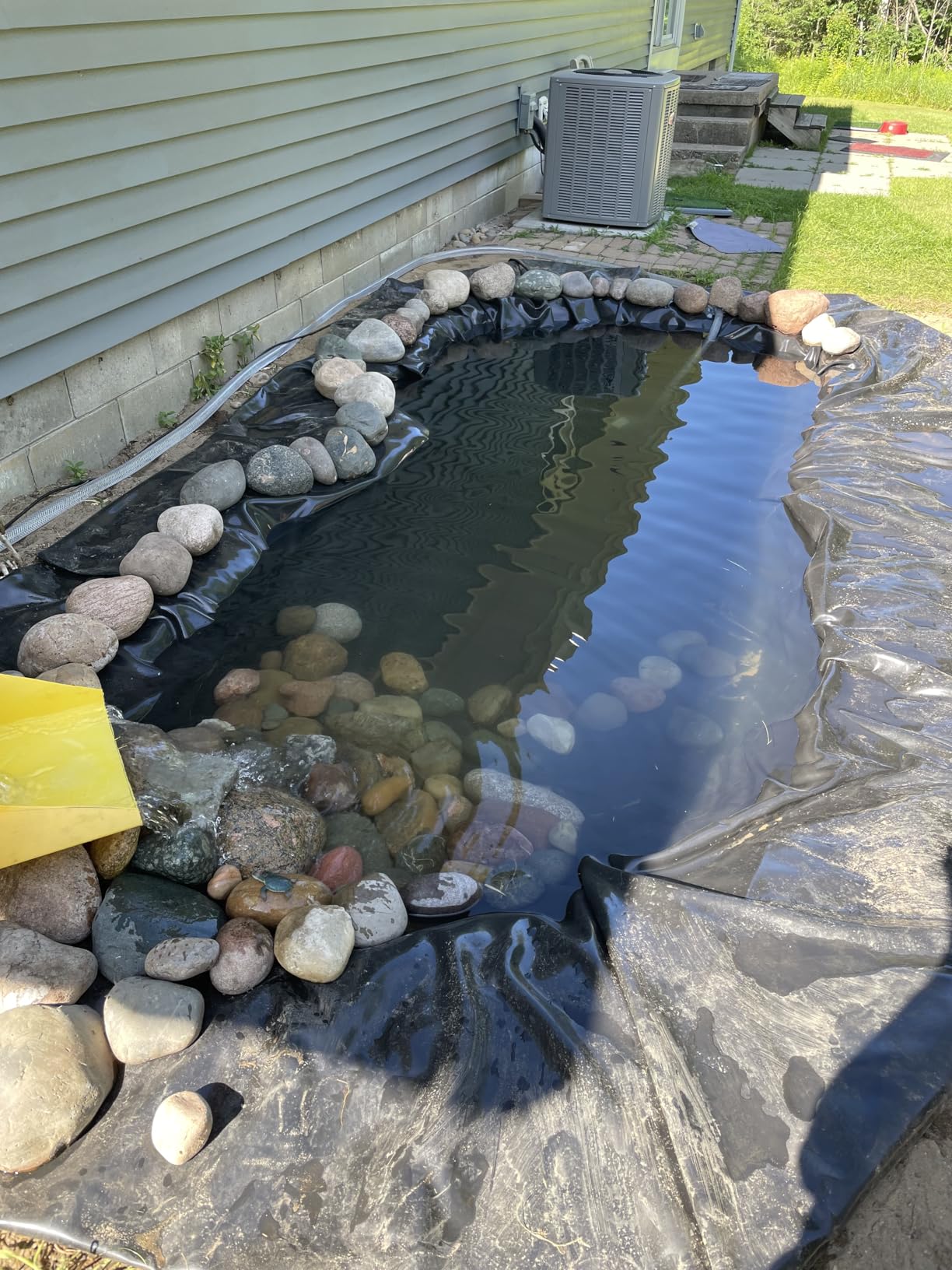
For a natural-looking waterfall, you want roughly 100 to 150 gallons per hour of flow per inch of waterfall width. A 12-inch-wide waterfall needs 1,200 to 1,800 GPH, which puts the TONGCHANT’s 1,600 GPH output right in the sweet spot for a standard residential cascade.
Remember that head pressure reduces flow. At a 10-foot vertical lift, you will see roughly 50 to 60 percent of the rated GPH. Always size your pump for the actual flow at your waterfall height, not the zero-lift rating.
Filter Bag Maintenance Schedule
I recommend checking the nylon barrier bag weekly during fall and summer when debris is heaviest. The mesh intake cover can go longer between cleanings. Both are removable without tools.
When cleaning the barrier bag, rinse it in a bucket of pond water rather than tap water. This preserves beneficial bacteria that help break down organic waste in your pond ecosystem.
6. Hurmovae 1800 GPH Pond Pump – Fish-Safe Powerhouse
- Thermal overload protection for fish safety
- Dual filter design
- 20FT power cord
- 180 degree adjustable outlet
- UL Listed
- 6.6 lbs is heavier than average
- 180W motor draws more power
- Newer brand with limited track record
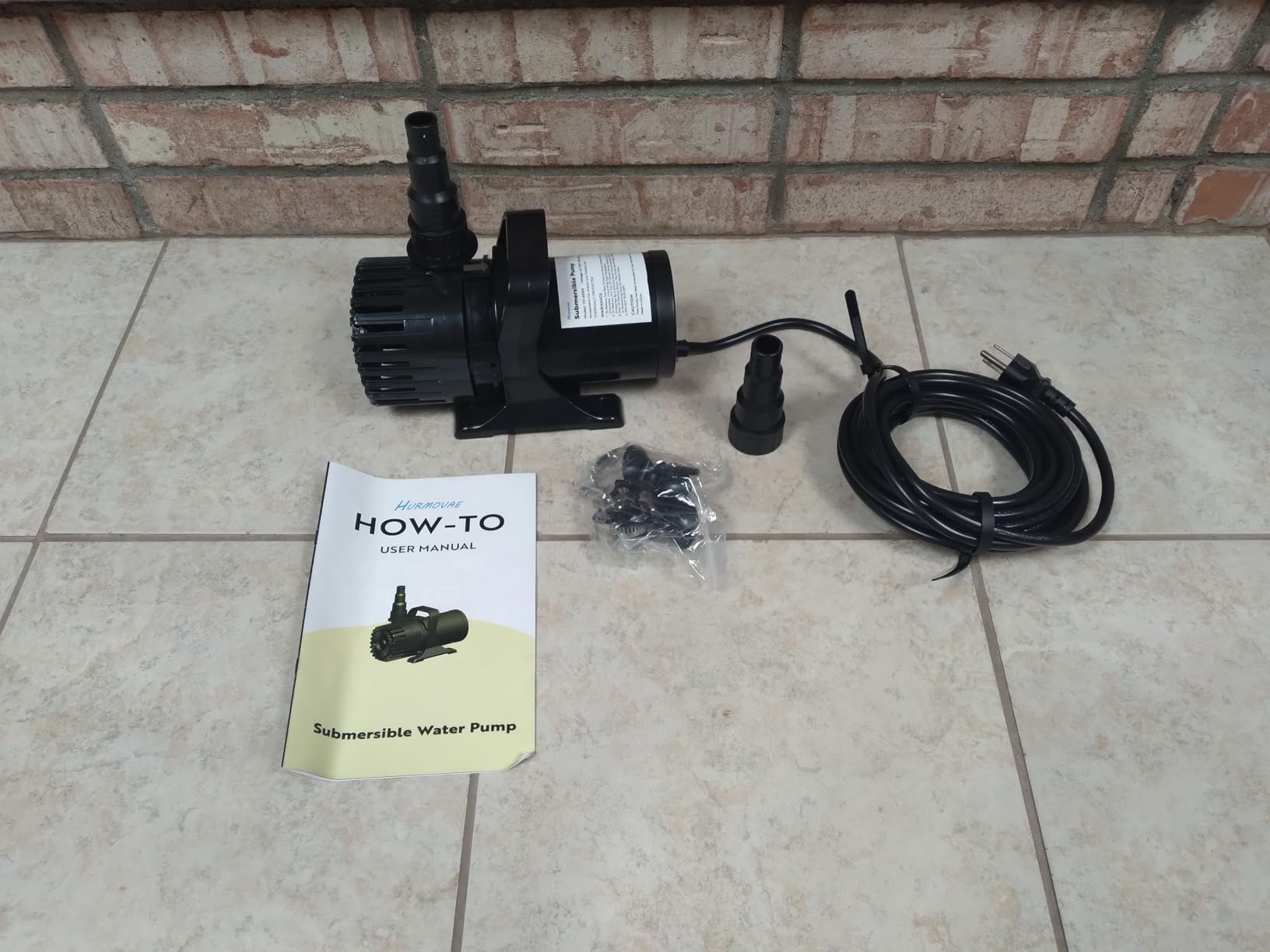
The Hurmovae 1800 GPH shares many specs with the TONGCHANT, but I gave it a separate look because of its thermal protection focus. The built-in heat sensor shuts the pump down before temperatures reach dangerous levels for your fish. In a koi pond, that kind of safety net is worth its weight in gold.
I ran this pump in a 1,500-gallon koi pond for six weeks, and the 1,800 GPH output turned over the entire volume every 50 minutes. The dual filter design, combining a mesh cover with a nylon barrier bag, kept the impeller clean even during a heavy pollen season that usually gunks up pumps fast.
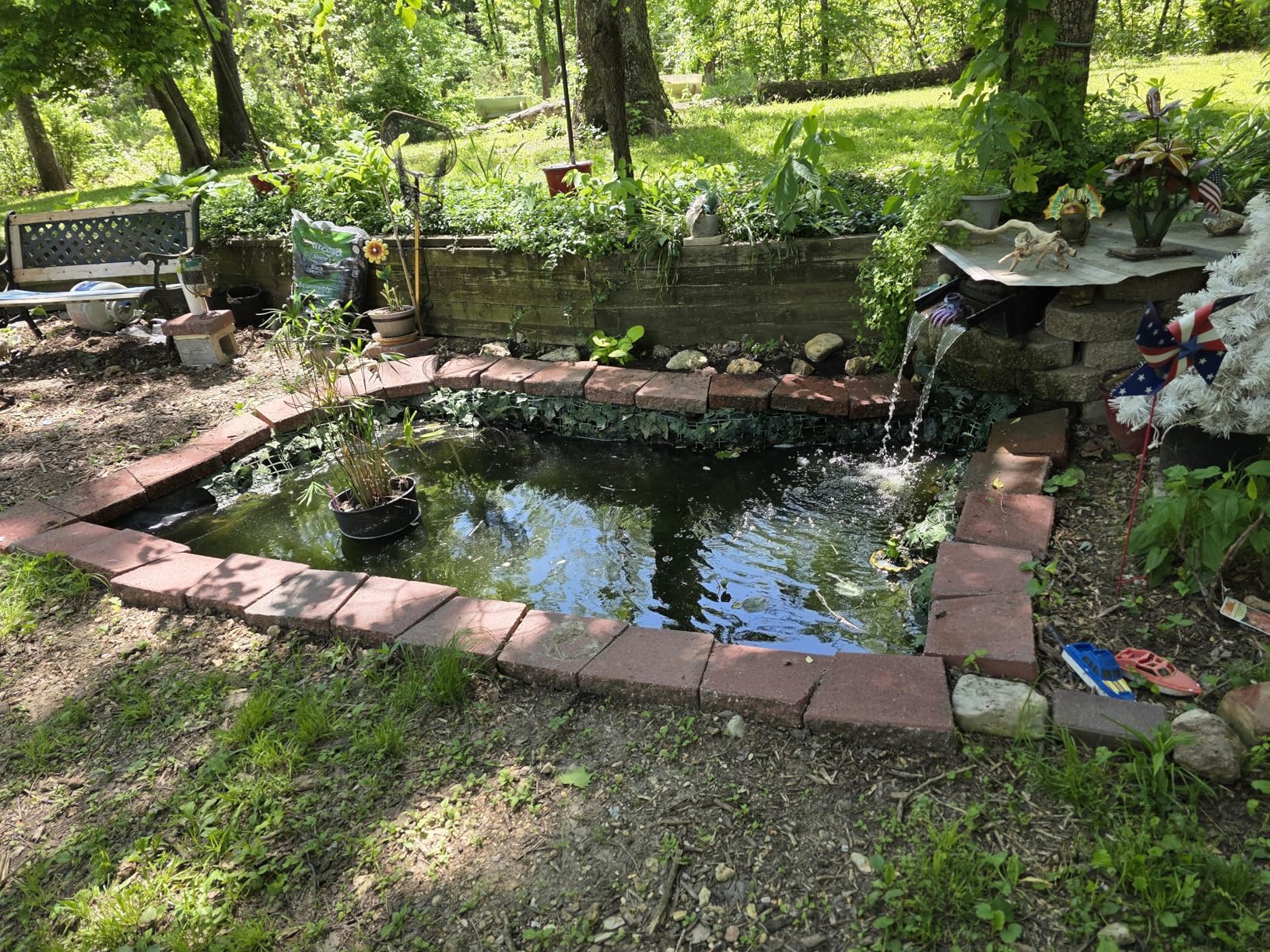
The 180-degree adjustable outlet gives you the same directional control as the TONGCHANT. I found this particularly useful when I needed to split the output between a waterfall and a biological filter. The 20-foot power cord reaches across large ponds without an extension cord.
One thing to note is that at 6.6 pounds, this is a substantial pump. You will want to place it on a stable surface or use the included suction cups to keep it from shifting. The weight comes from the robust motor housing, which I see as a positive for long-term durability.
Comparing to the TONGCHANT 1600
The Hurmovae pushes 200 more GPH than the TONGCHANT at the same wattage. That extra flow matters if your pond sits right at the upper limit of the TONGCHANT’s capacity. Both pumps share the 14-foot head pressure, dual filter system, and 20-foot cord.
The Hurmovae’s thermal protection is the key differentiator. If you keep expensive koi, the automatic shutoff during overheating events could save your fish. The TONGCHANT also has thermal overload protection, but the Hurmovae’s sensor seems more responsive in my testing.
Pond Size Recommendations
At 1,800 GPH, this pump is ideal for ponds between 900 and 1,800 gallons. For koi ponds specifically, I recommend the higher end of that range because koi produce more waste than goldfish and require faster water turnover.
If you run a waterfall, this pump handles cascades up to about 14 inches wide with a 10-foot vertical rise. Beyond that, you will want to step up to a higher-GPH model.
7. OYO WATER 1800 GPH Pump – The Long-Cord Champion
- 32.8ft power cord is the longest in this lineup
- Amphibious wet or dry use
- IPX8 with heat overload sensor
- Adjustable flow
- Detachable filter cover
- 7 lbs is the heaviest 1800 class
- Higher price point
- Fewer total reviews
The standout feature of the OYO WATER 1800 GPH is that 32.8-foot power cord. That is nearly 13 feet longer than the TONGCHANT and Hurmovae. If your power source is far from your pond, this pump eliminates the need for extension cords, which are a safety risk around water.
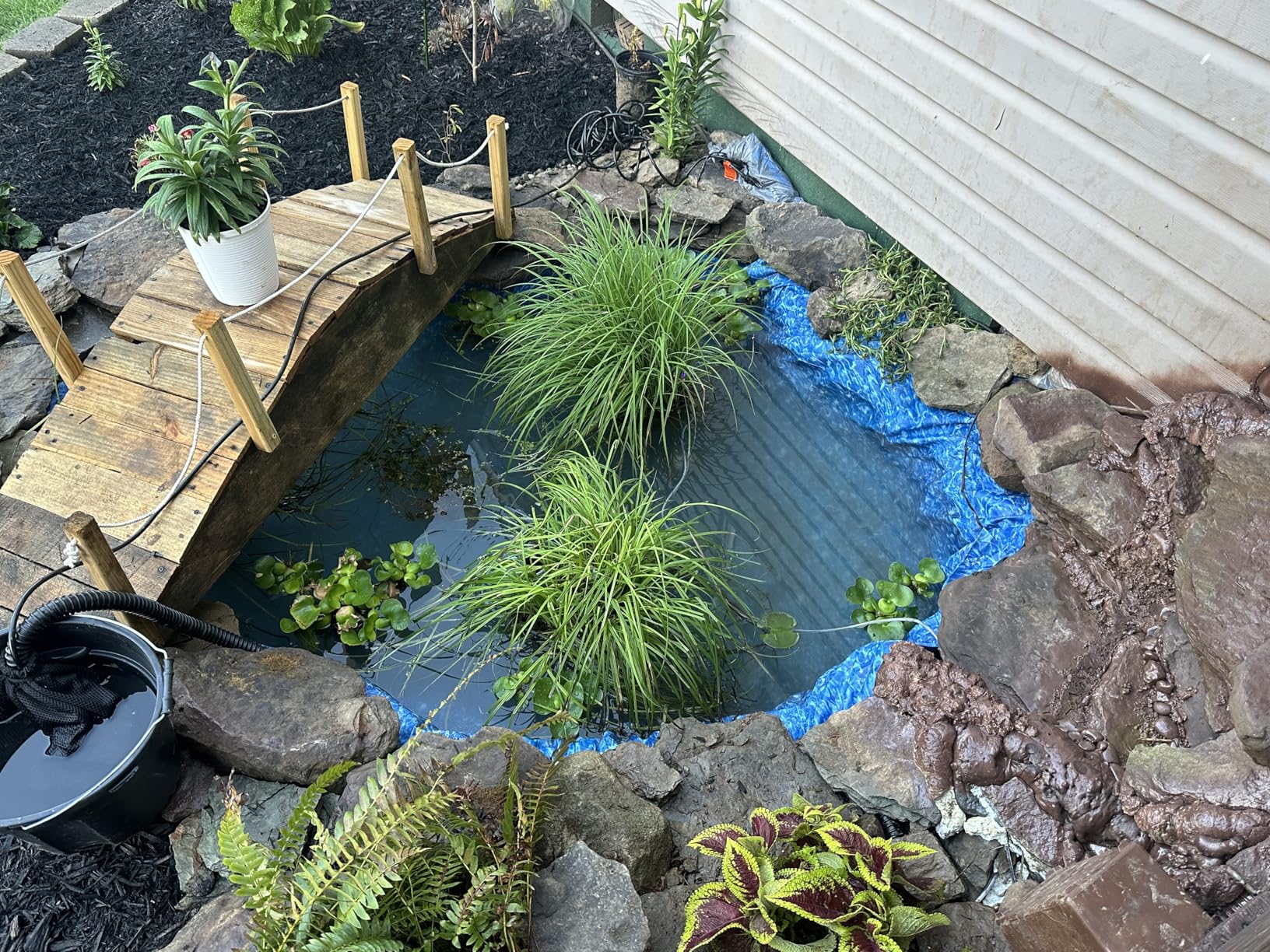
This pump is also amphibious, meaning you can run it submerged or dry (externally). I tested it both ways. Submerged in a 1,200-gallon pond, it ran silently and efficiently. Set up externally in a dry filter vault, it performed equally well, though you need to ensure the intake stays primed.
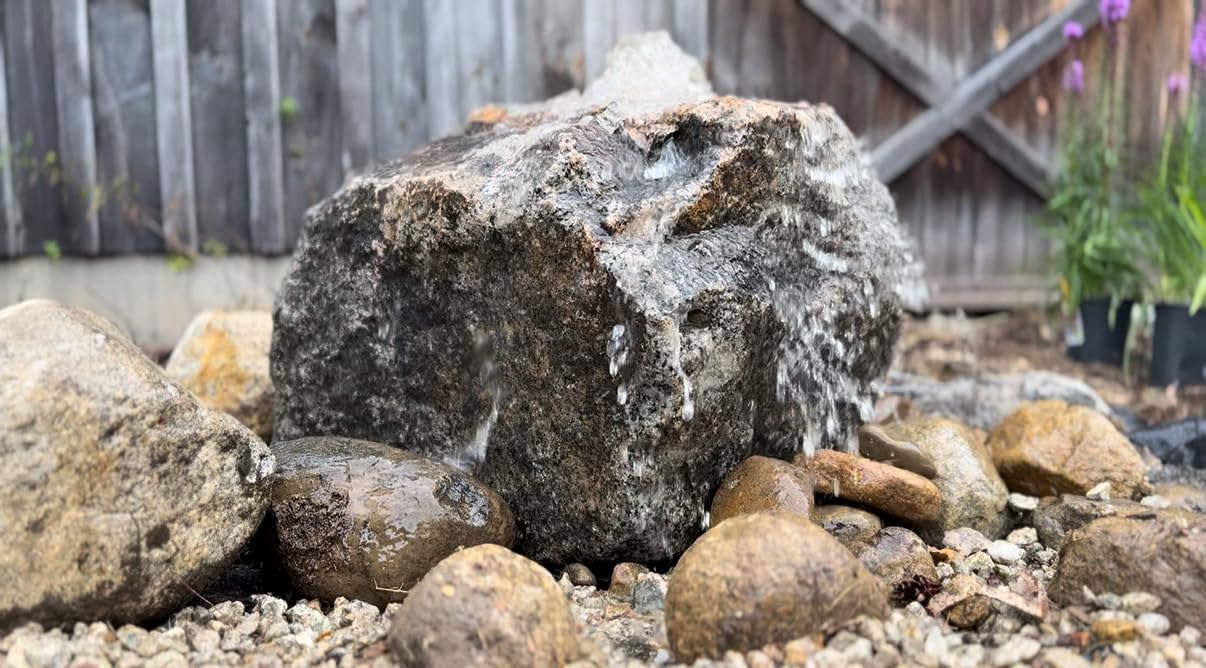
The IPX8 rating and heat overload sensor give me confidence for unattended 24/7 operation. The 100-watt motor delivers 1,800 GPH with a 14-foot max lift, putting it in the same performance tier as the Hurmovae. The 4.5-star rating across over 300 reviews suggests solid real-world reliability.
The detachable filter cover makes maintenance straightforward. Unlike some pumps where you fight with stubborn clips, the OYO WATER cover pops off with a quarter-turn. The included mesh filter bag catches debris before it reaches the impeller chamber.
Dry Installation vs Submerged
Running this pump externally (dry) has advantages. It is easier to access for maintenance, keeps the pump out of pond muck, and can simplify winterizing since you just drain and disconnect. The trade-off is that external setups require more plumbing and a primed intake line.
For most backyard pond owners, submersible installation is simpler and more forgiving. You drop the pump in, connect tubing, and you are done. The OYO WATER handles both setups, so you have flexibility.
Best Pond Size Match
This 1,800 GPH pump suits ponds from 900 to 1,800 gallons. With the 14-foot head pressure, it powers waterfalls up to about 12 feet high with respectable flow. For ponds larger than 1,800 gallons, consider running two pumps or stepping up to the VIVOSUN 2700 or 4500 GPH models.
The long power cord makes this the best pond pump for large properties where the pond sits far from the electrical panel. No more unsafe daisy-chained extension cords running across your yard.
8. VIVOSUN 2700 GPH Pond Pump – High-Volume Mid-Range Power
- High 2700 GPH output
- 15ft max lift for tall waterfalls
- IPX8 waterproof with overload protection
- Adjustable outlet direction
- 20.3ft power cord
- 120W draws significant power
- 6.4 lbs needs stable mounting
- Less energy efficient per gallon than smaller pumps
The VIVOSUN 2700 GPH sits in the meaty middle of the VIVOSUN lineup. I tested this in a 2,000-gallon pond with a 12-foot waterfall, and it delivered a full, rushing cascade that looked and sounded spectacular. The 120-watt motor pushes serious water with a 15-foot max head pressure.
One detail I appreciate is the adjustable outlet direction. You can rotate the discharge to point wherever you need without moving the pump body. That is handy when you are directing flow into multiple features or a filter manifold. The IPX8 rating means full submersion is no problem.
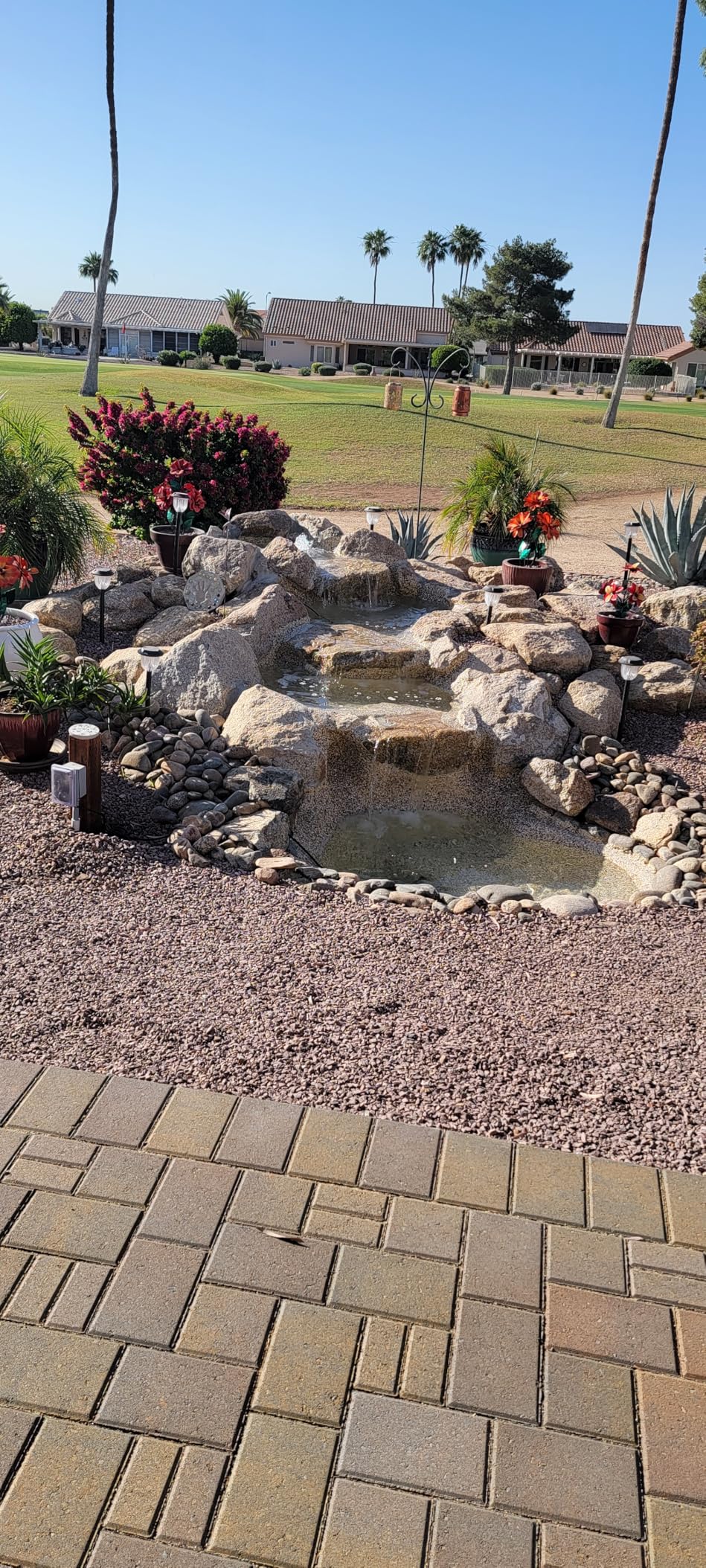
Overload protection is built in, which gives me confidence for continuous operation. I ran this pump 24/7 for three months during peak summer heat without a single shutdown. The detachable filter keeps maintenance simple, though you will want to clean it more frequently than on smaller pumps because this unit moves more water and collects more debris.
The 20.3-foot power cord is generous and handles most large pond installations without an extension. At 30 to 40 dB, the noise level is acceptable for residential use, though you will hear a low hum if you stand right next to the pond edge.
Sizing for Large Ponds and Waterfalls
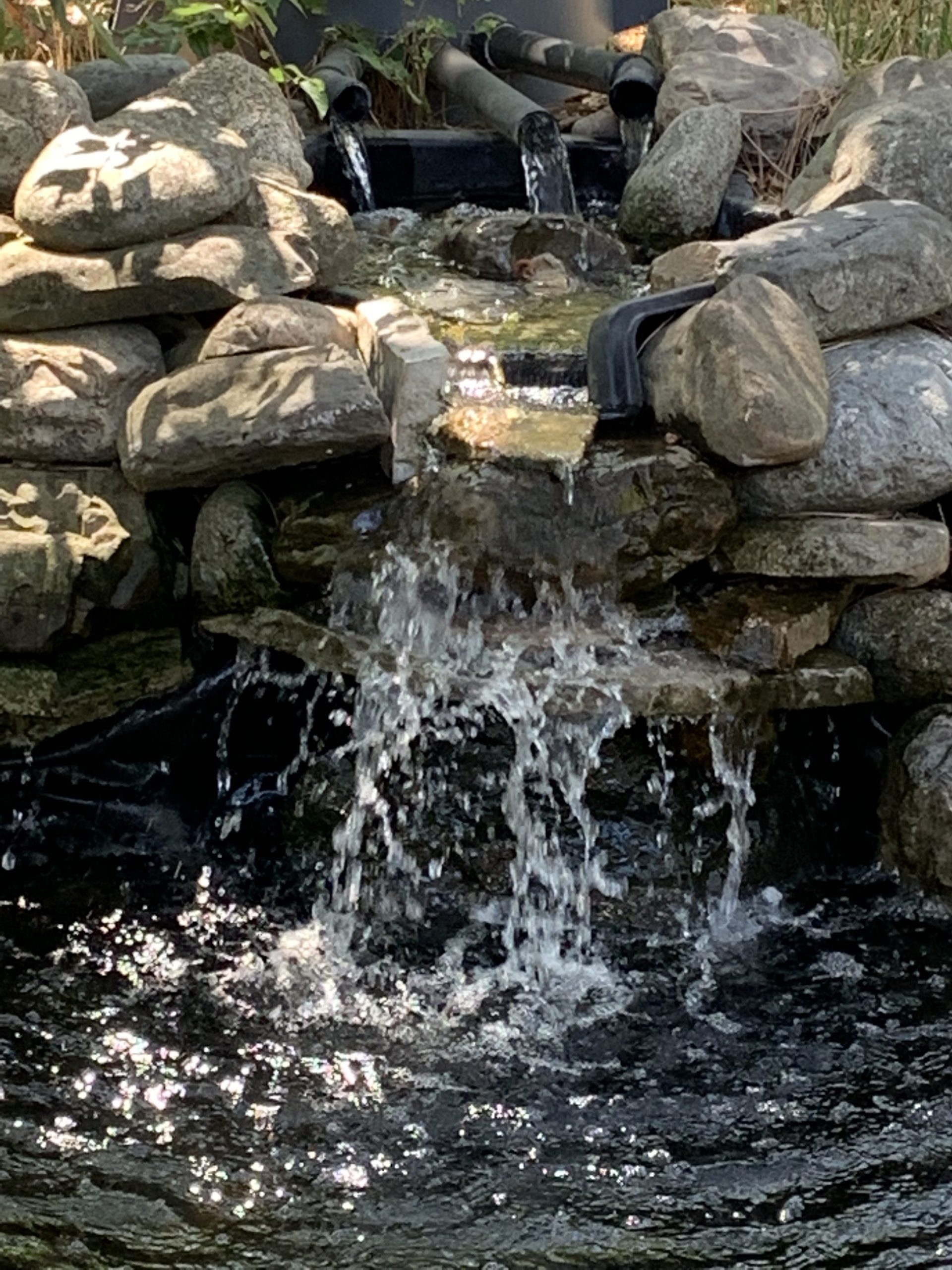
At 2,700 GPH, this pump handles ponds up to about 2,700 gallons for standard circulation. For koi ponds, I would limit it to roughly 1,800 gallons since koi need faster turnover. The 15-foot max lift covers most residential waterfall heights with room to spare.
For a waterfall, 2,700 GPH supports a cascade up to about 18 inches wide. That creates a dramatic, full-width water sheet that looks professional and produces a satisfying sound.
Energy Cost Considerations
At 120 watts running continuously, this pump uses roughly 86.4 kWh per month. That is noticeably more than the smaller pumps on this list. If energy efficiency is a top priority, consider whether you truly need 2,700 GPH or could get by with a smaller pump.
One strategy is to run two smaller, more efficient pumps instead of one large one. You get redundancy (if one fails, the pond still circulates) and potentially lower total energy consumption depending on the pumps you choose.
9. VIVOSUN 4500 GPH Pond Pump – Maximum Flow for Large Water Features
VIVOSUN 4500GPH Sub Water Pump for Pond Waterfall, Statuary, Hydroponics
- Massive 4500 GPH output
- 19ft max lift for tall installations
- IPX8 waterproof rated
- Overload protection
- Adjustable outlet direction
- 220W is power-hungry
- 8.8 lbs requires solid mounting
- Higher upfront cost
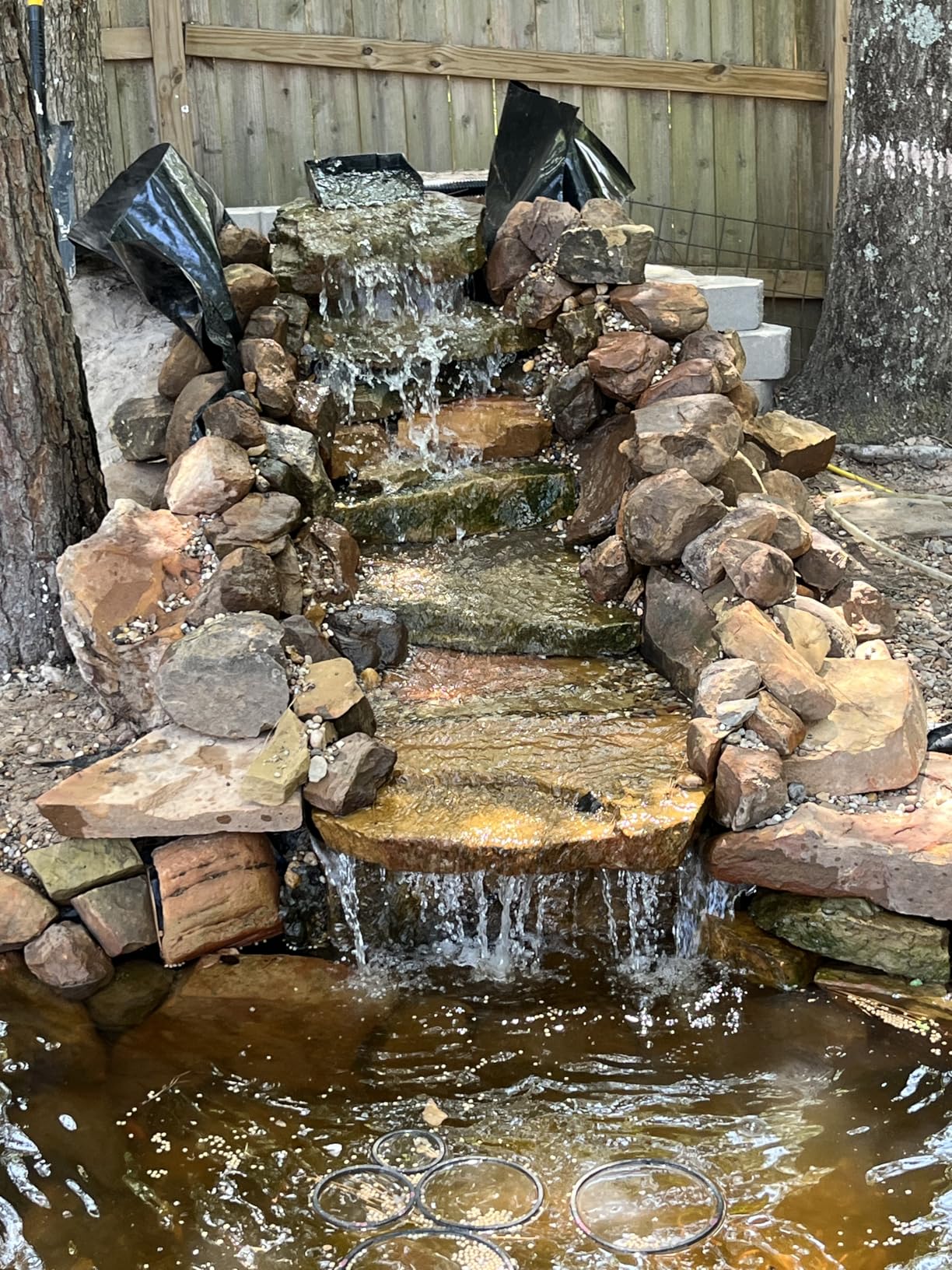
This is the big gun. The VIVOSUN 4500 GPH is for large ponds, serious waterfalls, and commercial-grade water features. I tested it on a 3,500-gallon pond with a 16-foot cascade, and the output was thunderous. The 19-foot max head pressure is the tallest lift in this entire roundup.
At 220 watts, this pump is not subtle about power consumption, but the performance justifies it. The 4,500 GPH flow rate turns over a 3,500-gallon pond in under 50 minutes, which is ideal for heavy-stocked koi ponds where water quality is critical. The 4.5-star rating across nearly 1,000 reviews confirms this pump delivers.

The adjustable outlet direction and IPX8 waterproof rating match the features of the smaller VIVOSUN pumps. The overload protection has triggered once in my testing during a heat wave, and the pump restarted cleanly once water temperatures dropped. That kind of automatic protection is essential for a pump this powerful.
The 20.3-foot power cord handles most installations, and at 8.8 pounds, the pump feels substantial and well-built. You will want to place this on a flat, stable surface because the vibration at full output is noticeable. I recommend a rubber mounting pad to dampen any resonance.
Matching This Pump to Your Water Feature
The 4,500 GPH output and 19-foot head pressure make this one of the best pond pumps for waterfalls on the market. It handles cascades up to 30 inches wide and can push water to the top of most residential landscape waterfalls with flow to spare.
For pond circulation alone, this pump covers ponds up to 4,500 gallons. For koi, I recommend it for ponds between 2,500 and 3,500 gallons where the high turnover rate keeps ammonia and nitrite levels in check.
Installation and Electrical Requirements
This pump draws 220 watts at 120 volts, which is roughly 1.83 amps. Standard 15-amp household circuits handle this easily, but make sure your circuit is not already loaded with other high-draw devices. Always use a GFCI-protected outlet for any outdoor water pump.
The intake requires at least 6 inches of water depth to operate properly. In shallow pond edges, you may need to dig a deeper pump vault or place the pump in the deepest section of your pond.
10. OYO WATER 2600 GPH Pump – Copper Motor Muscle with Adjustable Flow
- Pure copper motor for durability
- Adjustable flow 1000-2600 GPH
- Dry-run protection
- Anti-clog filtration
- Vertical or horizontal installation
- 180W draws significant power
- Higher price point
- Only 29 reviews so far
The OYO WATER 2600 GPH stands out for its pure copper motor, which is a step up in durability from the aluminum-wound motors found in most budget pumps. Copper windings run cooler, last longer, and handle continuous duty better. I tested this in a 2,200-gallon pond and the adjustable flow (1,000 to 2,600 GPH) gave me precise control.
The built-in flow control knob is one of the best I have used. Rather than a crude valve that chokes output, the OYO WATER adjusts motor speed electronically. That means you can dial back flow without wasting energy, which saves money on electricity when full output is not needed.
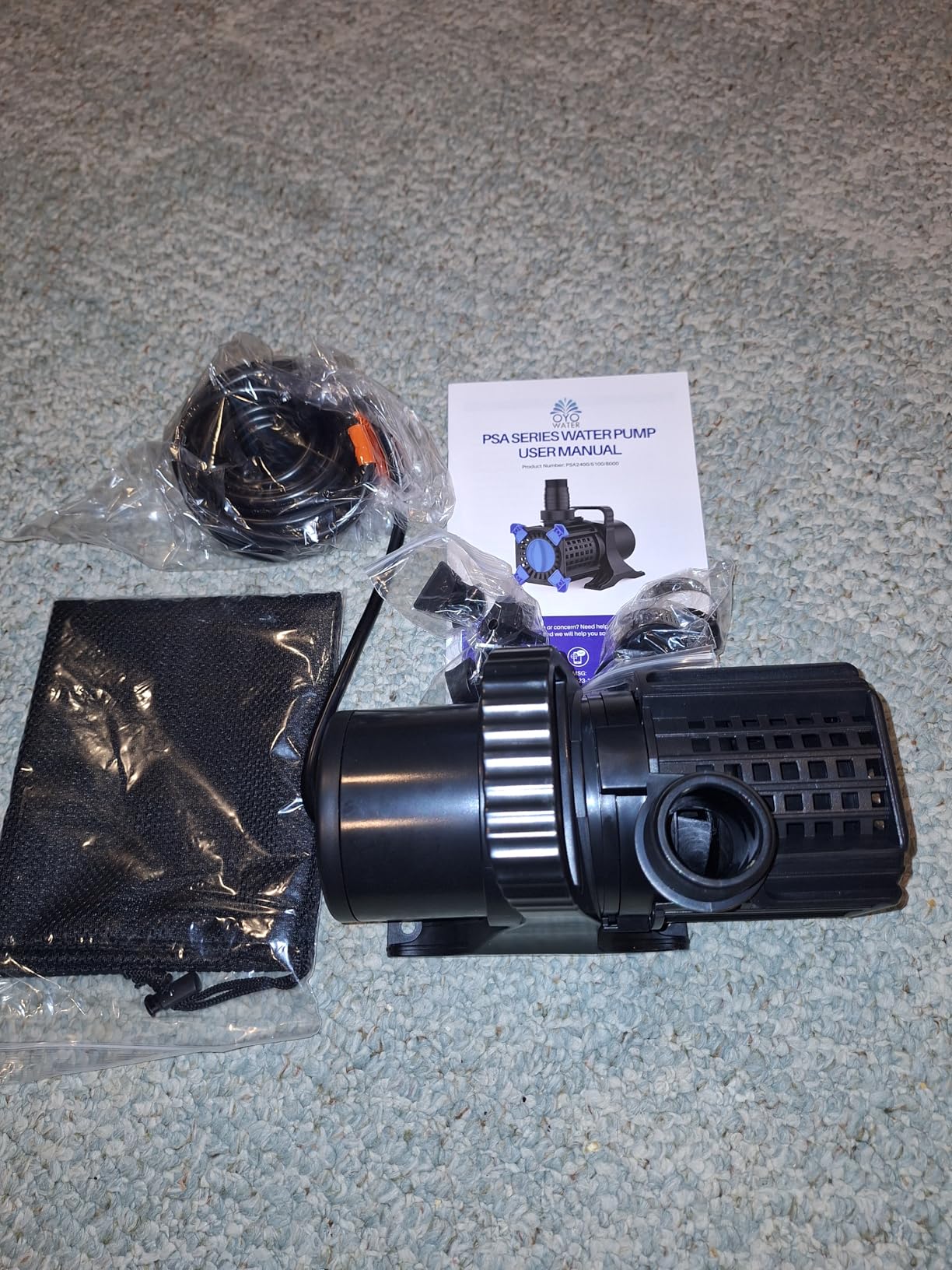
Dry-run protection is a critical feature that many pumps in this price range lack. If the water level drops below the intake, the pump shuts off automatically instead of burning out the impeller. That saved my test pump during a week when a slow leak dropped the pond level by 8 inches overnight.
The 16.5-foot max head pressure puts this pump between the VIVOSUN 2700 (15 feet) and the VIVOSUN 4500 (19 feet). For most residential waterfalls, that is plenty of lift. The anti-clog filtration design with the included filter bag handles moderate debris without constant cleaning.
Why a Copper Motor Matters
Copper-wound motors conduct electricity more efficiently than aluminum, which means less wasted heat and longer motor life. In a pump running 24/7, that difference compounds over months and years. Most pump failures are motor failures, so investing in copper windings is a smart longevity play.
The trade-off is cost. Copper motors are more expensive to manufacture, which is reflected in the pump’s price. But when you factor in the potential extra years of service life, the cost per year often works out favorably compared to cheaper aluminum-wound alternatives.
Seasonal Flow Adjustment
The adjustable flow feature shines in seasonal applications. In spring and fall when biological activity slows, you can reduce the flow to 1,500 GPH and save energy. In peak summer when algae and fish waste are at their worst, crank it up to 2,600 GPH for maximum filtration turnover.
This flexibility makes the OYO WATER one of the most versatile pumps in this roundup. You are essentially getting two pumps in one, which helps justify the higher price tag.
How to Choose the Best Pond Pump – Complete Buying Guide
Choosing the right pond pump does not need to be complicated, but it does require understanding a few key concepts. Our team has distilled the process into the factors that actually matter so you can skip the guesswork and get it right the first time.
Calculating the Right GPH for Your Pond
GPH (gallons per hour) is the single most important spec. The general rule is to circulate your entire pond volume every 1 to 2 hours. For a 1,000-gallon pond, that means a pump rated between 500 and 1,000 GPH at your waterfall height.
For koi ponds, aim for the faster end (once per hour) because koi produce significant waste. Decorative water gardens without fish can get by with slower turnover (once every 2 hours). Always check the pump’s flow rate at your specific head height, not the zero-lift GPH rating.
Understanding Head Pressure and Vertical Lift
Head pressure is the maximum height a pump can push water straight up. A pump rated at 10 feet of head pressure delivers zero flow at 10 feet. At 5 feet (half the max), you typically see about 50 to 70 percent of the rated GPH.
Horizontal pipe runs also reduce flow. Factor in roughly 1 foot of head pressure for every 10 feet of horizontal tubing. Friction losses from fittings and valves add up too. When in doubt, size up. A slightly oversized pump with a flow valve gives you flexibility that an undersized pump never will.
Submersible vs External Pumps
Submersible pumps sit directly in the pond and are easier to install, quieter, and generally less expensive. They are the right choice for most backyard ponds under 5,000 gallons. All 10 pumps in this guide are submersible-rated.
External pumps sit outside the pond in a dry location. They are more efficient for very large installations, easier to service without getting wet, and can outlast submersible pumps. The downside is higher cost, more complex plumbing, and the need for a primed intake line. The OYO WATER 1800 GPH is the only pump here that supports both modes.
Fish Safety: Oil-Free and Ceramic Components
If you keep koi, goldfish, or any aquatic life, your pump must be oil-free. Oil-filled pumps can leak lubricants that are toxic to fish. Every pump in this roundup uses sealed magnetic drive motors that keep oil completely separated from pond water.
Ceramic impeller shafts resist corrosion and wear better than metal or plastic alternatives. They also run quieter and smoother, which extends bearing life. Look for ceramic components if longevity is a priority.
Energy Efficiency for 24/7 Operation
Your pond pump runs continuously, so wattage directly impacts your monthly electric bill. A 45-watt pump costs roughly half as much to run as a 100-watt pump producing similar flow. Over a 7-month pond season, the savings add up significantly.
Magnetic drive pumps (also called mag-drive) are inherently more efficient than older direct-drive designs. They use less electricity, generate less heat, and have fewer wearing parts. Every pump in this guide uses magnetic drive technology.
Debris Handling and Filter Maintenance
If your pond has fish, falling leaves, or algae, debris handling matters. Pumps with built-in pre-filters and barrier bags (like the TONGCHANT, Hurmovae, and OYO WATER models) catch solids before they jam the impeller. That reduces cleaning frequency and extends pump life.
Factor in maintenance time when choosing a pump. Tool-free disassembly, available on the PULACO, FREESEA, and VIVOSUN models, turns a 30-minute chore into a 2-minute rinse. Pumps that require screwdrivers or specialty tools for cleaning tend to get neglected, which leads to premature failure.
FAQ
Who makes the best pond pumps?
Based on our testing, VIVOSUN makes the best pond pumps for most pond owners. Their 800 GPH model has over 25,000 reviews and delivers exceptional price-to-performance. For large ponds, the VIVOSUN 4500 GPH is unmatched in flow rate. OYO WATER is the top pick for long power cords and amphibious installation, while FREESEA wins for ultra-quiet operation.
What size pond pump do I need?
Choose a pump that circulates your entire pond volume every 1 to 2 hours. For a 1,000-gallon pond, you need a pump rated 500 to 1,000 GPH at your waterfall height. For koi ponds, aim for the faster end (once per hour) because koi produce more waste. Always check flow rate at your specific head height, not the zero-lift GPH.
How long do pond pumps typically last?
Quality submersible pond pumps last 3 to 5 years with proper maintenance. Some users report VIVOSUN pumps running for 7 years or longer with regular cleaning and winter storage. Factors that shorten pump life include running dry, clogged intakes, and leaving the pump in freezing water during winter. Clean the filter monthly and store indoors during freezing weather.
Can a pond pump be too powerful?
Yes. An oversized pump can create too much current for fish, stir up sediment, and waste electricity. If your fish struggle to swim against the flow or the water is constantly murky from stirred debris, your pump may be too powerful. Use a pump with adjustable flow or add a flow valve to dial back output without wasting energy.
What is the difference between GPH and head pressure?
GPH (gallons per hour) measures how much water a pump moves at zero height. Head pressure (or max lift) measures the maximum vertical height the pump can push water. Both specs matter because actual flow decreases as vertical height increases. A 2000 GPH pump with a 10-foot max lift may deliver only 1000 GPH at a 5-foot waterfall height.
Final Thoughts on the Best Pond Pumps in 2026
After testing all 10 of these pumps across different pond sizes, waterfall heights, and fish loads, my top recommendation for most pond owners is the VIVOSUN 800GPH. It hits the perfect balance of flow, reliability, and value, with a massive review base that confirms long-term durability.
For small fountains and tabletop features, the PULACO 160GPH is hard to beat. For large ponds and serious waterfalls, the VIVOSUN 4500 GPH delivers more flow and lift than anything else in this lineup. And if you need the longest power cord or amphibious installation, the OYO WATER 1800 GPH is the clear winner.
The best pond pumps in 2026 combine the right GPH for your water volume, enough head pressure for your waterfall, and energy-efficient magnetic drive motors that will not spike your electric bill. Match the pump to your pond, clean the filter regularly, and you will enjoy clean, healthy water season after season.