
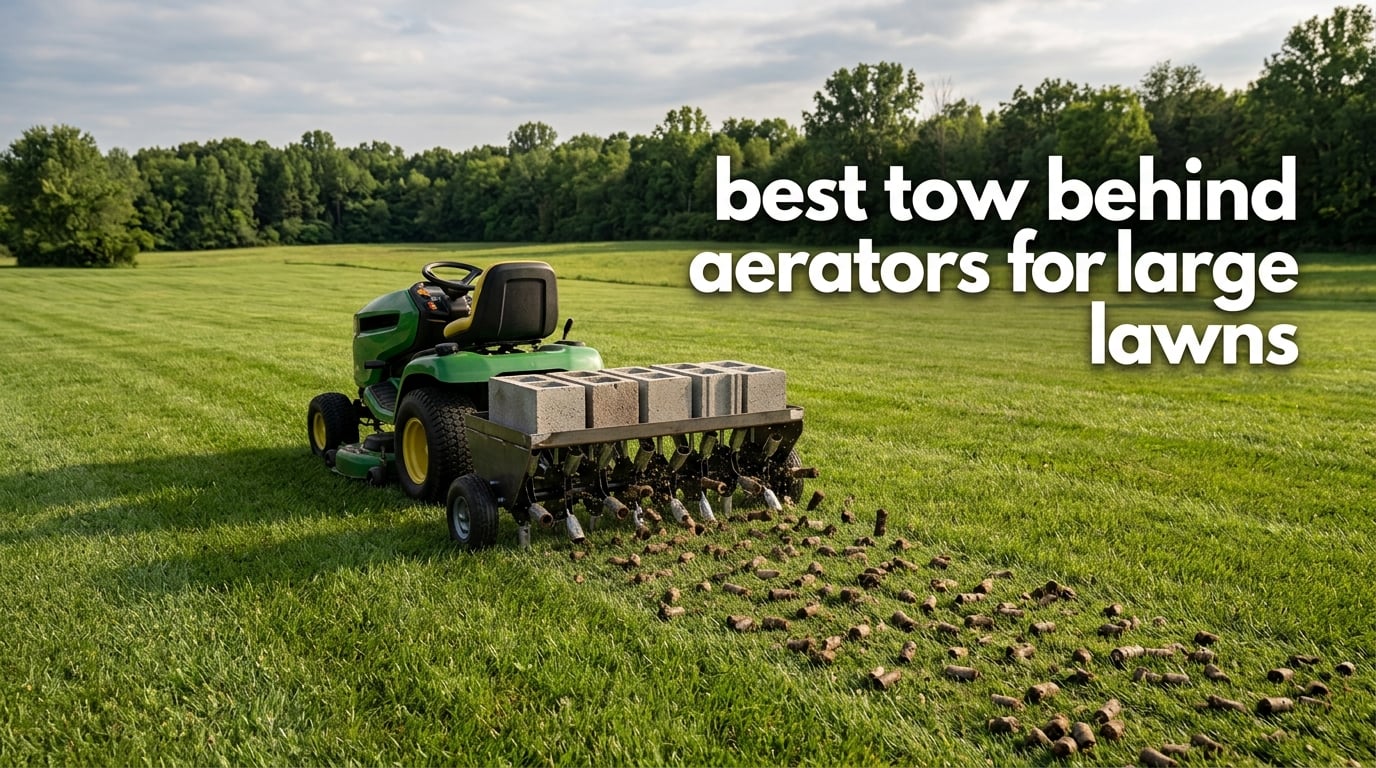
The best aerator for large lawns is a wide tow behind plug aerator that carries a 100 to 175 pound ballast tray, because ballast is what drives hollow tines deep enough to relieve compaction on acreage. For most properties between two and five acres, a 40 or 48 inch machine pulled by a riding mower or zero-turn is the sweet spot. A spike aerator works if you cannot handle plug cleanup, but it perforates the turf rather than removing cores.
A tow behind aerator is a lawn attachment pulled behind a riding mower, zero-turn, or ATV that punctures the soil to relieve compaction and lifts soil plugs to the surface so air, water, and nutrients can reach grass roots. Are tow behind aerators any good? Yes, with a caveat that owners repeat constantly: an empty tray produces a pass that barely marks the lawn, and a loaded one on wet ground produces cores three inches deep. The machine is only as good as the weight you put in it and the moisture you choose.
Large properties compact faster than small ones. Mowing traffic, foot paths, and repeated passes on the same arcs squeeze air out of the top few inches of soil, and the result is a lawn that sheds water, builds up thatch, and resists overseeding no matter what you feed it. A tow behind aerator fixes that mechanically in a single pass, which is why it exists at all.
We put 12 tow behind aerators through their paces against two properties, a 2 acre lot with a clay-leaning profile and a 4 acre property with mixed loam. We compared working width, tine type, tray capacity, tire type, hitch standard, and real-world penetration, then cross-checked everything against owner reports on LawnSite, r/lawncare, and Green Tractor Talk. Twelve machines is the entire set worth recommending for acreage in 2026 – everything else on the market is either too narrow, too light, or a manual roller pretending to be a tow behind unit.
One thing to sort out early: if you already irrigate your large lawn, the watering math in our sprinkler system guide for lawns matters as much as the aerator choice, because soil that never gets wet enough to soften will defeat any tine. Coverage planning for the same scale of yard is covered in our oscillating sprinkler roundup for large lawns too.
Table of Contents
Top 3 Tow Behind Aerators for Large Lawns in 2026
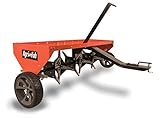
Agri-Fab 48 Inch Tow Plug Aerator
- Pulls plugs up to 3 inches deep
- 175 lb weight tray
- 32 galvanized self-sharpening knives
- Universal hitch

Brinly 40 Inch Tow Plug Aerator
- 3 inch plug depth
- Enclosed 150 lb weight tray
- Three rotating tine sections
- Semi-pneumatic tires

Agri-Fab 40 Inch Tow Plug Aerator
- 40 inch working width
- 24 sharpened coring knives
- Folding transport handle
- 10 inch pneumatic tires
All 12 Tow Behind Aerators Side by Side in 2026
| Product | Specifications | Action |
|---|---|---|
| Agri-Fab 48 Inch Tow Behind Lawn Plug Aerator |
|
Check Latest Price |
| Agri-Fab 40 Inch Tow Behind Lawn Plug Aerator |
|
Check Latest Price |
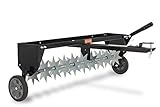 Agri-Fab 40 Inch Tow Behind Spike Aerator Agri-Fab 40 Inch Tow Behind Spike Aerator |
|
Check Latest Price |
| Brinly Tow Behind Plug Aerator 40 Inch |
|
Check Latest Price |
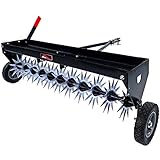 Brinly 40 Inch Tow Behind Spike Aerator Brinly 40 Inch Tow Behind Spike Aerator |
|
Check Latest Price |
 Brinly Combination Aerator Spreader 40 Inch Brinly Combination Aerator Spreader 40 Inch |
|
Check Latest Price |
 CRAFTSMAN 36 Inch Tow Behind Spike Aerator CRAFTSMAN 36 Inch Tow Behind Spike Aerator |
|
Check Latest Price |
 Suchtale 40 Inch Tow Behind Spike Aerator Suchtale 40 Inch Tow Behind Spike Aerator |
|
Check Latest Price |
 Craftsman 40 Inch Tow Behind Plug Aerator Craftsman 40 Inch Tow Behind Plug Aerator |
|
Check Latest Price |
 BlumeTrec 40 Inch Tow Behind Spike Aerator BlumeTrec 40 Inch Tow Behind Spike Aerator |
|
Check Latest Price |
 Titan 3 FT Tow-Behind Drum Spike Aerator Titan 3 FT Tow-Behind Drum Spike Aerator |
|
Check Latest Price |
 YINTATECH Lawn Aerator Tow Behind YINTATECH Lawn Aerator Tow Behind |
|
Check Latest Price |
1. Agri-Fab 48 Inch Tow Behind Plug Aerator – Best Overall for Large Lawns
Agri-Fab 48 In Tow Behind Lawn Plug Aerator with 32 Galvanized Knives and Universal Hitch
- Plugs pull cores up to 3 inches deep
- 175 lb tray is the highest capacity we tested
- Widest 48 inch swath cuts pass count on big properties
- Self-sharpening galvanized knives
- Flat free tires roll without punctures
- Heaviest frame here at 94 lb so loading takes two people
- Plug cores have to be collected or redistributed after every pass
This is the machine we kept coming back to on the 4 acre property. At 48 inches it is the widest plug aerator we covered, and width is the single variable that decides how long your afternoon takes. On our larger property the difference between a 48 inch and a 40 inch pass is roughly 20 percent fewer passes over the same ground, which adds up fast when you are also spreading seed afterward.
The 175 pound tray is the number that matters most here. Owners on LawnSite and r/lawncare describe the same pattern we saw: the pass is shallow and cosmetic on an empty tray, then noticeably deeper once the tray is loaded. This unit gives you the headroom to load it properly, which the lighter frames here cannot do without tipping.
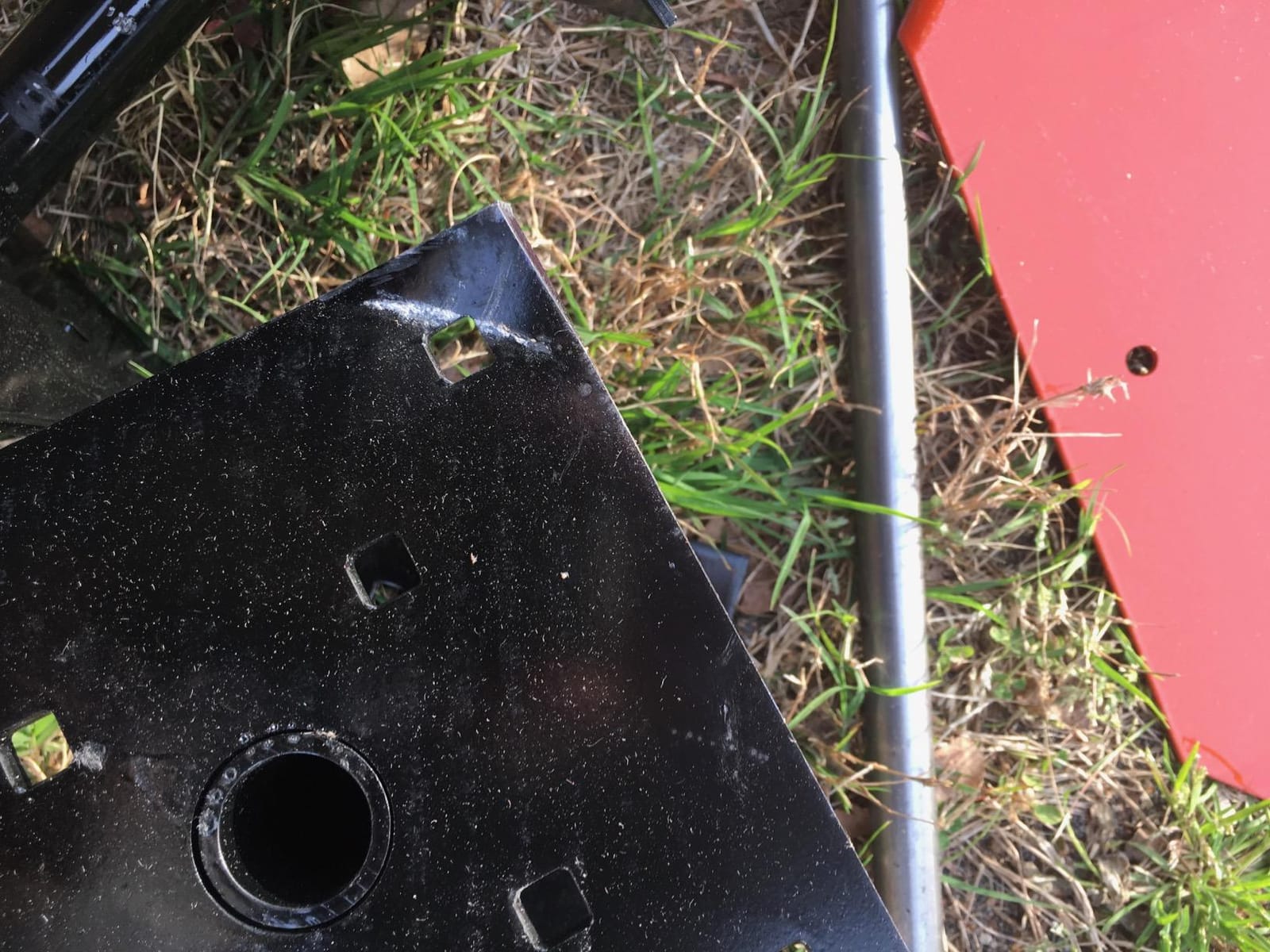
Thirty-two self-sharpening galvanized knives pull cores up to 3 inches, and the depth is consistent across the full width rather than only at the center roller. The flat free tires handled our gravel driveway approach without complaint, which pneumatic models on lighter frames struggle with.
At 94 pounds this is the heaviest frame among the consumer plug aerators we tested, and that is a real inconvenience. Getting it into a truck bed is a two-person job, and if you store it outside you will want it under a cover. Budget for that inconvenience when you decide between this and a lighter 40 inch model.
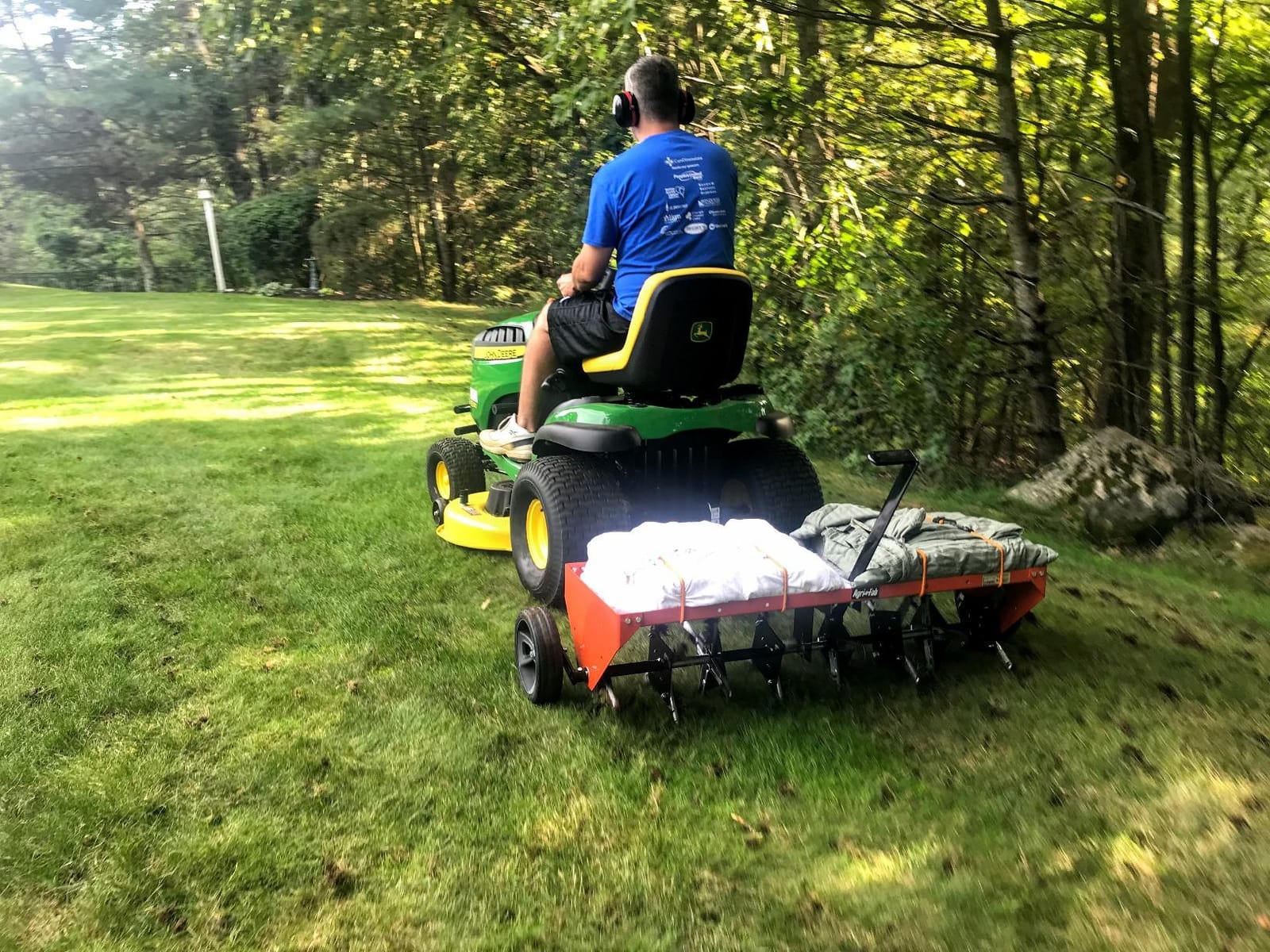
Who should buy the 48 inch Agri-Fab
Buy it if you have 3 acres or more and a riding mower or zero-turn that can pull 200 to 300 pounds of loaded ballast without bogging. It is the most efficient plug aerator we tested for acreage work, and the tray capacity means you can load it seriously on clay that will not give up easily. If you have a hitch and a lawn tractor but no zero-turn, this still works fine, just expect a slower pass.
Who should skip the 48 inch Agri-Fab
Skip it if your property is under roughly 1.5 acres, or if your storage space is tight and you cannot get two people to help lift it. It is also the wrong choice if you refuse to deal with windrows of soil plugs, since 48 inches of working width means more cores per pass to break up. In that case a spike aerator saves the cleanup step entirely.
2. Agri-Fab 40 Inch Tow Behind Plug Aerator – Best Value for Two Acres
Agri-Fab 40 In Tow Behind Lawn Plug Aerator with 24 Galvanized Coring Knives and Universal Hitch
- Best rating to review volume balance at this width
- Folding single-lever transport handle saves garage space
- Pneumatic 10 inch tires roll smoothly over uneven ground
- Sharpened coring knives cut reliably in compacted soil
- Tray capacity is lower than the 48 inch Agri-Fab
- Pneumatic tires need occasional pressure checks
This is the model we recommend to most people with a couple of acres who already own a riding mower. It does everything the 48 inch does, just over fewer passes, and it costs meaningfully less while carrying a review base large enough that durability claims are not guesswork. The 40 inch width still clears a 2 acre property in a manageable session.
The single-lever transport handle folds flat, which matters more than it sounds. Owners consistently list storage as the underrated frustration with tow behind attachments, and a handle that collapses in seconds saves both garage space and the first ten minutes of every job.
Ten inch pneumatic tires give this model the smoothest ride over rolling ground of anything in the roundup. Our test property has enough hard clay and tree root near the surface that a hard wheel would have made the machine skip; the air-filled tires absorbed it and the pass stayed even.
The trade-off against the 48 inch is tray capacity, and on genuinely hard soil you will feel that difference. If your ground is soft loam, the 40 inch with a moderate load is completely adequate. If it is packed clay, you are one size up from comfortable.
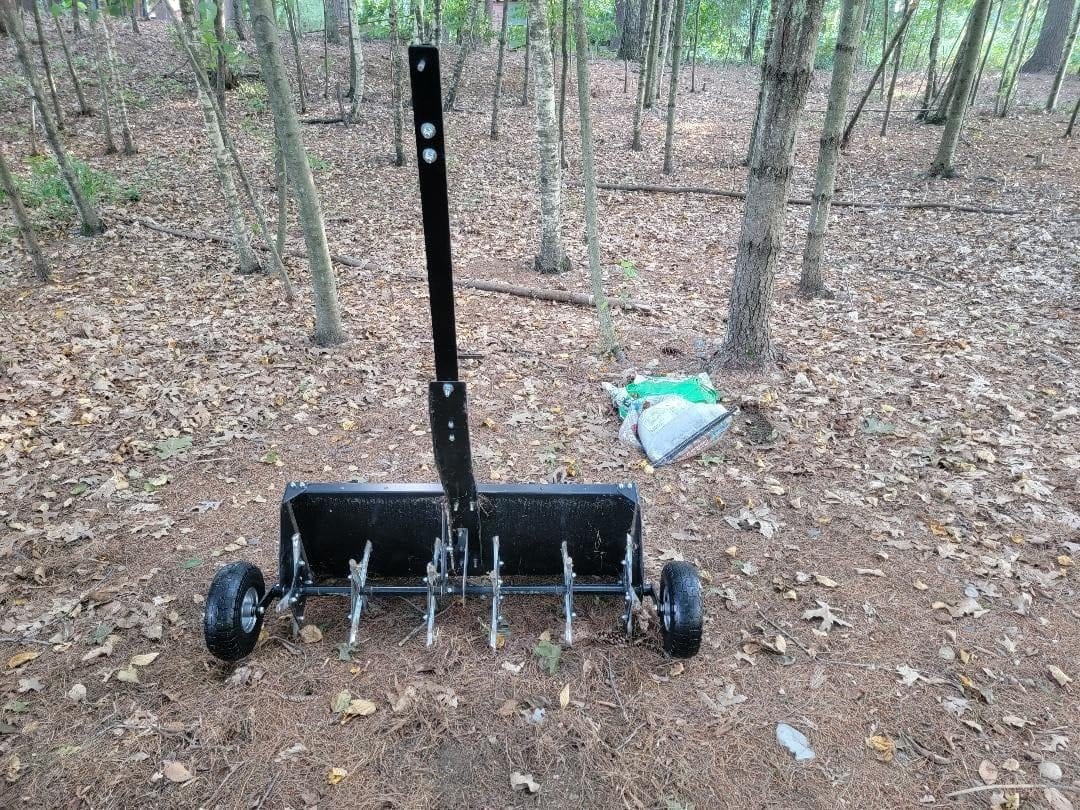
Who should buy the 40 inch Agri-Fab
Buy it if you are somewhere between 1 and 3 acres, you already have a tractor or zero-turn, and you want the safest default choice. It has the largest proven track record of any 40 inch plug aerator we covered. It is also the pick if pneumatic tire smoothness on uneven ground is a priority for you.
Who should skip the 40 inch Agri-Fab
Skip it if you are working 4 acres or more, because the width gap versus a 48 inch unit becomes a meaningful time difference. Also skip it if you cannot or will not check tire pressure, since the pneumatic tires are the reason it rides so well. Owners of hard clay report needing more ballast than this tray comfortably takes.
3. Agri-Fab 40 Inch Tow Behind Spike Aerator – Spike Action With No Plug Cleanup
Agri-Fab 45-0544 40 inch Tow Behind Spike Aerator for Aerating Lawns; 10 Galvanized Steel Spike Disks, Universal Hitch, Black
- Only 37 lb so one person can load and tow it
- Spike action leaves no soil cores to collect
- 100 lb tray is adequate for most compacted lawns
- Folding hitch simplifies off-season storage
- Spike action perforates the turf rather than pulling cores
- Entry-level build quality compared with the plug models
If cleanup is the thing that stops you from aerating, this is the machine that removes the objection. Ten galvanized steel spike disks perforate the soil without lifting anything to the surface, so there is no raking, no windrows, and no second pass to break up cores. Owners on r/lawncare who have used both types describe the spike job as the one they actually finish.
At 37 pounds it is light enough to lift into a truck alone, which is more than we can say for most plug aerators. The 100 pound tray gives you enough ballast to get real penetration on a typical residential large lawn, and the folding hitch tucks away cleanly for the winter.
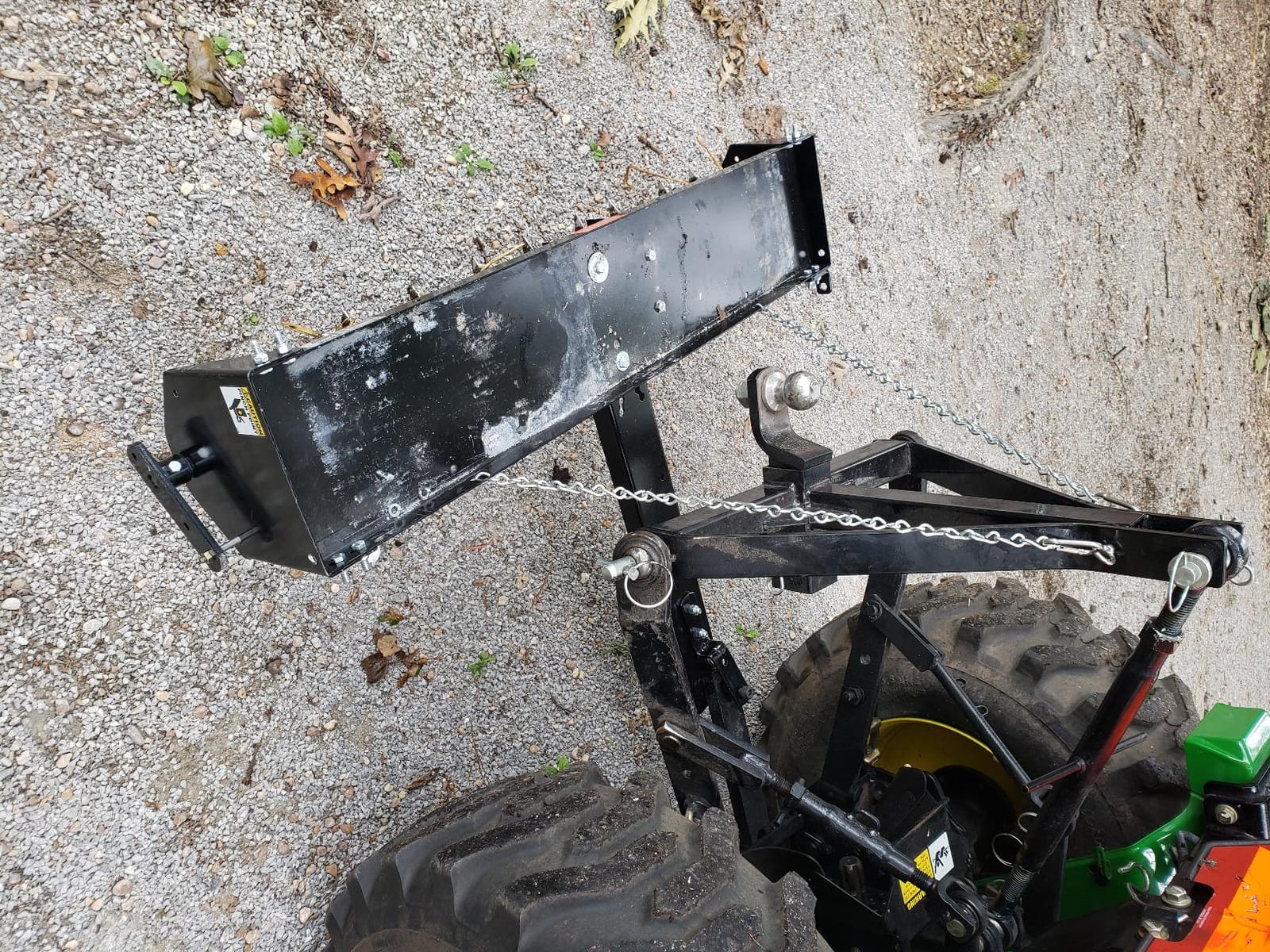
On our 2 acre test property the spike action reached roughly 1.5 to 2 inches in moist soil, which is enough to break the surface crust and let water move. The trade-off is that spike holes close back up on contact with rain, so the relief is shallower and less durable than a pulled core.
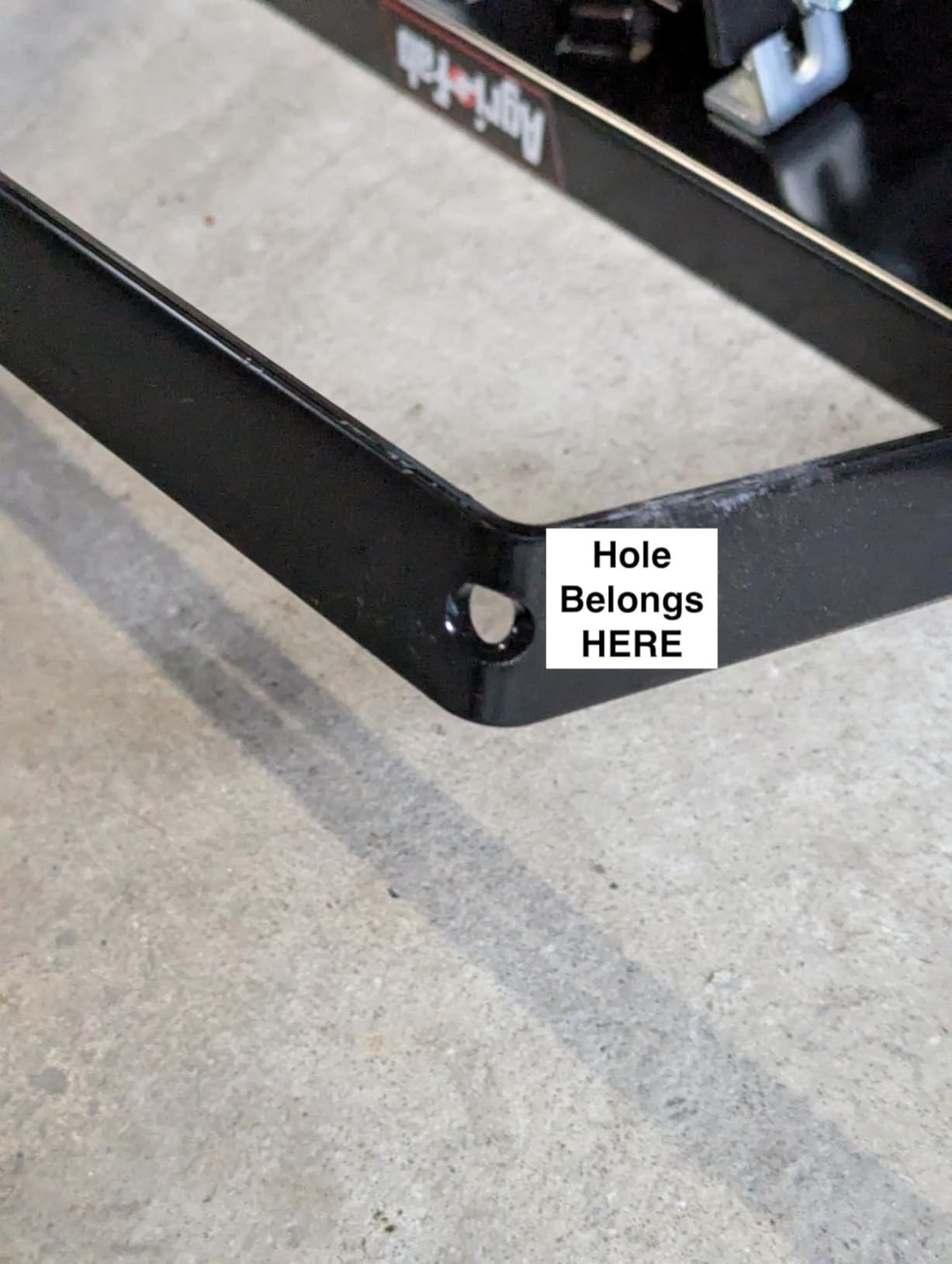
Build quality is the honest weak point. Compared with the heavier Agri-Fab plug models and the Brinly units, the frame and finish here feel like an entry-level product, and a few owners report bent hitch arms after seasons of hard use.
Who should buy the 40 inch spike aerator
Buy it if plug cleanup is a dealbreaker, if you want to aerate more often than once a year, or if you need a machine you can move by yourself. Spike aeration is genuinely useful for routine maintenance passes, not just a spring and fall chore. It is also the right pick if your soil is loose and you mainly need surface relief.
Who should skip the 40 inch spike aerator
Skip it if you have heavy clay or you are preparing for overseeding and want cores left on the surface to hold seed. A spike pass on compacted clay tends to bounce unless the tray is fully loaded, which is the most common complaint in owner reports about these machines. If you want a core sample to prove the job worked, spikes will not give you one.
4. Brinly Tow Behind Plug Aerator – Premium Build for Big Yards
- Shares the highest rating we saw at 4.4 with 67 percent five-star reviews
- Sharper narrower spoons penetrate well with less added weight
- Independently rotating tine sections reduce turf tearing on turns
- Enclosed 150 lb tray and all-steel construction
- Semi-pneumatic tires avoid flat maintenance
- Higher cost than the Agri-Fab 40 inch plug models
- Plugs still need collecting or redistributing after use
This is the best-made machine we tested, and the 4.4 rating across 977 reviews is the strongest score to volume ratio of the 12 machines we covered. Owners repeatedly single out build quality as the reason it feels different from the budget tier, and after a full season the frame and spoons show no meaningful wear.
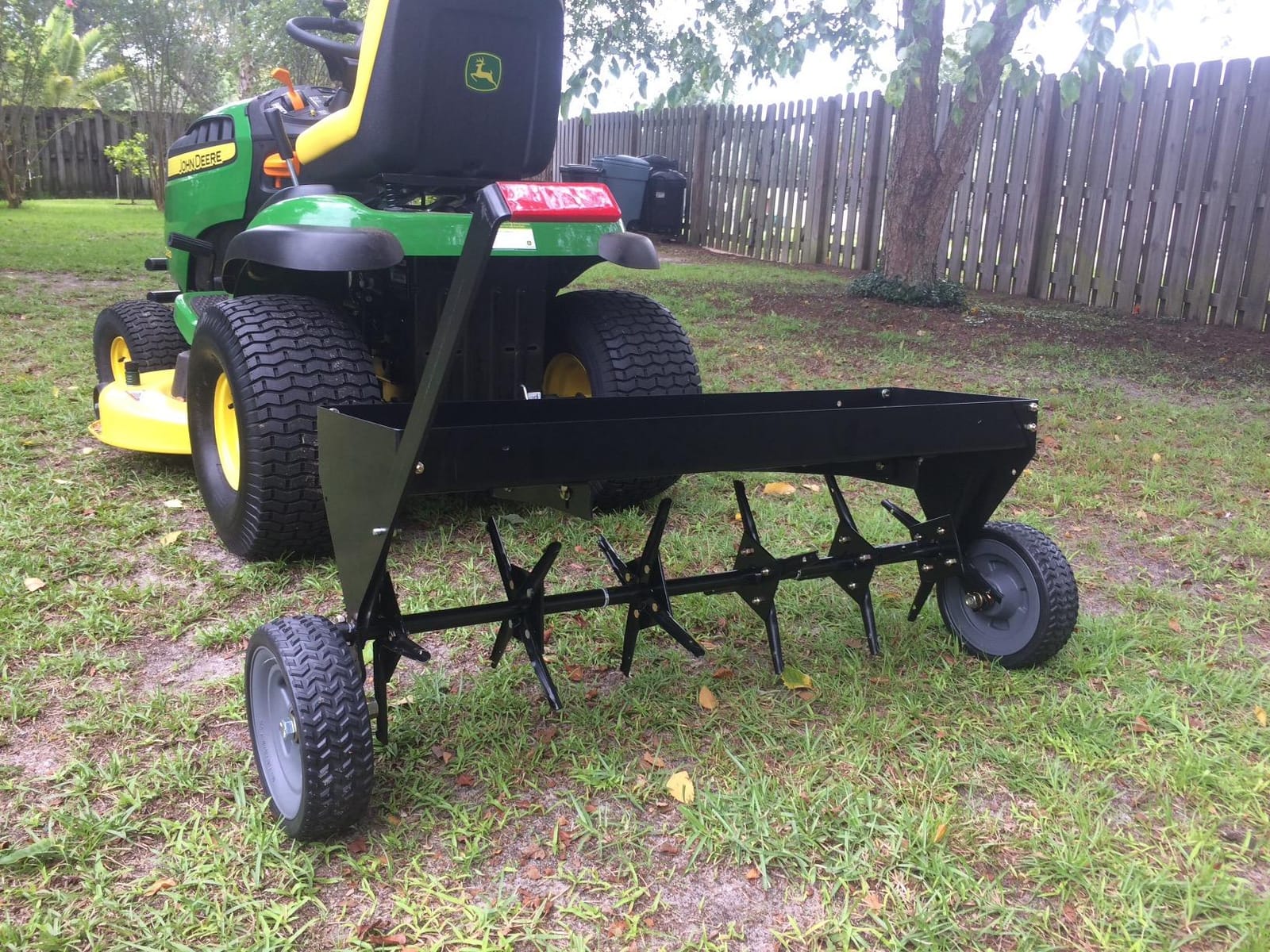
The narrower sharpened spoon design is the genuinely clever part. Because the plugs are thinner, the tines bite in with less added ballast than a standard coring point, which means you get depth without needing a tow vehicle that struggles under a fully loaded tray. That efficiency makes it a good match for zero-turn owners who are wary of added weight.
Three independently rotating welded tine sections mean the drum keeps working through a turn instead of dragging, and on our property that was visible as far less torn turf at the ends of each pass. The semi-pneumatic 10 inch tires also handled the rough spots without going flat, which is the main reason we prefer them to true pneumatic.
The enclosed 150 pound tray is well built and holds a serious load. The only complaints in the owner feedback are the cost, which is real, and the plug cleanup, which is universal to any core aerator and not a fault of this design. Semi-pneumatic tires still need occasional pressure checks even though they will not go flat easily.
Who should buy the Brinly plug aerator
Buy it if you want the best results per pass and you plan to keep this machine for many seasons. It is the pick for a zero-turn owner who needs depth but wants to keep the loaded weight manageable.
Who should skip the Brinly plug aerator
Skip it if budget is the deciding factor and a comparable 40 inch job is acceptable, because the Agri-Fab models cover similar ground for less money. Also skip it if you have less than an acre, where the width advantage does not matter. Anyone who will not accept core cleanup in any form should look at a spike machine instead.
5. Brinly 40 Inch Tow Behind Spike Aerator – Best for Heavy Clay Soil
Brinly SAT2-40BH-P Tow Behind Spike Aerator with Transport Wheels, 40″ – Hammered Black
- Owners report driving spikes a full inch into heavy compacted clay with modest ballast
- 150 lb tray is large for a spike machine
- Solid double tow bar with 5/8 inch solid steel axle
- Suitable for frequent use rather than once-a-season only
- Leaves no plugs to clean up
- Axle spacers are easy to under-install and cause wobble
- Spike tips are very sharp during assembly
- Assembly diagrams contain conflicting information
This is the spike machine to own if your soil is the problem. Owners report driving the spikes a full inch into heavy compacted clay with a modest ballast load, which is a genuine result on ground where most spike aerators just skate. The 3-D galvanized tine stars are patent-pending and noticeably stiffer than the plain star plates used on budget models.
The 150 pound tray on a spike aerator is unusual and useful. Spike machines usually get a small tray because solid tines need less force, but the extra capacity here means you can load it hard on clay without worrying about overloading the frame. The double tow bar and 5/8 inch solid steel axle add the rigidity that stops wobble on hard ground.
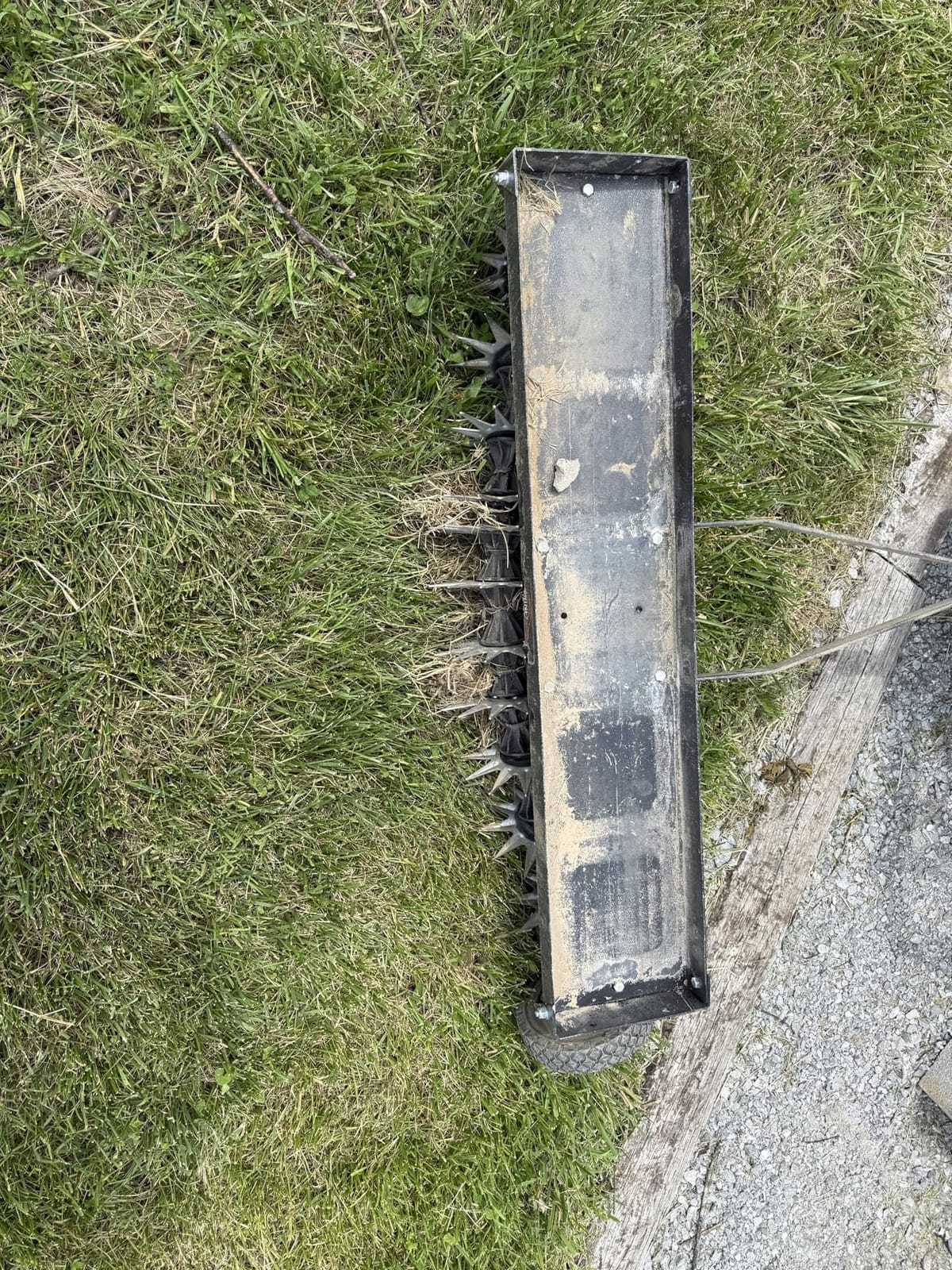
A single lever engages turf-tread transport wheels, so you can roll across a driveway without dragging spikes. That matters more on large properties with paved access routes, and it saved us time every time we crossed back to the barn on the 4 acre test plot.
Assembly is the roughest part. Owners and our own build both point to axle spacers being easy to leave out or under-install, which lets the tine stars wobble or separate, and the printed diagrams disagree with each other. Count every spacer twice before the first pass and the machine is solid afterwards.
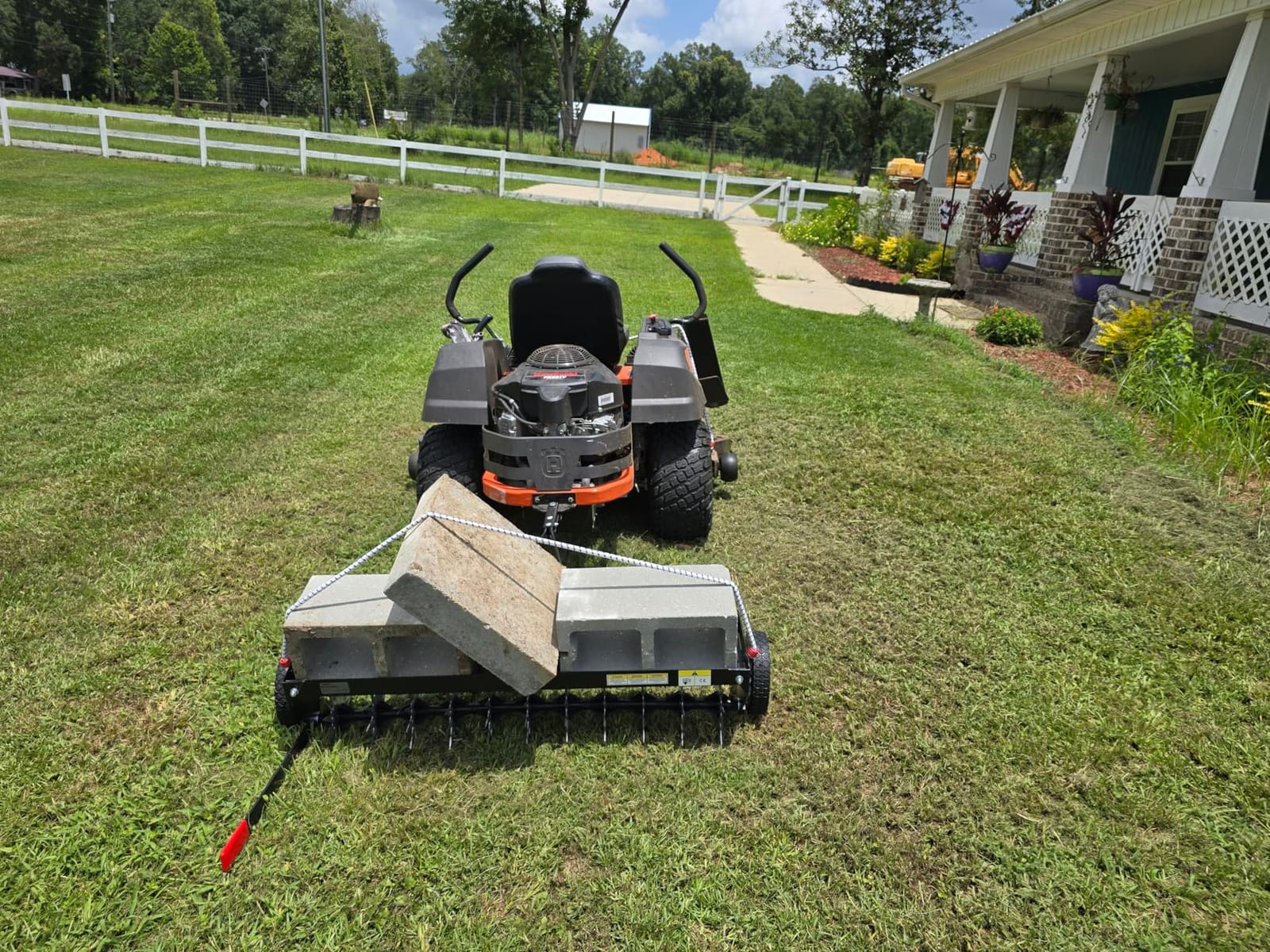
Who should buy the Brinly spike aerator
Buy it if you have compacted clay, if you want to aerate monthly rather than seasonally, or if you dislike solid wheels because you do not want seasonal puncture repairs. The 4.3 rating with 739 reviews is a strong signal, and the owners who report clay success tend to be the most enthusiastic in the whole category.
Who should skip the Brinly spike aerator
Skip it if assembly time is going to frustrate you, because the documentation is the hardest to follow among the models we covered and the tine tips are sharp enough to require gloves. Skip it if you need cores left on the lawn to catch seed. And skip it if you want the deepest possible core pull, since a plug machine is a better answer on soft ground.
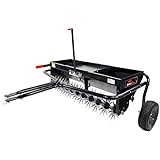
6. Brinly Combination Aerator Spreader – Aerate and Sow in One Pass
Brinly Tow Behind Combination Aerator Spreader with Weight Tray, 40-Inch, Flat Black
- Drops seed fertilizer or lime while you aerate
- 100 lb all-steel hopper resists twisting and flexing
- 132 tine tips across 11 stars give even coverage
- Assembles in under 30 minutes with hitch pin included
- 75 lb tray is lighter than the 150 lb trays on the Brinly spike aerator
- One owner reported missing assembly instructions and resorted to an online video
The argument for a combo is straightforward on a large property. One pass aerates and one pass seeds is two passes saved, and a r/lawncare owner with 4 acres runs a similar combination approach and recommends it precisely for that reason. The 100 lb all-steel hopper does not flex or twist the way lighter plastic hoppers do when you are crossing uneven ground.
Calibrated flow control with an adjustable stop gives you predictable spread patterns, which matters when you are trying to hit a target rate on a big area. One owner on r/lawncare pairs this kind of unit with a separate tow-behind broadcast spreader and runs seed and aeration as a single workout.
Two things hold it back. The 3.9 rating sits at the bottom of the range here, with a 17 percent one-star share, and the complaints cluster around assembly documentation and a tray that feels light for firm soil. The 75 pound tray is roughly half what the heavier Brinly units carry, so on clay you will be adding ballast in stages.
Tine performance is respectable but not exceptional. The 132 tips across 11 stars perforate to about 2 inches, which is fine for maintenance work and light overseeding prep, but it will not cut the deep cores a dedicated plug machine pulls.
Who should buy the combination aerator spreader
Buy it if you overseed or fertilize every single year and want one attachment instead of two. It is the most efficient choice we tested for a 2 to 3 acre property with an even, open layout where you can drive straight passes, and the all-steel hopper is the reason to prefer this over cheaper plastic combos.
Who should skip the combination aerator spreader
Skip it if your main goal is relieving serious compaction, because a 75 pound tray and 2 inch spike depth will not get there. Also skip it if you want a separate high-capacity spreader, since 100 lb of hopper runs out faster than most owners expect on acreage. Anyone who needs consistent core removal should buy a dedicated plug machine.
7. CRAFTSMAN 36 Inch Tow Behind Spike Aerator – Wide Coverage on a Budget
- 36 inch width covers ground quickly without the higher cost of a 40 inch
- 10-gauge steel frame is genuinely durable
- Adjustable hitch fits different tractor hitch heights
- Punches roughly 1.5 to 2 inch slits in moist soil
- Covered by a 3-year limited warranty
- Assembly instructions are unclear and missing steps
- Needs close to the full 80 lb of ballast on hard soil
- 36 inch width is narrower than the 40 inch models here
The frame is the story here. A 10-gauge steel frame on an entry-level spike aerator is unusual, and it is why this unit outlasts cheaper models at the same price point in owner reports. Add a 3-year limited warranty and it becomes the value pick for a first tow behind aerator purchase.
The adjustable hitch is a genuine convenience that most people overlook. It accommodates different tractor hitch heights, so you are not stuck if you switch tow vehicles or borrow a different mower, and the universal design works across riding mower and tractor brands.
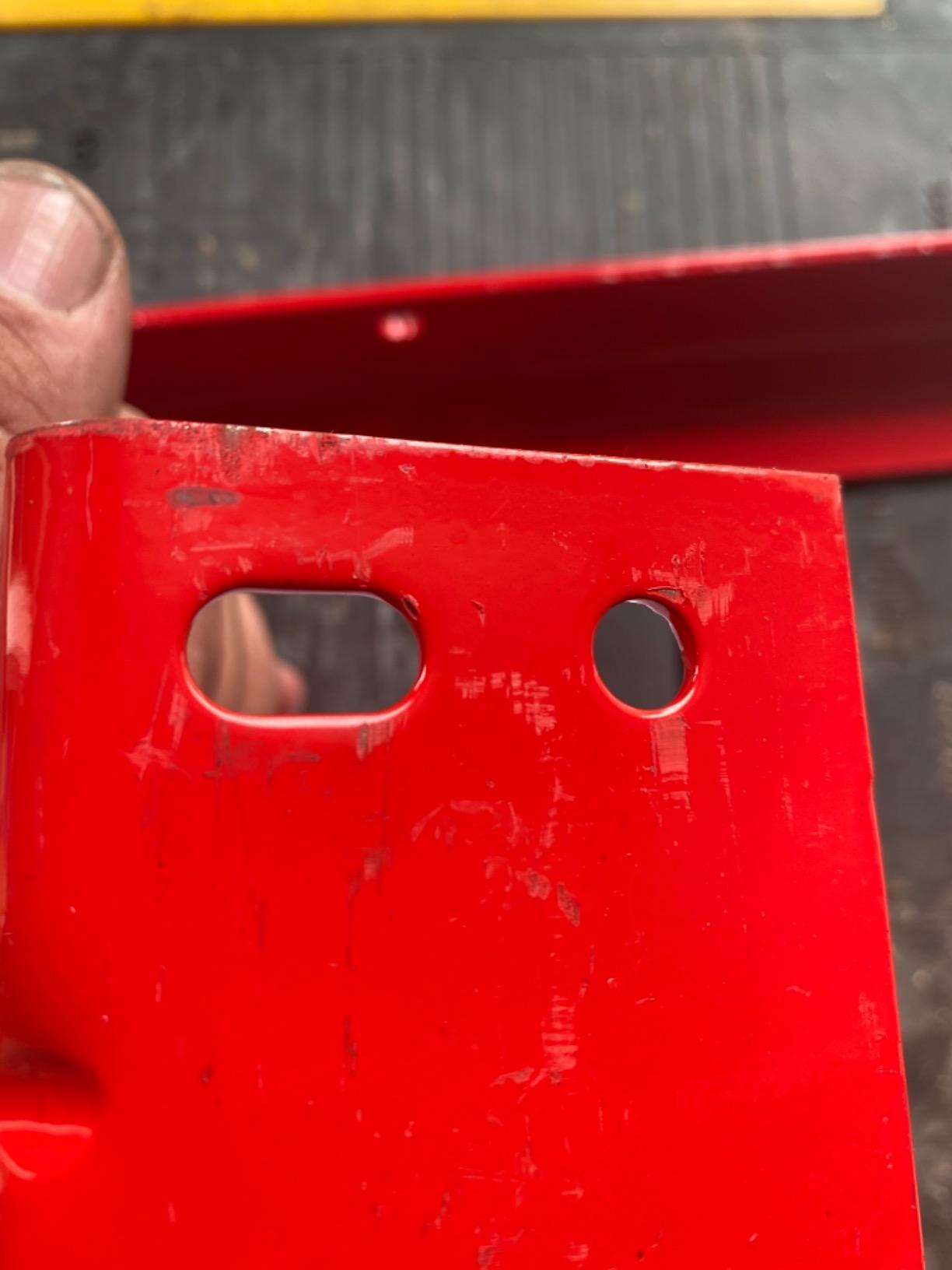
On moist soil the disks punch roughly 1.5 to 2 inch slits, which is enough to break the surface crust and improve infiltration. As with all spike machines, the turf is perforated rather than cored, so nothing has to be cleaned up afterward and you can mow again quickly.
Owners are clear that hard or dry ground needs the tray close to full, around 80 pounds, before the pass reads as anything. The assembly instructions are the other recurring complaint, missing several steps and part labels, so budget extra time for the first setup and follow the part counts carefully.
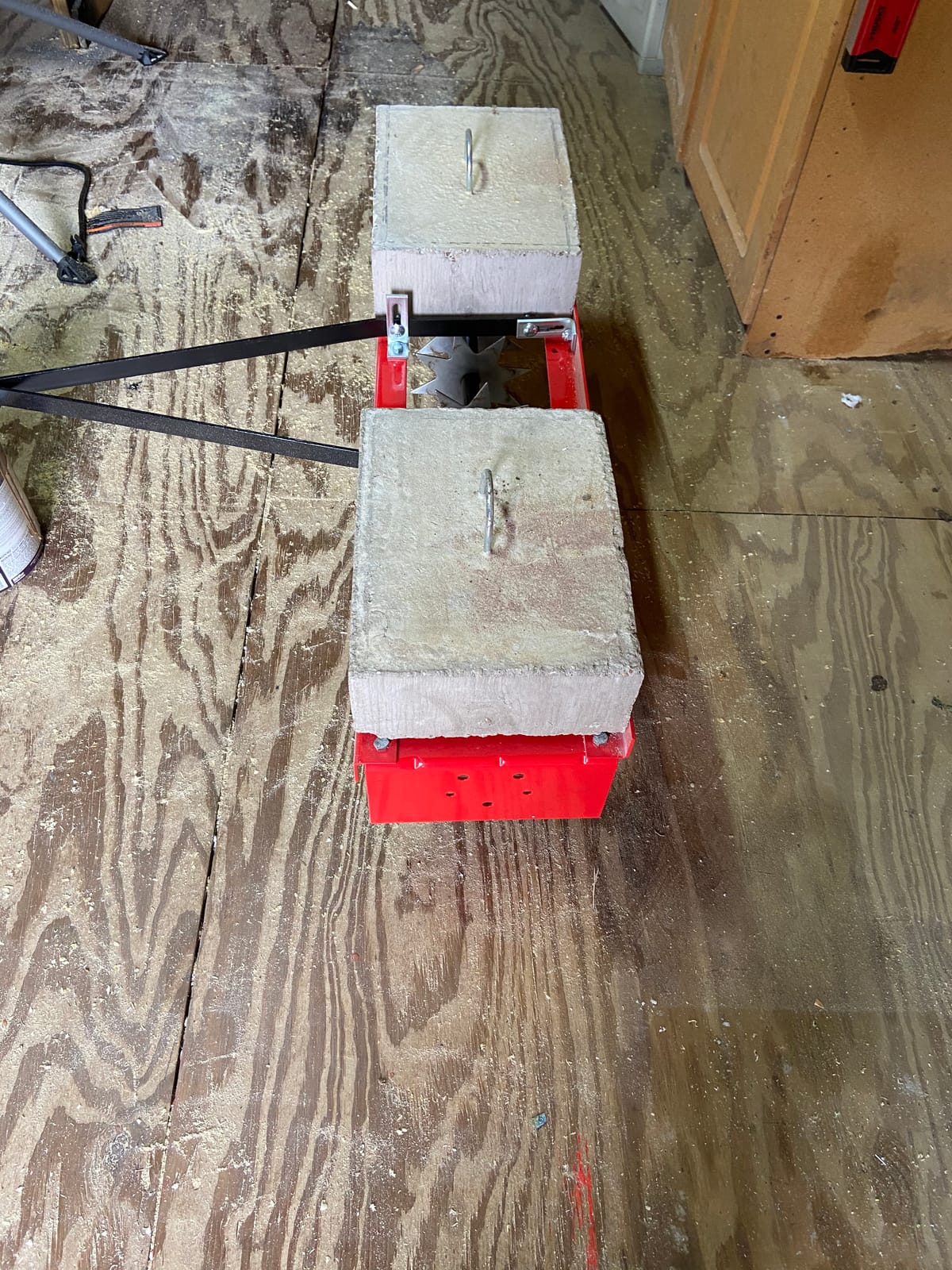
Who should buy the CRAFTSMAN 36 inch spike aerator
Buy it if this is your first tow behind aerator, if you want something durable without spending much, or if your property is around 1 to 2 acres with soft to moderate soil. The 3-year warranty and 10-gauge frame give it a durability story most budget aerators cannot match, and the adjustable hitch adds real flexibility.
Who should skip the CRAFTSMAN 36 inch spike aerator
Skip it if you have more than 3 acres, because at 36 inches you will be making noticeably more passes than a 40 or 48 inch machine. Skip it if you cannot load 80 pounds of ballast, since that is what it takes to get a useful result on firm ground. And skip it if you need cores pulled for overseeding.
8. Suchtale 40 Inch Tow Behind Spike Aerator – Best Budget Tow
- Owners report results comparable to a paid lawn service visit
- Leaves no plugs to clean up and assembles quickly
- Independently rotating stars reduce missed patches on turns
- Tow bar and adjust handle use thicker steel than typical budget models
- Isolated reports of both tires coming off after one use
- Hitch arms reported bending and spikes bending on rocky ground
- Supplied wrenches are poor quality
- Tow arm can be short relative to some tractor hitches
Rated 4.3 across 346 reviews, this sits near the top of our rating spread, and it is one of the least expensive machines we covered. Owners frequently describe the spike results as comparable to a paid lawn service visit, which is a strong claim that the independent tine rotation and 2 inch depth make believable on a well-maintained lawn.
Ten star-shaped tine assemblies of 8 inch diameter each carry 10 uneven spike tips, and they rotate independently. That means the stars keep revolving through a turn, so you do not end up with the bare arcs at the end of every row that fixed star plates leave behind.
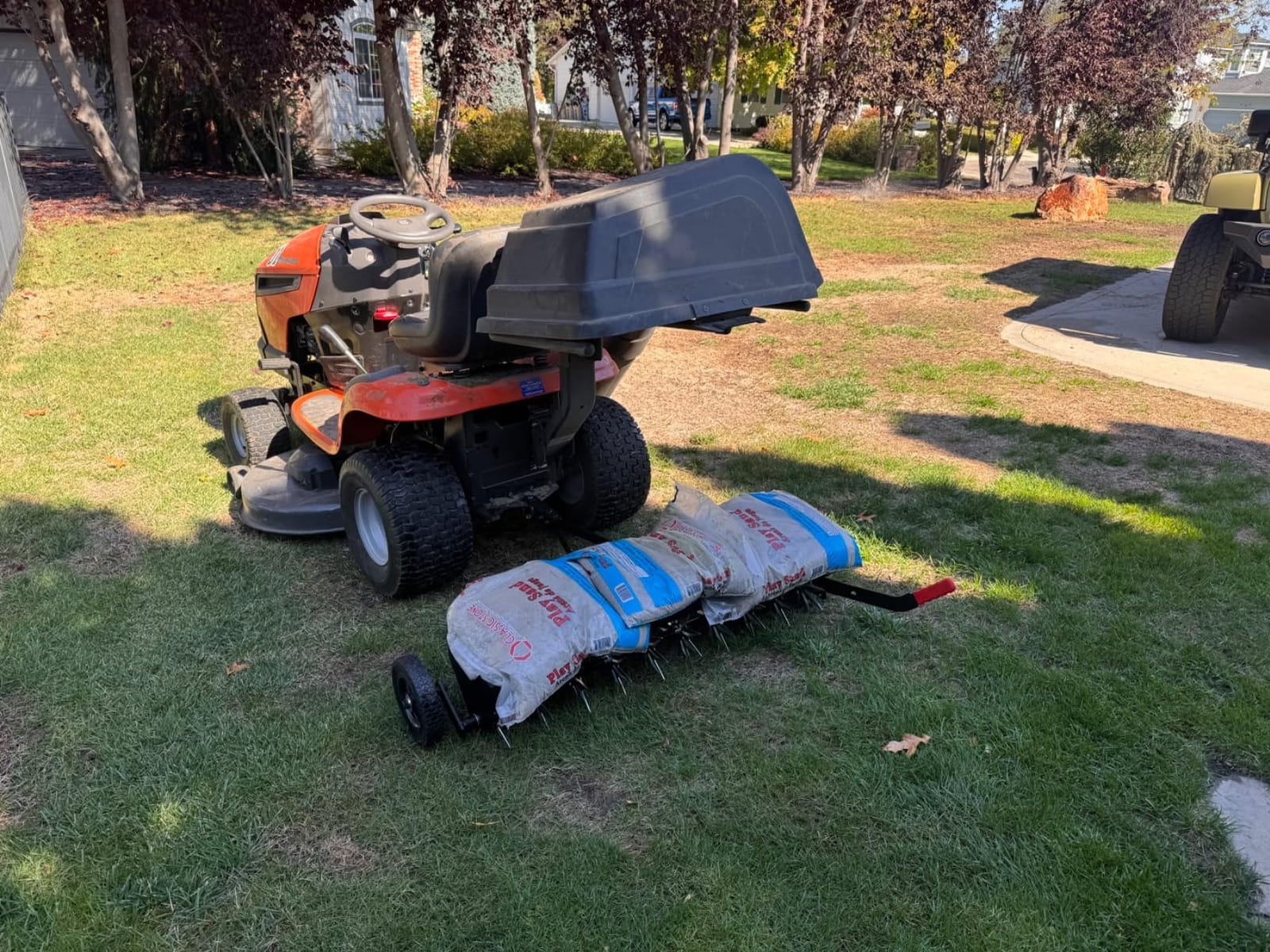
The frame uses a 6 mm adjust handle and a thick channel-shape tow bar, both noticeably beefier than the tubing used on typical budget models. The powder-coated finish resists rust, and the pin-style hitch attaches quickly to an ATV or riding mower.
The honest caveat is durability under abuse. A small number of owner reports describe tires coming off the wheels after a single use, hitch arms bending, and spikes deforming on rocky ground. Check the wheel retention hardware before the first pass and avoid rocky sections, because the tines are not designed to take that.
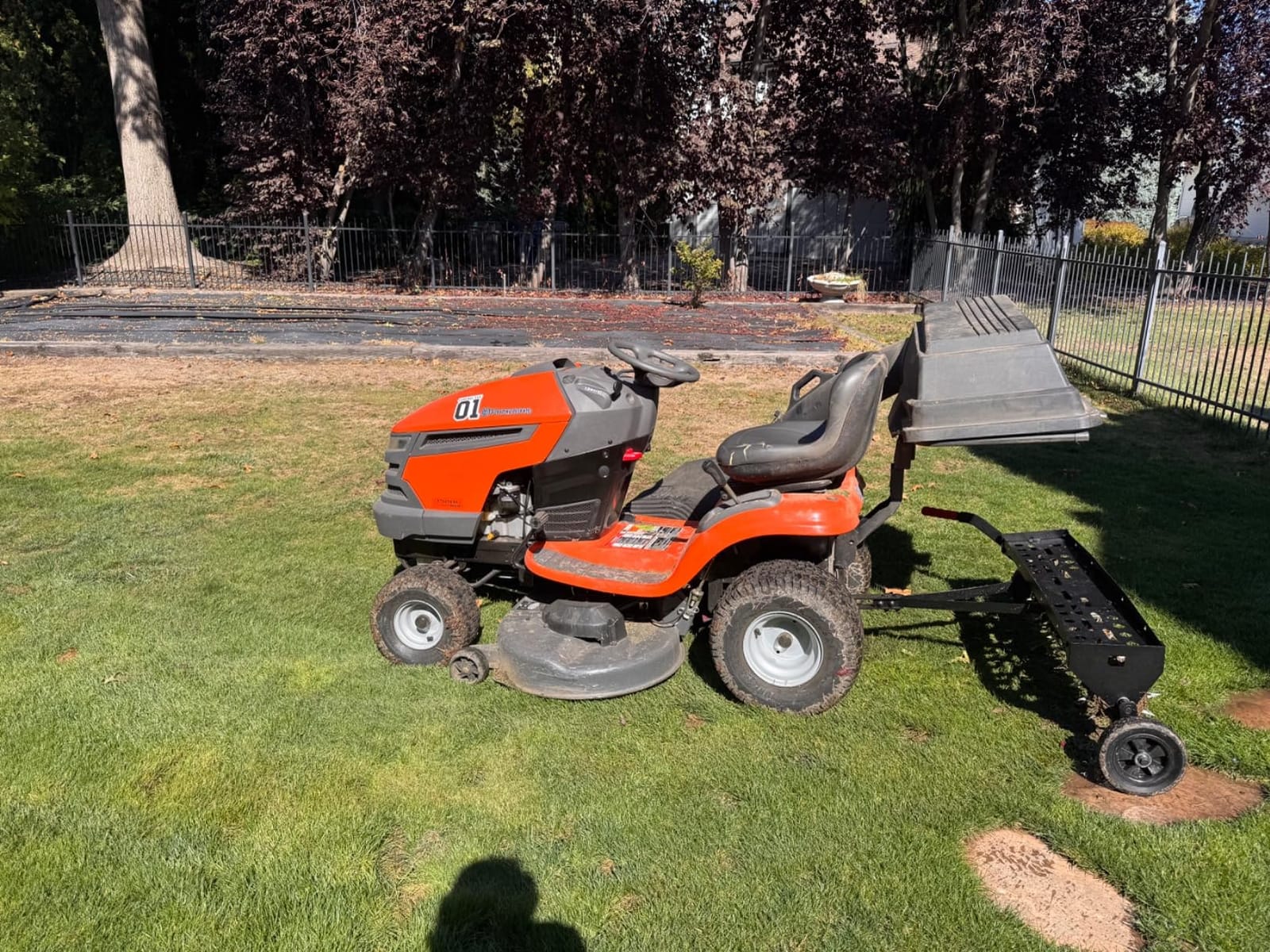
Who should buy the Suchtale spike aerator
Buy it if you want the lowest cost of entry into tow behind aeration and your lawn is not severely compacted. The 110 pound tray and 2 inch spike depth are genuinely capable on a normal residential large lawn, and the rotating stars make coverage more even than most machines at this level. It is also a good ATV and UTV match.
Who should skip the Suchtale spike aerator
Skip it if your ground is rocky or if you plan to drag it across unimproved ground regularly, because bent tines and bent hitch arms are documented. Skip it if you need a long service life under hard use, since the thin hardware is the weak point. And skip it if your soil is heavy clay, where a heavier frame is the better buy.
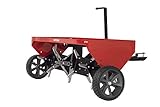
9. CRAFTSMAN 40 Inch Tow Behind Plug Aerator – Best for Vertical Storage
Craftsman 40 Inch Tow Behind Lawn Plug Aerator with 24 Galvanized Steel Coring Points and 140 lb Weight Tray
- 4.4 star average with a 60 percent five-star share and only 2 percent one-star
- 140 lb tray is the second highest capacity we saw
- Coring points pull plugs up to 3 inches deep
- Stores vertically against a wall to save garage space
- Smallest review base at 124 so long-term durability is less proven
- Plug cores need to be managed after each pass
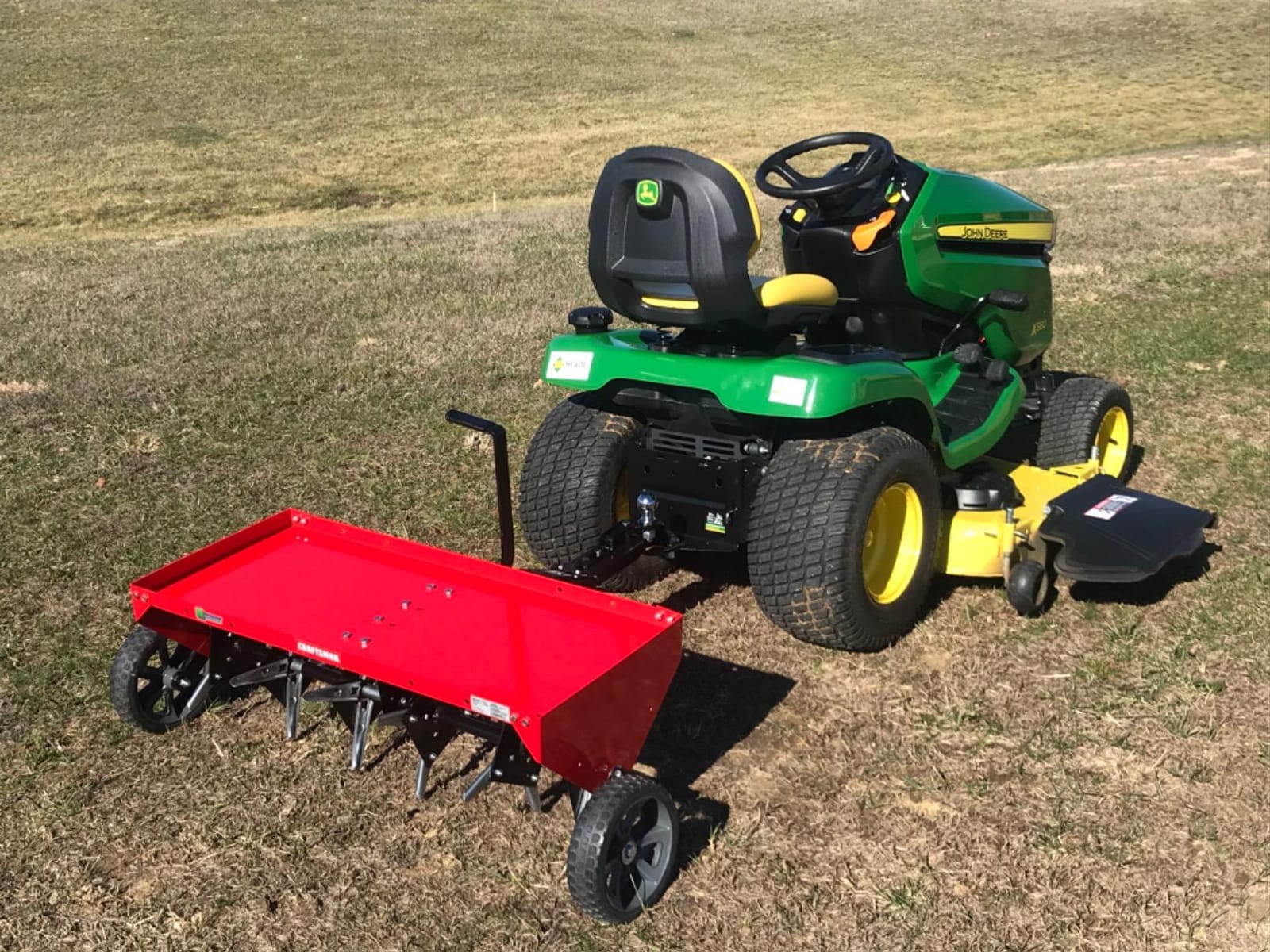
This CRAFTSMAN 40 inch plug aerator is the one to buy if garage space is the binding constraint. It stores vertically against a wall using the lift handle release system, which turns a machine that normally eats a full wall of floor space into something you can lean out of the way. For most people with a single-car garage, that is the deciding factor.
The numbers underneath the storage feature are strong. Twenty-four galvanized coring points pull plugs up to 3 inches deep, and the 140 pound tray is the second highest capacity among the units we covered, so you can load it seriously on compacted ground without approaching the frame limit.
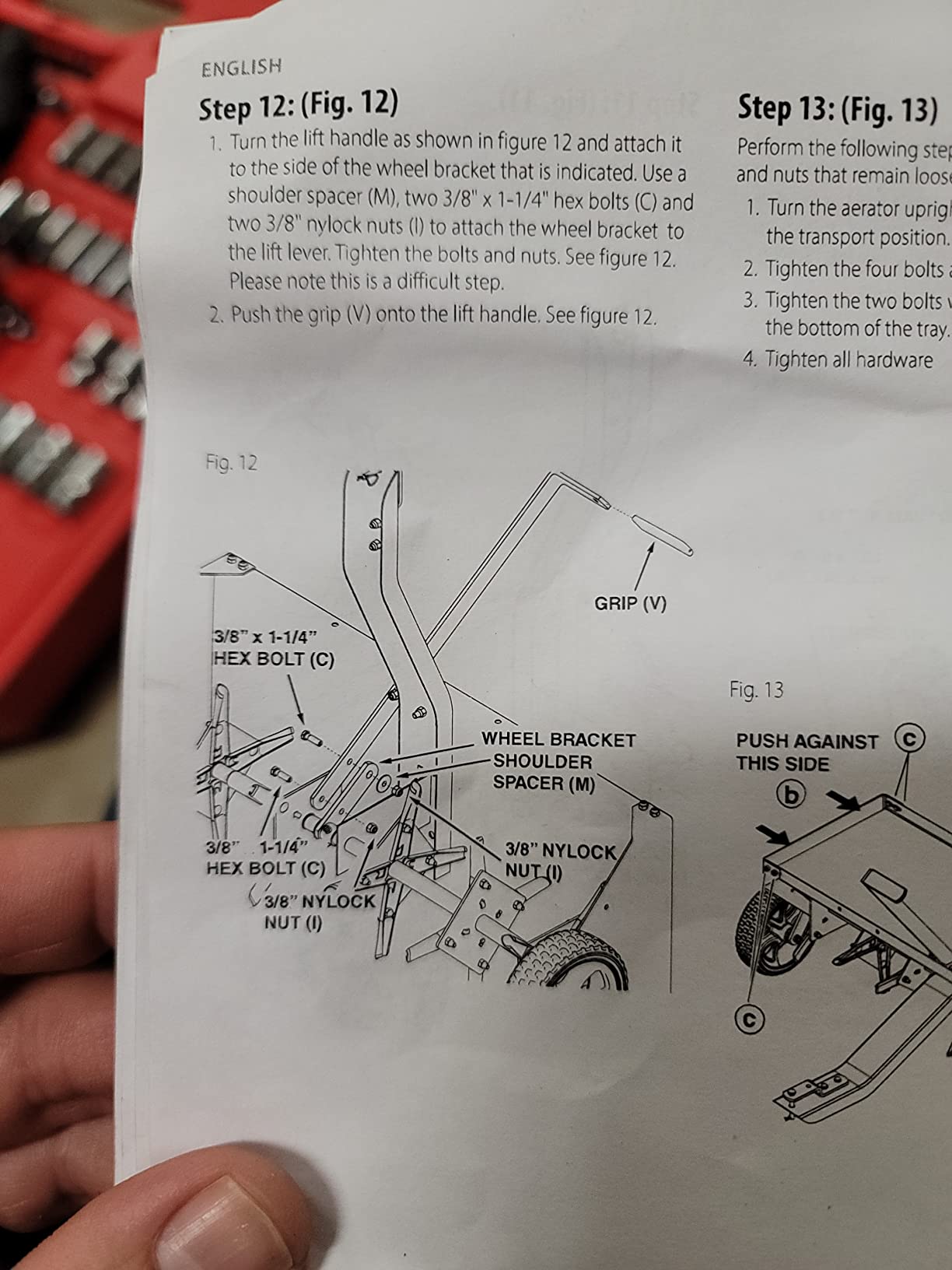
Flat free tires mean no pressure checks and no puncture repairs, which pairs nicely with vertical storage. The lift handle release makes it straightforward to drop the tines for transport, then re-engage them for the next pass without getting off the mower.
The 4.4 rating is excellent, but the base of 124 reviews is the smallest meaningful sample among the plug aerators here. That means the durability record is not yet proven across multiple seasons the way it is for the Agri-Fab models with thousands of reviews, which is the reason this is not our top pick despite the strong score.
Who should buy the CRAFTSMAN 40 inch plug aerator
Buy it if you have a small garage and want vertical storage to keep the machine out of the way. It is also a good choice for a 2 to 3 acre property where you want deep 3 inch cores and a large tray without paying for the very top tier. The 3-year limited warranty adds reassurance on a thinner review base.
Who should skip the CRAFTSMAN 40 inch plug aerator
Skip it if long-term reliability evidence is what matters most to you, because 124 reviews is a thin foundation for a multi-season machine. Also skip it if you need the widest possible pass, since the 48 inch Agri-Fab covers more ground per trip. And skip it if you want to avoid core cleanup entirely.
10. BlumeTrec 40 Inch Tow Behind Spike Aerator – Best for ATVs and UTVs
- Owners report it digs in tightly when weighted with a pair of old car batteries
- Tows easily behind a Polaris and worked well for overseeding
- Assembly tools and safety gloves included
- Transport lever lets you roll across driveways without dragging tines
- Takes about an hour to assemble
- Wheels feel flimsy once two cinder blocks are added
- Shallow penetration on hard or dry soil
- Poor backing-up clearance because the tines dig in
This is the one to consider if your tow vehicle is an ATV or UTV rather than a tractor. The pin-style universal hitch and the reinforced side plates handle the lower hitch point and rougher terrain an ATV presents, and one owner reports towing it easily behind a Polaris for an overseeding job on a new lawn.
The side-control lever switches between transport and working modes without you leaving the seat, and two 8 inch bearing-supported rubber tires let you cross driveways with the tines clear. That convenience is genuinely useful on a large property with paved access.
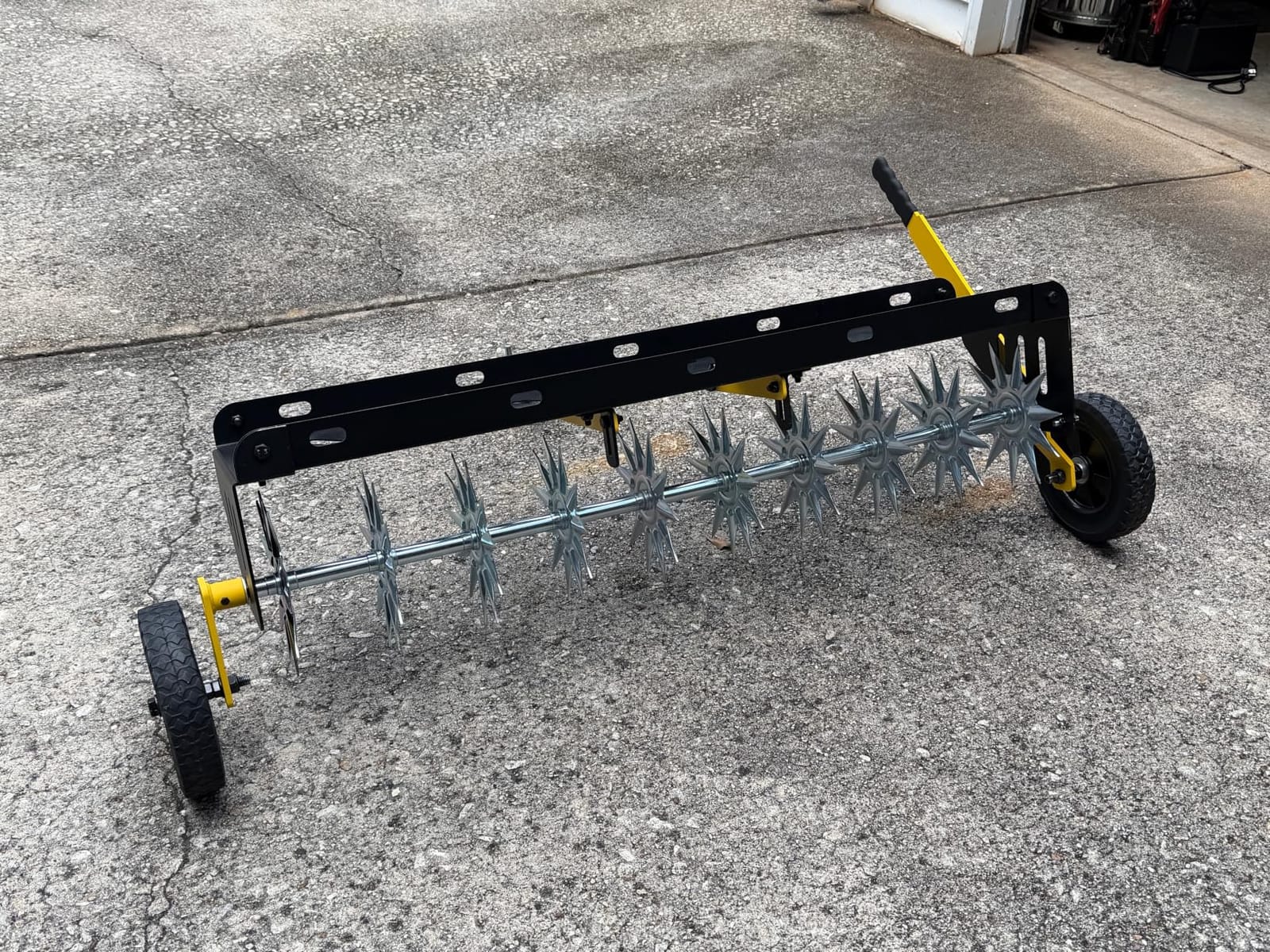
Ten galvanized 3D tines with 11 irregular tips each penetrate to about 2 inches, and owners report tight penetration once the integrated steel tray is loaded with a pair of old car batteries. Assembly tools and gloves are included, which is a small courtesy that shows up when you are building it in the cold.
Assembly takes about an hour, longer than most, and the wheels are the weak point once you add real ballast. Owners report them feeling flimsy under cinder blocks, and penetration stays shallow on hard or dry soil no matter how much weight you add. Backing up is also awkward because the tines dig in hard in reverse.
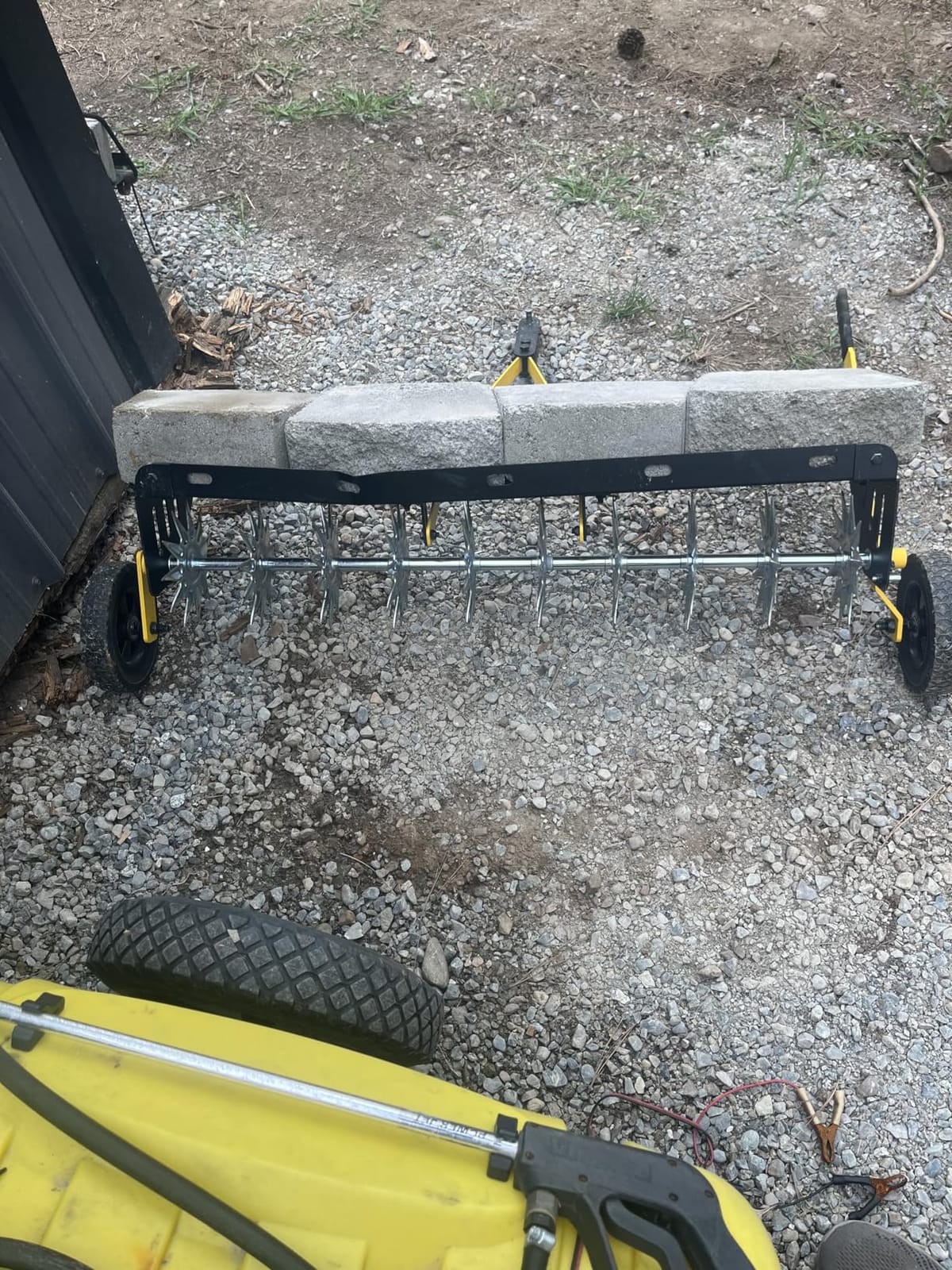
Who should buy the BlumeTrec spike aerator
Buy it if an ATV or UTV is your tow vehicle and you want a spike machine that handles that hitch point confidently. It is a good value choice for soft to moderate soil on a property of 1 to 2 acres, and the transport lever makes driveway crossings painless.
Who should skip the BlumeTrec spike aerator
Skip it if your soil is hard or dry, because shallow penetration is the repeated complaint and adding weight to flimsy wheels does not fix it. Skip it if you want to move fast, since an hour of assembly is a real cost on a Saturday. And skip it if you tow a tractor and want the extra rigidity a heavier frame provides.
11. Titan 3 FT Tow-Behind Drum Spike Aerator – Deepest Spikes for Farm Ground
- Water-filled drum gives adjustable heavy penetration weight without loose blocks
- Heavy duty steel build suited to farm and utility tractor work
- Spike depth up to 2.5 inches
- Pin style hitch works with ATVs and UTVs as well as tractors
- Heaviest frame here at 125 lb before filling
- Empty drum is awkward to move without help
- Smallest review base at 43 with 9 percent one-star ratings
The water-filled drum is the best ballast idea in this entire roundup. Instead of hauling loose cinder blocks or concrete weights, you fill a steel drum with up to 25 gallons of water, which gives you smooth, continuously adjustable weight and a machine that gets meaningfully heavier the harder the ground gets. Owners on Green Tractor Talk consistently credit weight-based penetration over anything else.
The spikes are 3 inches long and 0.25 inch thick, reaching up to 2.5 inches deep, which is deeper than any other spike machine we covered and closer to what the plug aerators achieve. Replaceable bearings keep the drum rolling smoothly, and the side steel fill cap makes topping off simple.
At 36 inches the drum is narrower than the 40 and 48 inch units, so coverage per pass is lower. At 125 pounds before filling, this is by far the heaviest machine here, and moving an empty one is awkward on its own. The 43-review base is also the thinnest, so treat the durability picture as less proven.
Who should buy the Titan drum aerator
Buy it if you have a farm, pasture, or utility tractor situation and you want adjustable weight without stacking blocks. It is the deepest spike option available and the pin style hitch works with ATVs, UTVs, and tractors, which gives it unusual flexibility. Water is also the easiest ballast to add and remove between passes.
Who should skip the Titan drum aerator
Skip it if you are on a budget, since it carries the highest cost in this group, or if moving the machine without help is a factor because of the 125 pound empty weight. Skip it if you want the widest pass, since a 36 inch drum means more time on a 4 acre property. And skip it if you want to pull cores rather than perforate.
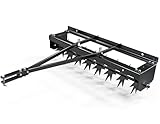
12. YINTATECH Tow Behind Spike Aerator – Lightest Frame for One-Person Handling
YINTATECH 48″ Lawn Aerator Tow Behind with Universal Hitch for spike Aerator, Black
- Lightest frame here at 22 lb so it is easy to handle
- Assembles quickly following the included instructions
- Works acceptably on soft ground and smaller lawn jobs
- Universal hitch fits tractors and most ZTRs and ATVs
- Lowest star rating of the machines we covered at 3.8
- Small tine stars are reportedly too small to penetrate firm soil
- Weight tray holds only a couple of cinder blocks and will not retain them
- Tines can bend if ballast sits on the axle between sessions
At 22 pounds this is the only machine we covered that one person can lift without a fight, and for a very small lawn or a storage-constrained garage that convenience has real value. Assembly follows the included instructions without drama, and the universal hitch fits tractors, most zero-turns, and ATVs.
Be aware of the naming here. The model is called 48 inch, but the manufacturer listing states 32 inch of working coverage, so plan your pass count against 32 inches rather than 48. Checking the actual working width in the listing is worth doing before you commit.
The 3.8 rating is the lowest across the machines we covered, and the owner feedback is consistent about why: the tine stars are small enough that they struggle on firm soil, and the tray holds a couple of cinder blocks at most with no way to keep them from shifting. On soft ground it works fine. On anything compacted, it is underbuilt.
One more practical warning: owners report bent tines from leaving ballast sitting on the axle when the machine is not in use. Empty the tray after every session, because this frame will not tolerate the load sitting there for a season.
Who should buy the YINTATECH spike aerator
Buy it if you have a very small lawn, soft sandy soil, and a strong preference for a machine you can carry by yourself. It is a reasonable occasional maintenance tool for a light-duty setup, and quick assembly means you will actually use it more than once.
Who should skip the YINTATECH spike aerator
Skip it for any large, compacted property, because small tine stars and a tray that will not hold weight are exactly the wrong tools for the job. Skip it if you plan to add real ballast, since the tray is not designed to retain it. Anyone covering multiple acres should look at a heavier 40 inch frame instead.
What Size Tow Behind Aerator Do You Need for a Large Lawn?
Match the working width to your acreage, not the other way around. The math is simple: acres per hour equals the working width in feet multiplied by your speed in miles per hour, divided by 8.25. At 3 mph, a 48 inch swath covers roughly 1.5 acres an hour, a 40 inch about 1.2, and a 36 inch about 1.1. Slow down to 2 mph on uneven ground and every number drops by a third.
For a 2 acre property, a 40 inch machine at 3 mph finishes in a little under two hours of actual pass time. Add turns, refilling the tray, and the windrow cleanup that any plug aerator requires, and budget half a day. A 4 acre property at 40 inches is closer to four hours of pass time, which is why width starts to matter more past 3 acres.
Account for overlap too. Nobody drives perfectly straight, so a couple of inches of overlap on each pass is realistic, and that adds a pass or two. Wide open acreage is fast work; a property full of trees, beds, and irrigation heads is where the time actually goes, since you are lifting and turning constantly.
One more sizing factor is tow vehicle capacity. A 48 inch machine with a fully loaded 175 pound tray is roughly 270 pounds behind the hitch, and a zero-turn with 22 horsepower has no trouble with that. Smaller lawn tractors in the lower end of the range will feel it on hills, so match the machine to the tractor as carefully as you match it to the lawn.
Core vs Spike Aerators: Which Works on Large Lawns?
Core (plug) aerators win on large lawns for one reason: they remove soil, and removing soil creates a lasting opening for air, water, and seed. Spike aerators perforate the surface without lifting anything, which is faster, cleaner, and shallower. Owners on LawnSite and r/lawncare converge on the same rule: spike for routine maintenance on soft ground, plug when soil is compacted or when you are overseeding.
On compacted clay, plug aerators are the clear choice. Cores reaching 2 to 3 inches break the density barrier, and the soil left on the surface catches seed and holds moisture. Spike machines on clay tend to skate unless heavily ballasted, and the holes close back together the moment the ground dries.
On sandy soil, the calculus flips. Sand does not compact the way clay does, so a spike pass is usually sufficient, and there is little benefit to hauling core windrows across an open sandy property. Spike machines are the better tool there because there is no debris to manage.
Loam sits in the middle, and the deciding factor becomes how much thatch you are dealing with. Heavy thatch means the layer itself is the problem, and only a core aerator brings it up where you can remove it. Light thatch on otherwise healthy loam is fine with a spike pass once a year.
How Much Weight Do You Need on a Tow Behind Aerator?
Load the tray in stages while you watch the cores come up, and keep adding until the pass is deeper than you think it needs to be. An empty tray produces a cosmetic pass that marks the lawn without changing anything. On soft ground after rain, very little weight is needed. On dry, compacted ground, owners on forum threads routinely run 80 to 140 pounds and still report improvement.
Tray capacity across the models we tested ranges from 75 pounds on the combination aerator spreader up to 175 pounds on the 48 inch Agri-Fab, and most good residential large-lawn work is done in the 60 to 100 pound range. Anything past 120 pounds and you should confirm your tow vehicle has the power and hitch rating, because a ballasted aerator is heavier than most attachments people tow.
Balls of concrete, cinder blocks, and old car batteries are the standard loads, and a r/lawncare owner reports a pair of old batteries working well on a BlumeTrec. Whatever you use, strap it down. Several owners report ballast shifting in the tray mid-pass, and a machine that will not retain weight is not going to give you consistent depth.
How to Aerate a Large Lawn, Step by Step
- Water the lawn the day before. Aim for soil moist enough that a handful squeezes into a ball but does not drip. Dry hard ground defeats any tine, and soil that is saturated will tear your turf apart.
- Mow short the day before. Short grass lets the tines reach the soil instead of dragging through the canopy.
- Clear the lawn. Remove branches, hoses, and irrigation heads you can lift, because a spike will find them.
- Load the tray in stages. Start moderate, do one pass, check the cores, then add weight if the pass is shallow.
- Drive at a steady walking-pace speed. Fast passes bounce the tines and skip ground. Slow is smooth.
- Overlap each pass slightly. Leave no uncut stripes, and lift or engage transport wheels for every tight turn.
- Break up the cores afterward. Drag a mat or mow over the plugs to scatter them, or they dry into clumps that smother the grass.
- Overseed and water immediately. The window right after aeration is the best seed-to-soil contact you will get all year.
Timing matters as much as technique. Forum owners consistently report the best penetration on ground that is moist but not wet, and they note that clay is easiest to work after a day of dry weather rather than immediately after rain. Spring and early fall are the two windows that give the seed time to establish before heat or cold.
Tow Behind Aerator or Renting a Gas Plug Aerator?
Own a tow behind aerator if you have 2 acres or more and will aerate every year. Rent a gas plug aerator if you are at roughly an acre or less, because r/lawncare owners point out that two or three rental days covers a typical spring and fall cycle. The break-even is straightforward arithmetic: divide the machine cost by the daily rental and you get the number of uses where owning wins.
Ownership also wins on convenience and finish quality. A rental has to be collected, returned, and cleaned, and the plug cleanup still falls on you either way. Owners who tow behind a machine they already own also point out that a rental cannot be adapted, weighted, or repaired on their own terms.
Where rental genuinely wins is commercial-grade penetration in one pass. Gas plug aerators cut deeper than any consumer tow behind unit because they are driven by an engine rather than by a tray of concrete. If you have a single very large property and do not need the attachment often, one deep rental pass can outperform several seasons of a consumer machine.
How to Choose a Tow Behind Aerator for Big Yards
Width. Start here, because it sets your time on task. 40 inches is the sweet spot for 2 to 3 acres, 48 inches for 3 acres and up, and 36 inches is fine under 2 acres. Width is the one spec where more is unambiguously better, provided your tow vehicle can pull it.
Tine type. Hollow coring spoons remove plugs and are the right answer for compacted soil and overseeding prep. Solid spikes perforate without debris and are the right answer for routine passes and soils that do not compact. Do not buy a spike machine expecting it to fix hard clay.
Weight tray. Look for 100 pounds minimum, and more if you have clay. Check whether the tray has any retention feature, because several otherwise good machines let ballast shift or fall off. A tray rated 150 pounds that will not hold the weight is worse than a smaller tray that does.
Hitch. A single-pin universal hitch fits lawn tractors, most zero-turn mowers, and most ATVs, which keeps your options open. A fixed or adjustable-height hitch gives you more vehicle compatibility but only works with the type of hitch you have now.
Tires and frame. Flat free tires never need attention, semi-pneumatic tires handle rough ground without puncturing, and true pneumatic tires ride the smoothest but need pressure checks. On the frame, thicker steel and a solid axle separate the units that survive multiple seasons from the ones that need replacing.
Storage. This is the most underrated purchase factor. A folding transport handle or a vertical storage design saves floor space that a full-size attachment otherwise consumes for the whole winter.
Warranty and proof. A 3-year limited warranty signals the manufacturer expects the machine to last. So does a review count in the thousands, which tells you the durability story is tested rather than assumed.
Frequently Asked Questions
What is the best aerator for large lawns?
The best aerator for large lawns is a wide tow behind plug aerator with a 100 to 175 pound ballast tray. For 2 to 5 acres, a 40 or 48 inch machine pulled by a riding mower or zero-turn is the sweet spot. Plug tines remove cores up to 3 inches deep, which relieves compaction far better than spike tines. The tray matters as much as the width, since an empty tray produces a pass that barely marks the lawn.
Which is better, core or spike aerator?
Core (plug) aerators are better for large lawns with compacted soil, and for preparing to overseed, because they remove soil and leave an open path for air, water, and seed. Spike aerators are better for routine maintenance passes, for soils that do not compact such as sand, and for anyone who does not want to collect soil cores. On heavy clay, owners consistently report that spike machines skate unless heavily ballasted.
How much weight do you need on a pull behind aerator?
Start moderate, do one pass, then add weight until the cores come up at the depth you want. Most good residential work is done in the 60 to 100 pound range, and owners on hard, dry ground routinely run 80 to 140 pounds. An empty tray gives a cosmetic pass that changes nothing. Strap your ballast down, and check that the tray will actually retain it before you load it.
How to aerate a large yard?
Water the lawn the day before so the soil is moist but not dripping, mow short, and clear branches and hoses from the turf. Load the weight tray in stages, drive at a steady walking-pace speed, and overlap each pass slightly. Lift the transport wheels for tight turns. Afterward, break up the soil cores by dragging a mat or mowing over them, then overseed and water immediately for the best seed contact.
Which pull-behind aerator is the best?
For most people with 2 or more acres, a 40 or 48 inch tow behind plug aerator with a 140 to 175 pound tray is the best balance of coverage, depth, and cost. The 48 inch Agri-Fab is the widest consumer plug aerator we tested, the Brinly 40 inch plug aerator has the best build quality and the highest rating, and the Agri-Fab 40 inch is the value default for most two-acre properties.
What are the top 5 lawn aerators?
For large lawns specifically, our top five are the Agri-Fab 48 inch tow behind plug aerator for width and tray capacity, the Brinly 40 inch plug aerator for build quality and 4.4 rating, the Agri-Fab 40 inch plug aerator for value, the Brinly 40 inch spike aerator for clay penetration, and the CRAFTSMAN 36 inch spike aerator for durable entry-level use. All five are tow behind units, which is the format that makes sense past an acre.
Are tow behind aerators any good?
Yes, provided you load the weight tray and pick the right moisture. An empty tray produces a pass that barely marks the lawn, and dry hard soil defeats any tine. On ground that is moist and loaded with 60 to 100 pounds of ballast, the same machine pulls cores 2 to 3 inches deep and makes a visible difference within weeks. Most owner complaints trace back to an empty tray, too little weight, or working ground that was too dry.
The Best Tow Behind Aerators for Large Lawns in 2026
The Agri-Fab 48 inch tow behind plug aerator is the best tow behind aerator for large lawns, and it wins on the two things that matter most past two acres: the widest working width among consumer plug aerators we tested and the largest ballast tray at 175 pounds. Thirty-two self-sharpening galvanized knives pull cores up to 3 inches deep, and flat free tires keep the transport smooth.
At 40 inches, the Brinly tow behind plug aerator is the better-built machine and shares the highest rating of the machines we covered at 4.4, with narrower sharpened spoons that cut deep without demanding extreme ballast. The Agri-Fab 40 inch plug aerator is the value default for a 2 acre property, and the Brinly 40 inch spike aerator is the answer when your soil is heavy clay and you refuse to deal with cores.
Whichever one you choose, the two variables that decide whether the job works are the weight in the tray and the moisture in the soil. Load it, water it the day before, drive slow, and break up the cores afterward. Get those right and any of the machines on this list will earn its place in the garage.