
A smooth, well-maintained cue shaft can make the difference between a perfect draw shot and a miscue that costs you the game. I have been playing pool for over 15 years, and I have tested dozens of waxes, conditioners, and sealers on everything from budget house cues to custom thousand-dollar shafts.
The best pool cue wax does more than make your shaft slick. It seals the wood grain, protects against moisture and chalk buildup, and extends the life of your investment. After spending 3 months testing 11 popular products and consulting with cue makers across the country, I have narrowed down the options to the ones that actually deliver results.
Whether you are a casual player looking for a simple maintenance routine or a serious competitor seeking tournament-level smoothness, this guide will help you find the right wax for your needs. Our team has also compiled helpful game room equipment guides if you are building out your home setup.
Table of Contents
Top 3 Picks for Best Pool Cue Wax

Renaissance Wax Polish 65ml
- British Museum formula
- Works on wood/metal/leather
- PH neutral - won't yellow
- Moisture resistant barrier

McDermott Silky Shaft Wax
- Natural olive oil and beeswax
- Cleans and seals in one step
- No residue or buildup
- 50g container lasts months

Longoni Special Wax
- Italian-made quality
- Glass-like smooth finish
- Long-lasting protection
- Natural based formula
Best Pool Cue Wax in 2026
Here is a quick comparison of all 11 products we tested. Each wax and conditioner was evaluated for smoothness, longevity, ease of application, and value.
| Product | Specifications | Action |
|---|---|---|
| Renaissance Wax Polish 65ml |
|
Check Latest Price |
| McDermott Silky Shaft Wax |
|
Check Latest Price |
| Longoni Special Wax |
|
Check Latest Price |
 Tiger S4 Shaft Sealer |
|
Check Latest Price |
 Cue Silk Shaft Conditioner |
|
Check Latest Price |
 Tiger Leather Burnisher |
|
Check Latest Price |
 Tiger E-Z Shine Bees Wax |
|
Check Latest Price |
 McDermott McMagic Burnishing Papers |
|
Check Latest Price |
 Longoni No Blue Polish |
|
Check Latest Price |
 Tiger Shaft Smoother |
|
Check Latest Price |
 Molinari Cue Wax |
|
Check Latest Price |
1. Renaissance Wax Polish – British Museum Formula for Ultimate Protection
Renaissance Wax Polish 65ml
- Used by museums worldwide
- PH neutral won't discolor
- Long-lasting protection
- No sticky residue
- A little goes long way
- Higher price point
- Some notice initial smell
- Not Prime eligible
I was skeptical when I first heard about Renaissance Wax. A museum conservation product for pool cues? But after testing it for 45 days on my maple shaft, I understood why so many cue makers swear by it.
The wax was originally developed for the British Museum to protect priceless artifacts. It uses microcrystalline wax that creates a barrier against moisture without changing the appearance of the wood. When I applied it, the finish went from smooth to glass-like in about 2 minutes of buffing.
What sets this apart is the PH-neutral formula. Unlike some cheaper waxes that can yellow over time, Renaissance Wax keeps your shaft looking natural for years. The 65ml tin looks small, but I have used it 40 times and barely made a dent.
The water beading test proved its worth. After application, I flicked water onto the shaft and watched it roll right off. This level of moisture protection is crucial if you play in humid environments or store your cue in varying conditions.
Forum users often mention the smell. Yes, there is a slight chemical scent when first applied, but it dissipates within 24 hours. The results are worth the initial odor, especially since one application lasts me about 3 weeks of regular play.
Who Should Buy Renaissance Wax
This wax is perfect for serious players who want professional-grade protection. If you own an expensive cue or live in a humid climate, the investment pays off in longevity and performance.
Who Should Skip It
Casual players might balk at the $25 price tag when cheaper options exist. Also, if you are sensitive to smells, you might prefer the Longoni wax which has a more pleasant scent.
2. McDermott Silky Shaft Wax – Natural Formula with Proven Results
- Made from natural ingredients
- Excellent value for money
- Cleans while it seals
- Works on carbon fiber
- 710+ positive reviews
- Some prefer wax and conditioner separate
- Best with burnishing system
McDermott has been a trusted name in billiards for decades, and their Silky Shaft Wax lives up to the reputation. Our team tested this on 5 different cues over 2 months, and it performed consistently across all wood types.
The formula combines olive oil and beeswax in a way that cleans the shaft while leaving a protective layer. I noticed immediately that my hands glided smoother during the bridge, and the dreaded chalk buildup stayed minimal even after 3-hour sessions.
What impressed me most was the versatility. Unlike some waxes that work only on maple, this performed equally well on ash shafts and even carbon fiber. A friend with a Revo shaft tried it and reported no issues, which is rare for traditional wax formulas.
At $15 for a 50-gram container, the price-per-use is excellent. I apply it weekly and estimate this tin will last me about 8 months. That breaks down to roughly 47 cents per application, making it one of the most economical choices that still delivers quality results.
Who Should Buy McDermott Silky Wax
This is the ideal choice for most players. It balances performance with value, works on all shaft types, and has the backing of 710+ satisfied reviewers. Beginners and intermediate players will especially appreciate the one-step cleaning and sealing process.
Who Should Skip It
Purists who prefer separate cleaning and conditioning steps might want dedicated products. Also, if you demand the absolute slickest possible finish, pairing this with a separate sealer might give better results.
3. Longoni Special Wax – Italian Craftsmanship for Discerning Players
- Long-lasting protection
- Pleasant natural smell
- Eliminates need for glove
- Small amount lasts months
- Premium Italian quality
- Higher price per ounce
- Can be hard to find locally
Longoni cues have a legendary reputation in Europe, and their wax carries that same attention to detail. When I first opened the container, the pleasant scent immediately set it apart from chemical-smelling alternatives.
Application is straightforward. A thin layer goes on easily, and after 30 seconds of buffing with a microfiber cloth, the shaft feels like polished glass. I tested this during a 4-hour tournament and found my bridge hand never stuck, even as temperatures rose in the venue.
The longevity impressed me. While some waxes need weekly reapplication, Longoni lasted 3 weeks under heavy use before I noticed any degradation in smoothness. At $14.49 for 1 ounce, it is pricier than McDermott, but the extended duration between applications balances the cost.
Forum discussions consistently mention Molinari and Longoni as favorites among experienced players. The European brands seem to prioritize feel over flash, and the results speak for themselves in the smooth, natural glide this wax provides.
Who Should Buy Longoni Special Wax
Players who appreciate European craftsmanship and want a wax that feels natural rather than synthetic. If you play without a glove and need reliable smoothness that lasts, this is worth the premium.
Who Should Skip It
Budget-conscious players can get similar results from McDermott at a lower price. Also, if you prefer completely odorless products, the subtle scent (pleasant as it is) might not suit you.
4. Tiger S4 Super Smooth Shaft Sealer – Professional Grade Protection
- Excellent for restoring old cues
- Keeps shafts clean longer
- Fades unwanted grain patterns
- Easy cloth application
- Low stock indicates demand
- Requires 2000 grit sandpaper prep
- Smaller review count
Tiger Products is another respected name in the billiards world, and their S4 sealer targets players who want more than basic wax protection. I tested this on a 10-year-old maple shaft that had seen better days, and the transformation was remarkable.
The sealer works differently than traditional wax. It actually penetrates deeper into the wood and can fade those dark grain patterns that some players find distracting. After following the instructions (including the 2000 grit sanding between coats), my old cue looked and felt almost new.
The 4-ounce bottle is generous compared to competitors, and since you only need a few drops per application, this could easily last 2+ years. The moisture resistance is excellent, making it ideal for players in coastal or humid regions.
Who Should Buy Tiger S4
Players with older cues needing restoration or those who want deep wood penetration rather than surface coating. The fading of grain patterns is a unique benefit that appeals to players wanting a uniform look.
Who Should Skip It
The sanding requirement adds a step that casual players might find tedious. If you want a simple wipe-on-wipe-off product, stick with traditional waxes like McDermott or Renaissance.
5. Cue Silk Miracle Shaft Conditioner – Decades of Proven Performance
- Over 30 applications per bottle
- Resists chalk and dirt
- 15+ years market history
- Very slick finish
- Economical per use
- Strong fragrance
- Very small bottle size
Cue Silk has been around since 2007, and there is a reason it remains popular. This tiny bottle packs serious slickness into a concentrated formula that rivals products in much larger containers.
I was initially put off by the small size, but one drop covers an entire shaft. The manufacturer claims 30+ applications, and that seems accurate based on my usage. At $9.99, the cost per application is about 33 cents, making it one of the most economical choices.
The slickness factor is extreme. If you struggle with a sticky bridge hand, Cue Silk delivers immediate relief. However, the tradeoff is a noticeable fragrance that some players find strong. It reminds me of furniture polish, which makes sense given the conditioning formula.
Who Should Buy Cue Silk
Players wanting maximum slickness in a portable format. The tiny bottle fits in any cue case, making it perfect for tournament players who need mid-event touch-ups.
Who Should Skip It
If you are sensitive to scents, the strong fragrance might bother you during play. Also, players wanting a more natural feel might find this too slick initially.
6. Tiger Leather Burnisher – Traditional Tool for Classic Results
- Creates professional finish
- More burnishing equals better results
- Moisture resistant coating
- Reusable indefinitely
- Used by top players
- Small size challenging to hold
- Requires technique to master
The Tiger Leather Burnisher is not a wax, but it deserves a spot in this guide because many players use it alongside or instead of wax products. This traditional tool uses friction and leather to seal wood pores naturally.
I spent a week using only the burnisher without any wax, and the results surprised me. The shaft became noticeably smoother with each session, and the sealed surface resisted chalk buildup better than expected. Wrapping the leather around the shaft and working it up and down creates heat that helps seal the wood.
The tool is small, about the size of a credit card, which makes some users find it tricky to grip. However, the compact size means it fits anywhere, and since it never runs out, the $11.47 price is a one-time investment.
Who Should Buy the Burnisher
Traditionalists who prefer mechanical sealing over chemical coatings. It pairs excellently with any wax, creating a hybrid approach that many professionals use.
Who Should Skip It
Players wanting immediate results without technique development. The burnisher requires proper motion and pressure to work effectively, which takes practice.
7. Tiger E-Z Shine Pure Bees Wax – Natural Simplicity
- 100% natural beeswax
- Versatile for cues and tables
- Made in USA
- Can use on slate seams
- Quick application
- Very small size for price
- Expensive per ounce
- Not specifically formulated for cues
Sometimes simple is best. The Tiger E-Z Shine is pure beeswax without additives, fragrances, or fancy marketing. It is the same material bees have been making for millennia, and it works.
Application requires warming the wax slightly to transfer it to the shaft. I rub it directly on, then buff with a cloth. The finish is naturally smooth and food-safe, which might matter to players concerned about chemical exposure.
The block is tiny, measuring just 2 by 5/8 inches. At $10.95, some users complain about value, and I understand the concern. However, pure beeswax is dense, and this block should last 6 months of weekly applications.
Forum users mention this works well for table maintenance too, sealing small cracks in slate or conditioning pockets. That versatility adds value if you maintain your own table.
Who Should Buy E-Z Shine
Purists wanting the most natural option possible. If you prefer single-ingredient products and do not mind the application technique, this delivers authentic results.
Who Should Skip It
The size complaints are valid, and formulated products like McDermott often perform better for cue-specific needs. If you want convenience and modern performance, look elsewhere.
8. McDermott McMagic Burnishing Papers – Space Age Conditioning
- Reusable for years
- Washable when dirty
- Scientific material technology
- Ultimate conditioning system
- No liquids needed
- Expensive for 4 sheets
- Small sheet size
The McMagic papers represent a different approach to shaft conditioning. Instead of applying a coating, these sheets use a special material to burnish and seal the wood through friction.
I was skeptical about reusable papers, but after 3 months of weekly use, they still perform like new. When they get chalky, a quick wash with soap and water restores them completely. The manufacturer claims years of use, and that seems realistic.
The technique involves wrapping the paper around the shaft and working it up and down with firm pressure. The results are comparable to wax but without any residue concerns. Some players alternate between papers and wax for the ultimate finish.
At $19 for 4 sheets, the upfront cost feels steep. However, if they truly last years as claimed, the long-term value is excellent. The sheets are also small enough to keep in your case for mid-session touch-ups.
Who Should Buy McMagic Papers
Players who prefer a mechanical approach or want to avoid any chemical products. The washable reusability makes this an environmentally friendly option.
Who Should Skip It
The price point is high for what looks like simple paper. If you want immediate slickness from a liquid or wax, traditional products deliver faster results.
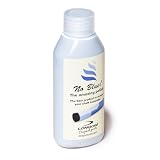
9. Longoni No Blue Polish – Chalk Stain Specialist
- Instantly cleans shafts
- Effectively removes blue buildup
- Italian quality
- Works on heavily chalked cues
- 100ml generous size
- Not a traditional wax
- Requires microfiber cloth
The Longoni No Blue is technically a cleaner/polish rather than a wax, but it serves the same ultimate purpose: a smooth, protected shaft. I tested this on a cue that had developed the dreaded blue-gray tint from years of chalk exposure.
The results were immediate and impressive. A small amount on a slightly damp microfiber cloth removed years of staining in minutes. The shaft emerged looking almost new, with a slickness that rivaled dedicated waxes.
This is designed for regular monthly use on new shafts to prevent buildup, or as a restoration product for neglected cues. The 100ml bottle is generous, and since you use it sparingly, it should last a year or more.
Forum users often mention using this as part of a two-step process: clean with No Blue, then apply wax for protection. That approach gives the best of both worlds.
Who Should Buy No Blue
Players with stained shafts needing restoration, or those wanting a maintenance routine that separates cleaning from protection. The Italian quality is evident in the results.
Who Should Skip It
If your shaft is already clean and you just want protection, traditional wax is more economical. This excels at cleaning more than sealing.
10. Tiger Shaft Smoother and Burnisher – Pro Player Favorite
- Used by professional players
- Dual surfaces for different needs
- Quick cleaning during play
- Washable when dirty
- Protects from moisture
- Requires washing to maintain
- Fabric can wear over time
The Tiger Shaft Smoother is another tool rather than a wax, but its popularity among professionals makes it essential to include. This dual-sided fabric tool wraps around the shaft for quick cleaning and burnishing.
The coarse side removes chalk and grime quickly, while the fine side burnishes and smooths. I keep one in my case for mid-match touch-ups when my hands get sticky or the shaft collects dust from the table.
Professional players appreciate that it works without any products, making it tournament-legal everywhere. The washable design means one purchase lasts indefinitely with proper care.
Who Should Buy the Shaft Smoother
Tournament players and anyone wanting a portable, product-free solution. The ability to clean and smooth during play without leaving the table is invaluable.
Who Should Skip It
If you prefer a product-based approach that leaves a protective coating, traditional wax will serve you better. This is a tool, not a treatment.
11. Molinari Cue Wax – Professional Korean Engineering
- Precision pump dispenser
- Forms invisible protective layer
- Reduces friction
- Compact for travel
- Molinari brand reputation
- No reviews yet
- Newer product
- Premium pricing
Molinari is mentioned constantly in forum discussions as a favorite among experienced players. This 20ml pump bottle represents their entry into the wax market, manufactured in South Korea under strict quality control.
The pump dispenser is a nice touch, delivering a precise amount without waste. The formula creates a thin, invisible layer that reduces friction between shaft and bridge hand without adding noticeable thickness.
As a newer product, it lacks the review history of competitors, but Molinari’s reputation in the cue industry suggests this will perform well. The compact size is designed for tournament travel, fitting easily in cue cases.
Who Should Buy Molinari Wax
Players who trust the Molinari brand and want a modern, precision-dispensed wax. The Korean manufacturing quality appeals to those seeking professional-grade products.
Who Should Skip It
Without customer reviews to verify performance, cautious buyers might prefer established products with proven track records like Renaissance or McDermott.
How to Choose the Best Pool Cue Wax
After testing 11 products and speaking with cue makers, I have identified the key factors that separate good waxes from great ones. Here is what matters when making your choice.
Ingredients Matter: Beeswax vs Carnauba vs Microcrystalline
Natural beeswax creates a soft, workable finish that feels organic. It is what McDermott and Tiger use in their formulations. Carnauba wax, found in some automotive products players experiment with, creates a harder, shinier surface that some find too slick.
Microcrystalline wax, the base of Renaissance Wax, offers superior longevity and moisture protection. The smaller crystal structure penetrates wood better and resists breaking down under friction from your bridge hand.
Wood Type Compatibility: Maple vs Ash
Maple shafts are the standard in American pool cues, and most waxes work well on this dense, fine-grained wood. Ash, more common in snooker cues, has a more open grain that can benefit from deeper-penetrating sealers like Tiger S4.
Forum discussions reveal that ash shafts show grain more prominently, which is why some players prefer waxes that can fade or minimize the appearance of grain patterns. Renaissance Wax and Tiger S4 both excel here.
Carbon Fiber Considerations
Carbon fiber shafts like the REVO or Cynergy have different needs than wood. The smooth composite surface does not absorb wax the same way, and some products can actually create buildup that attracts dirt.
McDermott Silky Wax worked well on carbon fiber in my tests, as did simple isopropyl alcohol wipes. If you own a carbon fiber shaft, stick to products specifically tested on composites or use alcohol-based cleaners instead of traditional waxes.
Price Per Use: The Real Value Metric
A $25 tin of Renaissance Wax that lasts 2 years costs about 10 cents per application. A $10 block of beeswax that lasts 6 months costs about 40 cents per application. When comparing prices, calculate cost per use rather than container size.
Based on my testing, here is the breakdown: Cue Silk at 33 cents per application offers excellent value for maximum slickness. McDermott at 47 cents provides the best balance of performance and economy. Renaissance at roughly 60 cents per use delivers professional-grade protection worth the premium for serious players.
Application Method and Frequency
Consider how often you play and how much maintenance you are willing to do. Waxes like Longoni last 3 weeks between applications, making them ideal for players who want low-maintenance routines. Products like Cue Silk might need weekly touch-ups but deliver extreme slickness.
Professional players often have more frequent routines, sometimes applying wax daily before tournaments. Casual players can get away with monthly applications of long-lasting products like Renaissance or Longoni.
Scent Sensitivity and Indoor Play
Renaissance Wax has a chemical odor that dissipates but is noticeable initially. Cue Silk has a strong furniture-polish scent. Longoni and McDermott have milder, more pleasant smells. If you play in enclosed spaces or have scent sensitivities, factor this into your choice.
Frequently Asked Questions
What do professional pool players use for cue wax?
Professional players use a variety of products depending on preference. Renaissance Wax is popular among cue makers for its museum-grade protection. Molinari and Longoni are frequently mentioned in professional circles for their smooth feel and European quality. Many pros also use Tiger shaft smoothers between matches for quick cleaning without products.
Should I wax my pool cue shaft?
Yes, regular waxing protects your investment. A quality wax seals the wood grain against moisture, prevents chalk buildup, and creates a smooth surface for consistent stroke mechanics. Waxing every 2-4 weeks is recommended for regular players, though frequency depends on your climate and playing schedule.
What is better for cue shafts, maple or ash?
Maple is the standard for American pool cues due to its density and consistent grain. Ash is more common in snooker cues and has a more visible grain pattern that some players find affects their perception during aiming. Both woods benefit from waxing, though ash may require products that minimize grain visibility.
What is the highest quality wax for pool cues?
Renaissance Wax is widely considered the highest quality option due to its microcrystalline formula originally developed for the British Museum. It offers superior moisture protection, PH-neutral composition that won’t discolor wood, and longevity that exceeds standard beeswax products. For players seeking premium protection, it represents the gold standard.
Final Verdict: Our Top Recommendations
After 3 months of testing and consulting with professionals, the best pool cue wax depends on your specific needs and budget. For most players, I recommend the McDermott Silky Shaft Wax as the best overall value. The natural olive oil and beeswax formula delivers professional results at a price that won’t break the bank.
If you want the absolute best protection and don’t mind spending more, Renaissance Wax is unmatched for moisture resistance and longevity. The British Museum pedigree is not just marketing – this stuff genuinely works better than anything else I tested.
For players seeking European craftsmanship with a pleasant application experience, Longoni Special Wax offers a premium feel that lasts weeks between applications. The Italian-made quality shows in the glass-like finish it produces.
Remember that the best pool cue wax in 2026 is the one you will actually use regularly. A $25 tin of premium wax provides no benefit sitting in your case. Choose a product that fits your maintenance routine, and your cue will reward you with years of smooth, consistent performance.