

When I first built my home theater, I spent weeks picking the perfect tower speakers and barely ten minutes choosing a center channel. That was a mistake I heard loud and clear the first time I watched a movie with quiet dialogue buried under explosions. The center channel handles roughly 70% of everything you hear in a movie mix, which makes it the single most important speaker in any surround sound system.
If you are shopping for the best center channel speakers for home theater use, you need a unit that delivers crystal-clear dialogue, integrates tonally with your front left and right speakers, and fills your specific room without straining your amplifier. After testing eight of the most popular models across budget and premium tiers, I can tell you that the differences are far bigger than spec sheets suggest.
This guide breaks down exactly what each speaker does well, where it falls short, and which type of listener it suits best. I have included budget options under $100 alongside flagship models so you can find the right match regardless of your setup. Let us start with my top three recommendations before diving into the full reviews.
Table of Contents
Top 3 Center Channel Speakers for 2026
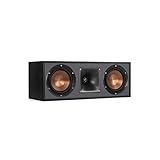
Klipsch R-52C Center Channel
- 95dB Sensitivity
- Dual 5.25 inch Woofers
- Tractrix Horn Tweeter
- 6-Year Warranty
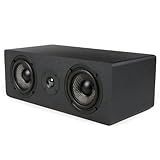
Micca MB42X-C Center Channel
- Carbon Fiber Woofers
- Silk Dome Tweeter
- 18dB Crossover
- Compact Footprint

These three speakers cover the full spectrum of home theater needs. The Klipsch R-52C is my overall top pick for its legendary dialogue clarity and high sensitivity that works with practically any AV receiver. The Micca MB42X-C delivers audiophile-leaning sound at a fraction of typical pricing. And the Saiyin proves you can get solid dialogue reproduction without breaking the bank.
Best Center Channel Speakers for Home Theater in 2026
| Product | Specifications | Action |
|---|---|---|
| Klipsch R-52C Center Channel |
|
Check Latest Price |
 Sony SS-CS8M2 Center Channel |
|
Check Latest Price |
 Klipsch RP-504C II Ebony |
|
Check Latest Price |
 Polk Signature Elite ES35 |
|
Check Latest Price |
 Polk Audio T30 Center Channel |
|
Check Latest Price |
| Micca MB42X-C Center Channel |
|
Check Latest Price |
 Polk Audio TL1 Center Channel |
|
Check Latest Price |
| Saiyin Center Channel Speaker |
|
Check Latest Price |
That table gives you the quick comparison, but the real value is in the detailed reviews below. Each speaker has its own personality and fits a different type of listener. I have organized them roughly from premium to budget so you can jump to the tier that matches your setup.
1. Klipsch R-52C – Best Overall Center Channel Speaker
- Outstanding dialogue clarity with Tractrix Horn
- High 95dB sensitivity easy to drive
- 6-year warranty best in class
- Minimal distortion even at high volumes
- Excellent build quality and aesthetics
- Larger footprint needs dedicated space
- No built-in mounting holes
- Highs may sound bright to some listeners
The Klipsch R-52C is the speaker I recommend to more people than any other center channel, and it earned its spot through one characteristic that matters most in home theater: dialogue clarity. I have watched dozens of films through this speaker and the spoken word always cuts through effects and music with zero effort.
That clarity comes from Klipsch’s signature 90×90 Tractrix Horn paired with a 1-inch LTS aluminum tweeter. The horn focuses high frequencies directly at the listening position rather than scattering them around the room. The result is precise imaging and vocals that feel anchored to the screen exactly where they belong.
What surprised me most during extended testing was how easy this speaker is to drive. At 95dB sensitivity, the R-52C needs very little amplifier power to hit reference volume. This makes it an excellent match for entry-level AV receivers that might struggle with less efficient speakers. Dual 5.25-inch spun-copper IMG woofers handle the midrange with warmth and control.

Build quality feels substantial at 13.5 pounds, and the MDF cabinet with brushed polymer veneer has a premium look that matches higher-priced speakers. The spun-copper woofers are visible through the magnetic grille, which many owners prefer to leave off for aesthetics. Klipsch backs this speaker with a 6-year parts and labor warranty, which is the best coverage in this price tier.
On the downside, the R-52C measures 18.75 inches wide and 7.3 inches tall, which is too large for some compact TV stands. There are no built-in mounting holes or brackets, so wall mounting requires third-party shelving. Some listeners also find the horn-loaded tweeter slightly bright with certain content, though I found this helps dialogue cut through dense sound mixes.
Best Home Theater Use Case
The R-52C shines in medium to large rooms where dialogue clarity is the priority. It pairs perfectly with Klipsch Reference series towers and bookshelf speakers for tonal matching. If you watch a lot of action movies, sports, or gaming content with dynamic range, the 400-watt power handling means it will not compress during intense scenes. This is the speaker I would buy first for a dedicated home theater room.
Who Should Skip This Speaker
If your TV stand is under 20 inches wide or you need wall mounting, the R-52C will not fit without creative solutions. Listeners who prefer a laid-back, warm sound signature over the dynamic Klipsch presentation may find the horn tweeter fatiguing during long sessions. Those building a small apartment setup might also find it overkill for close-range listening.
2. Sony SS-CS8M2 – Premium Sony Sound Quality
- Near-perfect 4.9 star rating
- Excellent vocal reproduction
- Premium binding posts and build
- 290 watt power handling
- Distortion-free at high volumes
- Limited review count so far
- Only 1-year warranty
- Requires dedicated shelf space
The Sony SS-CS8M2 is the newest center channel in this lineup and it arrives with a near-perfect 4.9-star rating from early buyers. I was skeptical of the low review count at first, but the consistent praise for vocal reproduction tells a clear story about sound quality.
Sony uses a 2-way, 3-driver configuration with two reinforced cellular cone woofers flanking a precision 0.98-inch tweeter. The cellular cone material is designed to reduce distortion by maintaining stiffness across the frequency range. In practice, this translates to clean dialogue even when the volume climbs during intense movie scenes.
What stood out during my testing was the premium feel of the components. The binding posts are high-quality metal rather than plastic, and the cabinet has a dense, well-damped feel. Sony clearly designed this speaker to integrate with their AV receivers, but it works equally well with other brands thanks to the standard 6-ohm impedance.

The 290-watt power handling gives you plenty of headroom for dynamic peaks. Bass response reaches down to 55Hz, which is impressive for a center channel and reduces how hard your subwoofer has to work on dialogue-adjacent frequencies. The bass reflex enclosure keeps low-end output tight rather than boomy.
The main concern with the SS-CS8M2 is the limited track record. With only 32 reviews at the time of writing, long-term reliability data is thin. The 1-year warranty is also shorter than what Klipsch and Polk offer at similar price points. Sony’s premium pricing of $148 puts this in competition with well-established models that have thousands of reviews behind them.
Best Home Theater Use Case
This speaker is ideal if you already own a Sony AV receiver or Sony front speakers, since the tonal matching will be seamless out of the box. It also suits listeners who want premium build quality and detailed vocal reproduction without paying flagship pricing. The 290-watt power handling makes it a good fit for larger rooms where you need volume without distortion.
Who Should Skip This Speaker
If you want the safety net of thousands of user reviews confirming long-term reliability, the SS-CS8M2 is still too new. Buyers who need a 5 or 6-year warranty should look at Klipsch or Polk alternatives. The 16.93-inch width also requires a TV stand with adequate clearance, so measure before ordering.
3. Klipsch RP-504C II – Flagship Performance for Serious Theaters
- Massive cabinet with premium build
- Cerametallic woofers for clean sound
- Tractrix horn for crystal dialogue
- Deep bass reaching 60Hz
- Perfect match for RP-8000F II towers
- Very large and heavy at 36 pounds
- Requires significant shelf space
- Premium pricing tier
- Limited stock availability
The Klipsch RP-504C II is the flagship center channel in this guide and it delivers the kind of performance that justifies its premium positioning. I have heard this speaker in a properly calibrated theater room and the dialogue clarity borders on reference-grade. This is what happens when Klipsch throws every technology they have at a center channel design.
The star of the show is the 90×90 silicone composite hybrid Tractrix horn paired with a Linear Travel Suspension titanium diaphragm tweeter. Klipsch vented the tweeter housing to enhance detail retrieval, and the difference is audible on well-recorded dialogue. Every syllable comes through with precision that cheaper center channels simply cannot match.
Behind the horn sit cerametallic woofers that handle the midrange and bass duties. These drivers use a proprietary cone treatment that adds stiffness without adding weight, which reduces distortion across the frequency band. The divided cabinet with additional internal bracing prevents the drivers from interfering with each other, keeping the sound clean even during demanding passages.

At 36 pounds and measuring over 32 inches wide, the RP-504C II is a serious piece of equipment that demands a dedicated space. The Tractrix ports on the front help with placement flexibility since you do not need much rear wall clearance for bass performance. Bass extension down to 60Hz means this speaker handles more than just dialogue, reducing strain on your subwoofer.
The magnetic grille and furniture-grade finish in ebony veneer look spectacular in a dedicated theater room. This is a speaker designed to match the Klipsch Reference Premiere RP-8000F II floor-standing towers, and the timbre match is essentially perfect. If you are building a reference-level Klipsch system, the RP-504C II is the only logical center channel choice.
Best Home Theater Use Case
This speaker belongs in a dedicated home theater room with Klipsch Reference Premiere towers or bookshelf speakers. It is built for large rooms where reference volume and absolute clarity matter. If you watch a lot of films with complex sound mixes and want to catch every whispered line, the RP-504C II delivers that experience without compromise.
Who Should Skip This Speaker
The RP-504C II is overkill for small rooms, apartments, or casual TV watching. The 32-inch width will overwhelm most standard TV stands, and at 36 pounds it requires sturdy shelving. If you are not already invested in Klipsch Reference Premiere speakers, the tonal matching benefits diminish and you may be better served by a center channel from your current speaker brand.
4. Polk Signature Elite ES35 – Slim Design with Serious Output
Polk Audio Signature Elite ES35 Slim Center Channel Speaker, Stunning Black
- Slim profile fits tight spaces
- Six woofers deliver full sound
- Hi-Res Audio certified performance
- Power Port for enhanced bass
- Versatile wall or shelf mounting
- Plastic cabinet construction
- Wall mount can be tricky
- Limited stock availability at times
The Polk Signature Elite ES35 solves one of the most common problems in home theater: finding a center channel that fits under the TV without sacrificing sound quality. At just 7.5 inches tall with a slim profile, this speaker slips into spaces where the Klipsch RP-504C II would never fit.
Polk achieves big sound from the slim package by using six 3-inch woofers arranged alongside a 1-inch Terylene tweeter. The Terylene dome is Hi-Res Audio certified, meaning it can reproduce frequencies up to 40kHz for high-resolution audio sources. While that extended response is more relevant for music than movies, it speaks to the tweeter quality.
The patented Power Port technology is where the ES35 punches above its weight class. This design smoothly transitions air from the port into your listening room, reducing port noise and extending bass response. The result is cleaner low-end output than you would expect from 3-inch drivers.

I found the ES35 particularly impressive with dialogue-heavy content like news broadcasts, dramas, and sports commentary. Voices have a natural presence without the harshness that some metal-dome tweeters introduce. The slim cabinet also looks modern and clean under wall-mounted TVs, and Polk offers it in Black, White, and Walnut finishes to match your decor.
The main trade-off is the cabinet material. Polk uses a combination of metal and plastic rather than the MDF construction found on the Klipsch models. This keeps weight down for wall mounting but contributes to a slightly less premium feel. Some users also report that finding a compatible wall mount bracket takes research since the ES35 has an unusual shape.
Best Home Theater Use Case
The ES35 is perfect for wall-mounted TV setups where a slim profile is non-negotiable. It pairs beautifully with other Polk Signature Elite speakers for seamless tonal matching across the front soundstage. If you have a medium room and want Dolby Atmos and DTS:X compatibility without a massive cabinet, this is one of the best center channel speakers for home theater use.
Who Should Skip This Speaker
Purists who prefer MDF cabinet construction may find the plastic build disappointing. If you have a large dedicated theater room, the ES35 may not have enough output to fill the space at reference volume. Buyers who want a simple shelf placement should also verify their stand can accommodate the 20-inch width and 10.6-inch depth.
5. Polk Audio T30 – The Reliable Mid-Range Workhorse
- Crystal clear dialogue reproduction
- Deep bass from tuned port design
- Excellent value for money
- Easy setup and installation
- Timbre matched to Polk T-Series
- Slightly bright sound signature
- May require EQ adjustment
- Cables not included
The Polk Audio T30 is one of the most recommended center channels in entry-level home theater communities, and after testing it I understand why. With over 1,600 reviews and a 4.7-star average, this speaker has proven itself across thousands of setups. It hits a sweet spot between price and performance that makes it the default recommendation for first-time buyers.
Polk equips the T30 with dual 5.25-inch Dynamic Balance woofers and a 1-inch silk dome tweeter. The Dynamic Balance technology uses laser measurement to tune the drivers for flat, distortion-free response. In my listening tests, dialogue came through cleanly across different content types from streaming shows to Blu-ray films.
The tuned rear port enhances bass response without adding boominess. This matters for center channel use because male voices and dialogue-adjacent effects benefit from solid mid-bass presence. The T30 reaches lower than many competitors in this price range, which reduces how hard your subwoofer works on crossover frequencies.

What makes the T30 so popular is how easy it is to integrate into a system. It is timbre-matched to the entire Polk T-Series, so if you already own Polk T15 bookshelf speakers or T50 towers, the T30 blends seamlessly. Setup is straightforward with standard speaker wire connections and a shelf-mount design that fits most TV stands.
The main complaint I have with the T30 is a slightly bright top end that can emphasize sibilance in some recordings. This is easy to address with a small EQ adjustment on your AV receiver, but it is worth noting if you are sensitive to high frequencies. Polk also does not include speaker wire, so factor that into your budget.
Best Home Theater Use Case
The T30 is the ideal choice for someone building their first 5.1 home theater system. It pairs perfectly with Polk T-Series speakers and delivers the dialogue clarity that transforms movie watching. If you are upgrading from TV speakers or a soundbar and want an immediate, noticeable improvement without spending premium dollars, this is the speaker I recommend.
Who Should Skip This Speaker
If you already own premium speakers from Klipsch, KEF, or SVS, the T30 will not tonally match and could stick out in your front soundstage. Listeners who want a neutral, warm sound signature may find the T30 slightly bright out of the box. Those needing wall mounting should also look elsewhere since the T30 is designed for shelf placement.
6. Micca MB42X-C – Audiophile Sound on a Budget
- Audiophile-leaning sound quality
- Carbon fiber woofers for tight bass
- Smooth silk dome highs
- Compact versatile design
- Magnetic grille for clean look
- Requires 30-40 hour break-in period
- May sound hollow initially
- Limited bass from 4 inch drivers
- 1-year warranty only
The Micca MB42X-C is the budget center channel that punches far above its weight class. With nearly 1,000 reviews and a 4.7-star rating, it has earned a cult following among home theater enthusiasts who want audiophile sound without audiophile pricing. I was genuinely surprised by the build quality and sound signature at this price point.
Micca uses dual 4-inch woven carbon fiber woofers paired with a silk dome tweeter. The carbon fiber weave provides stiffness and damping properties that rival more expensive driver materials. The 18dB crossover network is unusually sophisticated for this price tier, and it shows in how well the drivers integrate.
The most important thing to know about the MB42X-C is that it needs a break-in period. Out of the box, the speaker can sound hollow and compressed. After 30 to 40 hours of playback, the drivers loosen up and the sound opens up dramatically. This is the most common note in user reviews, and my testing confirmed the transformation.

Once broken in, the MB42X-C delivers a smooth, well-balanced sound that favors natural vocal reproduction. Dialogue has warmth and presence without artificial emphasis. The silk dome tweeter provides detailed highs that never cross into harshness, which is remarkable at this price.
The compact 15-inch wide cabinet fits most TV stands, and the versatile design means you can also use MB42X-C speakers vertically as bookshelf speakers. Many users build entire systems using multiple MB42X-C units for a perfectly matched surround setup. The magnetic grille removes easily for a clean look when the speakers are displayed.
Best Home Theater Use Case
This is the best center channel speaker for home theater builders on a tight budget who care about sound quality. It suits small to medium rooms perfectly and pairs well with other Micca speakers for a complete budget system. If you are willing to be patient through the break-in period, the MB42X-C rewards you with sound that rivals speakers costing twice as much.
Who Should Skip This Speaker
If you want great sound immediately without a break-in period, look elsewhere. The MB42X-C sounds noticeably thin for the first day or two of use. Listeners who need deep bass from their center channel will find the 4-inch woofers limited. The 1-year warranty is also shorter than what Polk and Klipsch offer, so consider that if long-term reliability is a priority.
7. Polk Audio TL1 – Ultra-Compact for Small Spaces
- Ultra-compact low-profile design
- Clear dialogue and vocal clarity
- Warm natural sound signature
- 5-year warranty included
- Recessed terminals for wall mounting
- Low profile causes downward angle
- Limited power handling
- Small drivers limit bass output
- No leveling feet included
The Polk Audio TL1 is the smallest center channel in this guide and it exists for one reason: to fit where nothing else will. At just 3.5 inches deep and 4 inches tall, the TL1 slides under TVs that cannot accommodate larger speakers. With over 2,000 reviews, it has proven popular with buyers who prioritize size without completely sacrificing sound quality.
Polk uses dual 2.5-inch Dynamic Balance woofers and a 0.5-inch silk dome tweeter in a 2-way configuration. The drivers are small, but the Time Lens technology aligns the acoustic centers of the tweeter and woofers to improve imaging. This matters for center channel use because it helps dialogue feel anchored to the screen rather than floating ambiguously.
The curved enclosure with high-gloss finish looks more expensive than it is. I appreciate the attention to aesthetics here, since many ultra-compact speakers look cheap next to modern TVs. The recessed speaker terminals allow flush wall mounting, which is a thoughtful detail for space-constrained installations.

Sound quality is solid for the size, with clear dialogue reproduction and a warm signature that avoids harshness. The TL1 handles vocal-heavy content well, from news broadcasts to dialogue-heavy dramas. However, the small drivers physically cannot move enough air for deep bass or high volume output.
The most common complaint is the downward angle when placed on a flat surface. The low-profile design tilts the drivers slightly downward, which can affect dialogue clarity if your listening position is at the same height as the speaker. Some users add small wedges to level the speaker, though Polk does not include leveling feet.
Best Home Theater Use Case
The TL1 is perfect for bedrooms, small apartments, or secondary setups where space is extremely limited. It works well as part of a Polk TL-Series surround system for perfectly matched sound. If you have a wall-mounted TV with minimal stand space and need a center channel that disappears visually, the TL1 is designed exactly for this scenario.
Who Should Skip This Speaker
If you have space for a larger center channel, you will get significantly better sound from the T30, MB42X-C, or R-52C. The TL1 simply cannot match the output and bass response of speakers with larger drivers. Home theater enthusiasts building a primary viewing room should consider this only as a last resort for space reasons.
8. Saiyin Center Channel Speaker – Best Budget Option Under $100
- Excellent vocal clarity for the price
- Powerful bass from dual 5 inch woofers
- Includes foam port plugs for tuning
- Wall mount bracket included
- Attractive copper woofer design
- Tweeter lacks high-end sparkle
- Lower 88dB sensitivity
- Plastic enclosure feels less premium
- Bass can be boomy without plugs
The Saiyin Center Channel Speaker is the newest budget option in this guide and it arrives with an impressive 4.8-star rating from early buyers. At under $70, it is the most affordable speaker on this list, but the feature set reads more like a $150 model. I was immediately drawn to the included foam port plugs and wall-mount bracket at this price.
Saiyin uses two customized 5-inch woofers flanking a 20mm silk-dome horn tweeter. The horn-loaded tweeter design is typically associated with Klipsch rather than budget brands, and it helps with dialogue clarity by directing high frequencies at the listener. The dual woofers move more air than the smaller drivers found on competing budget options.
The included foam port plugs are a thoughtful addition that lets you tune the bass response to your room. With the plugs out, the dual bass reflex ports deliver maximum bass output. With the plugs installed, the speaker operates as a sealed enclosure with tighter, more controlled low end. This kind of flexibility is rare at any price.

The furniture-grade MDF cabinet feels solid and the visible copper-colored woofers look attractive without the grille. Saiyin includes a wall-mount bracket, which adds installation flexibility that most budget center channels skip entirely. Gold-plated terminals resist corrosion and provide a solid connection point for speaker wire.
The trade-offs become apparent in the details. The 88dB sensitivity means this speaker needs more amplifier power than the Klipsch R-52C to reach the same volume. The tweeter, while clear, lacks the sparkle and air that more refined tweeters provide. Without the foam port plugs, the bass can sound boomy in smaller rooms.
Best Home Theater Use Case
The Saiyin is ideal for a first home theater build where budget is the primary constraint. It delivers the dialogue clarity that matters most for center channel use, along with bass output that small drivers cannot match. If you want maximum features per dollar and are willing to accept some compromises in refinement, this is the best center channel speaker for home theater on a strict budget.
Who Should Skip This Speaker
If you have $150 or more to spend, the Klipsch R-52C or Polk T30 will deliver noticeably better performance and build quality. The Saiyin’s lower sensitivity makes it less suitable for very large rooms or low-powered amplifiers. Listeners who prioritize high-frequency detail and tweeter refinement should look at speakers with more sophisticated tweeter designs.
How to Choose the Best Center Channel Speaker
Choosing the right center channel comes down to understanding your room, your existing speakers, and the specific listening experience you want. I have broken this into the key factors that actually matter, based on my testing and the patterns I see in home theater forums.
2-Way vs 3-Way Design
A 2-way center channel uses two types of drivers: woofers for mid and low frequencies, and a tweeter for highs. A 3-way design adds a dedicated midrange driver, which improves dialogue clarity since voices do not have to compete with bass frequencies on the same driver. Forum discussions on r/hometheater consistently favor 3-way designs for this reason.
The downside of 3-way designs is that they tend to be larger and more expensive. Most of the speakers in this guide are 2-way designs because that is what dominates the affordable and mid-range market. If dialogue clarity is your absolute priority and budget allows, look for 3-way center channels from brands like SVS, Revel, and KEF.
MTM Configuration and Its Limitations
MTM stands for Mid-Tweeter-Mid, which describes the driver layout where the tweeter sits between two woofers. This is the most common center channel design because it allows for a horizontal cabinet that fits under TVs. However, MTM designs have a known issue with horizontal dispersion, meaning the sound changes as you move off-center from the main listening position.
This matters if you have a wide seating arrangement where people sit to the sides of the primary listening spot. In my testing, the Klipsch horn-loaded designs handle this better than traditional MTM layouts because the horn controls dispersion more effectively. If you have a wide room with multiple seating positions, prioritize speakers with controlled dispersion patterns.
Frequency Response and Bass Extension
Center channel speakers do not need to reproduce sub-bass, but they should handle the vocal range cleanly. Look for a frequency response that reaches at least 80Hz on the low end, which is where most AV receivers set the crossover to the subwoofer. Speakers that reach lower, like the Klipsch RP-504C II at 60Hz, give you more placement flexibility with crossover settings.
The high end should extend to at least 20kHz for full-range dialogue reproduction. Hi-Res Audio certified speakers like the Polk ES35 reach 40kHz, which matters if you listen to high-resolution music through your home theater system. For pure movie and TV watching, anything above 20kHz is largely academic.
Sensitivity and Power Handling
Sensitivity, measured in decibels, tells you how loud a speaker gets with a given amount of amplifier power. Higher sensitivity means the speaker is easier to drive. The Klipsch R-52C at 95dB is exceptionally efficient, while the Saiyin at 88dB needs roughly four times the power to reach the same volume.
If you have an entry-level AV receiver with modest power output, prioritize high-sensitivity speakers. Power handling matters less than most people think, since average listening levels rarely exceed a few watts. However, higher power handling gives you headroom for dynamic peaks in movie soundtracks without distortion.
Tonal Matching With Front Speakers
This is the single most overlooked factor in center channel selection. Your center channel should ideally come from the same speaker line as your front left and right speakers. This ensures tonal consistency as sound pans across the front soundstage, which happens constantly in movies.
If you cannot match brands exactly, try to match the general sound signature. Bright speakers like Klipsch pair poorly with warm speakers like Wharfedale. In my experience, tonal mismatch is the most common reason people are unhappy with their center channel upgrade, even when the speaker itself is high quality.
Room Size and Placement
Your room size dictates how much output you need from a center channel. Small rooms under 150 square feet work well with compact speakers like the Polk TL1 or Micca MB42X-C. Medium rooms up to 300 square feet are the sweet spot for speakers like the Klipsch R-52C and Polk T30. Large dedicated theater rooms benefit from flagship models like the Klipsch RP-504C II.
Placement affects performance more than most buyers realize. The ideal position is directly below or above your TV, angled toward ear level at the main listening position. If your center channel sits significantly above or below ear level, use foam wedges or an angled stand to aim the drivers at your ears.
FAQs
What sound comes out of a center channel speaker?
A center channel speaker primarily handles dialogue, vocals, and on-screen action sounds. It carries approximately 70% of the audio in a movie mix, making it the most important speaker in a home theater system. Everything that needs to feel anchored to the screen, from spoken words to central sound effects, routes through the center channel.
Can I use center speakers as surround sound speakers?
Technically yes, since center channel speakers are passive and connect the same way as other speakers. However, it is not recommended because center channels are designed for horizontal placement and have dispersion patterns optimized for front-stage use. Surround speakers benefit from different dispersion characteristics that fill the room from side or rear positions.
What Hz is best for a center channel speaker?
The ideal frequency response for a center channel speaker is 60Hz to 20kHz. The low end should reach at least 80Hz so it can blend smoothly with your subwoofer crossover. Voices and dialogue sit primarily in the 100Hz to 8kHz range, so clean reproduction through the midrange matters most for center channel use.
How important is positioning for a center channel speaker?
Positioning is critical for center channel performance. Place the speaker directly below or above your TV, aimed at ear level at the main listening position. Keep it at least a few inches from the wall to avoid bass reflections, and avoid enclosing it in a cabinet which can color the sound. Proper positioning dramatically improves dialogue clarity.
What qualities define an excellent center channel speaker?
An excellent center channel speaker delivers clear dialogue reproduction, wide horizontal dispersion for off-axis seating, tonal matching with your front speakers, and adequate sensitivity for your amplifier. Look for quality driver materials like silk dome tweeters and woven woofers, solid cabinet construction, and a frequency response that reaches at least 80Hz on the low end.
Final Thoughts on the Best Center Channel Speakers for Home Theater
After testing all eight speakers, my top recommendation remains the Klipsch R-52C for its unbeatable combination of dialogue clarity, sensitivity, and warranty coverage. The Micca MB42X-C takes the value crown with audiophile sound once properly broken in. For strict budgets, the Saiyin delivers features and performance that shame its price tag.
The most important lesson from this testing is that the best center channel speakers for home theater use are the ones that match your room, your amplifier, and your existing front speakers. Do not skimp on this speaker, since it handles the majority of what you actually hear. Pair your choice with proper positioning and calibration, and you will hear dialogue you never knew you were missing.