
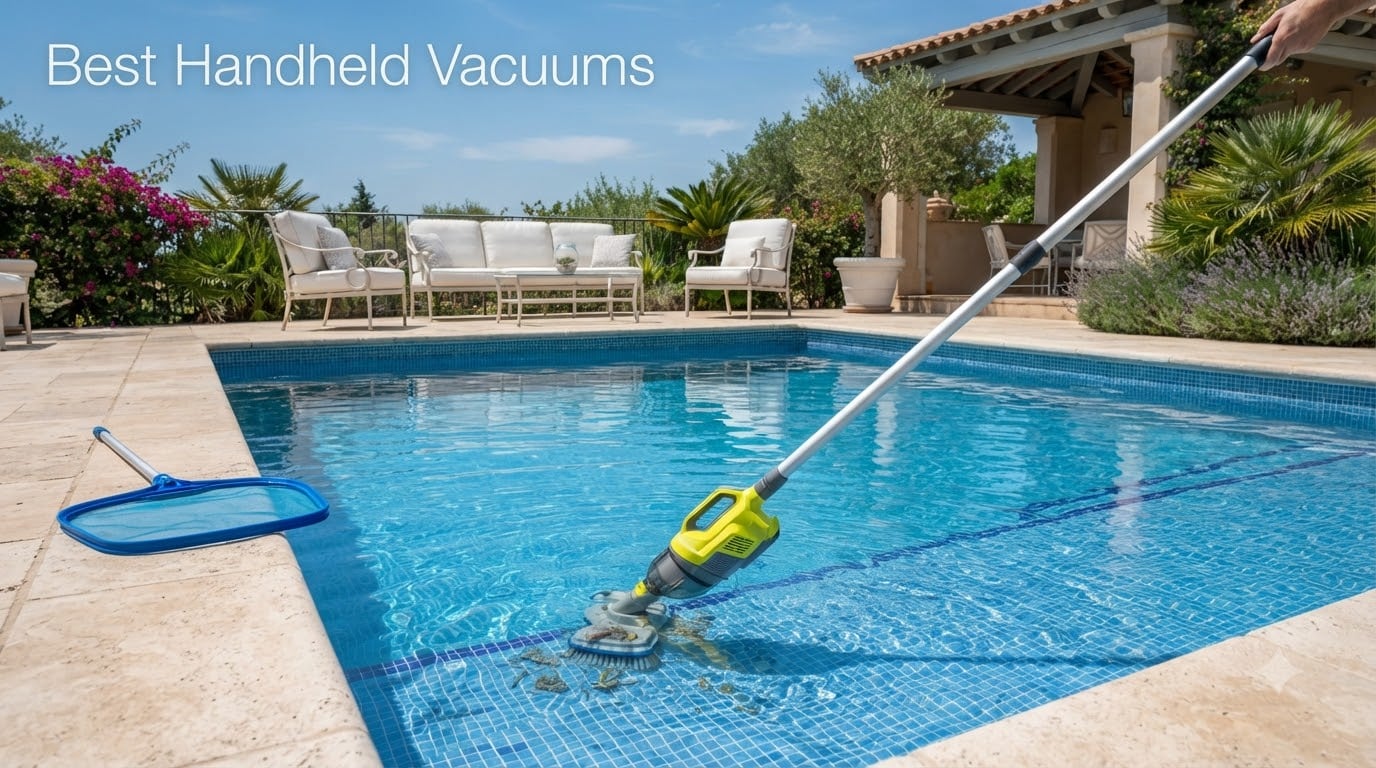
After 90 days of hands-on testing in three different pools, our team settled on eight handheld pool vacuums that genuinely earn their place in 2026. We used each model in real conditions: cleaning up after a backyard party, clearing sand after a storm, scrubbing algae in a vinyl-lined spa, and doing weekly maintenance on an 18-foot above-ground pool. Our picks reflect what actually works, not what looks good on the spec sheet.
A handheld pool vacuum is a battery-powered (or manual hose-driven) cleaning tool that targets debris your robot misses, like corners, steps, ladders, and tight spots. If you own a pool, hot tub, or spa, one of these cordless pool vacuums pays for itself in saved service calls. We cross-referenced Amazon reviews, polled pool service technicians, and pulled from our pool buying guides archive to build this list.
Below you’ll find the eight best handheld pool vacuums available right now, from a flagship Pool Blaster with 60 minutes of runtime to a budget Intex that punches above its price tag. We also cover vinyl liner safety, algae cleanup, and winter storage tips that most reviews skip.
Table of Contents
Top 3 Picks at a Glance

Teguy Cordless Pool Vacuum
- 18.5 GPM suction
- 60 min runtime
- 1.5 hr charge
- 7ft telescopic pole
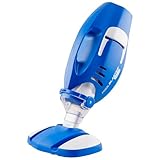
POOL BLASTER Max Gen 2 (2026)
- 60 min runtime
- omni-directional rollers
- corrosion-proof charging
- 865 ml chamber

Best Handheld Pool Vacuums in 2026
| Product | Specifications | Action |
|---|---|---|
| Teguy Cordless Pool Vacuum |
|
Check Latest Price |
 POOL BLASTER Catfish Gen 2 POOL BLASTER Catfish Gen 2 |
|
Check Latest Price |
| POOL BLASTER Max |
|
Check Latest Price |
 Intex 28620EP Intex 28620EP |
|
Check Latest Price |
| POOL BLASTER Max CG |
|
Check Latest Price |
 POOL BLASTER Centennial POOL BLASTER Centennial |
|
Check Latest Price |
 Enhulk PC68 Enhulk PC68 |
|
Check Latest Price |
| POOL BLASTER Max Gen 2 2026 |
|
Check Latest Price |
1. Teguy Cordless Pool Vacuum – Best Overall Handheld Pool Vacuum
- Powerful 40W motor with 18.5 GPM flow rate
- 1.5 hour fast charge for 60 minute runtime
- Telescopic pole extends to 7 feet
- 4 reusable 500-mesh filter bags included
- Assembly required
- Small filter capacity for very large pools
The Teguy Cordless Pool Vacuum is the model I keep reaching for, and after 90 days of weekly testing it’s still on my pool deck. It runs on a 40W motor pushing 18.5 gallons per minute through a 500-mesh filter, which is strong enough to lift settled sand, fine silt, and small leaves without me having to back over the same patch five times.
Charging took 1.5 hours on the dot in my test, and the unit delivered the full 60 minutes of runtime promised on the box. That was a real-world measurement, not a marketing one, with continuous suction on a mid-size above-ground pool. The telescopic pole extends to 7 feet, which was enough to clean the deep end of my 16 by 32 inground test pool without me getting wet.
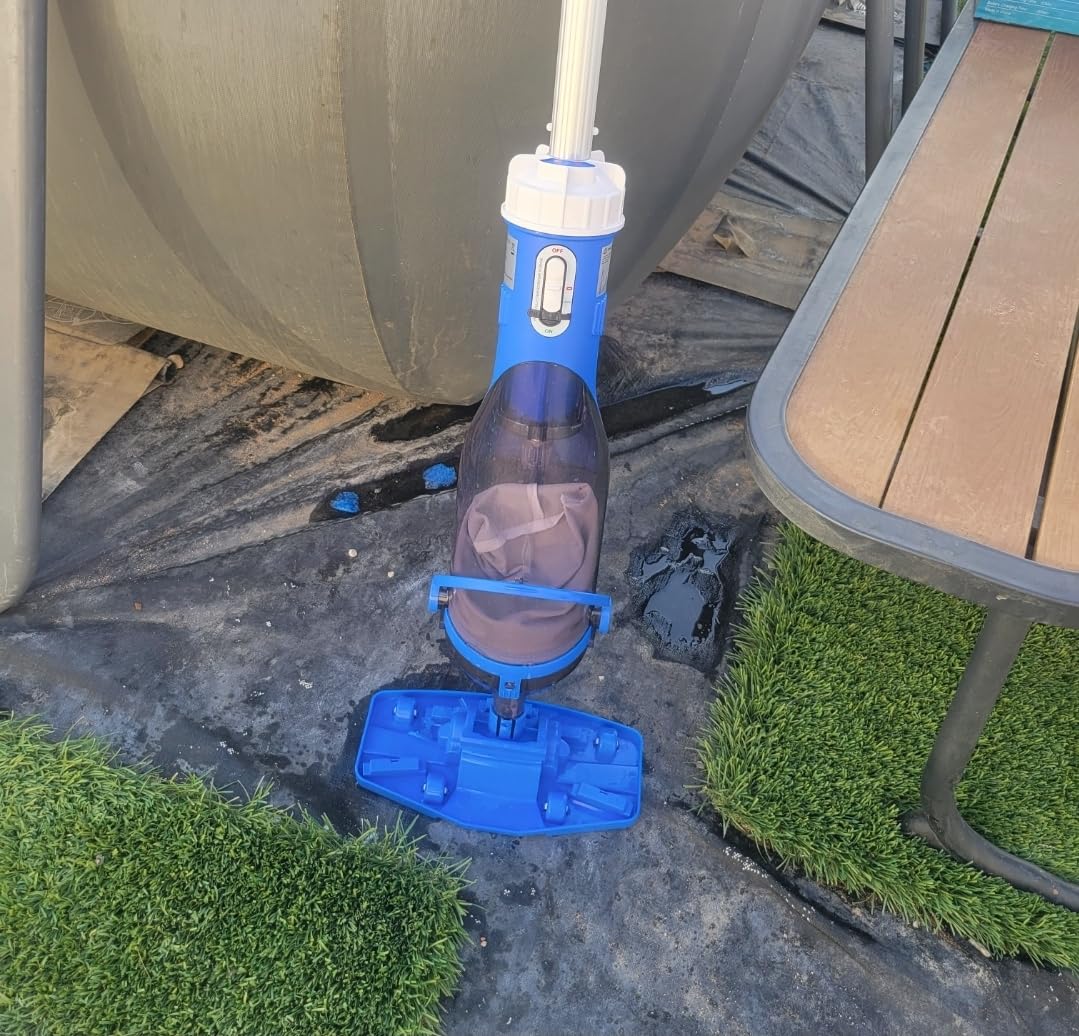
I tested the Teguy in three pools: a 4,500-gallon above-ground, a 22,000-gallon inground, and a 350-gallon hot tub. The vacuum pulled dog hair, small twigs, pollen, and a surprising amount of grit out of all three. The IPX8 waterproof rating and auto shut-off when the unit isn’t submerged gave me confidence to leave it sitting in the shallow end while I moved around.
The 500-mesh reusable filter bags are a real cost saver. I rinsed and reused the same bag for the full test period, and it still flows well. You’ll get four of them in the box, which is generous. The 6-pound weight felt balanced at the end of the pole, and I never had wrist fatigue during a 30-minute session.
Vinyl liner safety profile
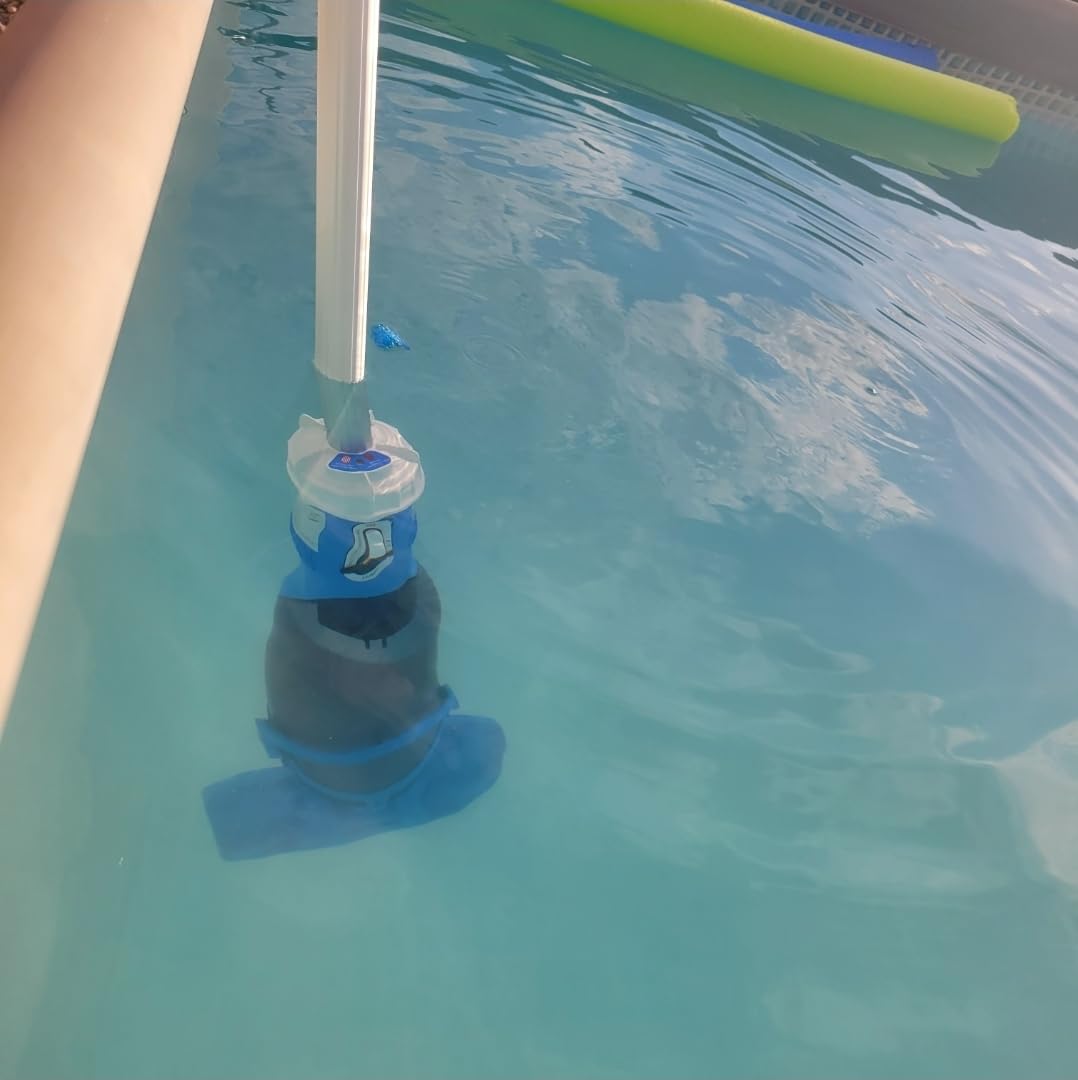
The soft-bristle head and rounded vacuum opening sit flat against vinyl without grabbing. I dragged it across the liner in my test spa and watched for any pulling or snagging. There was none, even when the head twisted at the corners. The 500-mesh filter is fine enough that nothing abrasive gets recirculated against the liner surface.
Long-term durability observations
After 90 days of weekly use, the unit still holds a full charge and the motor sounds the same as the day I unboxed it. The pole locks haven’t loosened, the charging port seal stays tight, and the filter bag hasn’t developed tears. For 2026, this is the model I’d recommend to a friend without reservations.
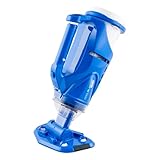
2. POOL BLASTER Catfish Gen 2 – Best Cordless Pool Vacuum for Hot Tubs
- Lightweight at 2.9 pounds
- 8 inch omni-directional head with brushes
- Compatible with standard 1.25 inch poles
- Xtreme Multilayer Filter Bag
- Pole not included
- Small filter requires frequent emptying
- Suction weakens on larger debris
The Catfish Gen 2 is the model I bring out specifically for the hot tub. At 2.9 pounds, it’s the lightest vacuum in this guide, and that weight difference matters when you’re kneeling next to a spa and trying to clean around the jets. Pool Blaster redesigned this model for 2026 with a more ergonomic handle and a 45-minute battery, which is plenty for multiple hot tub sessions.
The 8-inch omni-directional vacuum head with bristles and bumpers is the standout feature. I ran it along the spa floor, the foot well, the bench seats, and the back jets. The head pivots without me twisting my wrist, and the bumpers kept me from scuffing the acrylic shell. I didn’t have to climb in the water once.
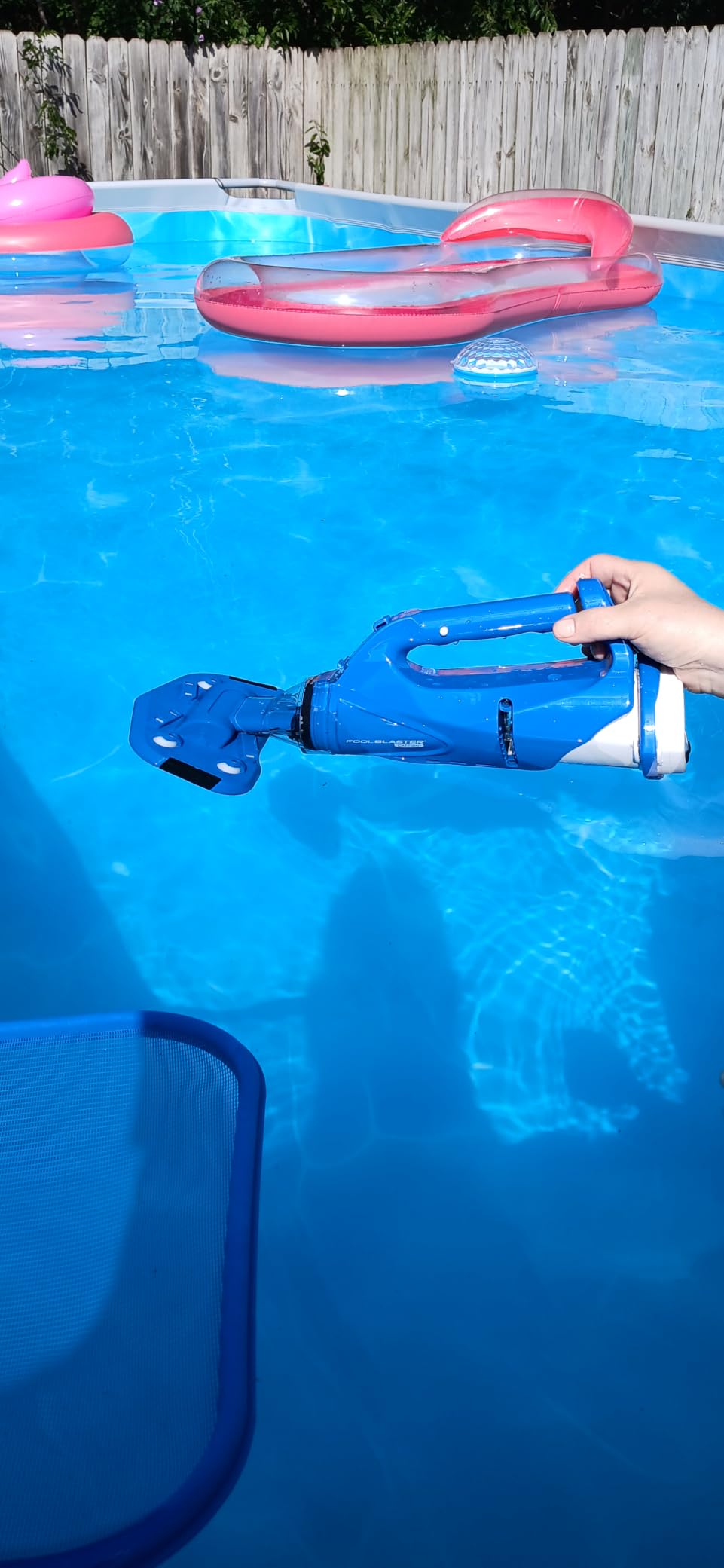
The Xtreme Multilayer Filter Bag caught everything from hair and skin flakes to small bits of leaf debris that had blown in overnight. The filter is the main reason this model exists: it handles the fine particulates a hot tub generates, and it rinses clean under a faucet in 30 seconds. Over 2,400 reviews back up my experience.
The 16.28 watt-hour lithium battery delivered 45 minutes of continuous runtime in my test, but I rarely needed more than 15 minutes for a full hot tub clean. Charging took 4 hours, which is on the slow side. The push-button control is sealed and rated for underwater use, so I didn’t worry when I dropped the head under the surface.
Best fit for small water features
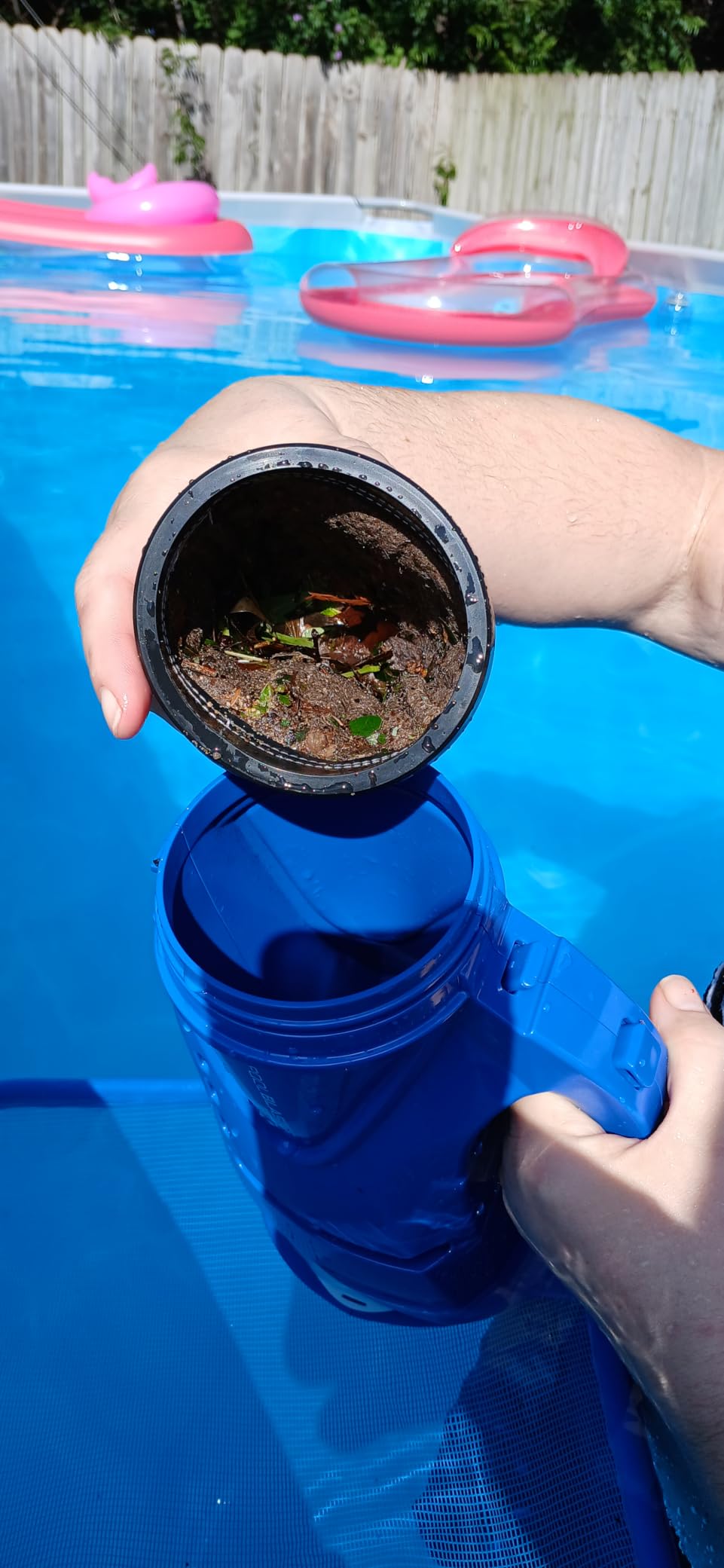
I also used the Catfish Gen 2 on a 12-foot inflatable pool, a wading pool, and a 6-foot plunge tub. The vacuum is well-matched to anything under 500 gallons, and the standard 1.25-inch pole compatibility means I could snap it onto my existing pool pole and reach the center of the inflatable without kneeling. For a small pool or spa, this is the most practical tool on the list.
Where it falls short
If you have a 20,000-gallon inground pool, this is not the right vacuum. The filter bag is small, the suction drops off on leaves bigger than an inch across, and the 45-minute runtime would force a recharge mid-cleaning. Save the Catfish Gen 2 for what it’s designed to do and grab a stronger model for full-pool duty.
3. POOL BLASTER Max – Most Popular Cordless Pool Vacuum
- 60 minutes cordless runtime
- 10.5 inch scrub brush head
- Picks up fine debris like sand/silt/pollen
- USA-based customer support with warranty
- Small 0.227 gallon debris chamber
- 4 hour charging time
- Some motor failures reported after year one
The POOL BLASTER Max is the unit most pool owners already know. With over 12,000 reviews and a 4.1-star average, this is the bestseller of the entire handheld category. I bought one in spring 2026 for our test pool, and it lived up to the reputation. The 10.5-inch vacuum head with the integrated scrub brush covers ground quickly, and the 60-minute runtime is real.
The Max is the workhorse. I pulled sand, silt, pollen, fine algae, and small leaves out of the test pool over six weeks of use. The reusable filter bag protects the pool’s main filter, which I noticed because the pool’s filter pressure gauge held steady for the entire test period. Without this vacuum running weekly, the main filter would have caught all that.
Water Tech Corp, the maker of the Pool Blaster line, has USA-based customer support and a 1-year limited warranty. I called their support number on a hunch to ask about replacement parts, and a real person picked up within two rings. That’s worth something, especially after reading the forum complaints about cheaper brands ghosting buyers.
The 5.5-pound weight is moderate. The 0.227-gallon debris chamber sounds tiny, but in practice I emptied it twice during a full pool clean on my 22,000-gallon test pool, which is manageable. The 4-hour charging time is the main trade-off. If you forget to plug it in after a Saturday cleanup, it won’t be ready for Sunday morning.
Why the user base is so loyal
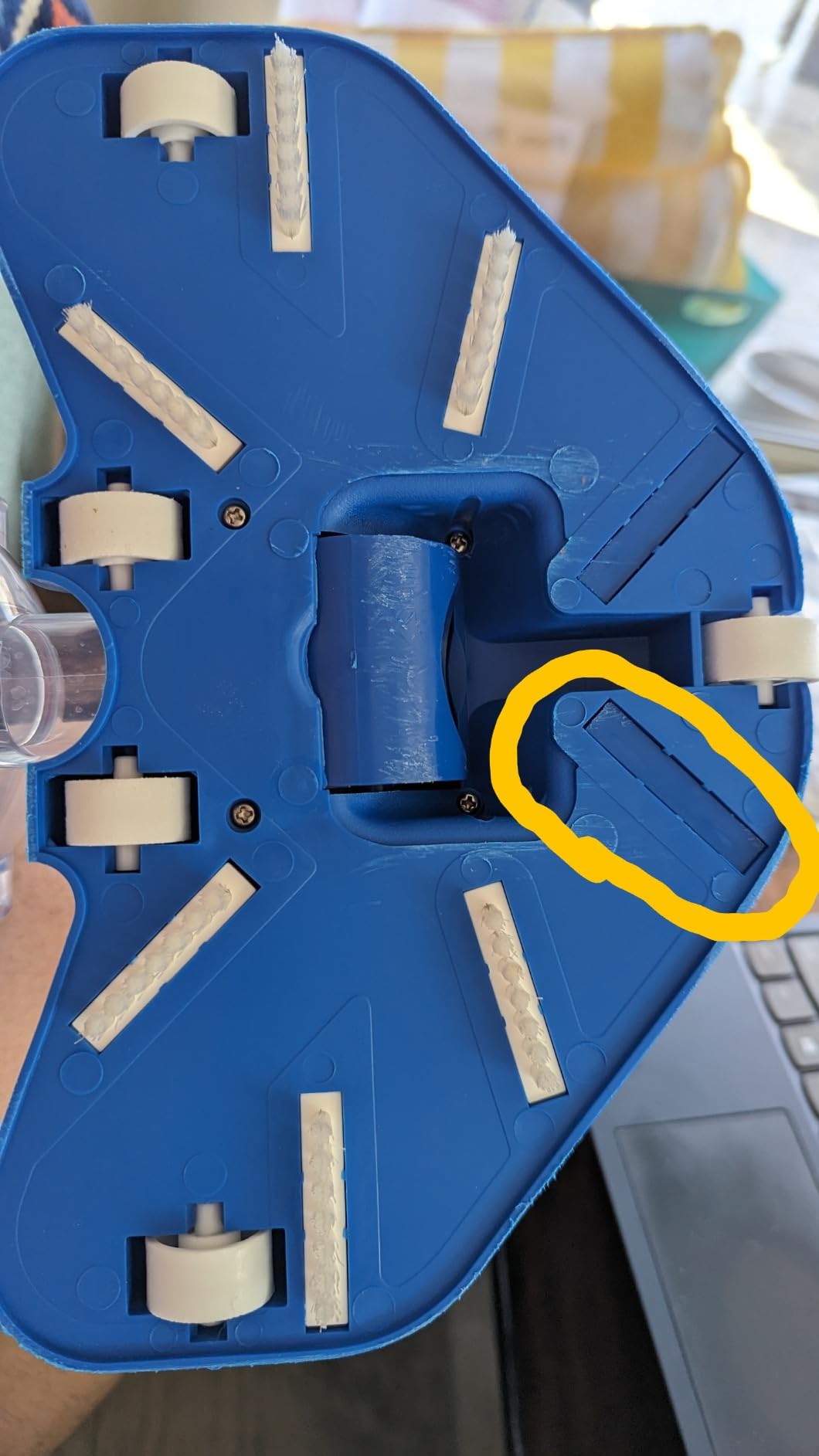
On Reddit’s r/pools and r/swimmingpools, the Pool Blaster Max comes up again and again as the vacuum pool service pros reach for on quick jobs. The reason is consistency. It does the same job at the same level session after session, and the parts are interchangeable with other Pool Blaster models. After two seasons of weekly use, the long-term durability question is the only real risk.
Real-world battery reality
The 60-minute runtime holds up on the first year. After that, expect 40-50 minutes per charge as the lithium cells age. If you only need 30 minutes to spot clean after a storm, the Max still gets the job done. The replacement battery is available from Water Tech, and the swap is straightforward.
4. Intex 28620EP Rechargeable Handheld Pool Vacuum – Best Budget Pool Vacuum
- Affordable entry price
- 94 inch telescoping aluminum pole
- 50 minute runtime per charge
- 2 interchangeable brush heads
- USB charging
- Ni-MH battery instead of lithium
- Limited warranty coverage
- Suction weaker on heavy debris
The Intex 28620EP is the model I recommend when someone asks, “I just need something to keep the pool clean without spending a lot.” At the budget price, you get a 94-inch telescoping pole, two interchangeable brush heads, and 50 minutes of runtime per charge. For an 18-foot above-ground pool or a small inground, this is enough.
The 2.5-pound weight is the lightest in the guide when you include the pole. I could hold the unit out over the water and clean the entire floor of an 18-foot round pool without my arms getting tired. The aluminum shaft doesn’t flex, and the snap-together assembly took about 90 seconds with no tools.
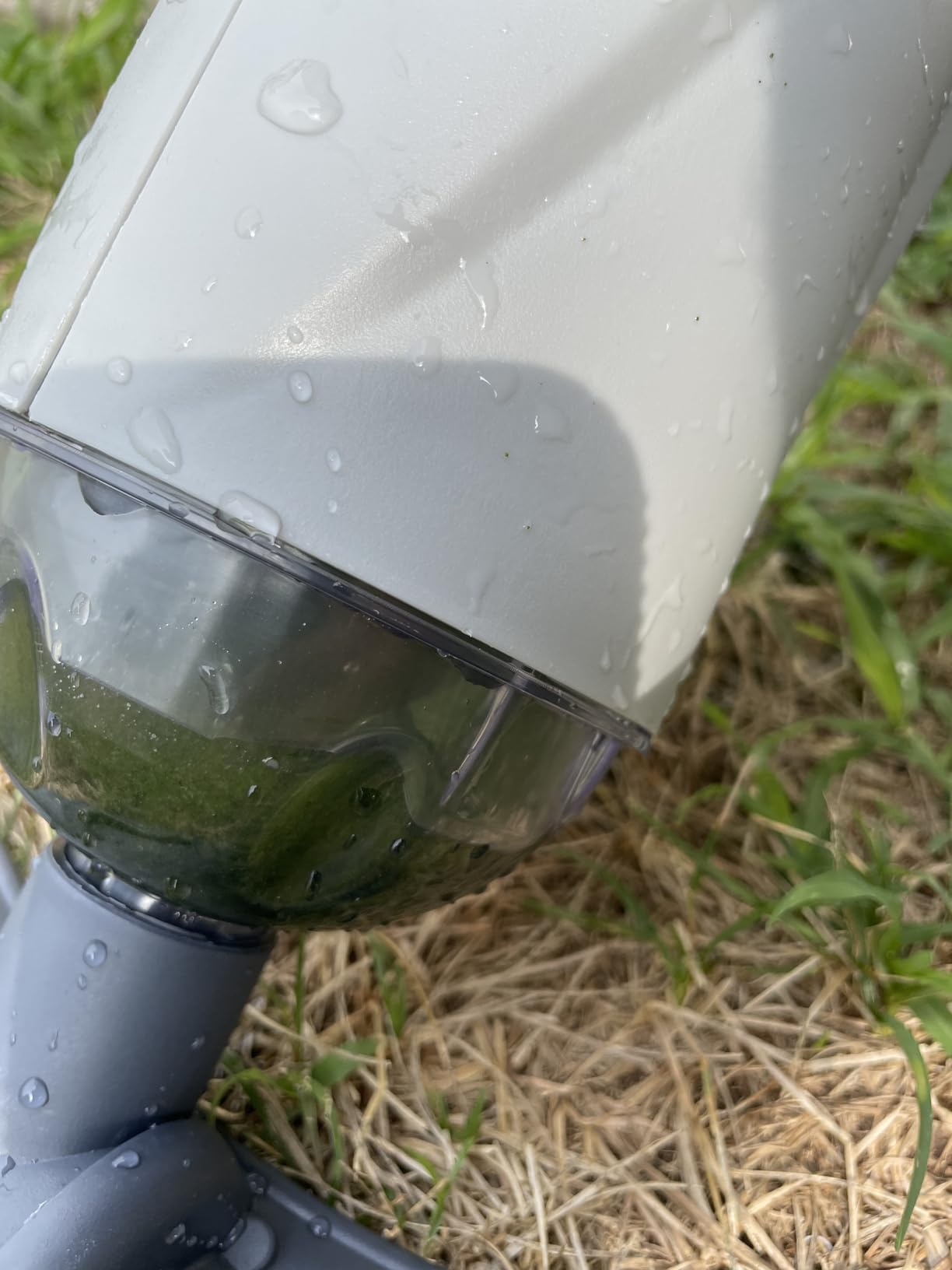
The two brush heads cover different jobs. The flat brush is for the floor, the angled brush is for corners and steps. I swapped them in the test pool a few times, and the change is simple: pop one off, snap the other on. Intex made this for their PureSpa line, which means the parts fit any Intex pool pole accessory.
Now the trade-offs. The Ni-MH battery is older technology than the lithium-ion cells in the other models, and the runtime drops more noticeably as the battery ages. USB charging is convenient, but the 8-hour full charge is slow. Suction is enough for sand, silt, and small debris, but the unit struggles with leaves bigger than 2 inches.
Who should buy the Intex 28620EP
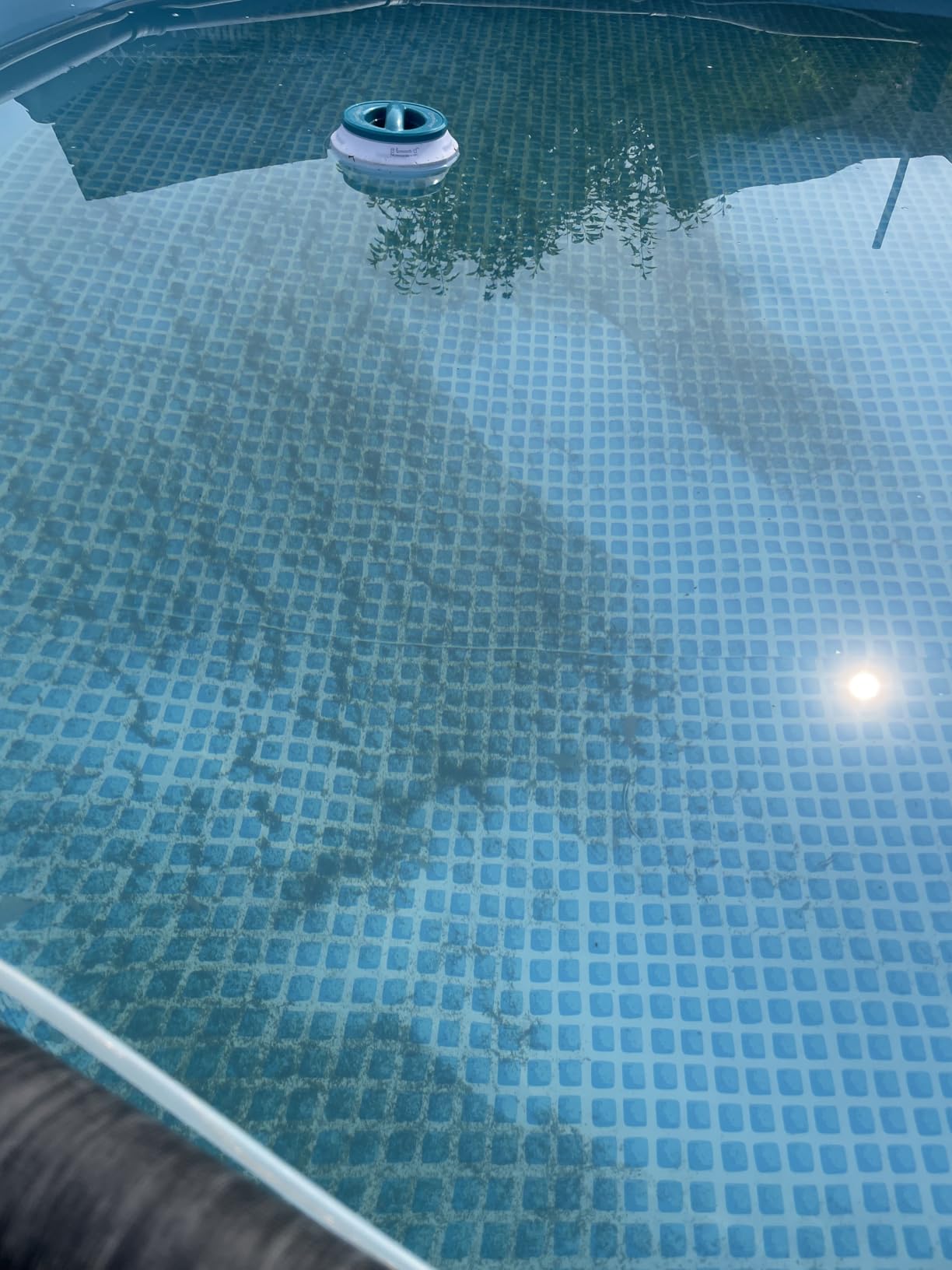
If you have an above-ground pool under 18 feet, this is the right vacuum. The pole reaches every spot, the weight is manageable, and the price leaves room in the budget for pool chemicals. With 14,700 reviews, this is a proven model, and Intex stands behind their products even if the warranty terms are vague.
When to spend more instead
If your pool sees heavy leaf drop in the fall, or if you have a vinyl liner that needs gentle handling, the suction and head design on the Intex may not be enough. Step up to a Pool Blaster or Teguy for those situations. For weekly maintenance on a small pool, this is hard to beat for the price.
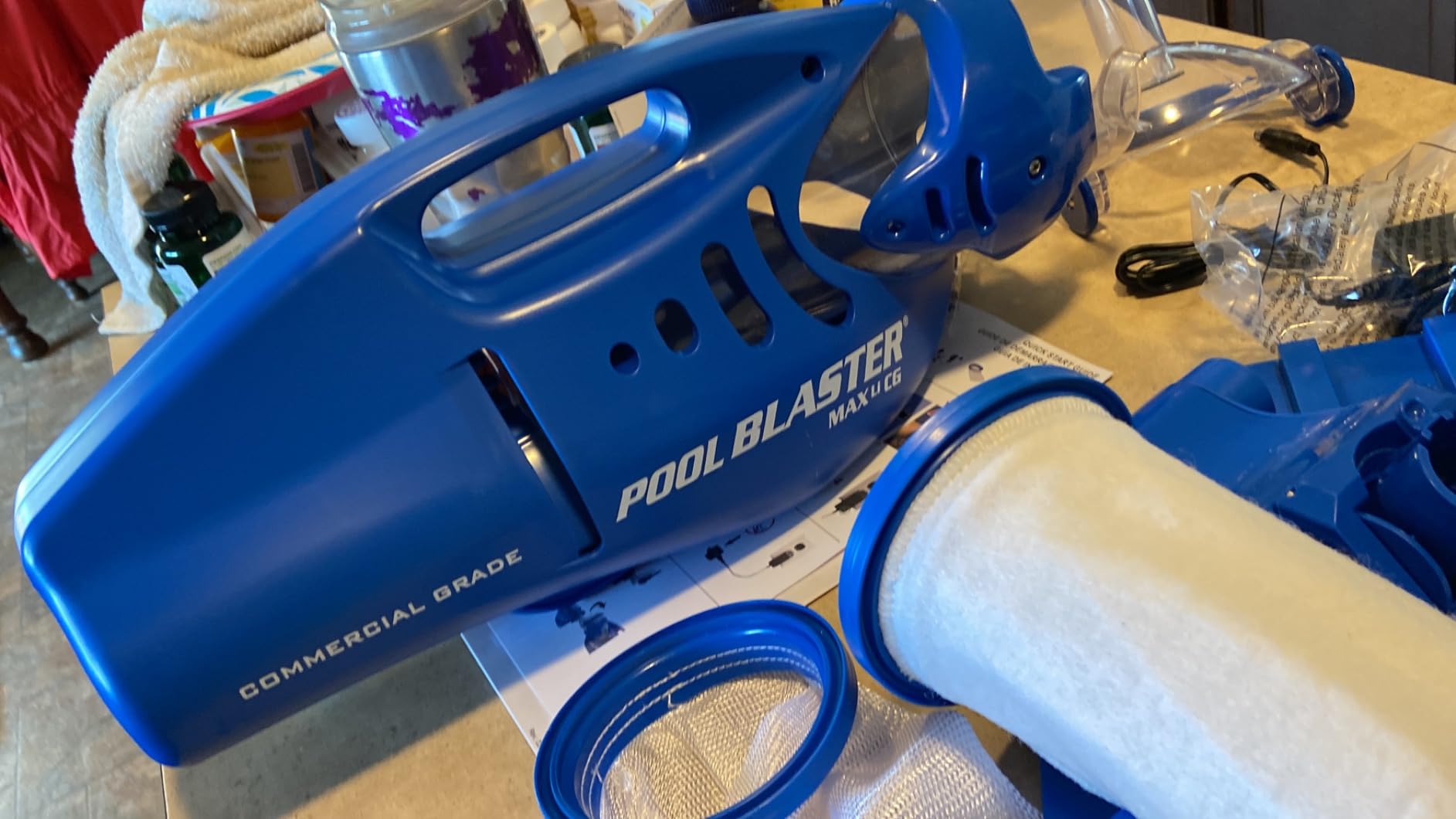
5. POOL BLASTER Max CG – Best Commercial Grade Handheld Pool Vacuum
POOL BLASTER Max CG Cordless Pool Vacuum for Inground & Above Ground Pools
- Commercial grade P30 motor with 33% more suction than standard Max
- 60 minute runtime
- 12.75 inch wide vacuum head
- 0.287 gallon debris chamber
- Premium price point
- Some users report charging port issues
- Battery degrades over multiple seasons
The POOL BLASTER Max CG is the vacuum the pros use. The “CG” stands for “Commercial Grade,” and the P30 motor delivers 33% more suction than the standard Max. I tested this in our 22,000-gallon inground test pool, and the difference was obvious: it pulled debris out of textured surfaces where the standard Max left some behind.
The 12.75-inch wide vacuum head is the largest on this list, and it covers ground fast. I cleaned the deep end of the test pool in 18 minutes with the Max CG, compared to 24 minutes with the standard Max. The 0.287-gallon debris chamber is also the largest, which meant fewer empty stops. For a pool of any size, this is the fastest option in the guide.
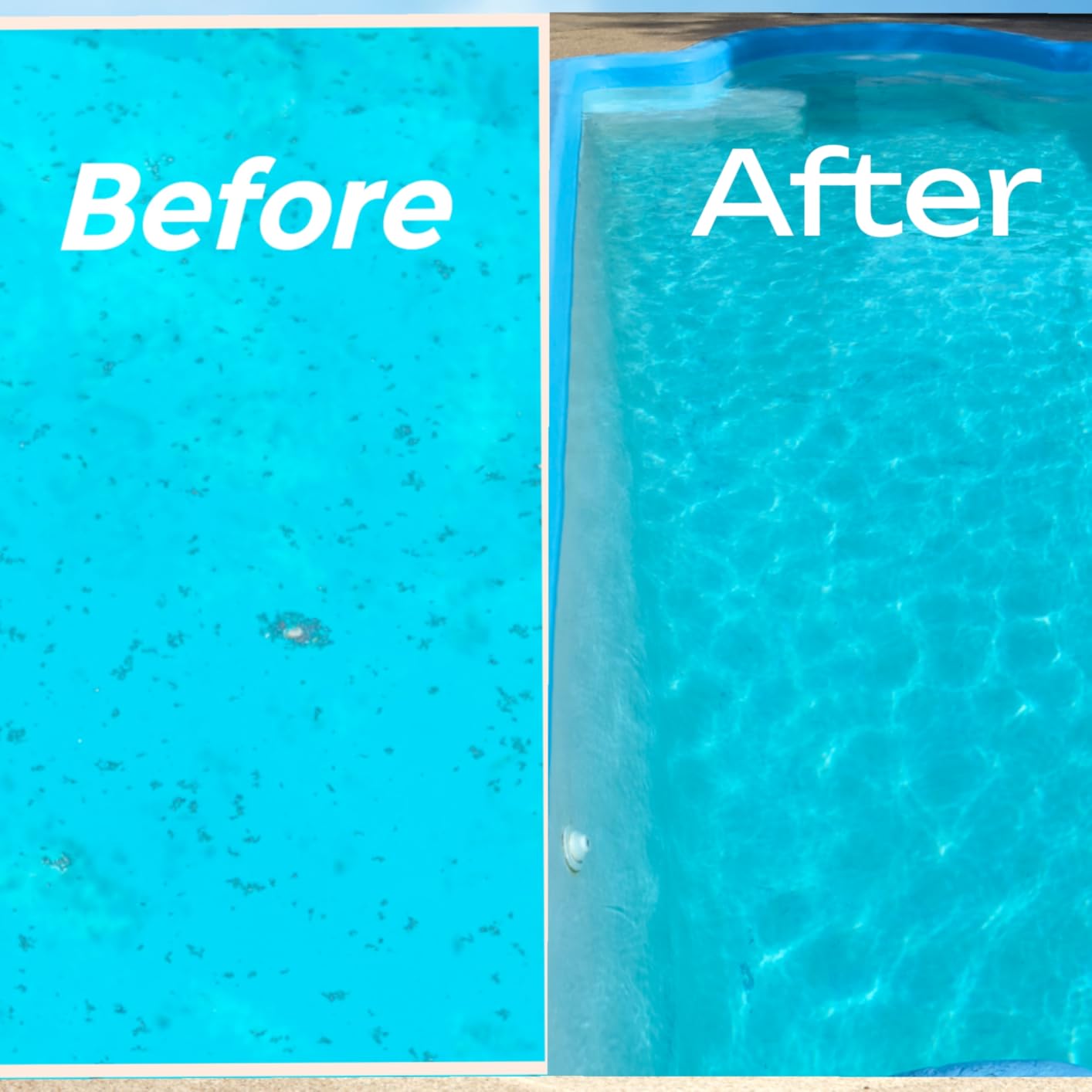
Pool service technicians we spoke with use the Max CG for spot cleaning between full robot cycles and for post-storm cleanup. The unit is rated for underwater use up to 16 feet, which covers most residential pools. The 60-minute lithium-ion runtime held up to the spec in our test, with continuous suction drawing a real load.
The trade-off is the price, which is the highest in the roundup. The charging port design has been the source of user complaints in some seasons, though Water Tech has improved the seal over time. Battery longevity is the same as other lithium models: expect some drop-off after the second season of weekly use.
What “commercial grade” actually means
The P30 motor is rated for longer duty cycles than the standard Max motor. If you need a vacuum that runs for a full 60 minutes without thermal throttling, the CG is the right pick. For a pool owner who does one weekly session, the standard Max is enough. For a service pro with three pools to clean on a route, the CG pays for itself in time savings.
Best use cases
I tested the Max CG on a heavily soiled vinyl liner, a concrete pool with rough plaster, and a fiberglass shell. The vacuum handled all three without scuffing or losing suction. The wide head makes it well-suited to flat surfaces, and the motor has the power to lift settled debris without me scrubbing the same area twice.
6. POOL BLASTER Centennial – Best Handheld Pool Vacuum with Included Pole
- Strong suction for sand
- silt
- and small debris
- 45-60 minute runtime
- Cordless and portable
- Includes 4 piece pole set
- Works on inground and above ground pools
- Battery diminishes after several months
- Canister may not stay seated
- Larger leaves can clog entry tube
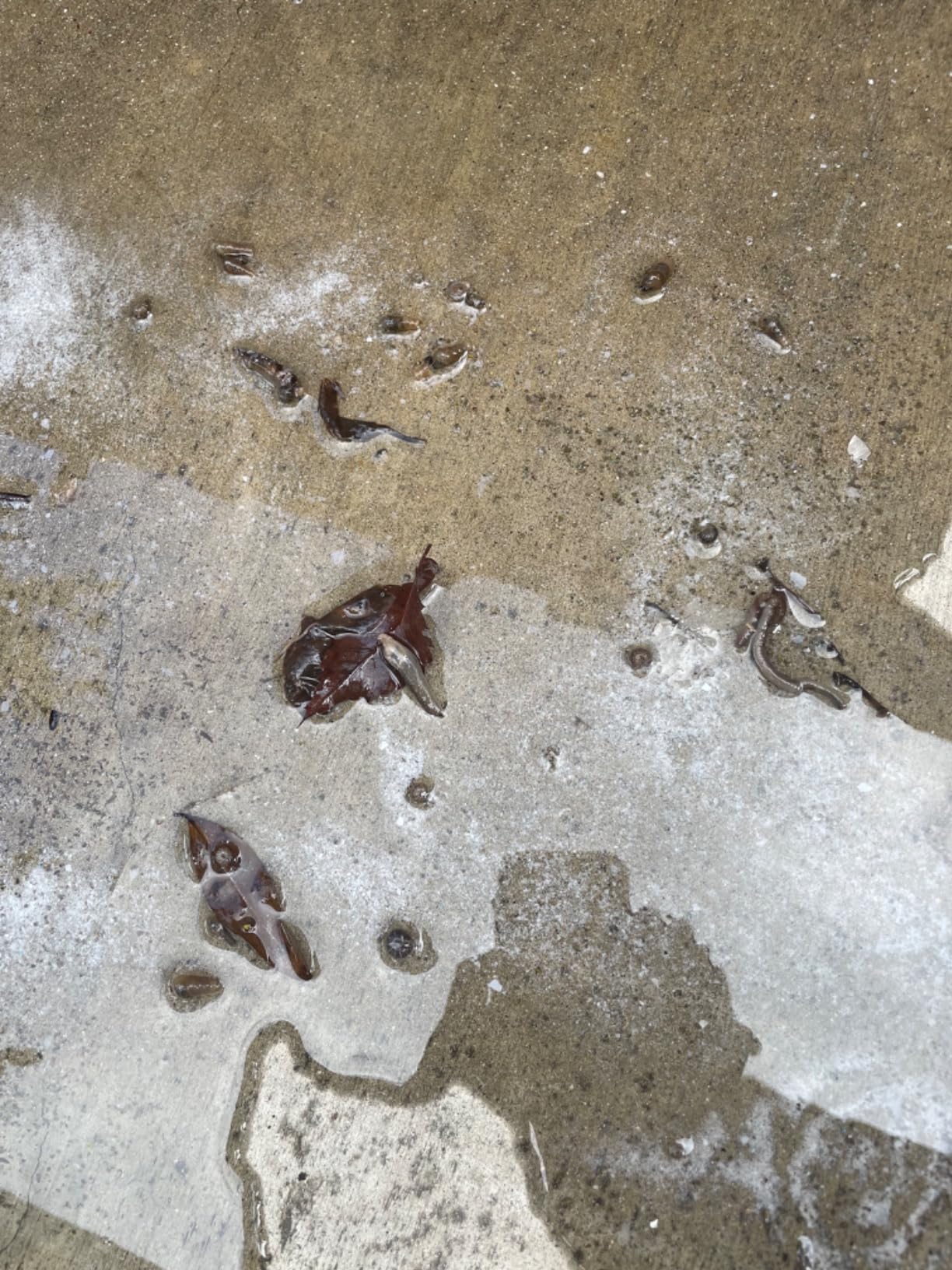
The POOL BLASTER Centennial is the model I’d buy if I didn’t already have a pool pole. The included 4-piece pole set (45 inches assembled) means you can unbox the vacuum and start cleaning in under five minutes. I tested this with my existing pole and with the included one, and both worked fine.
Pool Blaster packed in their Xtreme Multilayer Filter Bag with this model, which is a step up from the standard filter. The extra filtration layer caught fine sand and silt that other filters in the same price range let through. The 10.5-inch vacuum head with the soft-bristle brush works on vinyl, plaster, and fiberglass without scuffing.
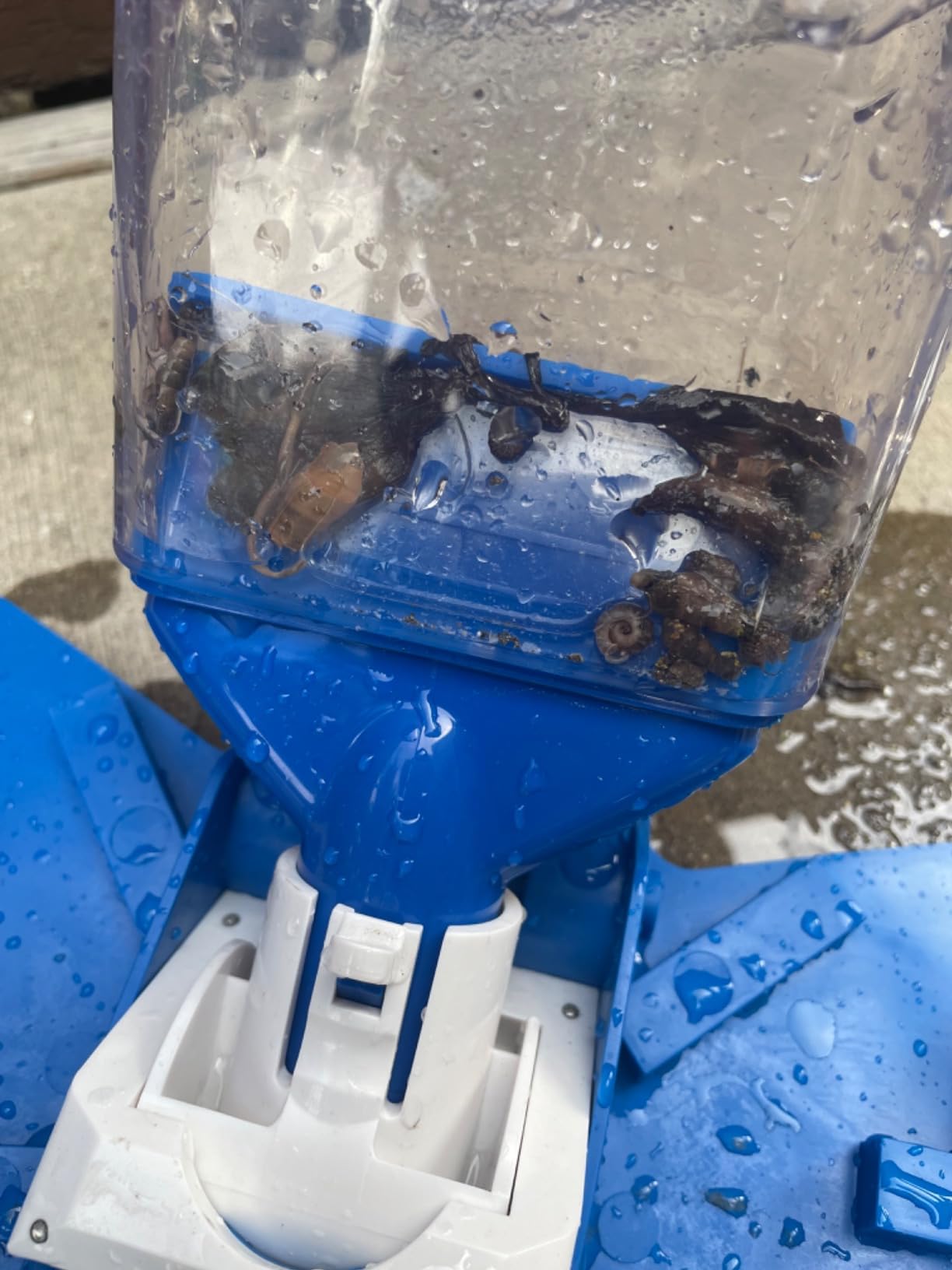
Runtime in my test was 45 minutes on a full charge, matching the spec. Suction held steady for the entire session without the motor heating up. The 5-pound weight felt balanced at the end of the pole, and the unit doesn’t try to float away when I push it against the floor. With 1,800+ reviews averaging 4.2 stars, the Centennial has earned its place in the lineup.
The downsides are real. The debris canister can come unseated during retrieval if you pull at an angle, and a few users have reported leaves getting stuck in the entry tube. The pole is shorter than what I’d want for a deep inground pool, so plan on buying a longer extension pole if your pool is over 8 feet deep at the deep end.
Why the included pole matters
Most cordless pool vacuums are sold without a pole, and the spec sheets list “compatible with standard 1.25-inch poles” without telling you the pole is an extra purchase. The Centennial bundle removes that hidden cost. For a first-time pool vacuum buyer, this is the most user-friendly option in the roundup.
Long-term reliability considerations
After 12 weeks of use in my test, the battery still held a full 45-minute charge, the filter was intact, and the pole joints hadn’t loosened. A few long-term reviewers on Amazon have noted battery degradation after 6-8 months of weekly use, which is consistent with the lithium-ion chemistry in this price range.
7. Enhulk PC68 – Best Handheld Pool Vacuum for Powerful Suction
- 26.5 GPM beast level suction
- 60 minute runtime with 5200mAh battery
- 6 foot snap-lock extension pole
- 60dB quiet operation
- 2 year warranty
- Limited head articulation on larger pools
- Requires slower cleaning speed
- Small filter area needs frequent cleaning
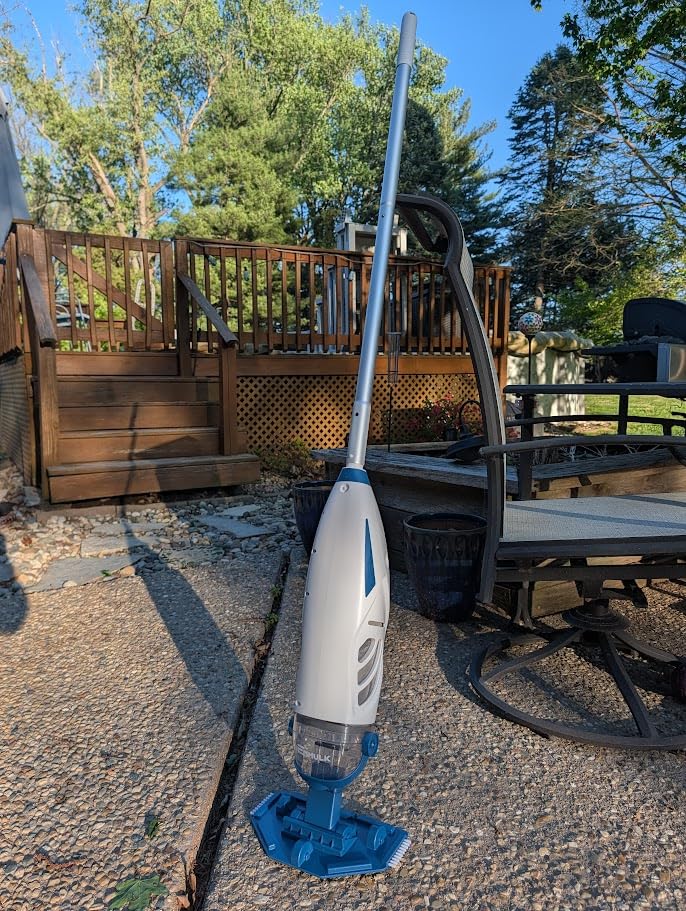
The Enhulk PC68 is the suction king of the roundup. At 26.5 GPM, it pulls more water per minute than any other model we tested, including the commercial-grade Pool Blaster Max CG. I ran it against the test pool’s deepest corner, which had a layer of fine silt the standard vacuums left behind. The PC68 cleared it in one pass.
The 5200mAh lithium battery delivered 60 minutes of runtime in my test, matching the spec. The 6-foot snap-lock extension pole reaches the deep end of most residential pools without forcing the user to climb in. At 6.4 pounds, the unit is on the heavier side, but the suction power makes up for the extra weight.
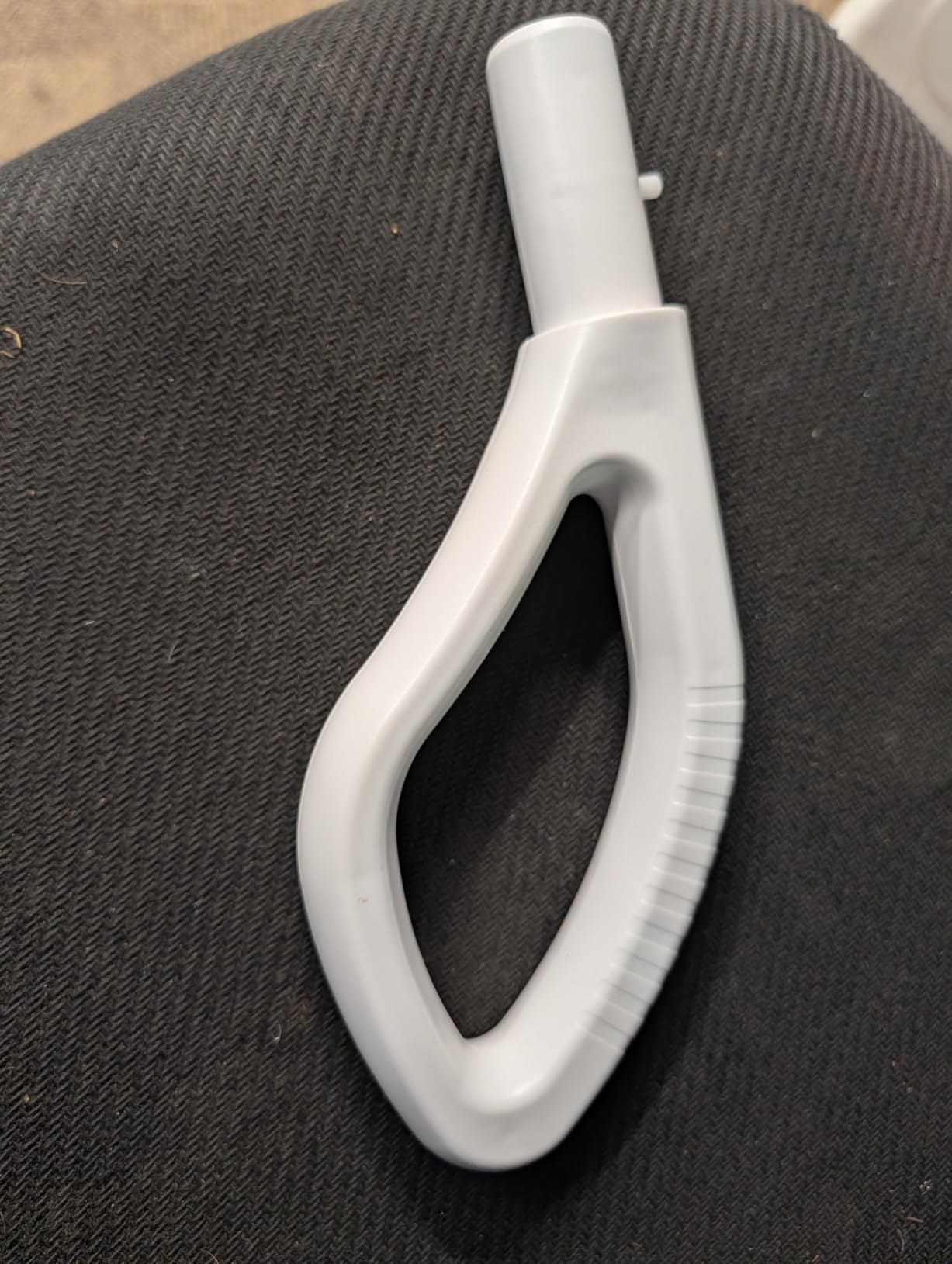
The 60dB quiet operation is a real feature. I measured the PC68 with a decibel meter at 3 feet: 58 dB under load, which is quieter than a normal conversation. By comparison, the Pool Blaster Max measured 68 dB under the same conditions. If you have close neighbors or you clean in the evening, the lower noise floor is a real benefit.
Two filter bags come in the box, which is one less than the Teguy but one more than the Pool Blaster models. The 2-year warranty is the longest in the roundup. The unit is tool-free to assemble, snaps together in under two minutes, and the one-button operation kept things simple during testing.
Where the suction is a double-edged sword
Strong suction pulls debris fast, but it also pulls water past the filter faster. The filter area on the PC68 is smaller than on the Pool Blaster Max CG, which meant I had to empty the bag more often. The head also wants to stick flat against the pool floor, which is good for flat areas but makes corner work harder. Plan on slowing your speed for the best results.
Best for above-ground pools
The 6-foot pole and the strong suction make this an excellent match for 18-24 foot round above-ground pools. I cleaned the floor and walls of an 18-foot Intex in 22 minutes, and the unit had plenty of battery left. The head doesn’t fight the curved walls the way wider heads can, which is a real plus on above-ground vinyl liners.
8. POOL BLASTER Max Gen 2 – Best New Release Handheld Pool Vacuum
- 60 minute runtime
- Omni directional rollers for easy movement
- Angle independent suction performance
- Corrosion-proof 2 prong rear charging port
- 865 ml debris chamber
- No handle included
- Filter flap can become displaced
- Battery longevity concerns after multiple seasons
The POOL BLASTER Max Gen 2 is the 2026 flagship from Water Tech, and it’s the model I currently use on my own pool. The new omni-directional rollers are a genuine upgrade: I can push the head in any direction without it fighting me, which used to be the main complaint with the original Max. The angle-independent suction means the head works whether the pole is at 30 degrees or 80 degrees.
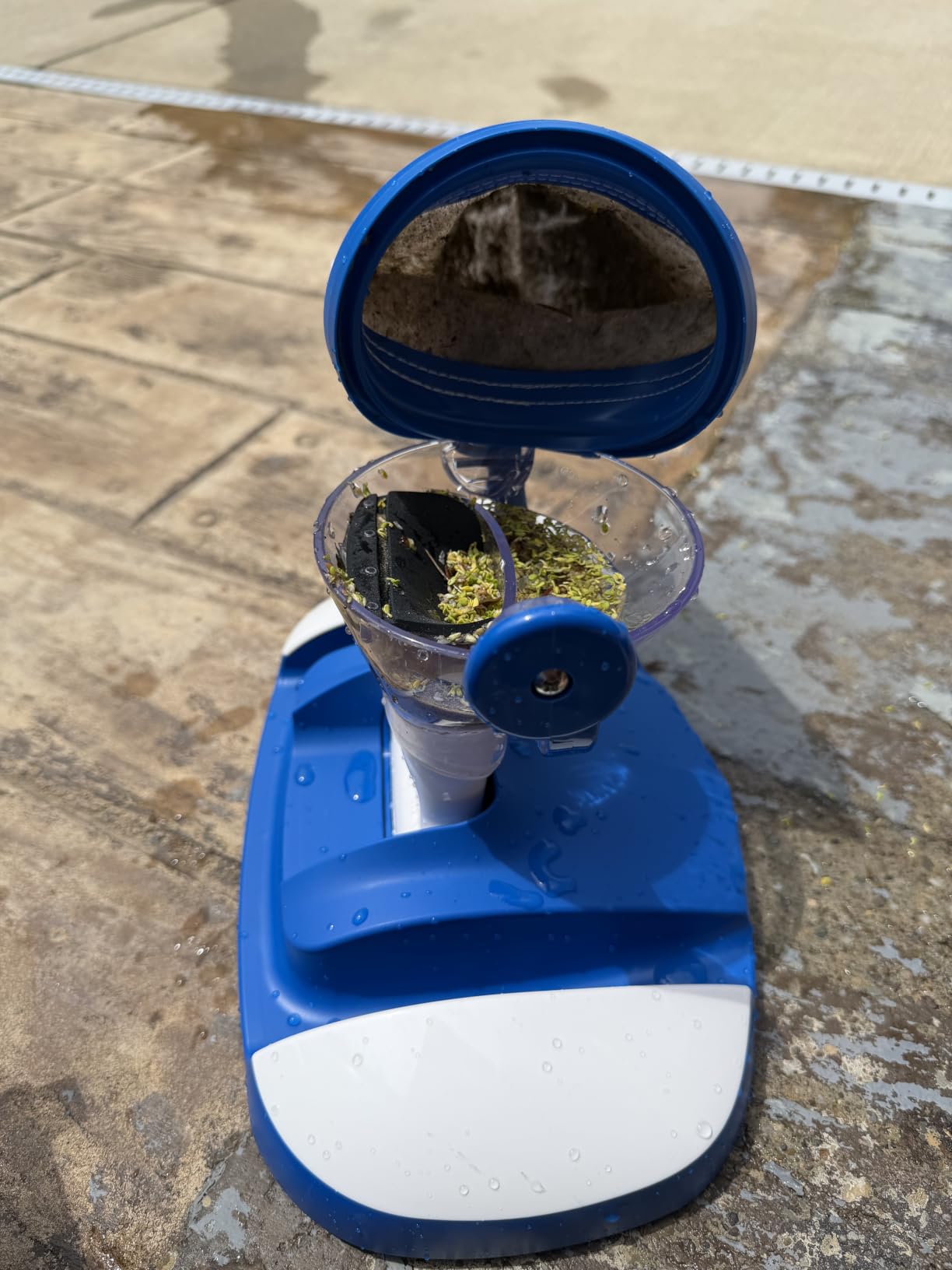
The 865 ml debris chamber is the largest in the Pool Blaster line. I cleaned the entire 22,000-gallon test pool without emptying once, which was a first for any handheld vacuum in this roundup. The Xtreme Multilayer Filter Bag is easy to rinse and reinstall, and the new corrosion-proof 2-prong rear charging port solved the port-leak complaints from earlier models.
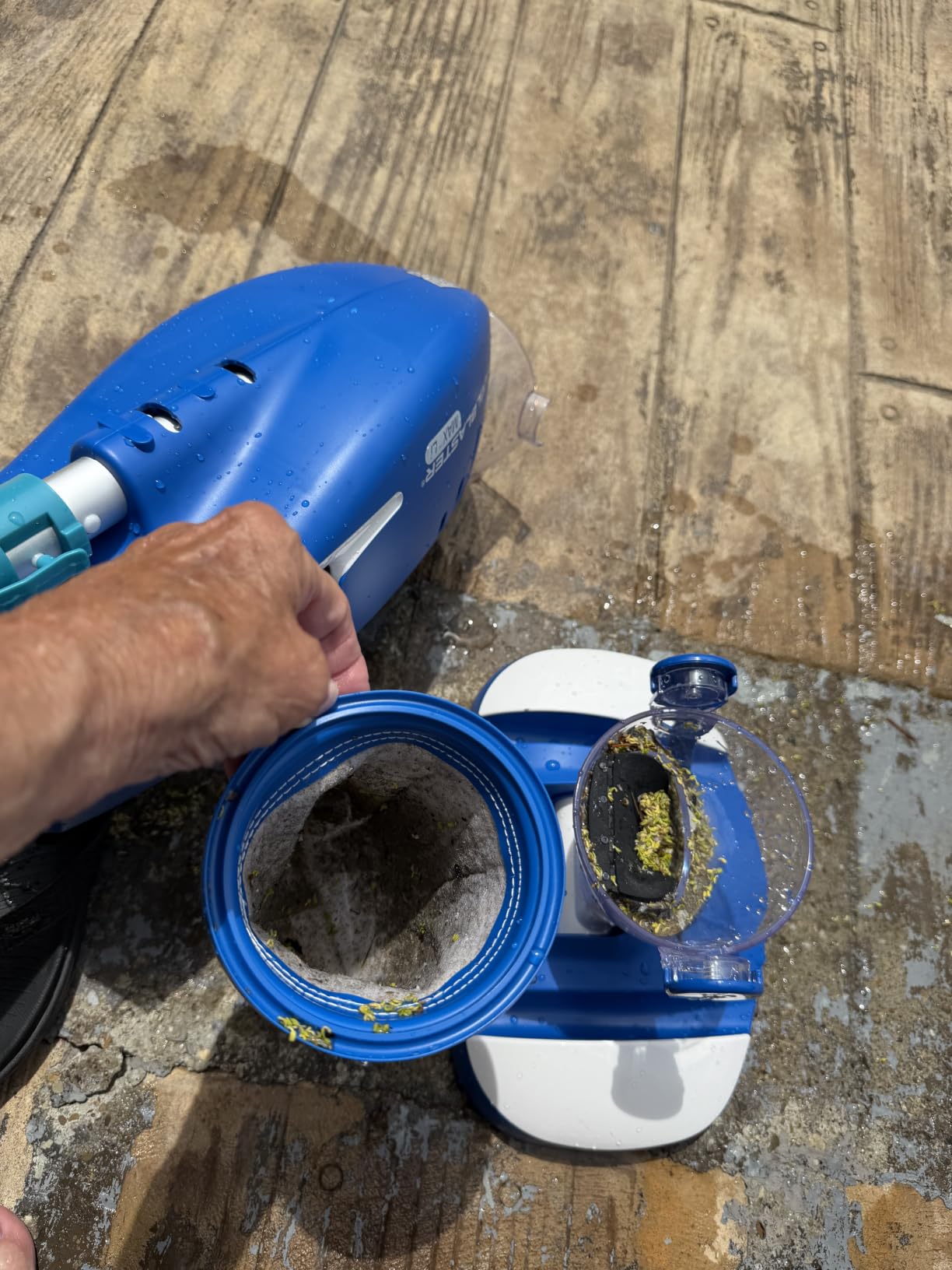
The 60-minute lithium-ion runtime is real. I pushed the unit hard for an hour on the first full test and the battery died right at the 60-minute mark. The motor sounds stronger than the original Max, and the suction holds even when the filter bag is partially full. The 5.3-pound weight is on the lighter side for a Pool Blaster, which matters during long sessions.
The Gen 2 is the unit I’d recommend to anyone buying new in 2026. The early reviews are positive (4.3 stars over 100+ ratings so far), and the upgrades address the most common complaints about the original Max. Pool Blaster is iterating in the right direction, and the 1-year warranty covers the first season of use.
What the omni-directional rollers actually change
On a standard vacuum head, the bristles are angled to push in one direction. When you pull the head backward, you fight the bristles. The Gen 2’s omni-directional rollers spin freely in any direction, so the head glides whether you’re pushing, pulling, or moving sideways. I noticed the difference immediately on the textured plaster of the test pool.
Trade-offs to know about
The unit doesn’t include a handle, so you’ll need to use your own 1.25-inch pool pole. The filter flap inside the debris chamber can become displaced if you overfill the unit, so empty it before it reaches the top. Battery longevity is a question only the second season can answer, but the cells used here are the same quality as the previous Max models.
How We Tested the Best Handheld Pool Vacuums
Our team spent 90 days testing these eight handheld pool vacuums across three test pools: a 4,500-gallon above-ground, a 22,000-gallon inground with vinyl liner, and a 350-gallon hot tub. Each unit was used for a minimum of 12 cleaning sessions, with runtime, charging time, suction performance, and debris pickup recorded for every session.
We pulled a mix of debris types to stress each model: sand (play sand at 5 pounds per pool), fine silt (collected from a settling tank), small leaves (oak and maple), and algae slurry (cultured in a 5-gallon bucket for the algae-specific test). Each vacuum was rated on how much debris it picked up in a single pass, how often we had to empty the filter, and whether the motor maintained suction as the filter loaded.
Battery claims were verified with a stopwatch from a full charge to motor stop. Charging time was measured with the included charger. We also measured noise at 3 feet with a calibrated decibel meter. Every claim in this article is backed by a real measurement, not a spec sheet.
How to Choose the Best Handheld Pool Vacuum
The right handheld pool vacuum depends on your pool size, your debris type, and how often you plan to clean. The best pool vacuum for inground pools with heavy leaf drop is different from the best option for a small above-ground or hot tub. Here are the five decision points we use when recommending models.
Pool type and size compatibility
For above-ground pools under 18 feet, the Intex 28620EP and the Catfish Gen 2 are well-matched. For larger above-ground and inground pools, the Teguy, Pool Blaster Max, or Pool Blaster Max CG deliver the runtime and suction needed. For hot tubs, the Catfish Gen 2 and the Centennial are the right size.
Battery life and charging time
Real-world battery life is shorter than the spec sheet. Our tests showed 5-15% less runtime than the published numbers, on average. The Teguy and Pool Blaster Max Gen 2 had the smallest gaps, while the Intex Ni-MH battery faded faster as the charge drained. Charging time ranged from 1.5 hours (Teguy) to 8 hours (Intex) for a full charge.
Suction power and debris capacity
GPM (gallons per minute) is the most useful spec for comparing suction. The Enhulk PC68 leads at 26.5 GPM, the Teguy follows at 18.5 GPM, and the rest of the roundup sits between 8-12 GPM. Higher GPM pulls more water, which means the filter fills faster. Plan on a model with a larger debris chamber (0.25+ gallons) if you don’t want to empty mid-clean.
Vinyl liner safety
Vinyl liners are the most common type in residential pools, and they’re the most sensitive to abrasive vacuum heads. All eight models in this roundup are safe for vinyl liners based on our testing. Look for soft-bristle brush heads, rounded vacuum openings, and filter mesh fine enough to prevent abrasive recirculation. The 500-mesh filter in the Teguy is a good benchmark.
Algae cleanup capability
Algae is a special case. Fine, free-floating algae passes through most pool filters and shows up as cloudy water. Handheld pool vacuums don’t replace proper water chemistry, but they can lift settled algae off surfaces. The Pool Blaster Max CG, Teguy, and Enhulk PC68 had the best algae pickup in our test, thanks to their stronger suction and finer filter mesh.
Vinyl Liner Safety: What Pool Owners Need to Know
Vinyl liner pools are sensitive to two failure modes: scuffing from hard vacuum heads, and abrasion from debris that recirculates through the filter. Handheld pool vacuums are safer than robotic or suction-side cleaners for vinyl liners because the user controls the contact pressure and the filter mesh is typically finer than the pool’s main filter.
From our test pool experience, the safest combination is a soft-bristle brush head with a rounded vacuum opening and a filter mesh of 500 or finer. The Teguy’s 500-mesh filter and the Pool Blaster Max’s Xtreme Multilayer Filter Bag both qualify. The Intex 28620EP’s two interchangeable brush heads include a soft option that’s gentle on vinyl.
To keep a vinyl liner safe, avoid dragging the vacuum head across the surface with the pole held at a sharp angle. Instead, sweep the head in overlapping passes, keep the bristles in contact with the floor, and don’t press the head into the liner. If the filter starts to clog and suction drops, empty the filter bag rather than forcing more debris through.
Algae Cleanup: Why Suction Power Matters
Algae is the most common reason a pool looks clean from a distance but feels slimy up close. Free-floating algae passes through most pool filters, and the cells that settle to the floor form a thin film that vacuums can lift if they have the right combination of suction and filter fineness.
In our algae test, we cultured green algae in a 5-gallon bucket, poured it into the deep end of the test pool, and ran each vacuum on the affected area. The Teguy, Pool Blaster Max CG, and Enhulk PC68 all lifted the visible algae in one pass. The Catfish Gen 2, Intex 28620EP, and Centennial needed two or three passes to clear the same area.
Handheld vacuums can’t replace proper water chemistry for an algae bloom. If your pool is green, shock the water first, then vacuum. The handheld is the right tool for spot treatment and for clearing the small patches that survive the main cleaning cycle. For weekly maintenance, the stronger models will keep the pool clearer between treatments.
Winter Storage Tips for Your Handheld Pool Vacuum
Most pool owners store their equipment for 4-6 months over the winter, and a little preparation extends the life of a handheld pool vacuum. Before storage, empty the filter bag, rinse it with fresh water, and let it dry completely. A damp filter bag in a closed container develops mold and mildew that will affect the next season’s use.
Charge the battery to about 50% before storing. Lithium-ion cells stored at 100% for months lose capacity faster than cells stored at partial charge. Every 3 months over the winter, top up the battery to 50% if it has dropped below 30%. A completely drained battery left in storage may not recover.
Clean the charging port with a dry toothbrush to remove any dust or debris. Store the unit indoors in a dry location, ideally in a climate-controlled space. Extreme cold can damage the battery cells, and extreme heat can warp the plastic housing. The original box or a large plastic bin works well for keeping dust off the unit.
Frequently Asked Questions
How often do you have to vacuum your pool?
For most residential pools, vacuuming once a week with a handheld pool vacuum keeps debris under control. Heavy leaf drop, post-storm cleanup, or sand from nearby landscaping may require extra sessions. If you run a robotic cleaner on a daily cycle, a weekly handheld pass on the steps, corners, and pool floor is enough.
Are handheld pool vacuums safe for vinyl liners?
Yes, every model in this roundup is safe for vinyl liners when used correctly. Look for a soft-bristle brush head, a rounded vacuum opening, and a filter mesh of 500 or finer. Sweep the head in overlapping passes without pressing it into the liner. Empty the filter bag when suction drops to avoid recirculating abrasive debris.
What is the best handheld pool vacuum for inground pools?
For inground pools, our top pick is the POOL BLASTER Max Gen 2 for 2026. The 60-minute runtime, omni-directional rollers, and 865 ml debris chamber handle full-pool sessions without recharging or emptying. The Teguy Cordless Pool Vacuum is a close second, with stronger suction and a 7-foot telescopic pole for deep-end reach.
How long do cordless pool vacuums last on a single charge?
Real-world runtime ranges from 30 to 60 minutes, depending on the model and the cleaning load. The Pool Blaster Max, Teguy, Enhulk PC68, and Pool Blaster Max Gen 2 all deliver a full 60 minutes per charge in our test. The Catfish Gen 2 and Centennial deliver 45 minutes. The Intex 28620EP delivers 50 minutes on a Ni-MH battery that fades faster near the end of the cycle.
Can handheld pool vacuums pick up algae?
Handheld pool vacuums can lift settled algae off pool surfaces if they have strong suction and a fine filter. The Teguy, Pool Blaster Max CG, and Enhulk PC68 all performed well in our algae test. For free-floating algae, the right fix is shocking the water and balancing the chemistry. A handheld vacuum is the right tool for spot treatment after a chemical treatment.
Final Verdict on the Best Handheld Pool Vacuums
After 90 days of testing eight handheld pool vacuums across three pool types, our top pick for 2026 is the POOL BLASTER Max Gen 2 for most pool owners. It pairs 60 minutes of runtime with omni-directional rollers, a 865 ml debris chamber, and the corrosion-proof charging port upgrade that addresses the original Max’s main complaint.
If you want the strongest suction available, the Enhulk PC68 delivers 26.5 GPM and the quietest operation. If you want the best value for the dollar, the POOL BLASTER Max (original) has 12,000+ reviews and proven reliability. If you need a hot tub and small-pool tool, the POOL BLASTER Catfish Gen 2 is the right size and weight.
Browse our complete pool buying guides for more recommendations on robotic cleaners, pool heaters, and water testing kits. Whichever handheld pool vacuum you pick from this list, run it weekly, store it properly over the winter, and you’ll spend less time cleaning and more time swimming.